0601 - Mark Armour
Mark Armour is the creator of The Satchel Paige Project. The award-winning author, researcher, and historian also served as the President of the Society for American Baseball Research’s Board of Directors from 2019 to 2025. During our conversation, he referenced a handful of things and people upon which you may want to do more research. Consider this page to be your “liner notes” for the episode so you can follow along.
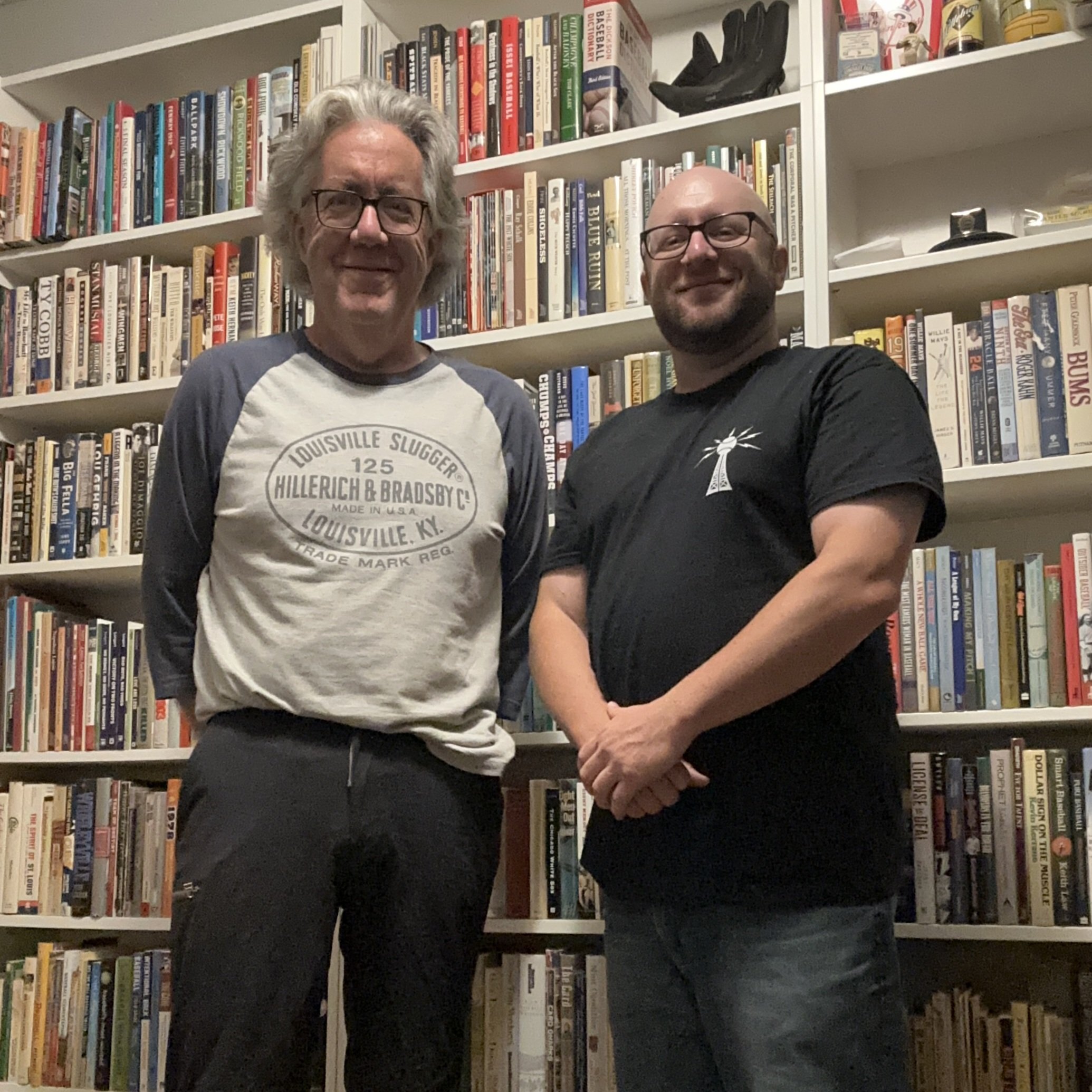
Mark Armour and me after recording our interview at my home in Cleveland, Ohio
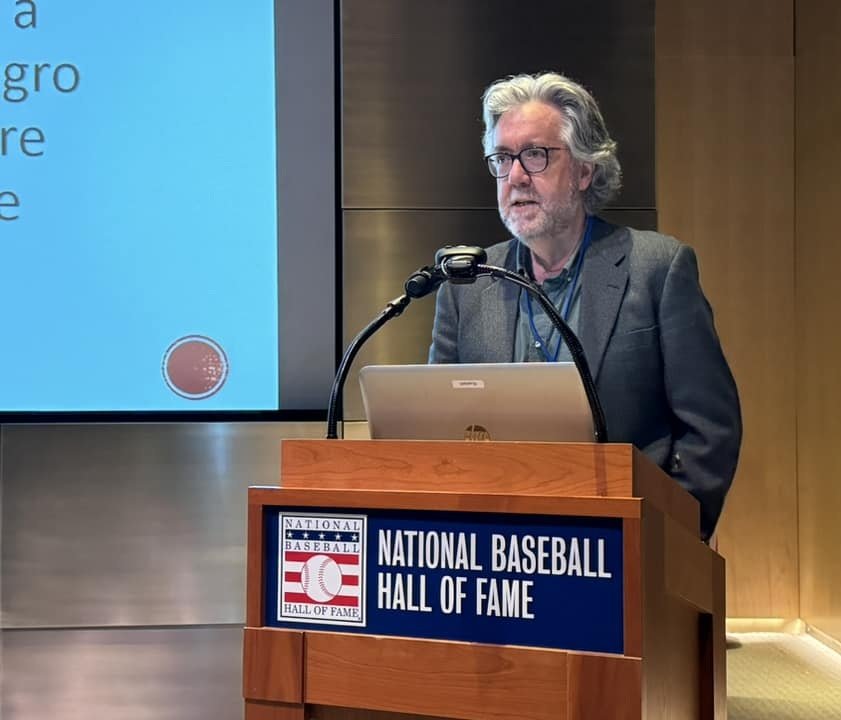
Highly-Decorated
Mark is a baseball historian, film lover, music enthusiast, husband, and father living in Corvallis, Oregon.
Joining the Society for American Baseball Research in 1983, Mark has made extensive contributions to the organization over the past four decades.
Mark was the recipient of SABR’s highest honor, the Bob Davids Award, in 2008, and of the Henry Chadwick Award, honoring baseball’s greatest researchers, in 2014.
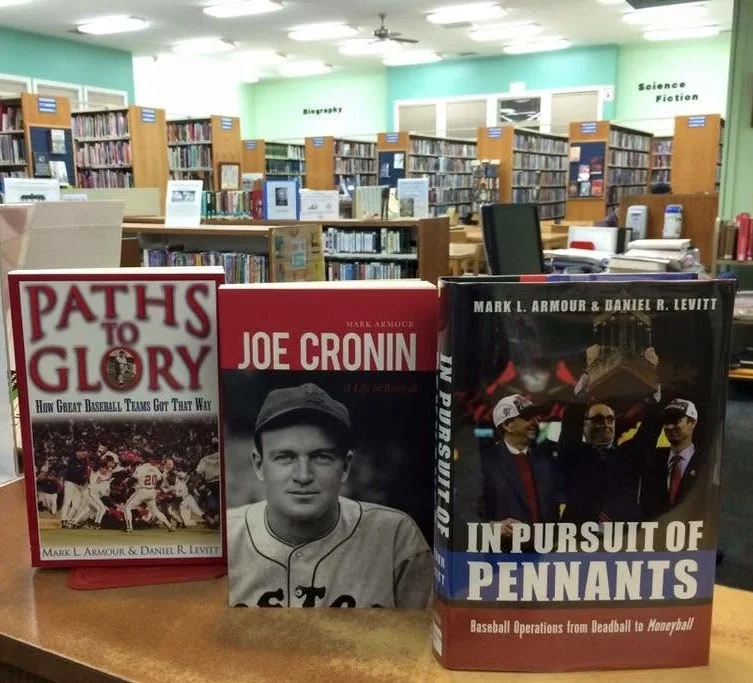
Published Author
Mark has written or co-written several other books and many articles for publication.
His book Joe Cronin: A Life in Baseball, published by the University of Nebraska Press, was a finalist for the prestigious Seymour Medal in 2011, as was In Pursuit of Pennants, also published by Nebraska, which he co-wrote with Dan Levitt in 2015.
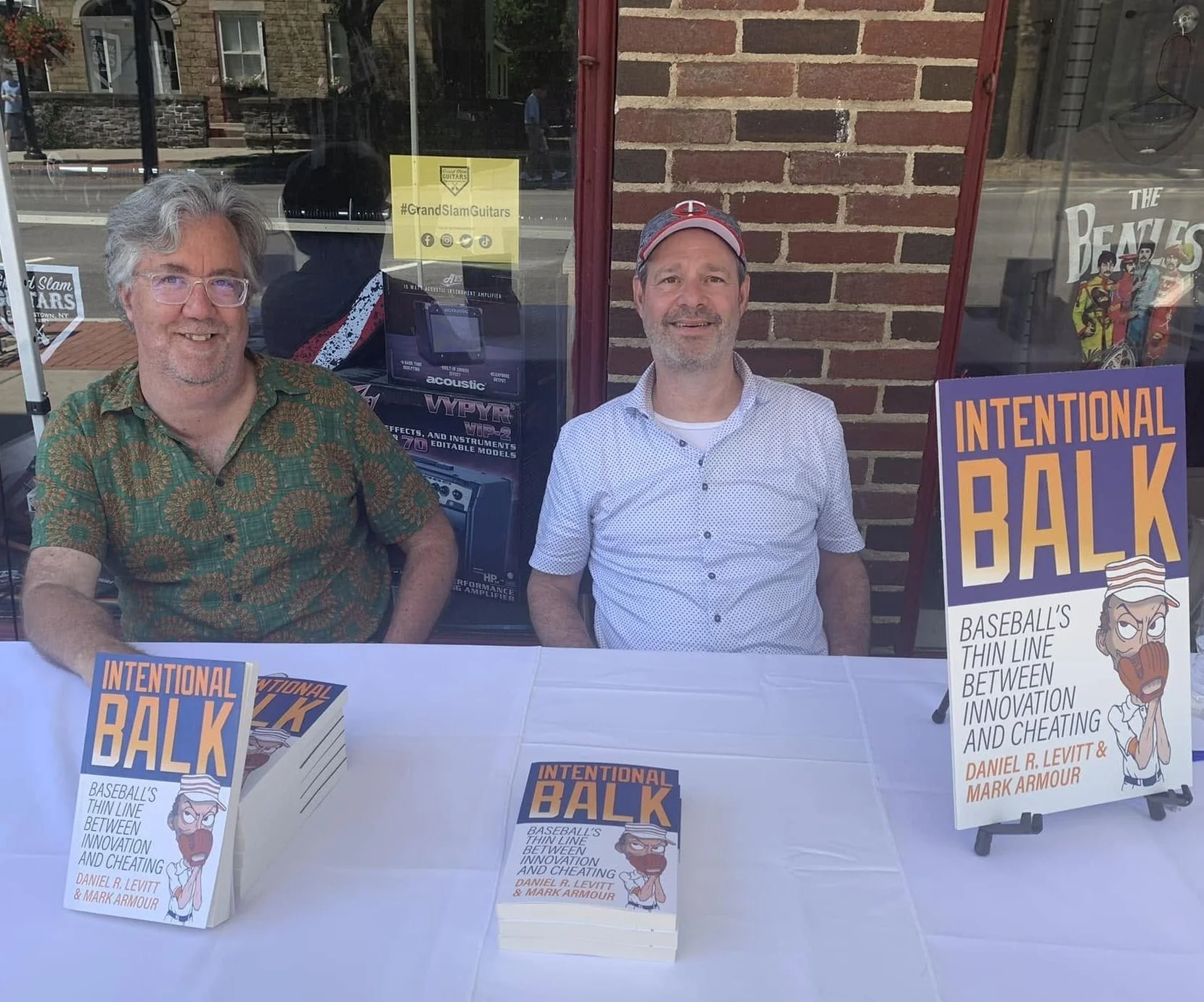
Seymour Medal Winner
In 2022, Mark and Dan Levitt produced their third collaboration, Intentional Balk: Baseball’s Thin Line Between Innovation and Cheating, via Clyde Hill Publishing. The book traces the history of baseball’s more ingenious or nefarious efforts to get an edge on the opposition.
That book was awarded SABR’s Seymour Medal for the best book of baseball history or biography published that year.
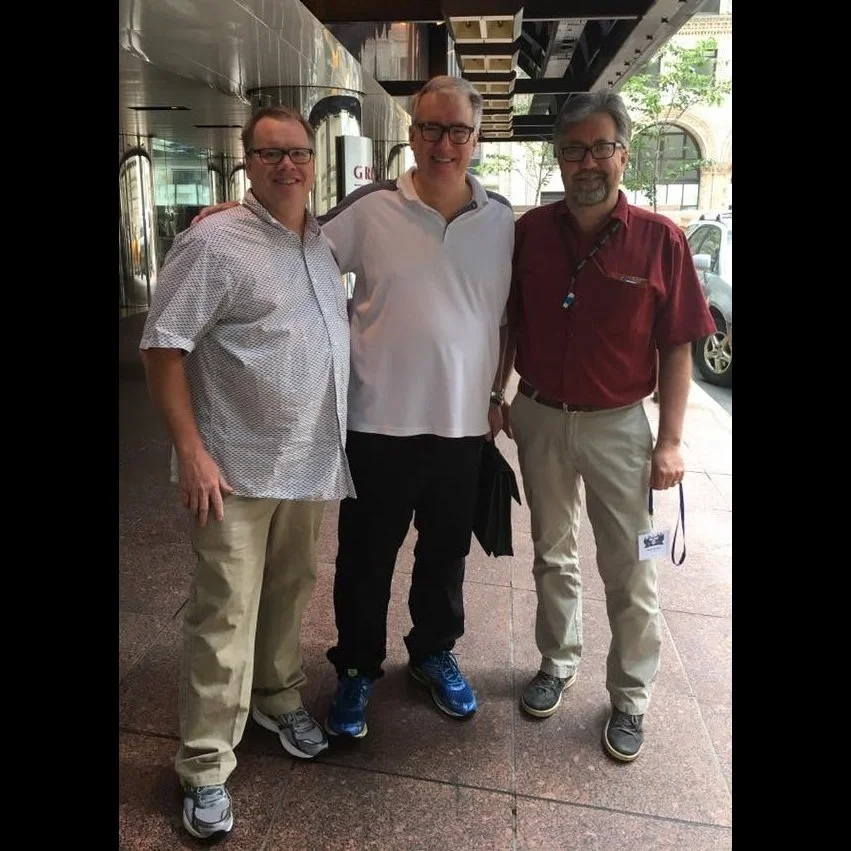
Baseball Cards Committee
In 2002, Mark became the founder of SABR’s Baseball Biography Project, and he was its director through 2016. That year, he and Chris Dial resurrected SABR’s Baseball Cards Committee.
Mark is pictured here with Chris Dial (left) and fellow baseball card historian, Keith Olbermann (center).
Shoebox Treasures
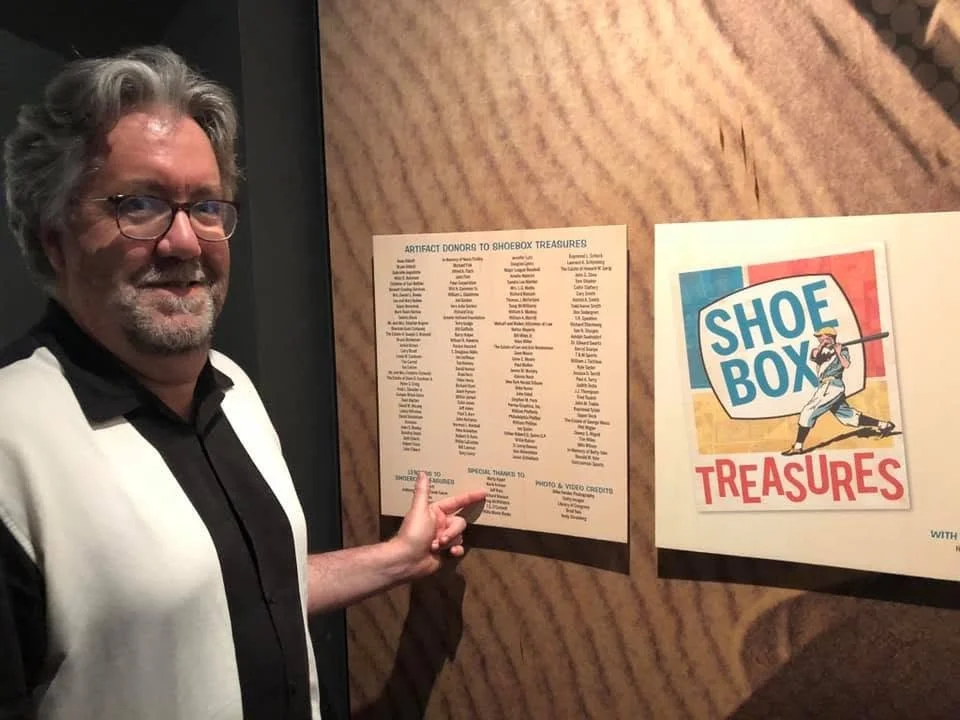
Mark’s love for - and knowledge of - baseball cards led him to be an advisor to the National Baseball Hall of Fame on what became their permanent Shoebox Treasures exhibit, which opened in 2019, and lives on the third floor of the museum in Cooperstown.
SABR’s Negro Leagues Task Force
Also in 2019, Mark was elected as the President of SABR’s Board of Directors.
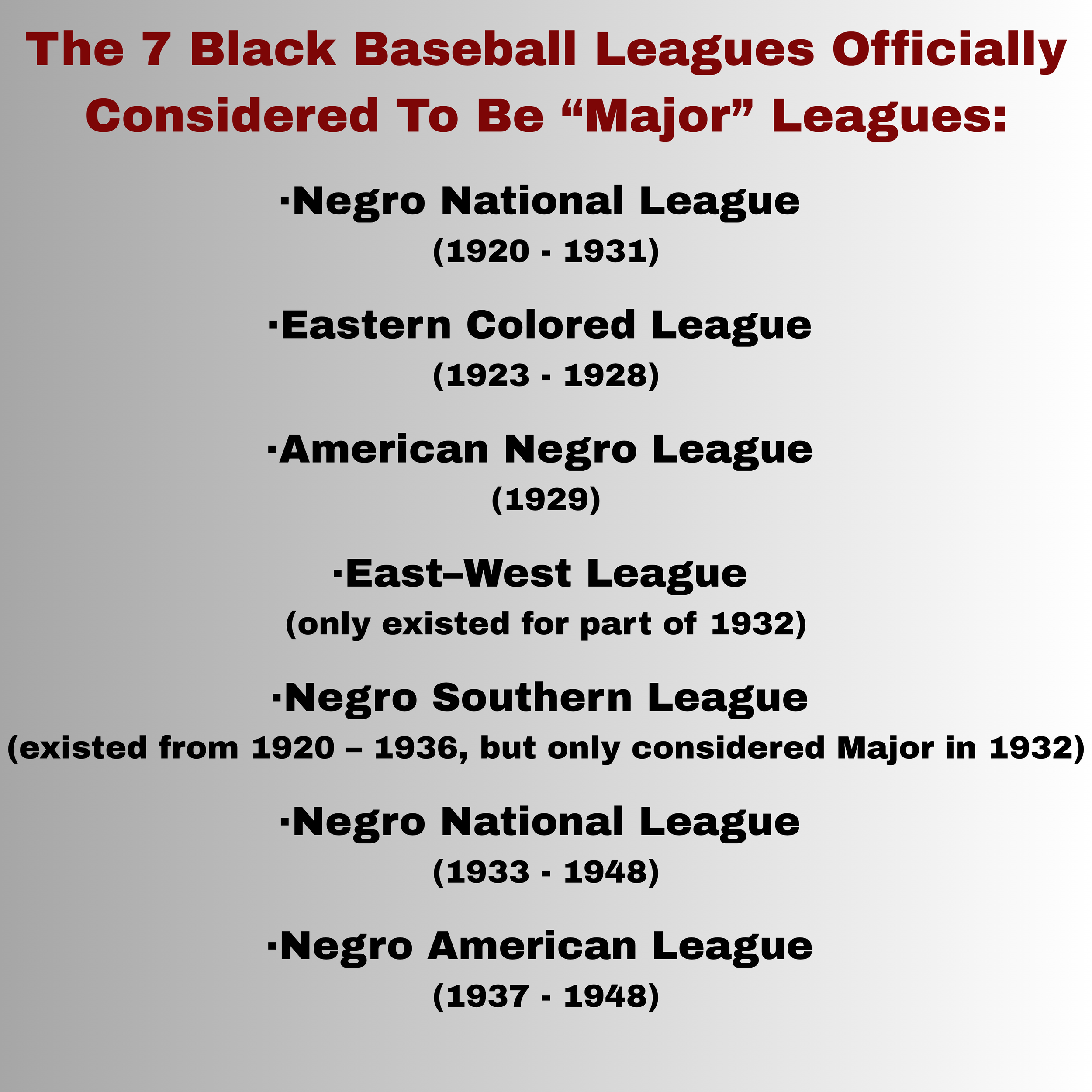
Mark chaired SABR’s Negro Leagues Task Force, which, in 2021 recommended that SABR recognize the seven great Negro Leagues as major leagues.
Adam Darowski
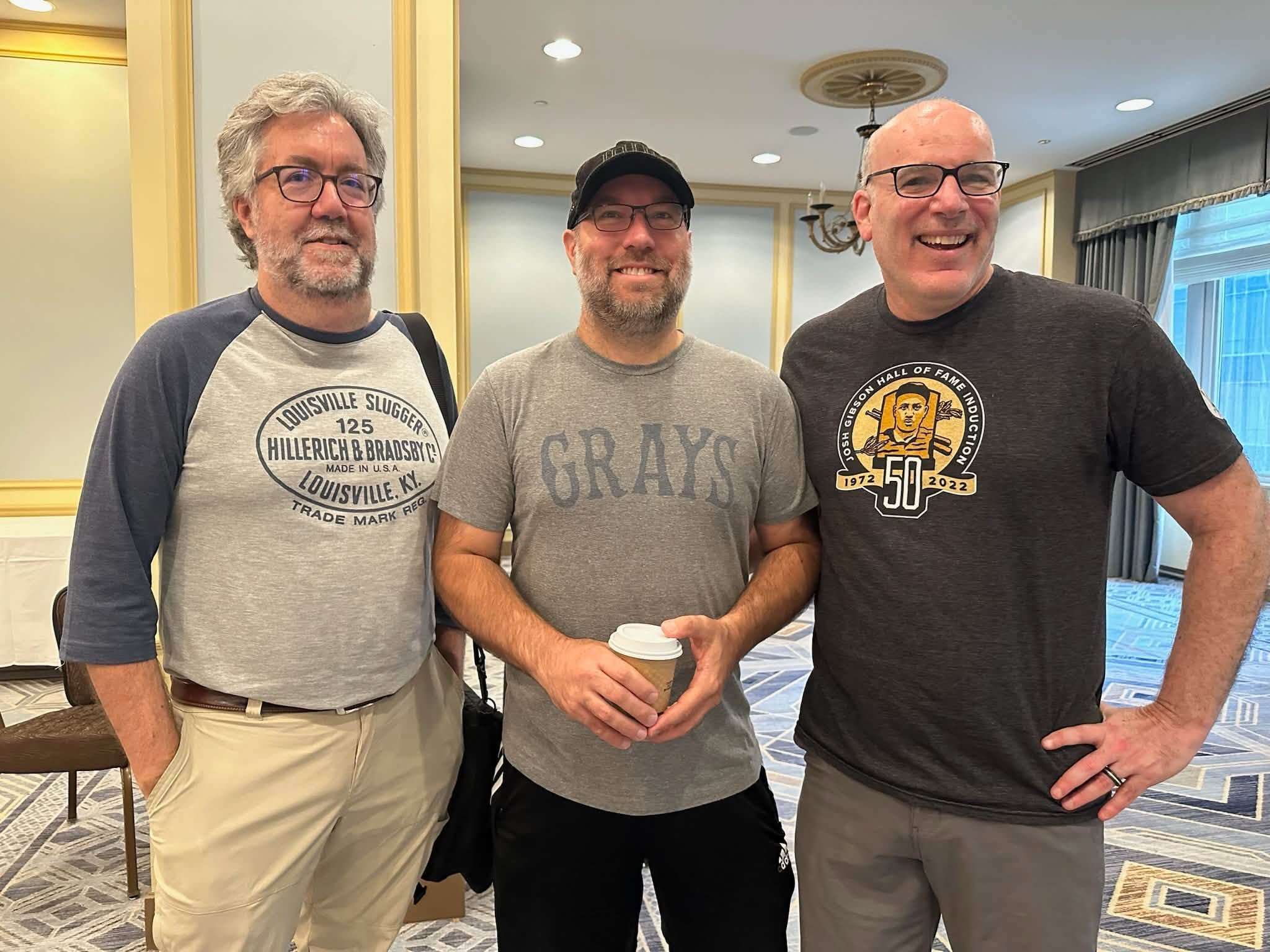
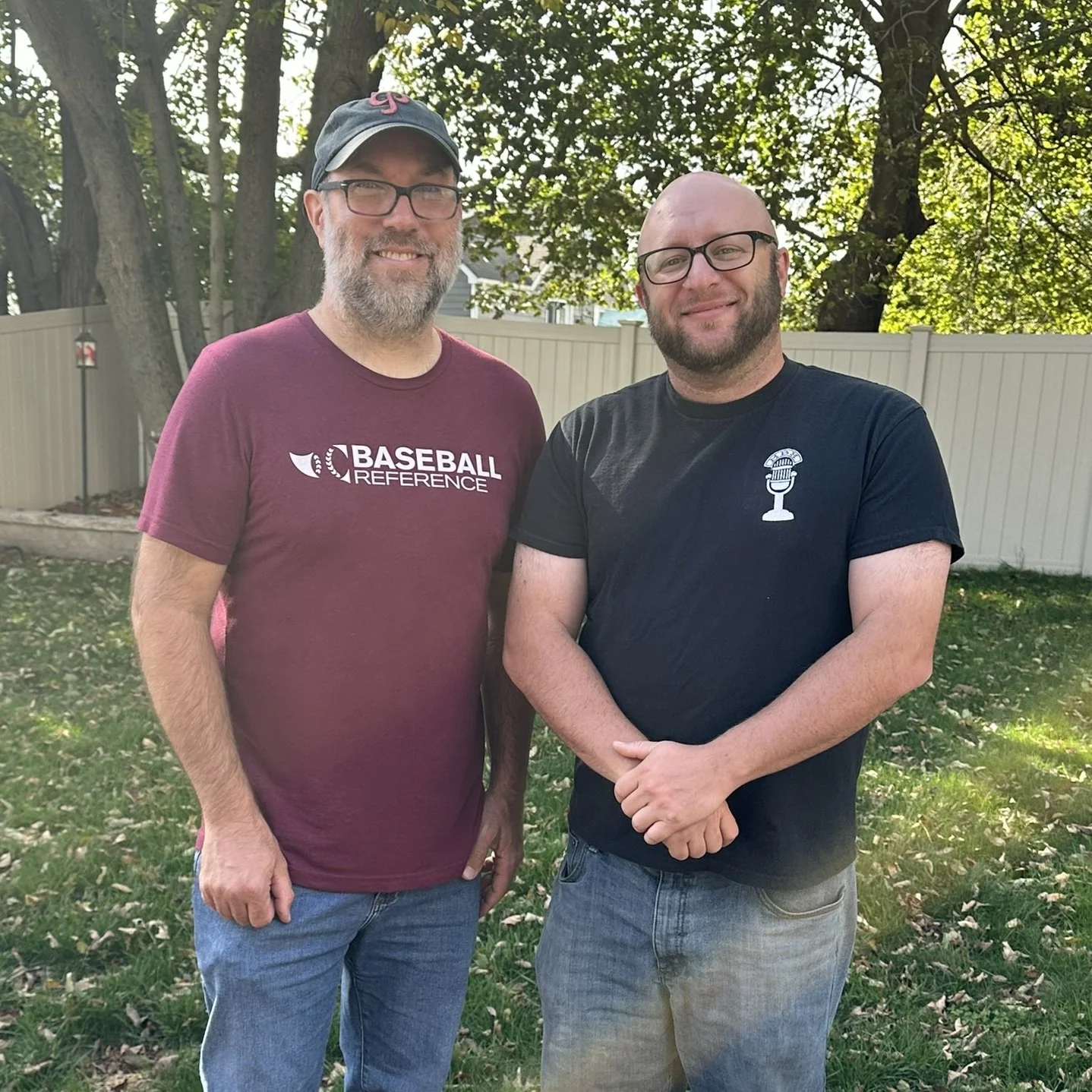
In Episode 6 of Season 5 of My Baseball History, our guest was Adam Darowski of Baseball Reference (seen here, center, with Mark on the left, and SABR Baseball Card Committee co-chair Jason Schwartz on the right).
In our interview, Adam and I spoke about the integration of the statistics from those Negro Leagues into the official Major League record books, and the historical implications of that change.
You can listen to that episode HERE.
Respected Researcher
Mark has won two McFarland-SABR Baseball Research Awards, and two SABR Baseball Research Awards. In May of 2025, he was awarded one of those McFarland-SABR Baseball Research Awards for his article on the politics surrounding Satchel Paige’s eventual election to the Hall of Fame.
Two months later, Mark publicly launched the results of his Satchel Paige Project, whose goal is a complete pitching log for Paige’s entire life.
At the time of the airing of this episode, Mark has documented more than 2,000 games in which Satchel Paige appeared during his pitching career.
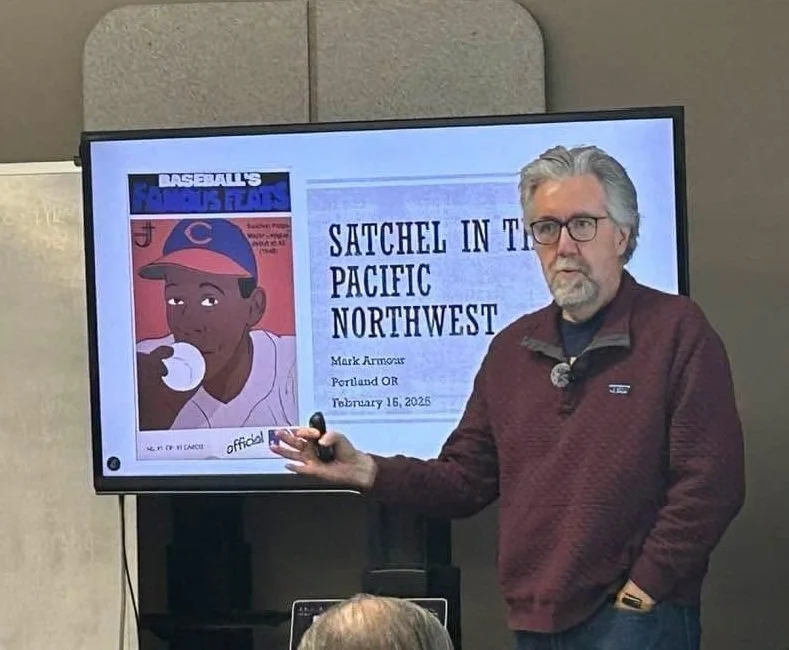
The Satchel Paige Project
In May of 2026, Mark received one of his SABR Baseball Research Awards for The Satchel Paige Project, which is what he and I really spend the bulk of this interview discussing.
Check out Mark’s work HERE.

What This Episode Is Not
This episode is mostly not going to be stories about Satchel Paige's individual pitching performances, though there are some of those.
It is mostly not going to be stories about how fast he threw, or how accurate he was, or how dominant and imposing he appeared on the mound, though, there will be some of those, too.

What This Episode Is
This conversation is mostly about the breadth and depth of Satchel Paige's travels throughout his career.
Mark has documented games ranging from 1926 all the way to 1977.
You read that right.
But as crazy as that number seems, you don’t get to over 2,000 pitching appearances overnight.
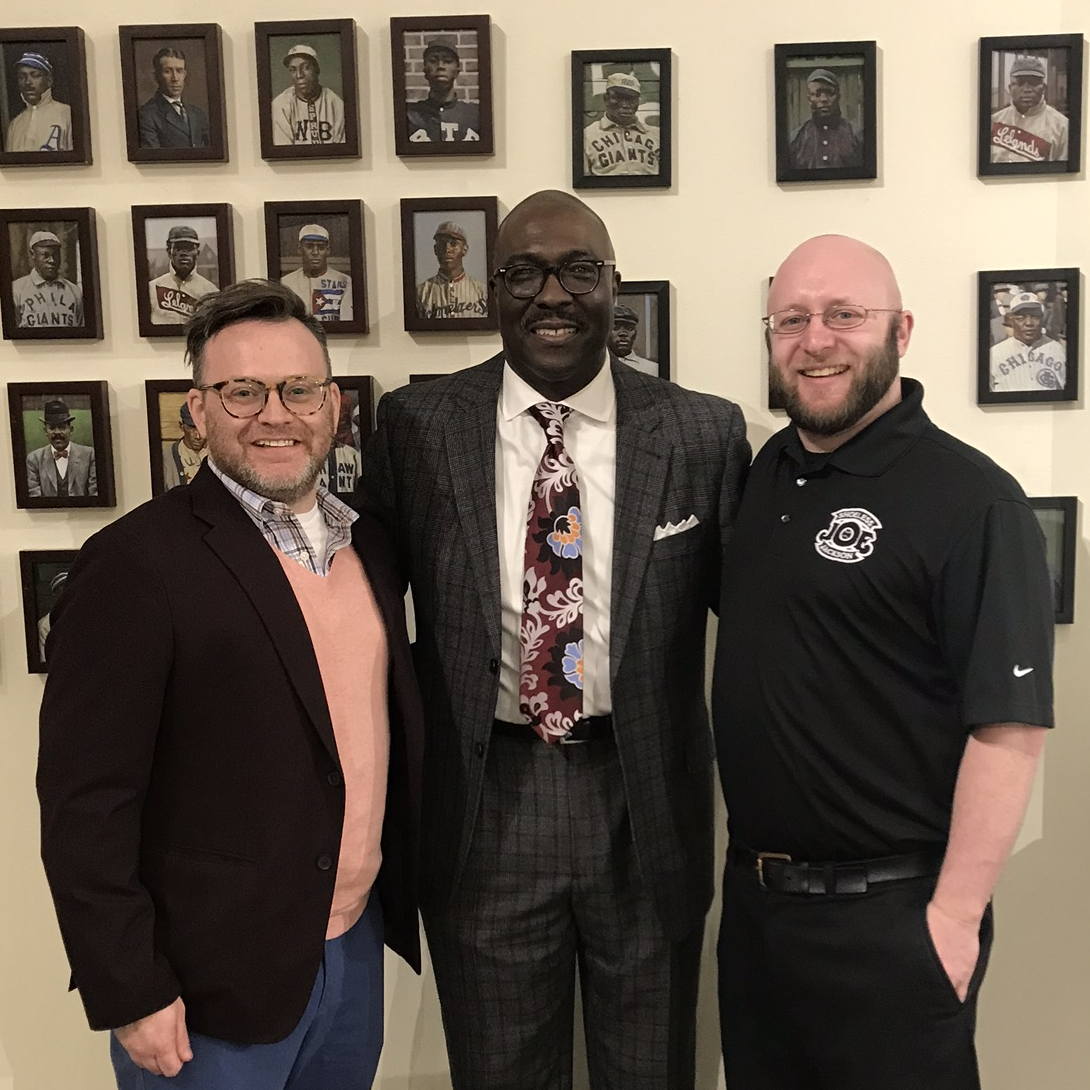
Other MBH Episodes Featuring Stories About Satchel Paige
If you are interested in hearing about those other kinds of stories about Satchel Paige, you can check out some of the previous episodes of My Baseball History when we've had other guests talk about him.
One of those episodes is with Bob Kendrick, the President of the Negro Leagues Baseball Museum in Kansas City, but we have a number of previously-released Negro Leagues-related episodes.
You can listen to Episode 5 of Season 5 with Bob Kendrick HERE.
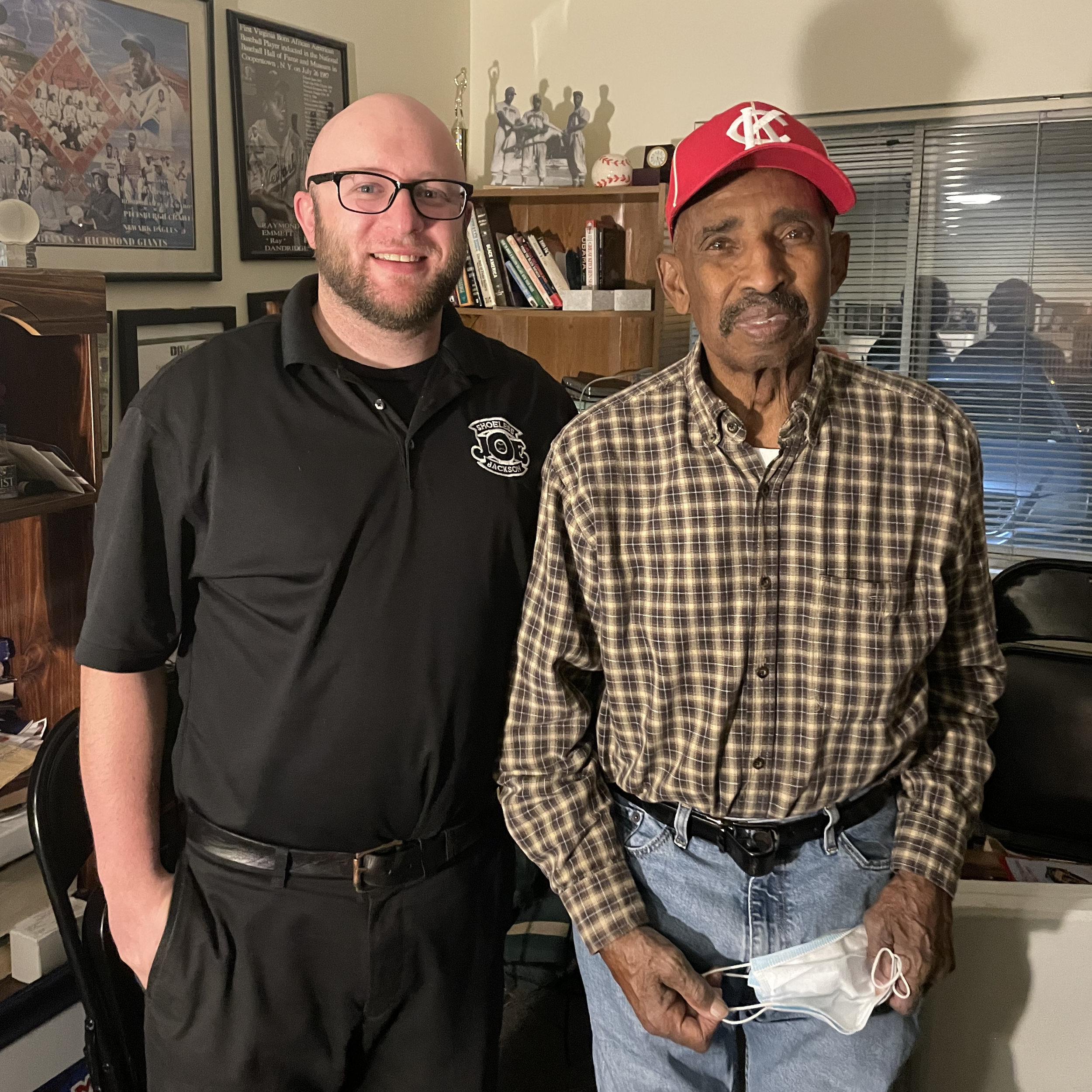
Sam Allen
Sam Allen is a former Negro League player who spent time as a member of the Kansas City Monarchs, the Raleigh Tigers, and the Memphis Red Sox. He led the Negro American League in runs scored in 1957, helping the Monarchs win the championship.
Sam was our guest for Episode 2 of Season 3. You can listen to that episode HERE.
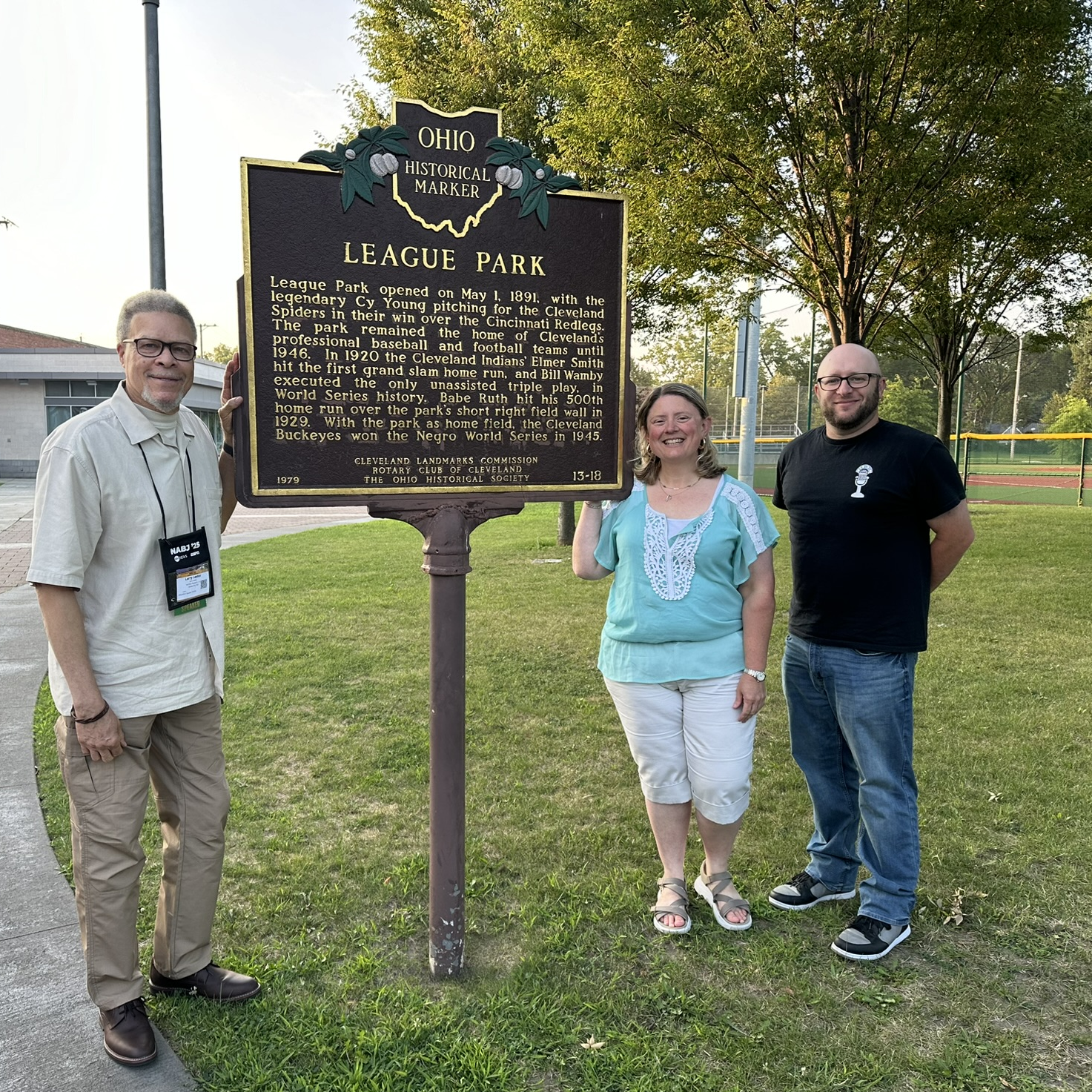
Larry Lester & Stephanie Liscio
Larry Lester is one of the world’s leading authorities on the Negro Leagues, and is one of the five original founders of the Negro Leagues Baseball Museum in Kansas City. He is a published author, public speaker, researcher, and historian.
Larry was our guest, along with fellow Negro Leagues researcher Stephanie Liscio, for Episode 1 of Season 5, which was recorded live in front of an audience at Cleveland’s historic League Park.
You can listen to that episode HERE.
Phil S. Dixon
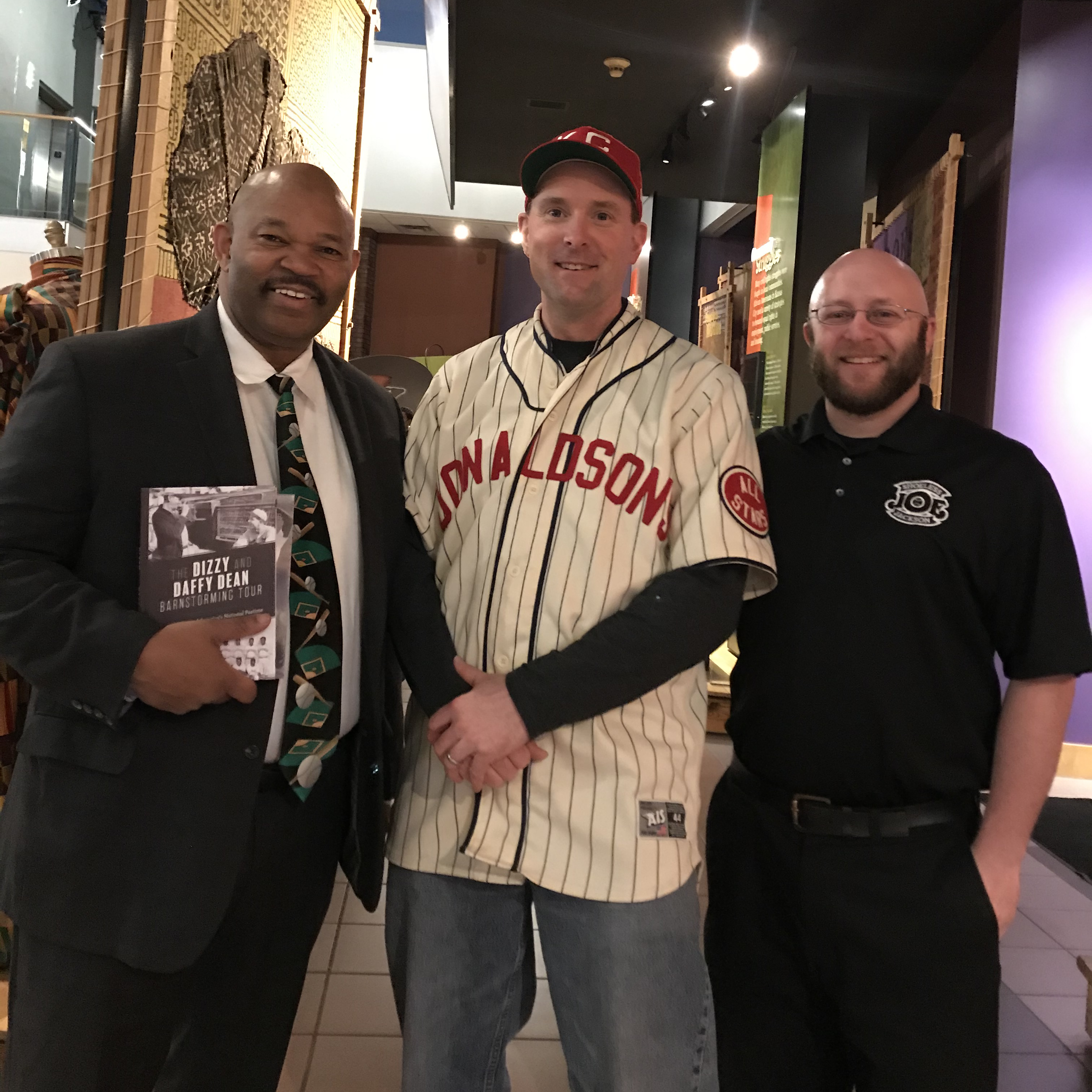
Phil S. Dixon is an author, public speaker, researcher and historian, focusing on the Negro Leagues for the past 40 years.
He was our guest for Episode 4 of Season 1. You can listen to that episode HERE.
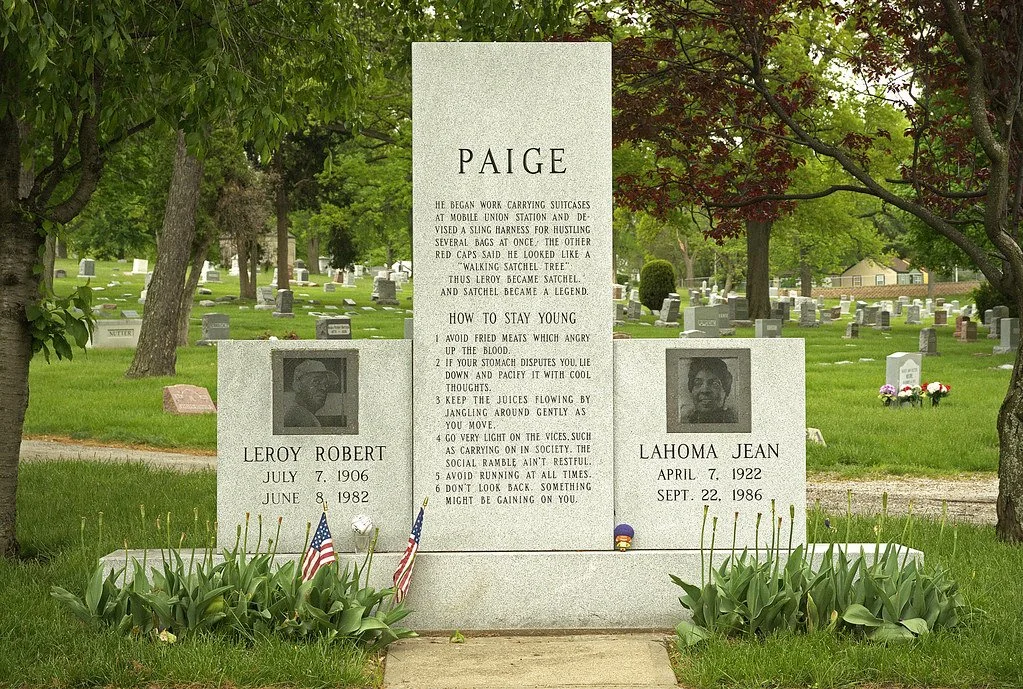
During our conversation, Phil told us the story of how he was the one responsible for writing the words which appear on Satchel Paige’s tombstone in Kansas City.
Childhood
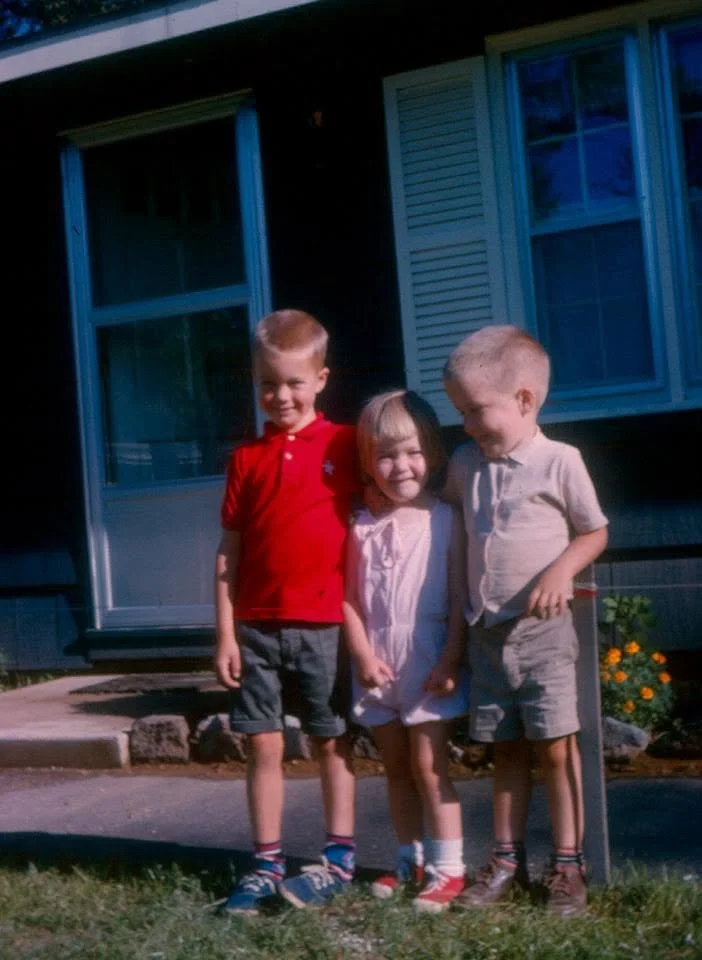
After being born in California, Mark’s family moved to Massachusetts for a while, but he mostly grew up in Connecticut from about the age of 4 until he went away to college.
Mark is pictured here with his brother, Jim, and his sister, Jeanne,
Mark’s Parents
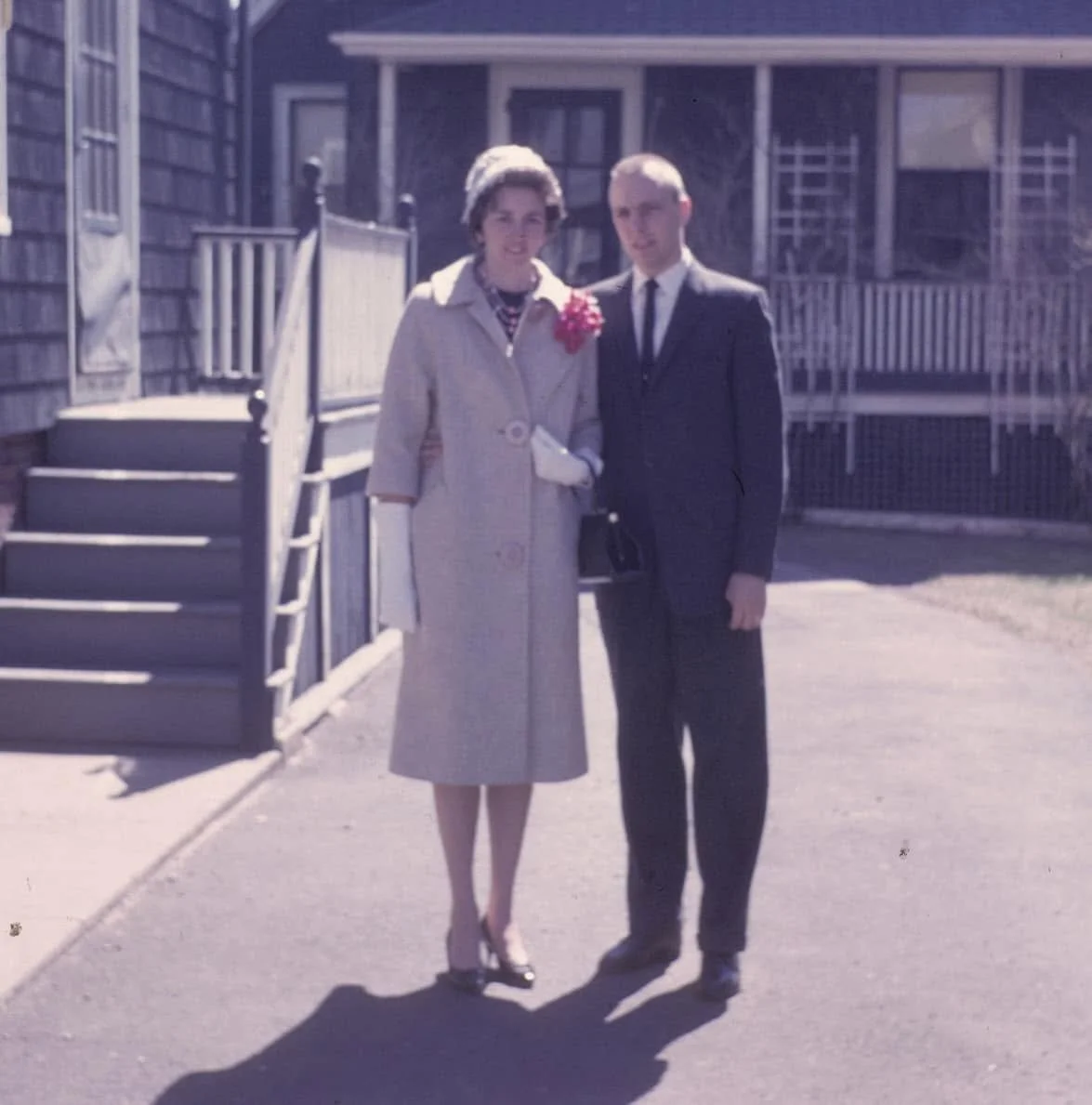
Mark’s dad worked at the nuclear sub base on nuclear submarines in the 1970s.
Mark got his sports rooting interests from his father, who got them from his father.
When Mark’s dad was growing up in the 1940s and 1950s, he was a fan of the Boston Red Sox, the Boston Celtics, the Boston Bruins, and - because the New England Patriots did not yet exist - of the New York football Giants.
Coupled with the fact that the Patriots were harder to follow on TV and the radio by the time Mark came along, his father’s fandom heavily influenced Mark’s decision to be a fan of the Giants, as well.
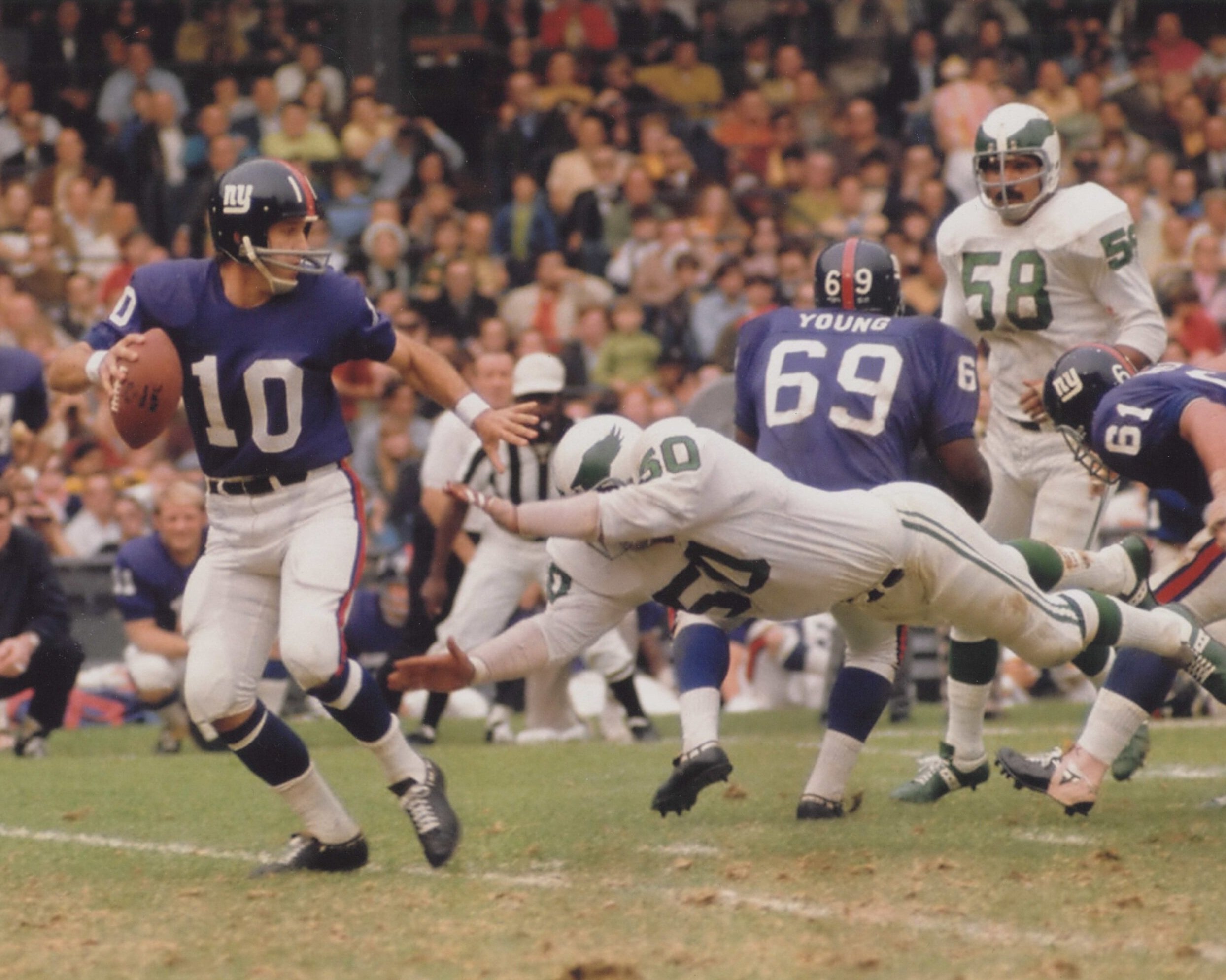
Fran Tarkenton
Mark’s favorite player growing up was Giants quarterback Fran Tarkenton, who was the first athlete Mark ever wrote to.
Tarkenton (#10) was a master at escaping trouble, scrambling to get away from pursuing defenders.
Following the 1971 season, Tarkenton escaped the trouble of a bad NY Giants team when he was traded back to the Minnesota Vikings, where he played from 1961 to 1966. Tarkenton would retire a Viking following the 1978 season.
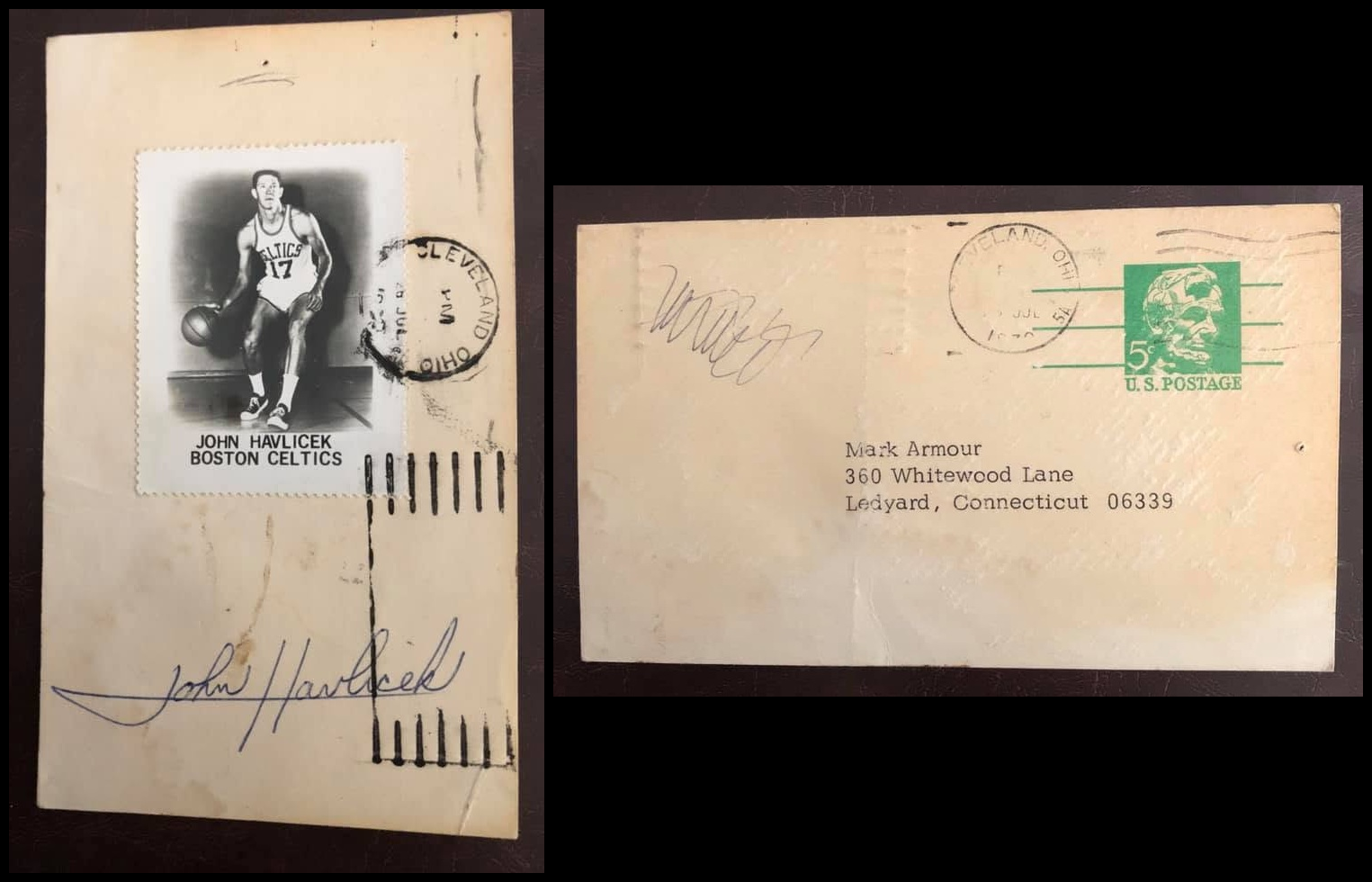
John Havlicek
One of the other athletes Mark wrote to was John Havlicek, who was kind enough to return an autographed photo on two separate occasions for his young fan. This one, in 1972, and another, two years later, in 1974.
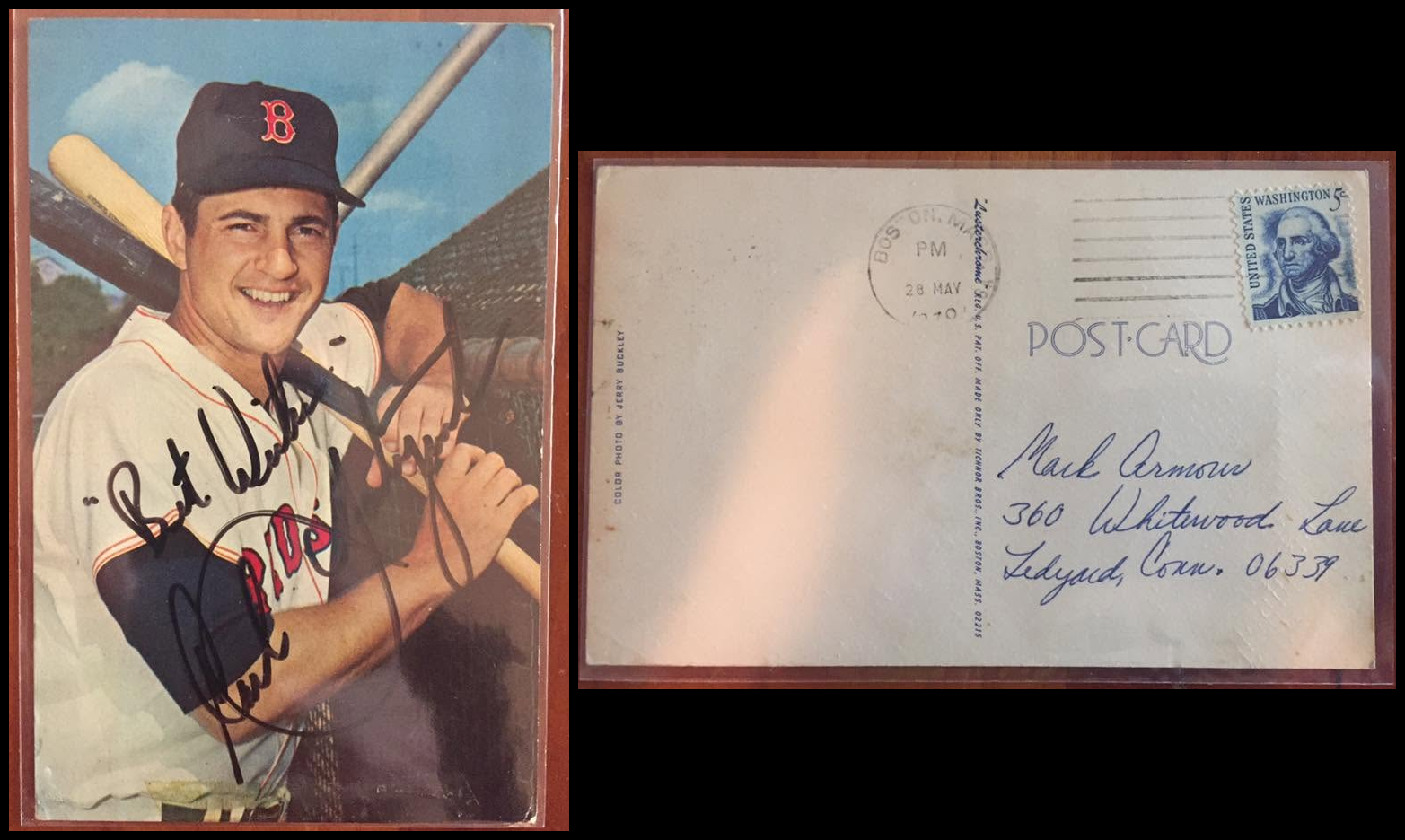
Carl Yastrzemski
Mark also wrote to Carl Yastrzemski, who was also kind enough to return a signed postcard to his young fan.
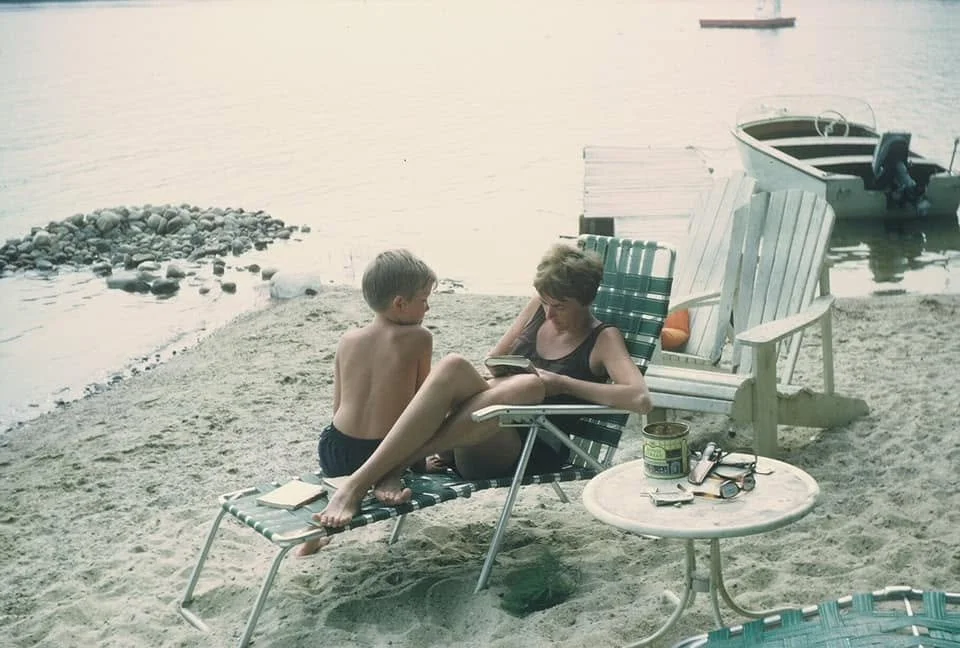
Mark’s Mom
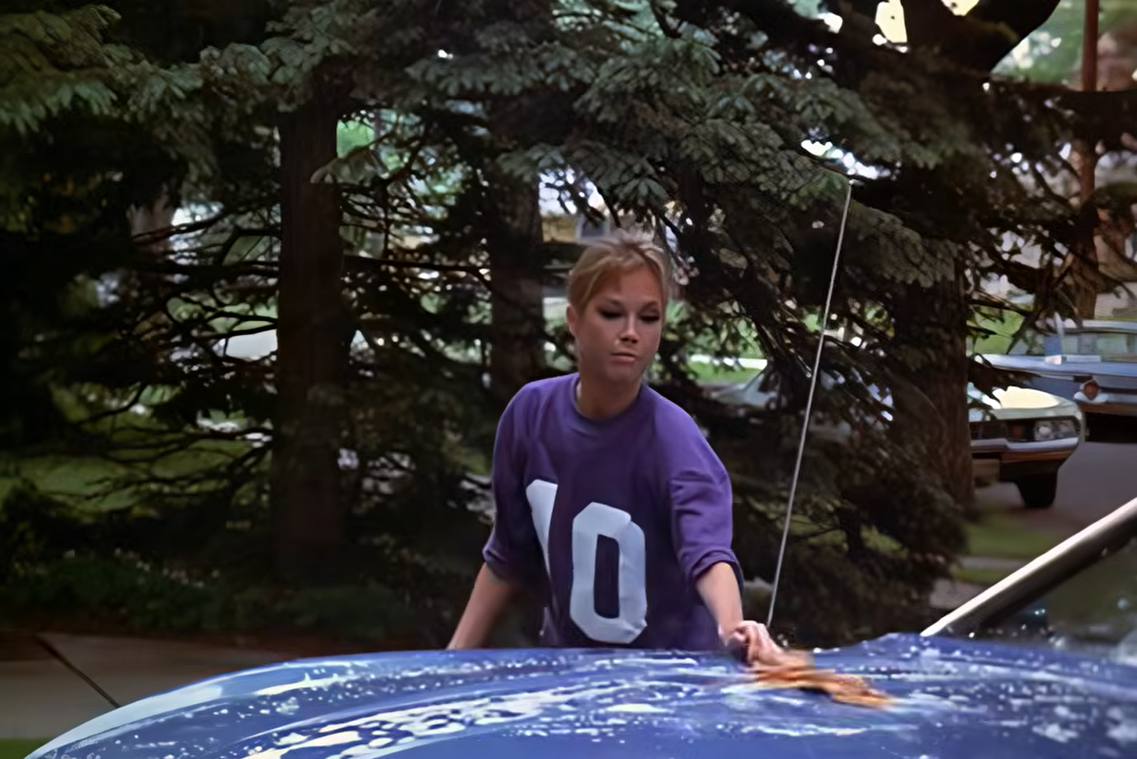
Mark and his mom would watch The Mary Tyler Moore Show, which coincidentally featured a brief cameo of a Fran Tarkenton jersey during the theme song at the beginning of every episode.
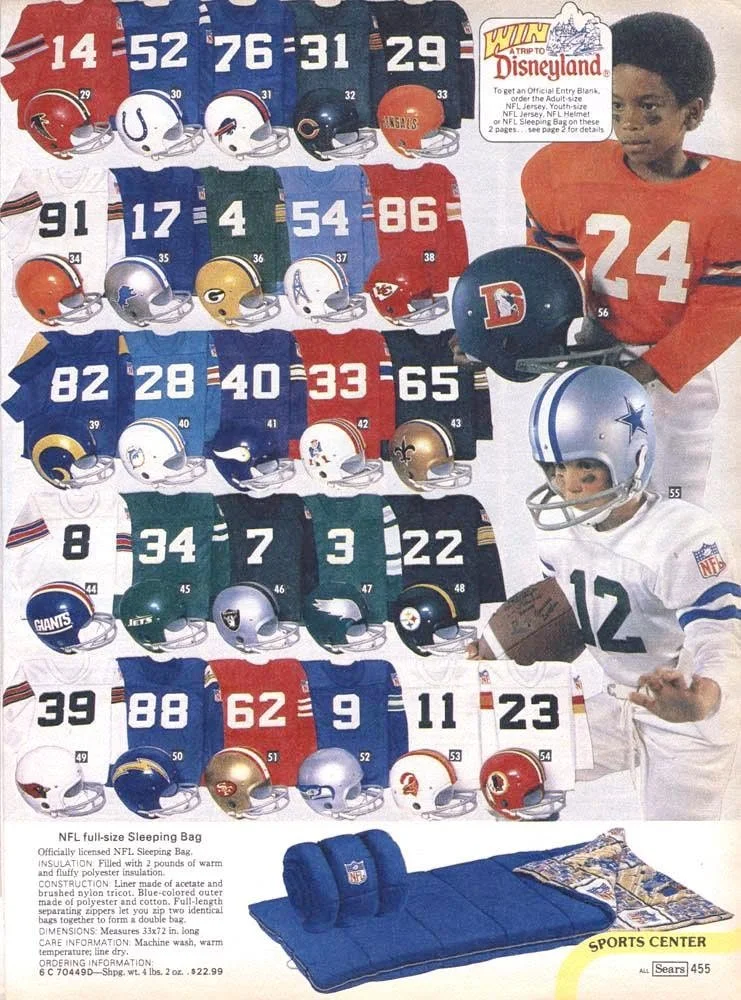
The jersey featured was Tarkenton’s Vikings jersey, however, which made Mark want one of his own.
Sears Catalog
The historic Sears, Roebuck & Co. general and seasonal mail-order catalogs ran from 1888 through 1993, serving as a comprehensive directory of American consumer goods.
The company started as a mail-order watch and jewelry business in the late 19th century before expanding into a massive multi-category department store and catalog enterprise, advertising thousands of items, ranging from everyday clothing, shoes, and toys, to appliances, farm equipment, firearms, musical instruments, and entire mail-order house kits.
Little Leaguer
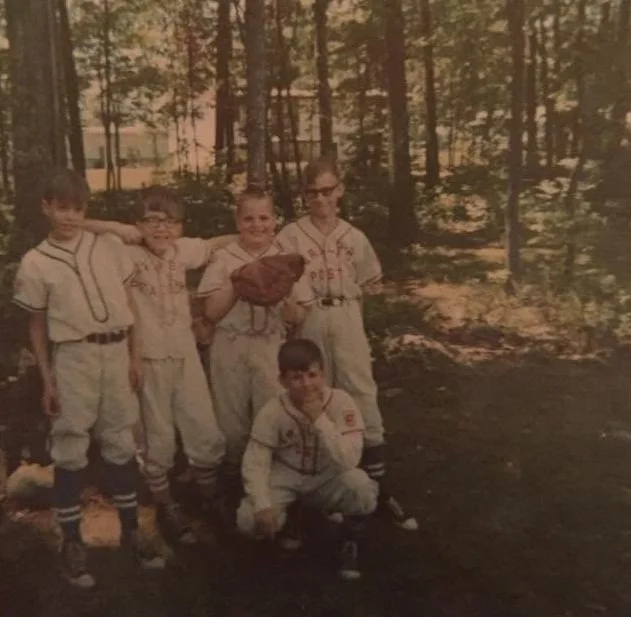
Mark is second from the left in this circa 1970 photo.
Mark’s First Baseball Cards
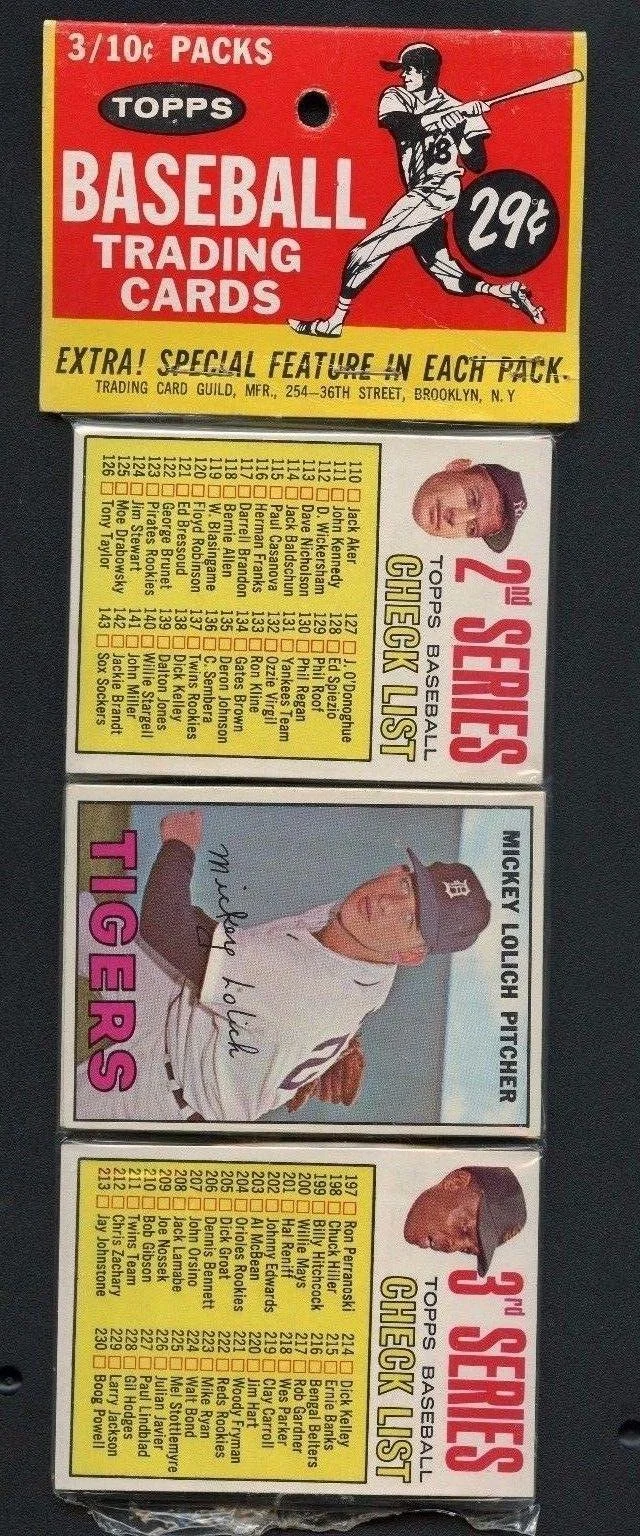
Christmas rack packs were assembled sometime between the 60’s – early 70’s by a company other than Topps. They purchased cards off of the secondary market to fill these packs. Topps may have also sold their excess inventory to this company as well. The company would then re-package these cards for sale as Christmas presents.
The collector market had not yet blossomed at that time, which explains why you can find superstar cards on the top, bottom, or even in the middle of these packs.
The success of these Christmas rack packs was eventually noticed by Topps who began manufacturing their own rack packs not long after. This third party made Christmas rack packs for every year from 1952-1969.
In 1967, when Mark was 6 years old, the Armours briefly lived in California. On a trip to the grocery store with his mom, Mark convinced her to buy him a rack pack of 1967 Topps baseball cards. The rest, as they say, is history.
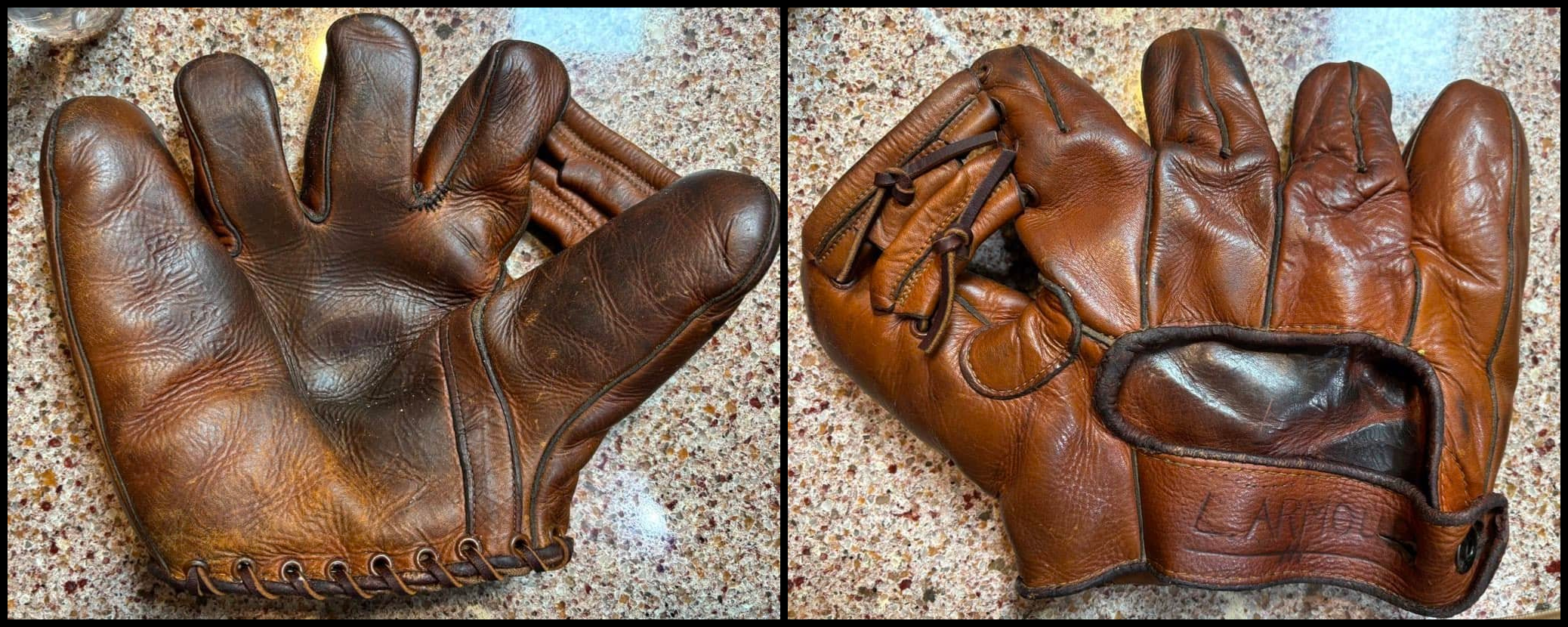
While Mark’s dad was not the baseball fan that Mark would eventually become, like most men of his generation, he liked baseball enough to have surface conversations about it. He knew the best players, and he had his own glove. That glove, shown here, now belongs to Mark.
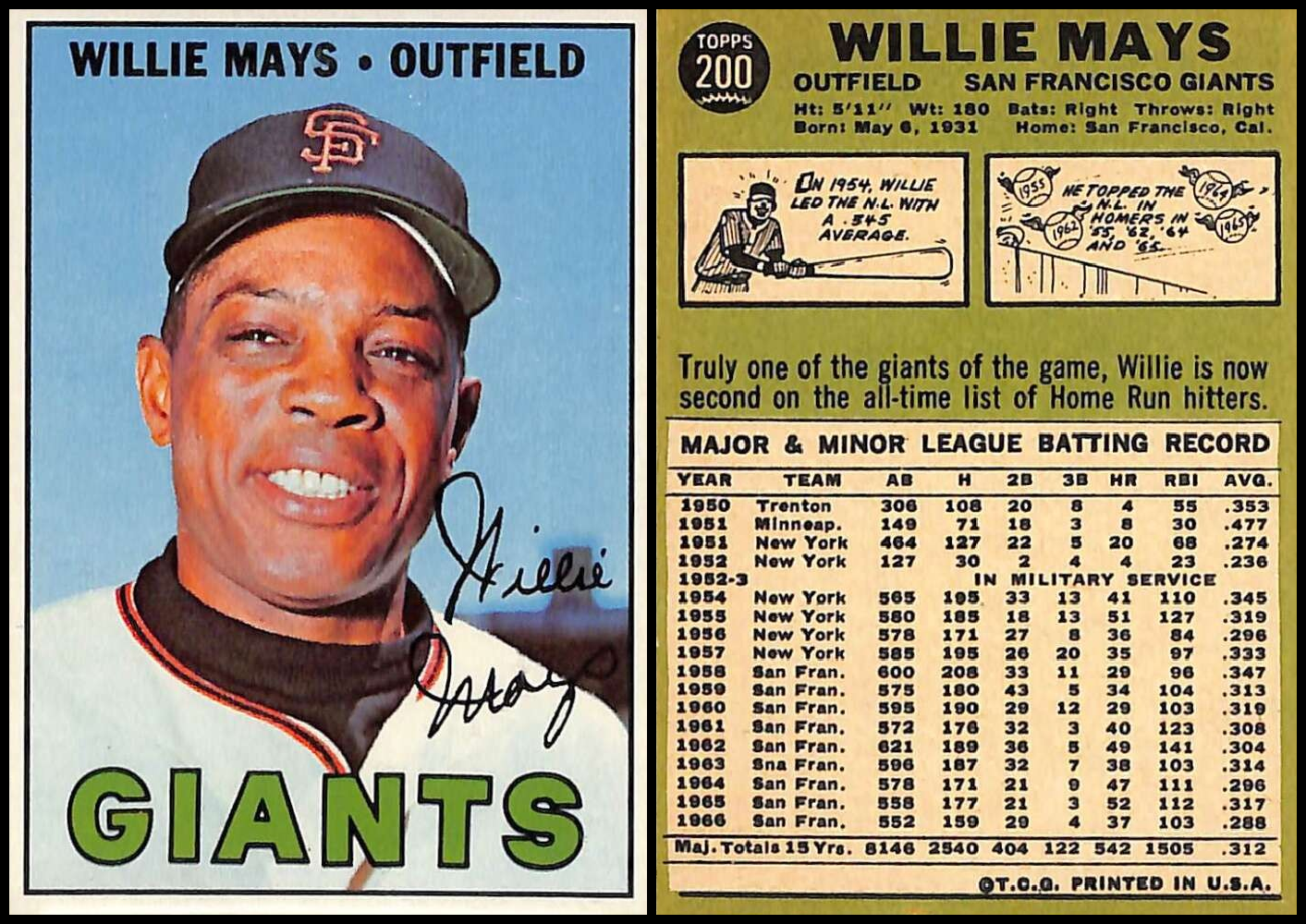
“This Guy’s Pretty Good.”
Upon seeing his 1967 Topps card, that succinct description from his father was Mark’s introduction to Willie Mays. He wasn’t wrong.
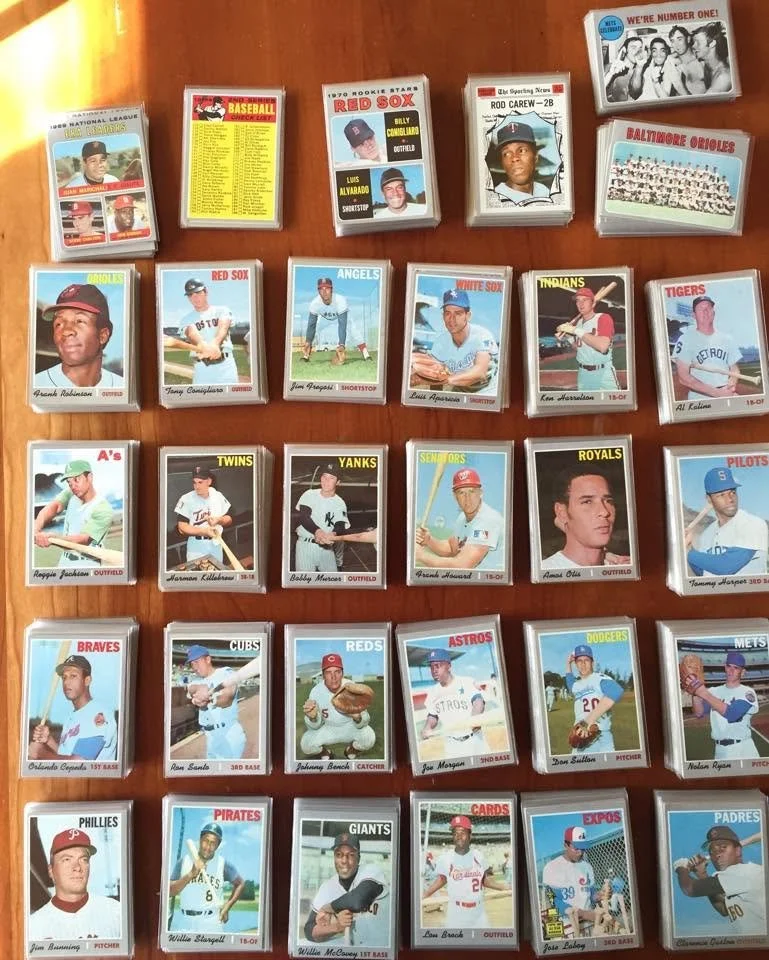
Organizing His Cards
Mark’s team-sorted 1970 set. Mark is able to sort his cards like this rapid fire, because he has not varied this team grid since he was six years old.
AL on top, alphabetical by city, 1969 expansion teams added at the end.

Where Were They Stored?
Mark’s cards were stored in his baseball card locker, which he received as a Christmas gift at age 8 from his Grandma Armour.
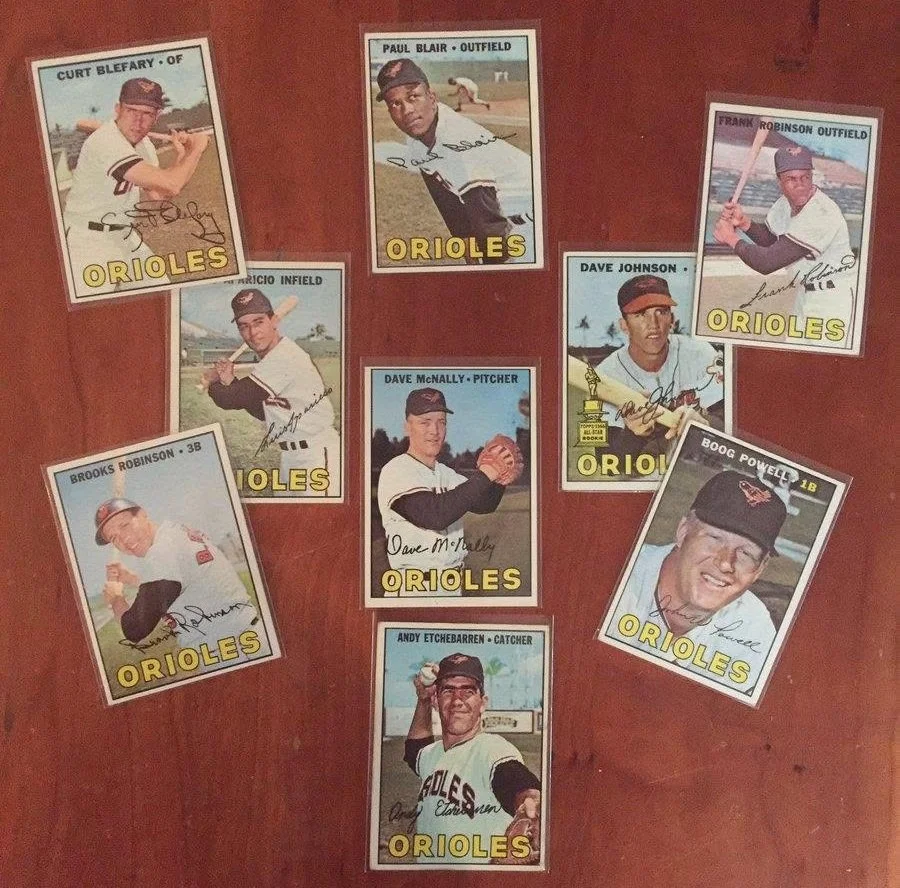
Organizing The Cards Within A Team
Of course, when you actually take the cards out of the locker to look at them and play with them, they need to be arranged on the table or the floor somehow.
What better way than by fielding position, placed where they would be standing on the diamond?
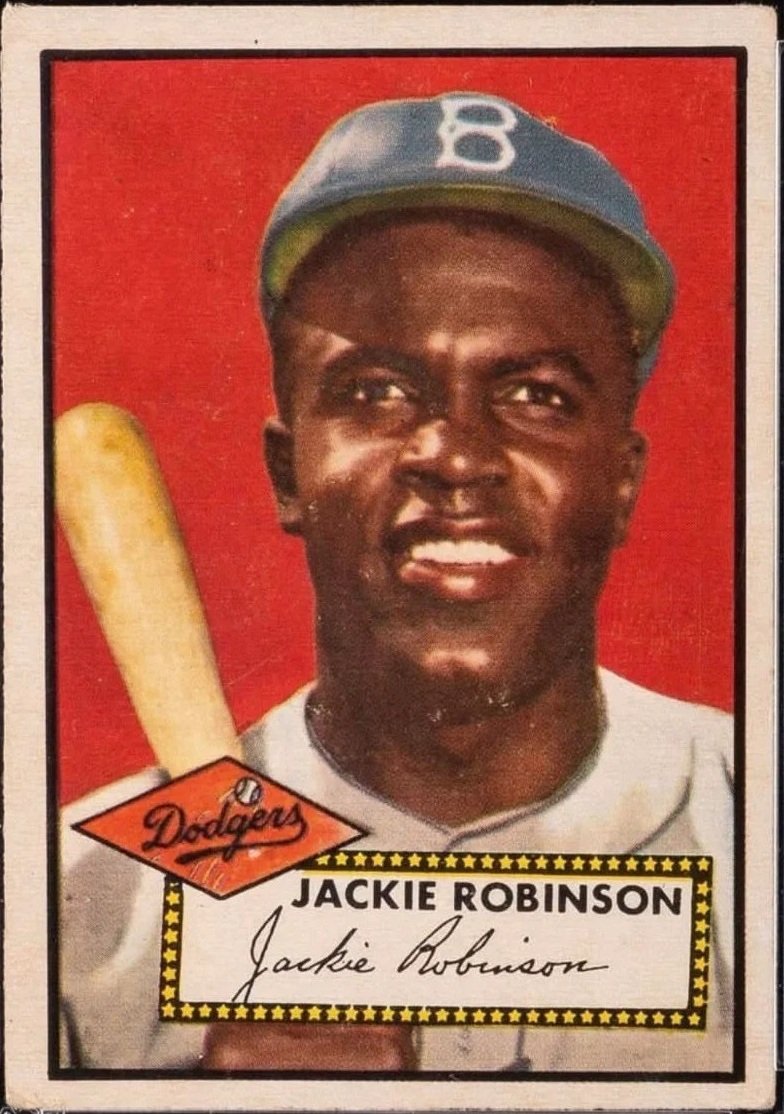
1952 Topps Jackie Robinson
Mark was smart enough to begin buying “vintage” cards in his 20s before their prices went through the roof.
Even though he is a set collector, Mark particularly sought out the complete Topps runs of Jackie Robinson, which is 1952 through 1956.
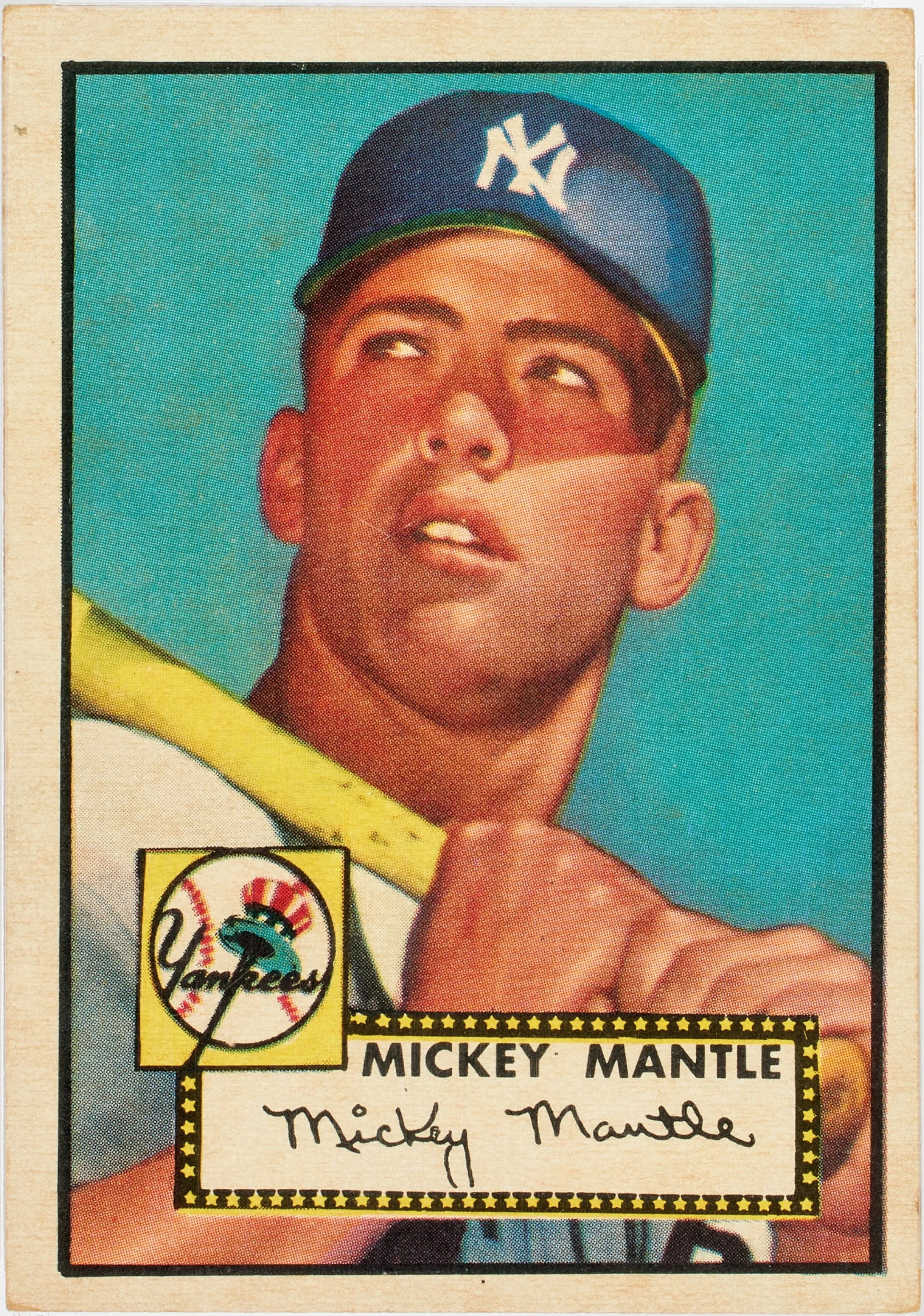
1952 Topps Complete Set
Because of the ever-rising price of the 1952 Topps Mickey Mantle card (which is incorrectly referred to as Mickey’s “rookie card” by even experienced dealers and hobbyists), the 1952 Topps set is now one that most collectors will never be able to complete.
If you are a true completionist, as Mark is, not owning one single card from a particular set is as bad as not owning 100 cards from that set.
The fact that he will never be able to afford a Mantle - or, even if he had the money to buy one, that he wouldn’t spend it on a piece of cardboard - means that, to him, there’s no point in even attempting to buy any of the other cards from that year’s set.
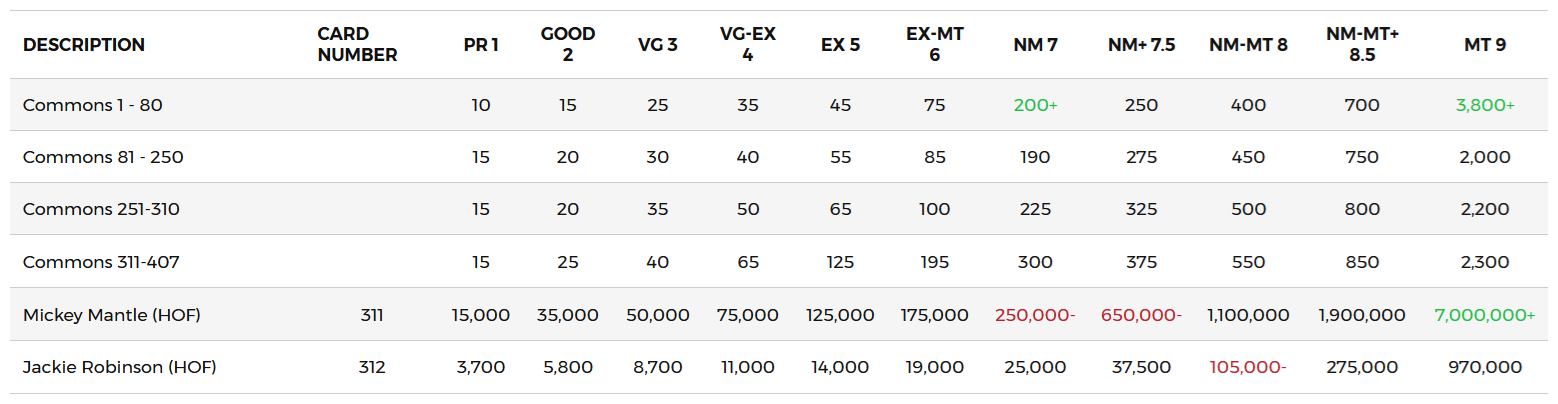
Prices of cards from the 1952 Topps baseball card set, as of October, 2026, according to PSAcard.com
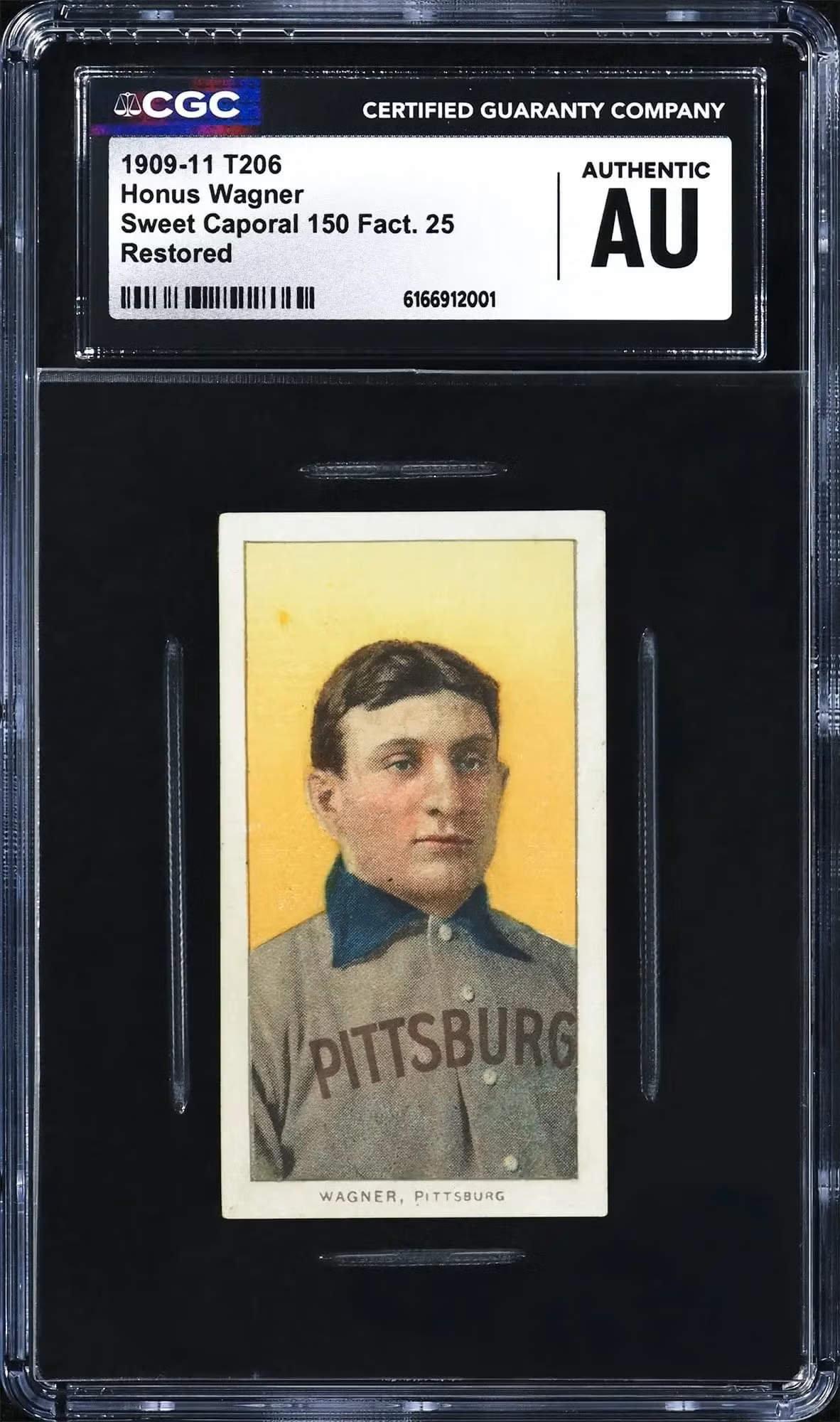
“Restored” Cards
There are many different feelings within the card collecting community about the ethics and morality of restoring cards. The first incredibly high profile graded card to sell at auction with an acknowledgement that it had been altered was the famous T206 Honus Wagner card in August of 2026.
From the collection of Keith Olbermann, the infamous card had been almost completely restored and sparked even further debate over whether restored or reconstructed cards are legitimate collectibles and whether they should be sold.
The card had an opening bid of $400,000 when the auctioned began, and quickly soared beyond $1 million before settling on its final price after 24 bids. The market decided the card was worth $1,337,263.
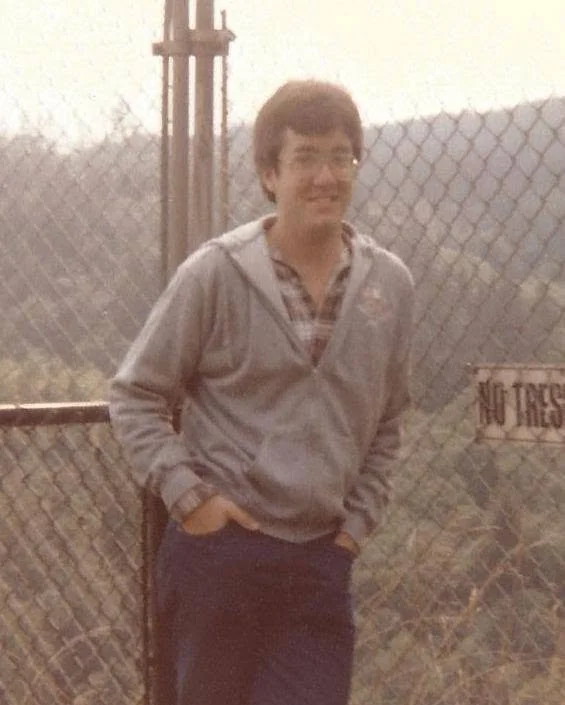
Mark in College
Mark graduated from college in 1982. This photo shows him in Seattle in 1980. Mark would join the Society for American Baseball Research in 1984.
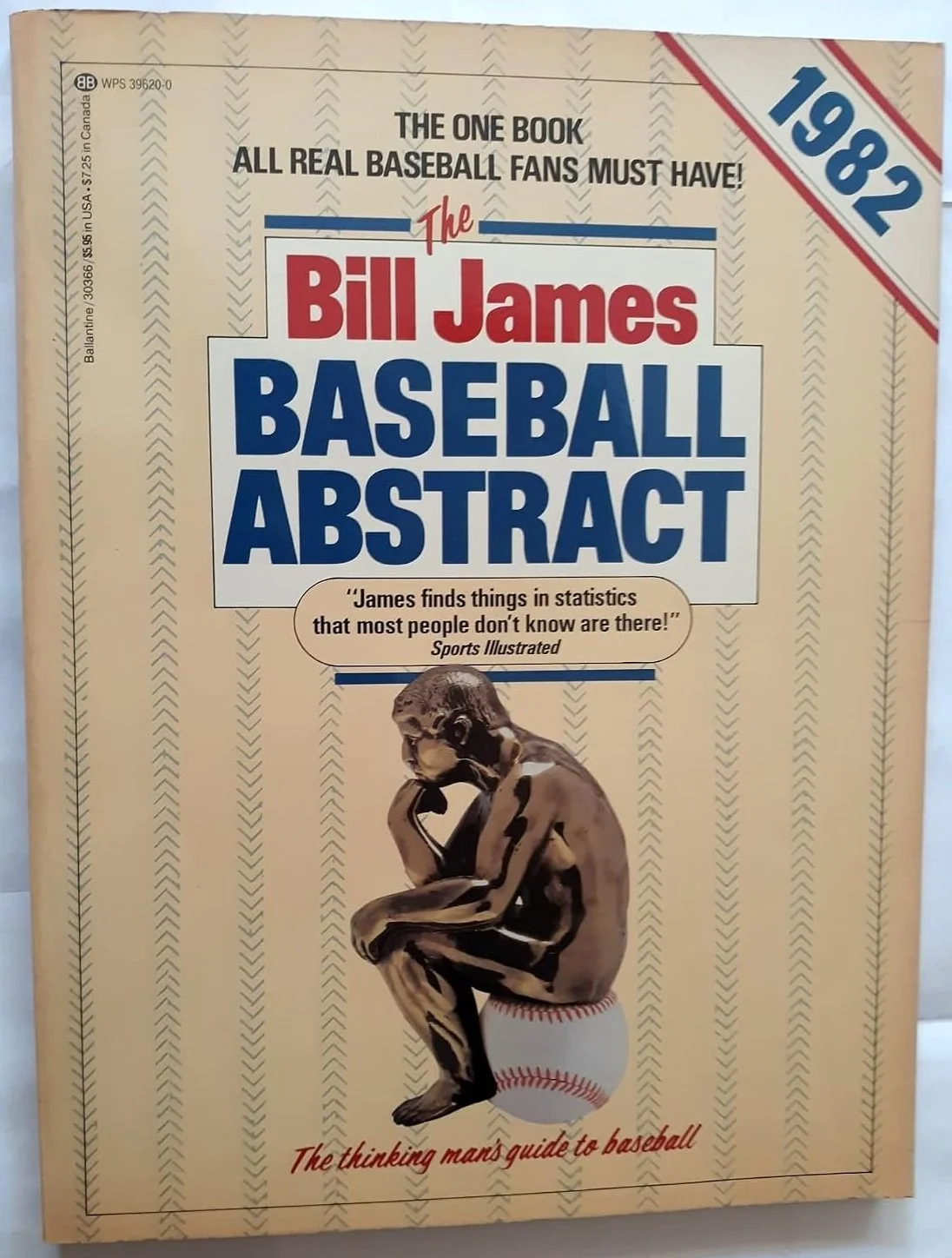
Bill James
Bill James is a baseball writer, historian, and statistician whose work has been widely influential. Since 1977, James has written more than two dozen books devoted to baseball history and statistics. His approach, which he termed sabermetrics in reference to the Society for American Baseball Research (SABR), scientifically analyzes and studies baseball, often through the use of statistical data, in an attempt to determine why teams win and lose.
In 1982, after several years of self-publishing, James released his annual Baseball Abstract with a major publisher for the first time. His books in the 1980s are the modern predecessor to websites using sabermetrics such as Baseball Prospectus and Baseball Primer (now Baseball Think Factory).
Buy a copy of his 1982 Baseball Abstract HERE.
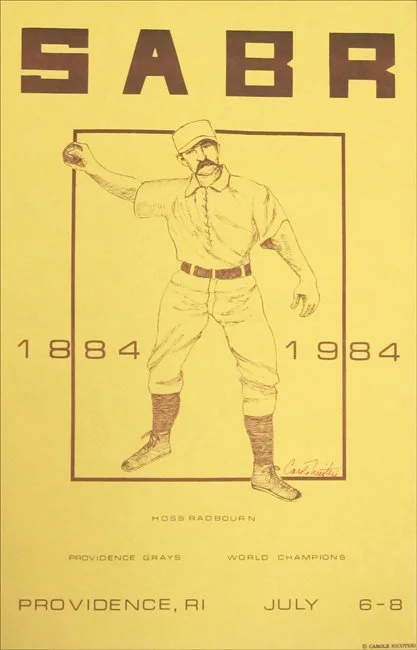
1984 SABR Convention
The 14th SABR convention, which drew a record crowd of 350 (including 230+ members), was held in Providence, Rhode Island to coincide with the 100th anniversary of the 1884 World Series between the Providence Grays and the New York Metropolitans.
A symposium on that season was led by Joe Lawler, Dick Waldbauer, Fred Ivor-Campbell, John Husman (great-grandson of John Lee Richmond) and Fred Stinson. Lou Gorman, a Providence native then in his first year as general manager of the Boston Red Sox, was the banquet speaker.

Mark’s entry in the 1984 SABR Member Directory
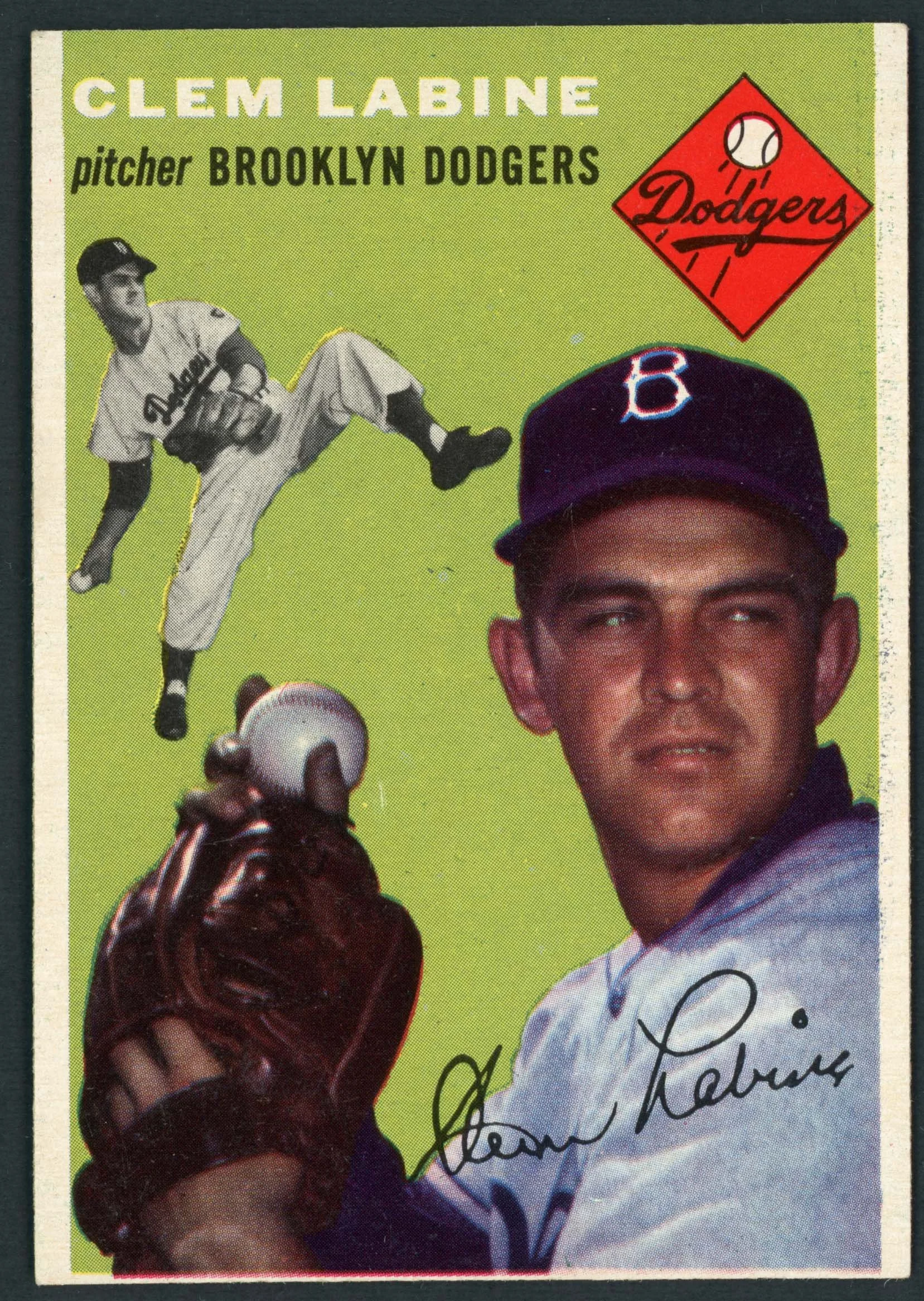
Clem Labine
The player panel at the 1984 SABR convention consisted of Clem Labine, Dave Stenhouse, Tony Lupien and Pawtucket Red Sox owner Ben Mondor, who generously offered McCoy Stadium as the venue for SABR’s re-enactment of the 1884 World Series between games of an International League doubleheader.
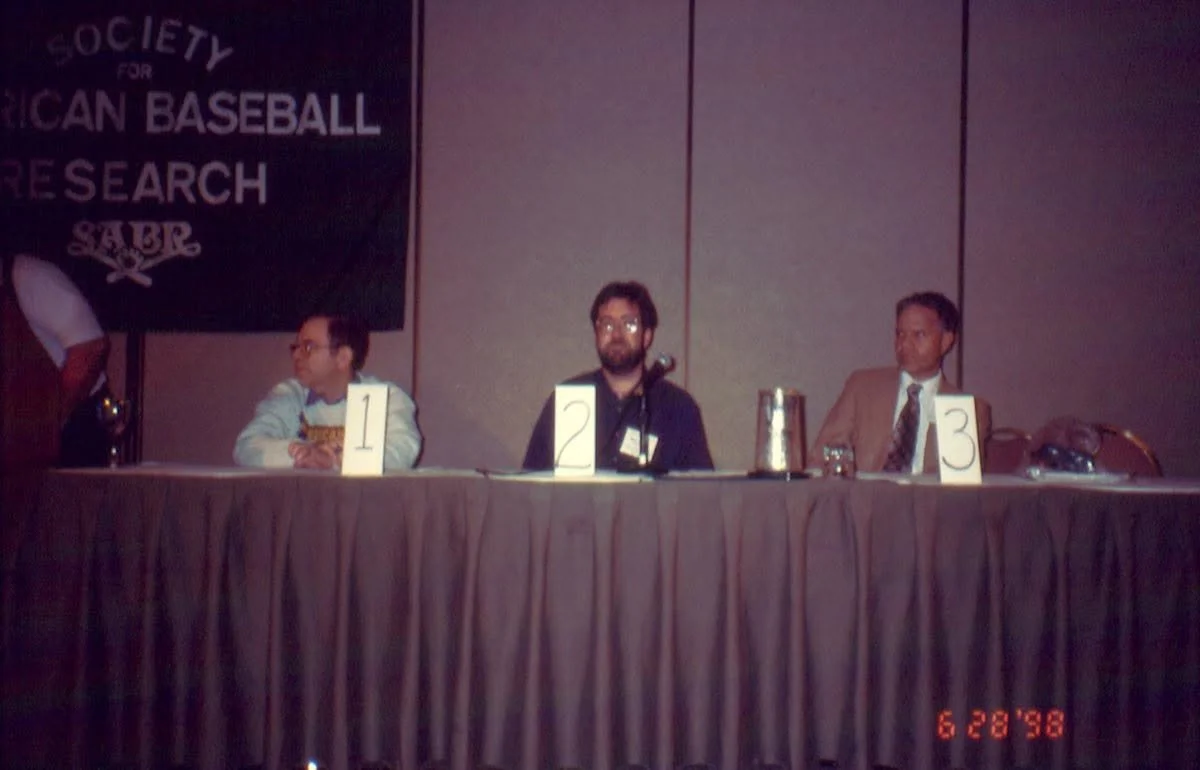
1998 SABR Convention
The first SABR convention Mark attended where he actually personally knew people at the convention was the one held in San Francisco in 1998.
Mark decided to give the trivia contest a shot that year. He is pictured here, during that contest, with Al Blumkin (left), and Tom Zocco (right).
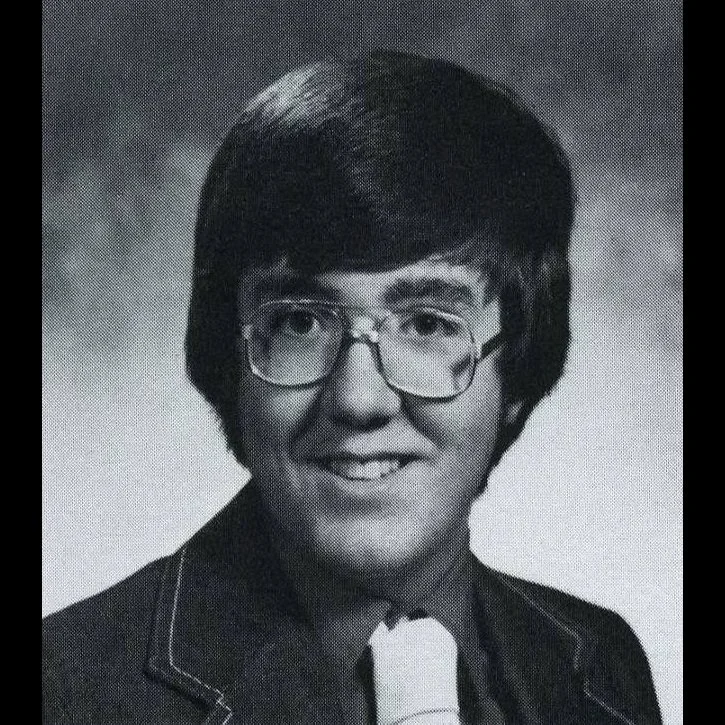
Email Is Easier
Mark thinks he would have been a much more social kid if he would have been able to email everybody when he was 15 instead of having to actually talk to them, face to face.

What Took Satchel Paige So Long To Be Inducted Into The Baseball Hall of Fame?
While Mark was researching for an article he was writing to try to answer that question, his idea for The Satchel Paige Project was born.
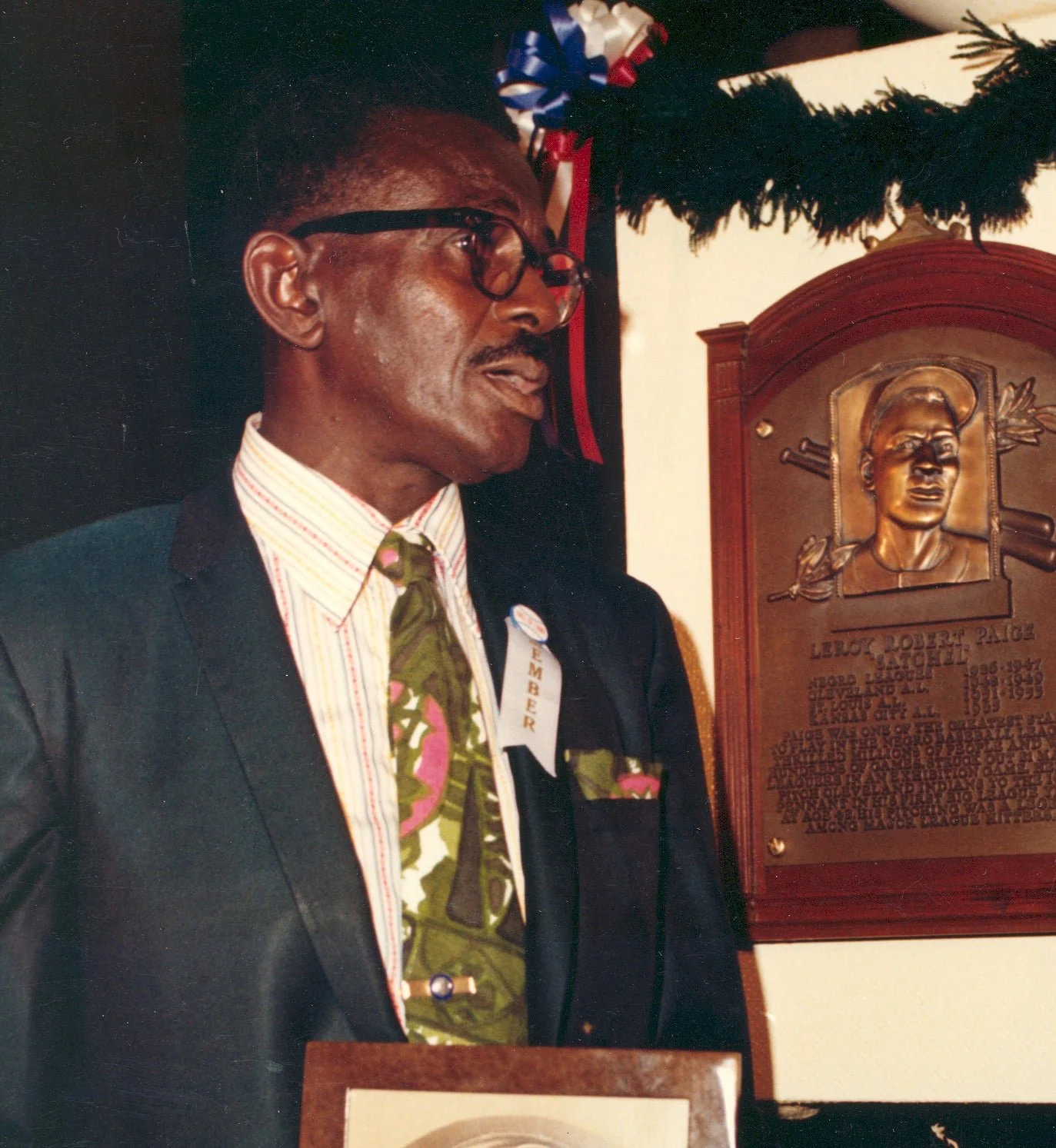
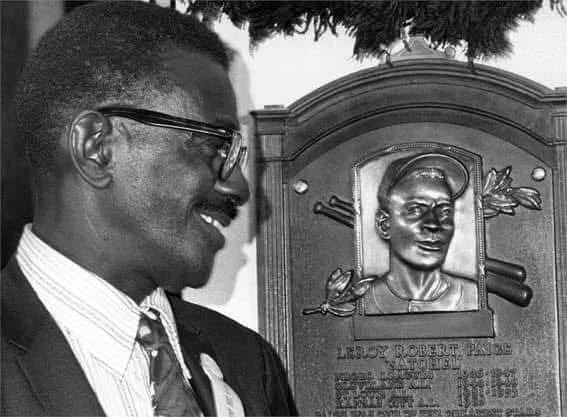
Here, Satchel Paige poses in front of the Hall of Fame plaque he eventually got on August 9, 1971.
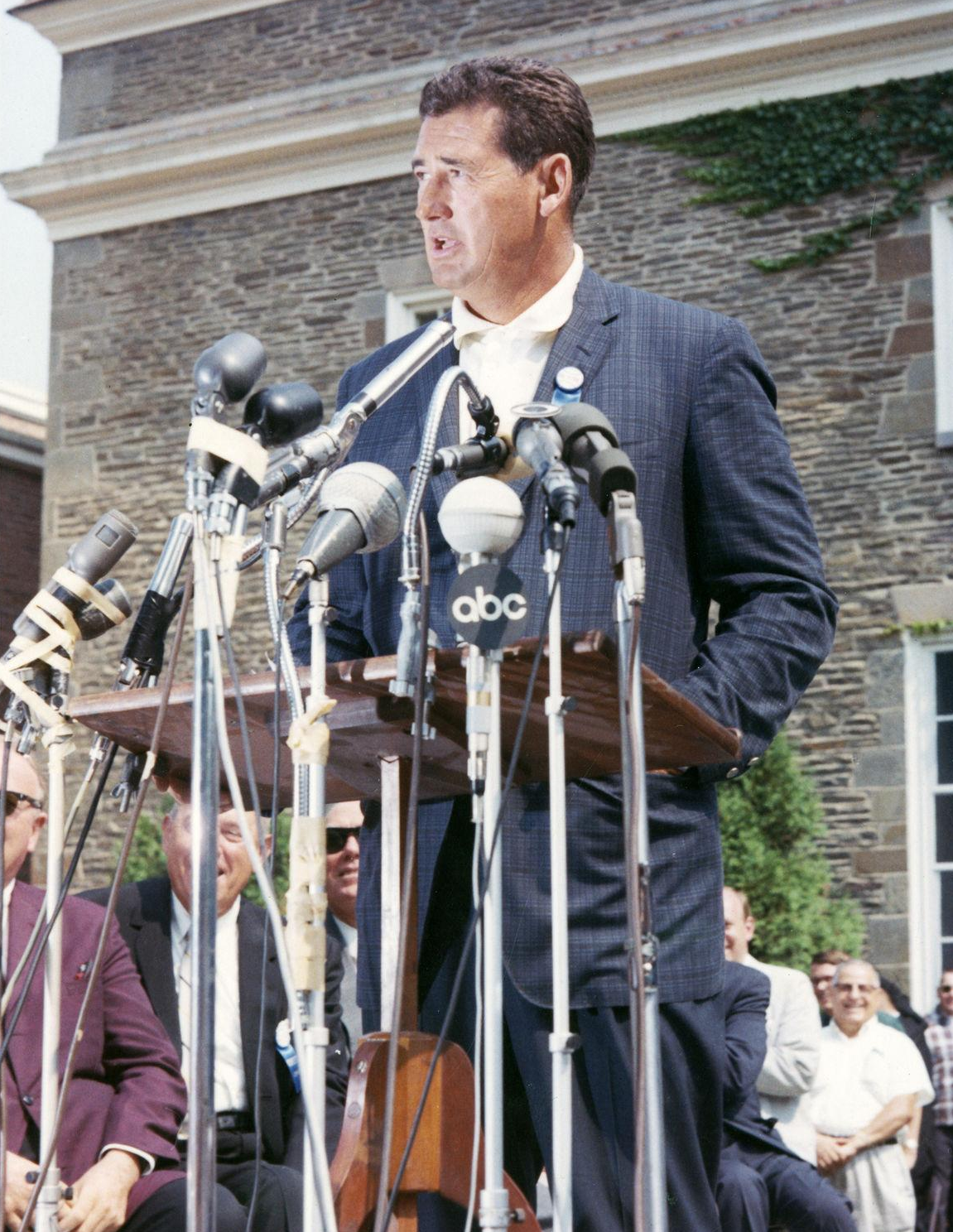
Ted Williams
During Ted Williams’ own Hall of Fame induction speech on July 25, 1966, he said “… I hope that some day, the names of Satchel Paige and Josh Gibson in some way can be added as a symbol of the great Negro players that are not here, only because they were not given the chance.”
Five years later, Satchel Paige was inducted. The following year, in 1972, Josh Gibson and Buck Leonard were each inducted.
Satchel Was Still Pitching!
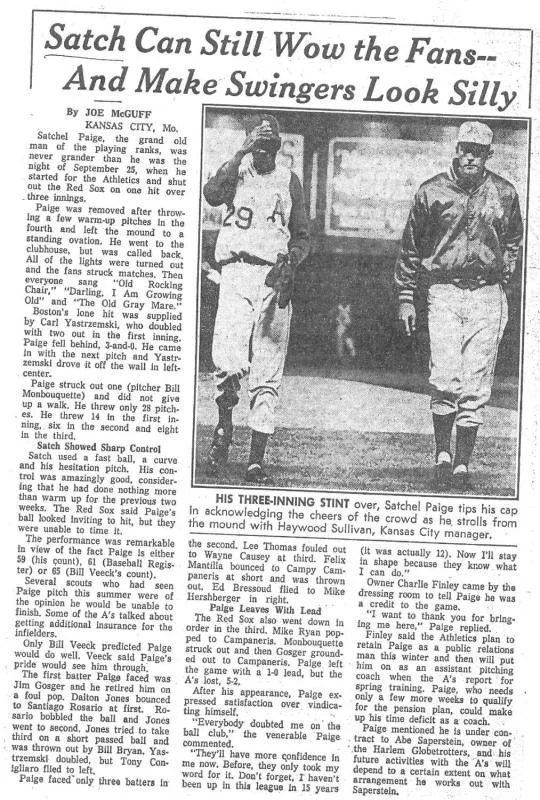
One of the reasons Satchel Paige had not yet been inducted into the National Baseball Hall of Fame was because, up until 1965, he had still been pitching in Major League games!
This article from the October 9, 1965 issue of the Kansas City Star explains how, even at his old age, Satchel still had it when he needed it.
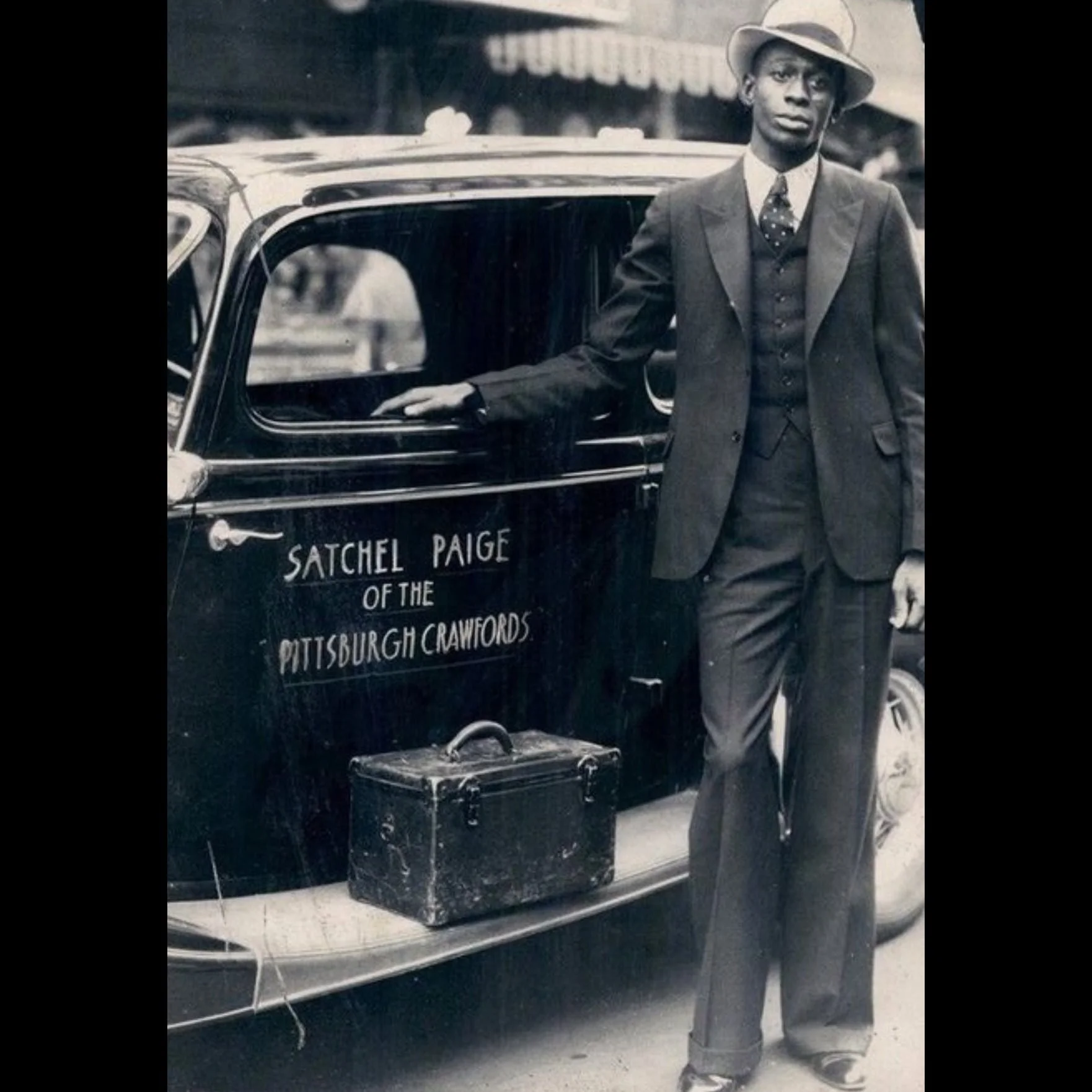
Lead Foot
Satchel Paige loved to drive, and he loved to drive fast. During his research, Mark found numerous speeding tickets and traffic violations reported in newspaper accounts about Paige.
When you’re driving in style the way Satchel often was, it was hard to be inconspicuous.
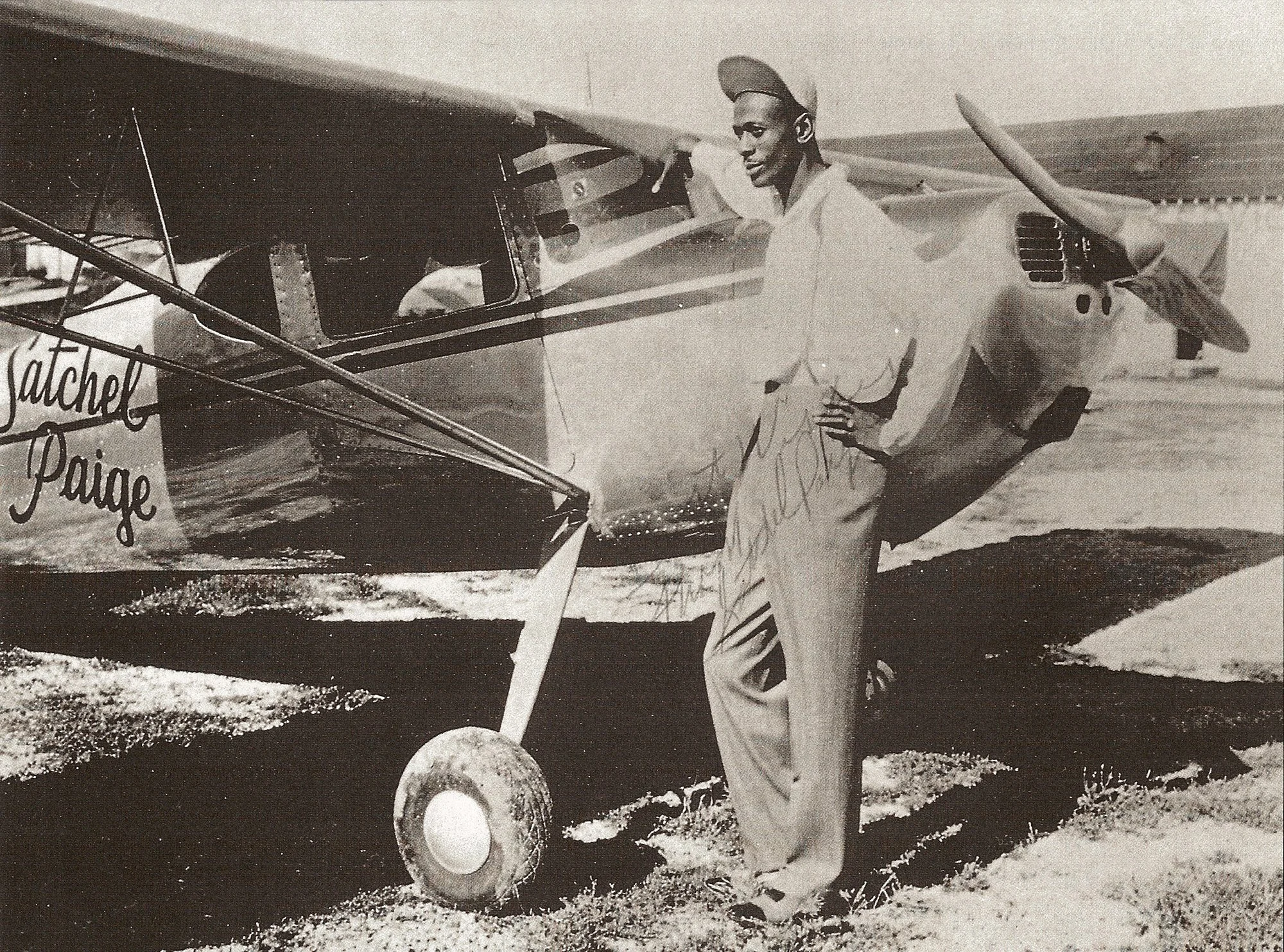
Travelin’ Man
Satchel pitched all over the place. Mark has documented more than 2,000 pitching appearances so far.
This is not a suggestion, but a demand:
CLICK THIS LINK to view the interactive map Mark has created so you can see all of the events Mark has documented. You can thank me later.
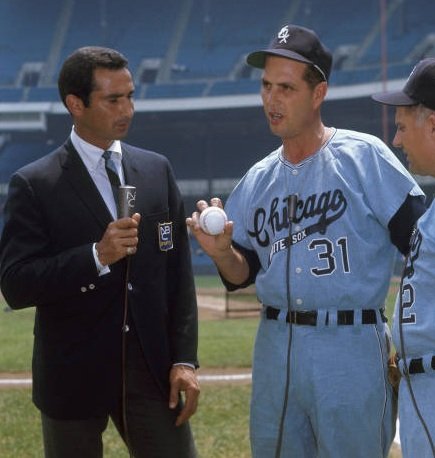
More Than 2,000 Games Pitched?!
On July 24, 1968, Hoyt Wilhelm of the Chicago White Sox appeared in the 907th game of his career, breaking Cy Young’s record for most appearances by a pitcher in Major League history. Here, Wilhelm talks about his knuckleball with NBC analyst Sandy Koufax, who knew a bit about pitching, too.
At the end of the 2026 season, Cy Young is in 26th place on the all-time pitching appearances list, with Jesse Orosco currently the leader at 1,252 games.
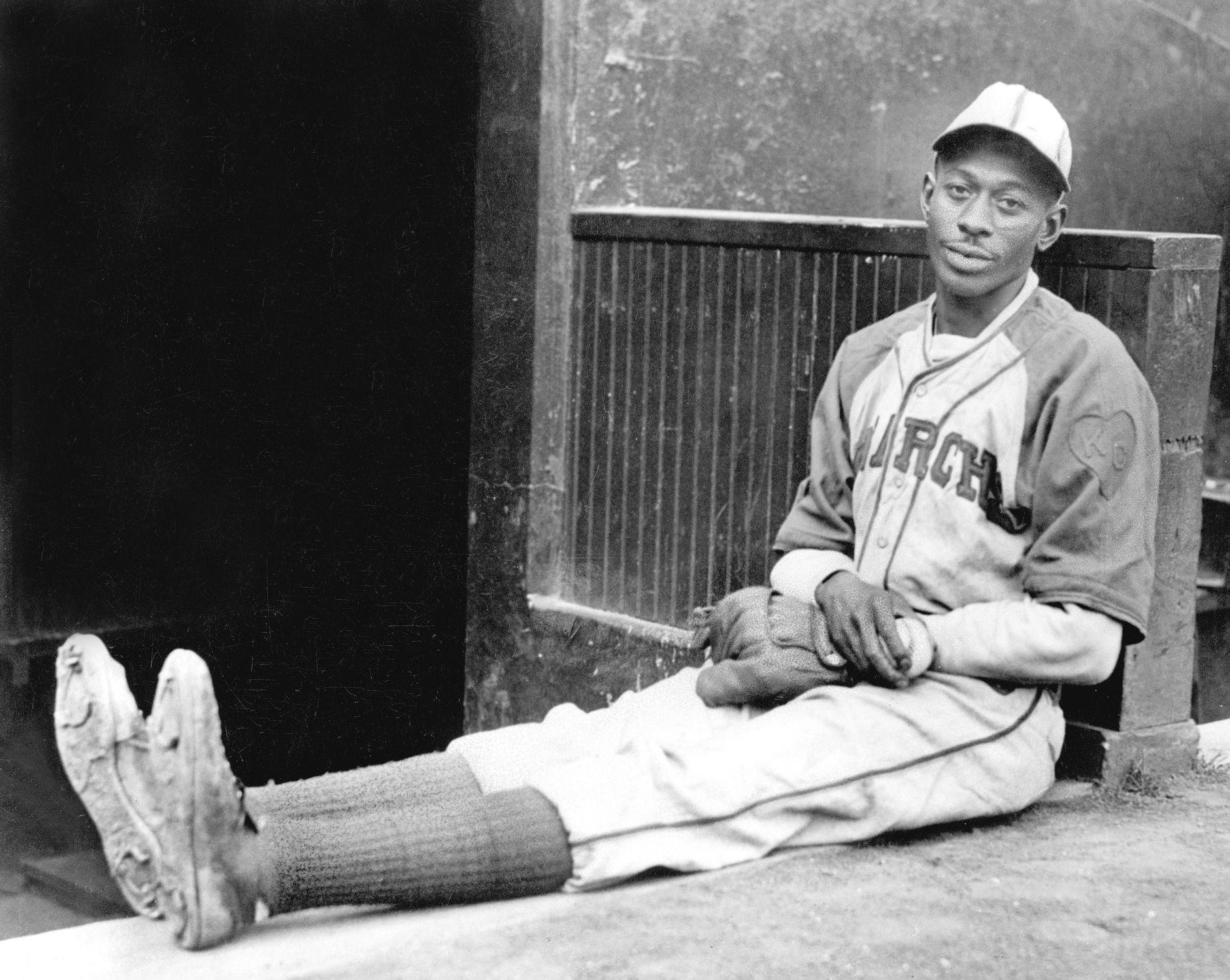
Who Put On A Uniform And Threw From The Mound During More Games Than Any Other Player In History?
Mark thinks the answer to that question may be Satchel Paige.
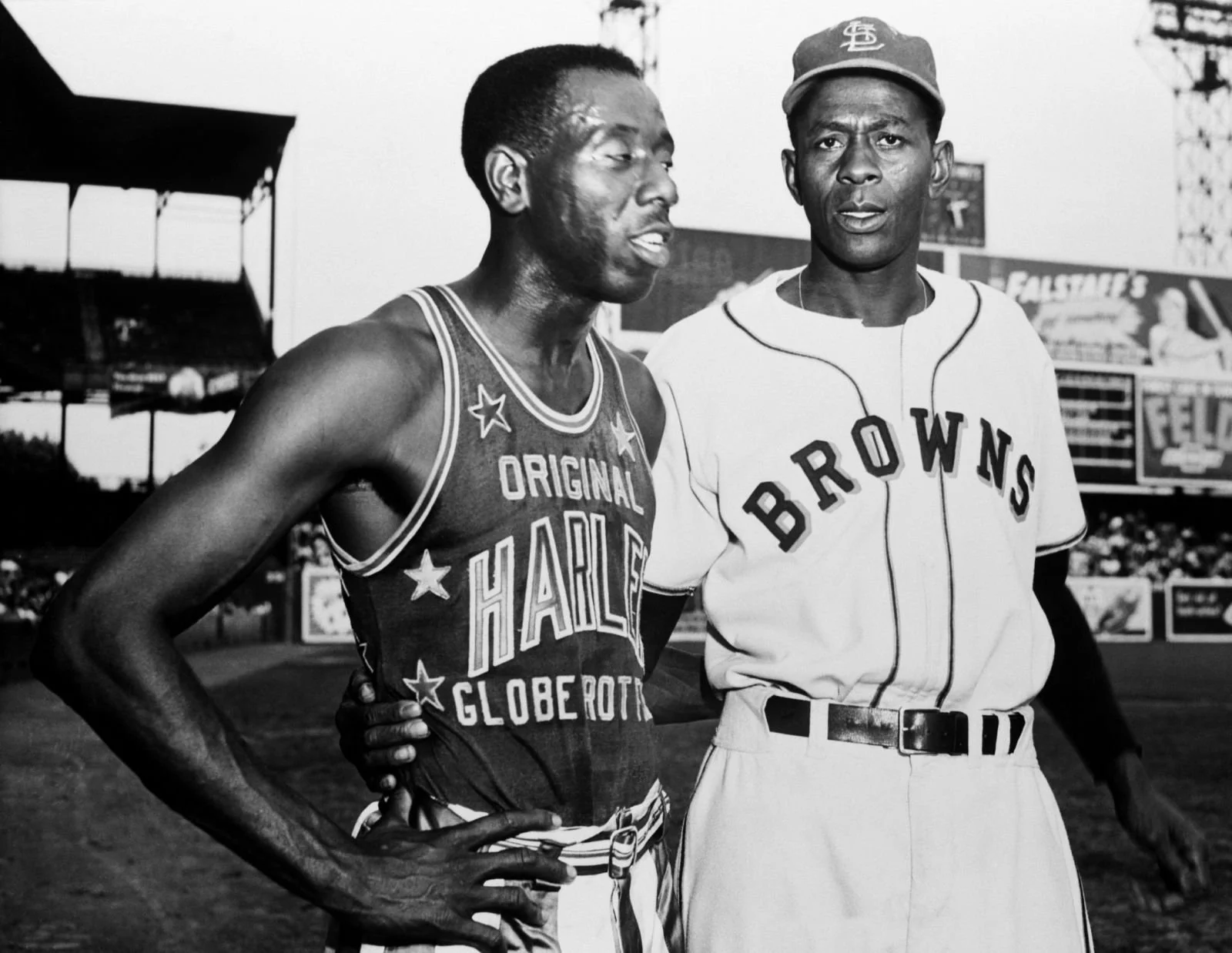
Very Tall
Satchel Paige was listed as 6’3”, but in this photo, he is standing next to Naismith Basketball Hall of Famer Reece “Goose” Tatum of the Harlem Globetrotters, who was listed anywhere between 6’3” and 6’6”, depending on the source.
Though he is slightly aided by his cleats and his hat, Paige is clearly taller than Tatum in this photo. It is possible that Paige’s true height was ever greater than he is generally given credit for.
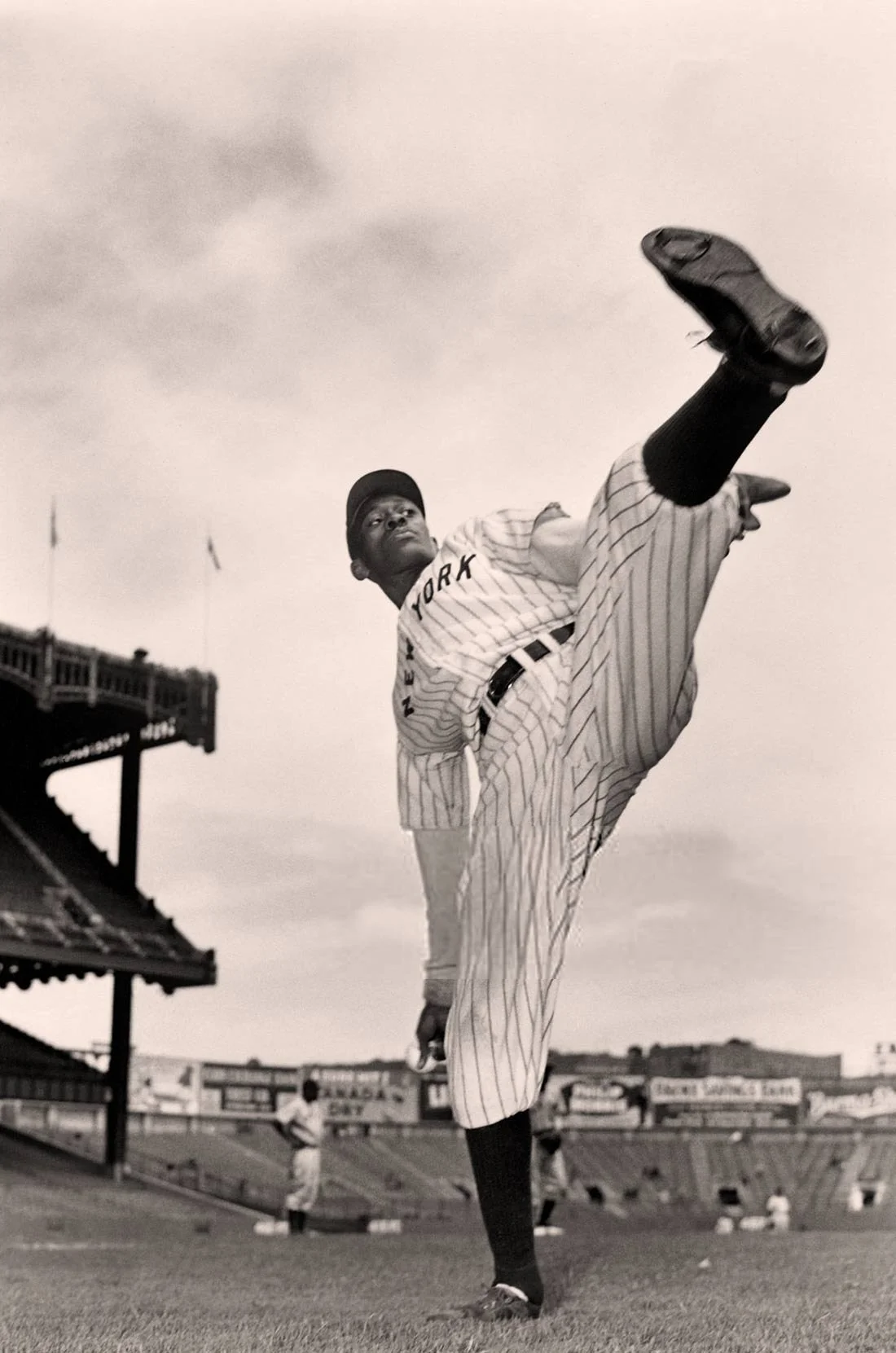
Long Arms
Satchel had very long arms and great mechanics, so his fastball was most likely approaching 100 miles per hour, if today’s technology would have existed for it to be tracked back then.
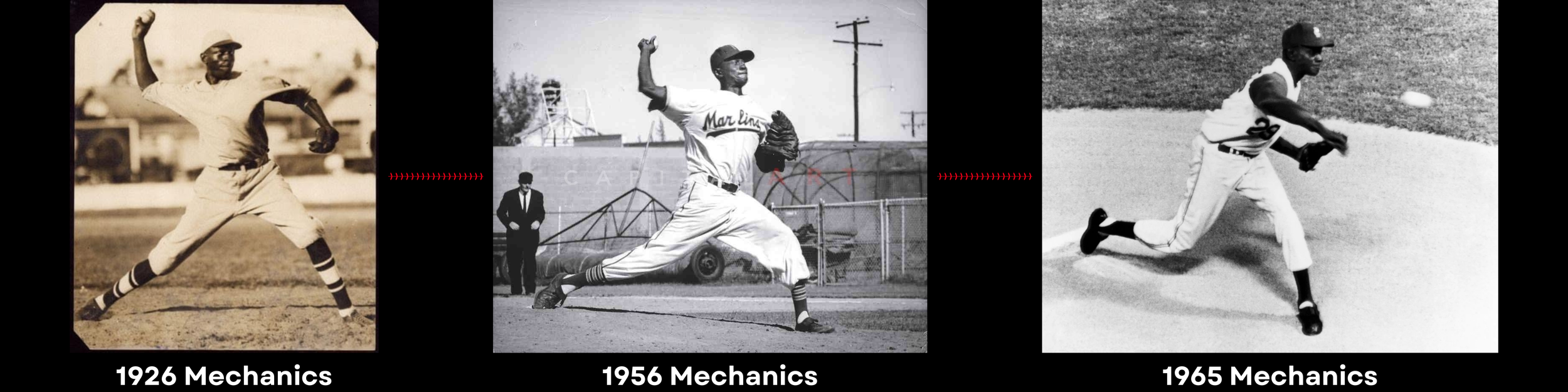
Satchel Paige pitched the way you would teach a fastball pitcher to pitch, using his entire body. His long stride generated great power from his legs.
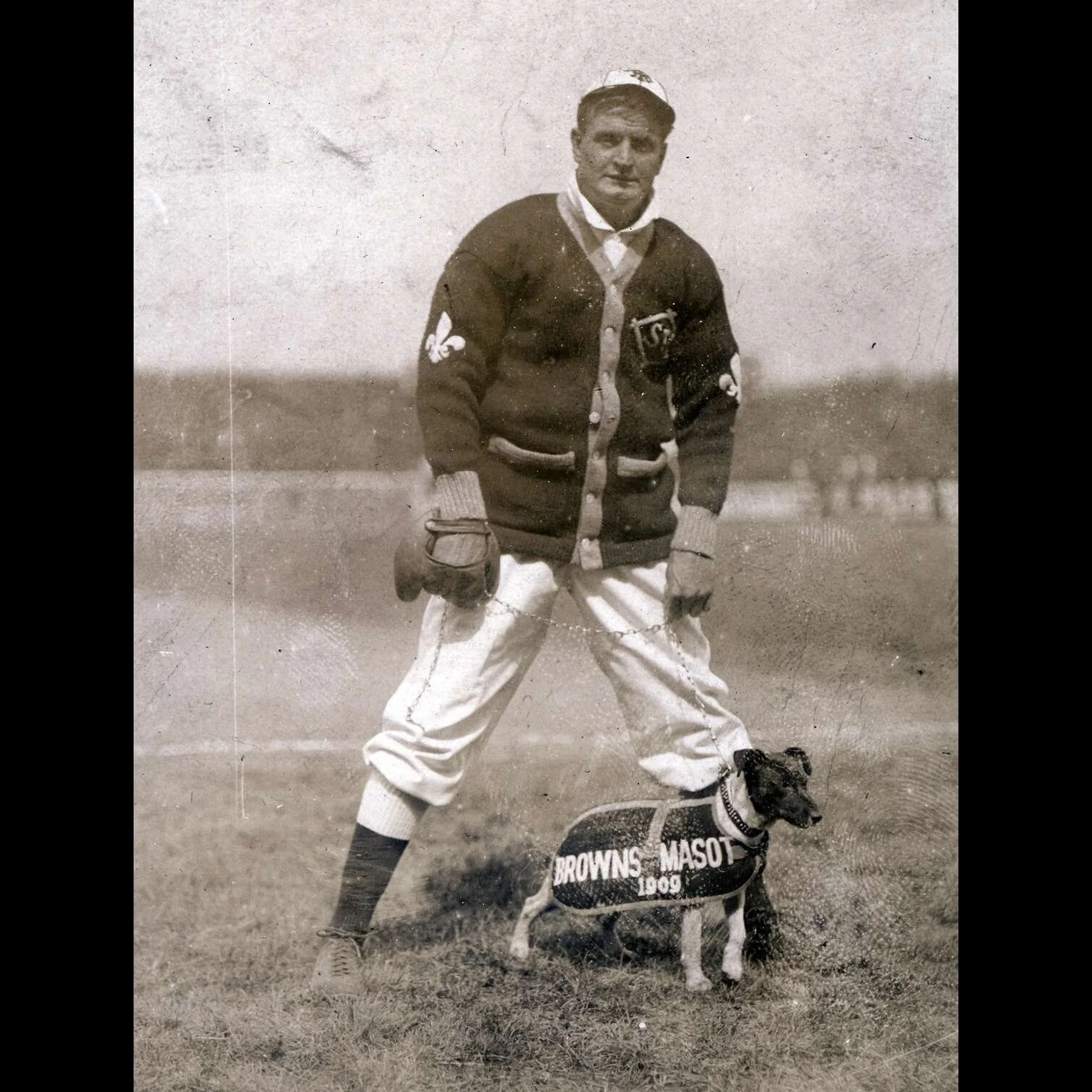
Rube Waddell
When Satchel Paige was just 22 years old, pitching for Birmingham, the speed of his pitches was already being compared to those of Rube Waddell, who was considered one of the fastest throwers in baseball history, at that point. Faster, possibly, than even Walter Johnson.

Dizzy Dean
Satchel Paige and Dizzy Dean before the start of a game at Wrigley Field between Dean’s All-Stars and the KC Monarchs on May 24, 1942. Dean, who called himself “the greatest pitcher in the world,” said Paige was the best pitcher he’d ever seen.
Dean also said, “My fastball looks like a change of pace alongside that little pistol bullet ol’ Satchel shoots up to the plate.”
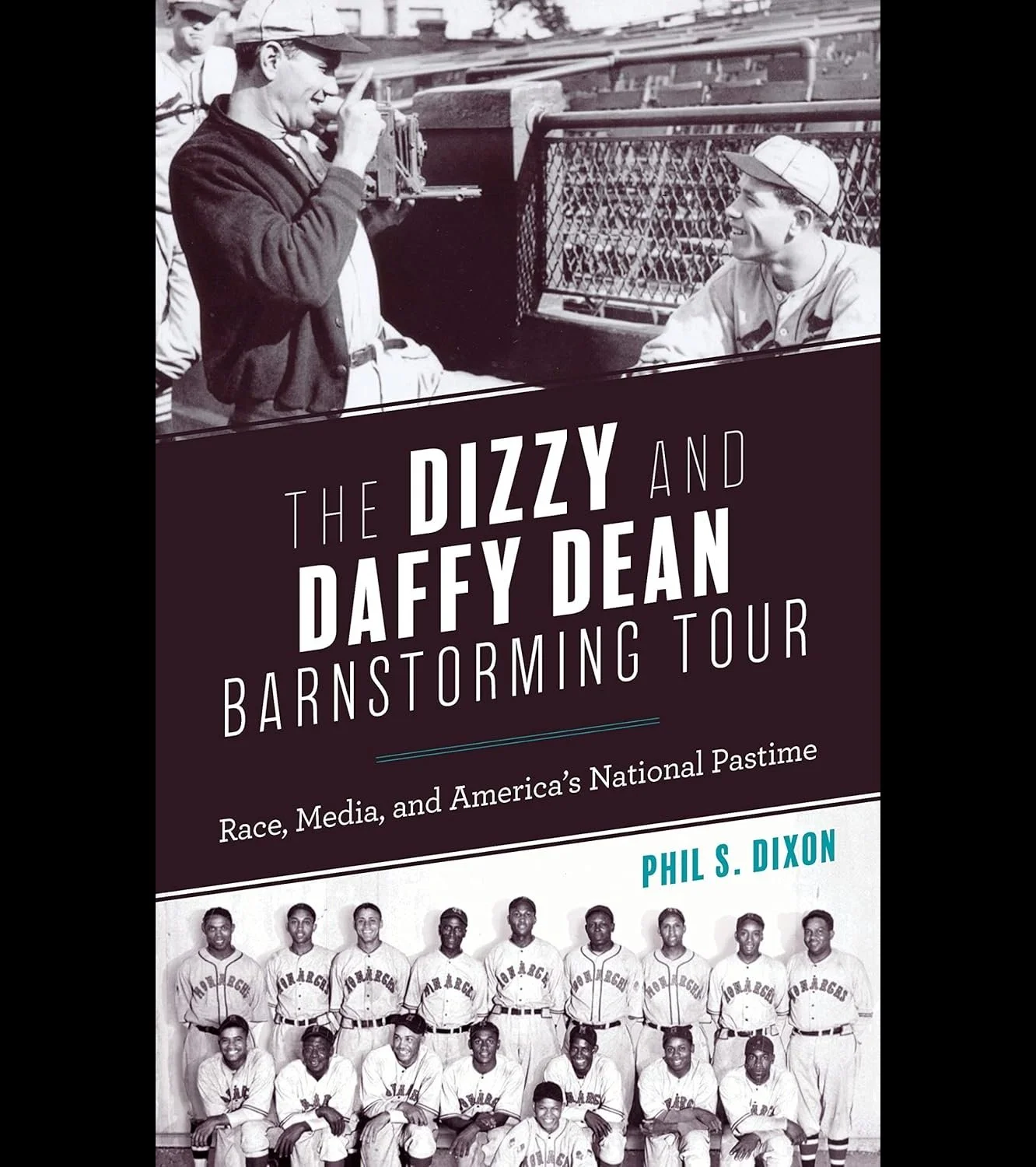
The Dean Brothers
In 1934, brothers Dizzy and Daffy Dean were stars of Major League Baseball’s regular season and World Series. Following their St. Louis Cardinals’ victory over the Detroit Tigers in Game Seven, Dizzy and Daffy went on a fourteen game barnstorming tour against Satchel Paige and the best African-American baseball players in the country.
Dizzy Dean’s Hall of Fame Biography
Buy Phil S. Dixon’s captivating book about that tour HERE.

Pitching In Miami
Satchel Paige winds up for the pitch against the Montreal Royals in the second game of the doubleheader with the Miami Marlins on April 29, 1956.
Satchel would turn 50 years old nine weeks later.
A 1958 scouting report of Paige noted, "FB (fastball) alive. Throws 3/4 (arm angle), Slider, and changes off fastball." There was a column labeled "Pr." (prospect). Most players have "No" in the prospect column. Paige's column was left blank. His WHIP was .991, the lowest on the team.
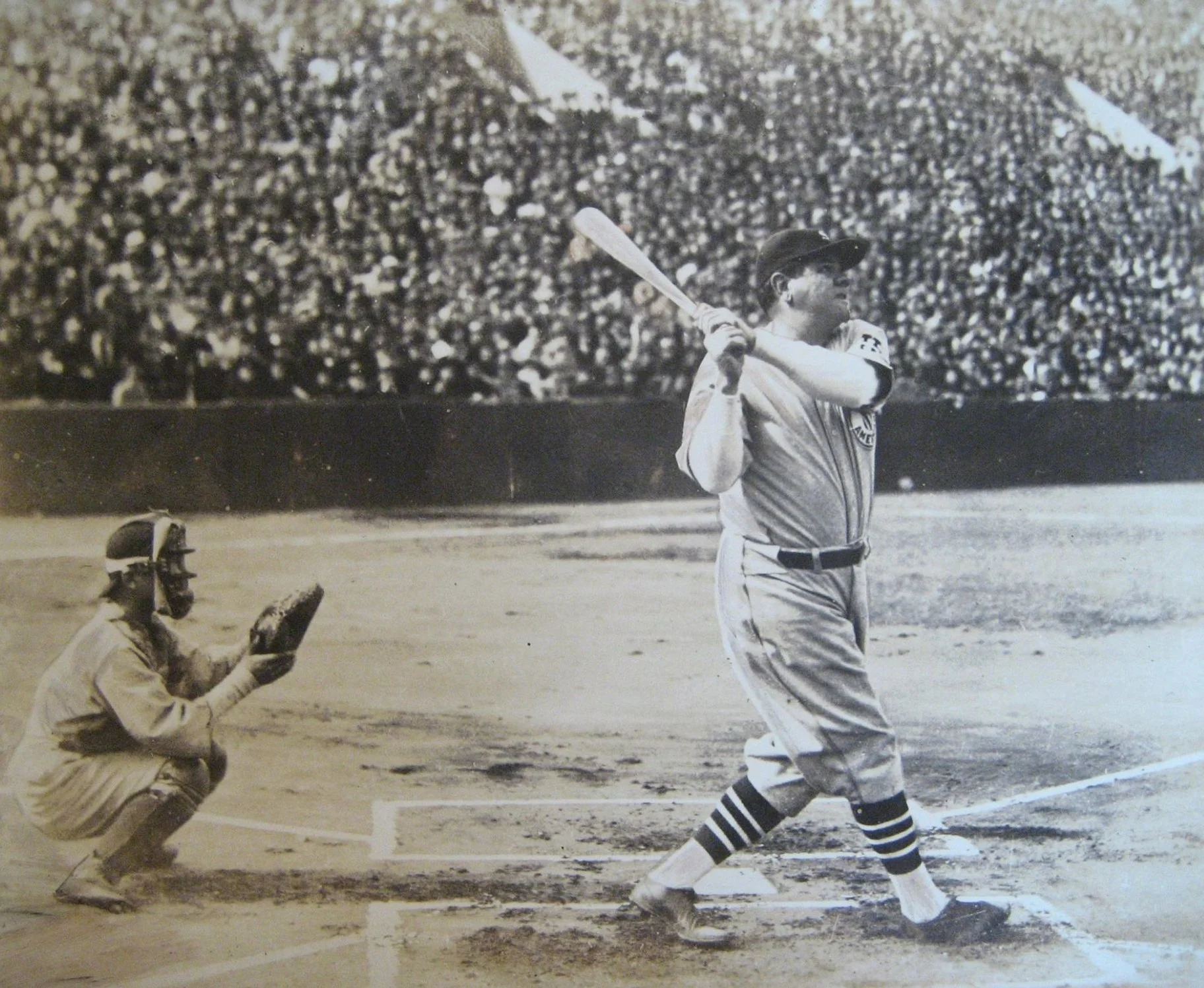
Babe Ruth In Japan
Author Robert K. Fitts was our guest for the first ever two-part episode in My Baseball History’s history. We discussed the history of baseball in Japan, and spent a great deal of time talking about the 1934 US Tour of Japan which featured Babe Ruth.
You can listen to Part 1 of that episode HERE.
You can listen to Part 2 of that episode HERE.
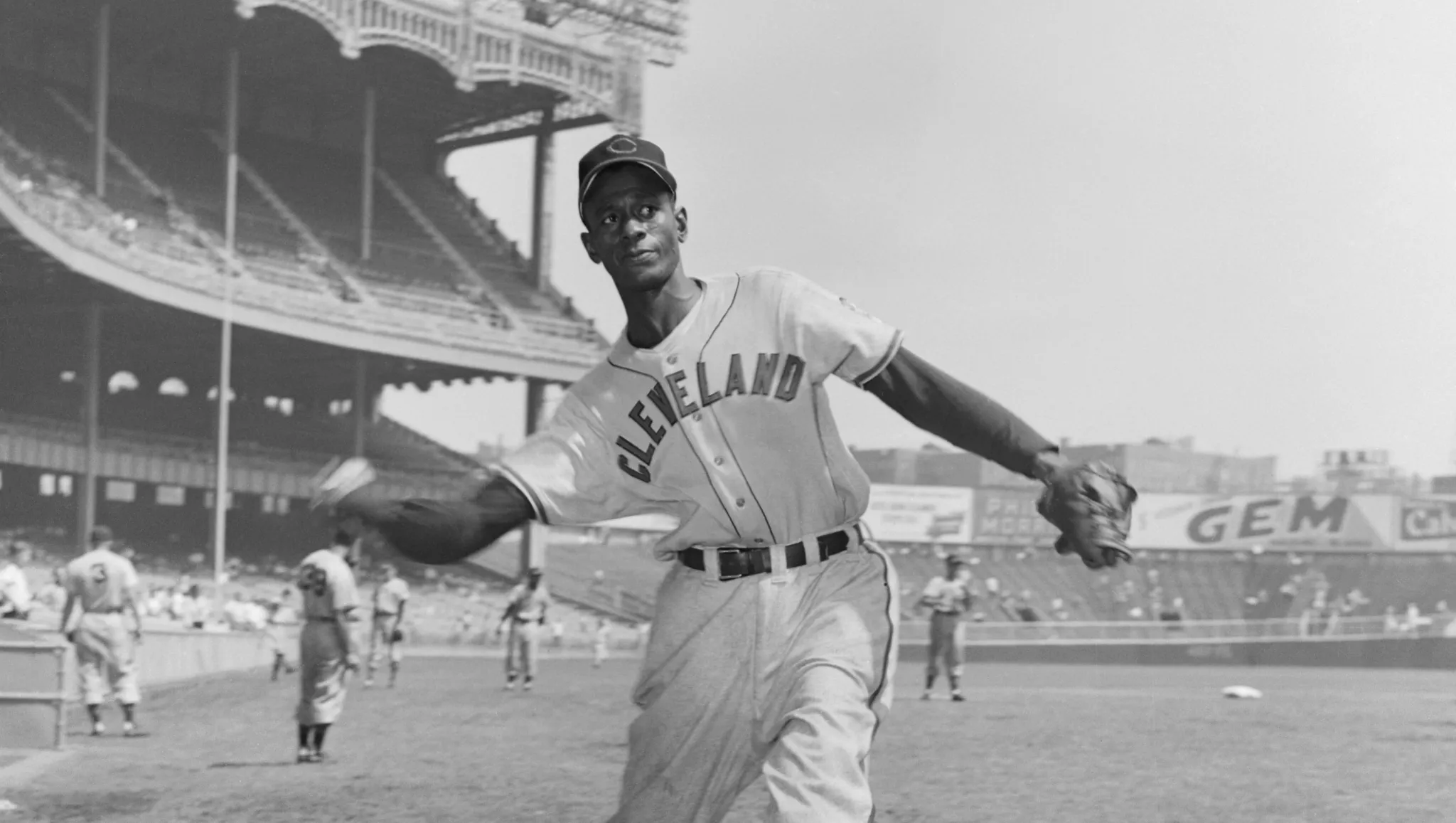
Game Logs
Mark first started by going to Baseball-Reference.com and Retrosheet.org to download the game logs from Satchel Paige’s American League pitching appearances.
Without having to do any real digging, that immediately put Mark at 179 games pitched.
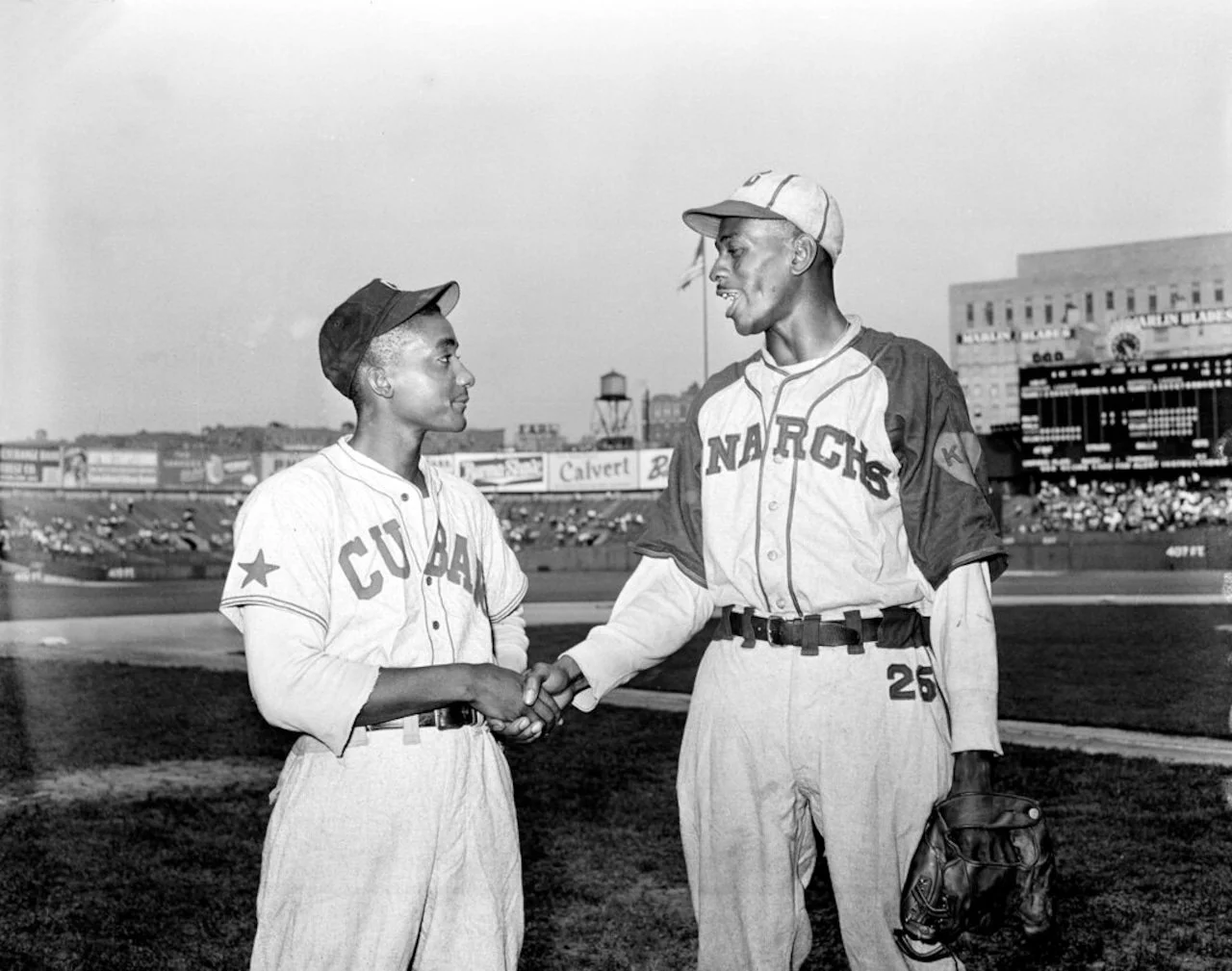
Seamheads
Thanks to the help of his friend Kevin Johnson at Seamheads, Mark was able to grab Satchel Paige’s game logs from his Negro Major League games next.
Here, Satchel and David Barnhill of the New York Cuban Stars shake hands before a 1942 game at Yankee Stadium in New York.

Taking Diligent Notes
When Mark would find newspaper accounts of games, or enter game information into his spreadsheet from the online sources he was finding, he was noting date, Satchel’s team, the opposing team, how Satchel pitched in the game (number of innings pitched, strikeouts, hits allowed, runs allowed, and how Paige factored into the decision, if he did). Mark would also include any other notes that might make that game interesting for some reason, as well as a link to the source, so he could go back later, if need be.
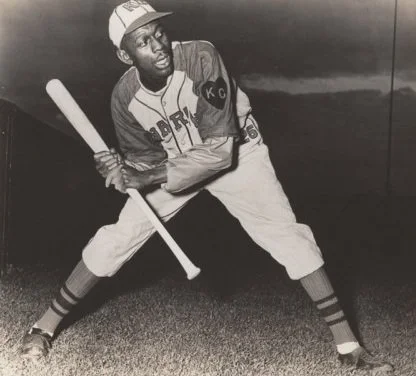
Satch At Bat
In the previous photo, Satchel is reading the sports page in Washington, D.C. while his team was in town to play the Homestead Grays. Here is the image (of Satchel) which appears in that newspaper.
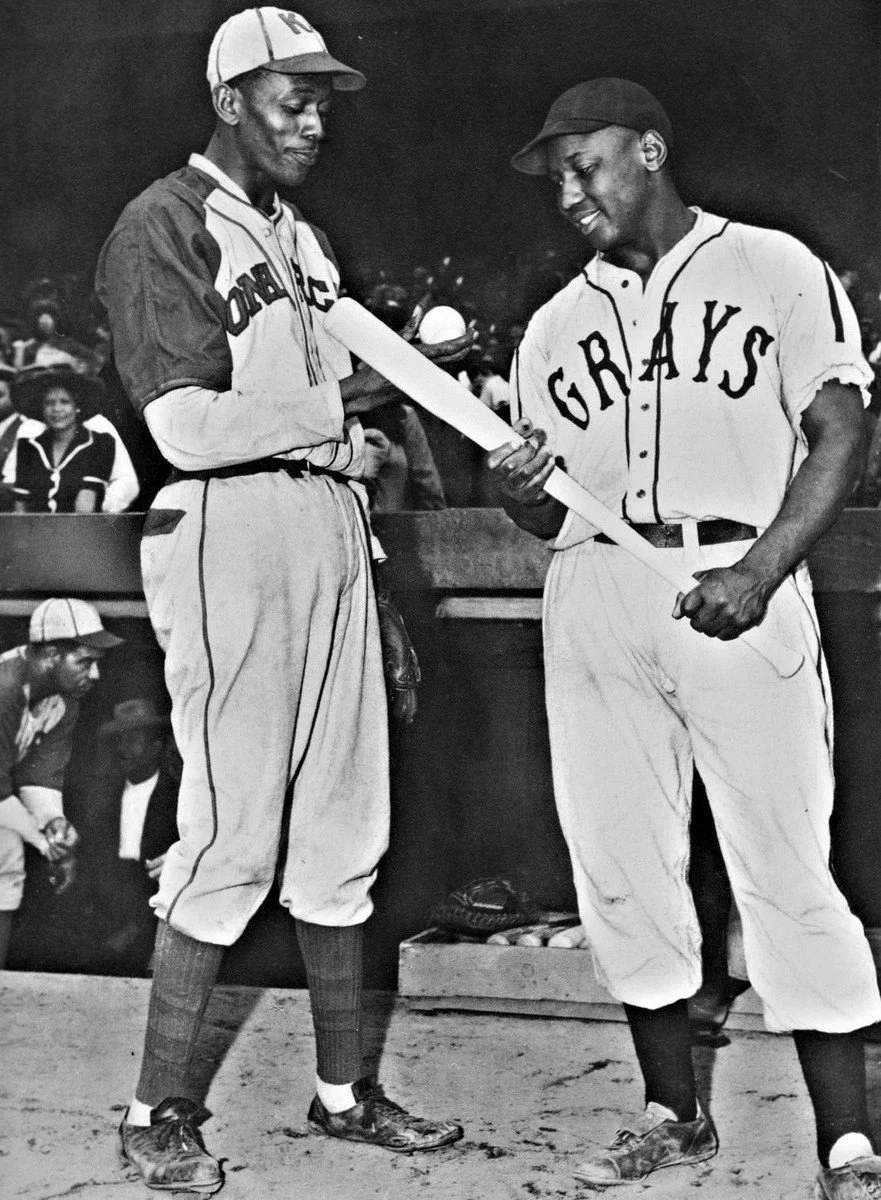
Josh Gibson
Mark’s advice for anyone thinking of doing a similar project of their own, documenting, say, all of the home runs Josh Gibson hit in his career, would be to “get the easy ones out of the way” by going to the sources he named and downloading all of the information that has already been researched and verified.
No Entries?
Satchel Paige’s Baseball-Reference page has no entries from 1937-39, but Mark knew he was obviously pitching somewhere during those years.
It turns out, Paige was in Puerto Rico for a spell, as well as in the Caribbean, in addition to all of the barnstorming he was doing throughout the United States.
Those games were much more difficult for Mark to track down the details of, but thanks to his wide network of friends and researchers, he was able to get the help he needed.
Dominican Republic
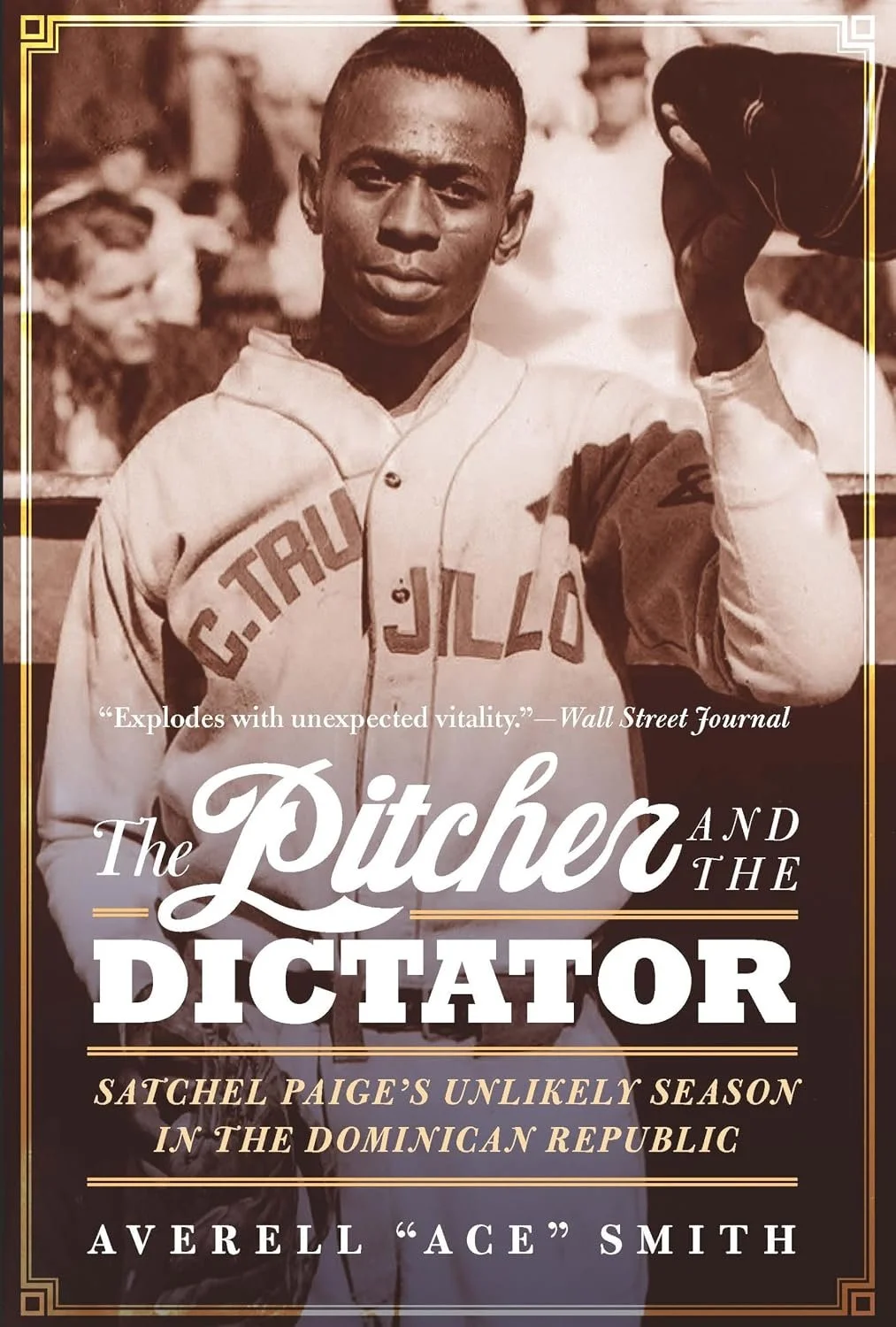
Soon after Satchel Paige arrived at spring training in 1937 to pitch for the Pittsburgh Crawfords, he and five of his teammates, including Josh Gibson and Cool Papa Bell, were lured to the Dominican Republic with the promise of easy money to play a short baseball tournament in support of the country’s dictator, Rafael Trujillo.
As it turned out, the money wasn’t so easy. After Paige and his friends arrived on the island, they found themselves under the thumb of Trujillo, known by Dominicans for murdering those who disappointed him.
Buy a copy of The Pitcher and the Dictator: Satchel Paige's Unlikely Season in the Dominican Republic by Averell “Ace” Smith HERE
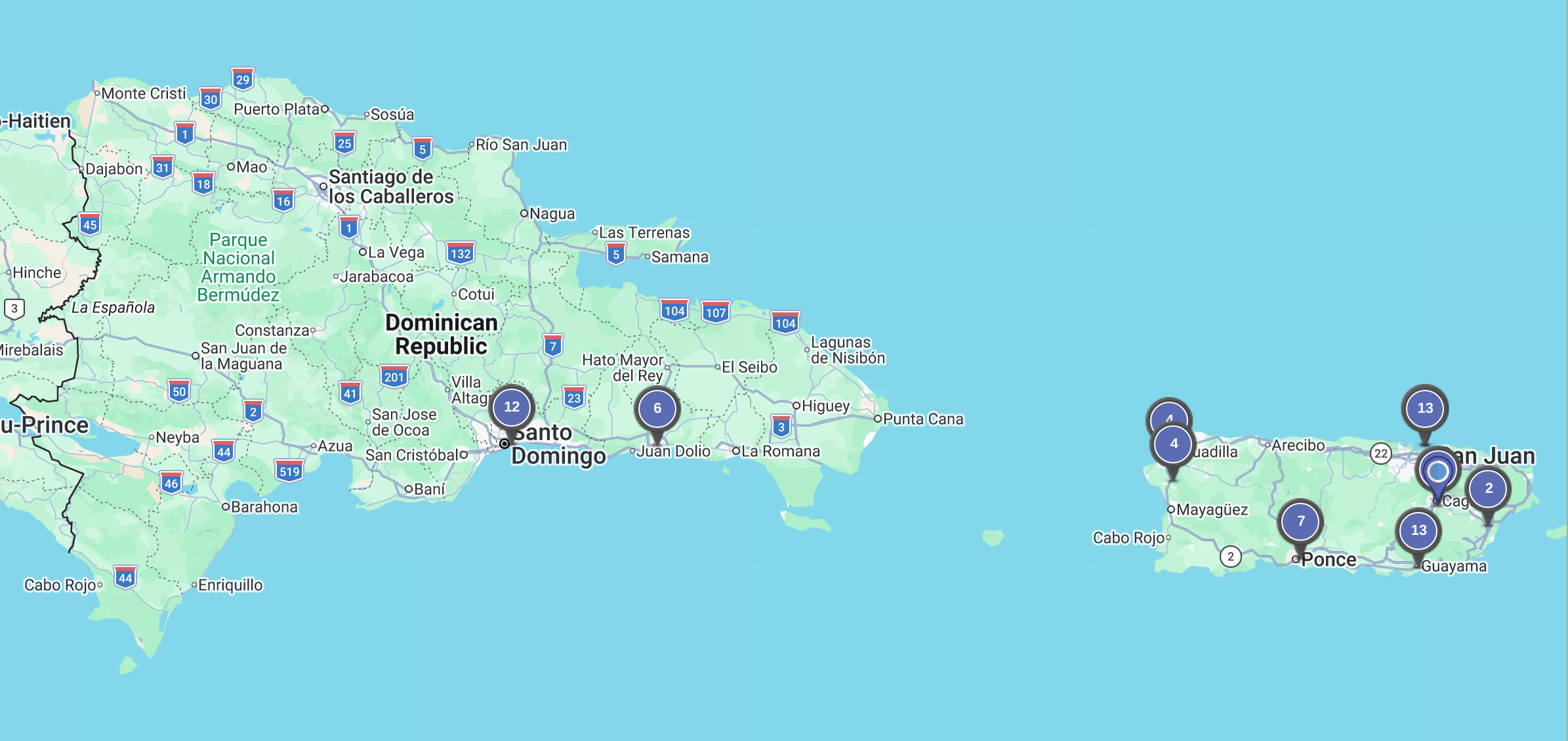
Mark has confirmed at least 18 games pitched in the Dominican Republic for Satchel Paige, and at least 43 in Puerto Rico.
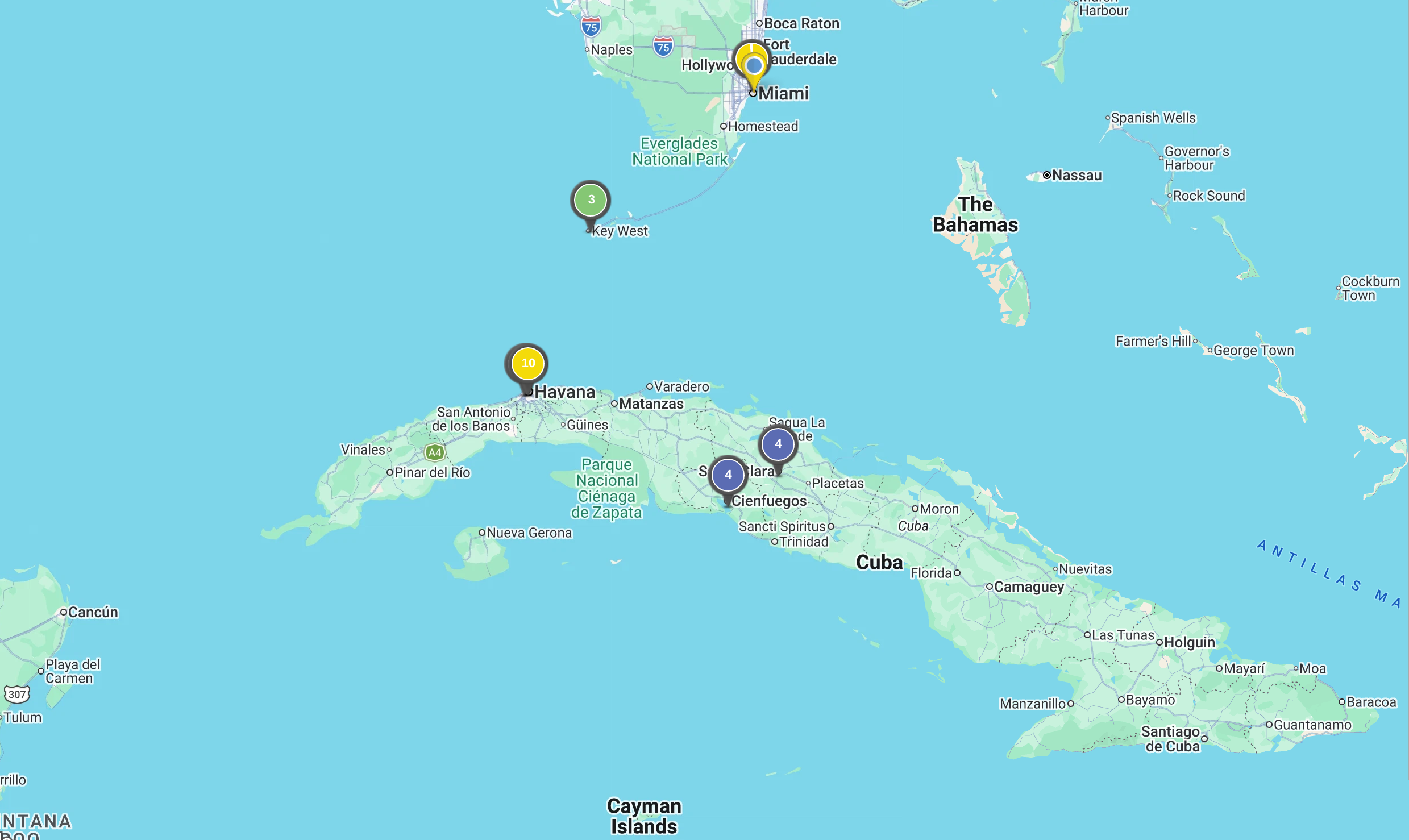
Cuba
With the help of a family member of Cuban baseball star Connie Marrero, Mark has confirmed at least 26 games pitched in Cuba for Satchel Paige.
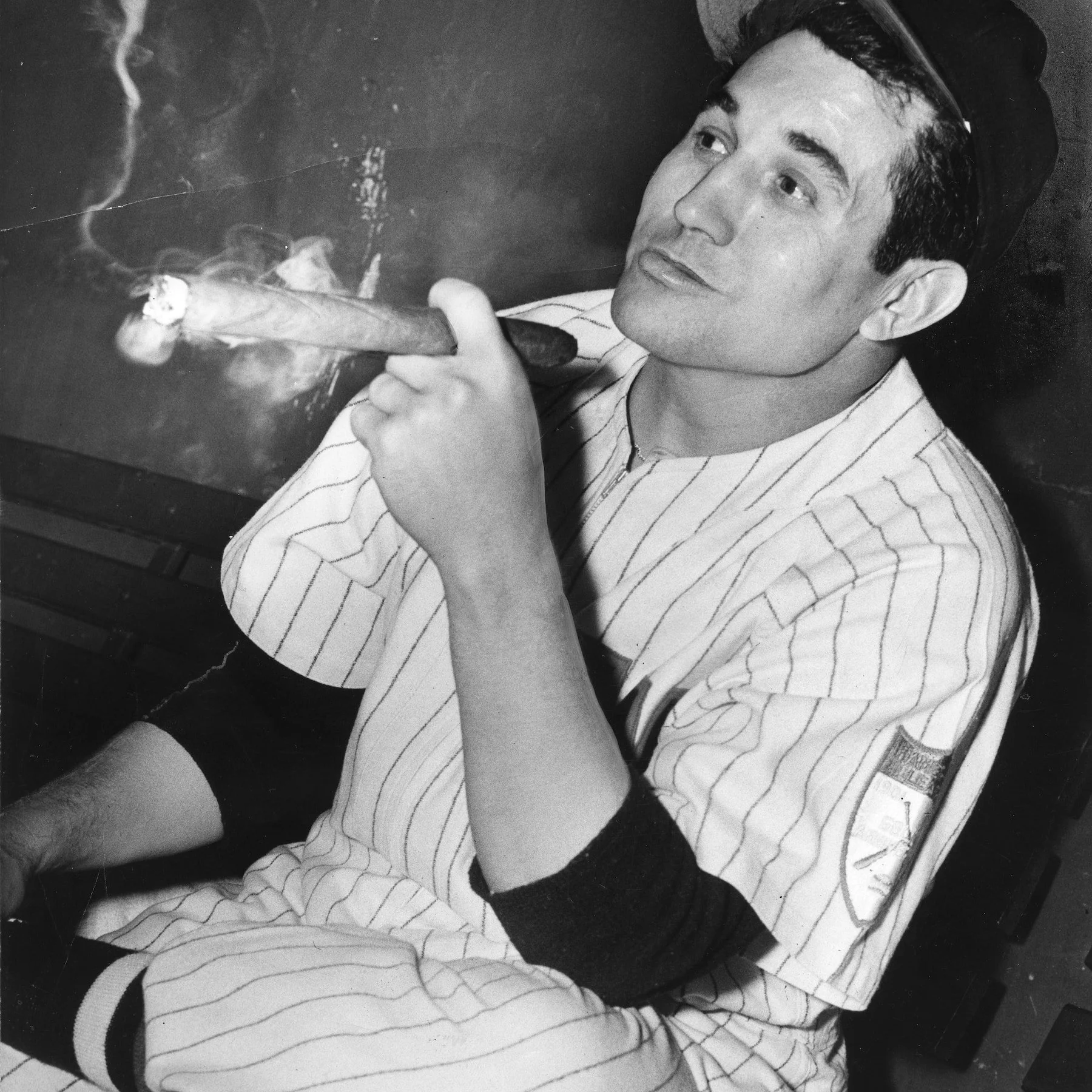
Connie Marrero
Connie Marrero pitched in the US major leagues from 1950-1954 for the Washington Senators. He made his MLB debut when he was 38 years old, making him one of the oldest players in the league.
Marrero was a popular player in his native Cuba, where he had a long and successful career in amateur baseball, pitching for Cuba in several Amateur World Series competitions, and playing several great seasons with the professional Cuban League and the minor league Havana Cubans.

Popular
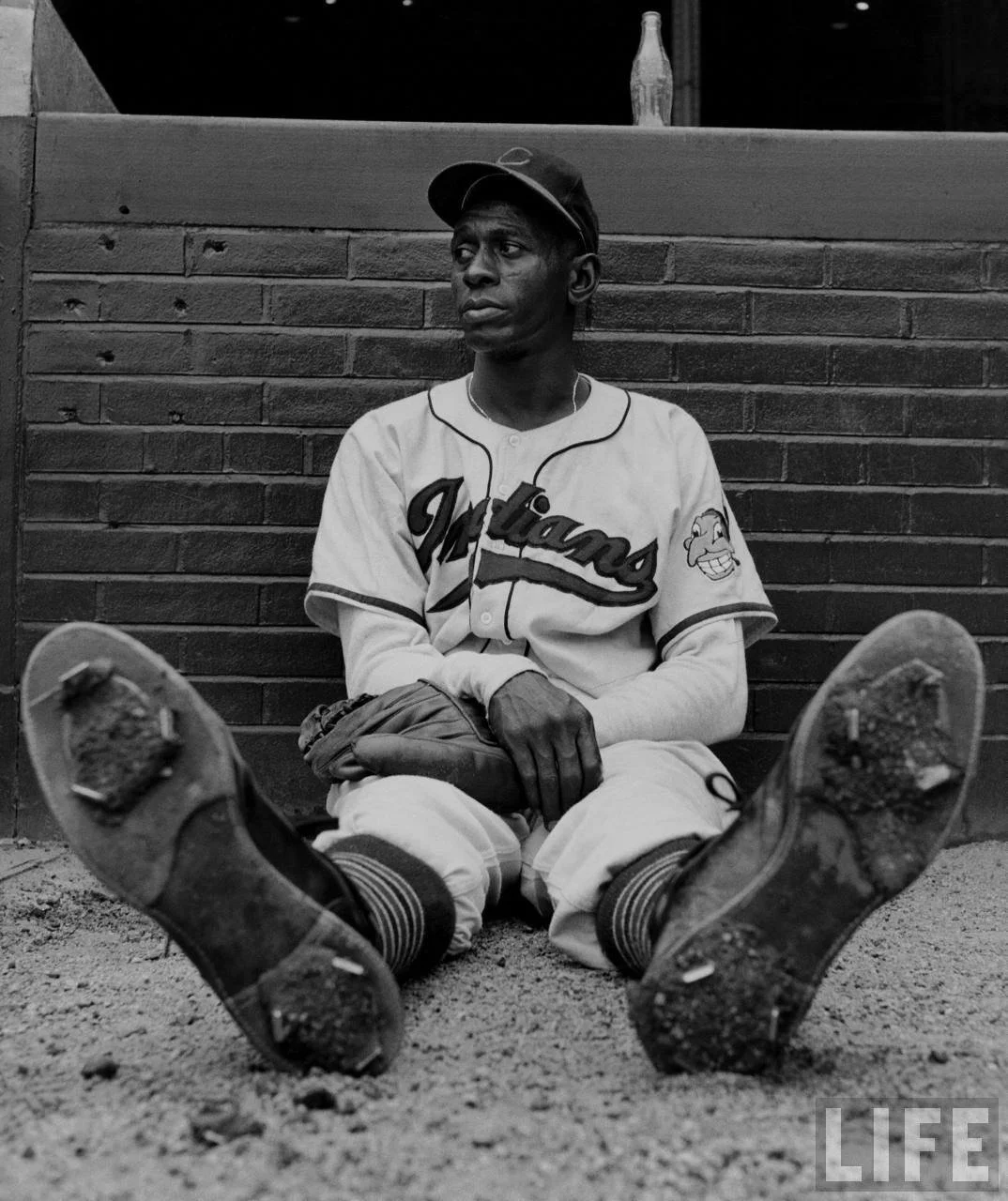
Satchel Paige was as popular with the kids as he was with boxer Joe Louis or dancer/actor Bill “Bojangles” Robinson.
This photo was taken during a photo shoot for LIFE Magazine.
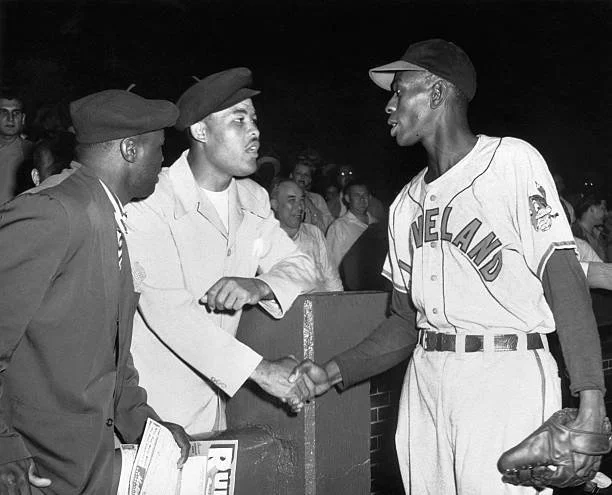
Joe Louis
Satchel Paige shaking hands with Heavyweight boxing champion Joe Louis on August 13, 1948.
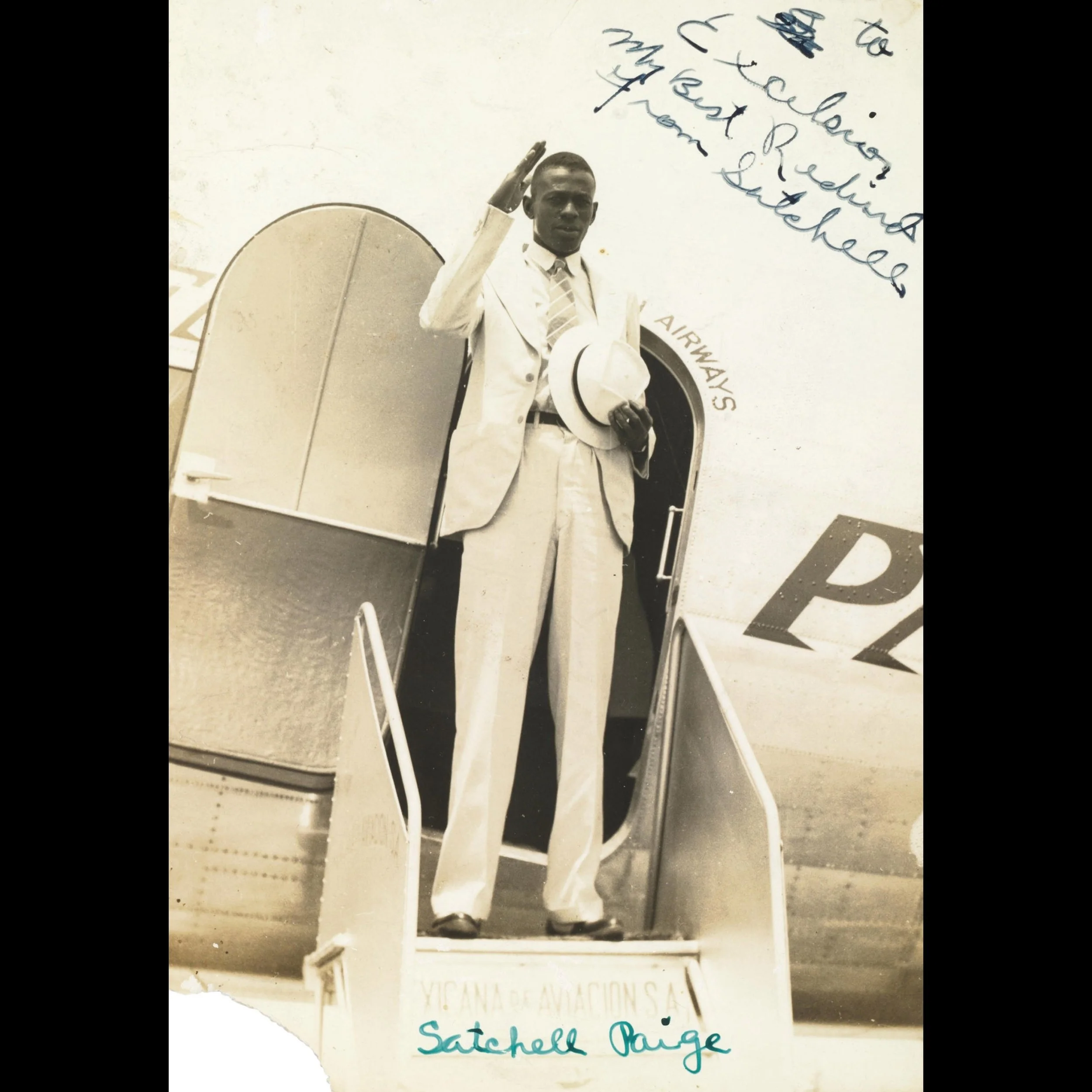
Using His Fame To His Advantage
Satchel had the ability to draw large crowds (and earn large sums of money) in a way that few other ballplayers - black or white - had at that time.
If he was unhappy with the money a team was paying him, Satchel had no problem jumping ship, or hopping on a plane, to go somewhere he might make more.
Often times, he would take his friends with him, like Cool Papa Bell, so they could earn some extra money, too.
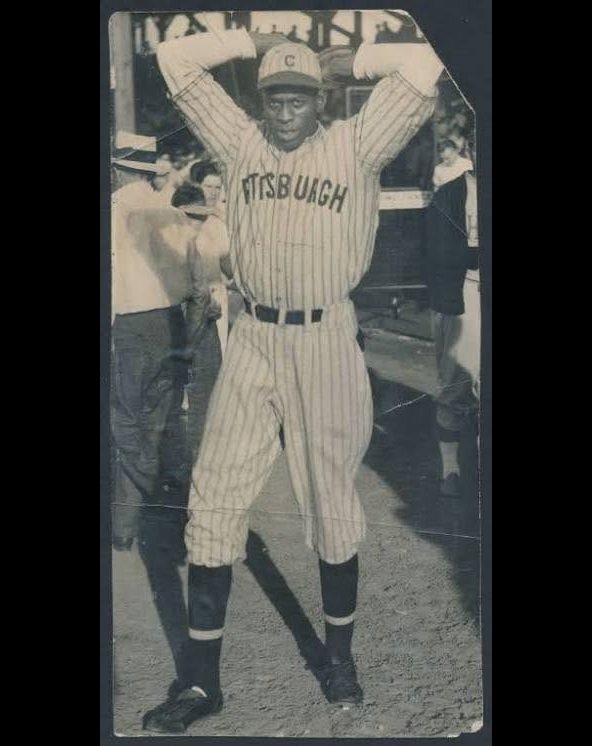
Banned For Life
When Paige and the other players who had jumped to the Dominican Republic in 1937 returned to the States, they formed an all-star team that outdrew Negro League clubs.
Gus Greenlee offered him $450 a week to return to the Pittsburgh Crawfords, but Satchel told him, “I wouldn’t throw ice cubes for that kind of money.”
Greenlee then sold Paige’s contract to the Newark Eagles for $5,000, but the “travelin’ man,” as Satchel called himself, went to Mexico instead, where he signed for $2,000 a month.
Enraged, Greenlee led the charge that resulted in Negro League owners voting to ban Paige for life.

Dead Arm
In Mexico, Paige’s arm hurt so much he could barely throw. Some speculate he had suffered a rotator cuff injury. Infielder Newt Allen said Satchel’s arm had gotten so bad he couldn’t rub the back of his neck.
Here, Paige has his arm massaged by trainer Frank J. Floyd in New York.
J.L. Wilkinson
By the fall of 1938 Kansas City Monarchs owner J.L. Wilkinson was well aware of the marketing potential of Leroy “Satchel” Paige. Almost everyone in the baseball world, except Wilkinson, thought Paige was washed up. Wilkinson’s signing of Paige turned out to be transformative for the Monarchs as well.
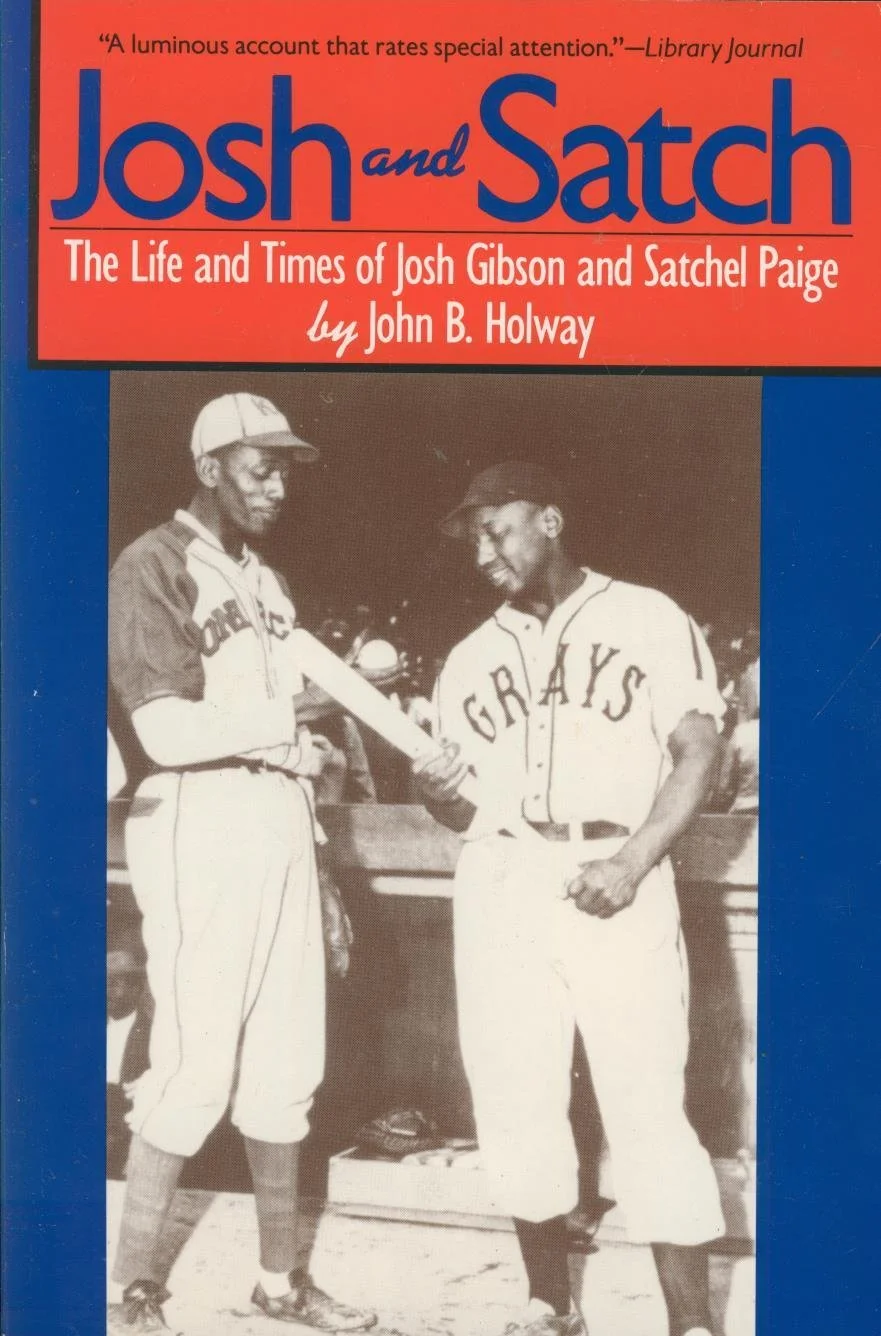
As John Holway has described the moment: “[T]he decision Wilkinson made, while they talked, represented the second great achievement that would help bring the Monarchs a new dynasty [the first being night baseball]. It was an achievement born of baseball acumen, of wisdom about muscle and bone, skill and sporting spirit. Wilkinson decided to give Satchel Paige a second chance.”
As it turned out, “Wilkinson saved Satchel Paige’s career. And Paige rejuvenated the Monarchs.”
J.L. Wilkinson’s SABR Biography
Buy a copy of Josh and Satch by John B. Holway HERE
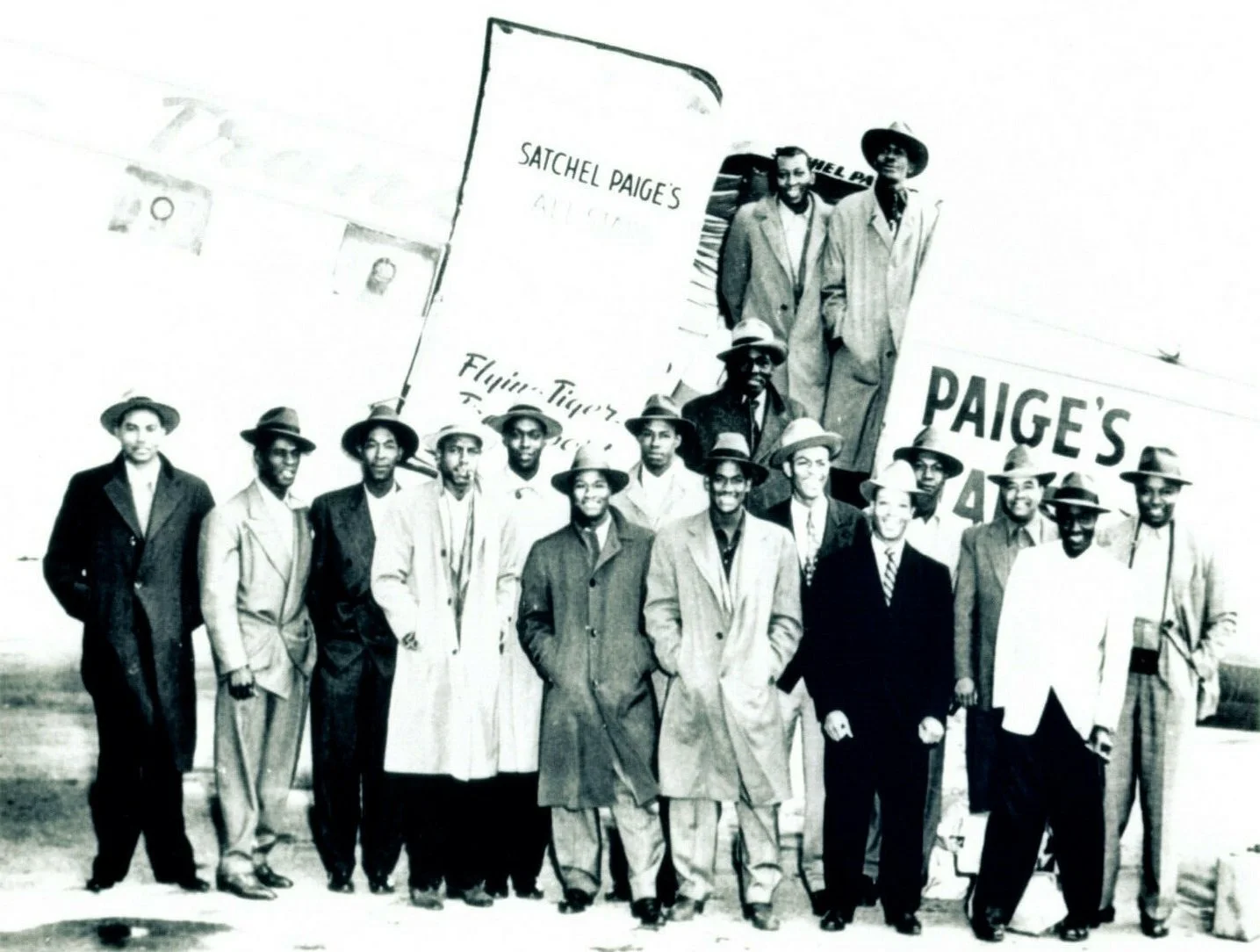
Satchel Paige’s All-Stars
It was in Wilkinson’s best interest to re-name the Kansas City Travelers aka the Baby Monarchs as “Satchel Paige’s All-Stars” because Satchel’s name was the draw. It was also in Satchel’s best interest, because that meant he could negotiate a bigger cut, knowing his name was what was selling the tickets.
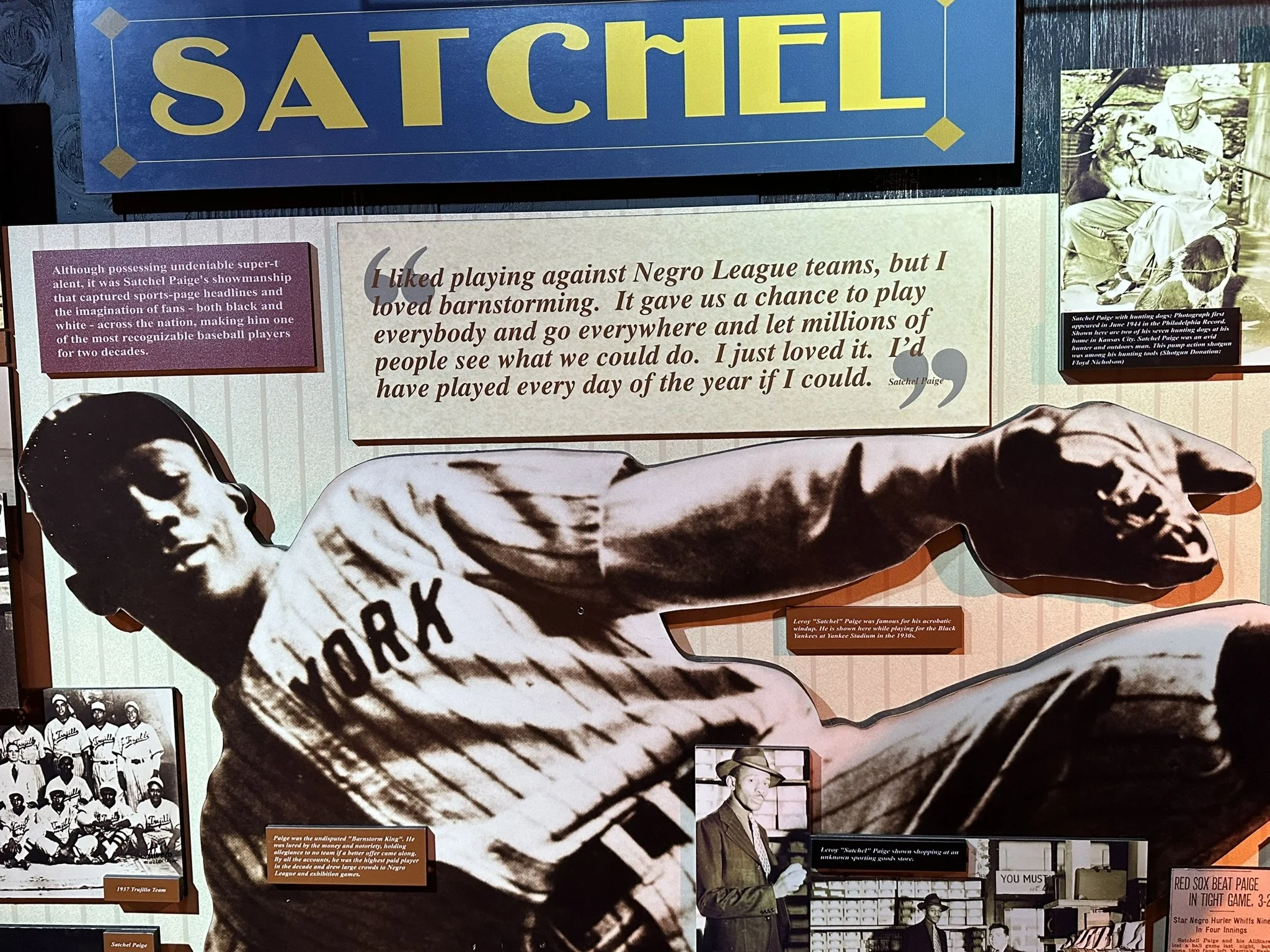
On display at the Negro Leagues Baseball Museum in Kansas City, Missouri.
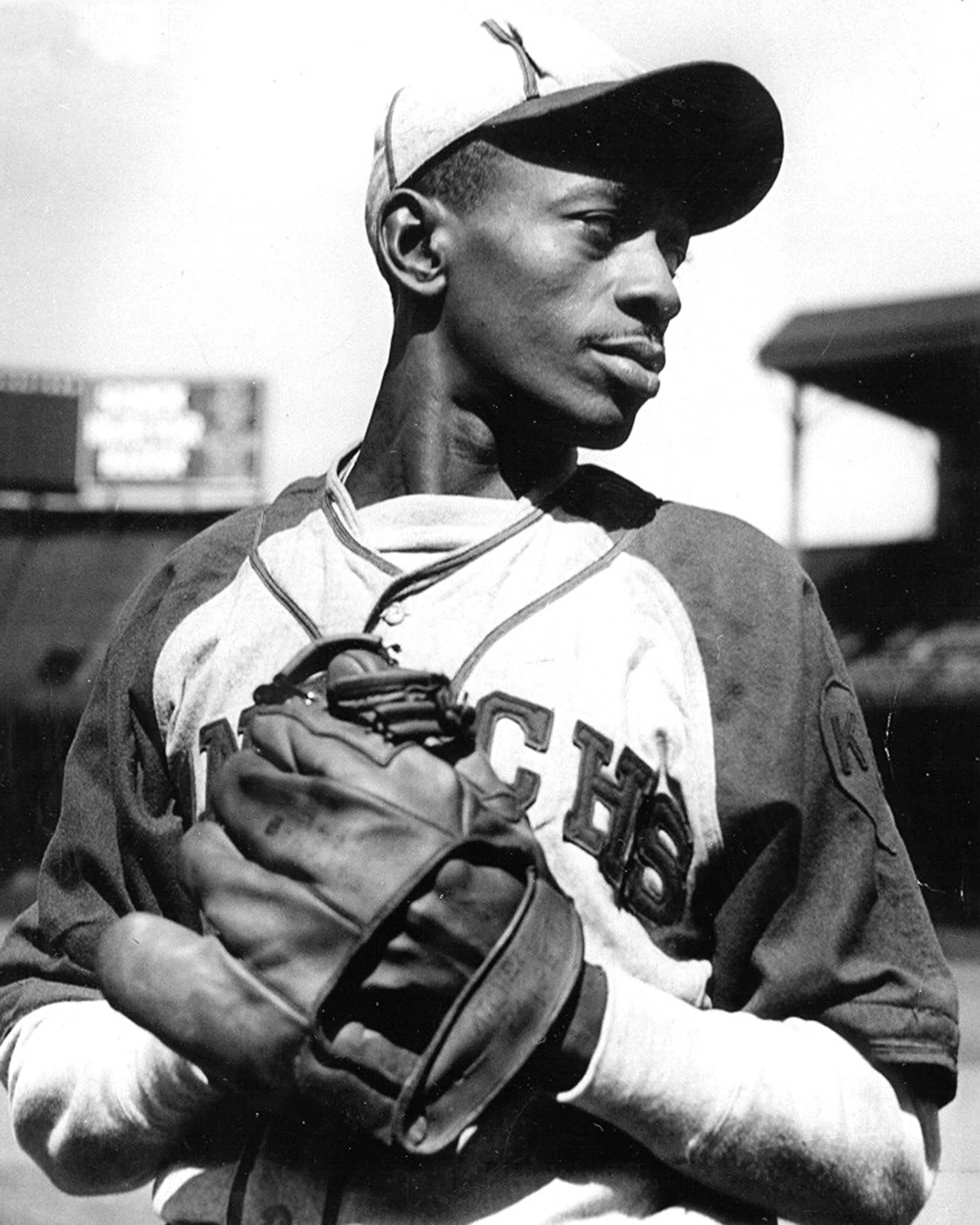
Un-banned For Life
Late in the 1940 season, Wilkinson was able to strike a deal with the other Negro League team owners to allow Satchel back into their game.
Satchel’s barnstorming team was taking players away from their teams, and hurting ticket sales because fans would rather see Satchel pitch with his All-Stars than watch a normal team play.
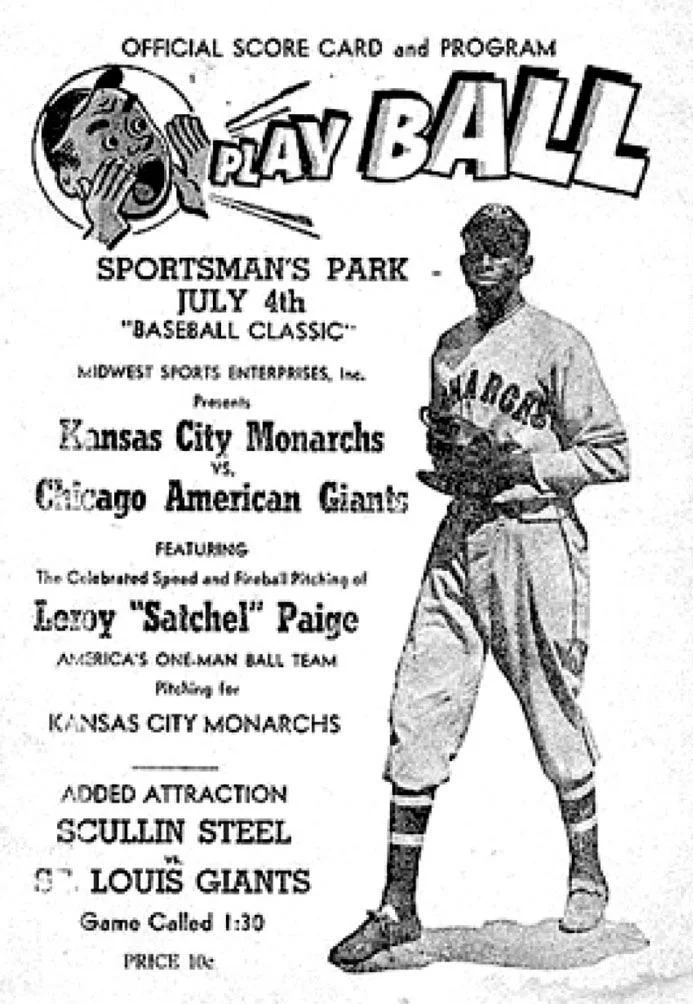
A Change In Approach
Earlier in his career, Satchel would not pitch every day because there were other good pitchers on his team, so when he did get a start, he often threw complete games.
However, when he became such a huge draw, and his name was being used in advertising, telling the paying customers they can expect to see him pitch, he almost had to pitch every day. He would no longer throw complete games, instead opting to pitch an inning or maybe a few.
In bigger cities, sometimes Satchel would work out a deal with the promoter that would pay Satchel more, if he pitched more innings in that game.

Injuries
Trainer Max 'Lefty' Weisman puts an ice pack on Satchel’s leg after he wrenched it during a practice.
When you play every day, injuries are bound to happen. But sometimes, Satchel may have exaggerated the severity of an injury to be able to sneak an extra day or two of rest when he needed it.
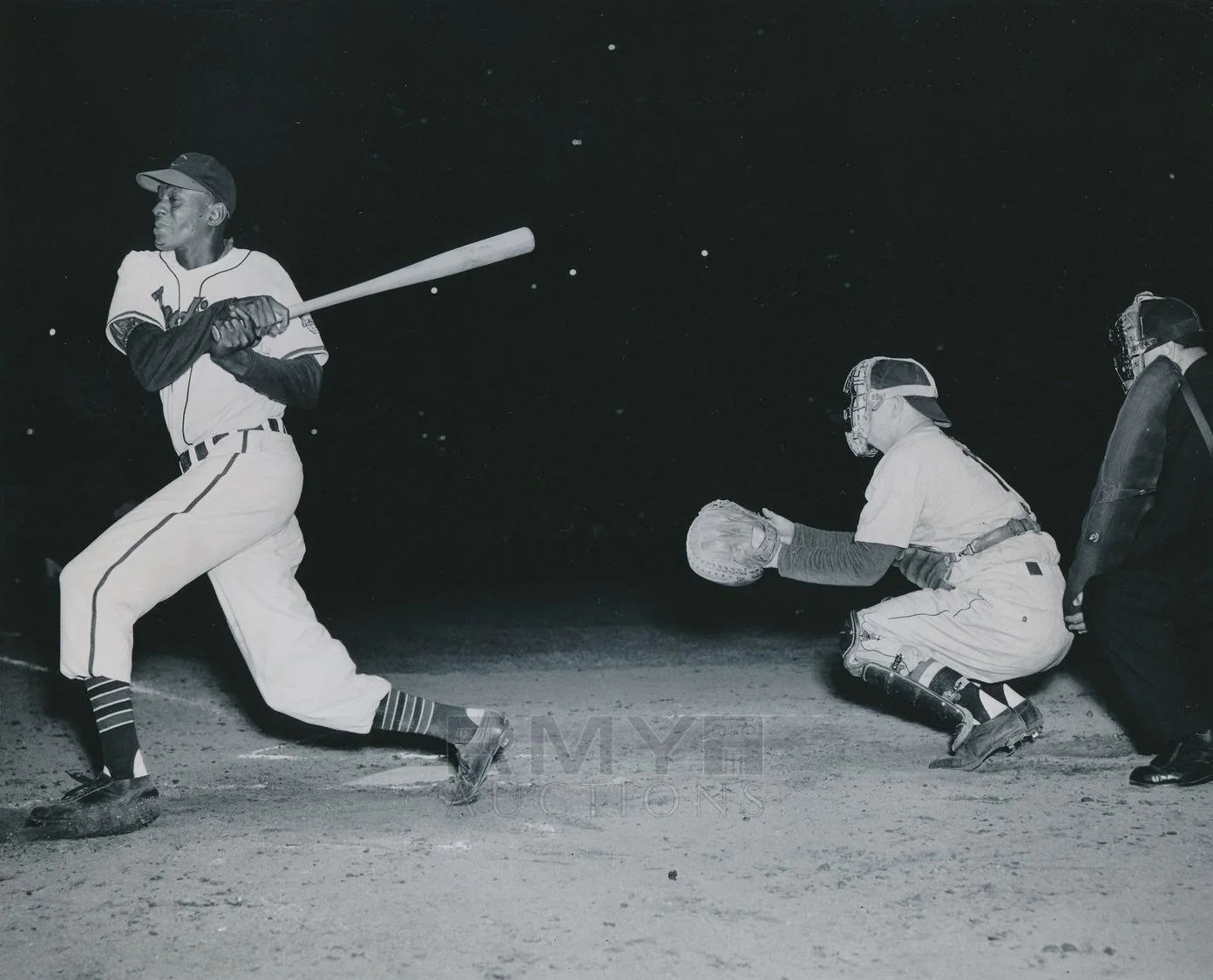
Batting and Running
While running is something Satchel Paige very famously tried to avoid, sometimes he would be forced to run the bases after getting a hit, and sometimes that running would lead to injuries.
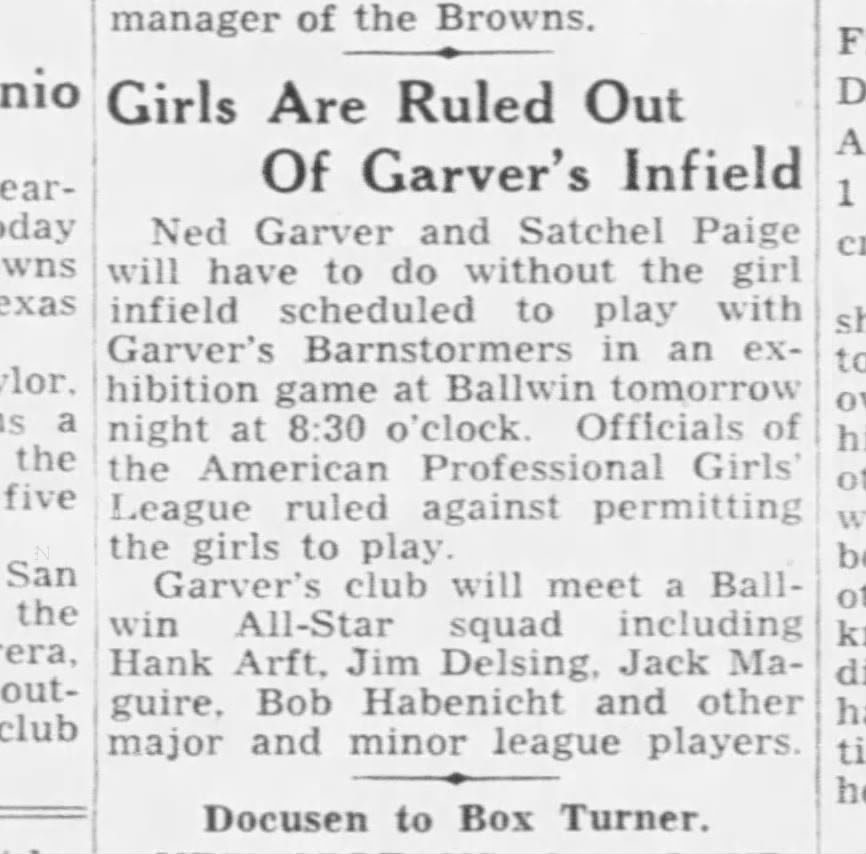
An Promotion Which Never Actually Took Place
On October 18, 1951, a barnstorming baseball team led by Satchel Paige and Ned Garver scheduled a game in Ballwin, Missouri in which they planned to field an infield made up of players from the All American Girls Professional Baseball League.
It was promoted for several days. Unfortunately, officials of the AAGPBL would not allow them to play. The game went on without them.
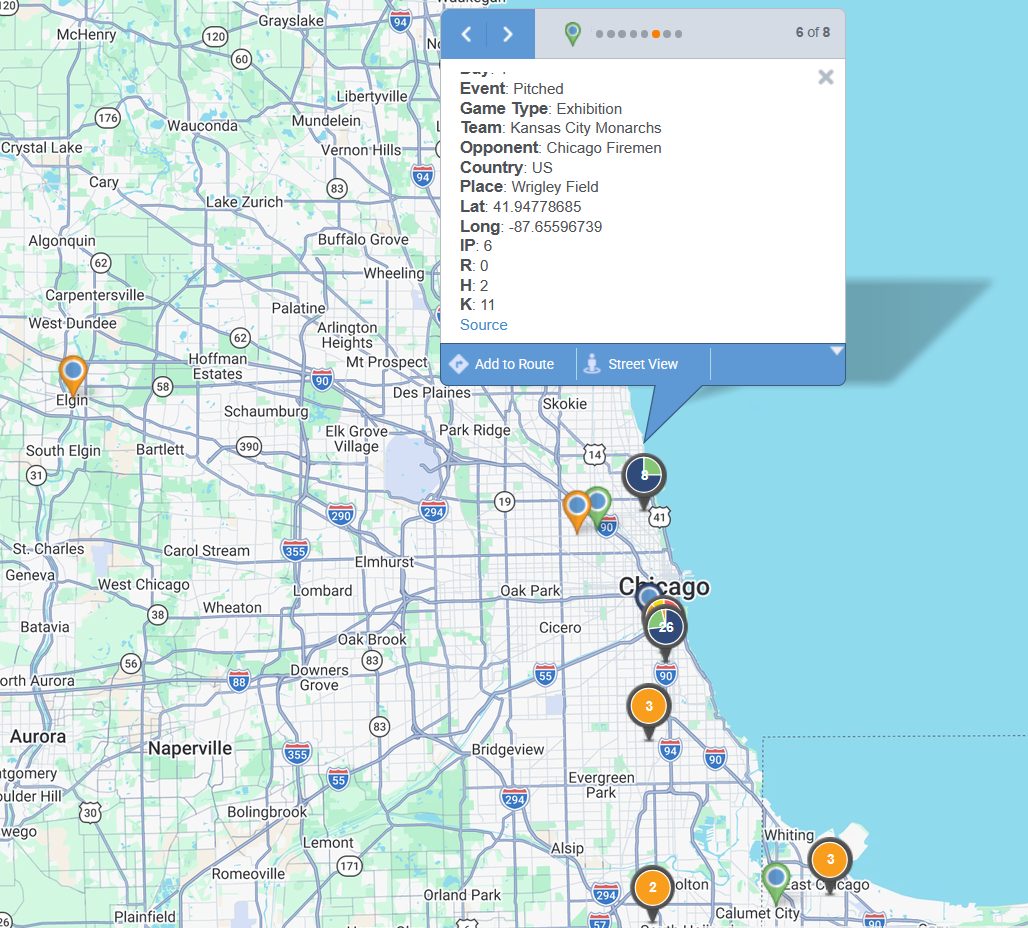
Mark’s Map
Here is a screen shot of all of the “events” Mark has documented on his map for Chicago.
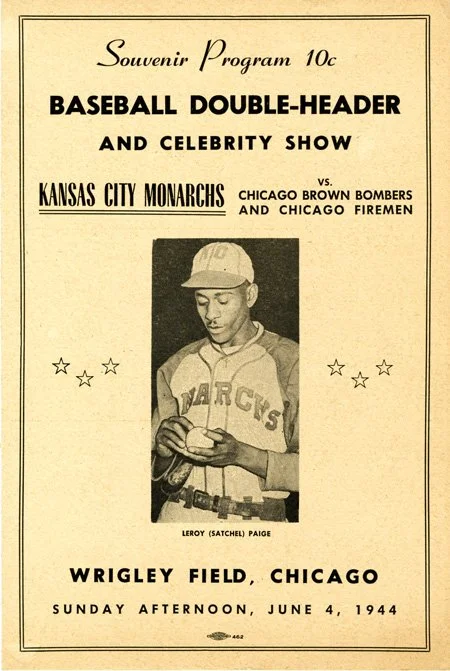
June 4, 1944 at Wrigley Field
The game highlighted above took place on June 4, 1944 at Wrigley Field in Chicago. As you can see in the information bubble on the map, Satchel pitched 6 innings for the Kansas City Monarchs, allowing 0 runs on just 2 hits to the Chicago Firemen, while striking out 11.
While this souvenir program is nice to have, its existence does not prove that Satchel actually pitched on this day. These would have been printed beforehand, but they are no guarantee that Satchel didn’t show up to the ballpark injured, or tired, or that he made it there, at all.
Mark’s proof that Satchel actually pitched in that game comes from a Kansas City Times article published the following day.
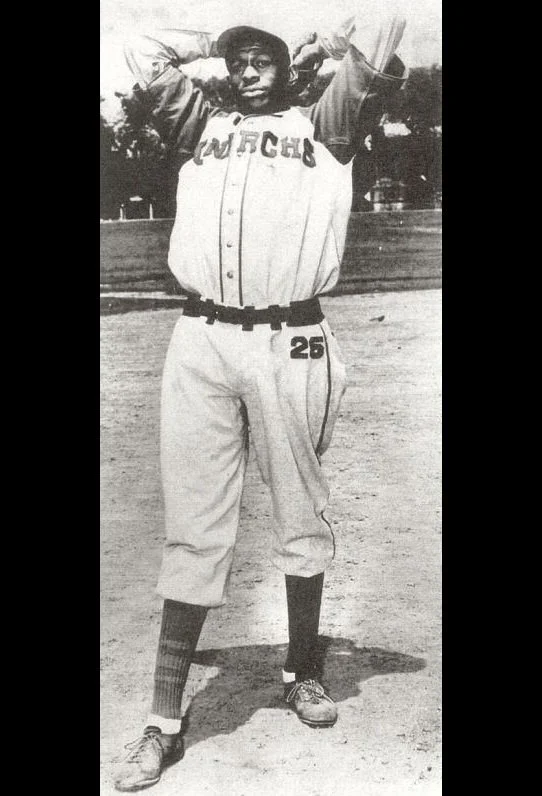
Plausible Games
Let’s say Mark wasn’t able to find a newspaper account detailing the results of that June 4, 1944 game at Wrigley Field, but he did have the image of the program.
June 4, 1944 would then go on Mark’s spreadsheet as a “plausible game” because, while he does not have proof that Satchel pitched, he can make a pretty good guess that Satchel was in uniform, at the stadium, and expected to throw.
From that point, it’s just a matter of searching the newspaper archives to see if he can track down a game write up.
If you want to help Mark dig into his list of plausible games, researching online to help confirm some of them, you can check out his list HERE.

Honoring Satchel
Mark likens Satchel’s later years to fans of the Marshall Tucker Band going to see the band perform live, into their 70s. Are you technically seeing them play? Yes. But are you seeing them at their best? No.
Here, a 59-year-old Satchel (center) gives pointers to Kansas City Athletics pitchers (left to right) John “Blue Moon” Odom, Jim “Catfish” Hunter, Dick Joyce, and Ron Tompkins on September 24, 1965.
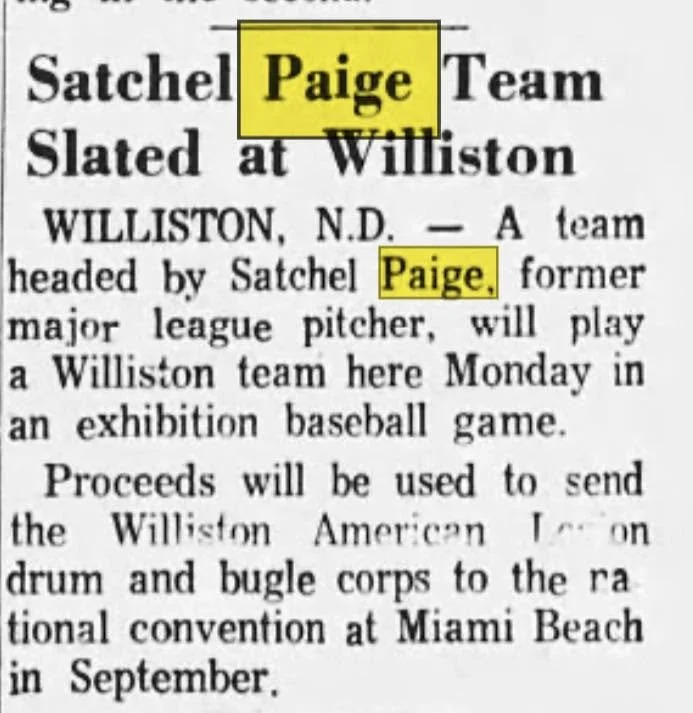
Williston, North Dakota
Satchel Paige played a game in Williston, North Dakota on June 3, 1963.
Legendary basketball coach and former NBA player Phil Jackson was on the Williston team at the time, and claimed to have gotten a hit off of Satchel in the game.
Jackson said “[Paige] was probably throwing 70 miles per hour” at that point in his career. “I think he gave me a pitch to hit [on purpose], and I hit it off the center-field wall. It was a fun game.”
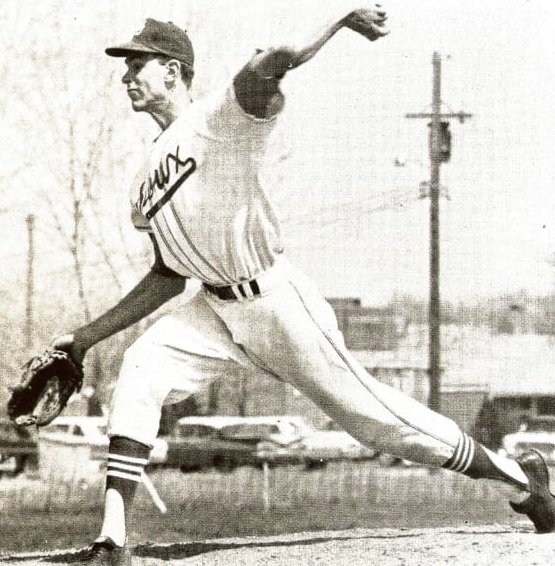
Phil Jackson
Phil Jackson was a tall, left-handed pitcher for the Williston team in 1963. He eventually went to the University of North Dakota where he played two seasons of varsity baseball, in addition to basketball, before being drafted in the NBA.
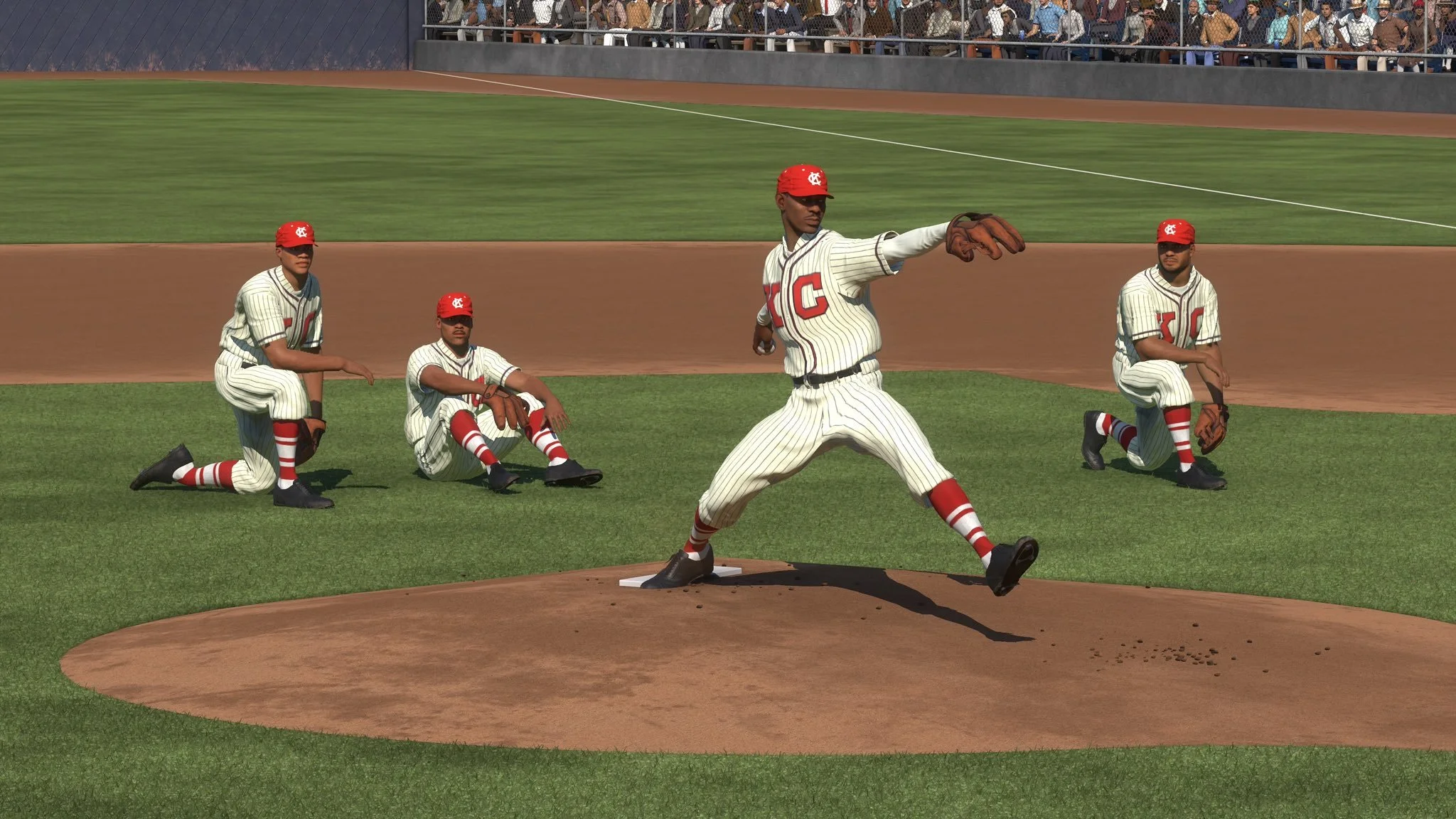
Bob Kendrick’s favorite Satchel Paige story is one he got to tell in MLB The Show. Mark was able to confirm that it happened on more than one occasion, thanks to his research.
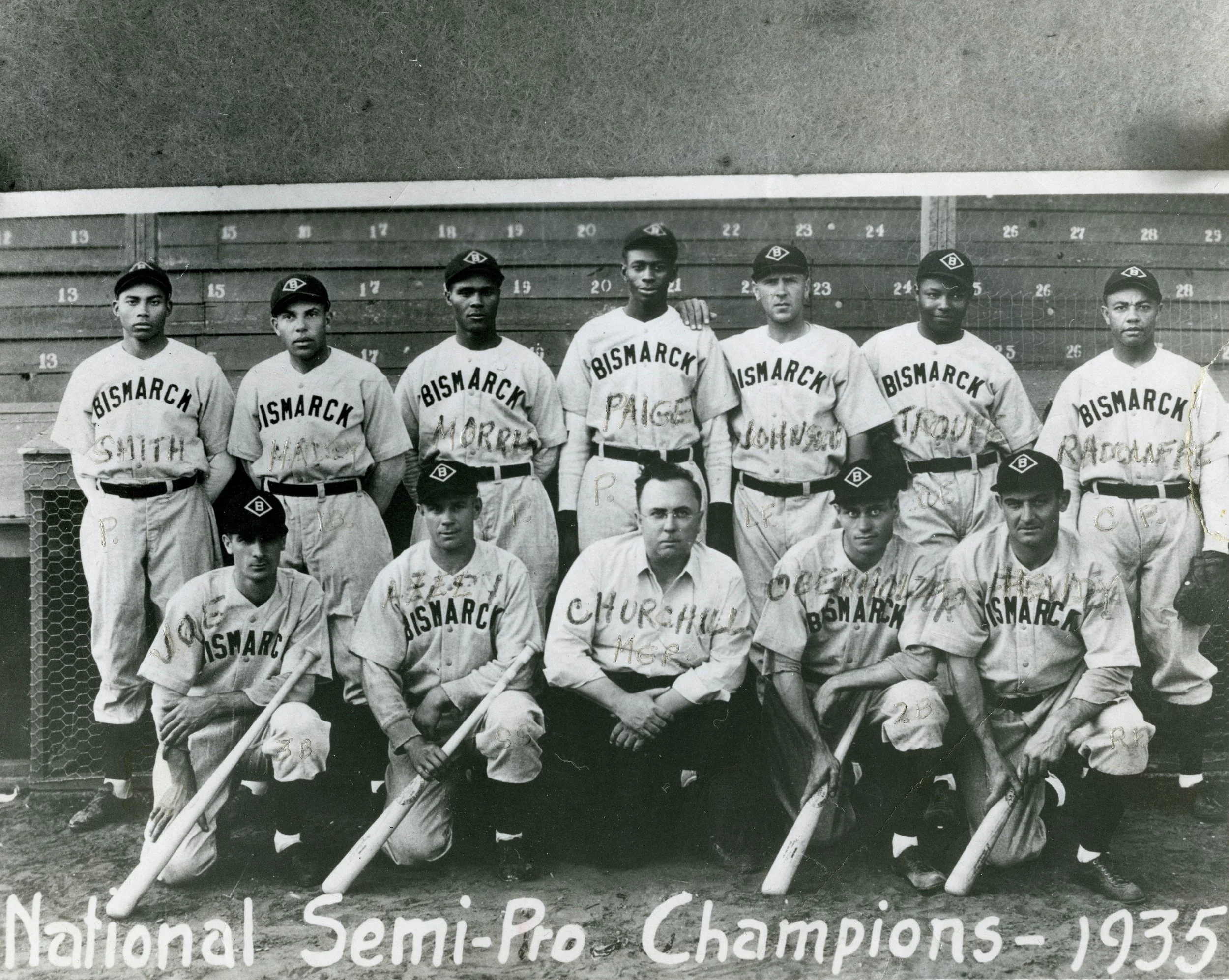
Integration in 1935
Satchel played on an integrated team in Bismarck, North Dakota in 1935, marking the first time since the 1800s that Black players and white players would be teammates on a semi-professional team. The team brought in a number of Negro League ringers, and absolutely dominated the competition.
Pictured here are kneeling (L to R): Joe Desiderato, Al Leary, Neil Churchill, Dan Oberholzer, and Ed Hendee. Standing (L to R): Hilton Smith, Red Haley, Barney Morris, Satchel Paige, Moose Johnson, Quincy Troupe, and Ted "Double Duty" Radcliffe.
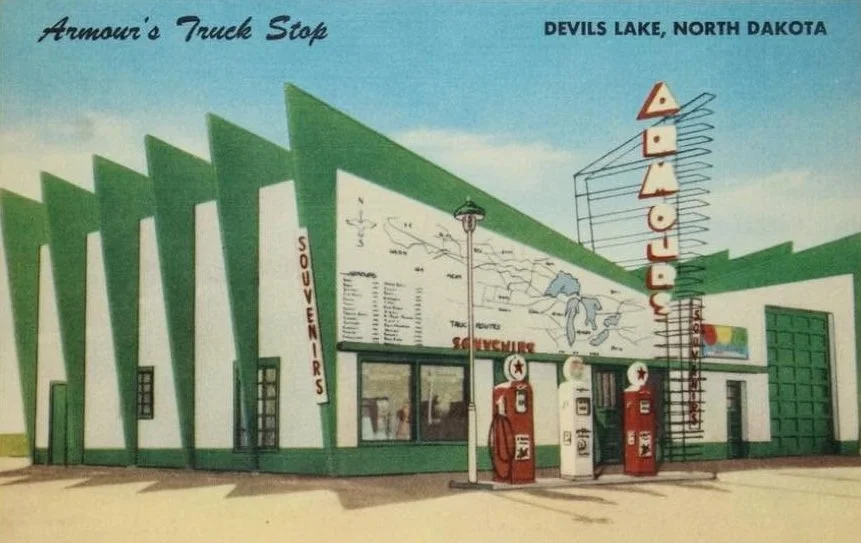
Mark found that, while Satchel was pitching in North Dakota in May of 1935, he played a game in Devils Lake. For obvious reasons, Mark hopes that Satchel stopped at Armour’s Truck Stop while he was there.
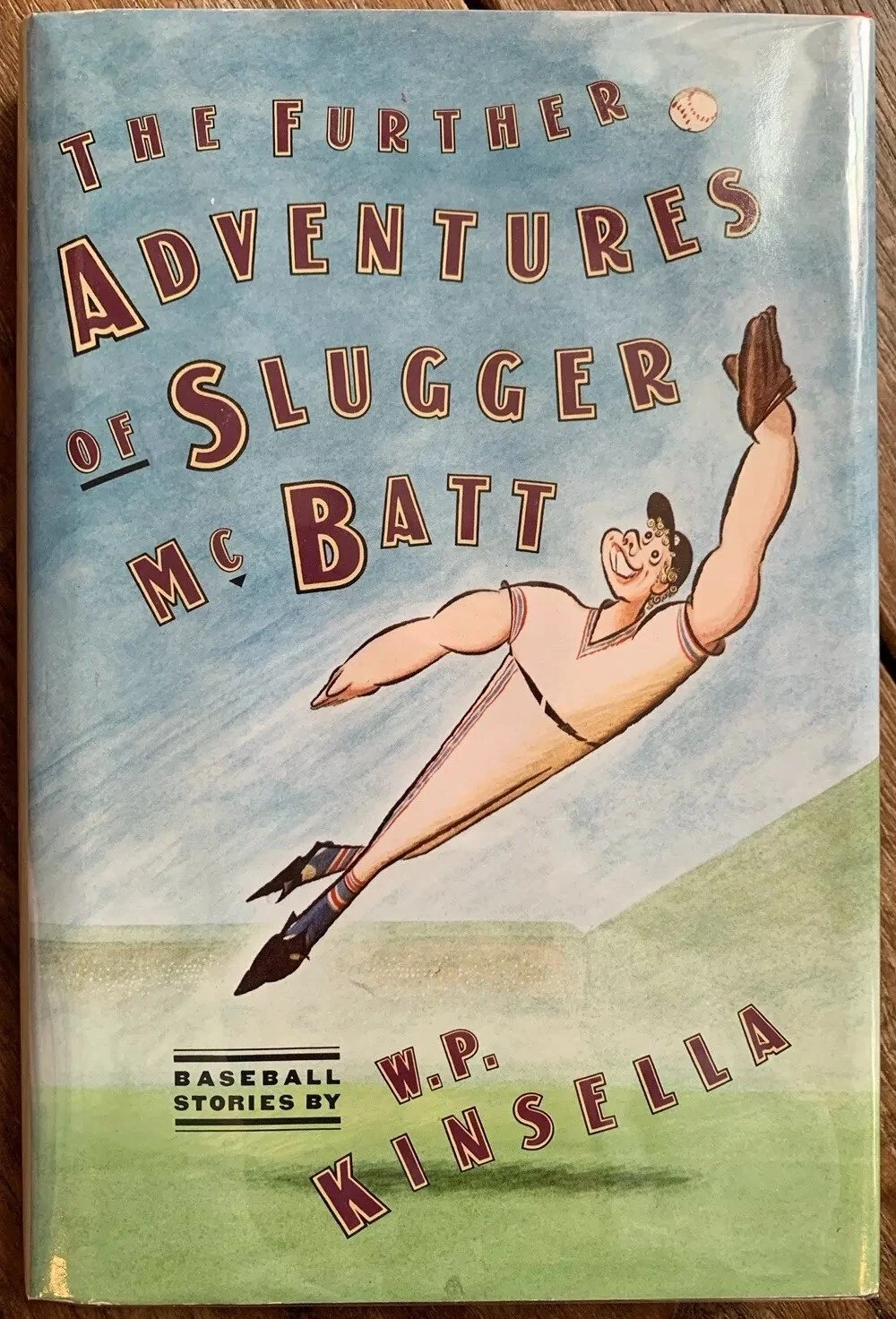
Eddie Scissons Syndrome
The “Eddie Scissons Syndrome,” a term coined by fiction writer W. P. Kinsella, describes a phenomenon wherein people exaggerate their personal histories for their own personal gain.
In his collection of short stories, The Further Adventures of Slugger McBatt, Kinsella has a story titled "The Eddie Scissons Syndrome." It is based on the case of a man who claimed to be Black but passing as white, who played for the Chicago White Sox until his deception was discovered by Charles Comiskey.
One out of every five men claiming to have played professional baseball was lying, according to the Baseball Hall of Fame in the 1990s.
Buy a copy of The Further Adventures of Slugger McBatt by W.P. Kinsella HERE
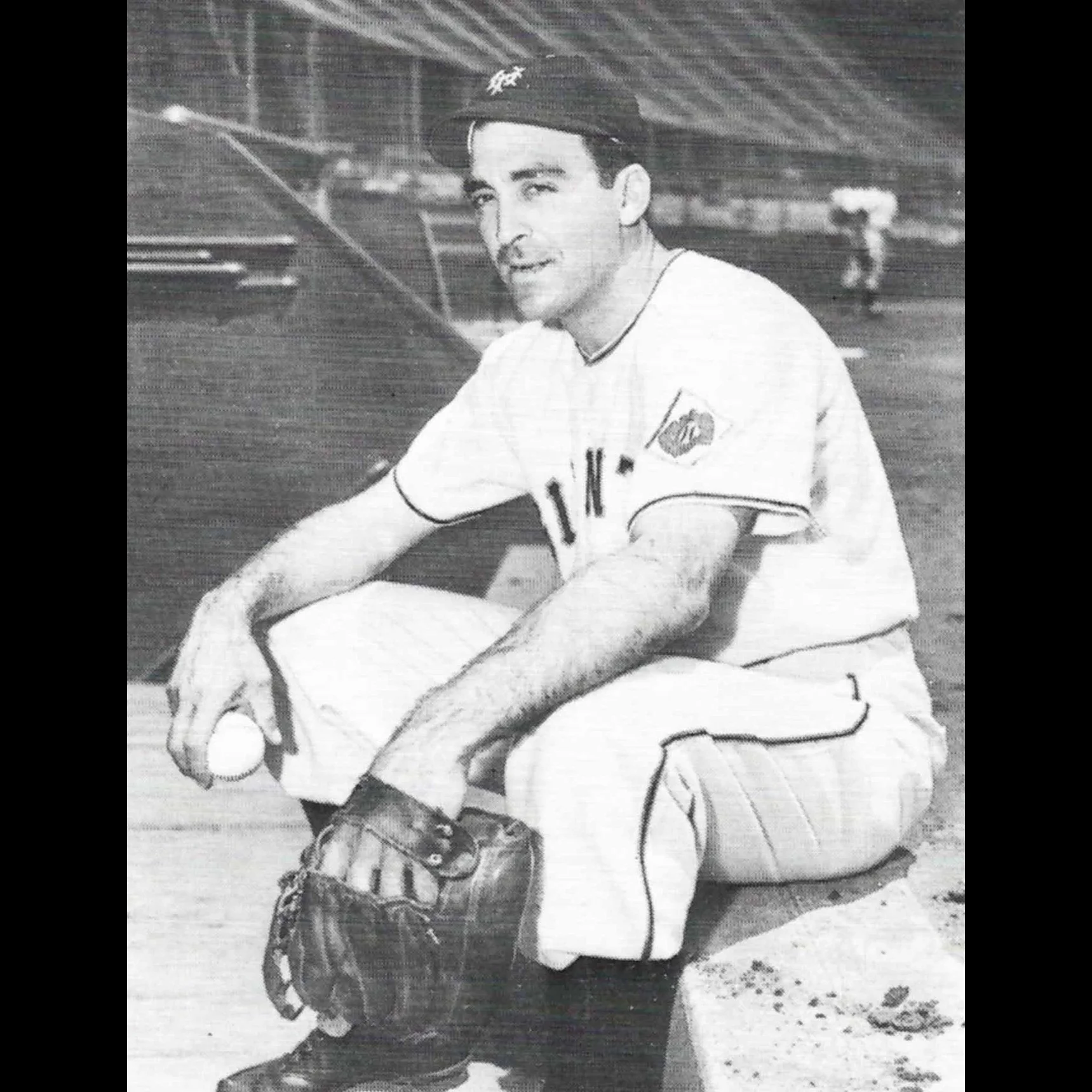
Sal Maglie
Sal Maglie claimed that the Kansas City Monarchs came through Buffalo, New York one time and played a game against Maglie and his team.
Maglie shared a very detailed account of his memory, leading many to believe that the game took place as he remembered.
Mark’s research shows there’s a good chance Maglie was mistaking that game with another that Paige had pitched in the series, though, as Mark states, “you can’t prove a negative,” so we may never be 100% sure whether Sal was right or not.
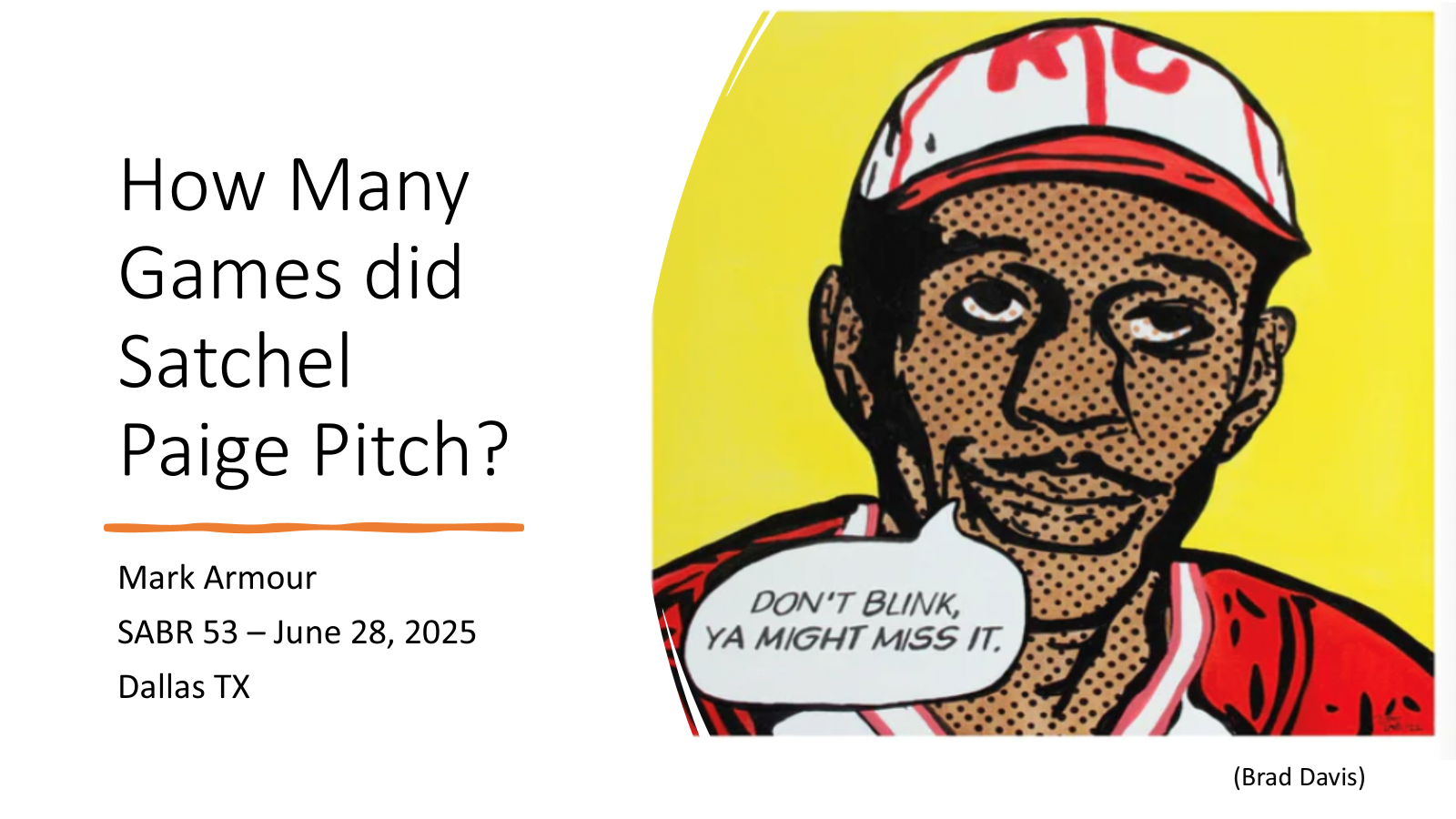
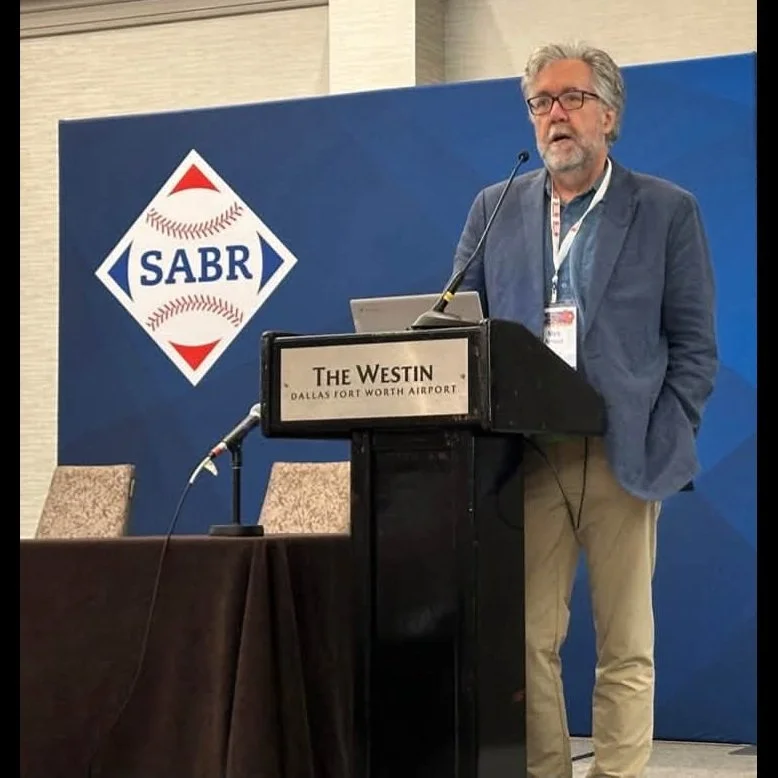
Mark first publicly presented his Satchel Paige Project at the SABR convention in Dallas-Ft. Worth in 2025. To listen to the audio from his presentation, CLICK HERE. To view the accompanying slides for his presentation, CLICK HERE.
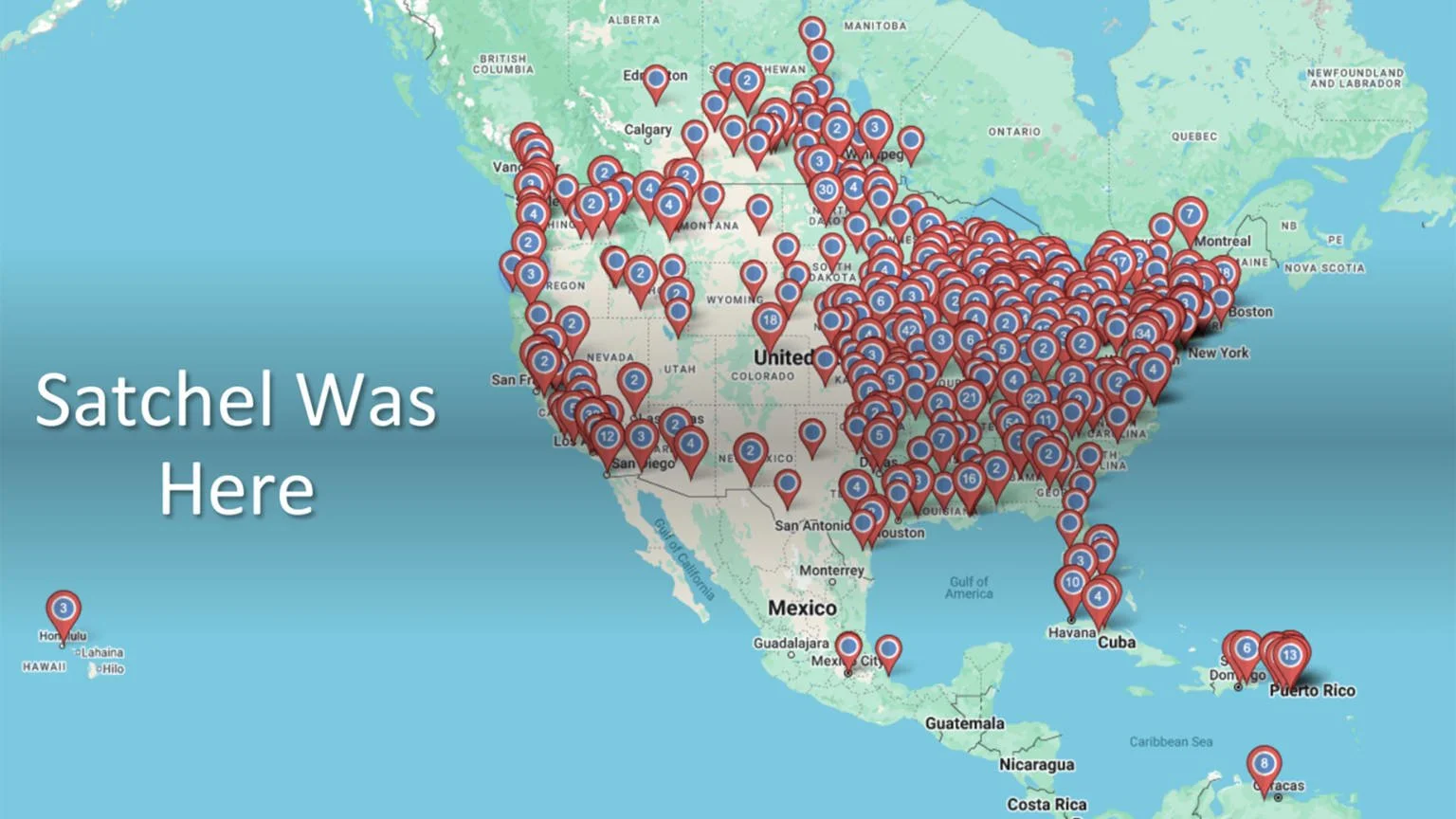
Satchel Was Here
On July 7, 2025, Anthony Castrovince from mlb.com published THIS STORY about Mark’s Satchel Paige Project.
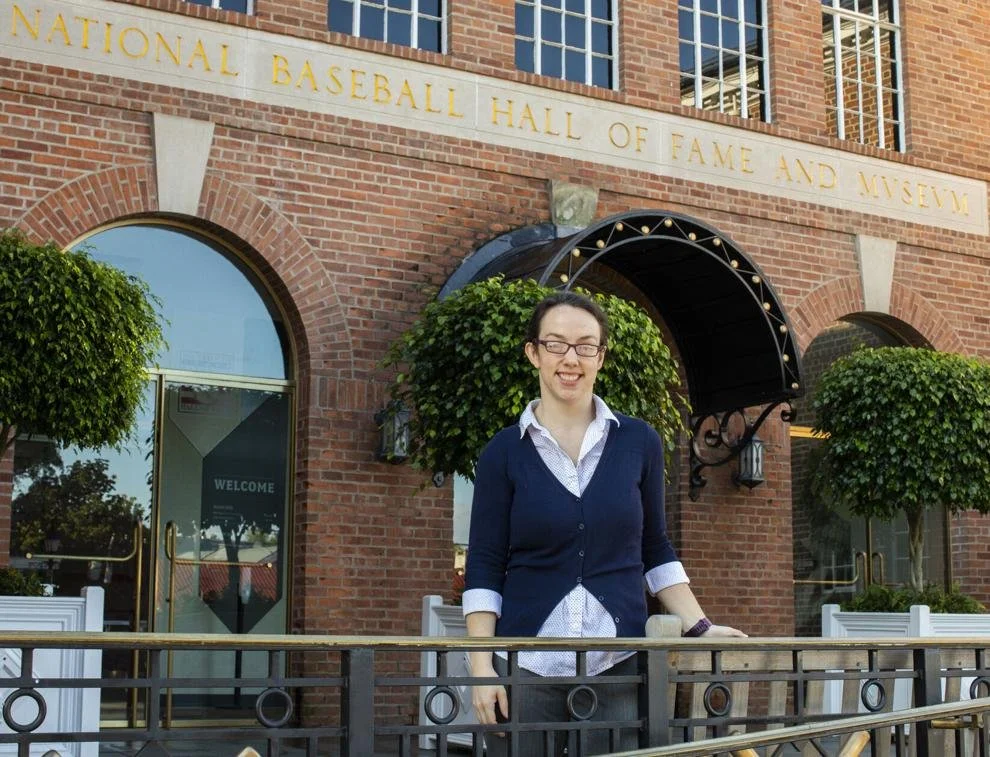
The Baseball Hall of Fame Library
Mark calls it “the happiest place on Earth,” thanks, in part, to people like librarian Cassidy Lent.
Photo courtesy Milo Stewart Jr.
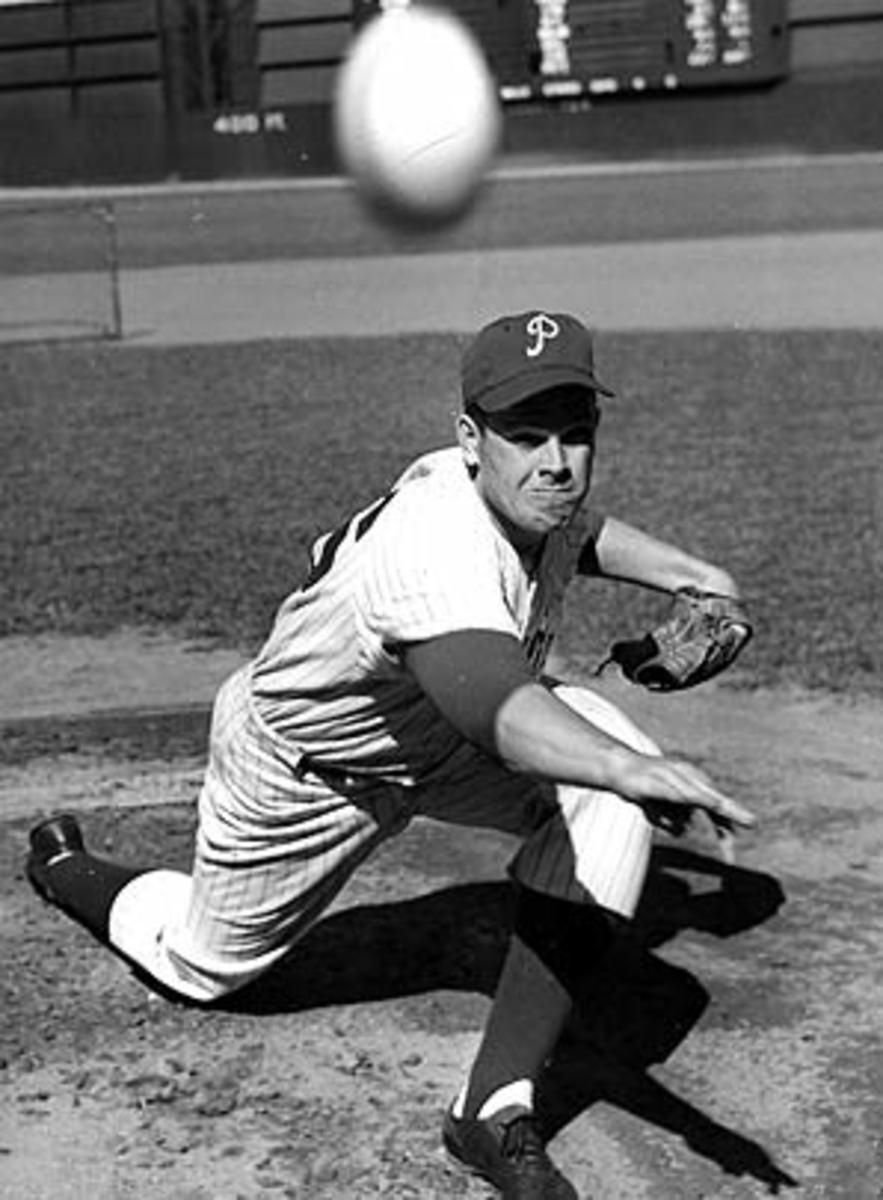
Robin Roberts
Robin Roberts told a wonderful story about his own hitting: He said he once hit a home run off of Satchel Paige in an exhibition game. You might think the story is a bit of a brag, but Roberts didn’t have a boastful bone in his body. You have to wait for the punchline.
Years after hitting the home run, Roberts said he ran into Ol’ Satch, a hero of his. “Satchel,” Roberts said. “You know I once homered off you.”
To which Paige replied: “Roberts, I have a book with the names of all the great hitters who got a hit off me. You ain’t in it.”
Buy a copy of Joe Posnanski’s The Baseball 100 HERE
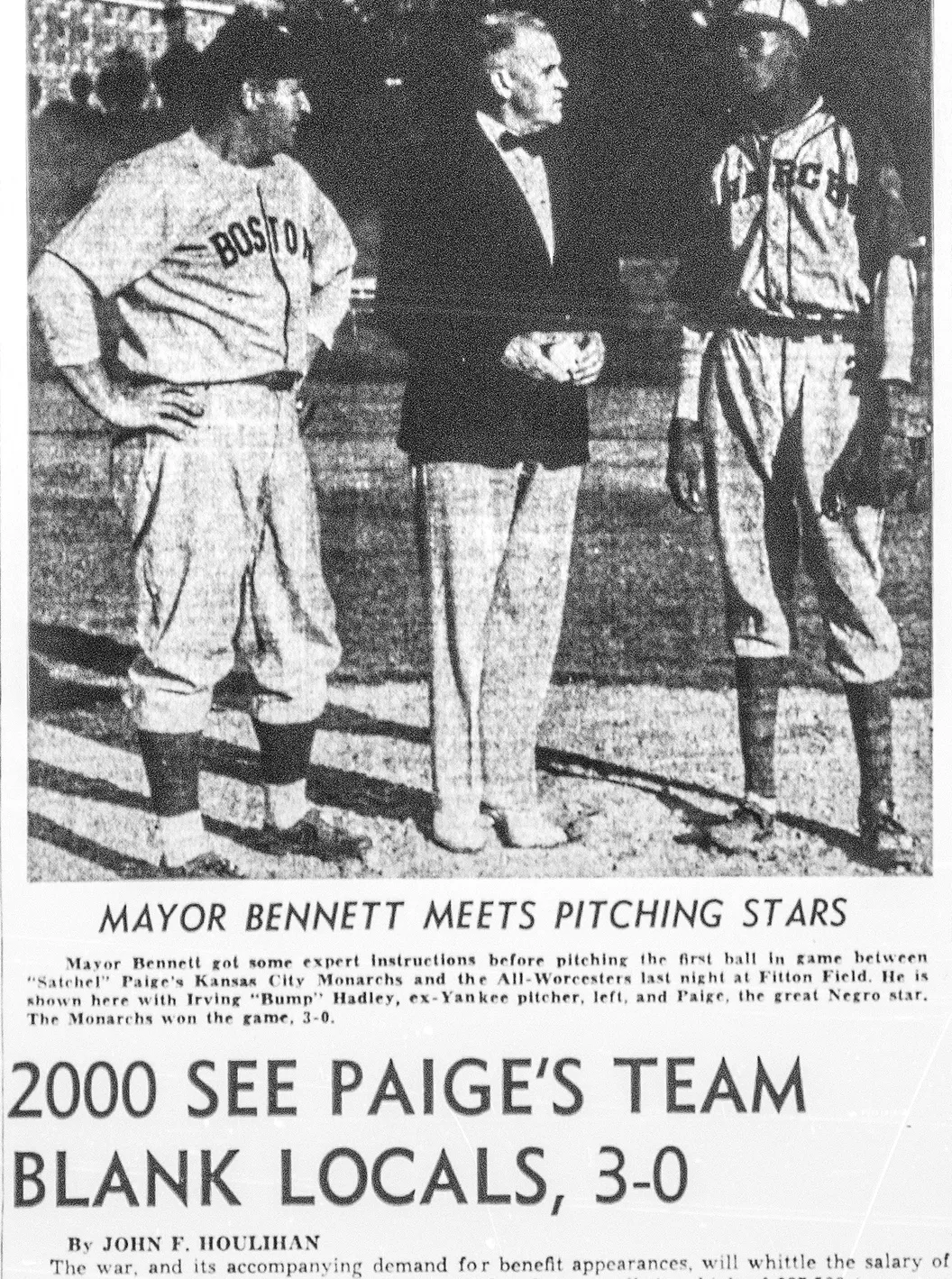
“I Wonder If Satchel Ever Pitched In My Hometown…”
Mark says, at the core of it all, this question is what got him started down this rabbit hole. He began trying to find out if Satchel had ever pitched in Lynn, Massachusetts, his father’s hometown. If his father would have been at the game, or if he’d ever had a chance to see Satchel pitch.
Mark was able to confirm that, on August 26, 1941, Satchel Paige did indeed pitch at Fraser Field in Lynn. He threw 5 innings, allowing 1 run on just 1 hit and striking out 9.
Mark is not sure if his father was one of the 9,000 fans in attendance at the game, but it’s … plausible.
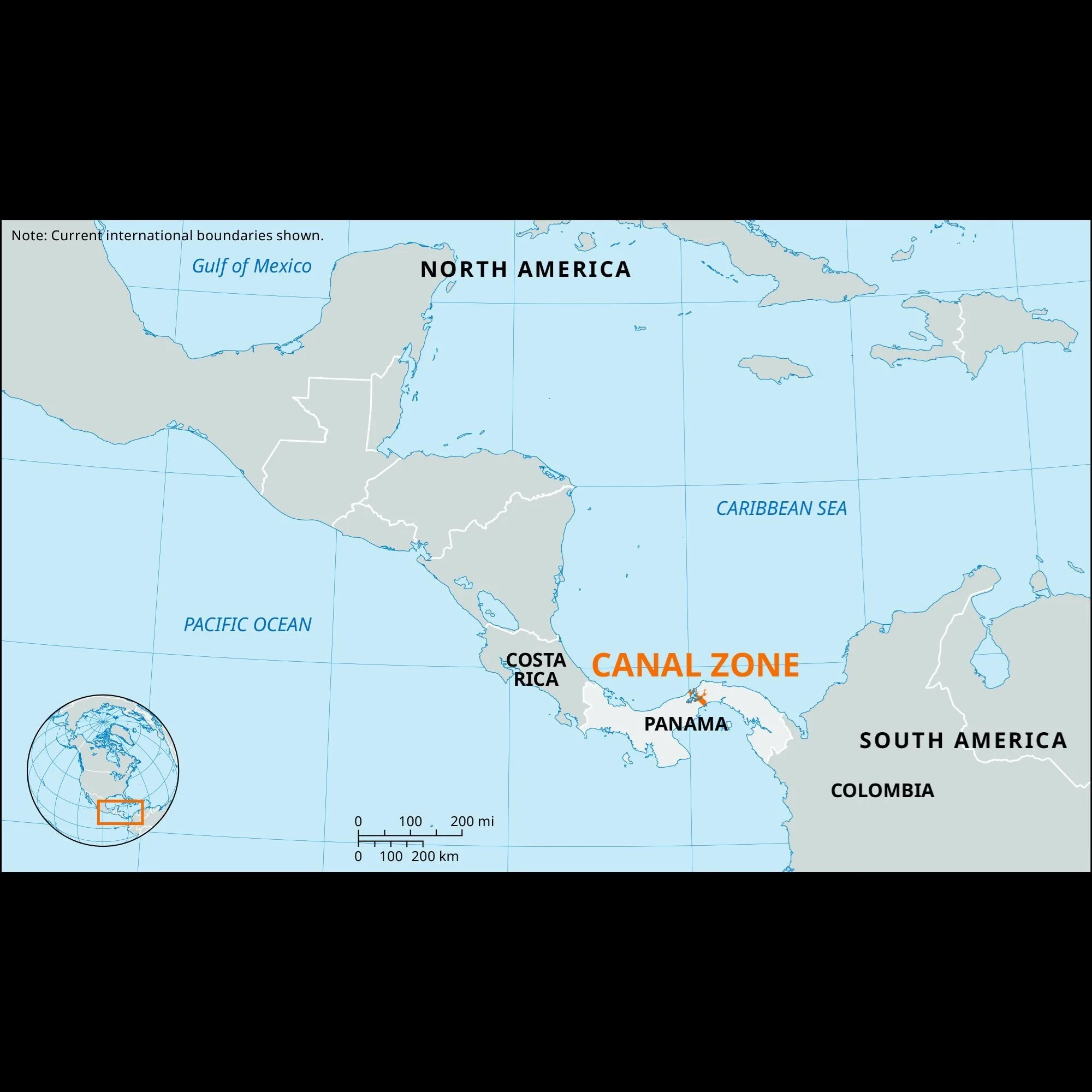
The Canal Zone
In a more just world, Pat Scantlebury would have been in the Majors a long time before he finally debuted for the Cincinnati Reds on April 19, 1956, at the age of 38 years, 160 days.
The 10th oldest rookie at the time of debut since 1900, Pat Scantlebury had pitched in the Negro Leagues and minors since 1944.
Prior to that, he pitched in his native Panama, one of two players in MLB history — along with Rod Carew — to come from the Canal Zone.
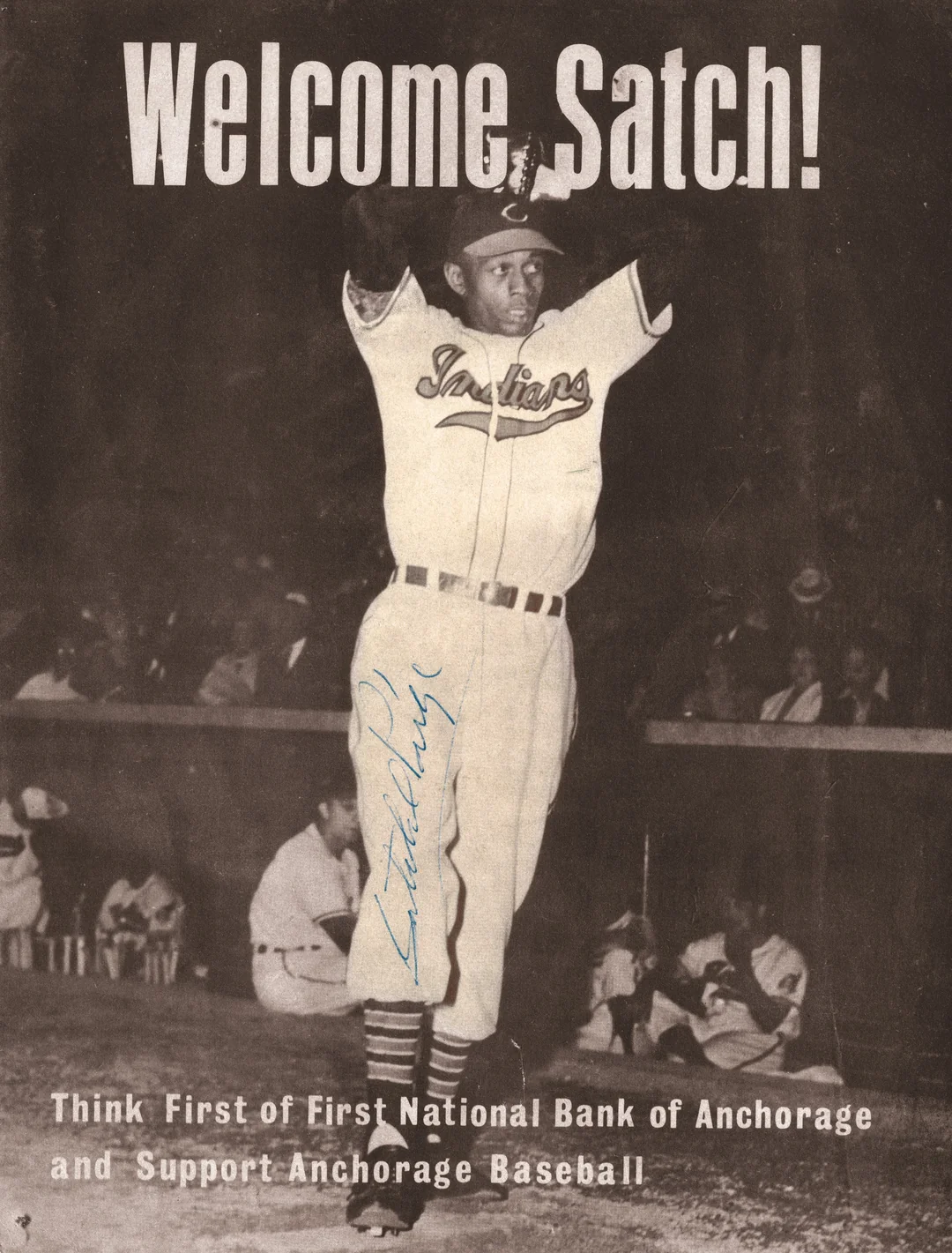
Alaska
Mark has documented that Satchel Paige pitched at least three games in the state of Alaska. Each game he has found so far took place at Mulcahy Stadium in Anchorage, on August 26, 27, and 29 of 1965.
Satchel pitched 10 total innings across those three games in a four day span. In each of the first two games, he pitched 3 innings and allowed only 1 hit.
He was 59 years old.
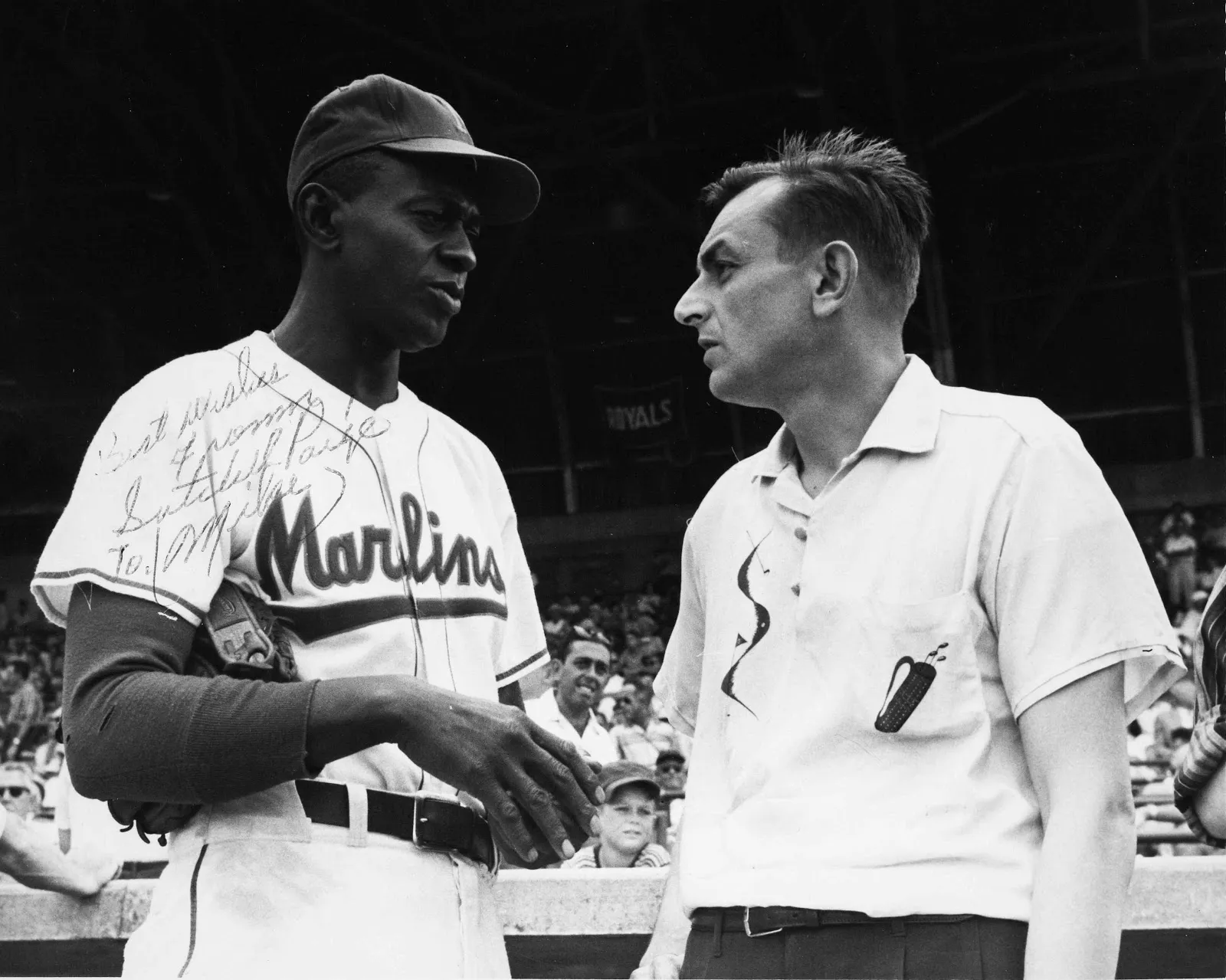
Mike Stepovich
Here, Satchel is photographed with Alaska Governor Mike Stepovich in 1958.
Born in Fairbanks, Alaska, Stepovich served as the last non-interim governor of the Territory of Alaska. Stepovich served as Territorial Governor from 1957 to 1958, and Alaska was given U.S. statehood in 1959.
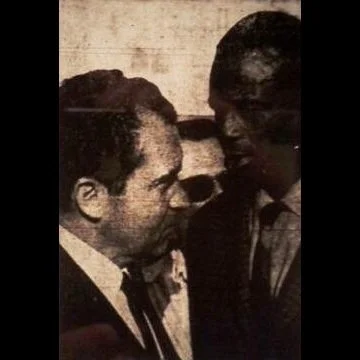
Richard Nixon
While Satchel was flying into Anchorage, he ran into Richard Nixon. Nixon caught wind that Paige was coming and made it a point to seek out the famous pitcher so he could meet him.
That meeting was captured in this photo.
In-Season Exhibitions
SABR member Walter LeConte and some of his fellow researcher friends compiled a not-complete-but-very-extensive list of in-season MLB exhibition games, which you can view HERE.
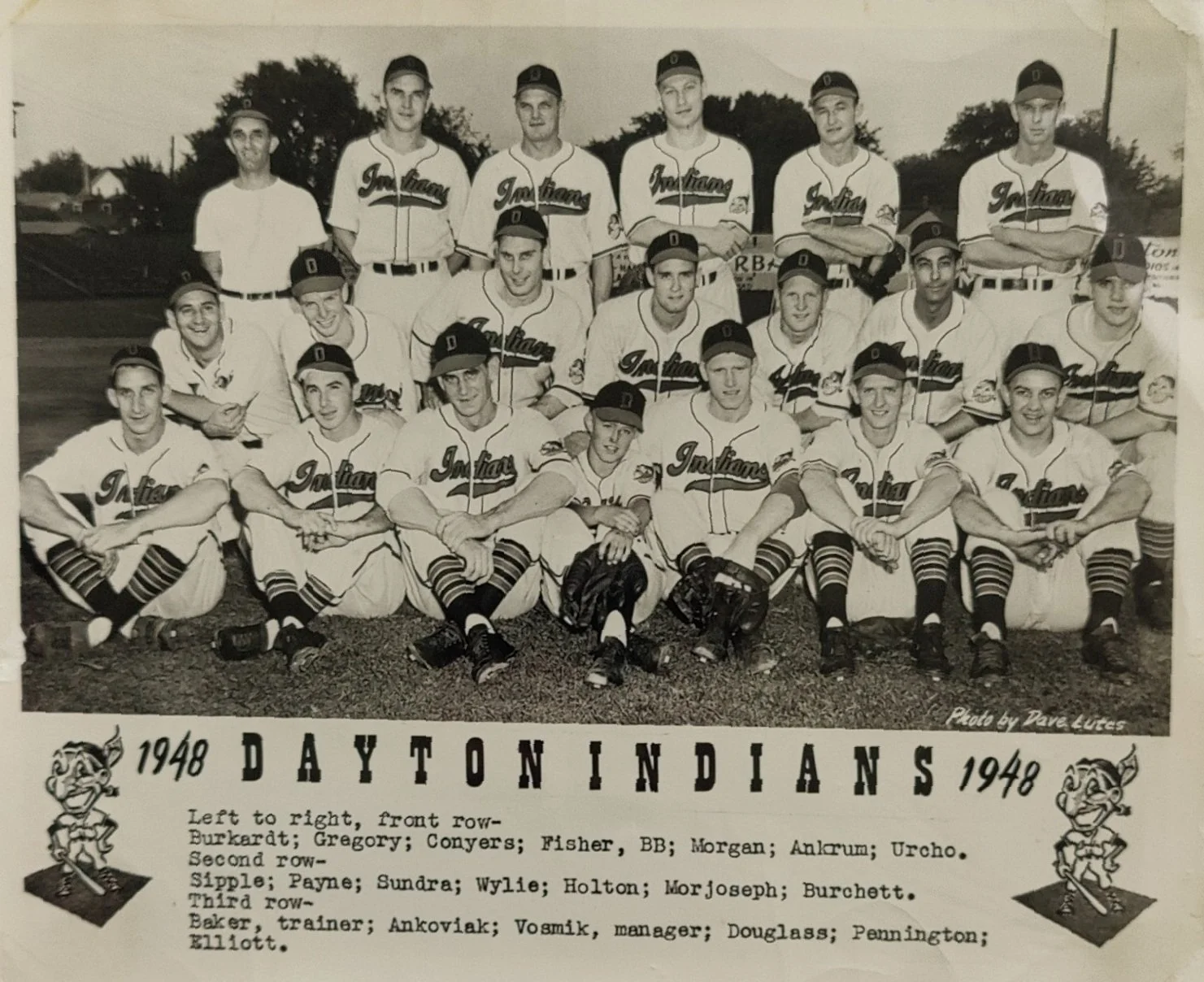
For example, the Cleveland Indians played a game each year from 1948 through 1950 with their farm club, the Dayton Indians.
The big league club won all three games, with scores of 16-4, 5-3, and 7-6, in order.
Cleveland’s Historic League Park
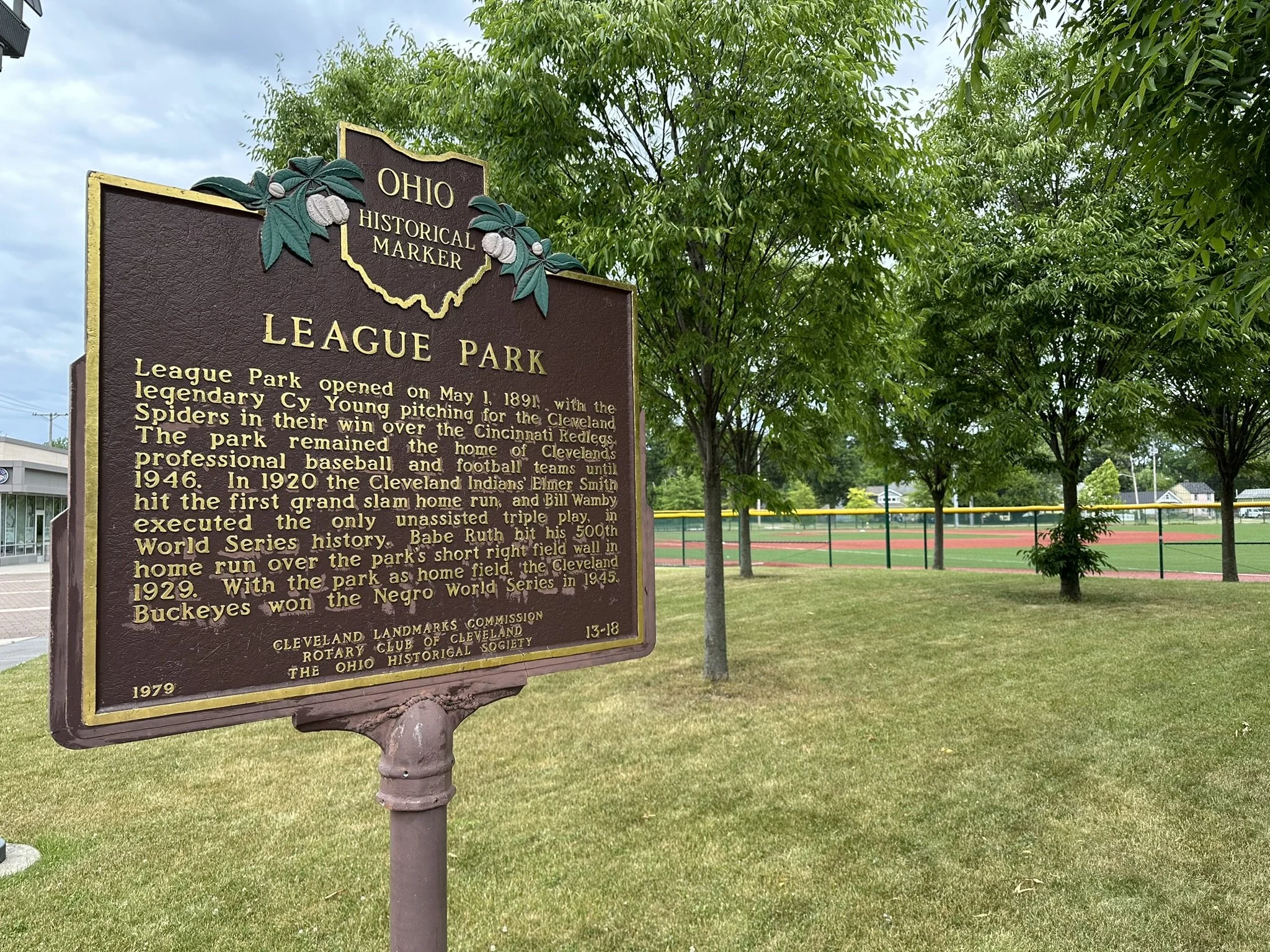
From 1901 through 1946, League Park was home to the American League’s Cleveland Indians. If you were a life-long National Leaguer, unless you played against Cleveland in the World Series, you would have never played a game at League Park…
…Unless You Played In An Exhibition Game
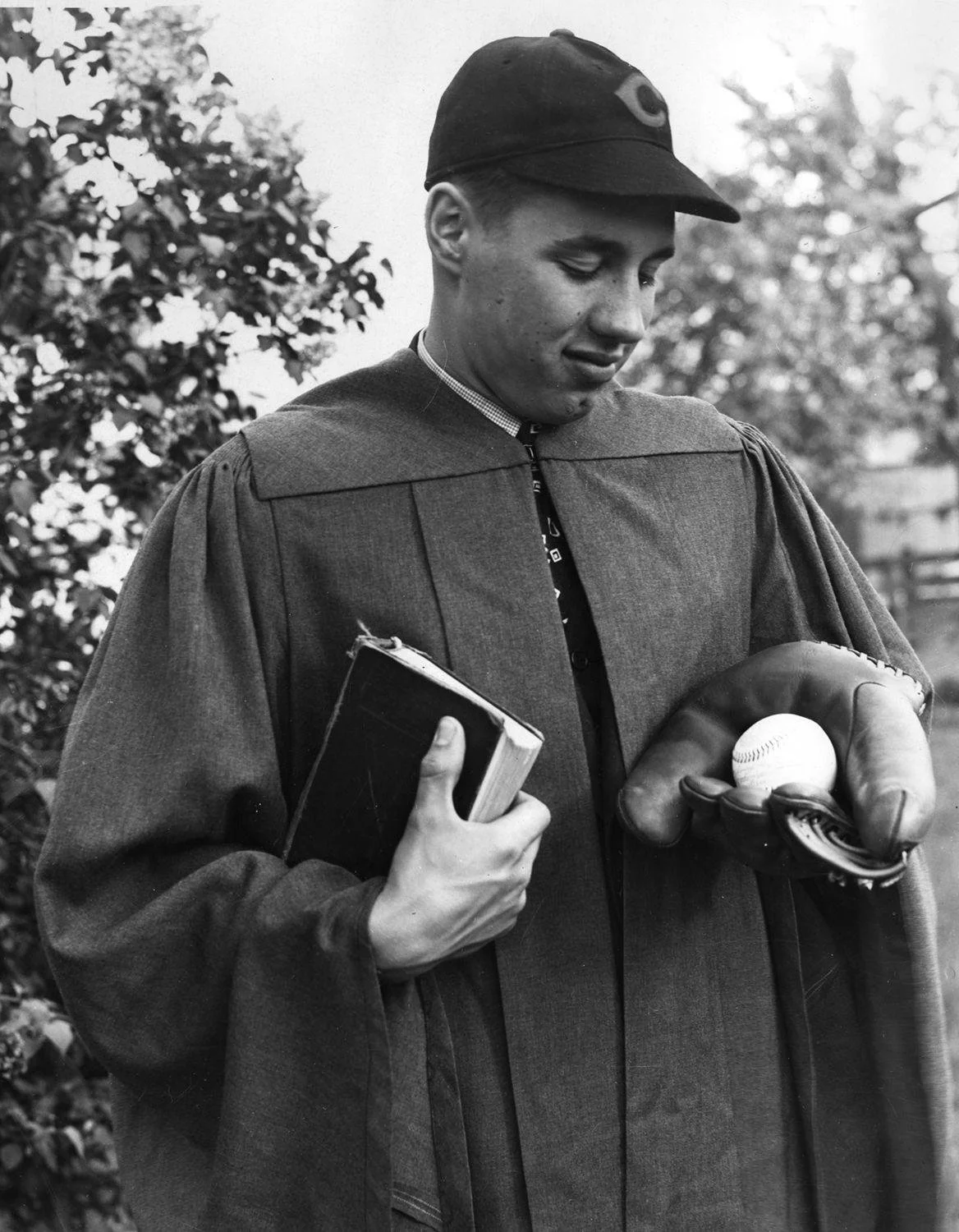
Like the one the St. Louis Cardinals played against the Indians at League Park on July 6, 1936.
Fresh off his junior year of high school, a 17-year-old Bob Feller made his first start in a Cleveland uniform that day. “The Heater From Van Meter” struck out eight Cardinals over three innings.
That performance, against a lineup filled with St. Louis regulars, opened the eyes of Cardinals ace Dizzy Dean as he prepared to take the mound for the NL in the next day’s All-Star Game: “That kid’s a natural. He’s got everything. He can’t miss.”
Feller made his major-league debut with Cleveland two weeks later, having never thrown a pitch in the minor leagues.
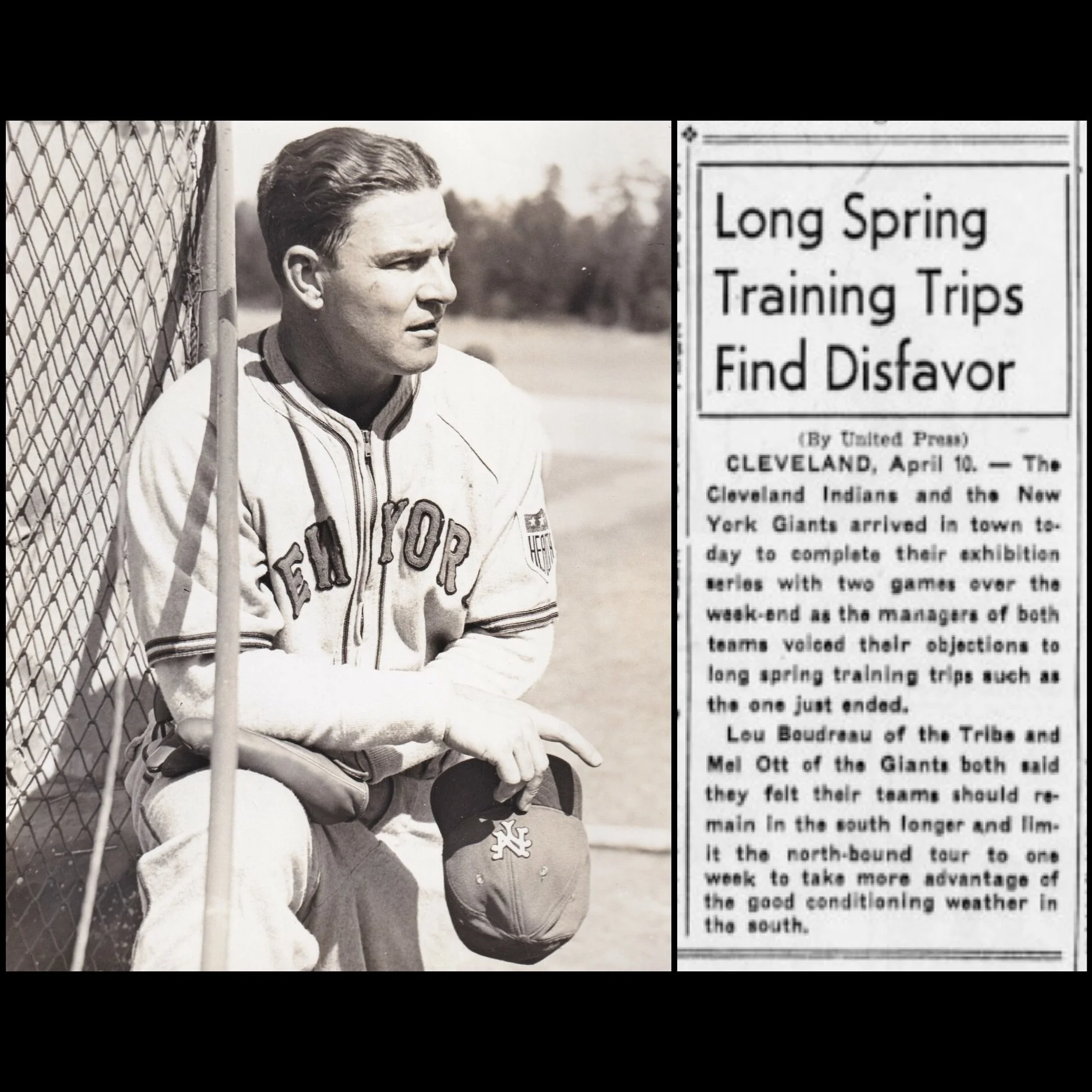
Mel Ott
While I have not yet been able to find an actual game during which Mel Ott played at League Park to be able to officially add him to my ever-growing list of Hall of Famers to have participated in a contest there, I am certain that he played ball on the field.
On April 11, 1942, on their way back to New York from Spring Training, the New York Giants practiced at League Park.
What would you do if you were me? Would you count that because he played on the field? Or does it not count because it was just a practice consisting of his own team, and not a game against somebody else?
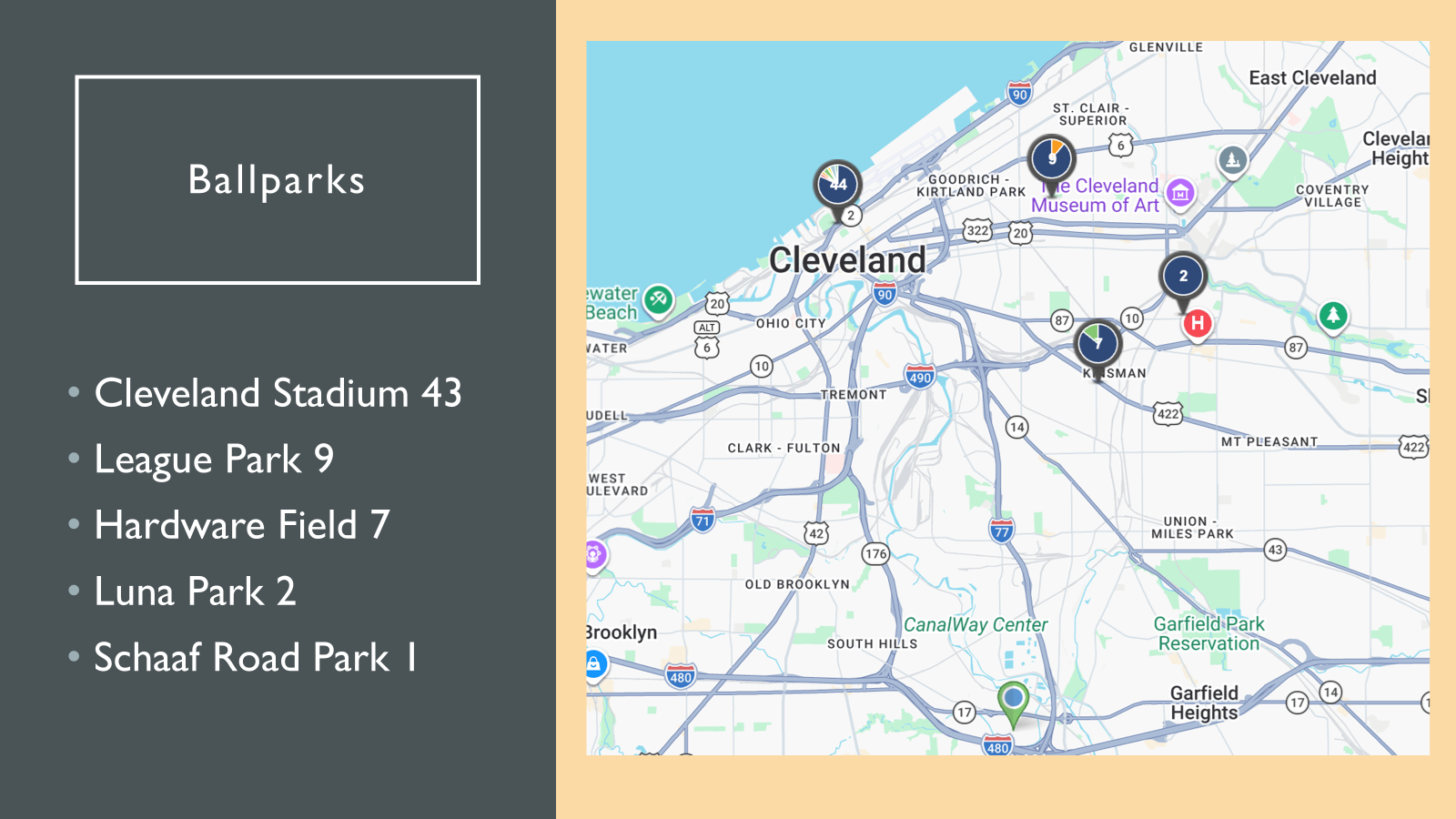
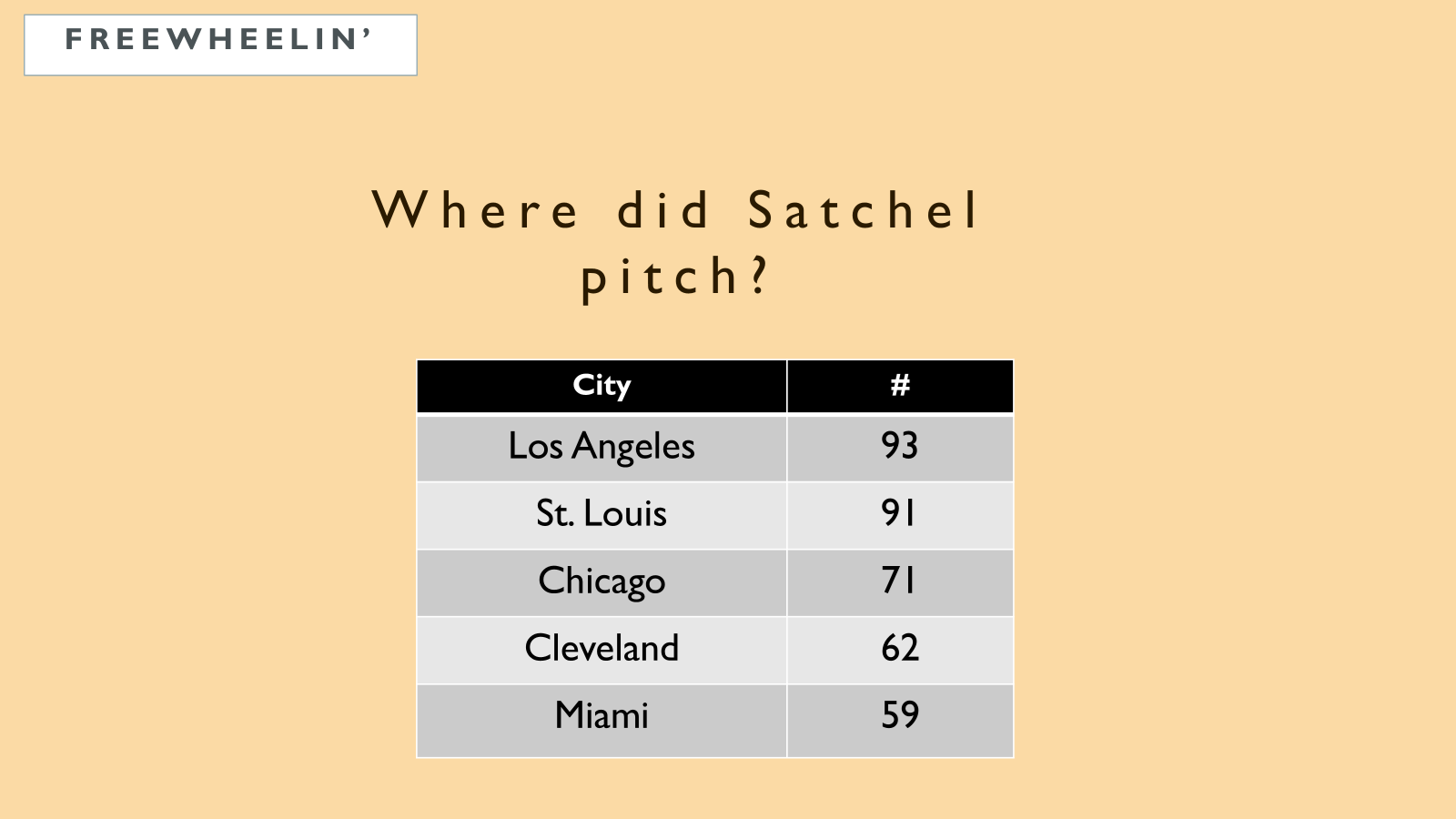
The distribution of Satchel Paige’s games pitched in Cleveland, by stadium
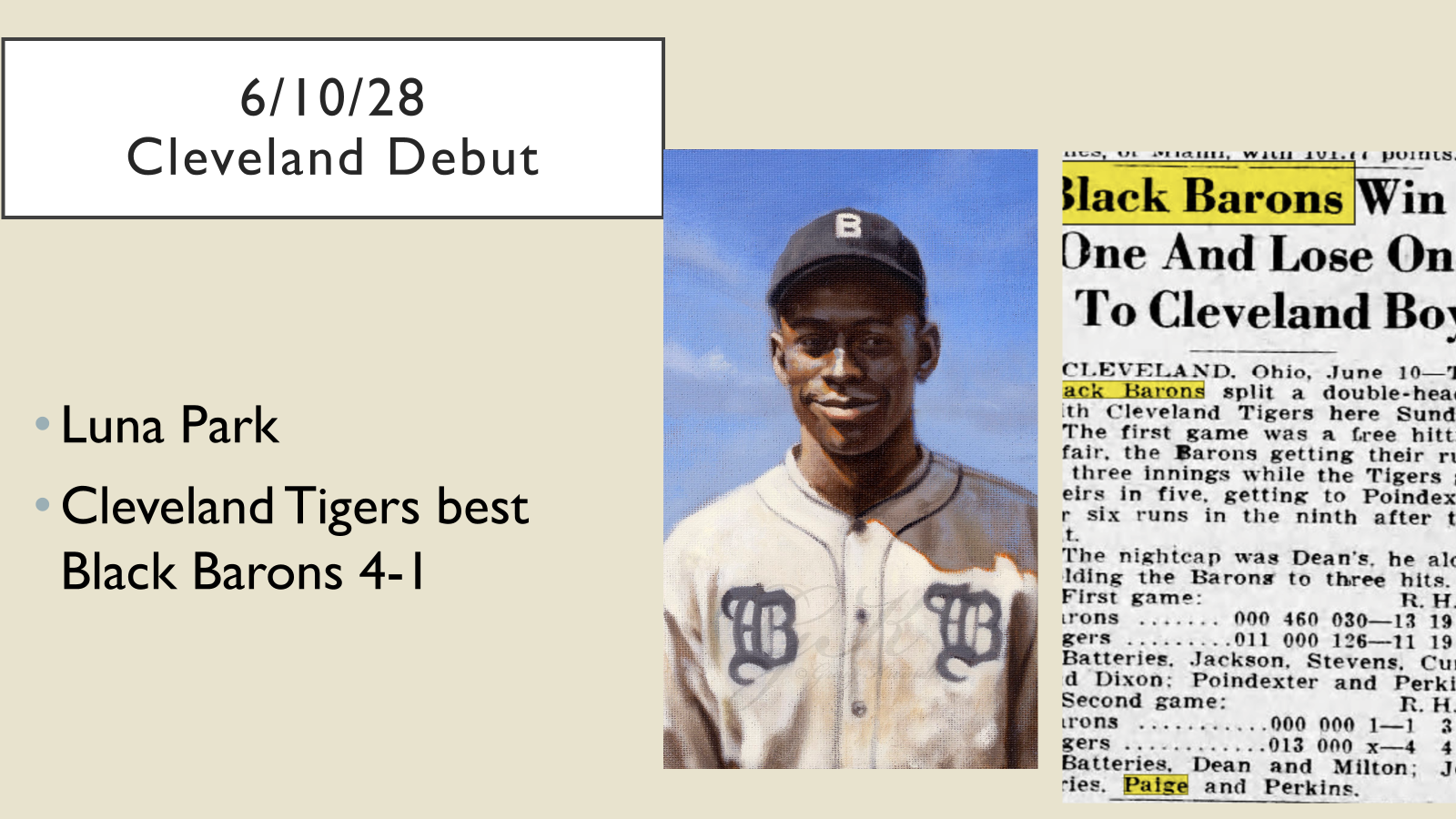
Satchel Paige’s first game pitched in Cleveland
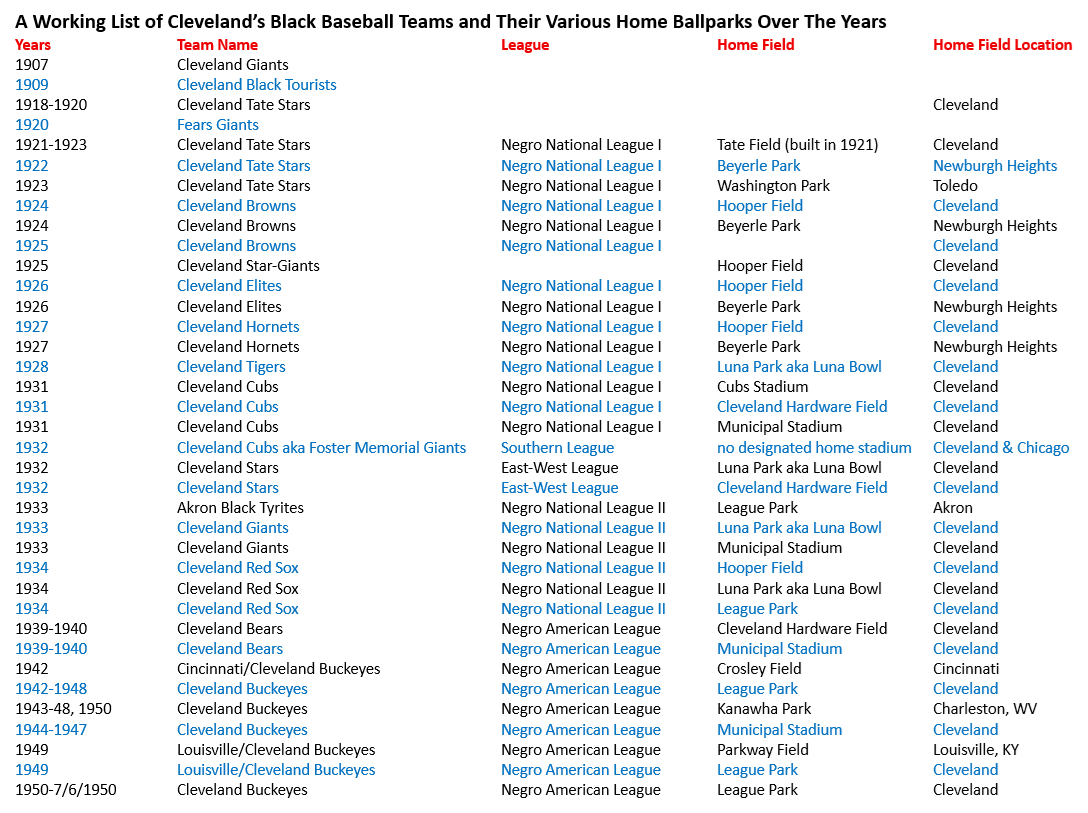
As was the case in many cities, Cleveland’s Black baseball teams often struggled financially and were forced to fold or relocate. Above is an admittedly incomplete list of a number of the Black baseball teams who called Cleveland home over the years.
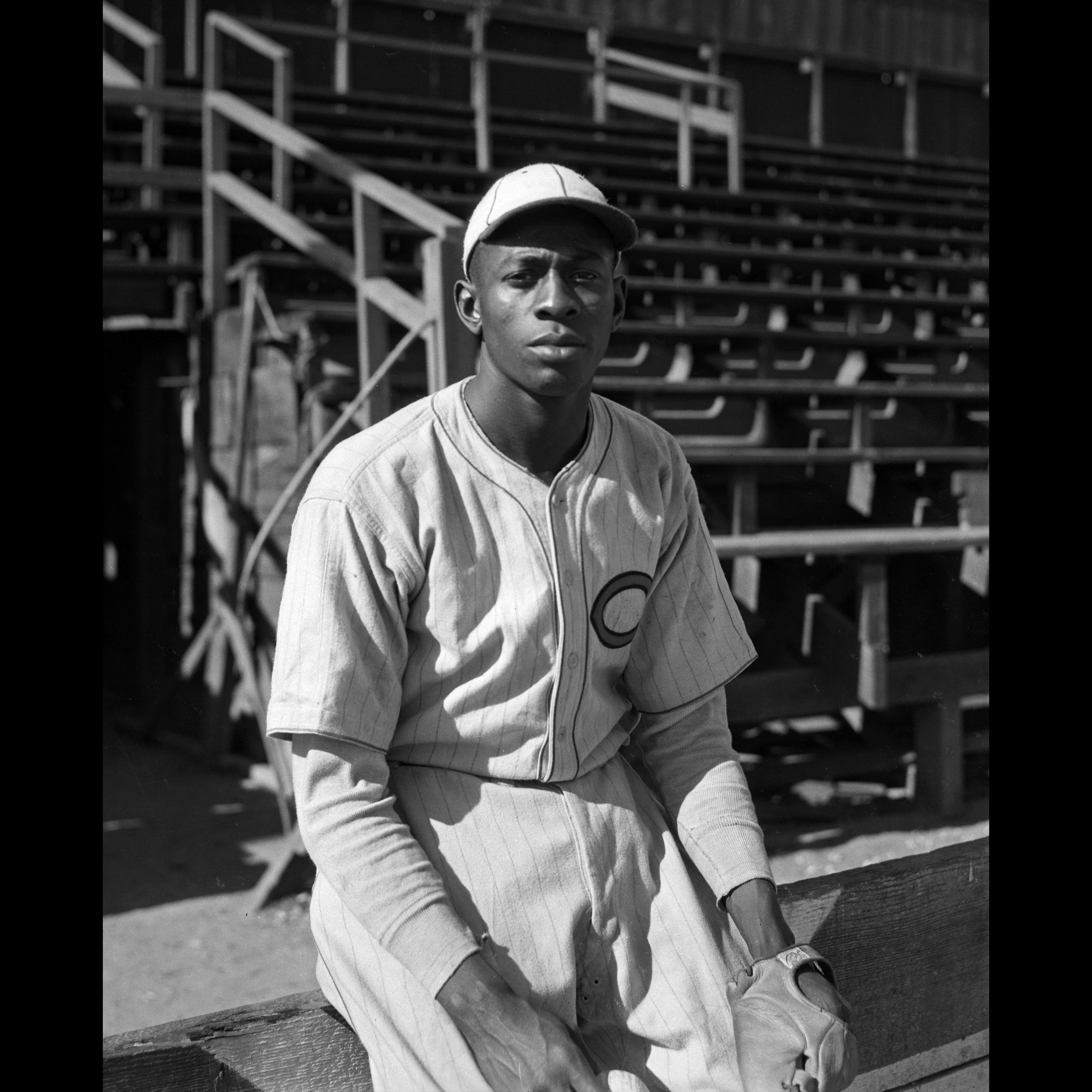
Cleveland Cubs
Satchel Paige pitched 14 games for the Cleveland Cubs in 1931, with 8 of those games coming in Cleveland.
Seven of those eight games were played at Hardware Field, which was located at East 79th Street and Kinsman Road Southeast.
Jacob Pomrenke
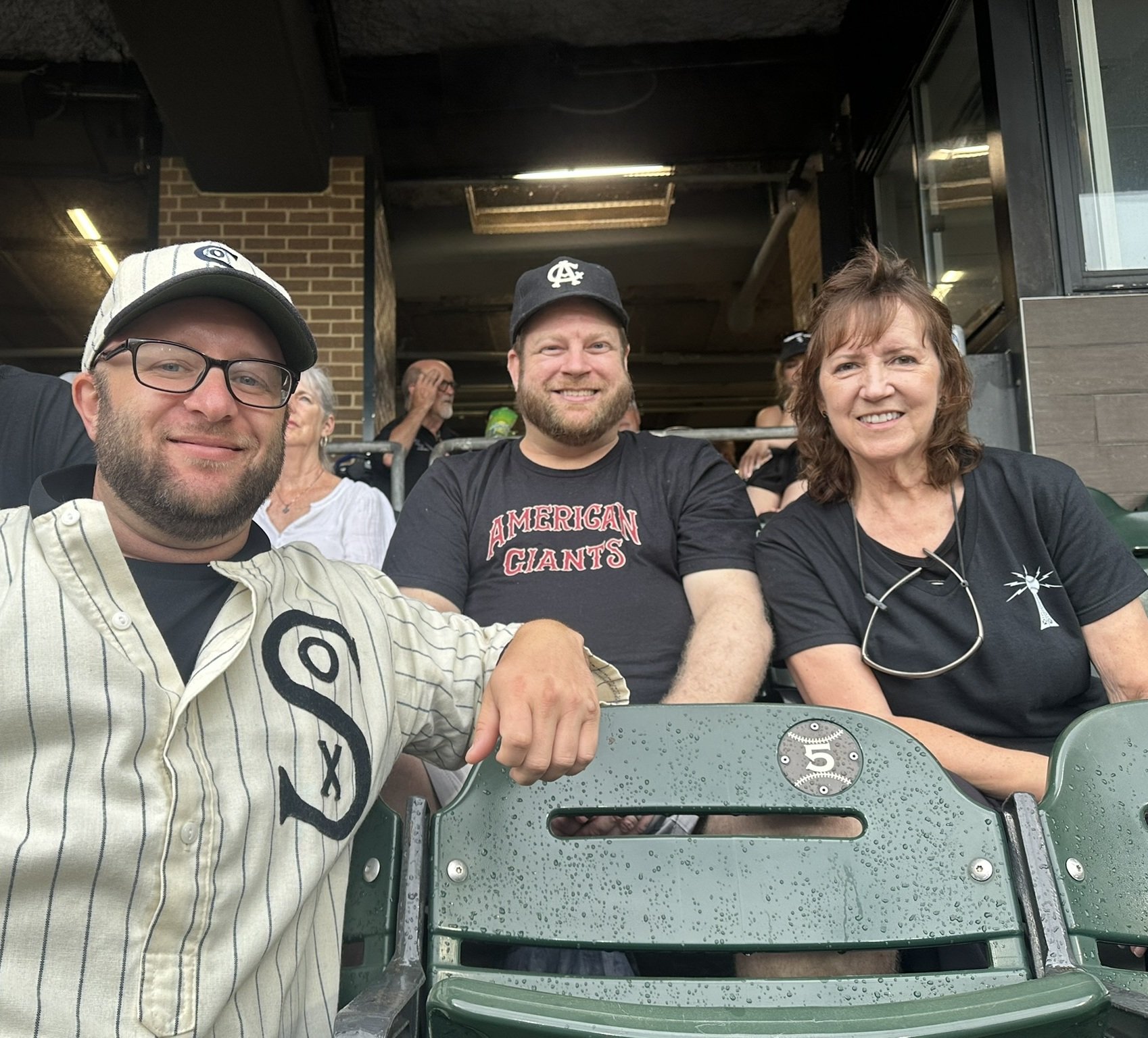
Jacob and I have gone baseball-site hunting in more than 10% of this country together. Everything from current ballparks and sites of former ballparks, to former places of residence and former places of business of deceased ballplayers.
We’ve been to courthouses and libraries and hotels and cemeteries and restaurants together, all because a ballplayer we like had been there before us.
Here he is with my mom and me during a chance run-in at Comiskey Park during the summer of 2026.
Jacob was our guest for Episode 1 of Season 3. You can listen to that episode HERE.
Joe Jackson Markers
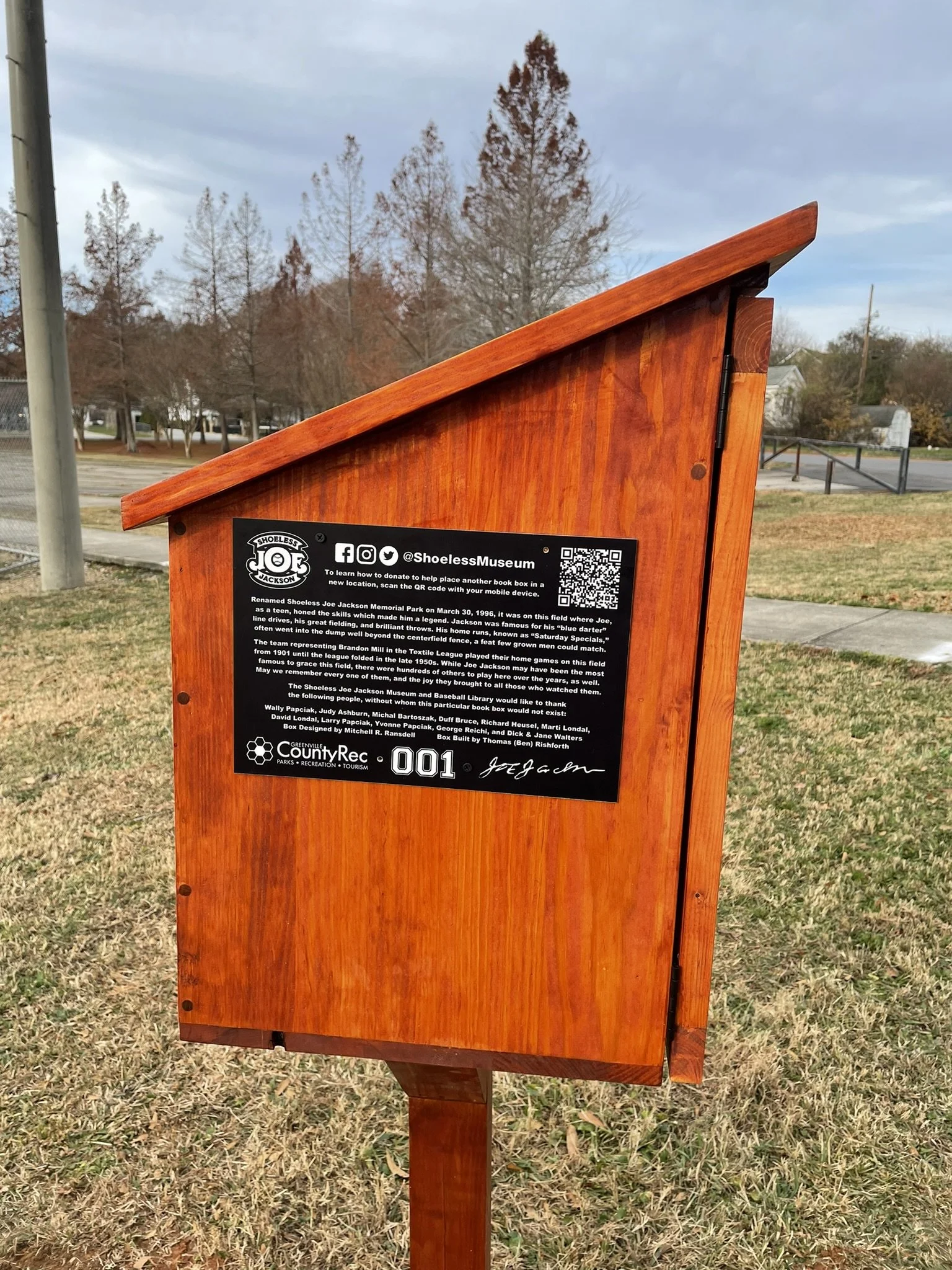
One of my missions when I was running the Shoeless Joe Jackson Museum in Greenville, South Carolina was to install these Little Free Library-style book boxes at locations all over the country which held some sort of significance to Joe Jackson’s life and/or career.
Since Joe was famously illiterate, literacy was an important issue to me on his behalf. Every box I installed had a plaque on the side, similar to the one shown here, describing why a box had been placed at that specific location.
I placed multiple boxes in South Carolina and Georgia, and had agreements to place more in Illinois, Louisiana, Ohio, and Pennsylvania before leaving the museum.
The Majestic Hotel
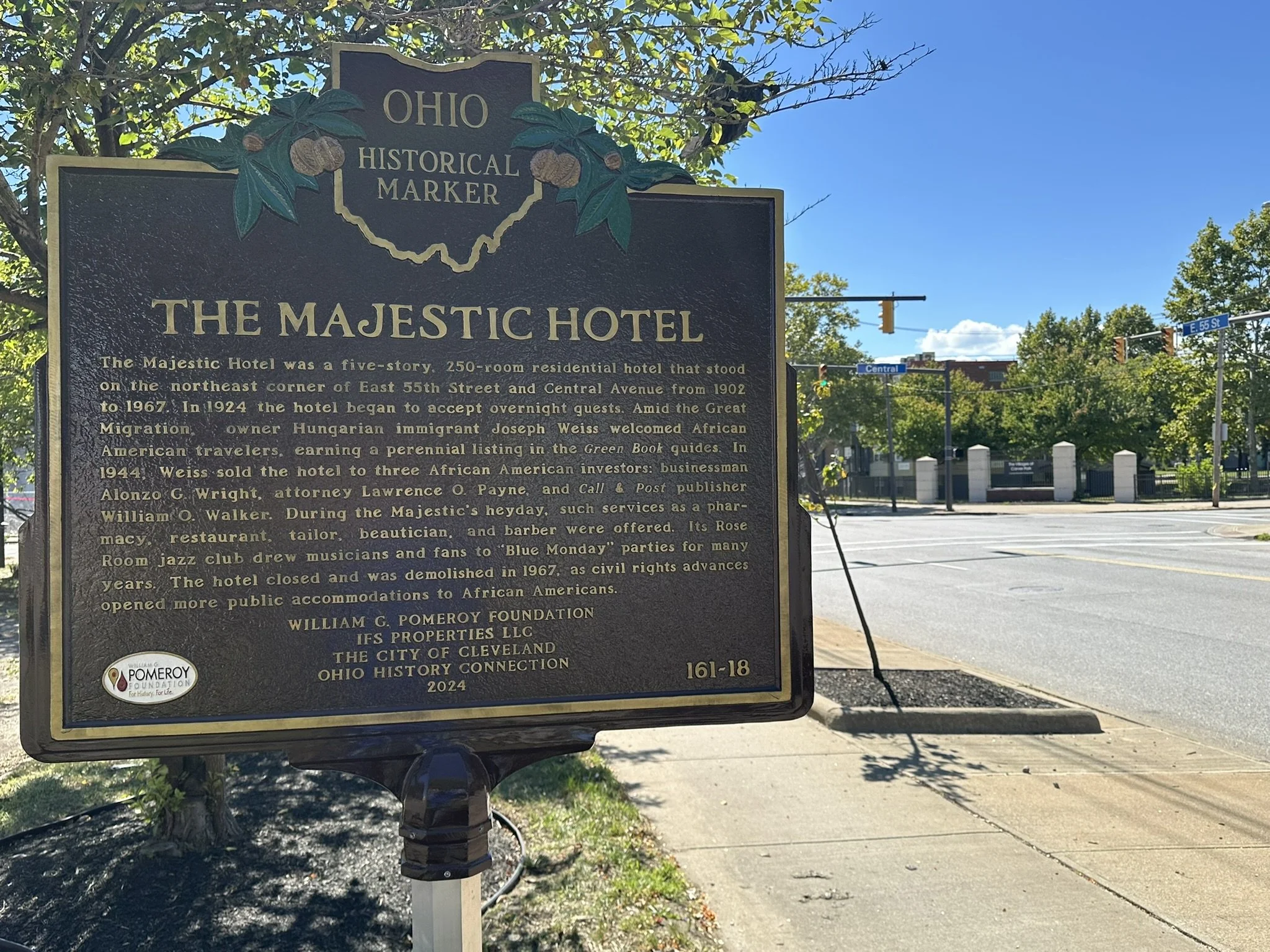
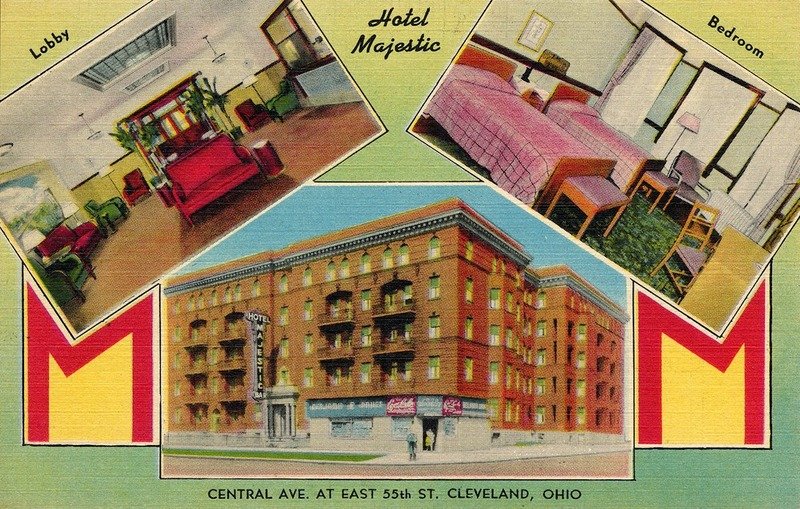
Satchel Paige lived at the Majestic Hotel when he played for teams in Cleveland, and often stayed there when teams he was playing for from other cities came to Cleveland for a road game.
It was a Black-owned and operated establishment which welcomed guests from 1902 through 1967. Black players like Larry Doby and Luke Easter also lived there, but famous musicians, athletes, and Civil Rights leaders would stay there while in town, too.
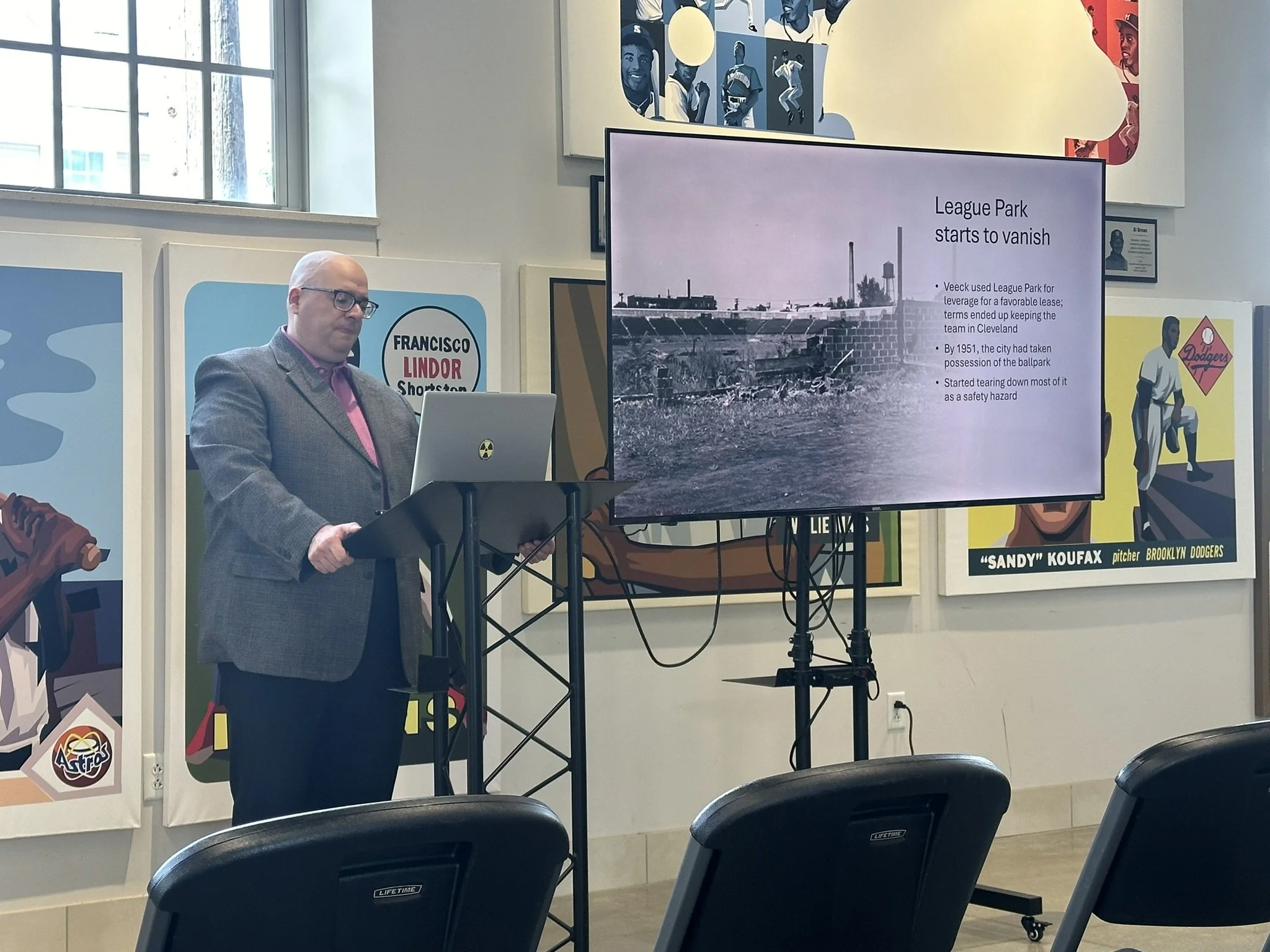
Vince Guerrieri
Vince is a journalist and author from Cleveland who, since January of 2026, also serves as the President of the Jack Graney Cleveland Chapter of the Society for American Baseball Research.
Buy a copy of Vince’s book Weird Moments in Cleveland Sports: Bottlegate, Bedbugs, and Burying the Pennant HERE
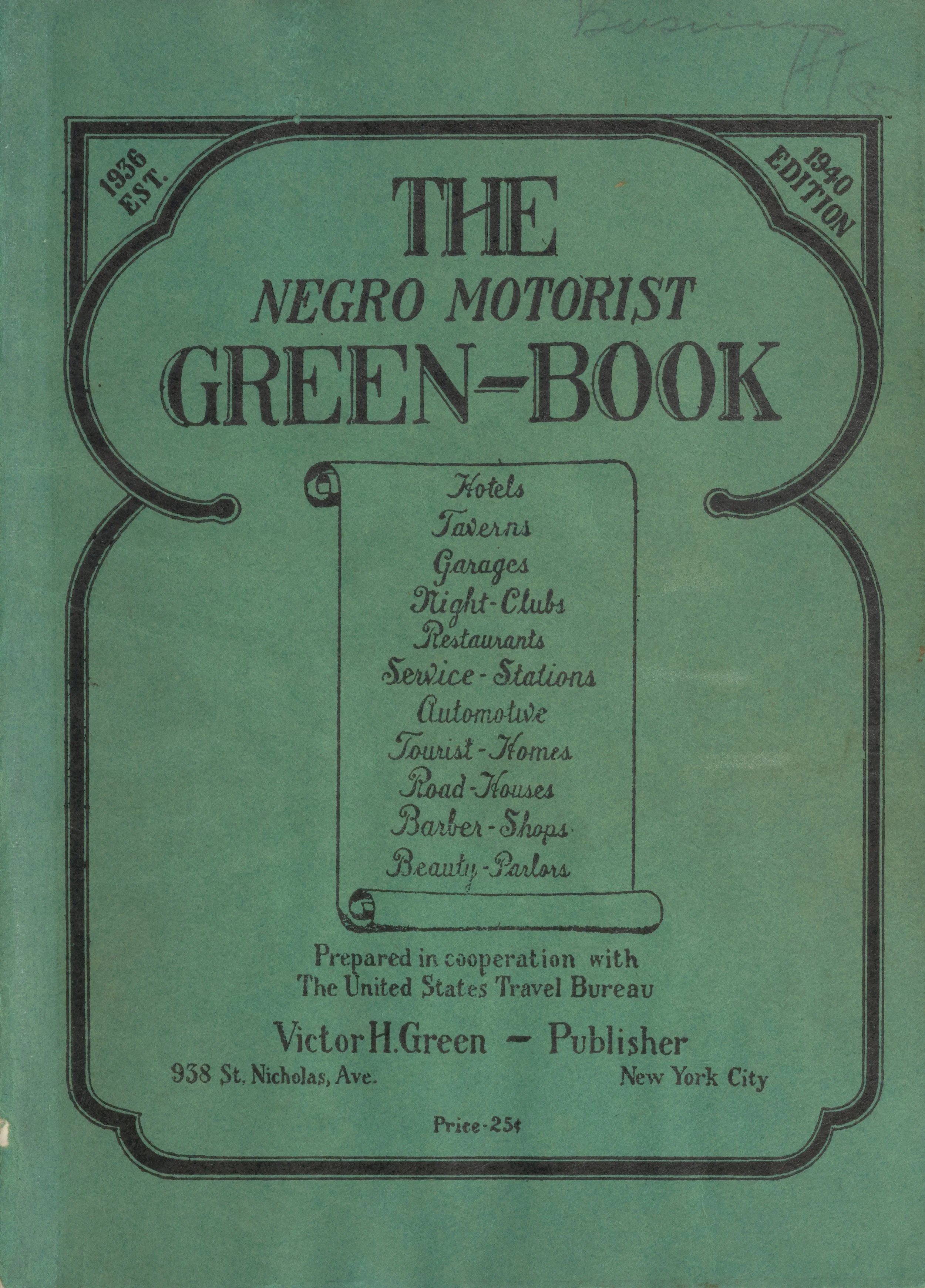
The Negro Motorist Green Book
An annual guidebook for African-American road trippers founded and published by New York City mailman Victor Hugo Green from 1936 to 1967.
From a New York-focused first edition published in 1936, Green expanded the work to cover much of North America.
The Green Book became "the bible of black travel" during the era of Jim Crow laws, when open and often legally prescribed discrimination against African Americans and other non-whites was widespread.
The hotel was owned by Josef Weiss from 1921 to 1944. From the late 1930s to the mid 1960s, the Negro Motorist Green Book listed the Majestic Hotel among Cleveland’s few reliably hospitable accommodations for Black travelers.
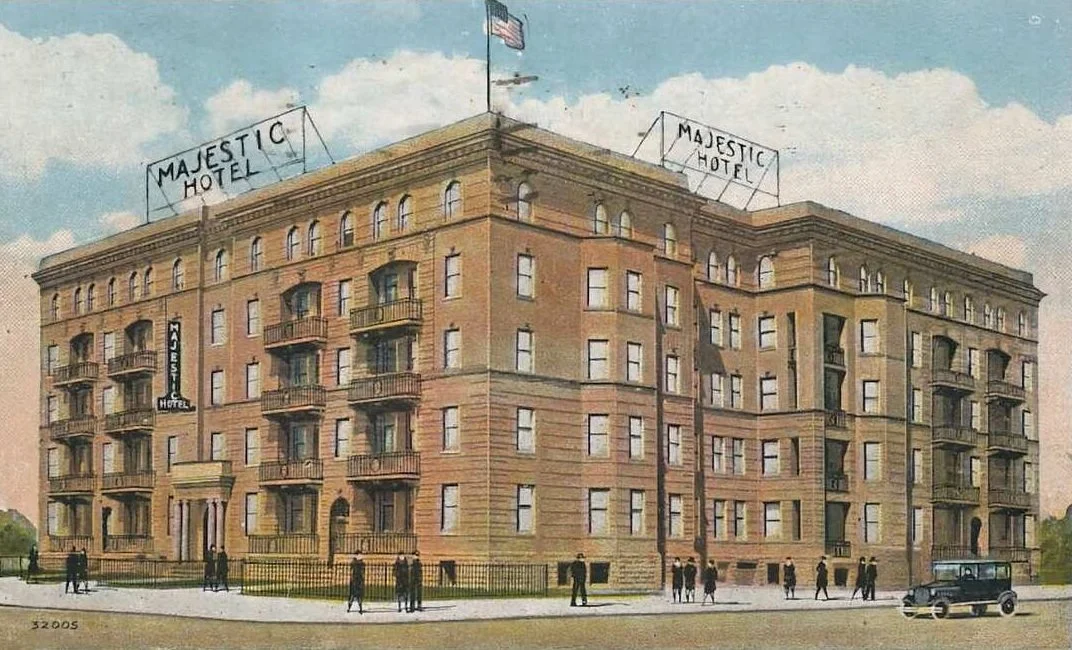
The Majestic Hotel
Musicians like Louis Armstrong and Duke Jenkins spent time at the Majestic, as did athletes like Muhammad Ali and Jim Brown.
The hotel’s nightclub, opened as the Furnace Room in 1931 and later renamed the Heat Wave (1934-37) and the Ubangi Club (1938-44) before finally reopening as the Rose Room in 1944, was home to popular jazz performances, cabaret-style shows, and, later, rhythm-and-blues concerts.
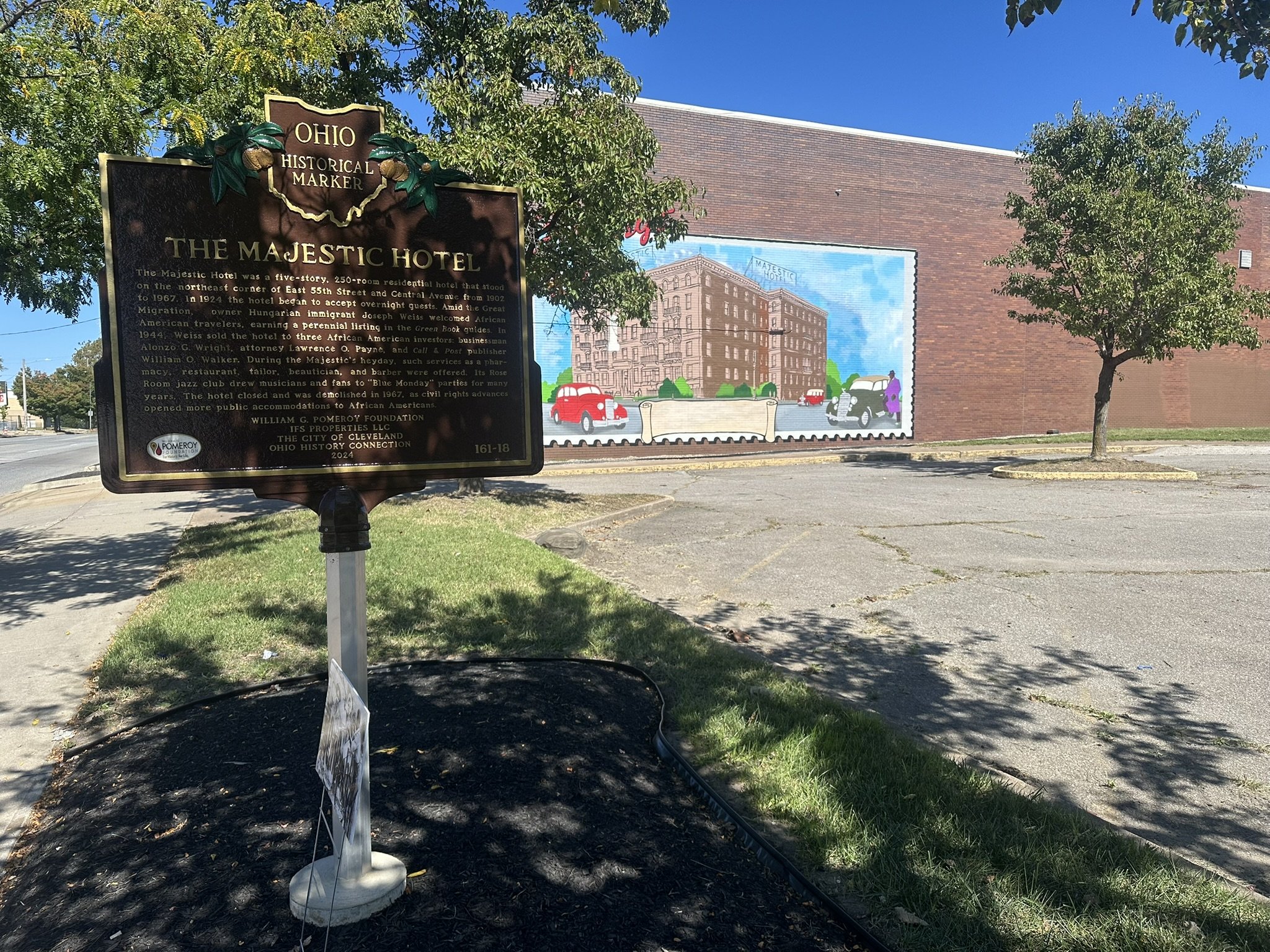
The Site Today
The largest attractions for jazz lovers, according to jazz historian Joe Mosbrook, were "Blue Monday" parties, which featured pianist Duke Jenkins and his band, along with many other jazzmen. These jam sessions made the Rose Room a preeminent venue through the 1950s.
On May 27, 1967, when it reported on the impending demolition, Cleveland's leading Black newspaper, the Call and Post, took a bittersweet tone. "With the Majestic goes the sounds of music, the voices of the great, and a bright era of Negro community life."
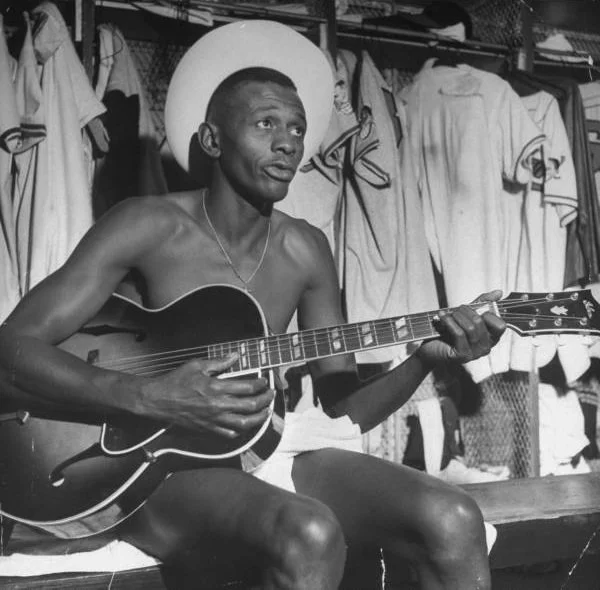
Satchel Loved Music
He played a little guitar, and would often spend time at the jazz club inside the Majestic Hotel - sometimes as a patron, and sometimes finding his way on stage.

Key Player
This photo of Satchel playing the piano and singing for his teammates was taken during a photo shoot for LIFE Magazine.
Bill “Bojangles” Robinson
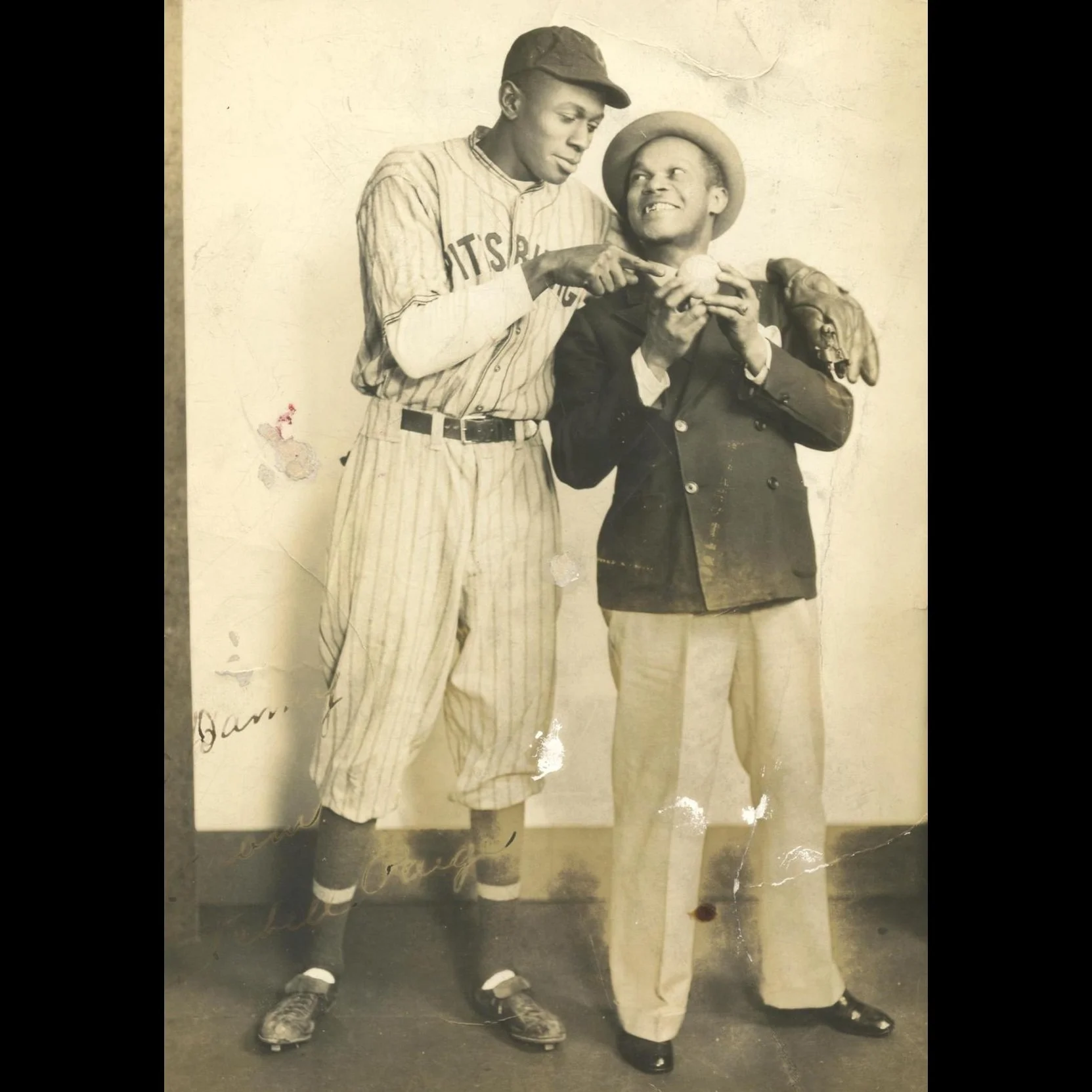
Satchel’s first marriage was to Janet Howard, who was a waitress at Gus Greenlee’s Crawford Grill. The couple tied the knot on October 26, 1934, with tap dancer Bill “Bojangles” Robinson as Satchel’s best man.
Bojangles Robinson was a tap dancer, actor, and singer, and by far the best known and the most highly paid Black entertainer in the United States during the first half of the 20th century.
This mid-1930s photo shows Bojangles and Satchel hamming it up for the camera.
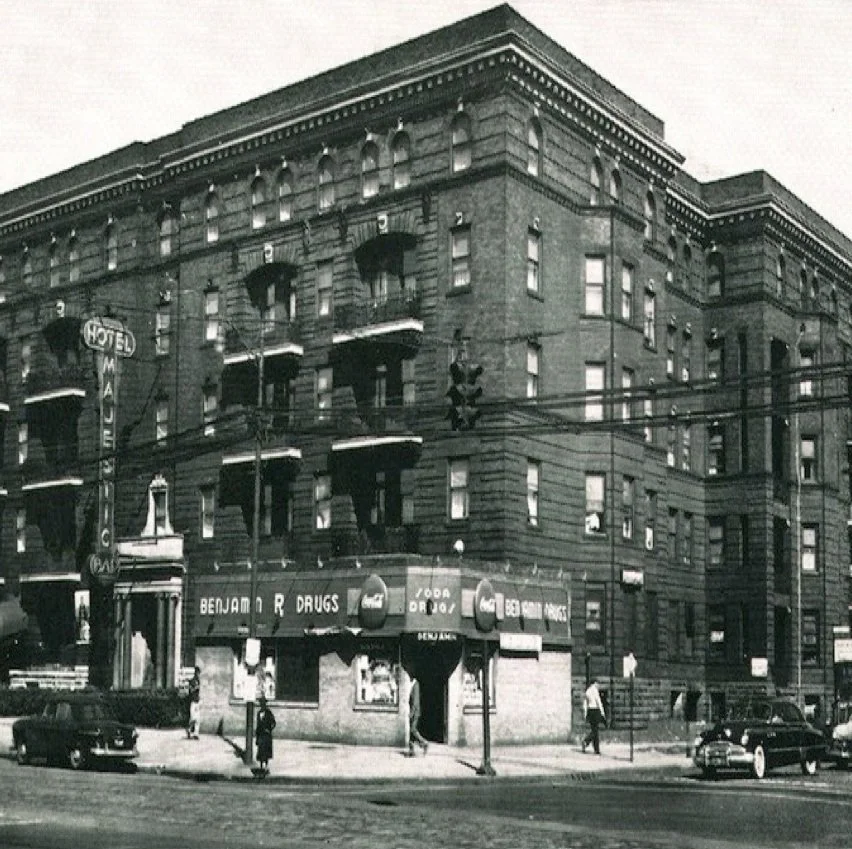
The Majestic ca. 1952
The Majestic Hotel housed a number of businesses during its heyday. In 1934, the Majestic Grill opened, serving New Orleans Creole and American fare prepared by “Mammy” Louise Brooks. Two years later the restaurant reopened as Sadie’s and offered “Home Cooked Food.”
A number of services operated inside the hotel between the 1930s and 1950s, including a pharmacy, tailor, beauty salon, barber shop, dentistry office, automobile driver’s license bureau, and even a psychic reader.
Photo courtesy of Cleveland State University Special Collections, Cleveland Memory Project
Anything But Segregated
While the Majestic may have been a Black hotel located in a largely African American section of Cleveland, the audiences drawn to the hotel's Rose Room Cocktail Lounge in the 1950s were anything but segregated. Indeed, the Majestic and the Log Cabin across the street, were fixtures in the "Black and Tan" scene in Cleveland's version of Harlem.
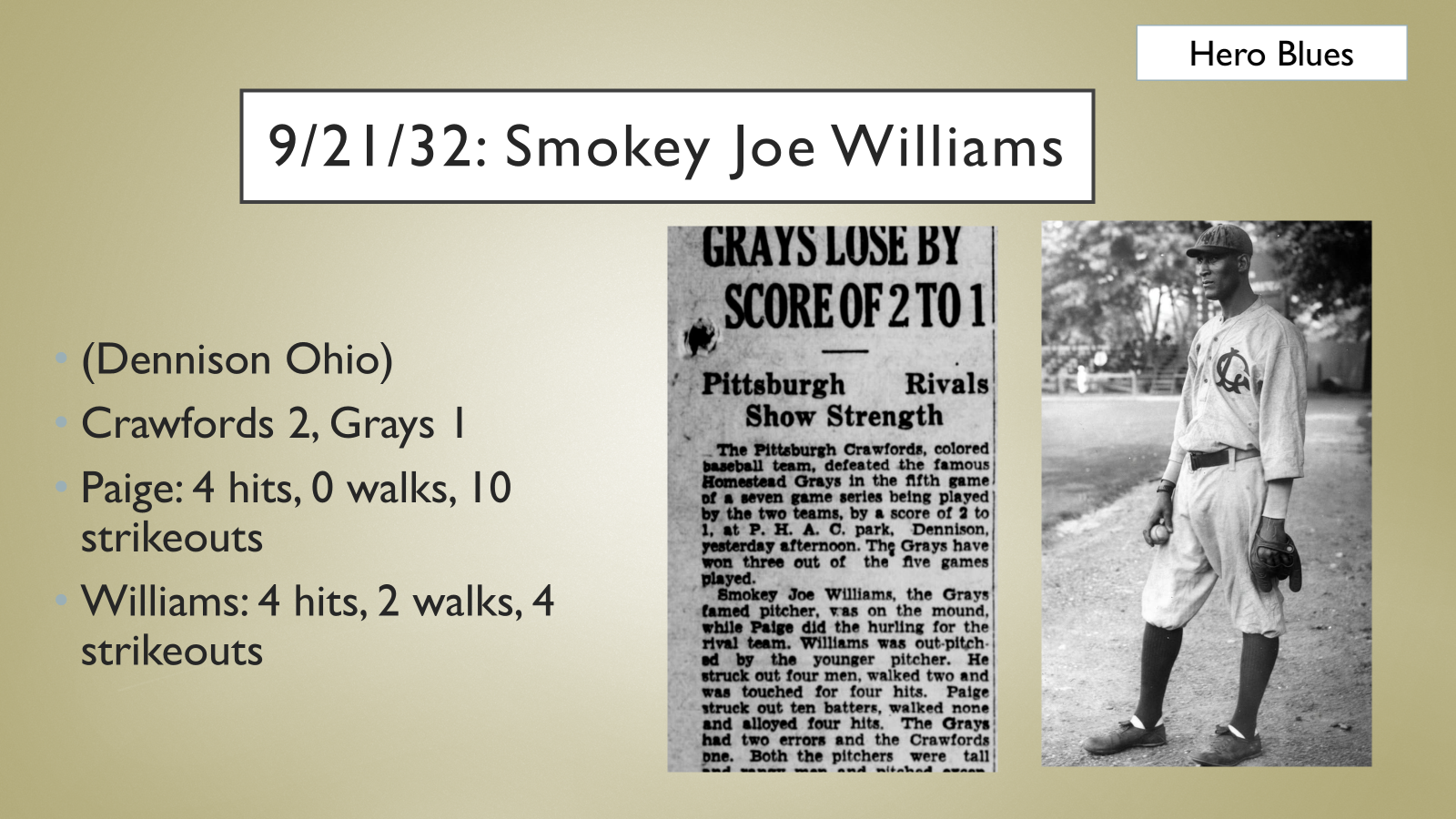

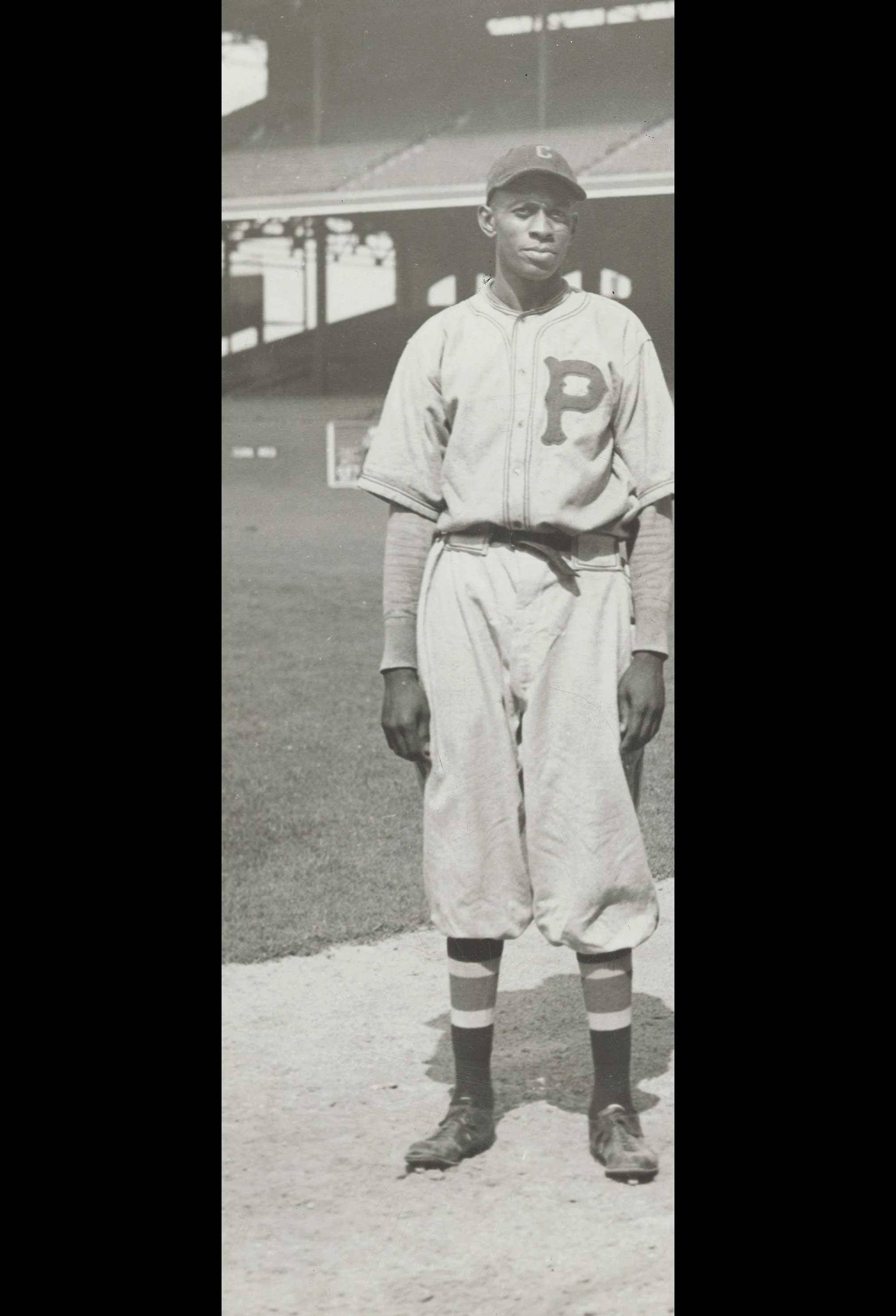
Gus Greenlee was putting together an absolute juggernaut of a team. Here, the Pittsburgh Crawfords are shown at Spring Training in 1932 at Hot Springs, Arkansas. Satchel is in the back row, second from the left. Who else do you recognize?
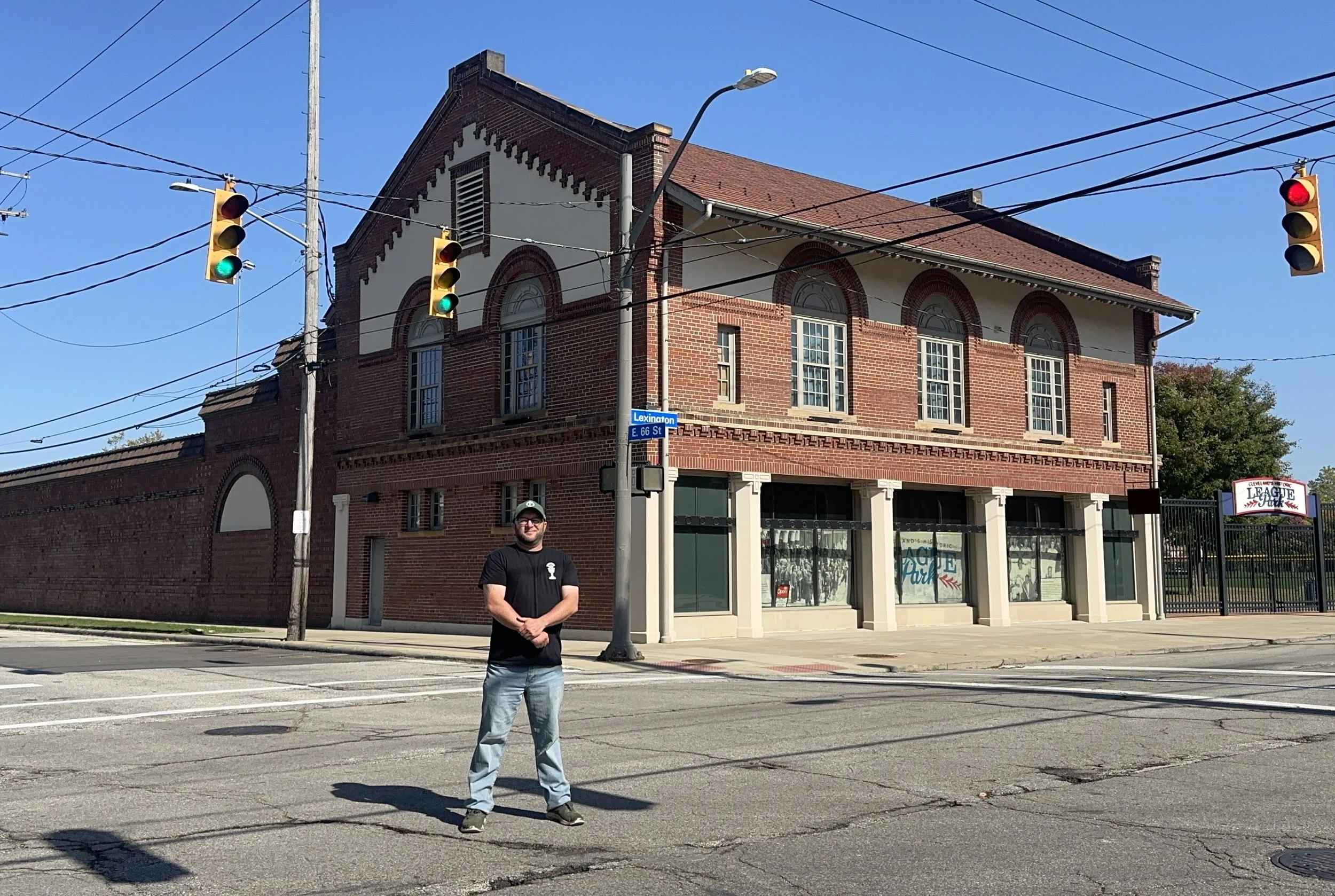
League Park
Mark has found nine games during which Satchel Paige pitched at League Park. This differs from the amount of games logged in Retrosheet’s database, because Retrosheet requires a full box score to include a game, whereas Mark just needs confirmation that the game took place, and that Satchel pitched. Any other detail is icing on the cake, but not necessary, in Mark’s eyes, for inclusion.
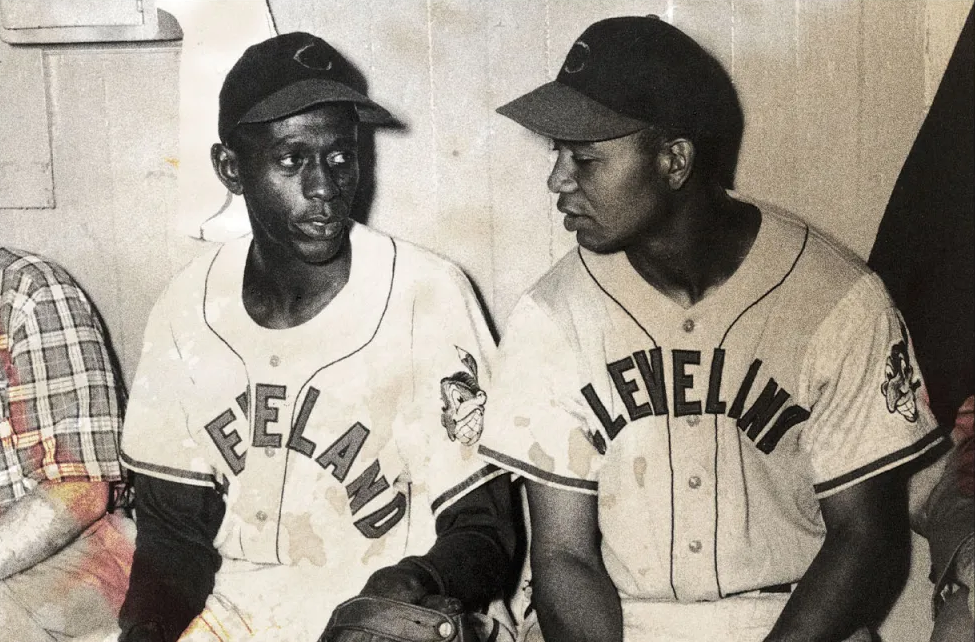
Larry Doby
Everybody knows about Jackie Robinson breaking the color barrier, but another name who should be celebrated is Larry Doby, who broke the American League’s color barrier when he began playing with the Cleveland Indians about 11 weeks after Jackie began playing with the Dodgers.
Satchel (left) sits with Doby in this photo.
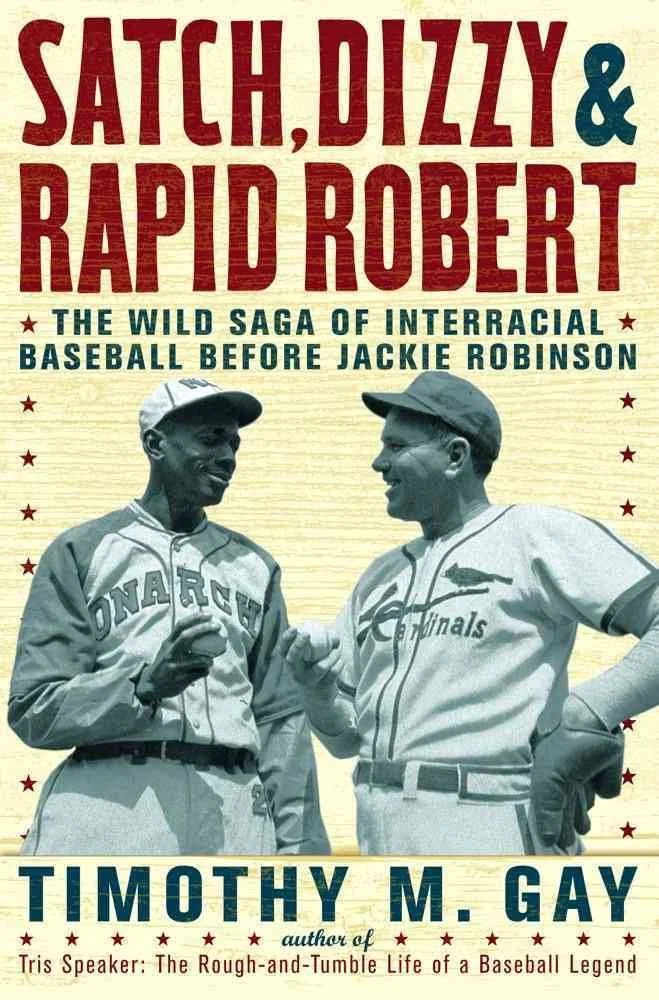
A Barrier Breaker In His Own Right
After arm troubles sidelined Dizzy Dean, a new pitching phenom, Bob Feller — aka Rapid Robert —assembled his own teams to face Paige and other Black barnstormers.
By the time Paige became Feller’s rookie teammate on the Indians at age 42 in 1948, Satch and Feller had already barnstormed against each other for more than a decade.
These often obscure contests helped hasten the end of Jim Crow baseball, paving the way for the game’s integration.
Buy Timothy Gay’s book HERE.
Proving His Greatness
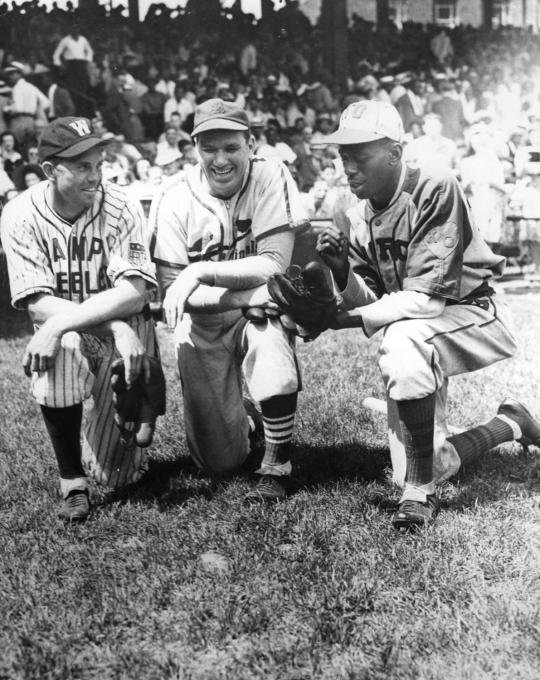
Satchel wasn’t just pitching against the other pitcher in these barnstorming games; he was pitching against the other team’s batters.
Look at the admiration Cecil Travis (left) has for Satchel in this photo, with Dizzy Dean smiling in the center.
Travis, a 3-time All-Star, was coming off back-to-back All-Star seasons and a 6th-place MVP finish in 1941 before missing the entirety of the next three seasons and all but 15 games in 1945 due to military service. He was a lifetime .314 hitter, but he had a .359 average in 1941 and led the majors with 218 hits in his age-27 season. He missed his prime for the war.

A Star Among Stars
The American League locker room at Philadelphia’s Shibe Park during the 1952 MLB All-Star Game with (left to right) Yankees outfielder Mickey Mantle, Yankees pitcher Allie Reynolds, Boston Red Sox outfielder Dom DiMaggio, and Paige.
Joe DiMaggio called Paige “the best I’ve ever faced, and the fastest.”
Ted Williams called him the “greatest pitcher.”
Undeniable
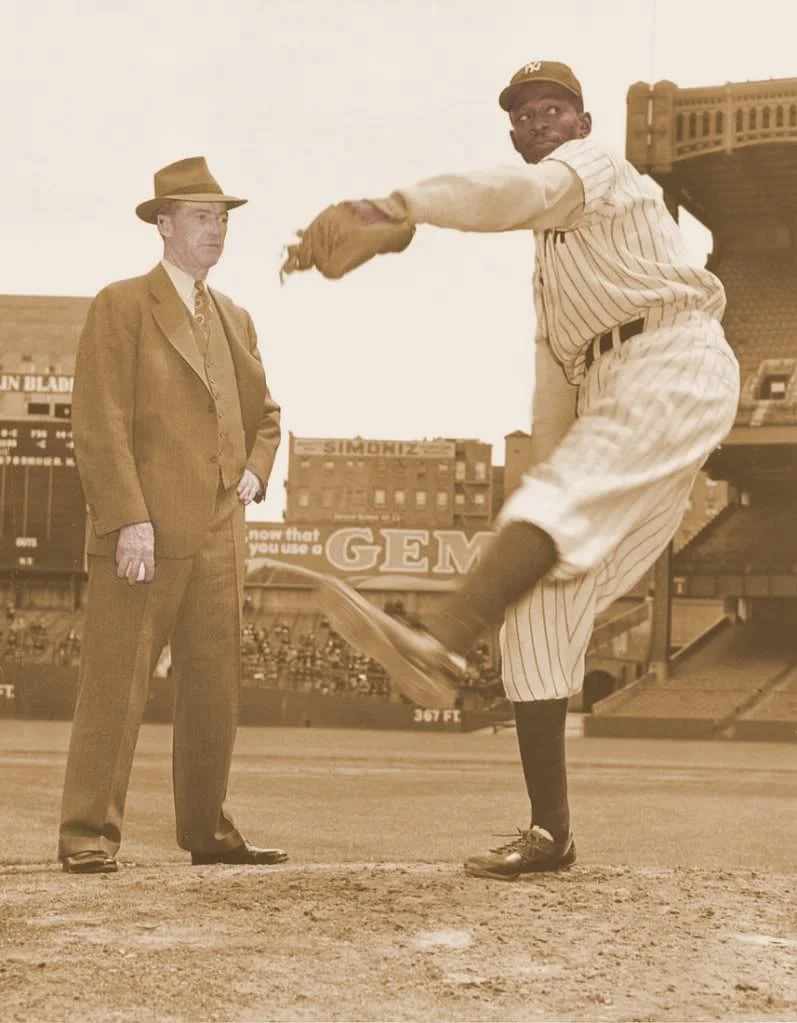
At a certain point, the only thing keeping Black players out of the white Major Leagues was racism, and maybe a little bit of greed sprinkled in.
The greatness of players like Satchel Paige and Josh Gibson and Cool Papa Bell was undeniable to anyone who watched them play, and to the white players they were playing against.
Owners liked that they were filling their stadiums on off days, though, and that there were no race riots or disturbances to their property because all fans and players were respectful of the space.
So owners tried as long as they could to keep the status quo: have their white teams play their regularly-scheduled home games, and let Black teams, barnstorming teams, and exhibitions rent the stadiums on off days to make even more money.
Dizzy Dean
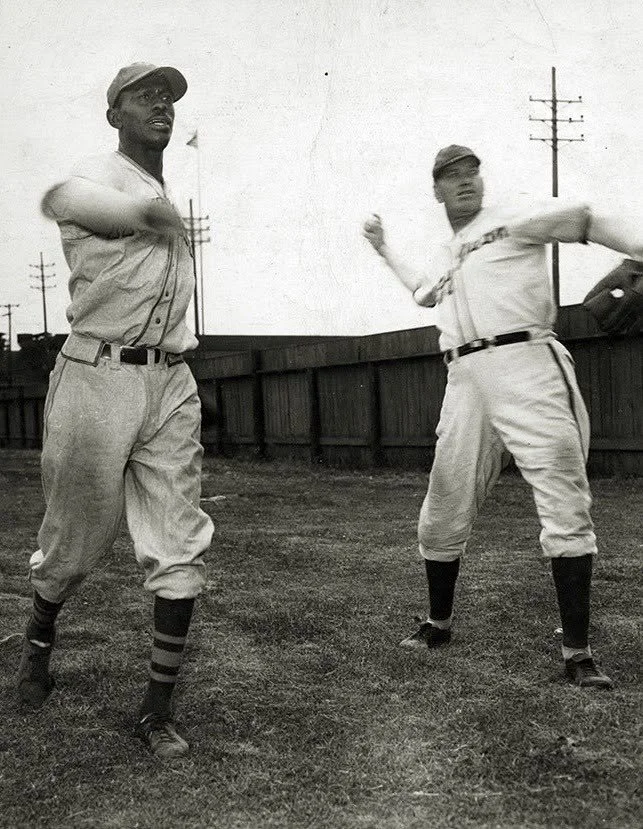
In 1934, Dizzy Dean said “If ol’ Satchel and I played together, we’d clinch the pennant mathematically by the Fourth of July and go fishin’ until the World Series. Between us, we’d win 60 games.”
“I know the best pitcher I ever see, and it’s ol’ Satchel Paige, the big, lanky colored boy. Say, ol’ Diz is pretty fast back in 1933 and 1934, and, you know, my fastball looks like a change of pace alongside that little pistol bullet ol’ Satchel shoots up the plate…It’s too bad those colored boys don’t play in the big leagues because they sure got some great players.”

Satchel Paige and the Hall of Fame
In May of 2025, Mark was awarded the McFarland-SABR Baseball Research Award for his article on the politics surrounding Satchel Paige’s election to the National Baseball Hall of Fame.
This photo of Paige was taken on February 9, 1971 in New York, just after he was voted into the Baseball Hall of Fame. Initially, Paige was separated into a special category designed to honor the outstanding stars of the Negro Leagues.
A State Of Mind
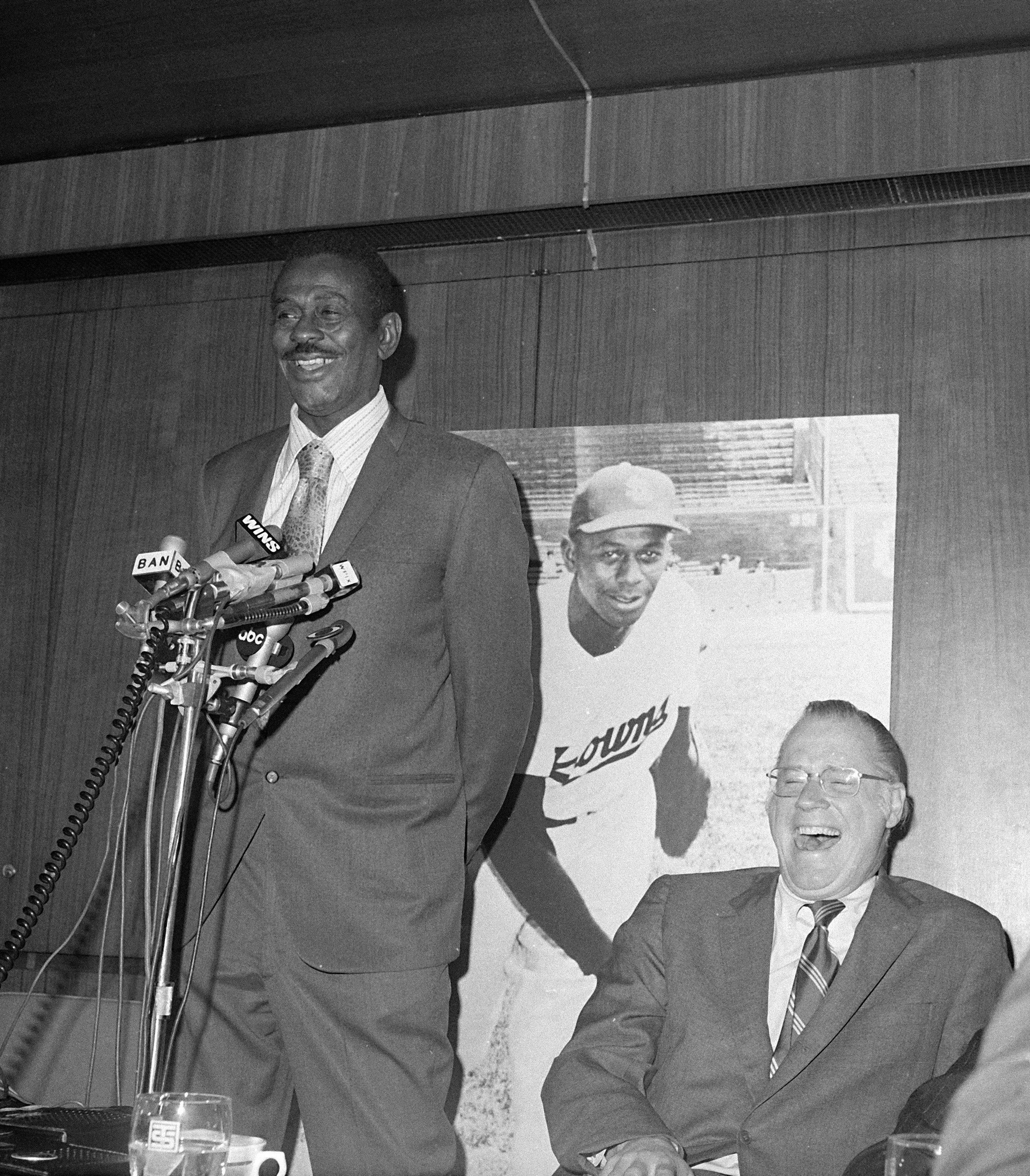
Commissioner Bowie Kuhn and Hall of Fame president Paul Kerr announced the formation of a special committee of ten Negro Leagues experts who would select one Negro League player per year. The honoree would get a plaque that would be hung in a special exhibit. The new committee most prominently included Campanella, Monte Irvin, Judy Johnson, Alex Pompez, Sam Lacy, & Wendell Smith.
“Technically,” admitted Kuhn at a press conference announcing Satchel Paige as the initial honoree at Toots Shor’s restaurant in New York, “[Paige is] not in the Hall of Fame. But I agree with those who say that the Hall of Fame is a state of mind and the important thing is how sports fans view Satchel Paige. I know how I view him.” Kuhn is seen here with Satchel at that press conference on February 9, 1971.

Satchel Paige receives his plaque, designating him as an official Member of the National Baseball Hall of Fame from Commissioner Bowie Kuhn at the induction ceremony in Cooperstown on August 9, 1971.
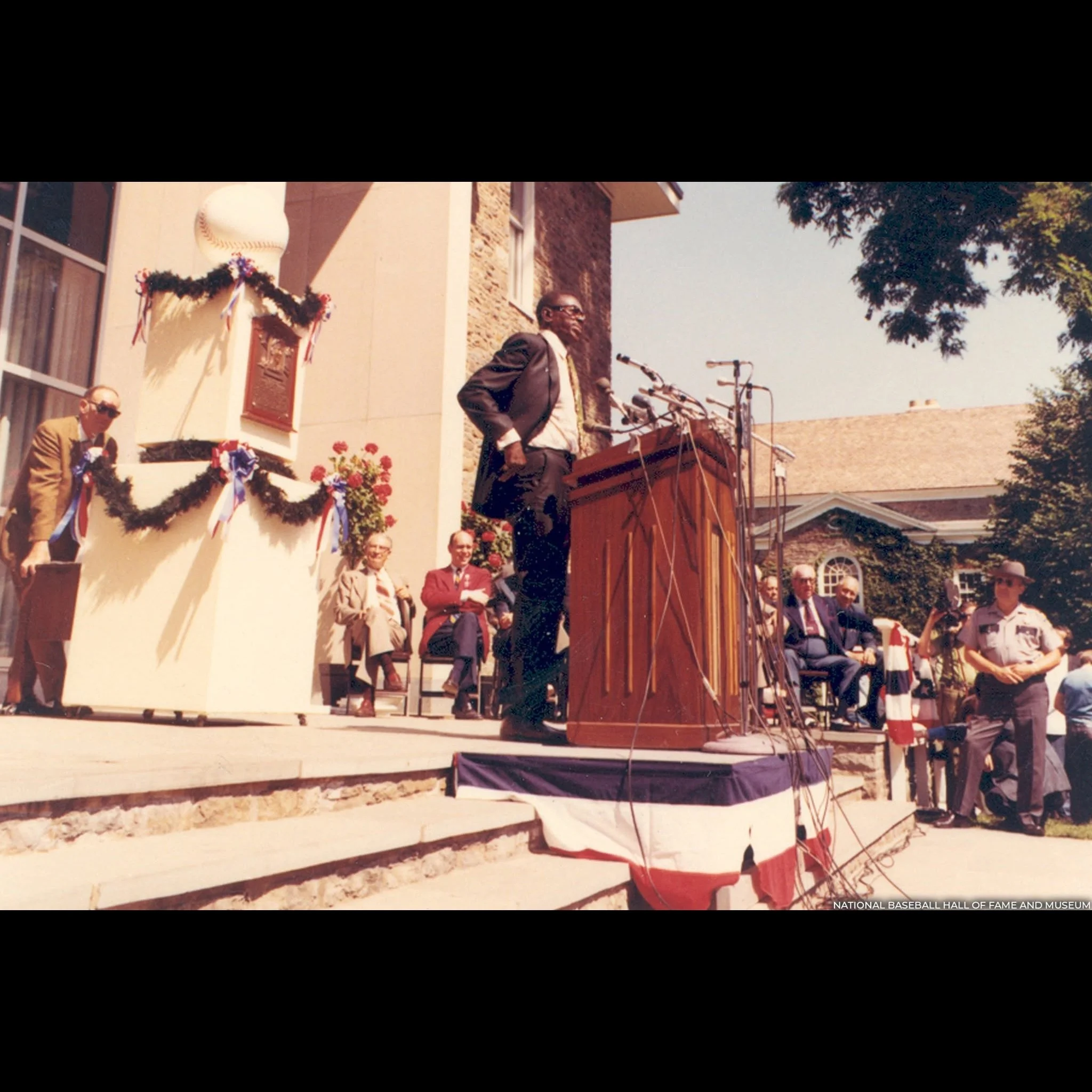
The Class of 1971
Paige was by far the most famous new inductee of the Hall of Fame Class of 1971. The Baseball Writers' Association of America voted by mail to select from recent major league players and elected no one.
The Veterans Committee met in closed-door sessions to select from executives, managers, umpires, and earlier major league players. It elected seven, the most in its 1953 to 2001 history: Dave Bancroft, Jake Beckley, Chick Hafey, Harry Hooper, Joe Kelley, Rube Marquard, and George Weiss.
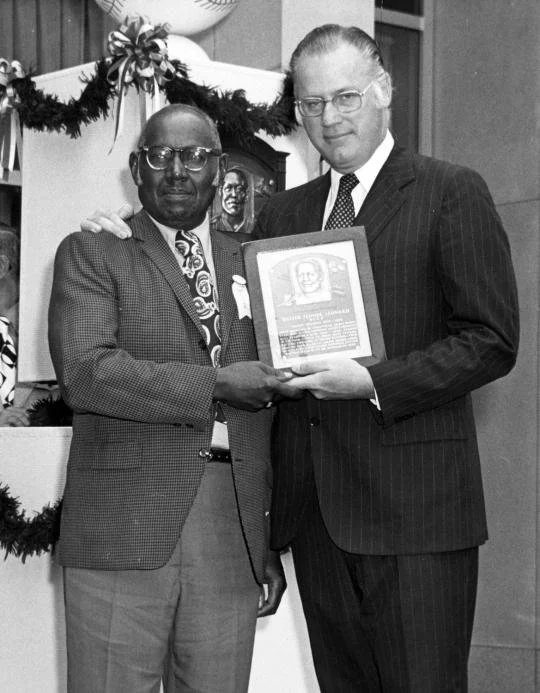
The Class of 1972
The Hall of Fame immediately backed down from their “one per year” rule, electing both Josh Gibson and Buck Leonard (seen here, with Commissioner Kuhn) to the Hall of Fame Class of 1972.
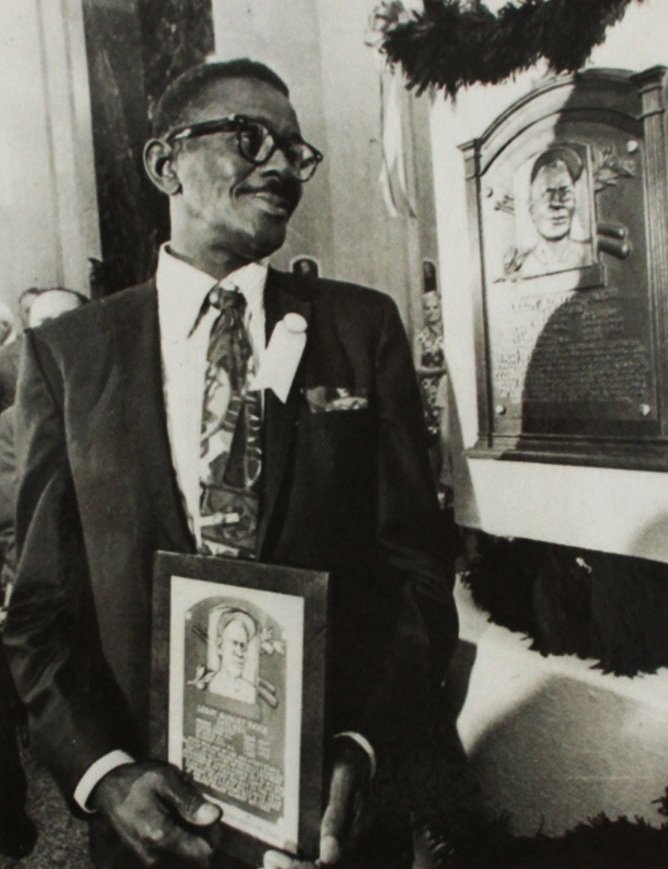
How Did We Get Here?
While Mark was doing the research to write his article about Satchel Paige’s Hall of Fame candidacy, he kept coming across contemporary newspaper accounts of people advocating for Paige to be elected.
In those articles — which ranged from the late-1950s to the early-1970s — many of those articles would make mention of the fact that Paige, who was well into his 60s at that point, was still pitching.
Mark feels like Satchel’s name continuously being in the news kept his story alive. The contemporary writers of the day would take the opportunity to go out and see Satchel pitch, since he would so often be passing through town on a barnstorming tour.
They would come away thinking the same thing many people thought at the time: “how is this guy not in the Hall of Fame?!”
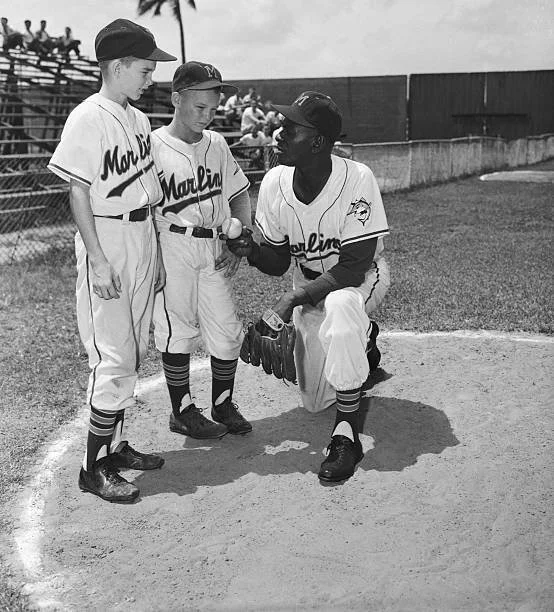
Ol’ Satch
This man was getting MVP votes while pitching for AAA Miami in his 50s. Genuinely, can you even imagine that?
His success at that age led writers, fans, even opposing teams to wonder “if he’s this good now, how good must he have been in his prime??”
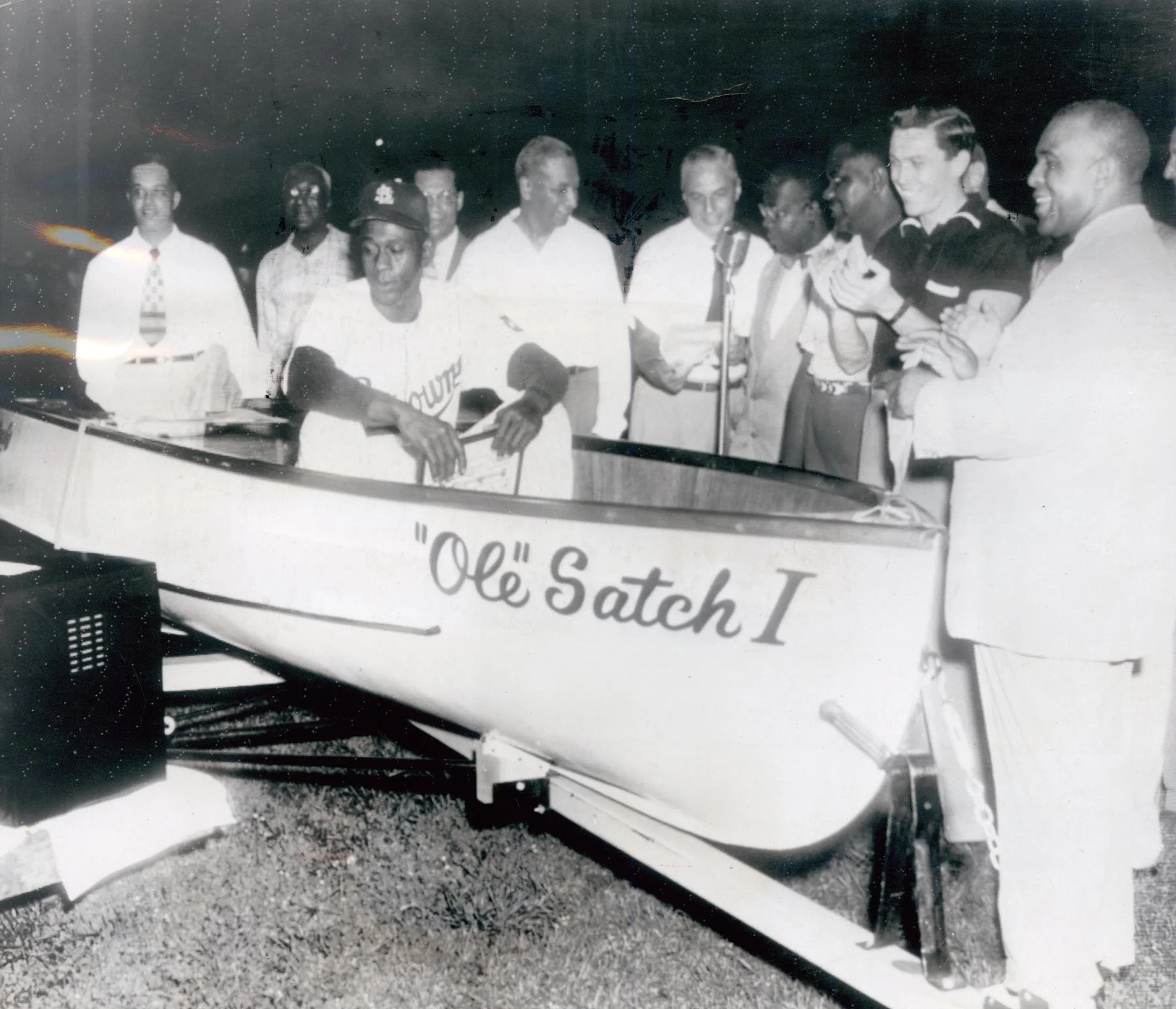

How Many People Saw Satchel Pitch?
Paige warms up before an August 2, 1942 Negro League game between the Monarchs and the New York Cuban Stars at Yankee Stadium.
If Paige pitched to just an average attendance of 5,000 fans per game over the course of his career, that would mean he pitched in front of more than 10,000,000 spectators in his 2,000+ games.
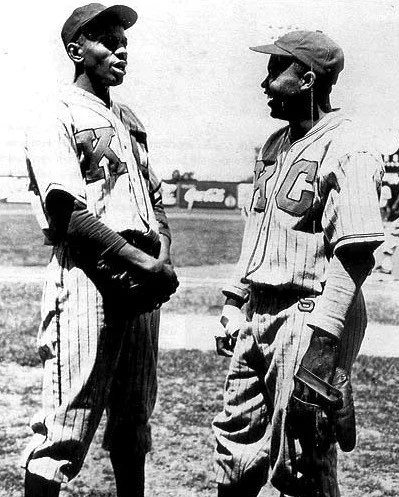
Jackie Robinson
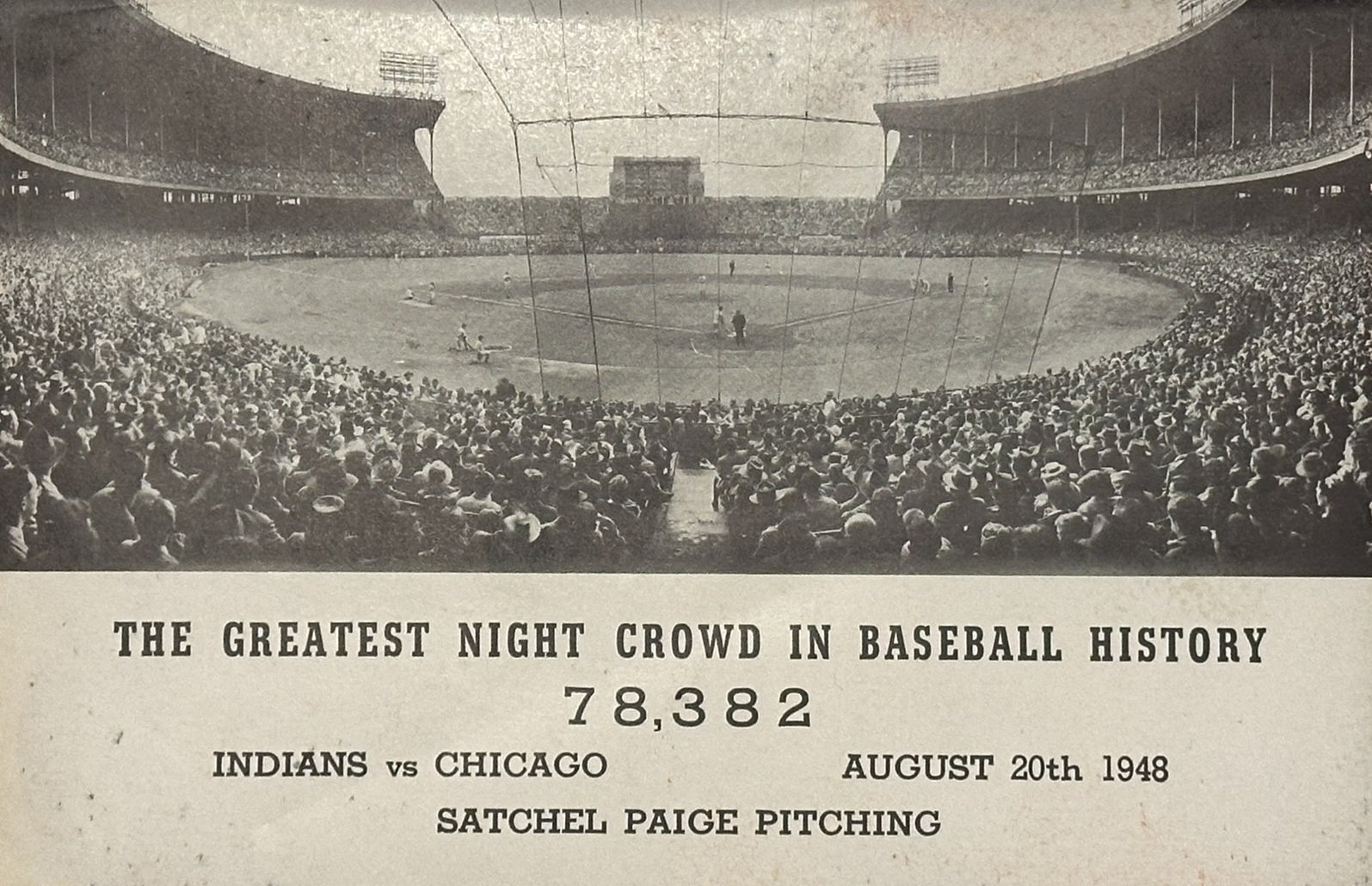
I've always heard and read how prejudiced America was before 1947 when Jackie Robinson cured racism by breaking the color barrier, but then I'll read about Satchel Paige packing Cleveland Municipal Stadium with almost 80,000 fans – many of whom were white - who were all there to watch him pitch, or read about him selling out Yankee Stadium, or Comiskey Park.
Mark explains how both things could have been true at the same time.

He Didn’t Choose This
Satchel Paige shows off his collection of silver on the cover of News-Views magazine from New York.
As Mark’s research progressed, he became more aware of the fact that Satchel Paige wasn’t able to do the thing that he really wanted to do, which was to just pitch for the St. Louis Cardinals for 20 years.
For almost his entire life, Satchel was doing something that he didn’t want to be doing. Or, maybe a better way to put it is that there was something else he’d have rather been doing.
As time went on, it became important to Mark to be sensitive when he talked about Satchel Paige, that he didn’t pretend or speak as if he was honoring a life that Paige chose.
All the trophies, all the awards, all the public adoration may have been nice. But at the end of the day, Satchel was forced into his life because of the systemic racism in this country.
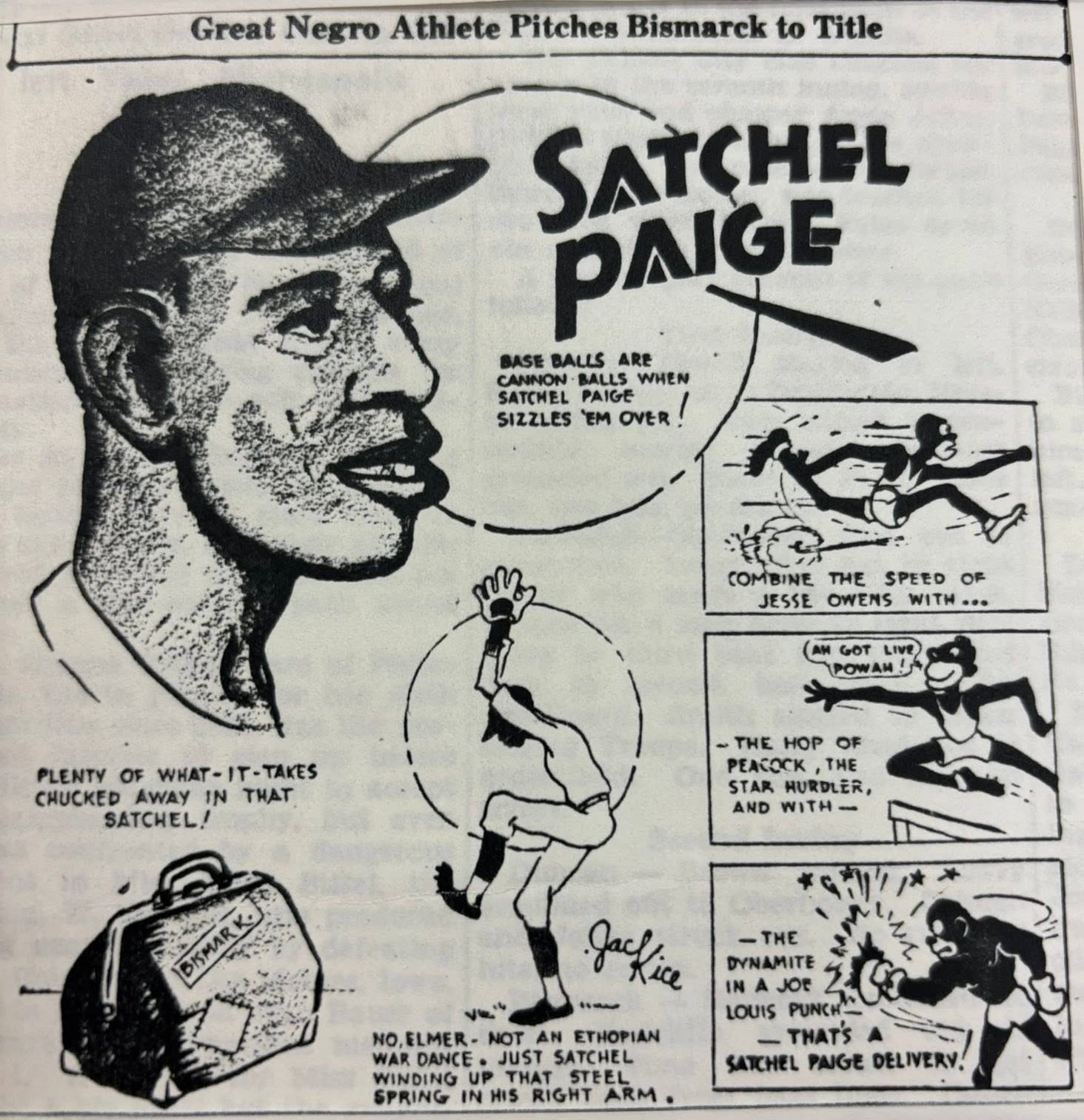
“Great Negro Athlete Pitches Bismarck To Title”
Wait… so these depictions are supposed to be praising him? He just came into your town (in 1935) and dominated the league which had previously been all-white, leads your team to a title, and this is the best way you can think to honor him? Yikes.
The really sad part about this is that Satchel Paige was absolutely luckier than most when it came to the treatment he got, the opportunities he had, and the life he was able to lead.

Deeper Than You Might Think
Mark is sure that Satchel had good days and bad days. Days when he seemed cynical. Days when he seemed like Buck O’Neil, like “I’m just happy to play baseball!”
And while all of that may have been true at the time, it would occasionally ring true that he was bitter about his situation.

Why Did Satchel Paige Pitch So Long?
Because he had to.
His white counterparts had a pension. Satchel didn’t have a pension.
This photo from September 21, 1965 shows Paige watching a game against the Washington Senators from a rocking chair with nurse Sandra Damon (center) standing nearby.
The A’s had a nurse stay with Paige for home games and practices. He was 59 years old.
Life-Changing
Once Satchel made the Hall of Fame, his life changed. He started getting invited to participate in Old-Timers Games, or even to be a guest on late night talk shows.
Atlanta Braves, 1968
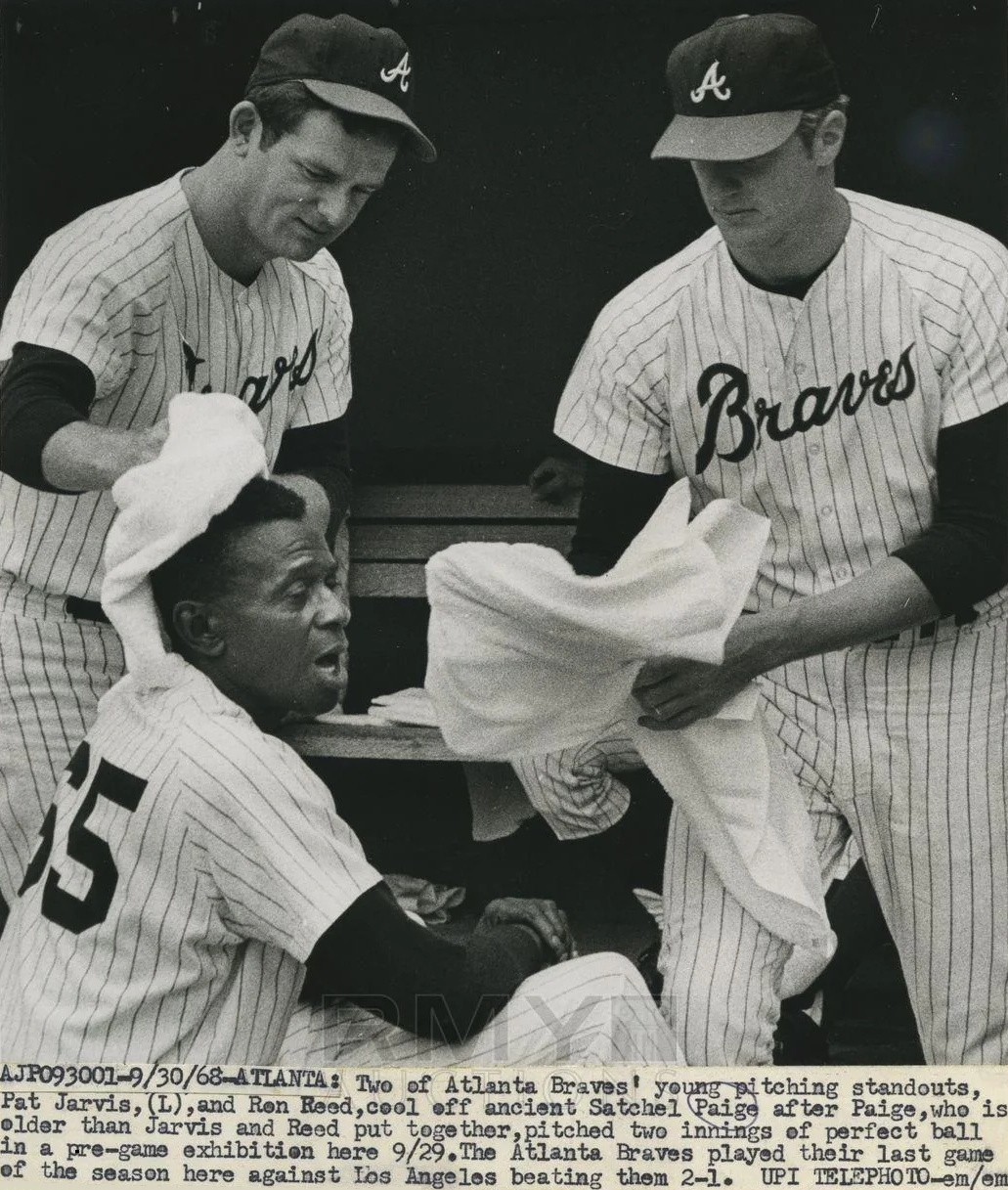
In 1968, Paige reached out to all twenty MLB teams at the time to try and join one of them on the active roster in order to reach the 158 days required to qualify for the five-year minimum for the pension. On August 12, Atlanta Braves owner William Bartholomay agreed to sign him as an adviser.
When the Atlanta Braves brought Satchel on, that pushed him over the threshold of service time he needed to get a full pension.
This photo from September 30, 1968, shows “ancient Satchel Paige” after he pitched two innings of perfect ball in a pre-game exhibition the previous day.
Two innings. Perfect ball. At 62 years old.
$250 A Month
In 1968, the Braves had been in Atlanta for just three years, and Bartholomay knew that he could kill two birds with one stone. Bill could do the right thing for the legendary Satchel Paige, and he could sell a few tickets along the way in the newest baseball city.
In order to make Satchel Paige eligible to receive his pension, Bartholomay signed Paige to a contract running through the 1969 season as the Atlanta Braves pitching coach.
After reaching his 158 required days, Paige left the Atlanta Braves organization and less than three years later, began drawing that Major League pension. He received $250 a month.
On February 26, 1969, the league and the players' association altered the pension requirements, with one of the requirements stating that any player that had played at least four years could qualify for the pension, including players that had played during 1959. At any rate, Paige worked the year as an assistant trainer.

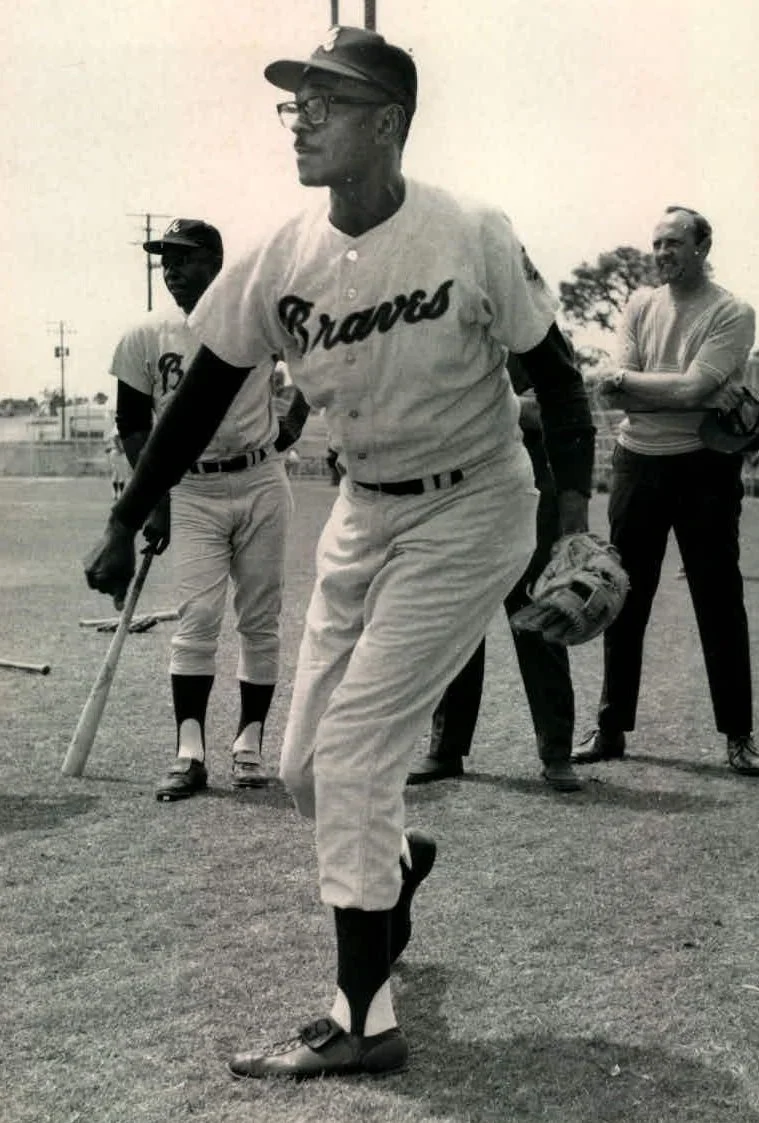
Atlanta Braves assistant trainer Satchel Paige does some exercise hopping over a row of bats during his daily workout on March 9, 1969 at Cleveland’s Municipal Stadium
Old-Timers Days
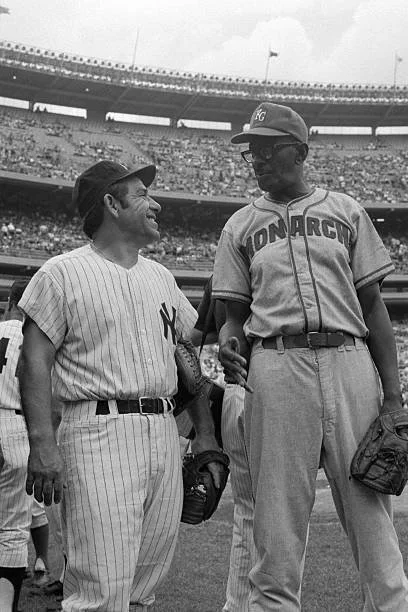
Yogi Berra and newly-elected Hall of Famer Satchel Paige spend some time talking and laughing together before the Old-Timers Day exhibition preceding the Mets/Cubs game at Shea Stadium in New York on July 31, 1971.
Obviously, Satchel pitched. He turned 65 earlier in the month.
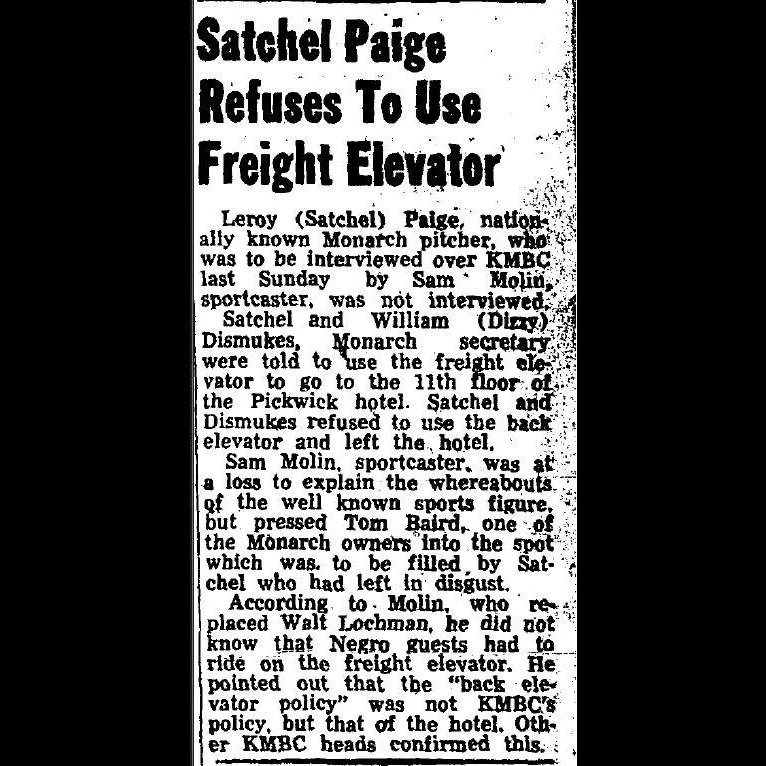
KMBC Radio Interview
If this is the racism that world-famous Satchel Paige faced in his own hometown, imagine how everyone else was being treated.
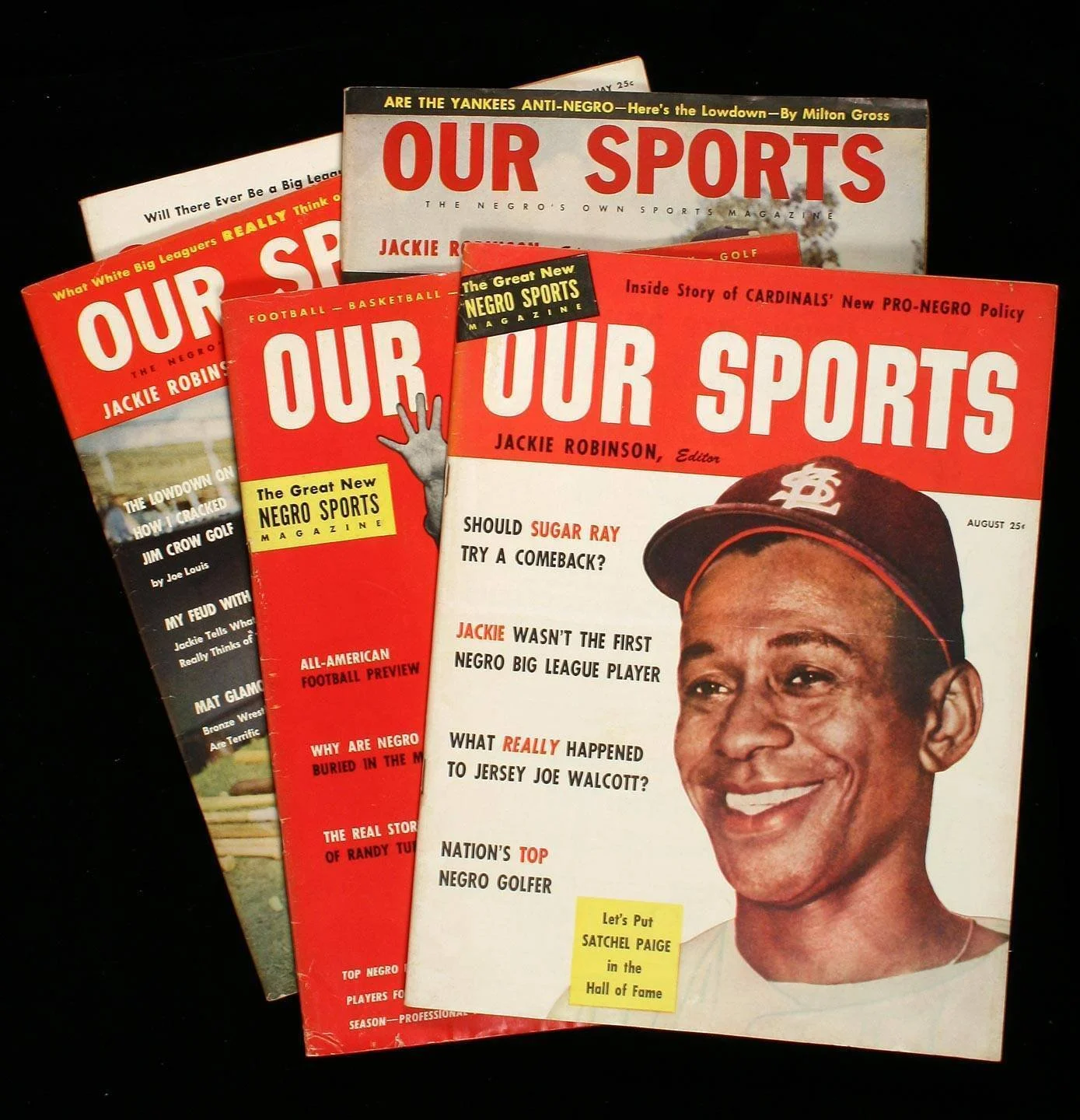
Magazine Covers
Our Sports magazine, billed as the "Negro's Own Sports Magazine," ran for five issues in 1953. Jackie Robinson was ostensibly the editor of the magazine at a time when African-American athletes were becoming involved in every major spectator sport.
Satchel graced the cover of the August, 1953 issue, which called for Paige to be put into the Hall of Fame.
It would be another 18 years before he actually made it.


Adam Darowski
Adam Darowski is the Executive Director of Design at Sports Reference, and a Negro Leagues and Latin American baseball historian, focused on the intersection of statistical analysis and historical preservation.
He was our guest for Episode 6 of Season 5. You can listen to that episode HERE.
During our conversation, we spoke a lot about his own research. One project involves compiling a list of every baseball player who has ever accumulated 4,000 or more professional hits across all leagues.
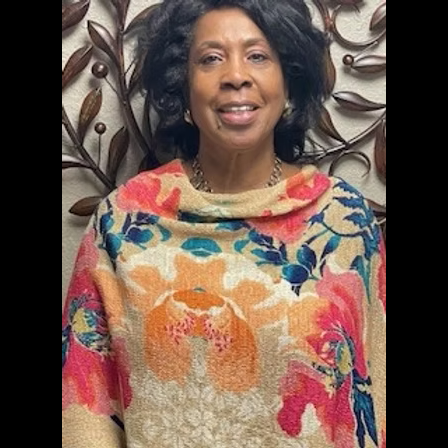
Linda Paige Shelby
Linda is a daughter of Satchel Paige, as well as the Founder and Vice President of the Satchel Paige Foundation.
She authored a children's book entitled, Satchel Paige at the State Fair. Linda retired from US Bank Real Estate in 2017. Linda is dedicated to promoting the legacy of her father and the Negro Leagues.
She reached out to Mark to congratulate him for winning the SABR Baseball Research Award in May of 2026 for his Satchel Paige Project.
Buy a copy of Linda’s book Satchel Paige at the State Fair HERE
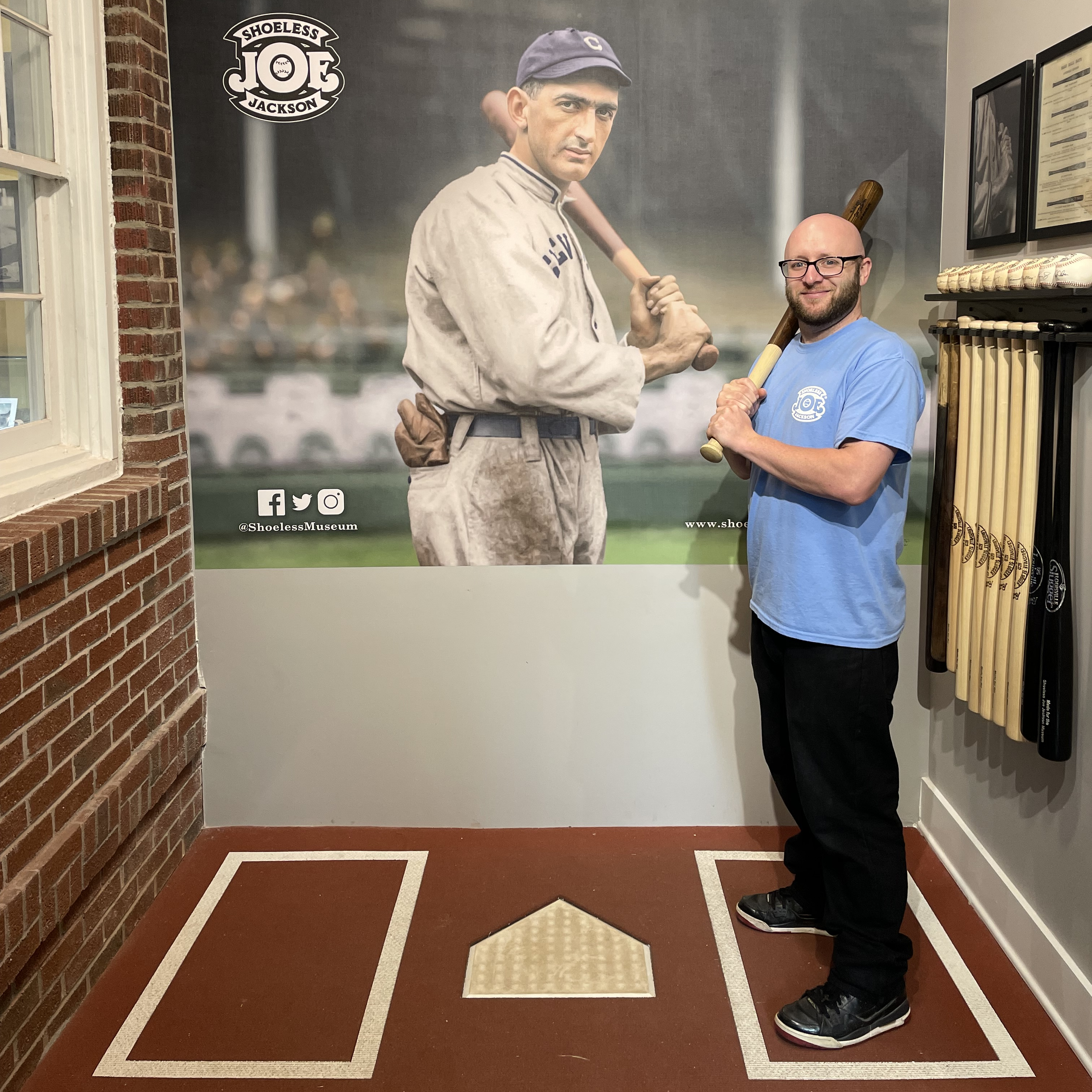
Shoeless Joe Jackson
People know me as “the Shoeless Joe Jackson guy” which is fair considering I ran the museum which bears his name, and I’ve released a bunch of podcasts episodes either tangentially about him or directly about him (like the finale of Season 5, which you should listen to HERE if you haven’t already).
Joe Jackson is probably the player I know the most about. But is he my favorite player ever? That’s hard to say. I don’t think those two things necessarily have to be true about the same player for each person.
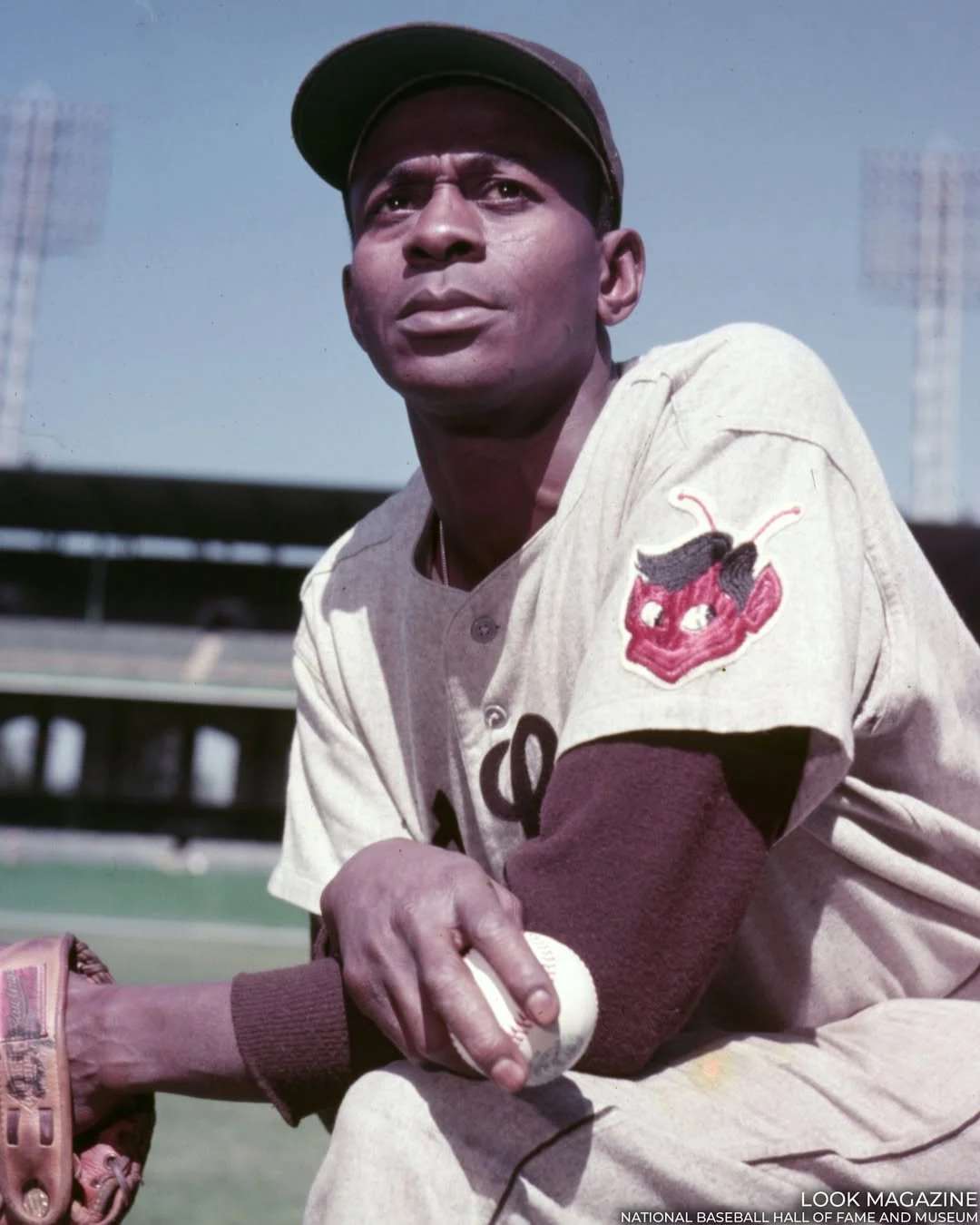
Mark’s Favorite Player?
Mark feels similarly about Satchel Paige as I do about Joe Jackson. He compromises by calling Satchel his “favorite historical player ever,” which I think is a fair concession.
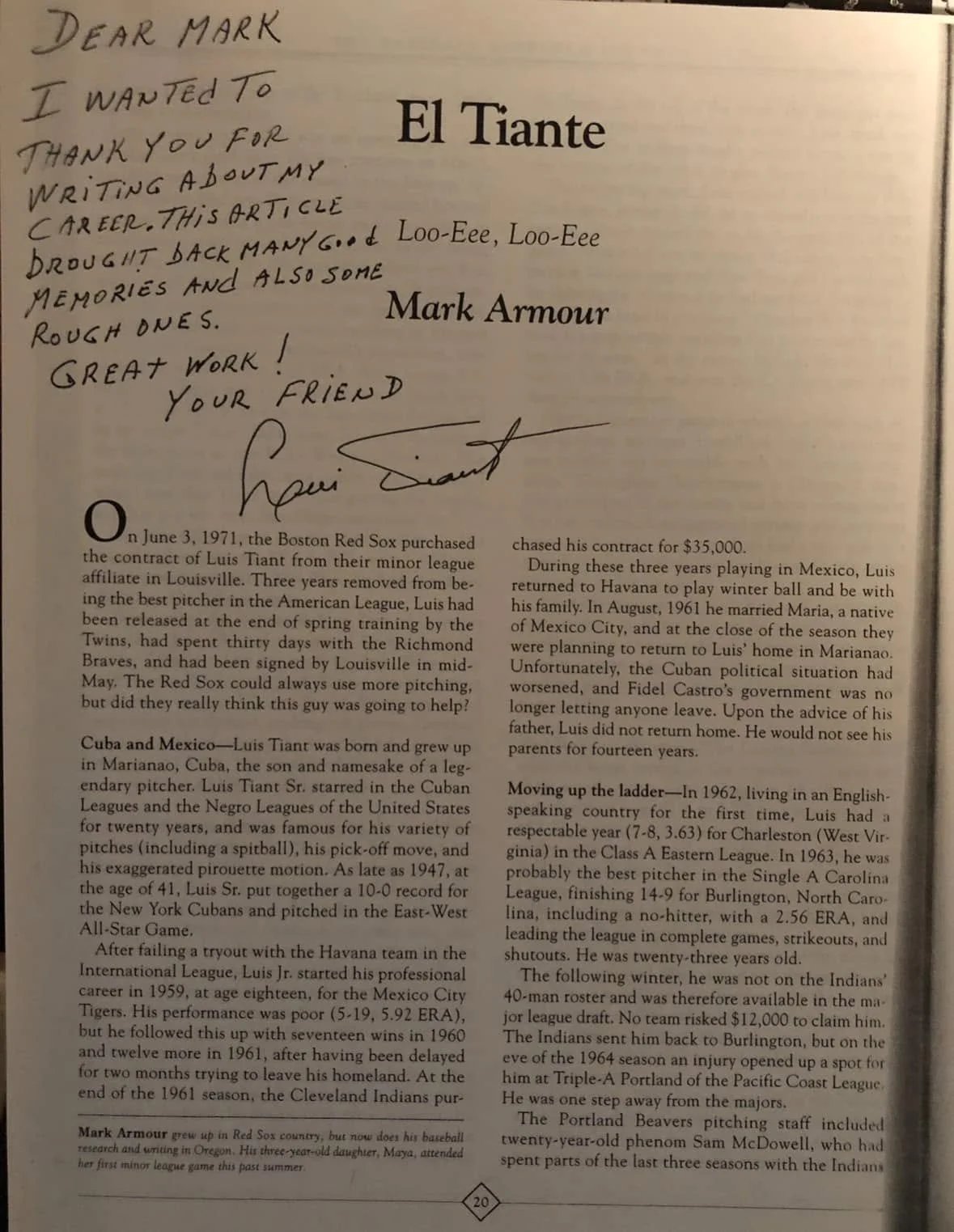
Luis Tiant
Mark’s actual favorite player ever is Luis Tiant, which must have made this note a little more special for him.
Luis Tiant’s SABR Biography - written by Mark
HERE is another fun piece about Luis Tiant which was written by Mark.
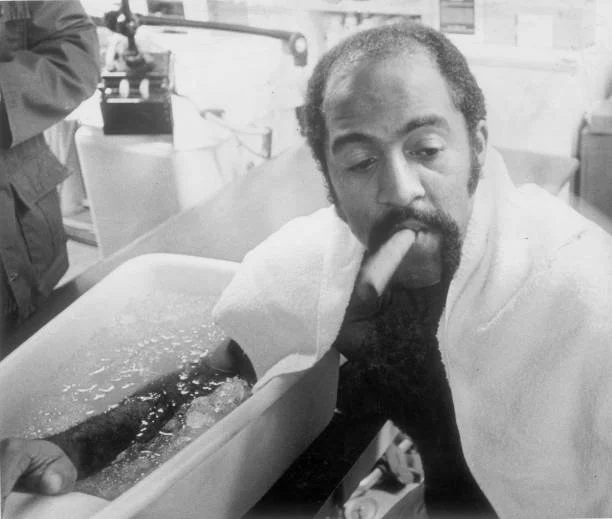
Younger Than He Looks
This photo of Luis Tiant was taken in the trainers room after his complete game win against the Texas Rangers on May 2, 1973.
If my math is correct (and, trust me, it is), that makes Tiant 32 years old in this photo.
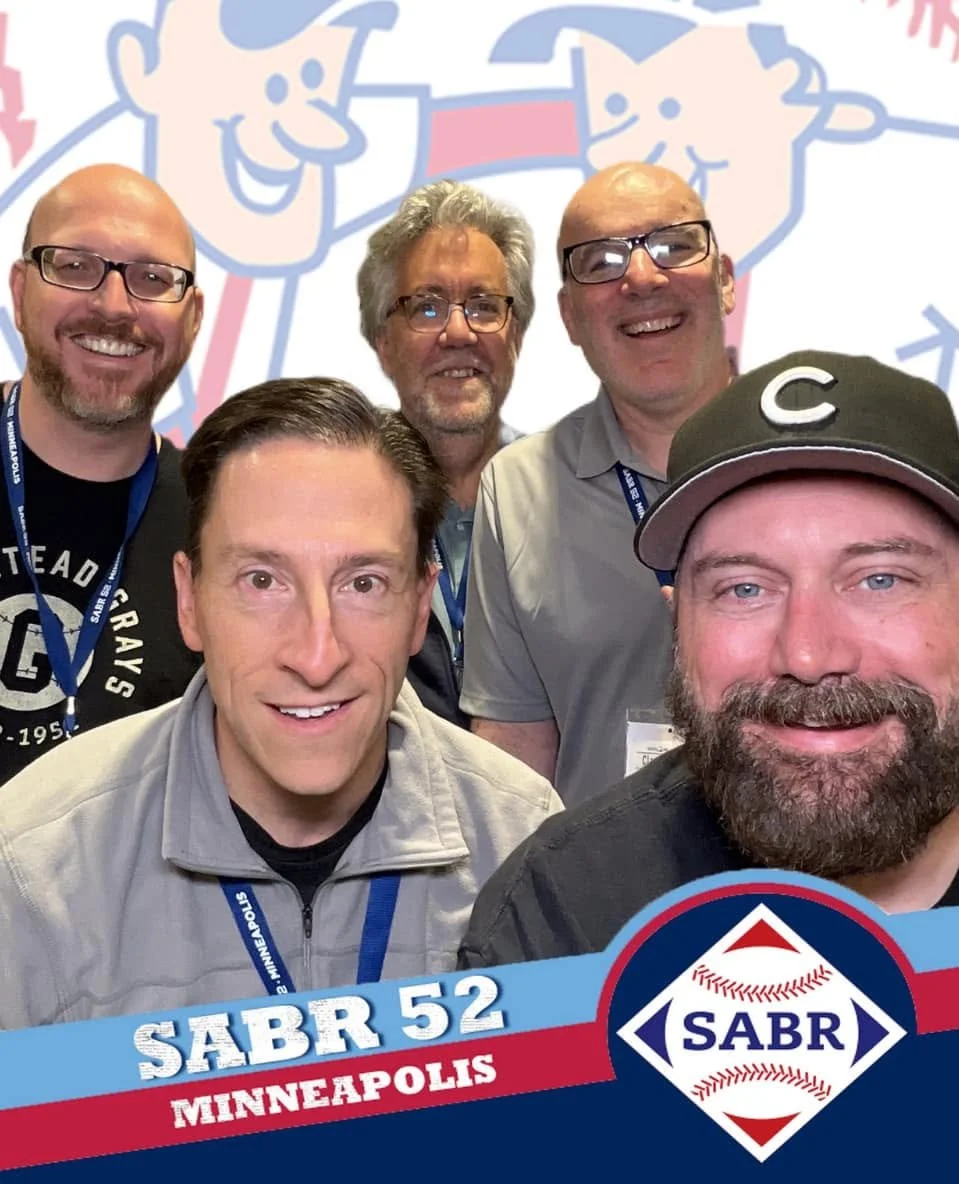
Can’t Do It Alone
Mark has gotten a lot of help to get to 2,000+ games!
He would like to specifically thank Tony Oliver, Jorge Colon Delgado, Kit Krieger, Rogelio Marrero, Bob Schaefer, Rob Neyer, Kevin Johnson, Tom Thress, Adam Darowski, John Racanelli (bottom right), Alan Cohen, Jason Schwartz (top right), Jacob Pomrenke, Gary Gillette, Tip Wonhoff, and Sean Kolodziej (top left) for everything they’ve done to get Mark to where he is.
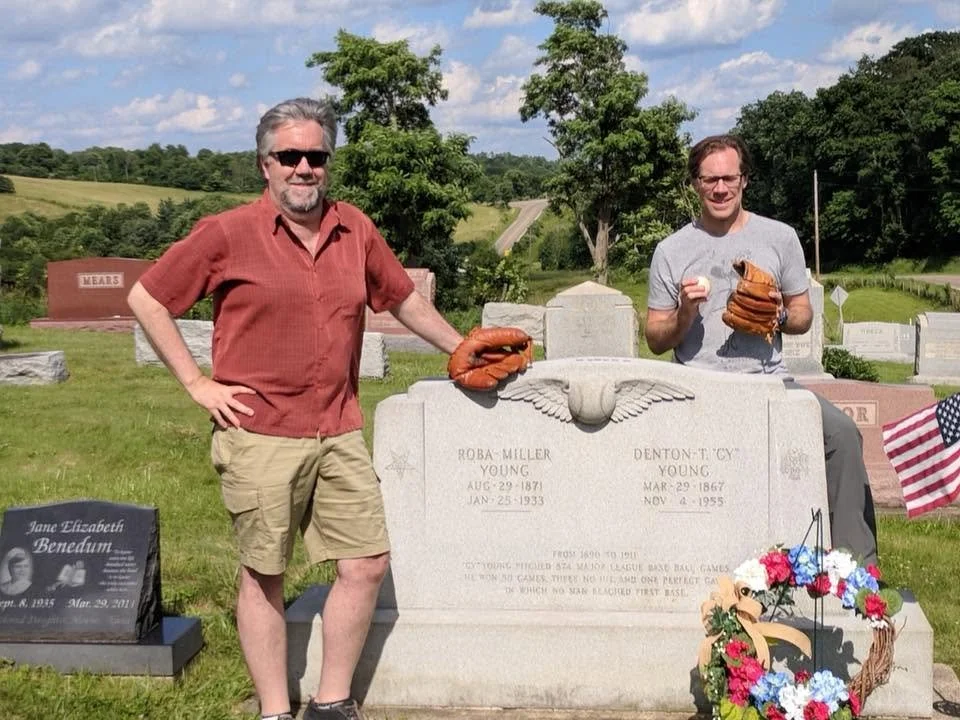
SABR Graves Map
Something Mark has done an awful lot of over the years is travel around the country with Rob Neyer (pictured) and Jeff Bower (not pictured), playing catch in cemeteries.
Here are Mark and Rob at Cy Young’s grave in Peoli, Ohio.
Want to find a baseball player buried in a cemetery near you? Use the SABR Graves Map, HERE.
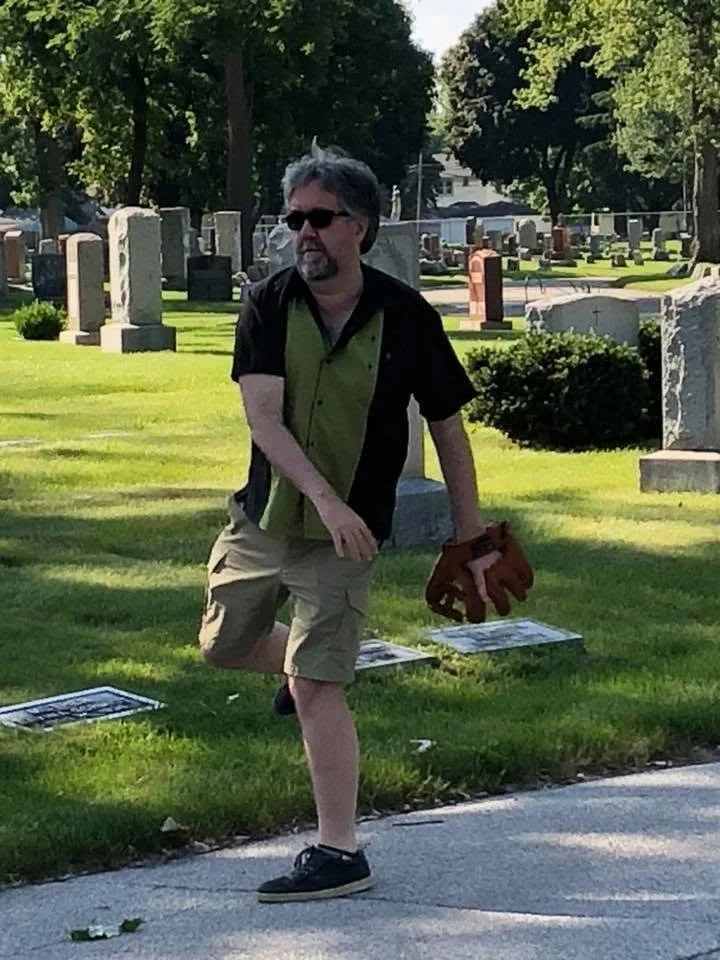
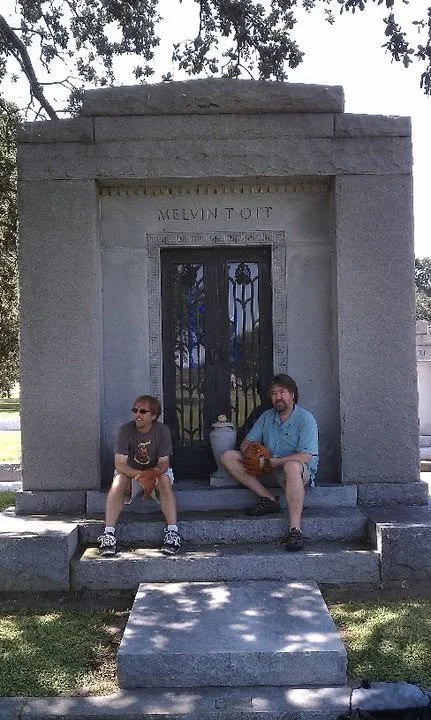
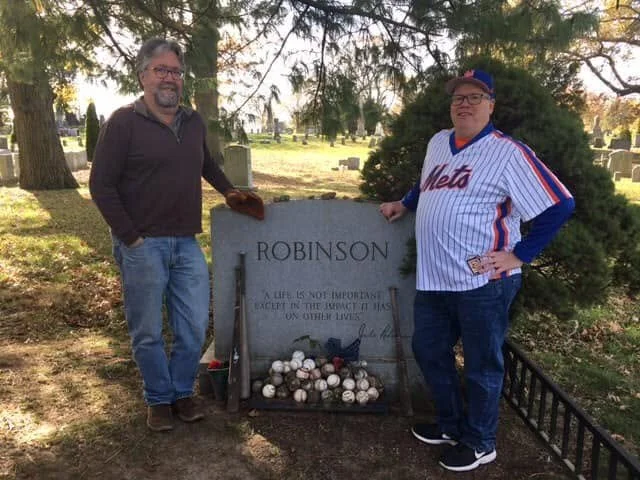
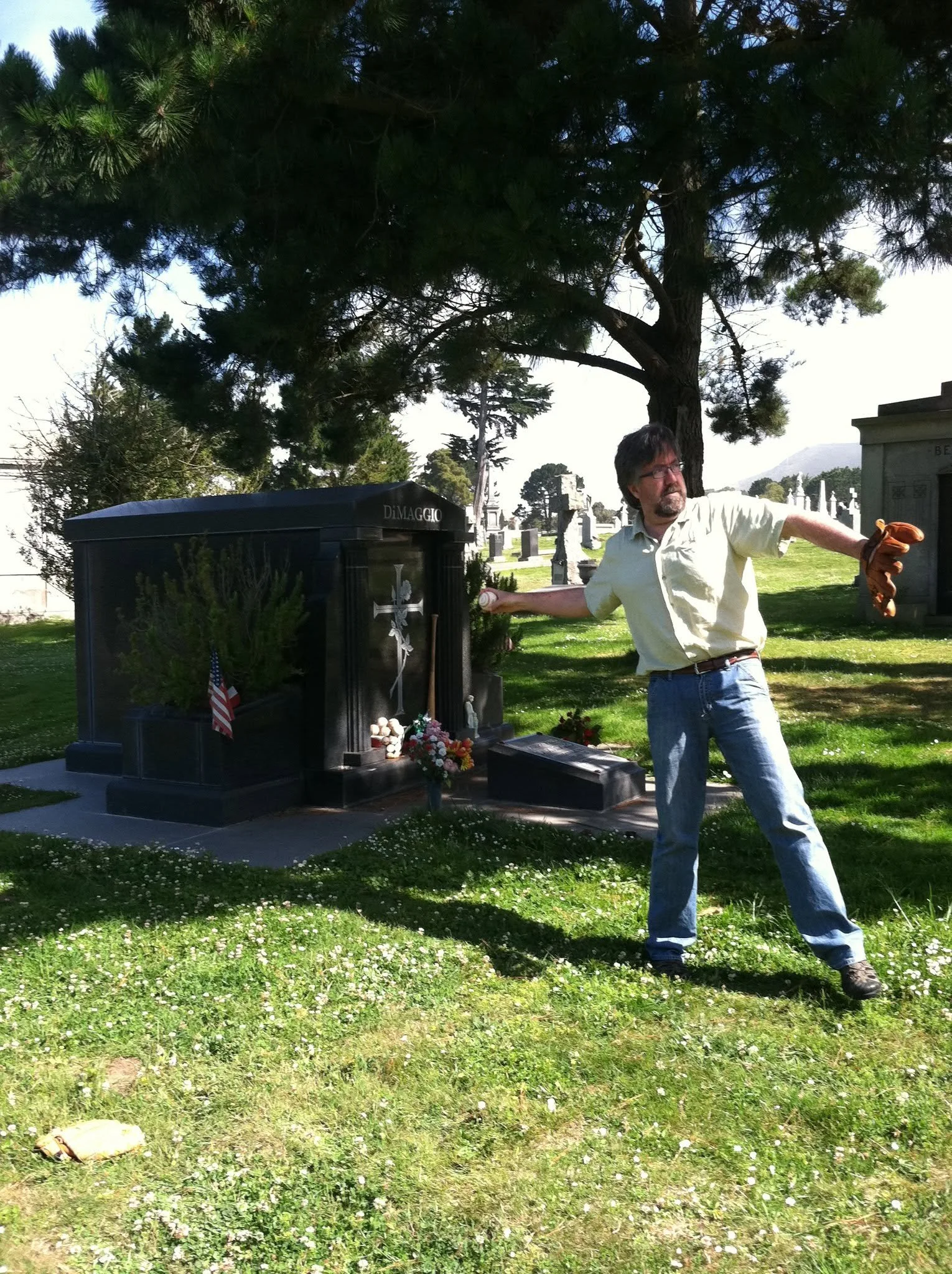
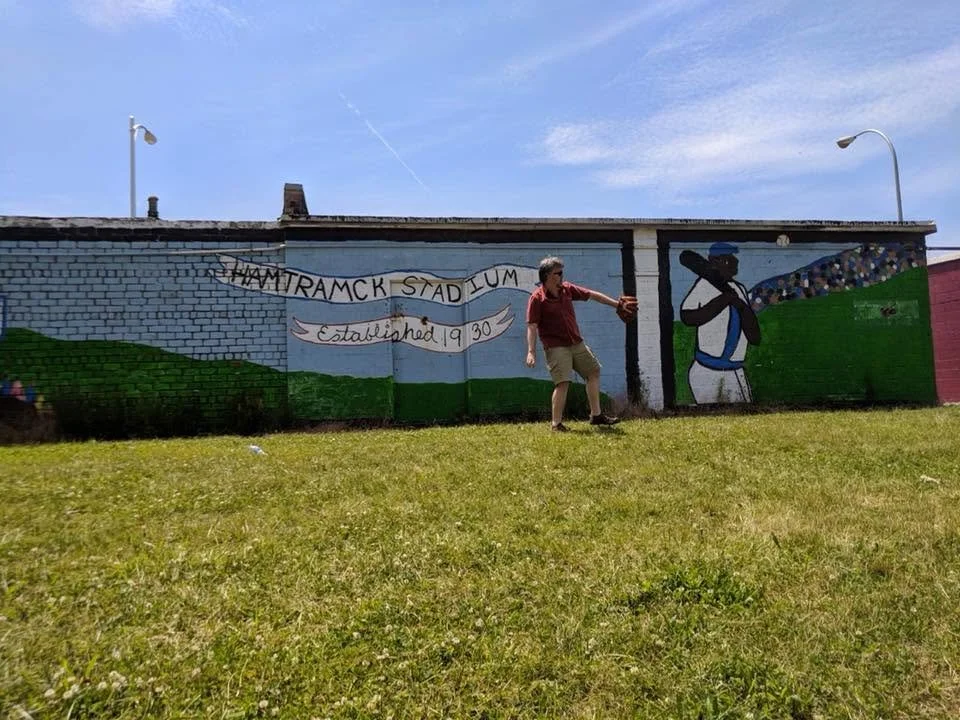
You thought I was joking about the cemeteries thing, didn’t you? Well, I wasn’t. But Mark plays catch in places that aren’t cemeteries, too. This photo of him throwing the ball around at Hamtramck Stadium in Michigan is proof of that.
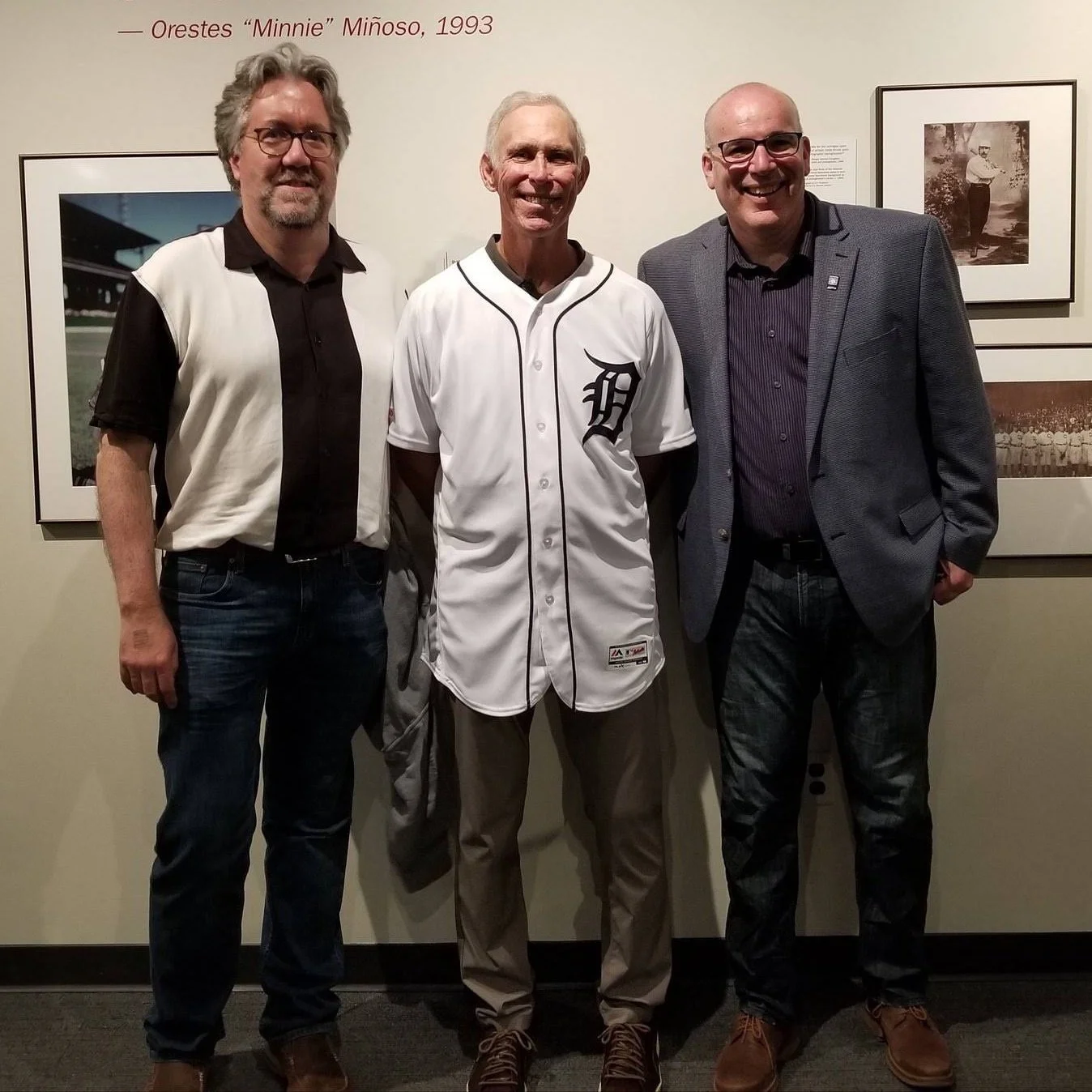
Jason “Heavy J” Schwartz
Here is Mark (left) with Jason (right) and their good buddy, Detroit Tigers shortstop, World Series champion ,and Hall of Famer Alan Trammell.
“It’s hard to always say how Jason is helping you, but he’s kind of always convincing you that you’re awesome. Like, all the time. It seems like a small thing, and maybe I shouldn’t need to hear that, but I kind of do.”
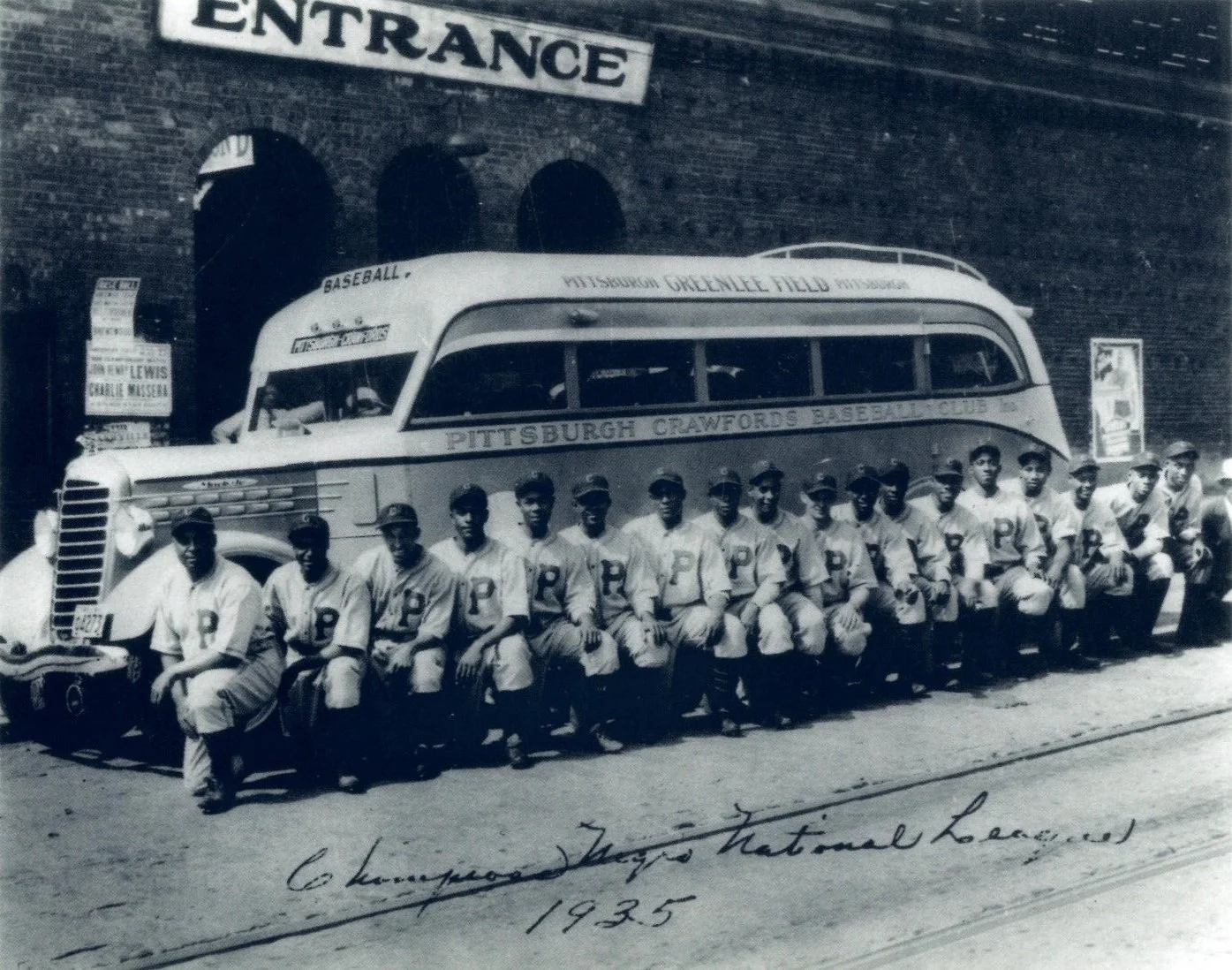
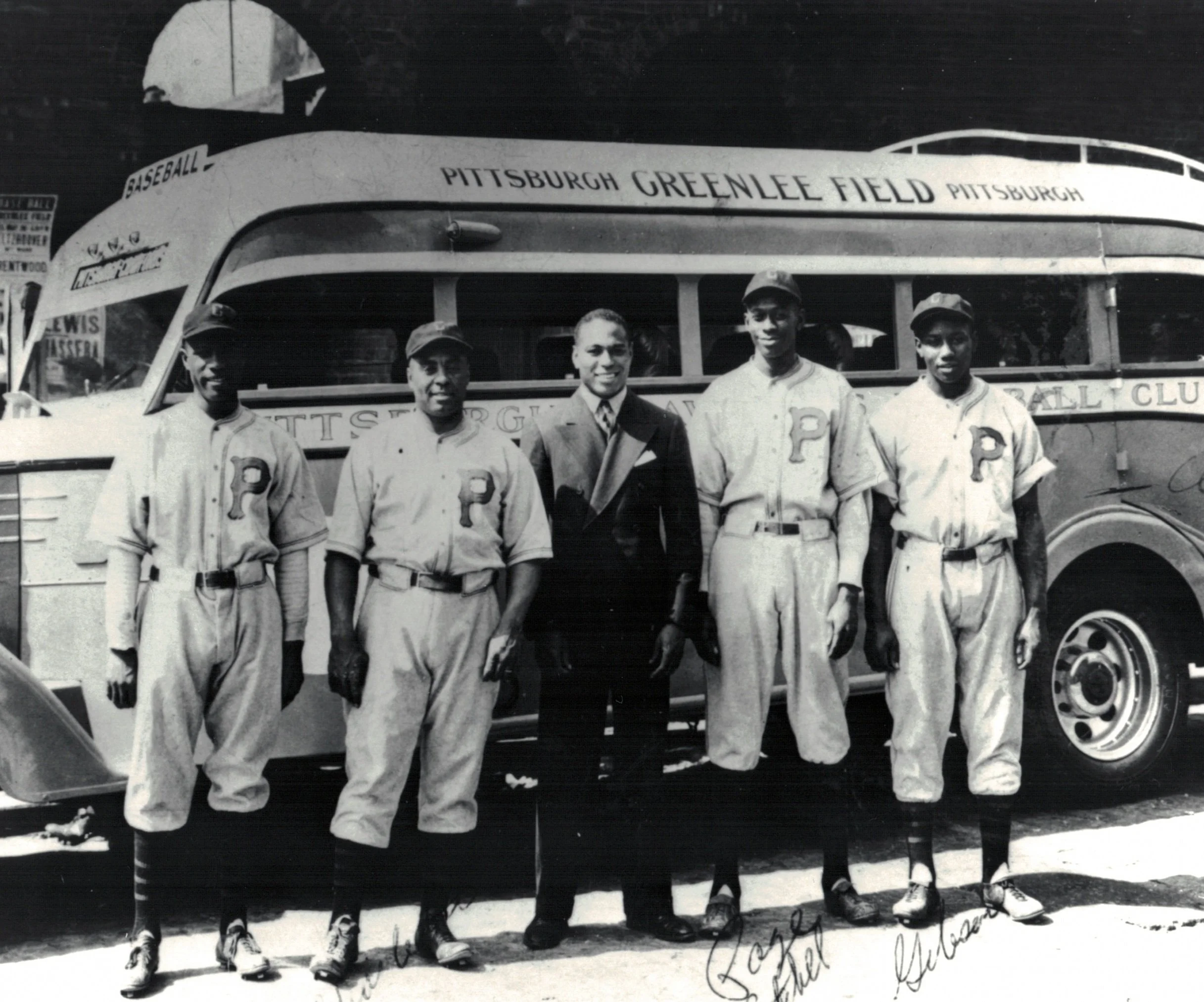
Satchel Paige (second player from right) and Josh Gibson (fourth player from right) were teammates on the 1935 Pittsburgh Crawfords.
May 3, 1936
The Zanesville Signal reports: “Satchel Paige, the sensational ebony moundsman, made our ginks look like duck soap in the seven-inning nightcap, turning them back without a hit. He buzzed his fastball past them with amazing accuracy and fanned seven. The final score was 7-0. Paige allowed only three base runners in his no-hitter, on one walk and two infield errors, and none of them advanced past first. The seven-inning game took only one hour and 18 minutes, but created a lifetime memory for those who witnessed it.
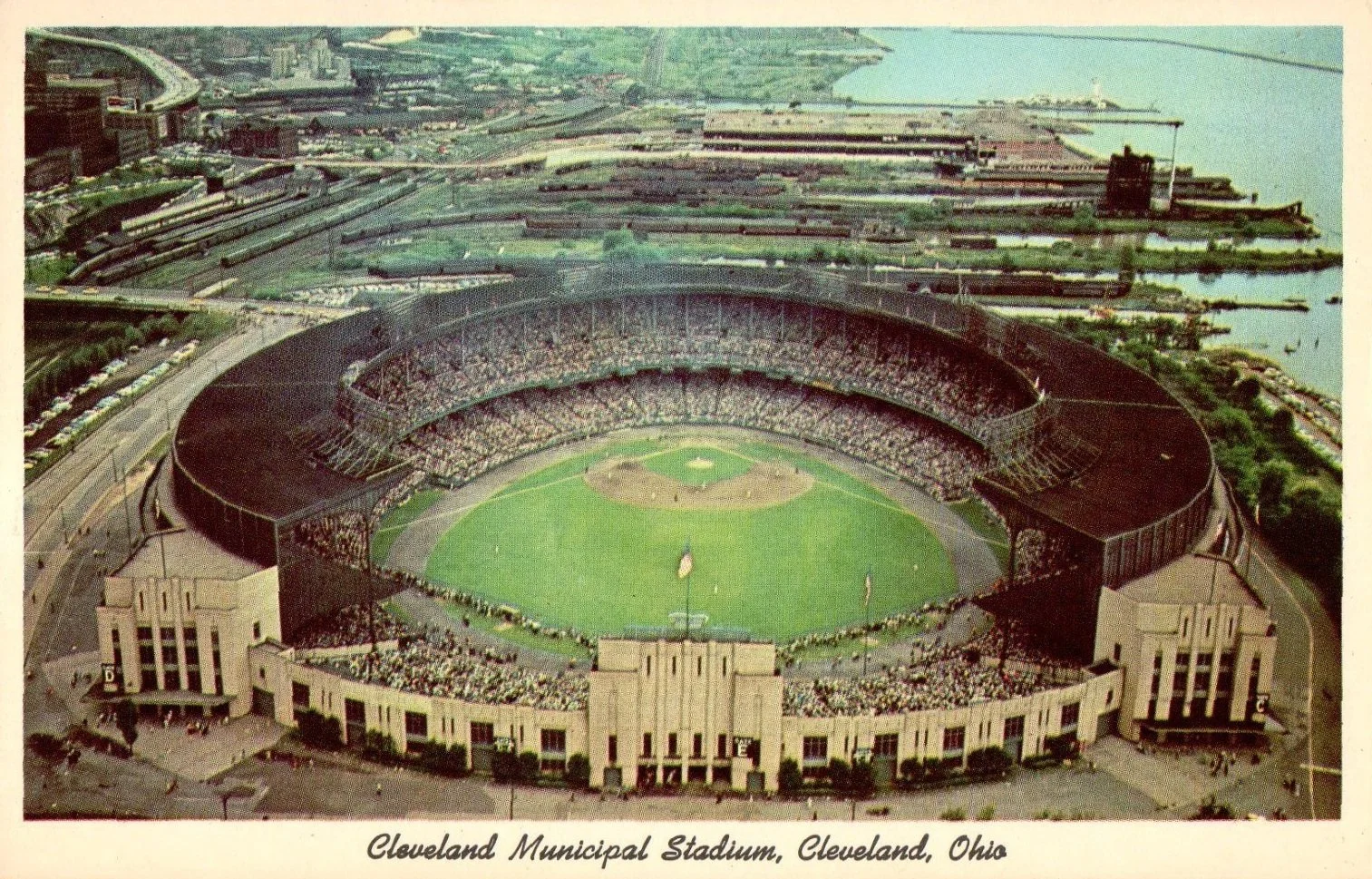
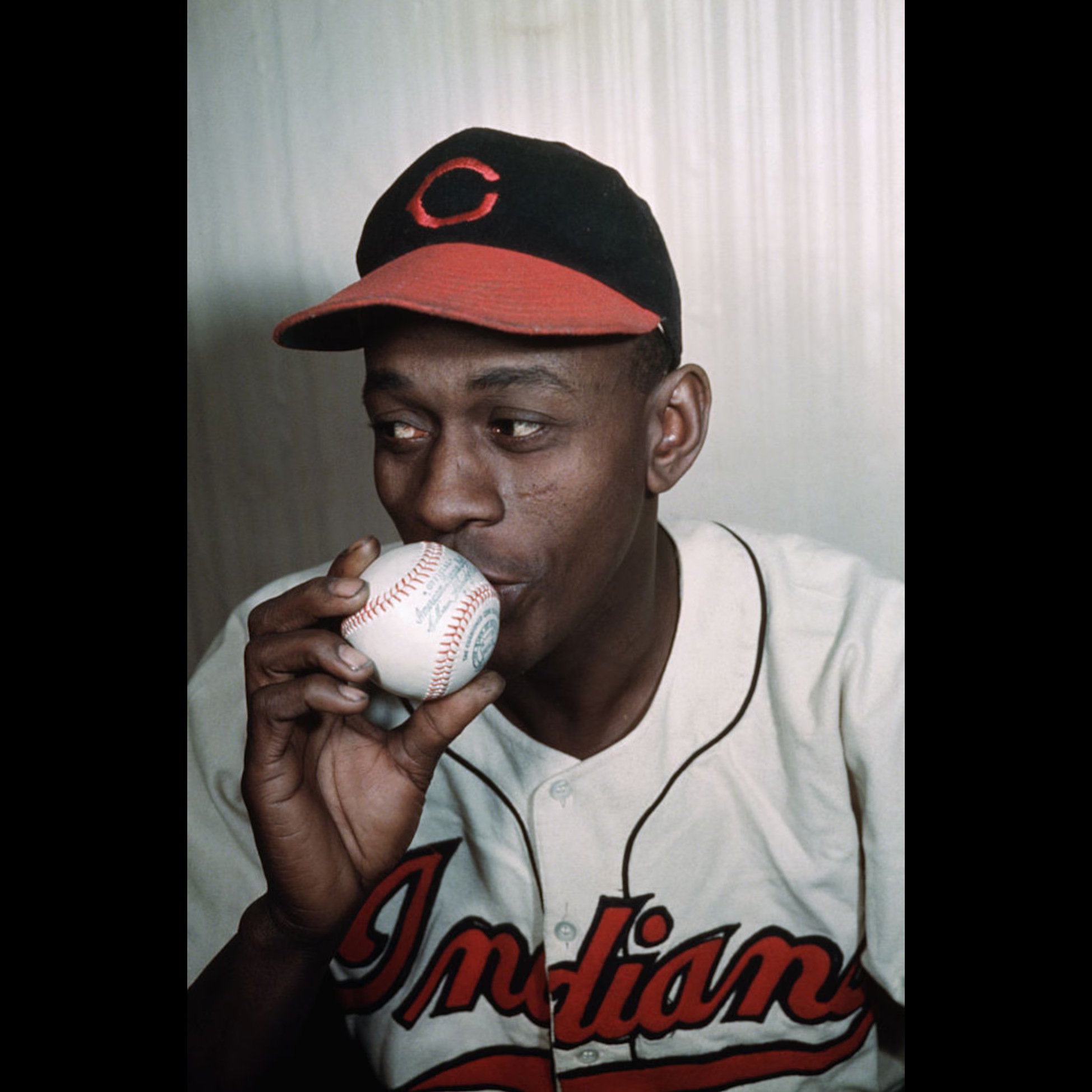
Quite The Draw
When the 1948 Indians broke the all-time single-season attendance record by drawing more than 2.620 million fans, many of the highest-attended games were those pitched by Satchel Paige. One such game, on August 20, 1948 against the White Sox, drew 78,382 fans.
It wouldn’t be until Dodger Stadium was built with a 56,000 seat capacity that a team would challenge the 1948 Indians’ attendance record. The Dodgers drew 2.755 million fans in 1962, but no team would beat the ‘48 Indians mark again until the 1970 Mets drew 2.697 million after their Miracle World Series season the year before.
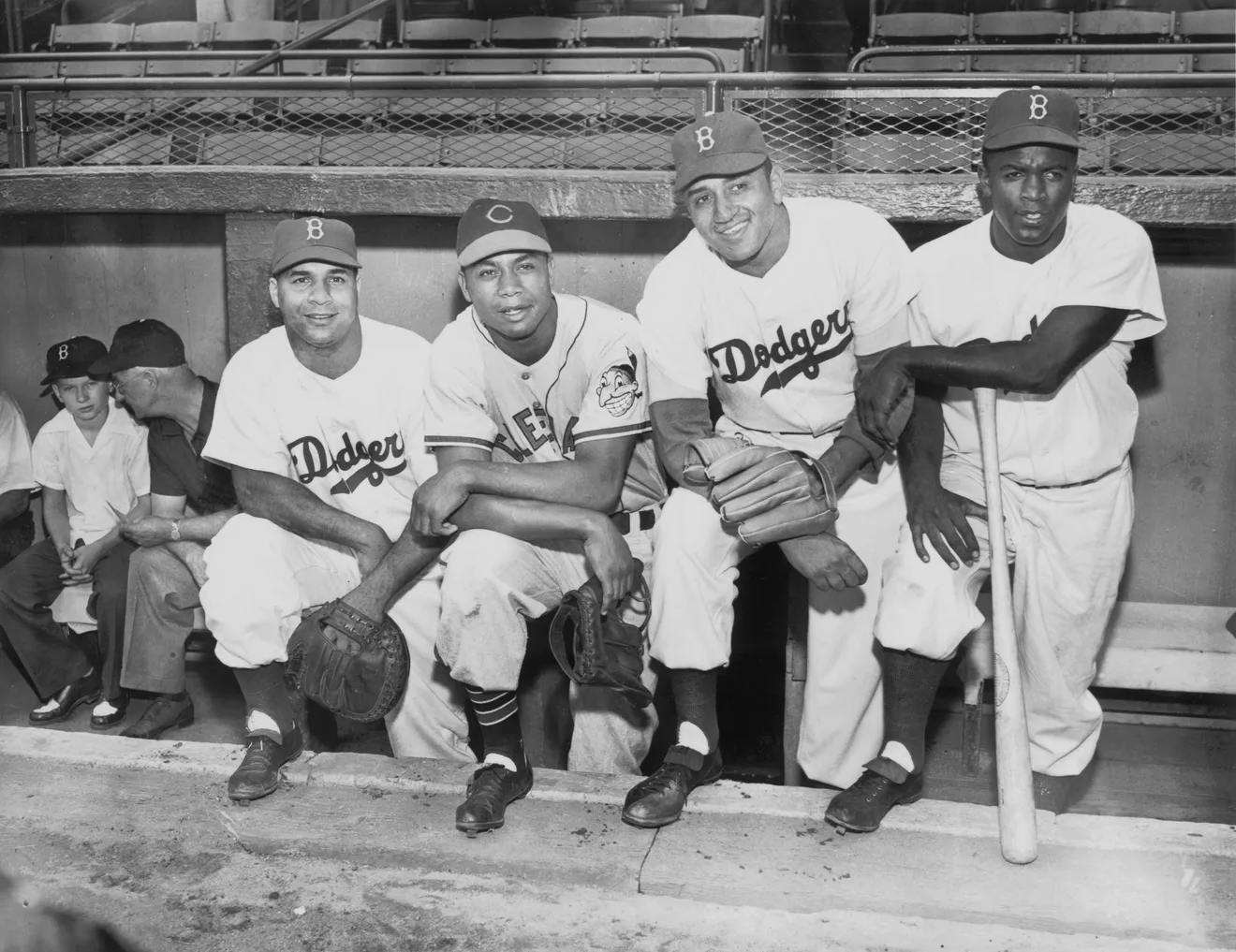
A Potential Time Machine Game
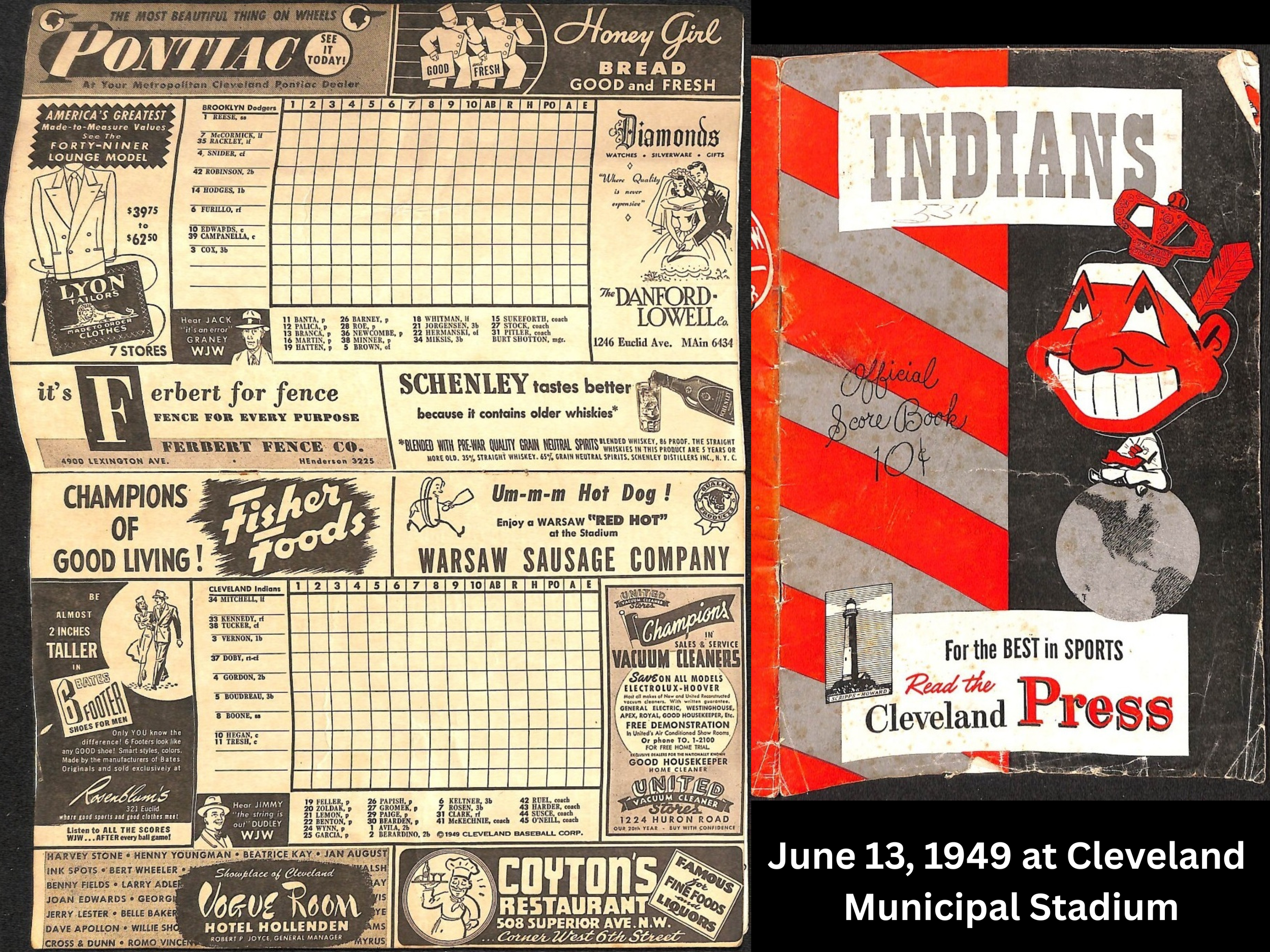
Three weeks before Satchel Paige signed with the Indians, Black stars (left to right) Roy Campanella, Larry Doby, Don Newcombe, and Jackie Robinson posed together at the first game of four played between Cleveland and Brooklyn over two years.
1948-06-14 - Cleveland @ Brooklyn
1948-07-14 - Brooklyn @ Cleveland
1949-06-13 - Brooklyn @ Cleveland (scorecard below)
1949-06-27 - Cleveland @ Brooklyn
“The Satchel Paige Guy”
Mark has become the go-to researcher to ask a question of when you’re trying to learn something about Satchel Paige’s career.
If you’d have told him 5 years ago that that would be the case, he wouldn’t have believed you.
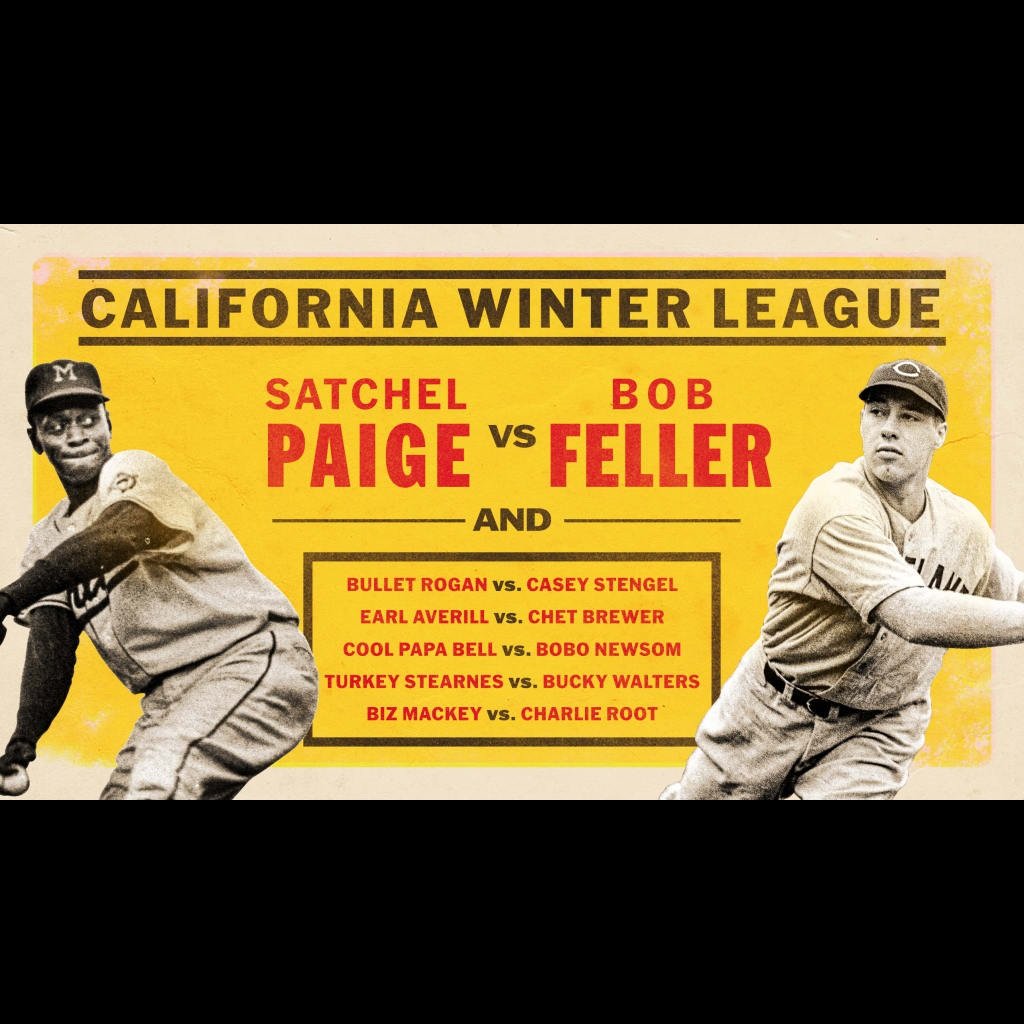
The California Winter League
Thirty-seven years before Jackie Robinson integrated MLB, the California Winter League (CWL) added not just a Black player but an entire Black team -- Rube Foster’s traveling Leland Giants.
And from 1910 until the league folded in 1947, that’s how it was, with Black teams and eventually Negro League teams playing against and, in many seasons, dominating white teams that included scores of AL and NL players.
The teams themselves were still segregated, but at least the league allowed Black players to compete on the same stage as their white counterparts.
Read the great article on the CWL by mlb.com’s Anthony Castrovince HERE
Follow Mark Online
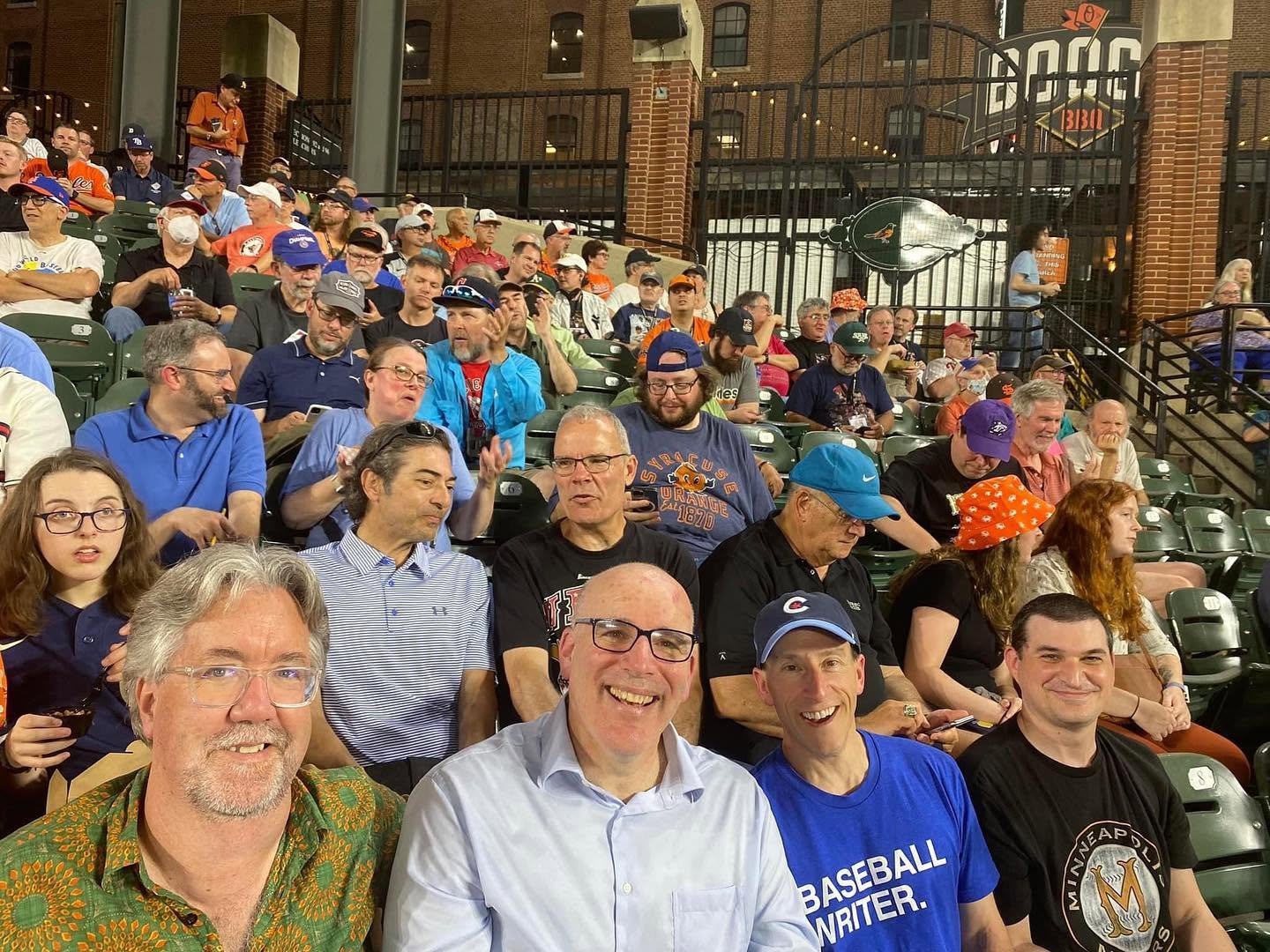
The whole point of attending the SABR convention is to hang out with your buddies from all over the country who you might only see once a year. For Mark to have carved out some time from his yearly get together so we could sit down and record this interview really meant a lot.
Support My Baseball History
If you don’t have PayPal and want to send a donation through Venmo, Zelle, Cash App, or any other platform, email me at shoelesspodcast@gmail.com and I’ll send you directions for whichever method you prefer, including a credit card or debit card, if that’s what works for you.
We appreciate you being here.
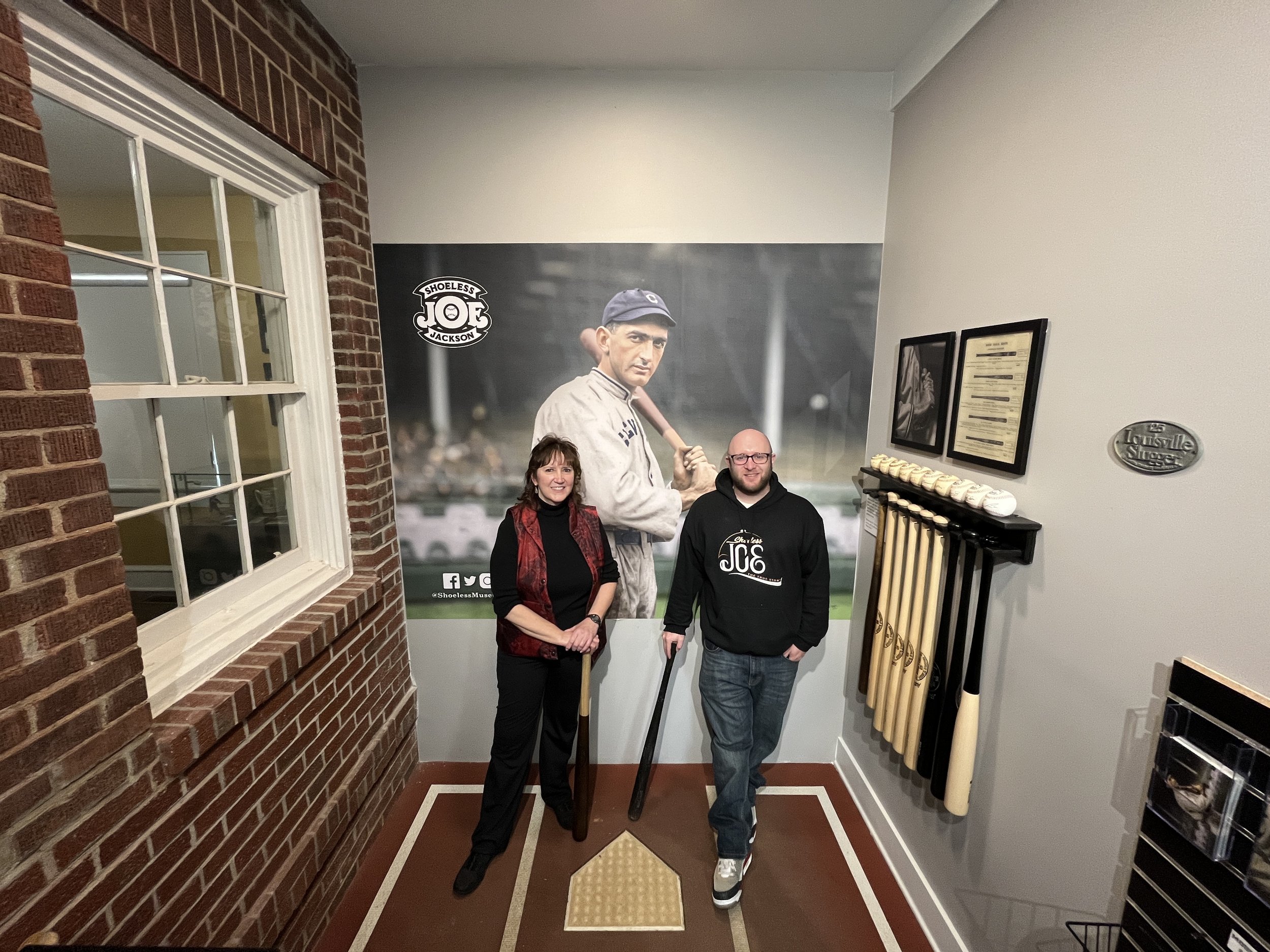
A Strong Connection
My mom thinks we have a strong connection from all of the time we spent together when I was running the Shoeless Joe Jackson Museum and she was there volunteering so often.
I felt like we had a pretty strong connection before that, too, but it’s whatever.
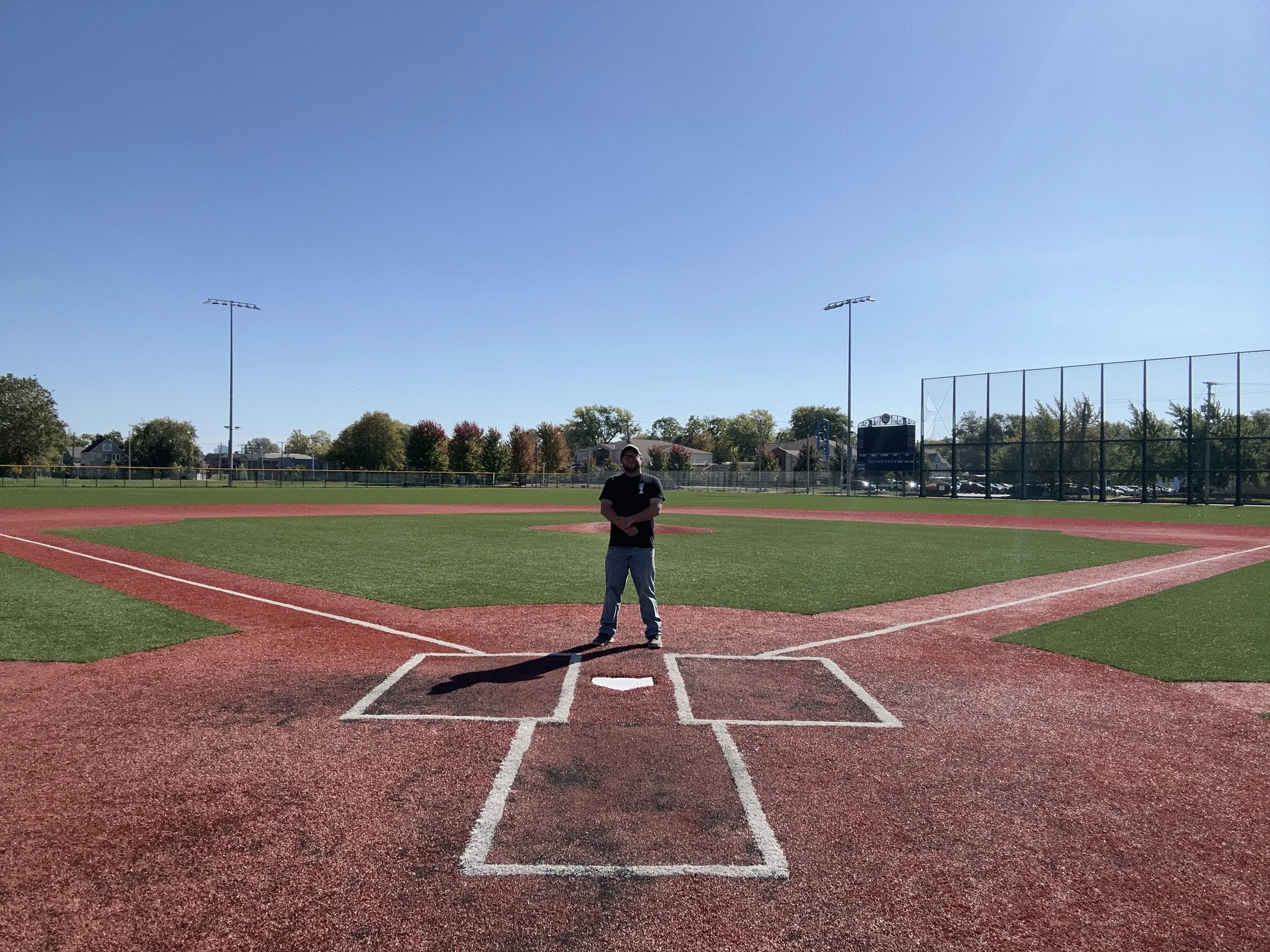
Moving to Cleveland and working at League Park has given both my mom and me something new to dive into, research-wise.
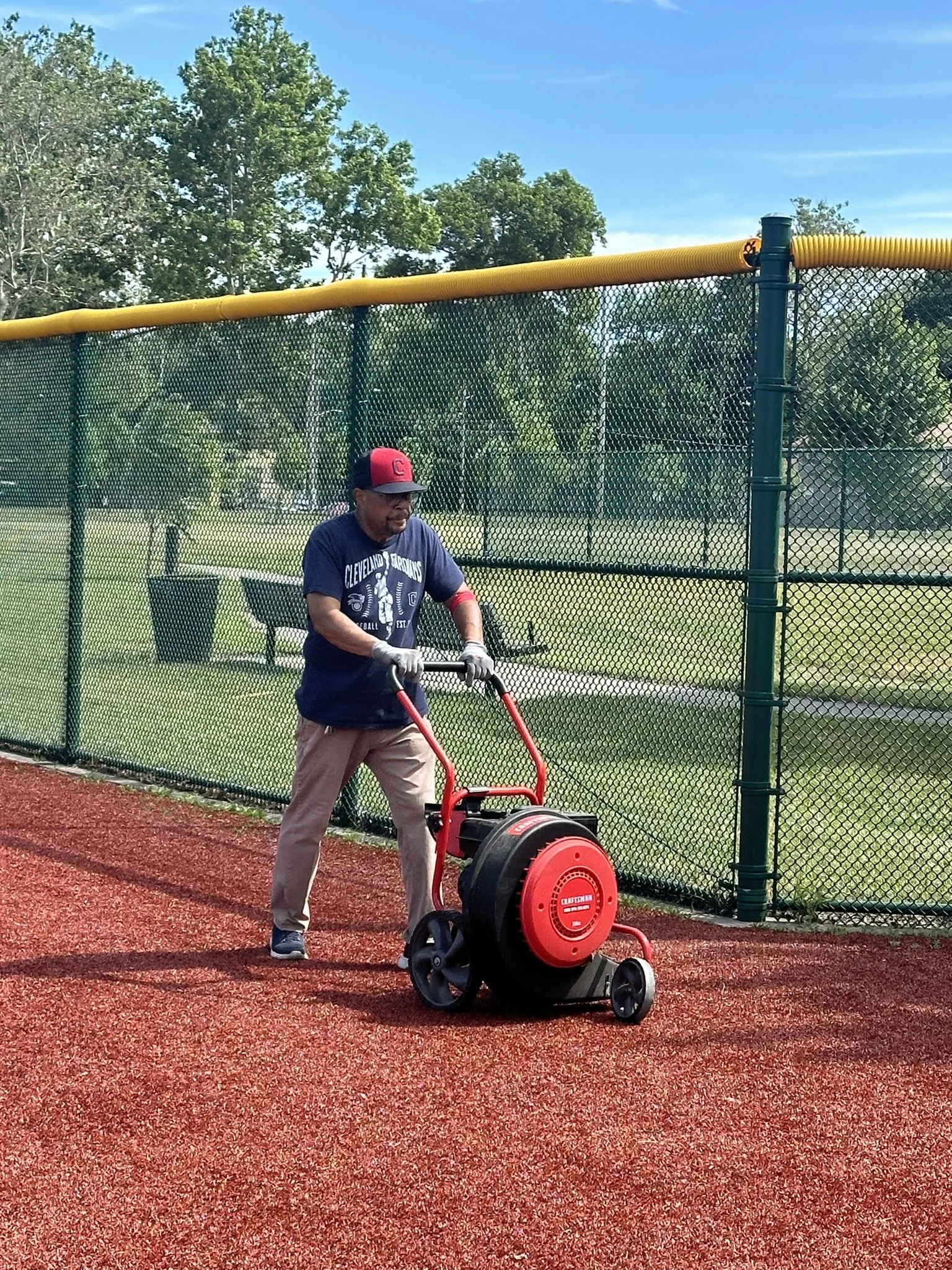
Chuck
Chuck has been one of my favorite coworkers I’ve ever had. He has taught me so much about Cleveland’s history, from its political history, to its Black history, to its sports history, and everything in between.
To hear what it was like to grow up in Cleveland, and around League Park, straight from someone who was there for it all… there’s nothing like it.
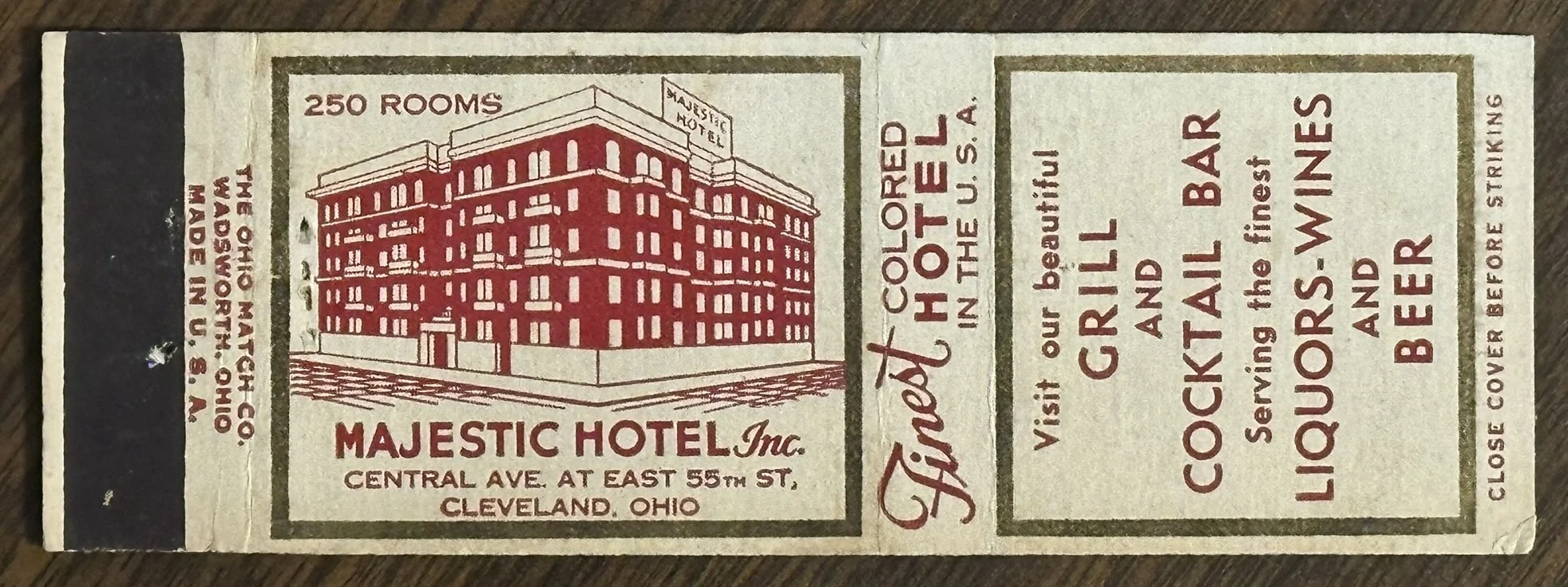
From my personal collection, thanks to knowledge I gained from talking with Chuck.
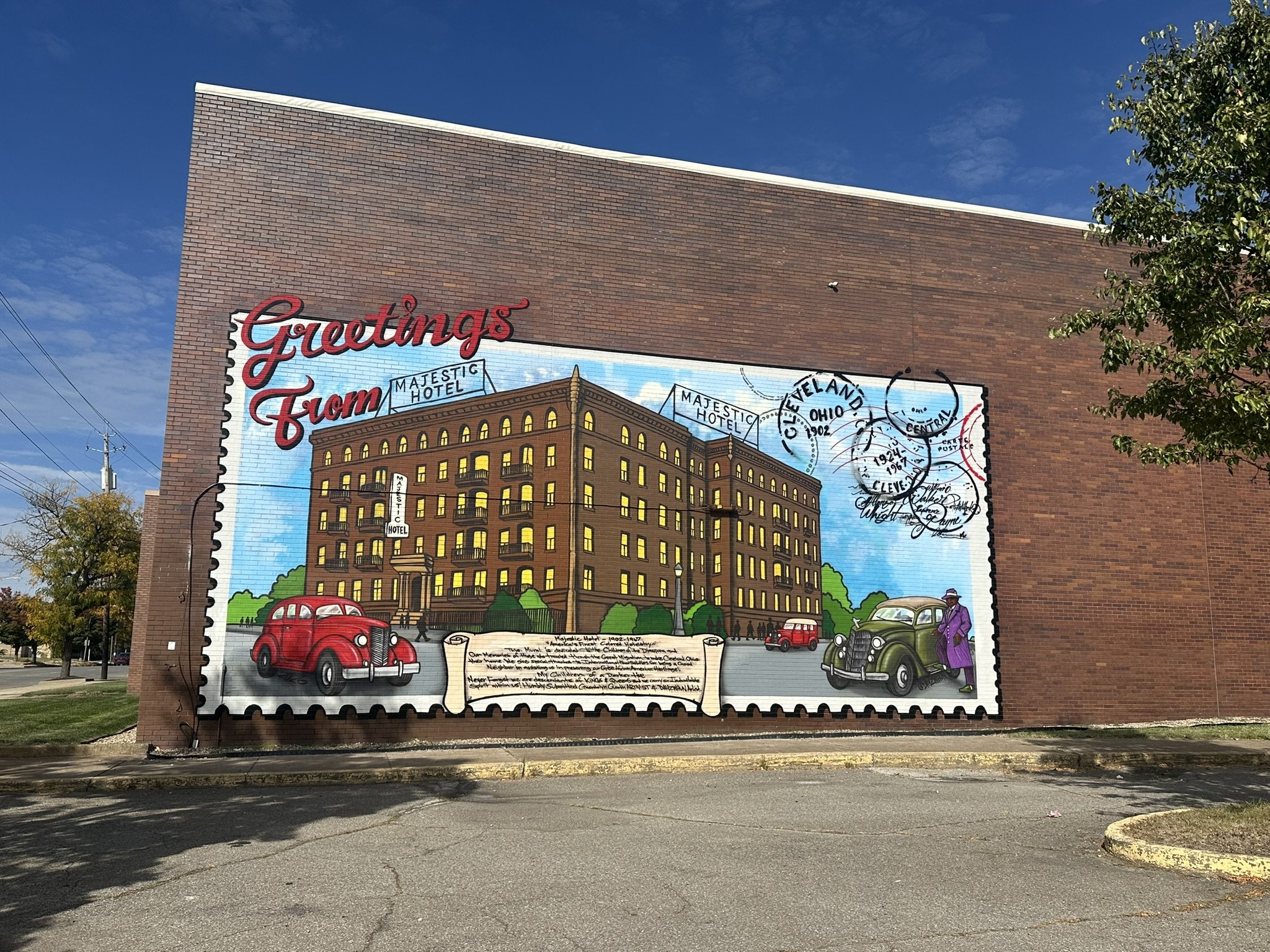
This brand new mural was completed in October of 2026 at the former site of the Majestic Hotel, the northeast corner of E. 55th Street and Central Avenue in Cleveland.
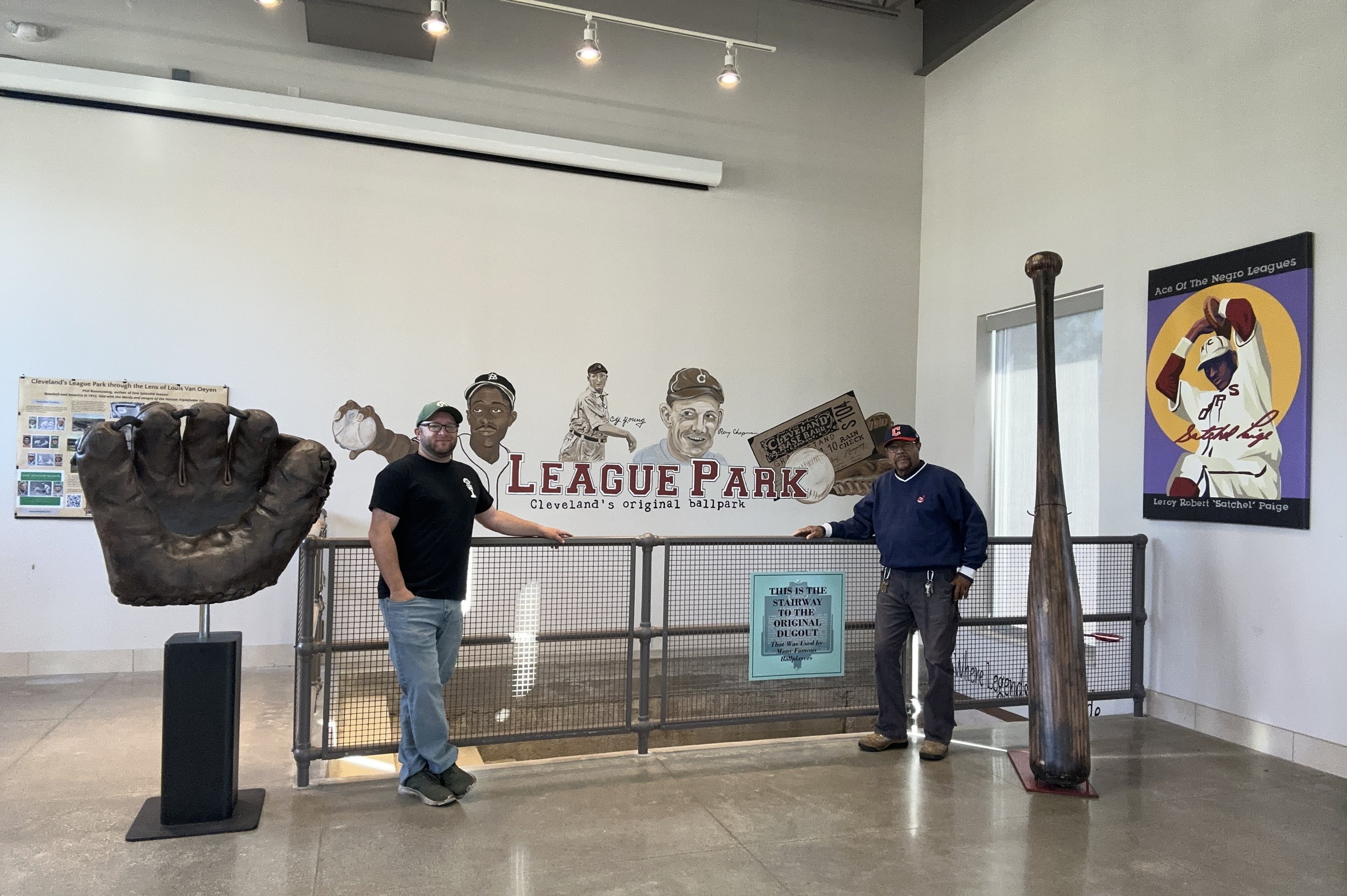
The City of Cleveland is lucky to have an ambassador like Chuck at such a historic location as League Park, and I am lucky to have him as a coworker and friend.

Harvey, Illinois
The first thing my mom did when I sent her the link to Mark’s Satchel Paige map was look up if Satchel had pitched in her hometown of Harvey, Illinois.
He did, twice.
May 30 and July 26 of 1959, while playing for the Havana Cuban Stars at Hideaway Park.
Pretty cool.
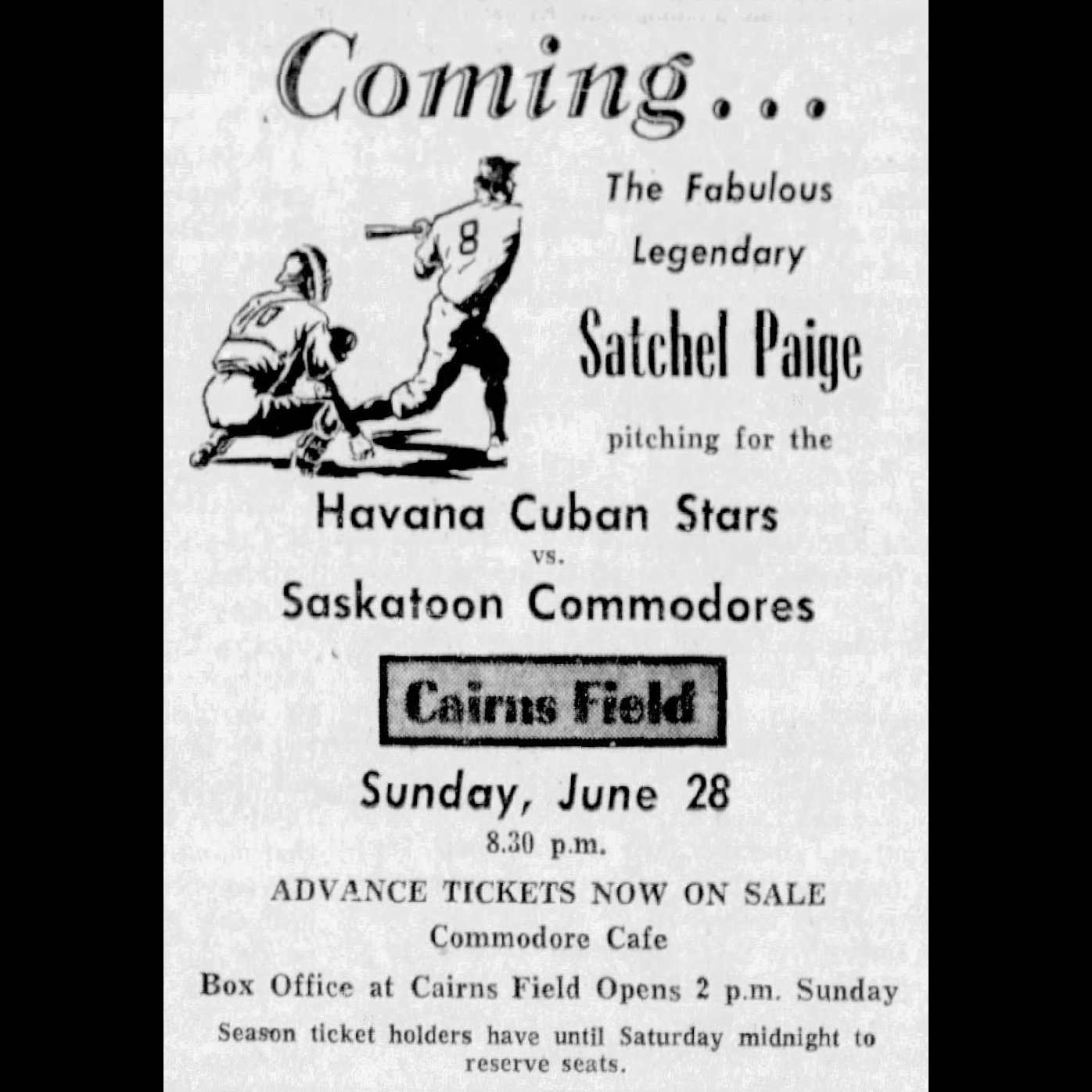
Havana Cuban Stars
Paige finished the 1958 season 10–10, and stated that he would not return to Miami in 1959.
Later that year, Paige returned to his barnstorm roots and signed a contract to pitch for the Havana Cuban Stars who were owned by Dempsey Hovland.
Paige carried on his life in and out of baseball, pitching professionally in some capacity over the next decade.
Astonishingly, at the age of 55, Paige signed with the Triple-A Portland Beavers of the Pacific Coast League, and would barnstorm into Canada again in 1963 (see the video below).
CHAT TV video clip of Paige pitching in Medicine Hat in 1963. Courtesy of the Esplanade Archives, Accession Number 2015.08.0201.
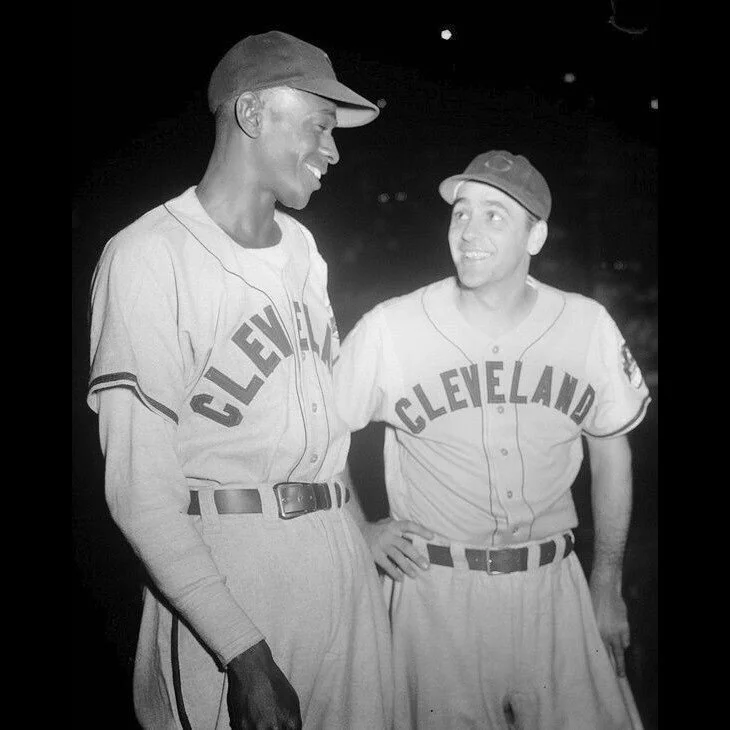
Lou Boudreau
Lou Boudreau was Harvey, Illinois’ hometown hero. After he led the Cleveland Indians to the 1948 World Series title as their player/manager, he came back to Harvey for the offseason and was greeted with a parade in his honor.
Lou was still living in Harvey in 1959 when his former teammate, Satchel Paige, pitched two games there. It’s very possible that Boudreau helped Paige set those games up, and took care of him while he was in town to make sure he made out alright.
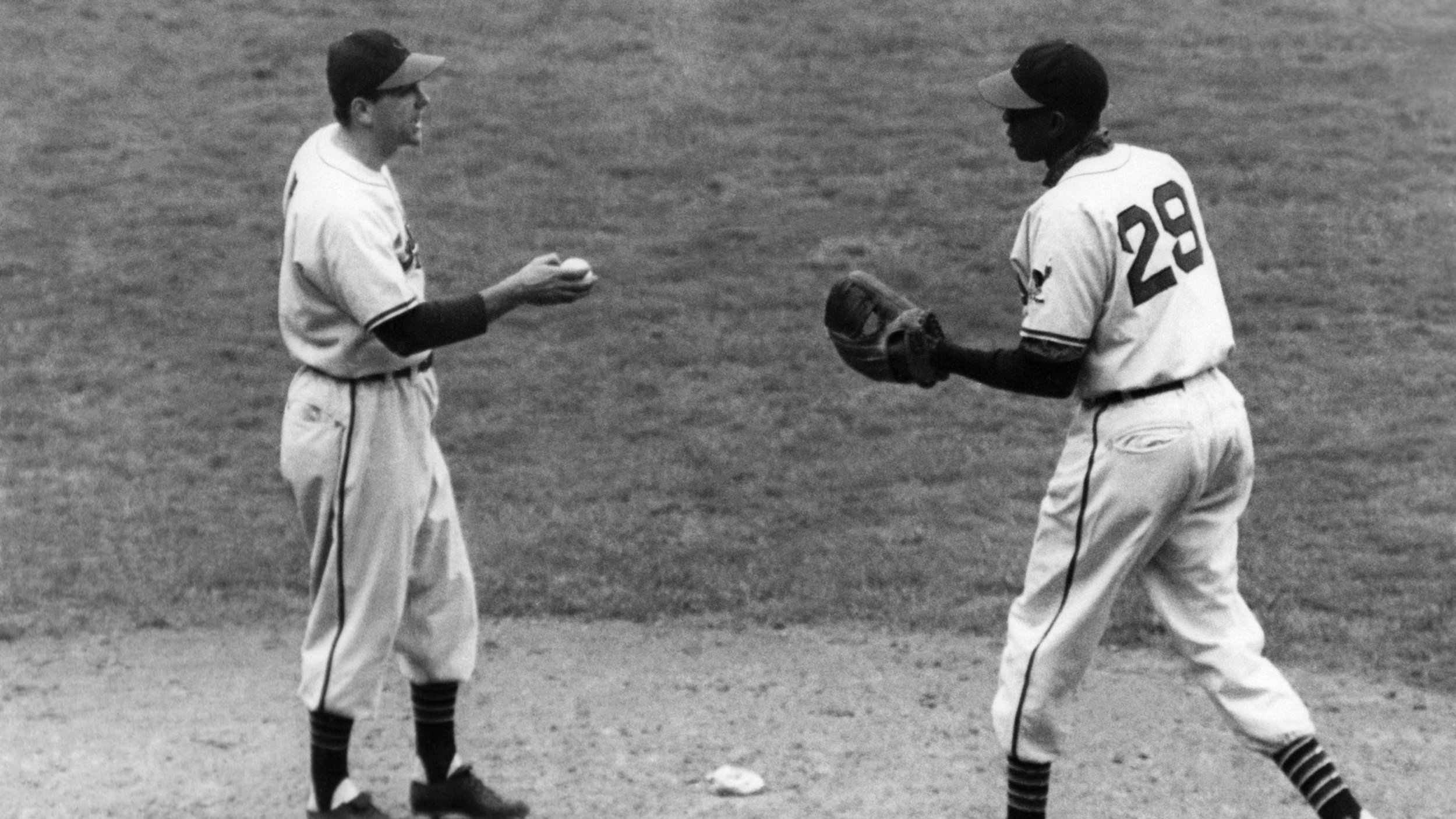
Lou and Satchel during a pitching change while members of the Cleveland Indians.
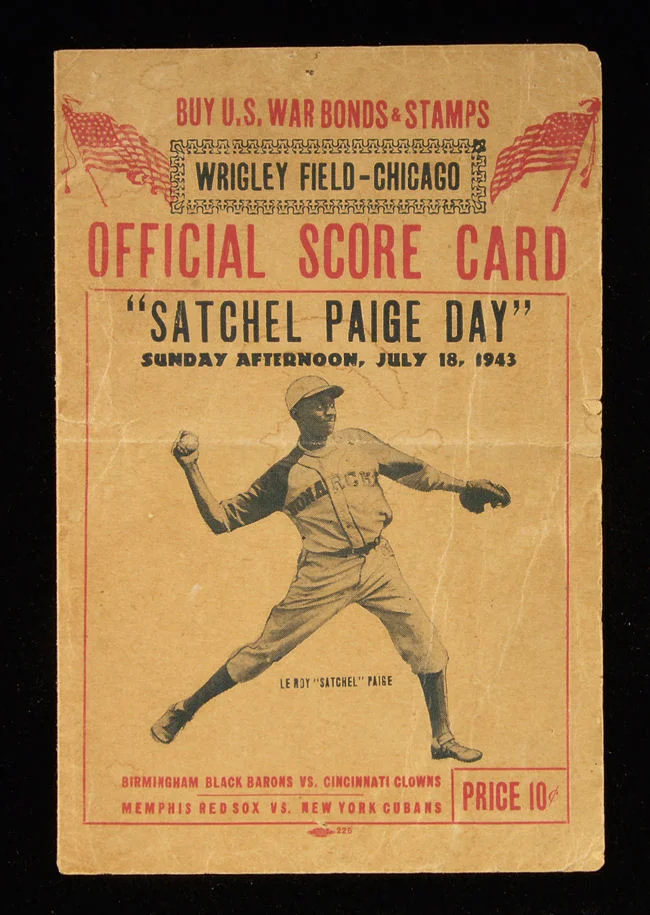
Satchel at Wrigley Field in Chicago
Mark has eight documented games pitched by Satchel at Wrigley Field:
May 24, 1942 with the Kansas City Monarchs
July 26, 1942 with the Kansas City Monarchs
July 18, 1943 with the Memphis Red Sox (seen here)
August 15, 1943 with the Kansas City Monarchs
August 29, 1943 with the Kansas City Monarchs
June 4, 1944 with the Kansas City Monarchs
July 30, 1944 with the Kansas City Monarchs
September 3, 1944 with the Birmingham Black Barons
In 45 innings pitched across those eight games, Satchel struck out 49 batters.
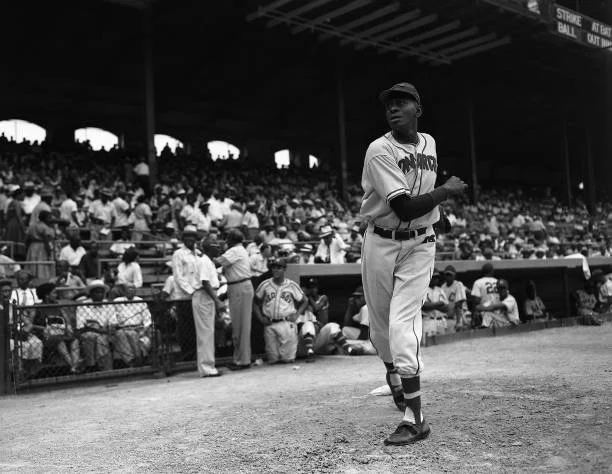
Satchel at Comiskey Park in Chicago
Mark has 33 documented games pitched by Satchel at Comiskey Park, ranging from the East-West All-Star Game on August 6, 1934, to June 23, 1967 in a barnstorming game with the Indianapolis Clowns.
Here, Paige warms up before the East-West All-Star Game on July 31, 1955. He threw 3 innings, didn’t allow a hit, and struck out two batters that day. He turned 49 years old 25 days earlier.

Oral Histories
Yankees pitcher Whitey Ford, left, and Satchel Paige swap pitching talk on the steps of the Yankees dugout on August 17, 1961 in New York.
Since so many Black newspapers are defunct and/or were never digitized, much of Negro Leagues history and the history of Black baseball and Black baseball players has survived only through oral histories. This can be problematic as not everyone’s memory is always 100% correct.

Appreciation Dinner
Three people my mom is very familiar with. Left to right: Bill Veeck, Satchel Paige, and Casey Stengel at an appreciation dinner for Satchel on October 3, 1971, in Kansas City, shortly after Satchel was inducted into the Hall of Fame. Stengel had been inducted in 1966, along with Ted Williams. Veeck passed away in 1986, five years before he would be inducted in 1991.
Bill’s son, Mike, who has been a lifelong baseball showman in his own right, was our guest for Episode 4 of Season 3. You can listen to that episode HERE.
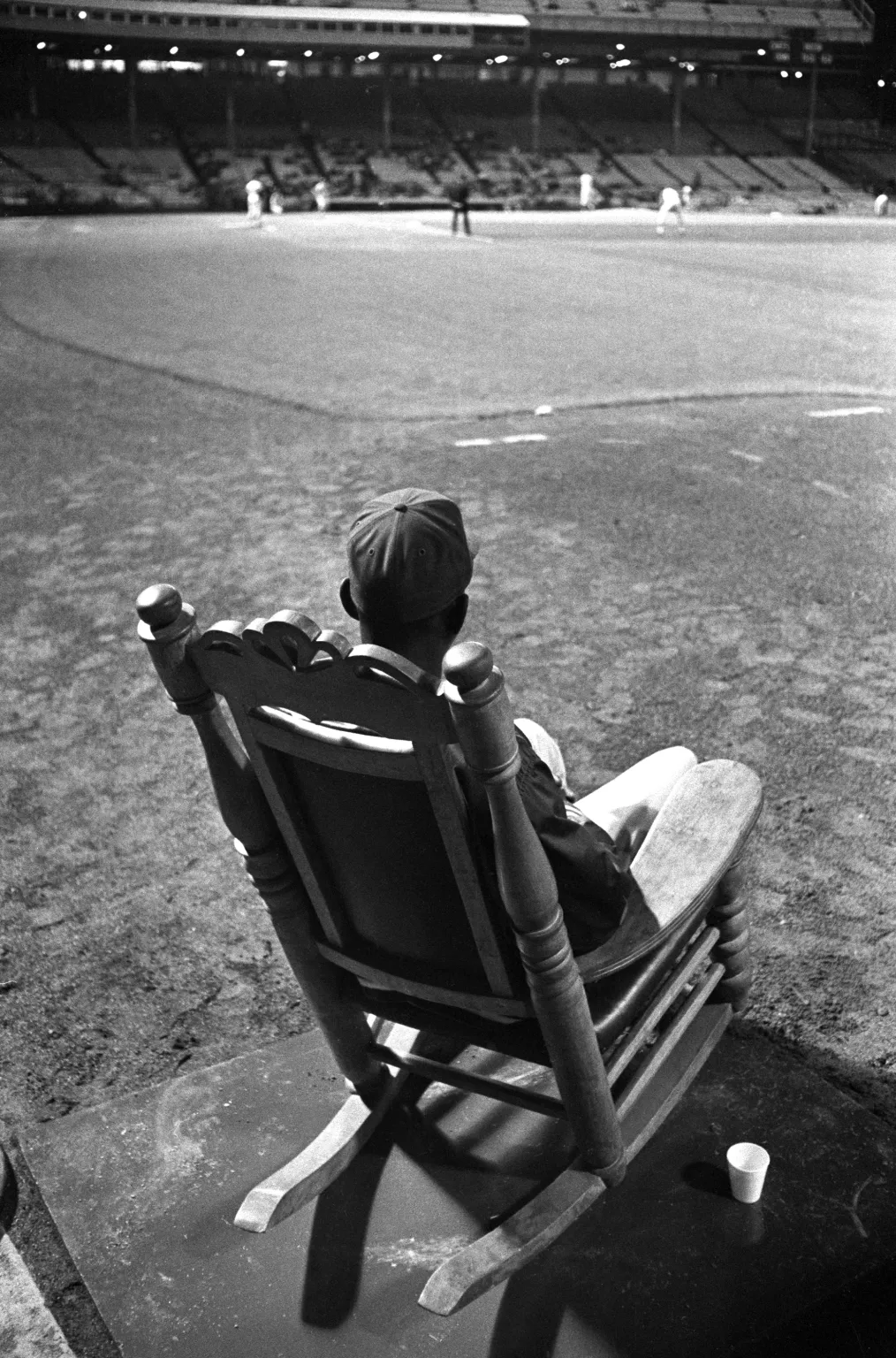
Everyone Always Gave Satchel Their Best Shot
On September 25, 1965, at age 59, Satchel Paige threw three scoreless innings for the Kansas City Athletics against the Boston Red Sox, the American League’s top slugging offense. The oldest player ever to appear in an MLB game gave up only one hit (to a fellow future Hall of Famer) and no walks.
In 1990, Larry Lester wrote to each ballplayer on both teams. A questionnaire about “What was it like playing that game?” He kept all those letters.
Excerpts from the late Bill Monbouquette’s questionnaire: I remember our guys saying, “I’m going to hit one off of the old man.” He mowed us down like taking candy from a baby. It really was a shame he never got the chance to pitch in the M.L. for a long period of time. Baseball really missed not only a great pitcher but a great showman.
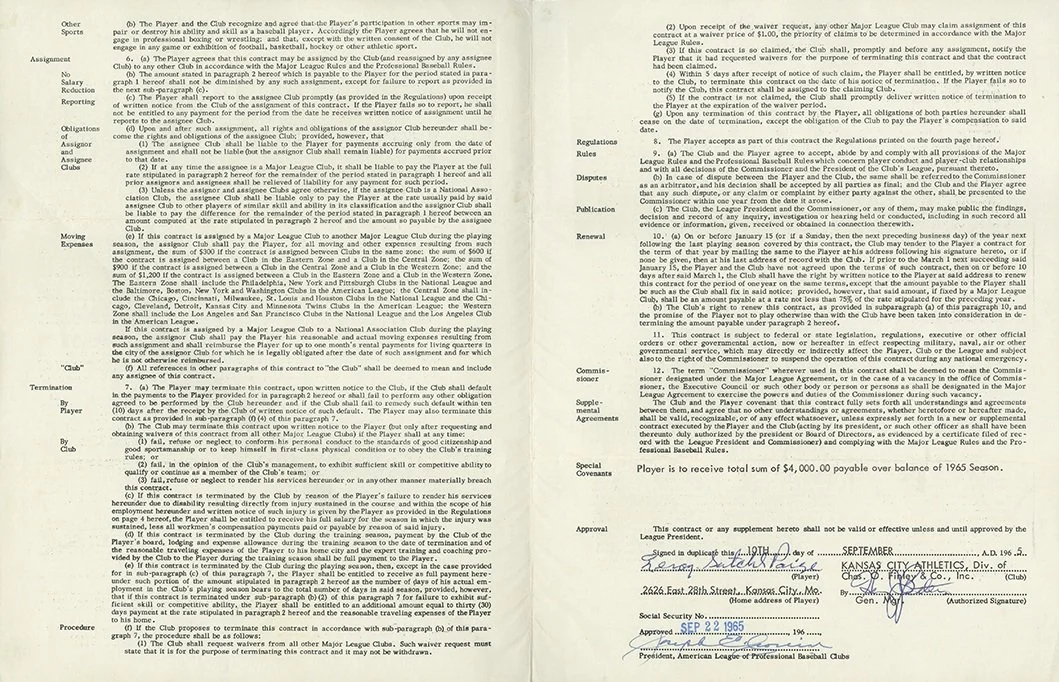
Satchel’s 1965 contract
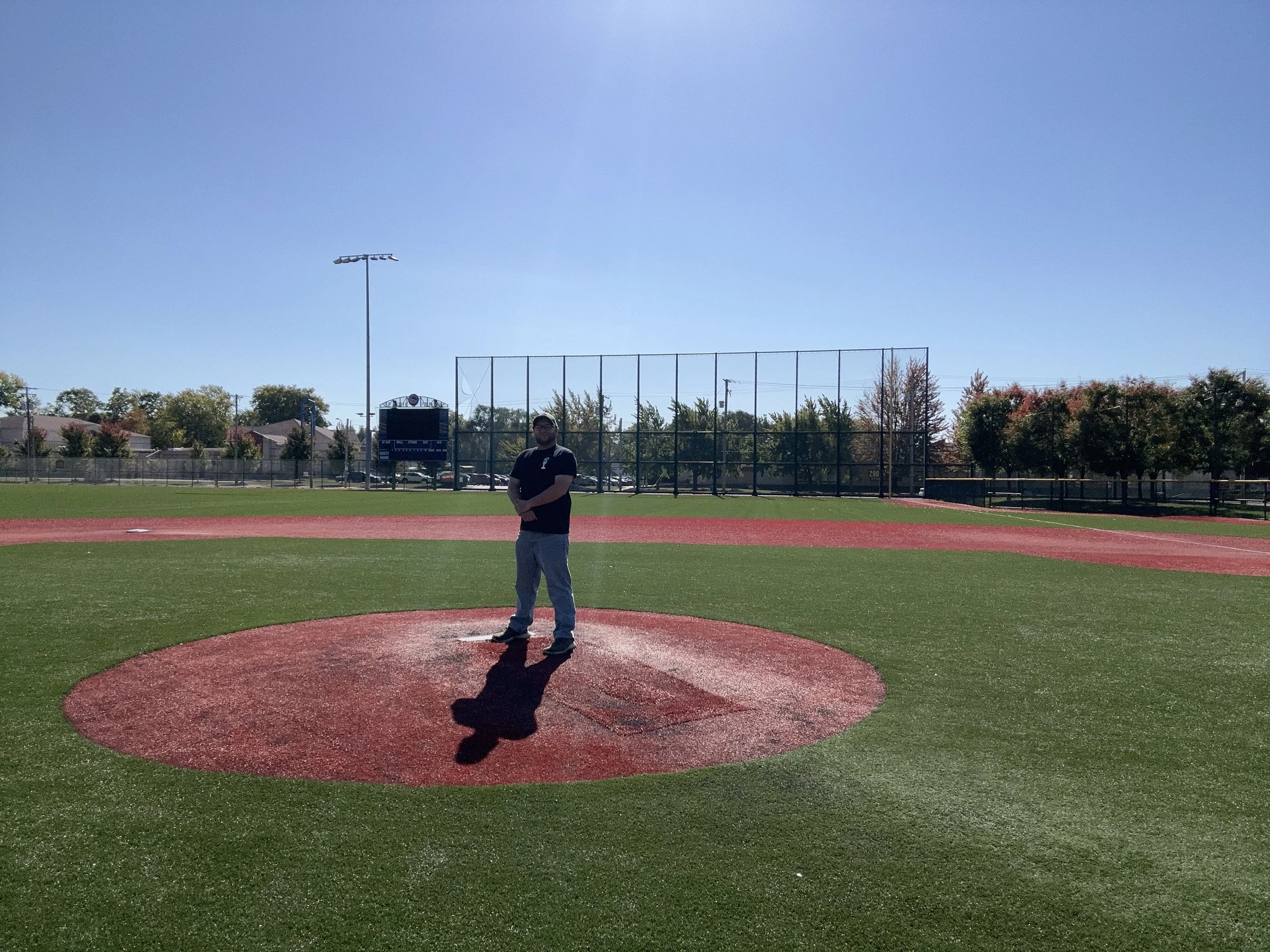
Satchel at League Park in Cleveland
Mark has nine documented games pitched by Satchel at League Park, ranging from an October 21, 1934 pitching appearance for the Negro National League All-Stars, to a June 15, 1947 appearance pitching for the Kansas City Monarchs.
In this photo, I am standing on the mound at League Park, in the exact same spot Satchel threw from.
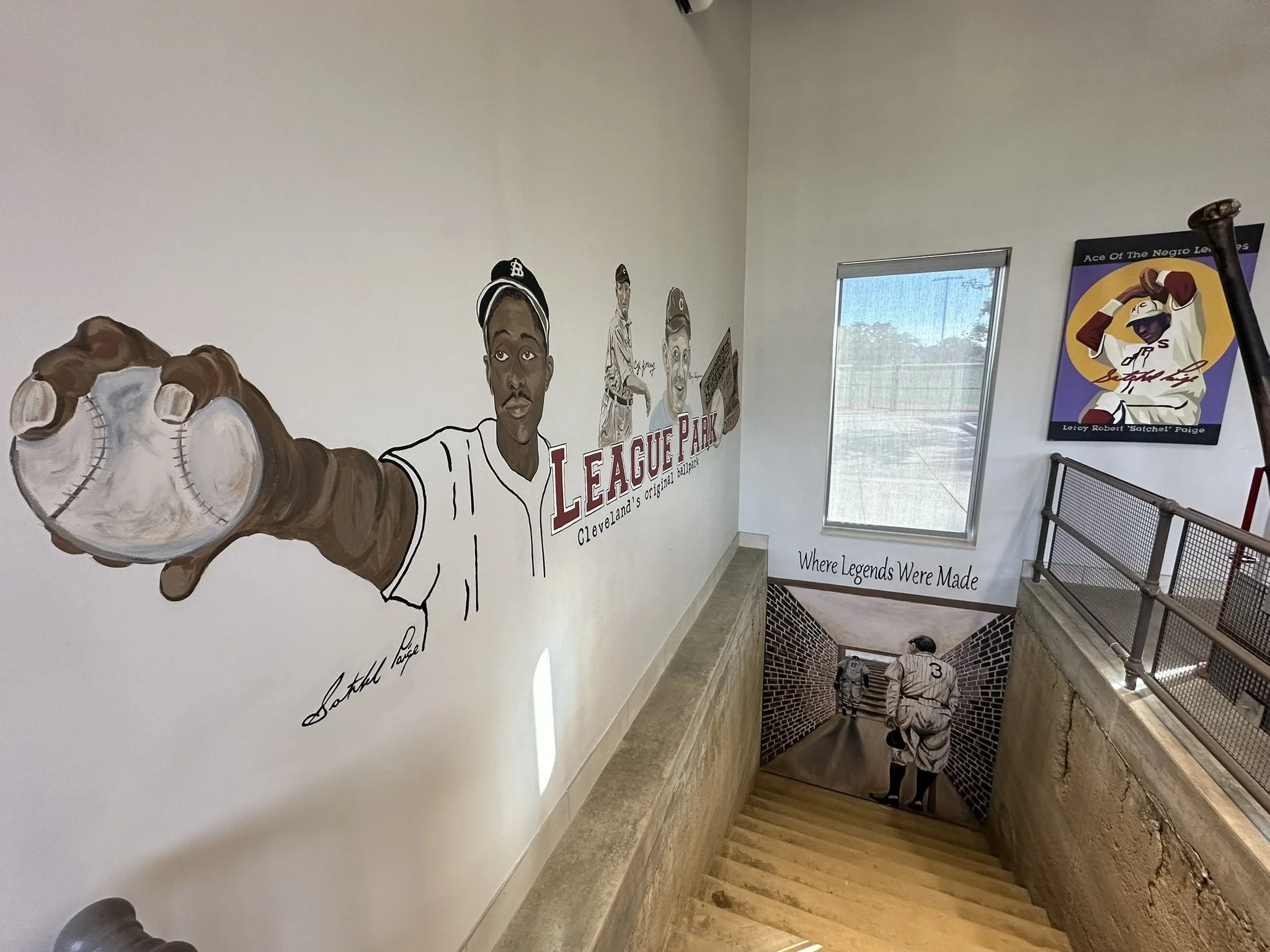
Satchel walked down these steps to get from the clubhouse to the field at League Park every time he pitched there. His best performance at the Cleveland ballpark was probably his first documented appearance on October 21, 1934 for the Negro National League All-Stars vs. the Dean Brothers and Rosenblums in a barnstorming game. Satchel went 6 innings, gave up zero runs, didn’t allow a hit, and struck out 13 batters to get the win.
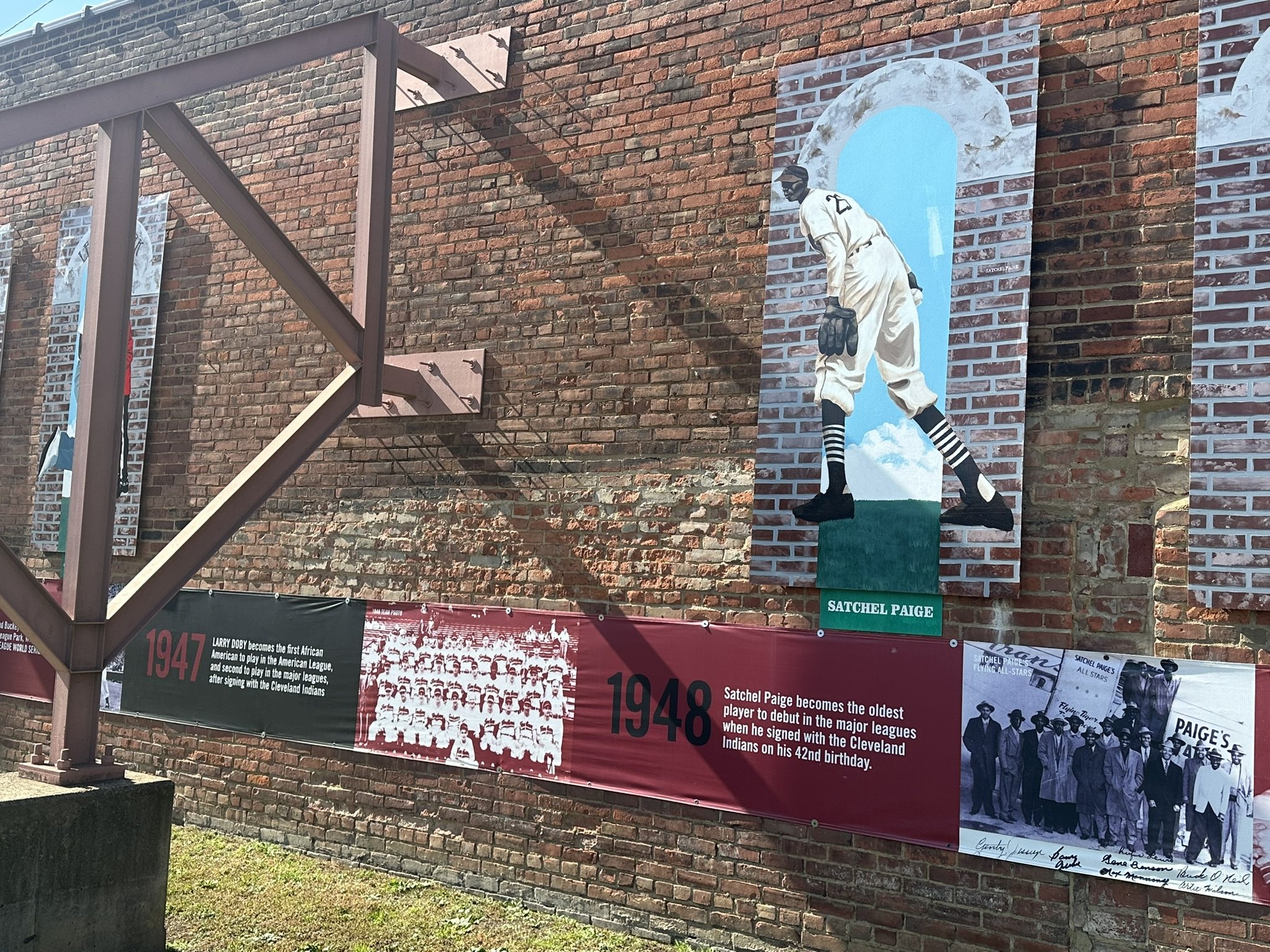
Two other contenders for Satchel’s best performance at League Park:
- July 19, 1936 for the Pittsburgh Crawfords of the Negro National League vs. the Nashville Elite Giants (9 IP, 1 run, 4 hits, 11 strikeouts, Win)
- June 11, 1944 for the Kansas City Monarchs of the Negro American League vs. the Cleveland Buckeyes (12 IP, 2 runs, 8 hits, 6 strikeouts, Win)
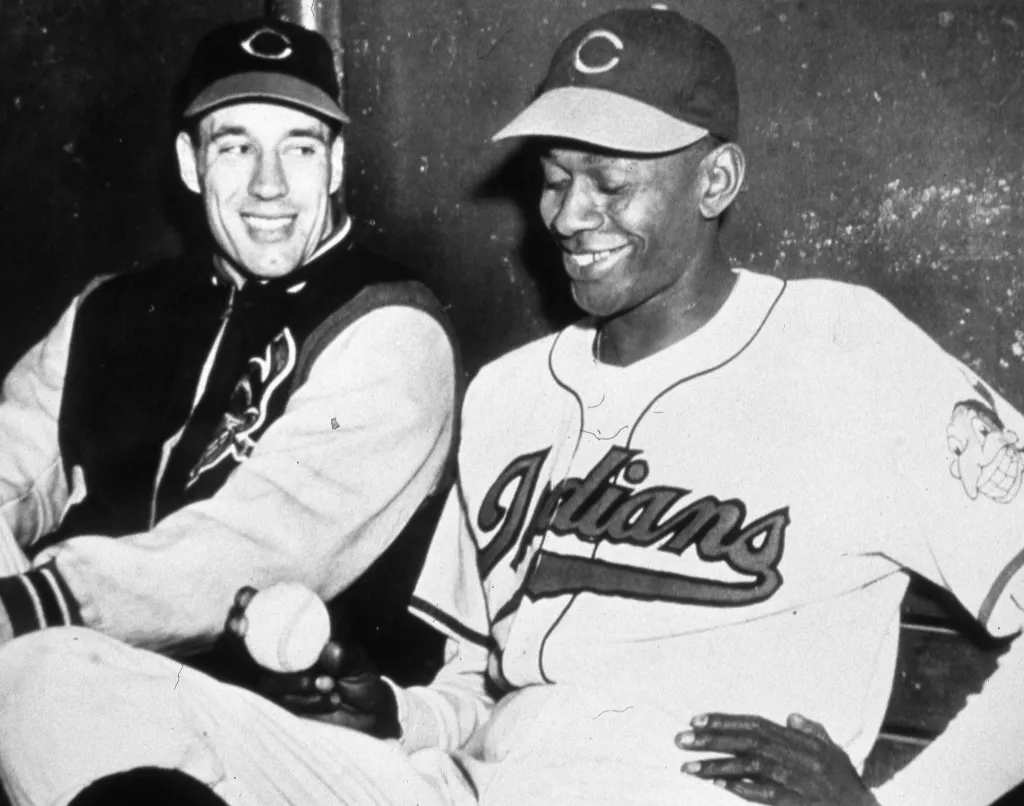
Bob Feller
“The pre-war Paige was the best pitcher I ever saw.”
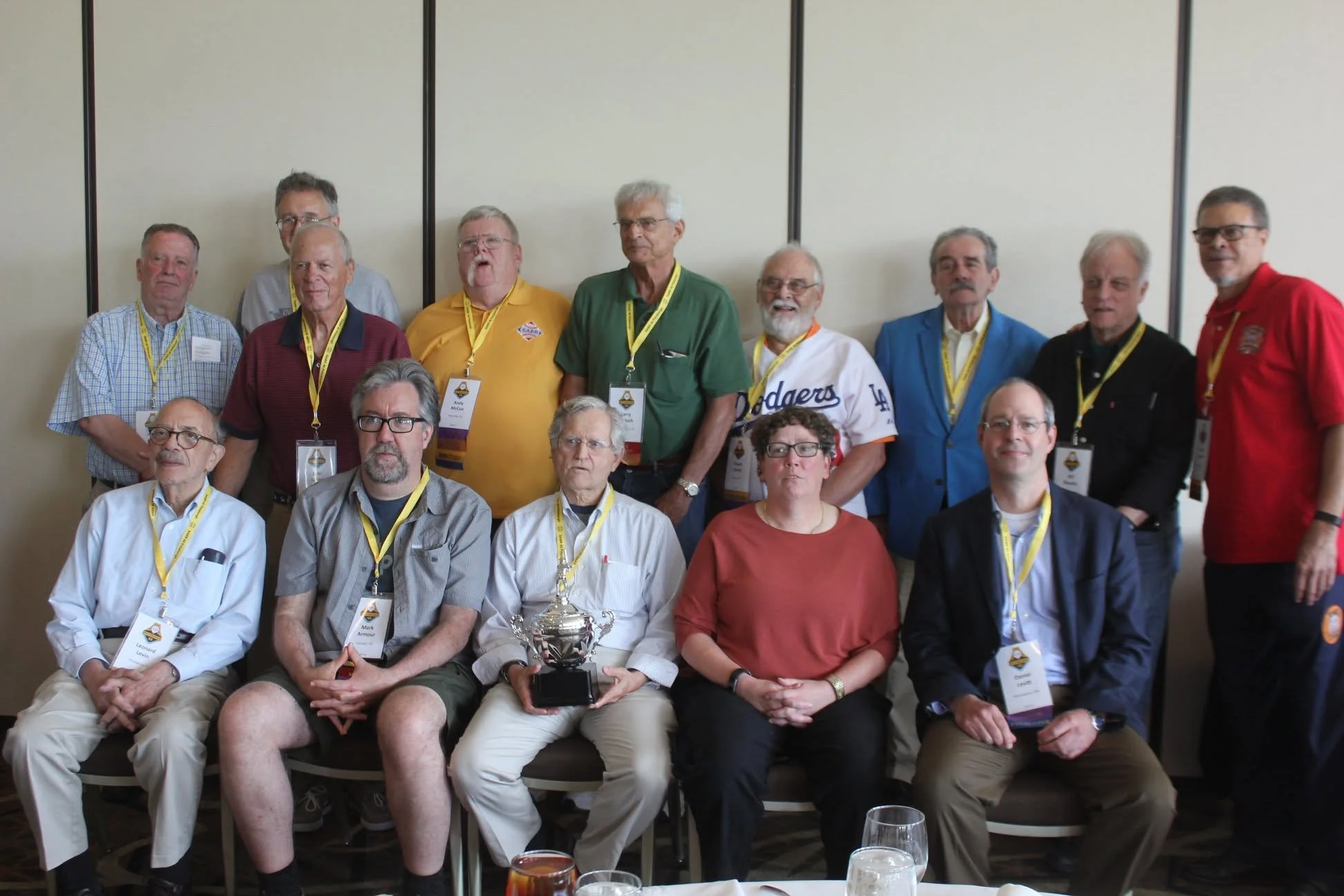
When the researchers and writers in this photo are the company you keep, you must be doing something right. Mark Armour is absolutely doing something right.

Great Baseball Minds
A veritable who’s who of baseball thinkers, researchers, and writers. Left to right: Mark Armour, David Smith, Bill James, and John Thorn.
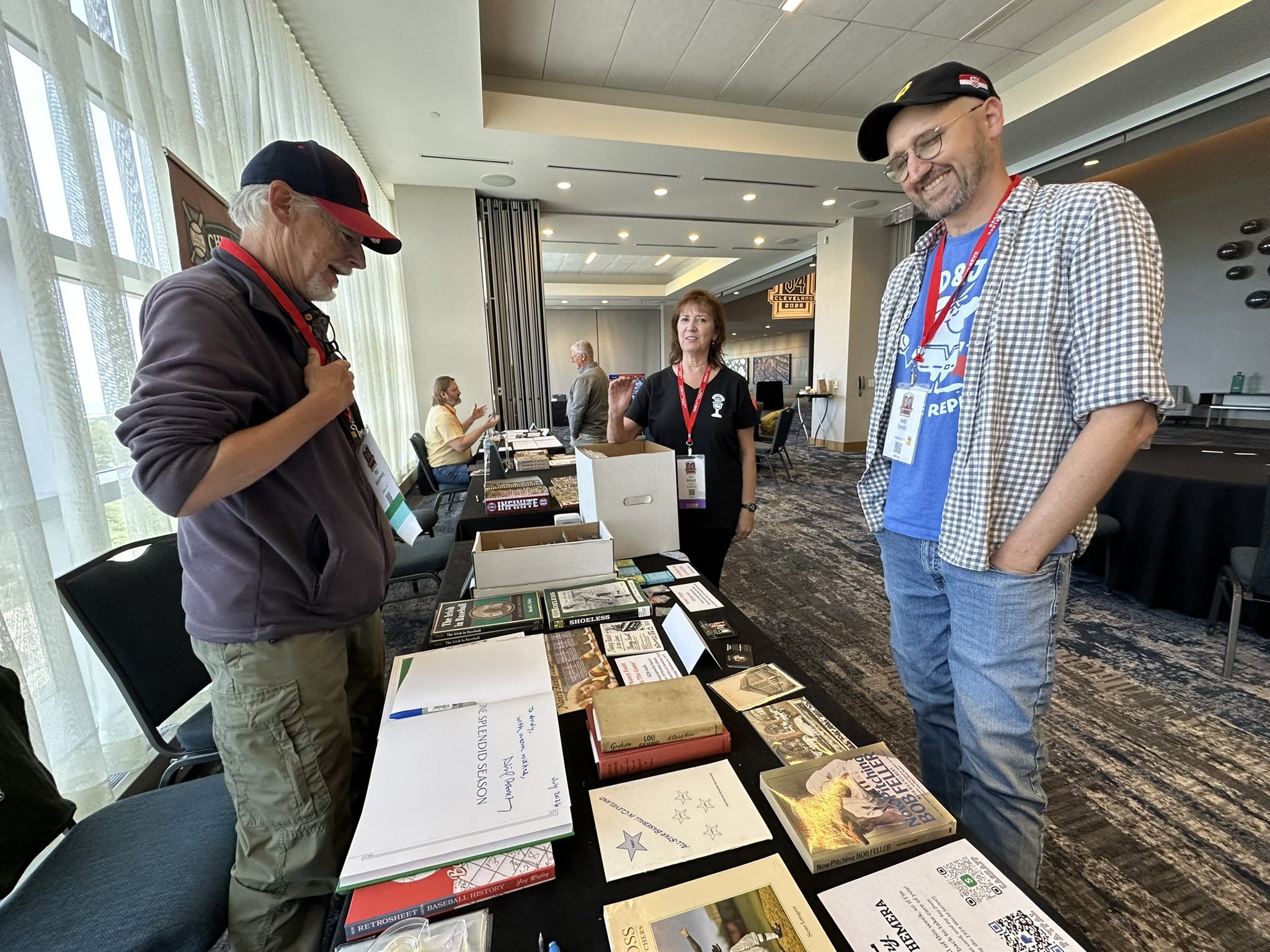
SABR 54 in Cleveland
A great time was had by all. Left to right: Phil Rosenzweig, my mom, and Andy Terrick hanging out at my vendor’s table.
Phil Rosenzweig is an award-winning author and one of the world’s foremost experts on the T202 Hassan Triplefolder baseball card set. He was our guest for Episode 3 of Season 5. You can listen to that episode HERE.
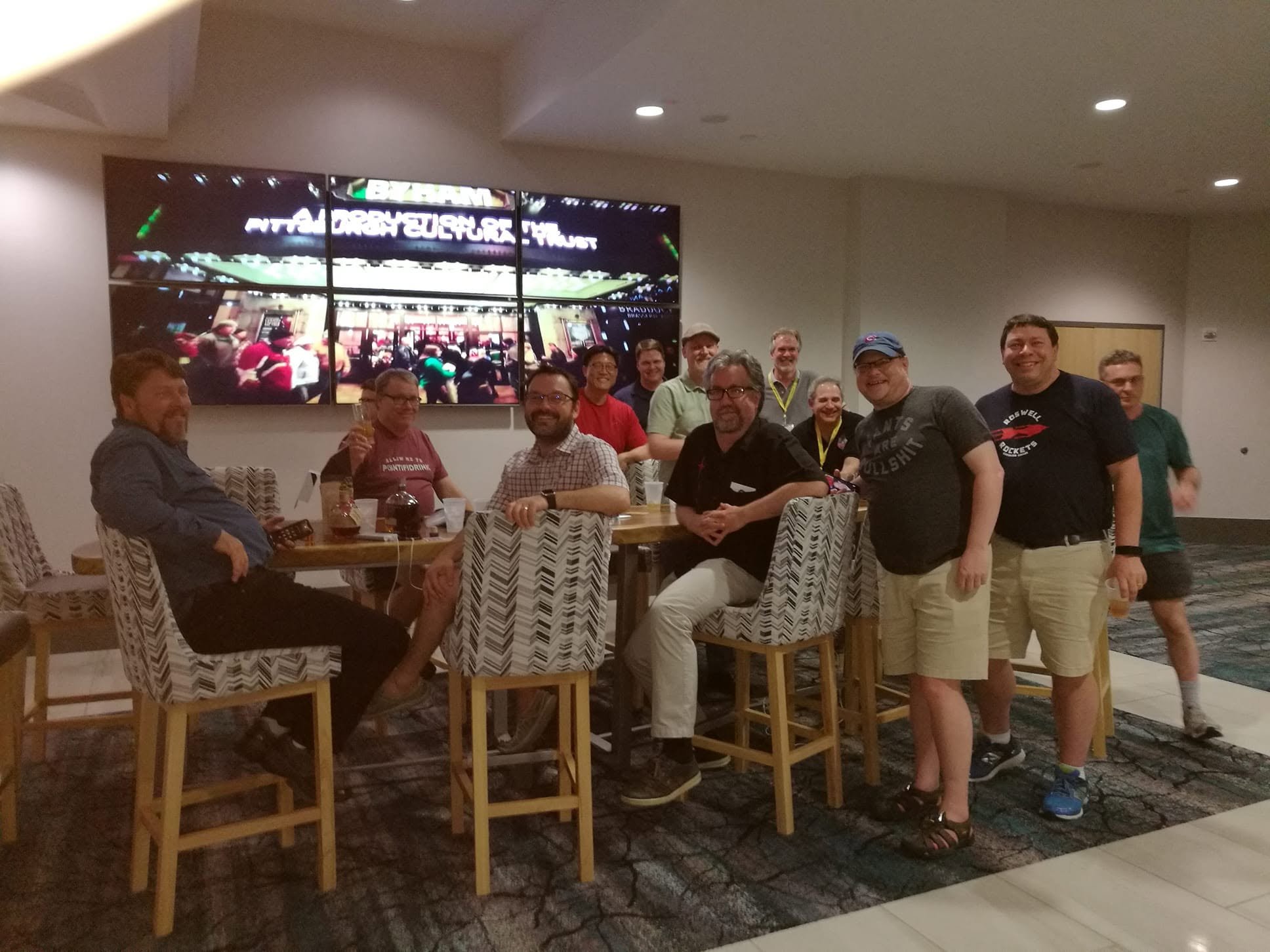
This is kind of the point of the SABR convention. The presentations are great, but spending time with your friends who you may only get to see once a year is what makes it all worth it.
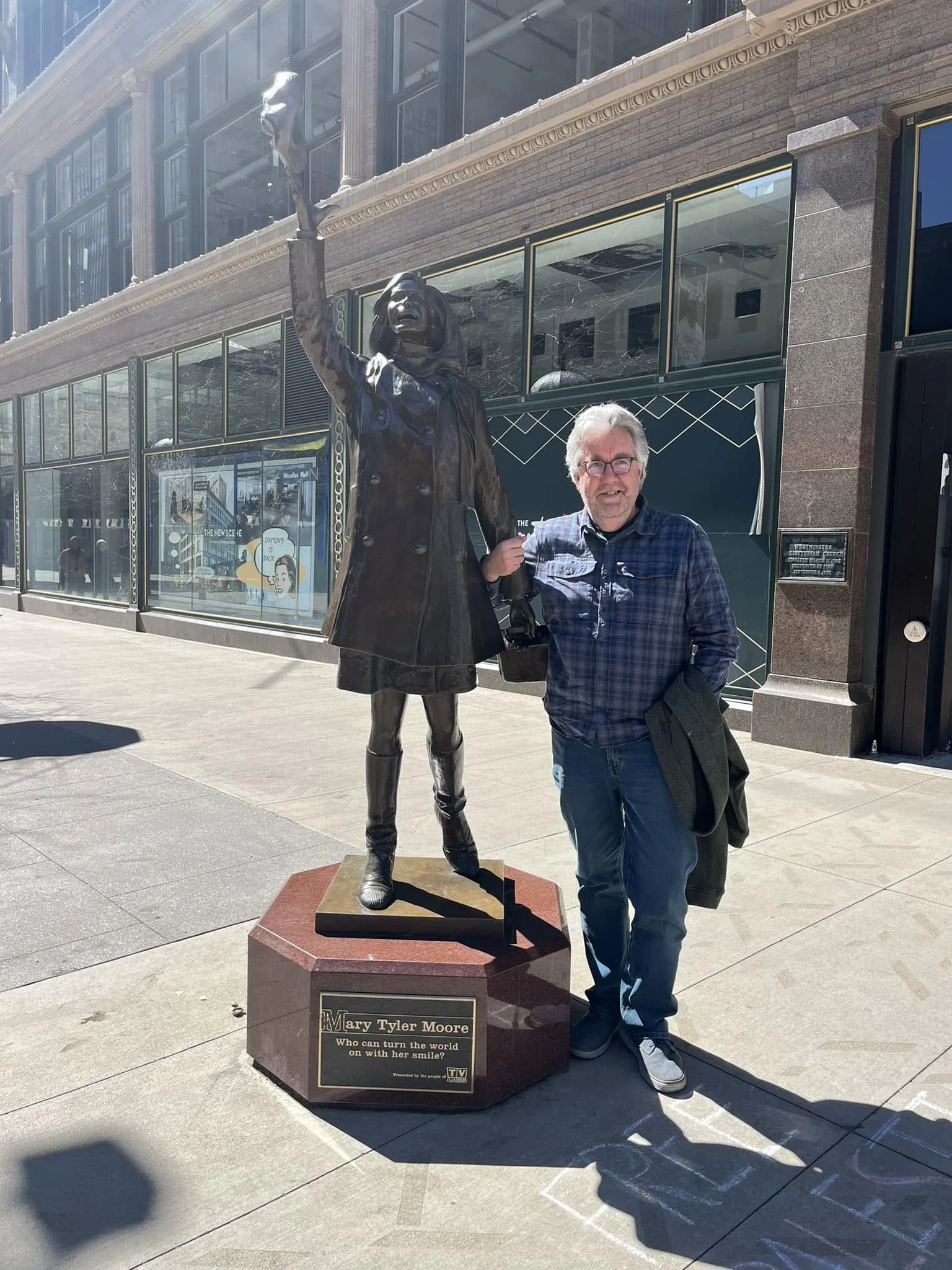
You’re Gonna Make It, After All
Mark Armour at the Mary Tyler Moore statue located at the corner of 7th Street and Nicollet Mall in downtown Minneapolis, Minnesota.
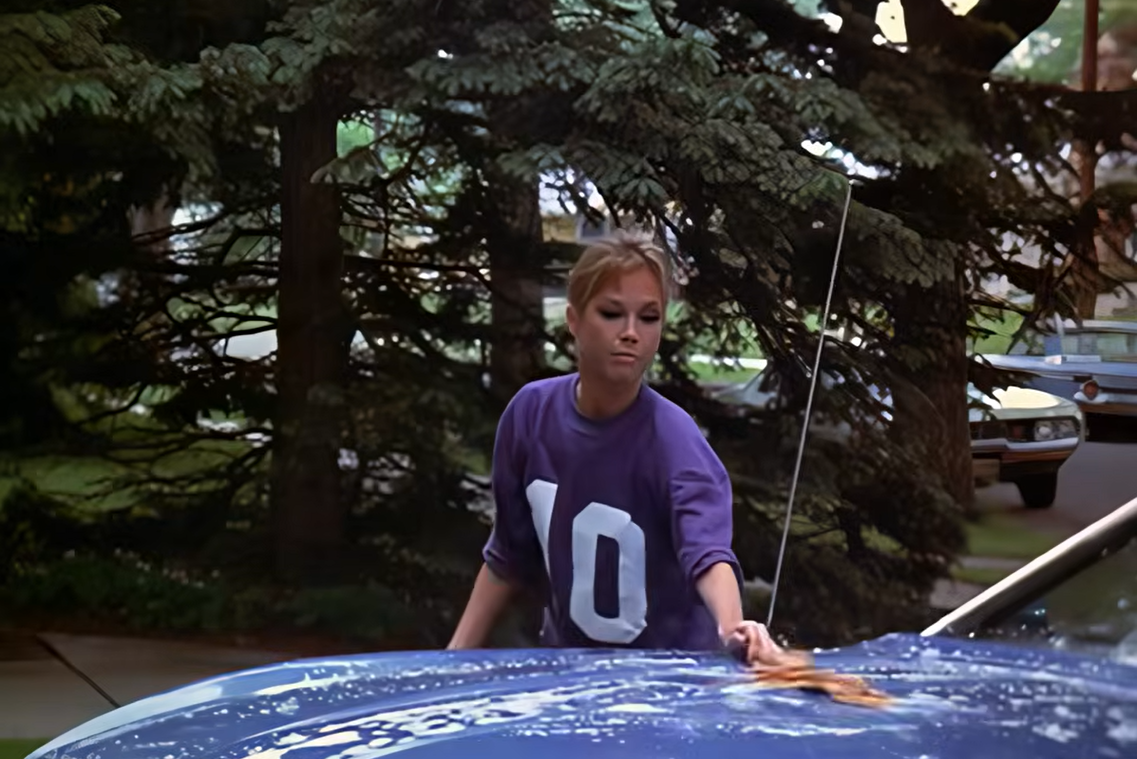
Who Can Turn The World On With Her Smile?
I think there may have been more than one reason Mark wanted this particular Fran Tarkenton jersey.

Satchel Paige (right) and Jesse Owens (center) receiving trophies from State’s Attorney John Boyle (left) on August 19, 1949.
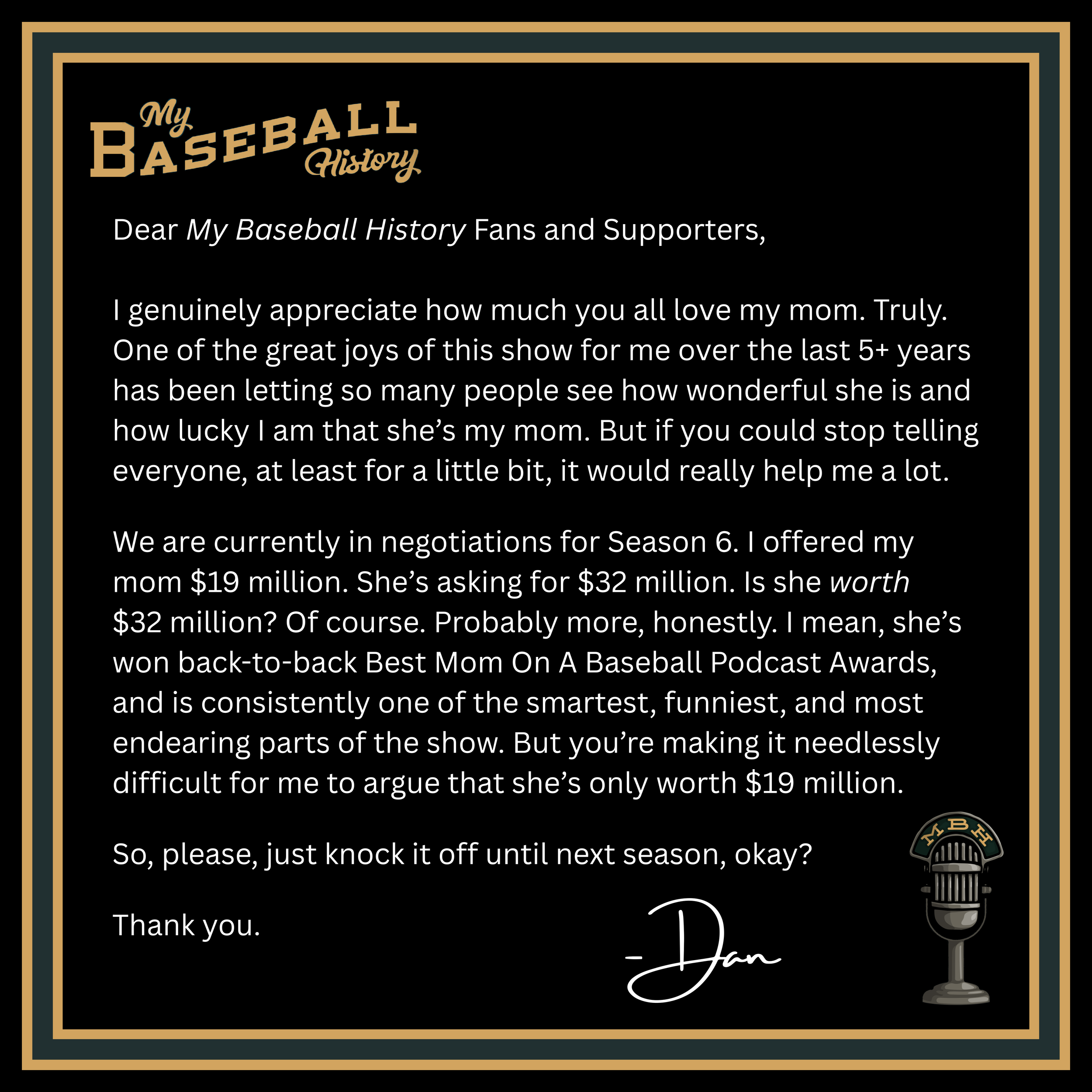
Season 6 Negotiations
I was almost forced to trade my mom to the Dodgers, but at the end of the day, I actually care about my fans, so I kept her around and we’re building around her for the future.
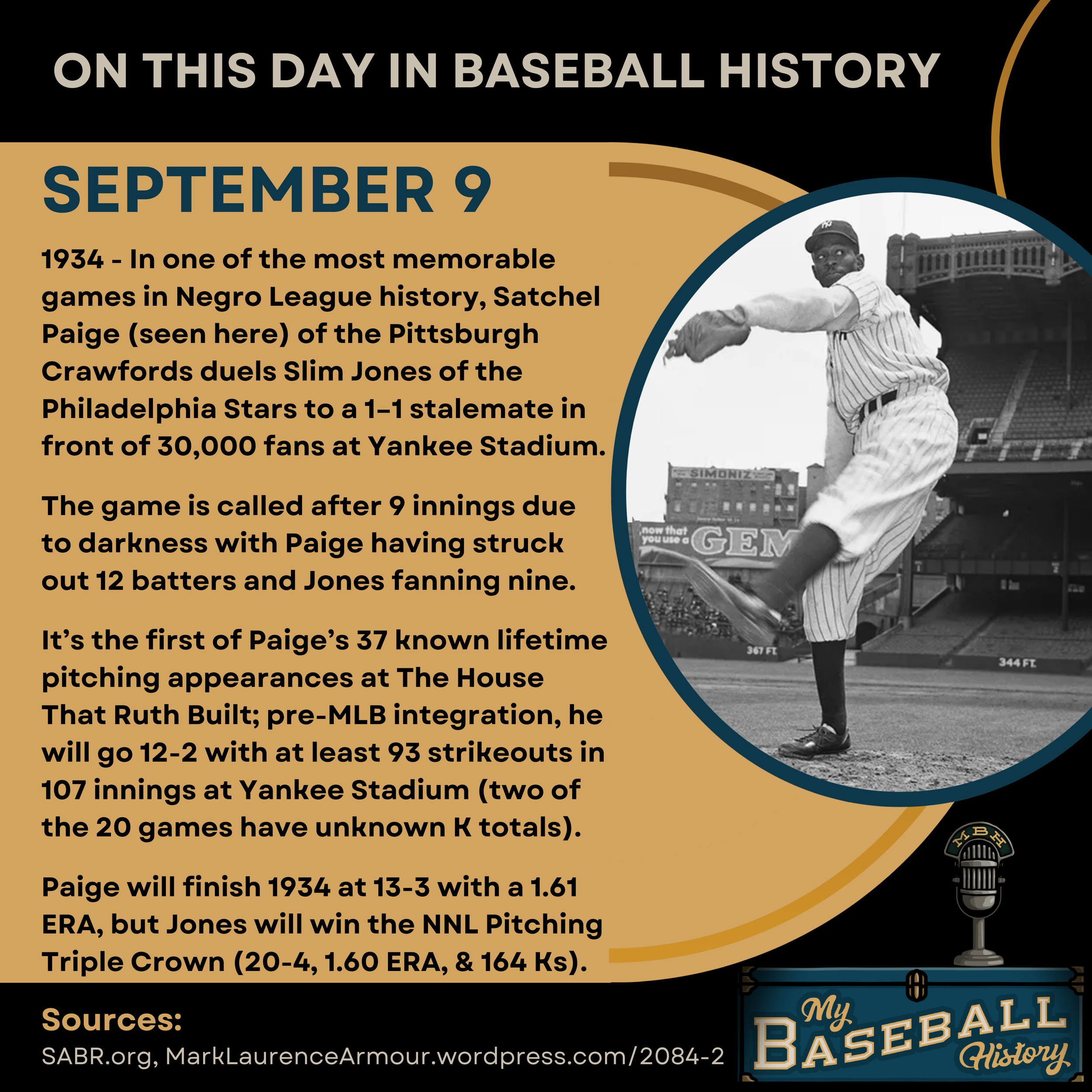
On This Day Posts
If you aren’t already following My Baseball History on social media, consider changing that so you can see these types of posts in your feed every day.
If you’d like to follow The Shoeless Podcast Network on your favorite platform, click one of the following links and it will take you right to our profile.
Join Our Email Newsletter
It’s free, and it’ll give you some bonus content throughout the month that you won’t get from the podcast episodes or by following any of our other social media platforms.
We put out new issues on the second Friday and the fourth Friday of every month. No more, no less.
Giveaway Contest Prize
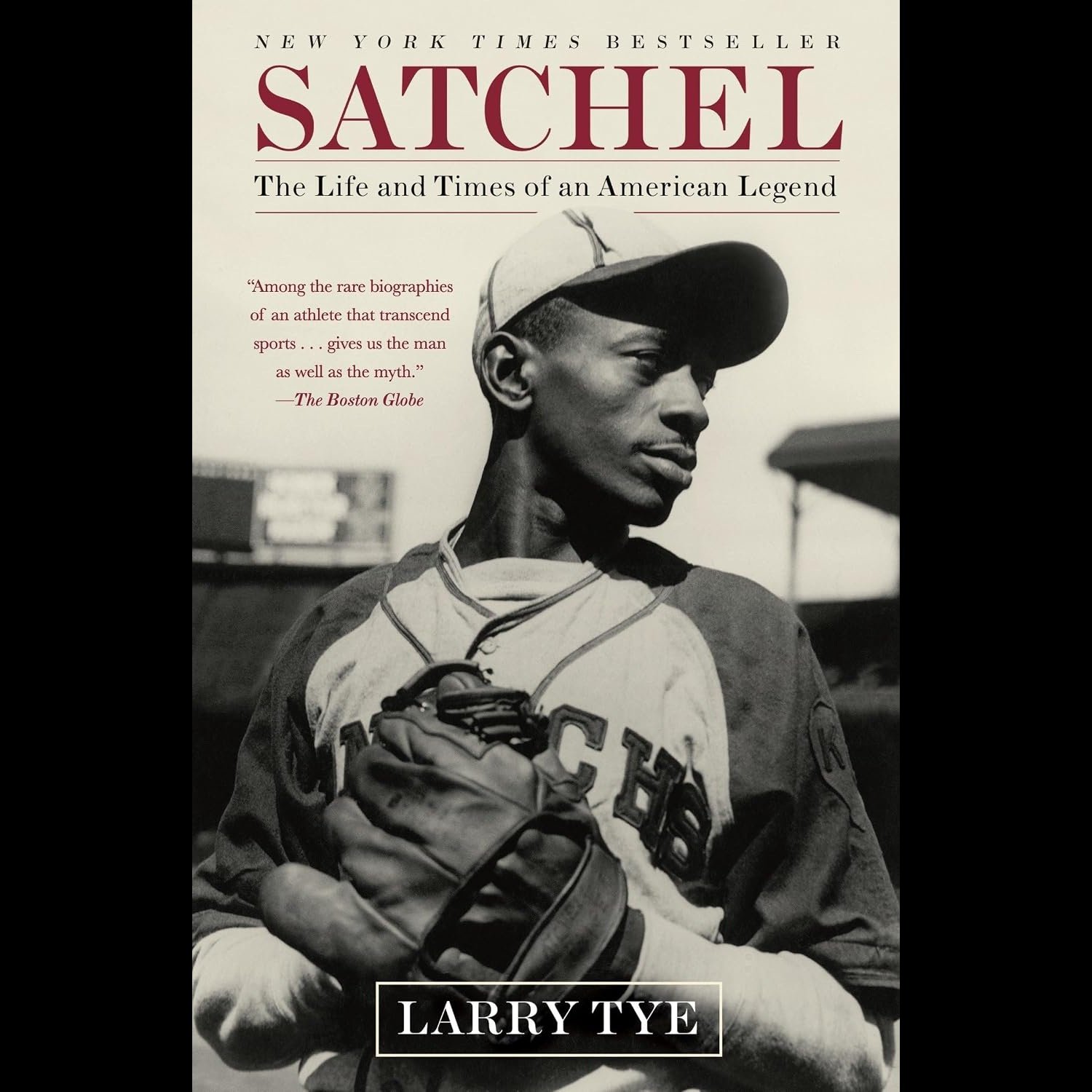
Want to win a copy of Satchel: The Life and Times of an American Legend by Larry Tye?
Of course you do.
Follow us on Facebook HERE or on Instagram HERE, and share the post announcing that this episode with Mark Armour is live. That’s literally all you need to do to enter for your chance to win.
Don’t want to risk not winning the contest? You can buy your own copy HERE.
Collier’s
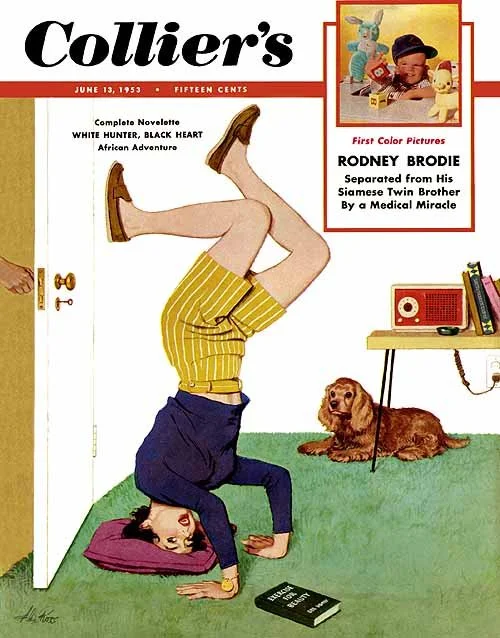
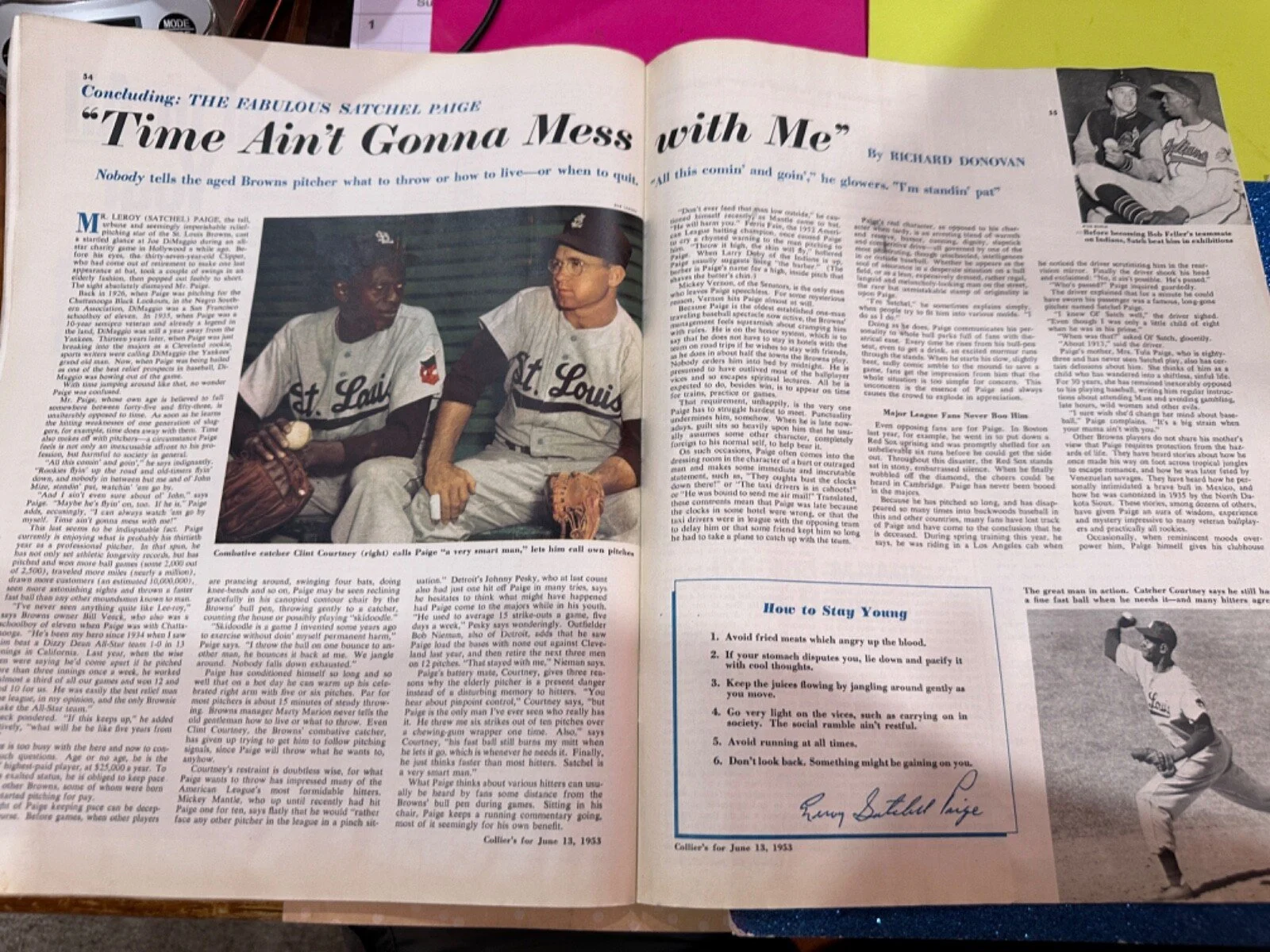
In the June 13, 1953, issue of Collier’s magazine, Satchel Paige laid out his six rules for “How to Stay Young”.
They have become very famous over the past 70 years, with the last rule becoming one of the most-frequently quoted lines by Paige. Here are the six rules:
1. Avoid fried meats which angry up the blood.
2. If your stomach disputes you, lie down and pacify it with cool thoughts.
3. Keep the juices flowing by jangling around gently as you move.
4. Go very light on the vices, such as carrying on in society — the social ramble ain’t restful.
5. Avoid running at all times.
6. Don’t look back — something might be gaining on you.
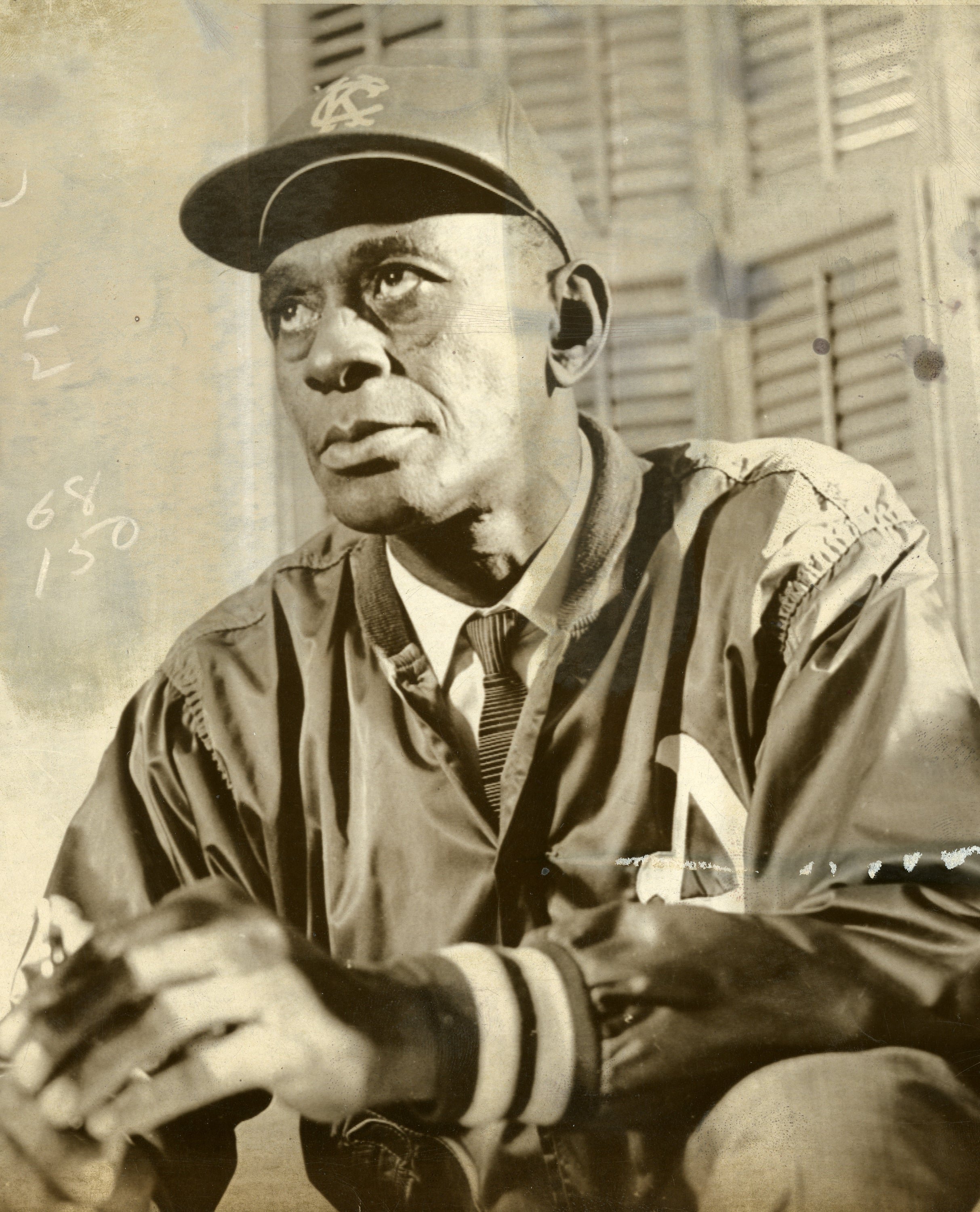
Quotes
But Satchel has been quoted over and over again for the past 100 years. He’s one of baseball’s great philosophers.
Some of his other famous quotes that you may have heard over the years:
“Age is a question of mind over matter. If you don’t mind, it don’t matter.”
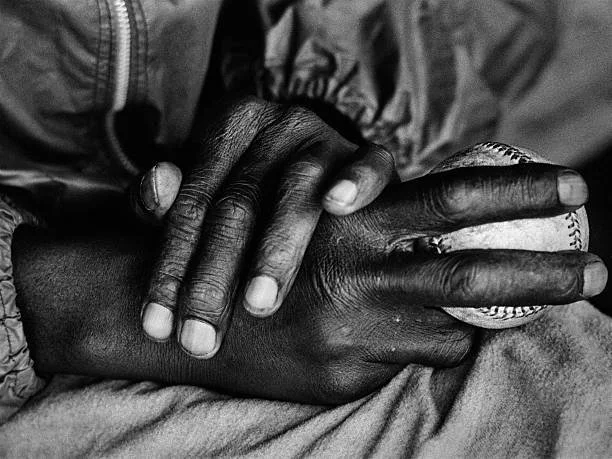
“How old would you be if you didn’t know how old you was?”
— Satchel Paige’s hands in 1960
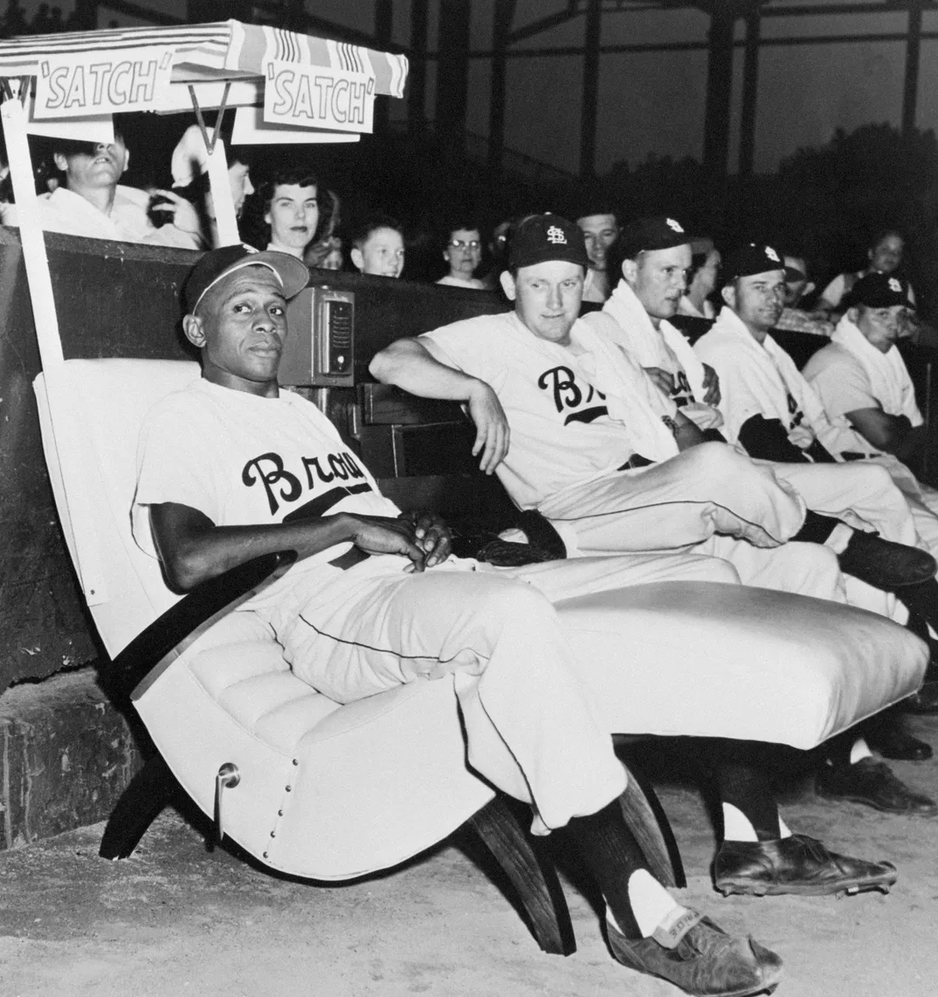
“Sometimes I sit and think, and other times I just sit.”
— When Yogi Berra was famously quoted as saying “I never said most of the things I said…” I think this quote from Satchel Paige might have been one of those things he was talking about that had been misattributed to him.
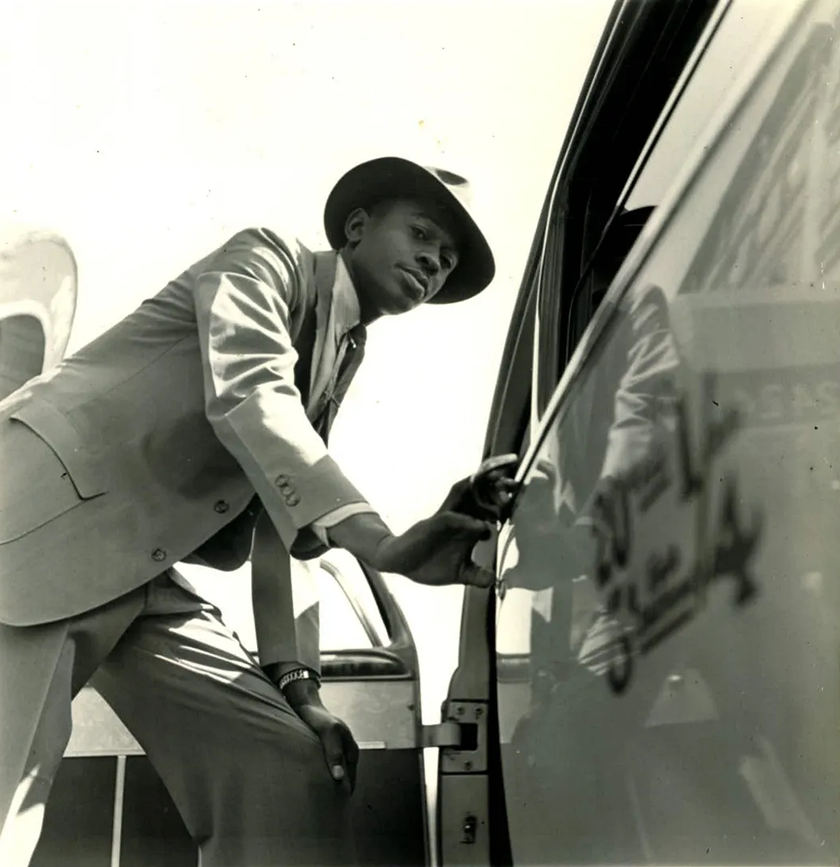
"I never rush myself. See, they can't start the game without me."
— One of my favorite quotes from Satchel. It really shows how confident he was in his ability, and how secure he was with his place in the baseball world.
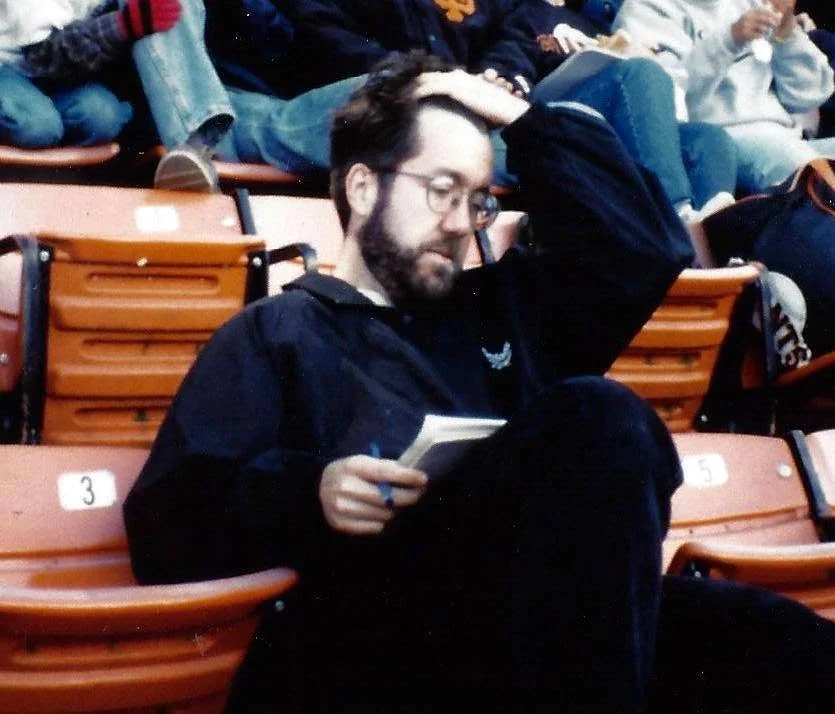
Mark Armour
Nearly six years ago, I profiled Mark Armour in a piece I wrote for a newsletter I wrote at an old job I had. Back then, Mark said if he had a time machine, he would like to go to Greenlee Field to see the Pittsburgh Crawfords play a game.
He felt that the opportunity to see Satchel Paige, Josh Gibson and Oscar Charleston play in person would be incredible, and he thought that if he somehow ended up with a Josh Gibson game-used catcher’s mitt, he’d figure out a way to display it.
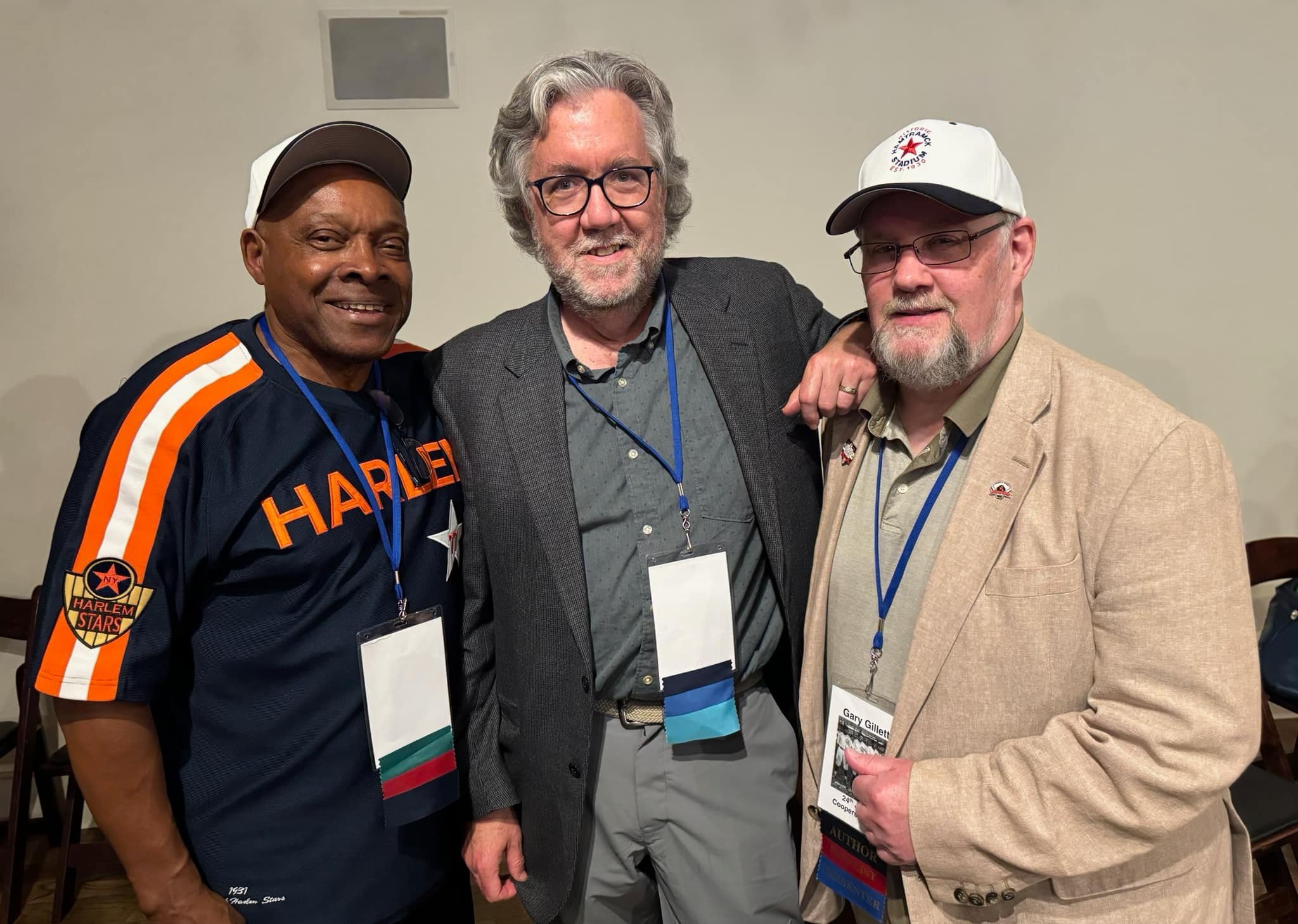
Real Recognize Real
This was years before he started working on his Satchel Paige Project, but Mark already had his eye on those games, and the significance of that period in baseball history.
SABR’s Baseball Biography Project
Back in 2002, Mark created SABR’s Baseball Biography Project.
The Bio Project is an ongoing effort to research and write comprehensive biographical articles on every person who played or managed in the major leagues, or otherwise made a significant contribution to the sport.
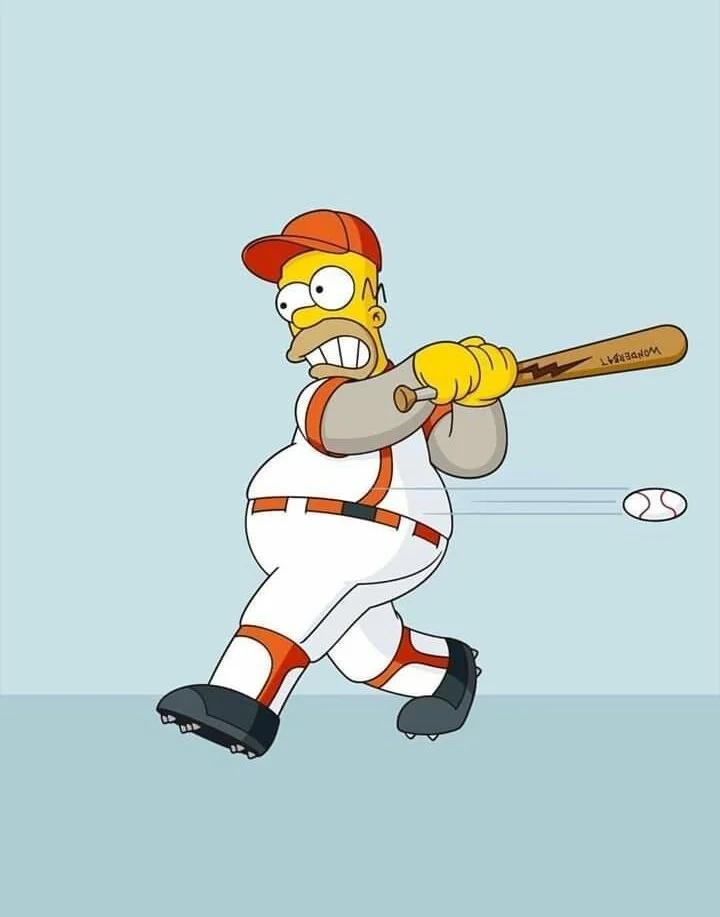
That can mean a number of different things, whether it be as an executive, an umpire, a minor leaguer, a scout, a player from the All-American Girls Professional Baseball League… even Homer Simpson has a SABR Bio.
Homer Simpson’s SABR Biography if you didn’t believe me (also how dare you not believe me after all this time??)
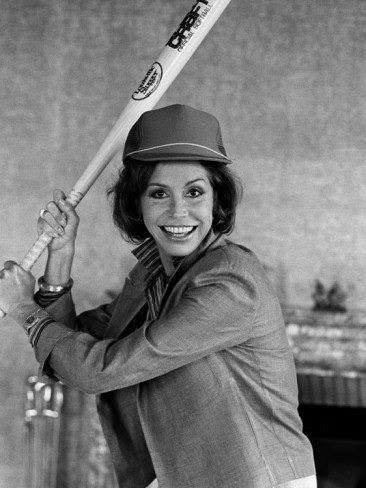
Mary Tyler Moore
Mary Tyler Moore does not have a SABR Biography. At least, not yet…
Still A Long Way To Go
As of October of 2026, including figures from the Negro Leagues which are now officially considered Major Leagues, there are now more than 27,000 people who could theoretically have a biography written about them for the Bio Project.
Mark served as the Bio Project’s chairman through 2016. When he moved on, there were nearly 4,000 biographies on the site.
At the time of the release of this episode, thanks to some inside information from friend of the show Jacob Pomrenke, that number has swelled to 6,986.
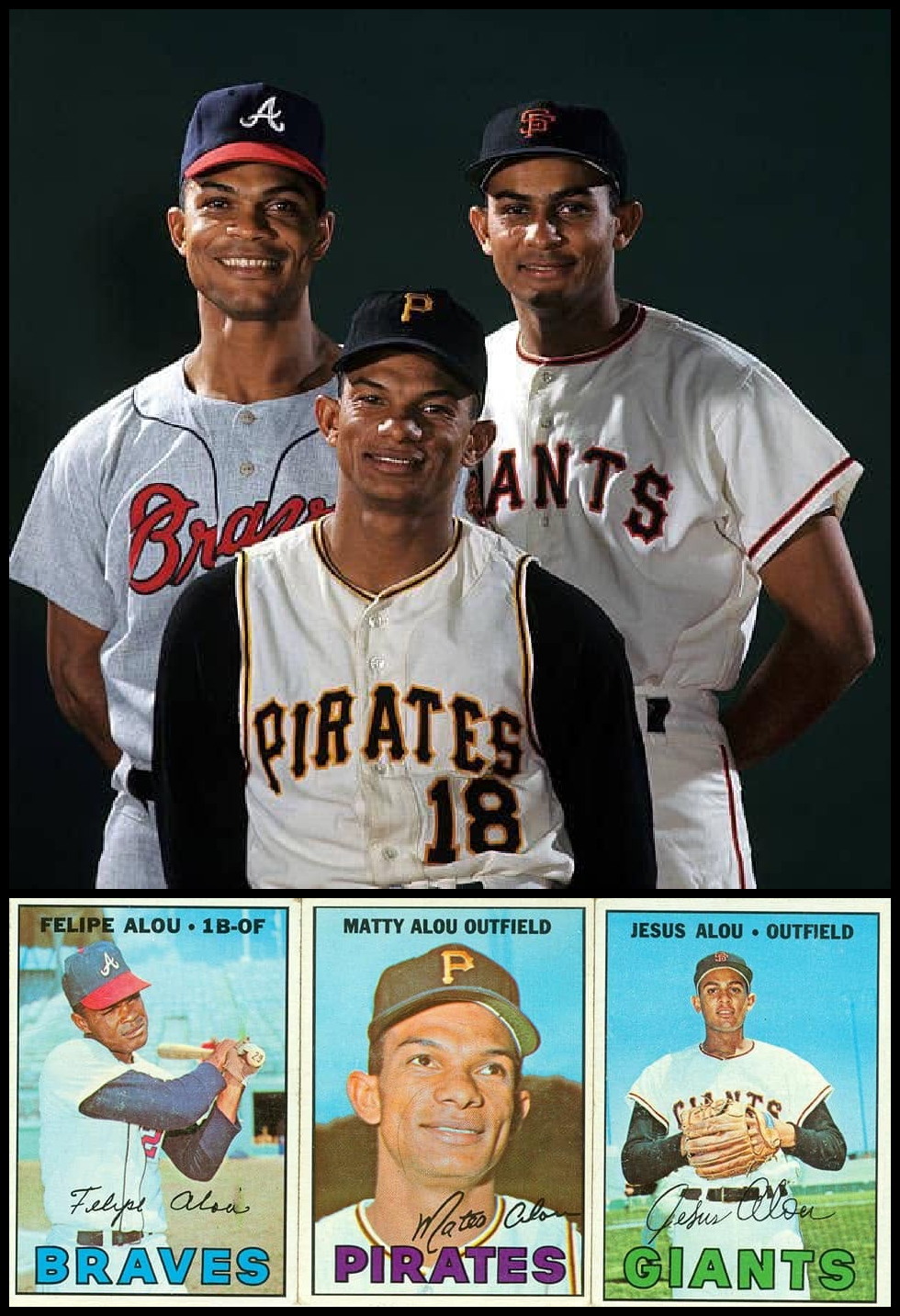
Mark’s Contributions
Of those, Mark has written more than 75, including the biographies of Felipe, Matty, and Jesús Alou.
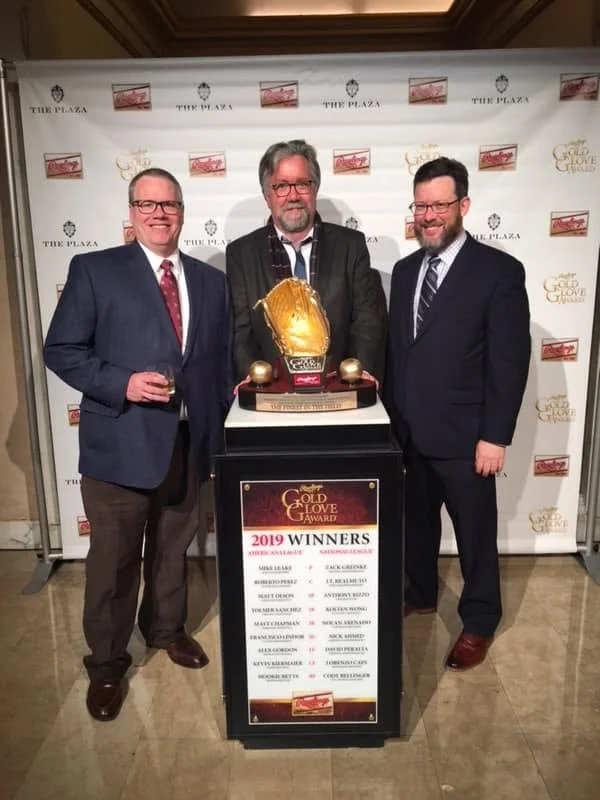
But Wait, There’s More!
…Johnny Bench, Orlando Cepeda, Willie McCovey, Denny McLain, Gaylord Perry, Luis Tiant, Vic Wertz, Billy Williams, Tom Yawkey…
Orlando Cepeda’s SABR Biography
Willie McCovey’s SABR Biography
Gaylord Perry’s SABR Biography
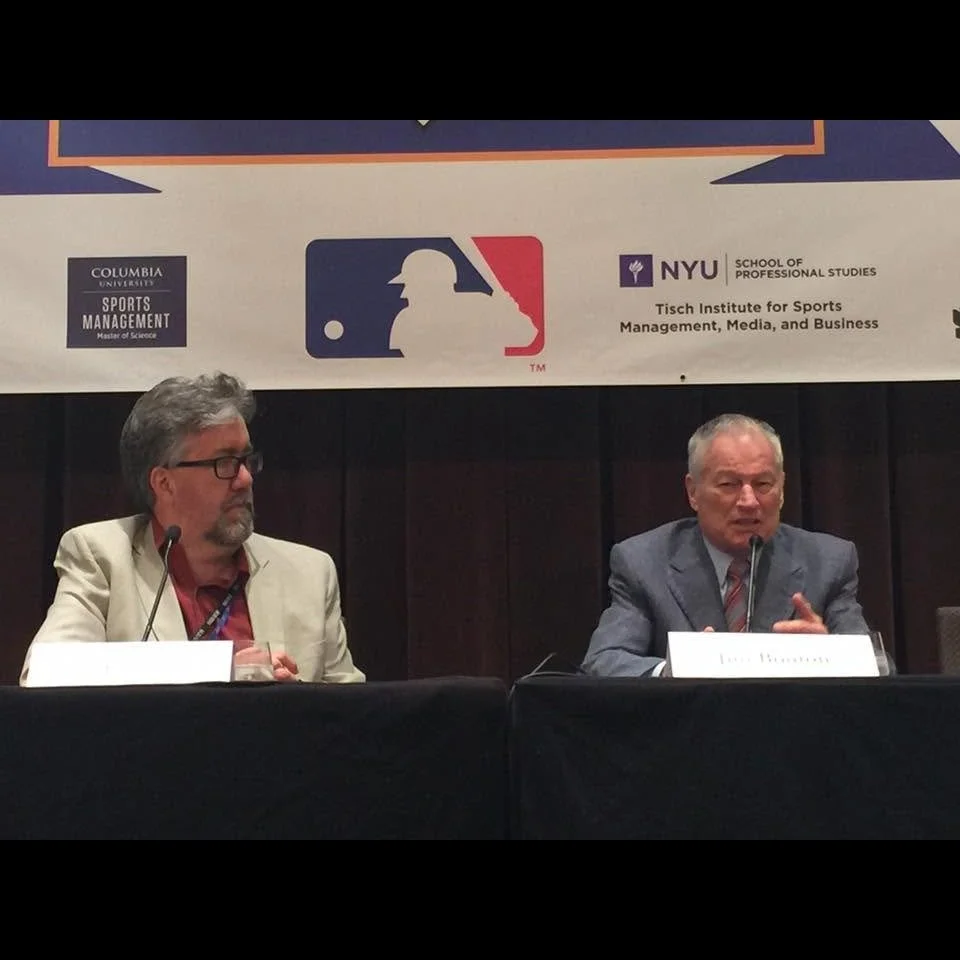
And A Slew Of Jims…
Bouton (seen here, right), Brosnan, Fregosi, Gosger, Palmer, Piersall, and Wynn.
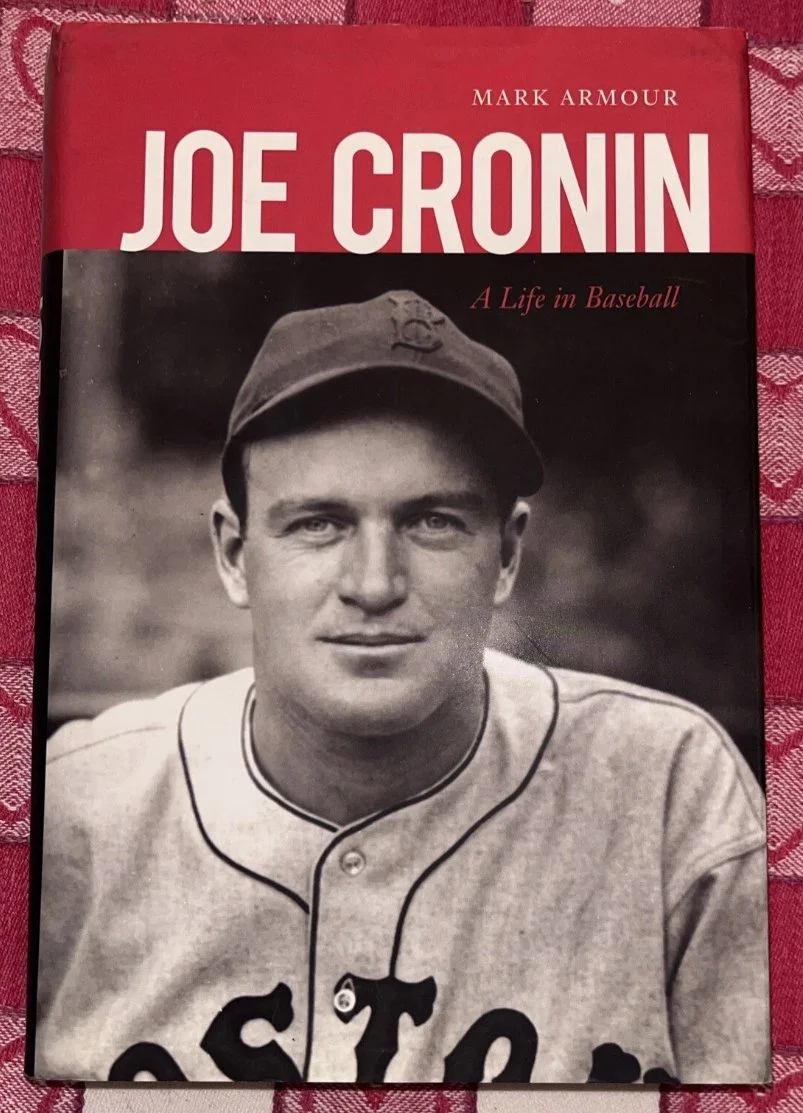
Joe Cronin
In 2010, the University of Nebraska Press published Joe Cronin: A Life In Baseball, Mark’s full length biography of the great shortstop, manager, general manager, and league president.
It was a finalist for the Seymour Medal in 2011 and received nothing but positive reviews from the critics.
Bill Nowlin, author of more than 20 books on the Red Sox, said “Mark Armour’s book is as comprehensive as Cronin’s career, and his treatment is both thorough and (equally important) very readable.”
Joe Cronin’s SABR Biography, you know, also by Mark Armour
Buy a copy of Joe Cronin: A Life In Baseball HERE

Help Wanted!
While it is amazing that there have been nearly 7,000 biographies completed for the SABR Bio Project to this point, that still leaves more than 20,000 left to write, and every year that number grows as more and more people join the Major Leagues.
One issue is that the Bio Project operates under a major constraint: the volume of submissions considerably outweighs the review team's limited capacity.
They need at least one – and preferably two – clearers … people who can vet and/or edit pieces at a high rate.

Who Are The People Writing These SABR Biographies?
The writers are members of SABR. If you are not a member of SABR, that’s your first step, is to join. You can do that by clicking HERE.
For $80 a year, you’ll get access to SABR’s extensive archive of members-only research resources, free access to new e-books published through the SABR Digital Library, invitations to regional chapter meetings, which can include guest speakers, presentations, and trips to ballgames, and FREE online access to the United States Collection, the Historical Black Newspapers Collection, the Newspapers.com World Collection, and The Sporting News archives.
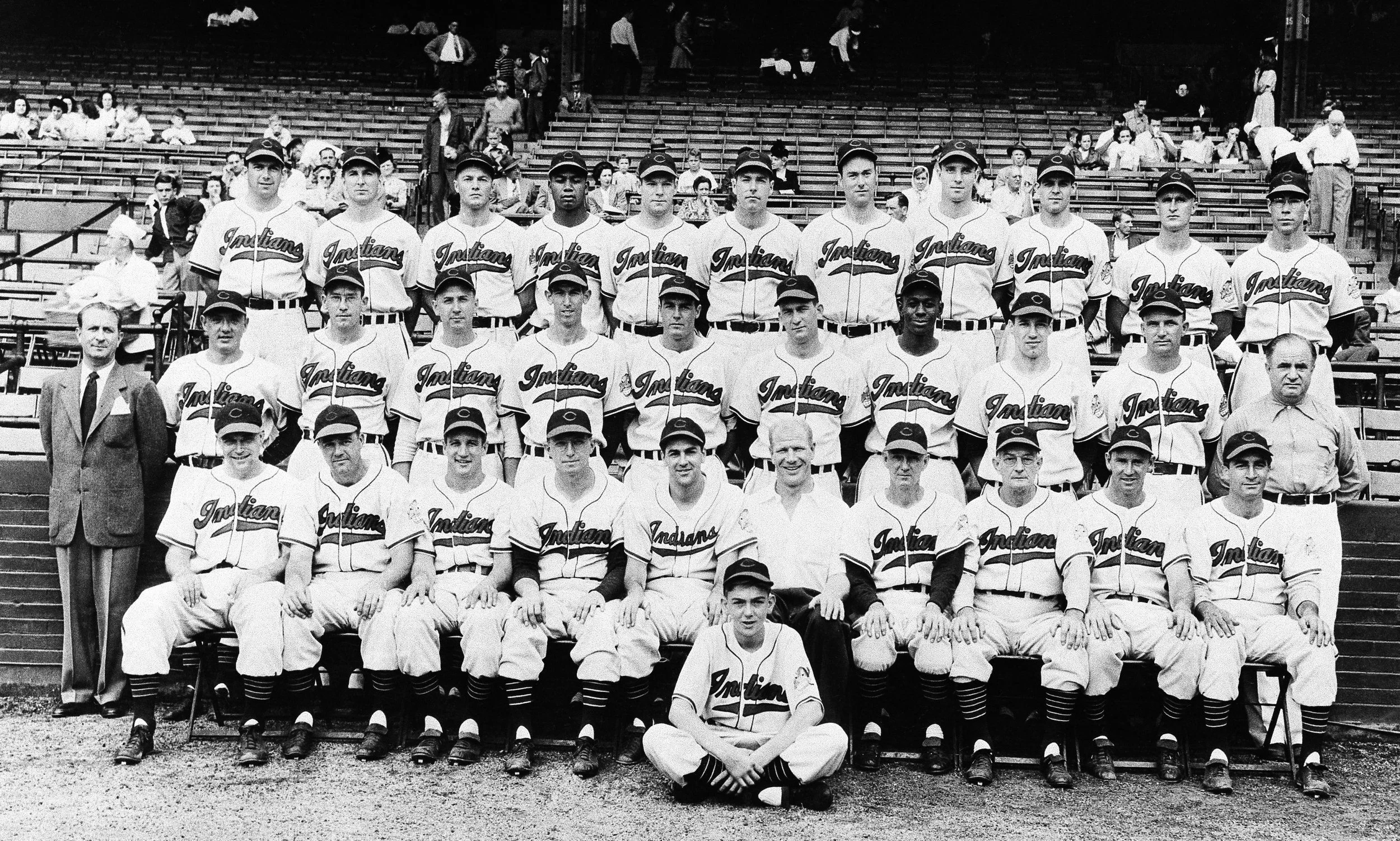
Look At All The Friends You Can Make
Mark mentioned during the interview how he has become lucky enough to get to know a lot of great baseball researchers, writers, and historians over the years, and that’s another benefit of joining SABR.
You get free access to their online member directory to connect you with an international network of passionate baseball experts and fans.
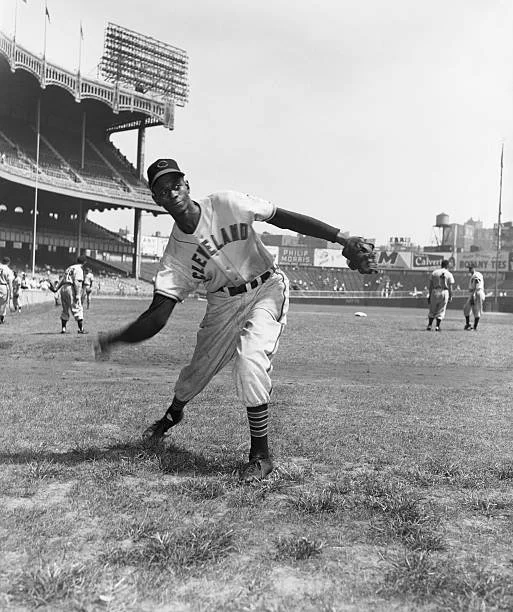
Join SABR Today!
If you are on the fence about joining SABR, allow me to be the one to tip you over to the side where you decide to join. Go to SABR.org/community to become a member today.
There are no qualifications for membership other than a love of baseball.
And if you’re still listening at this point in this podcast episode, and still reading at this point in the liner notes, you have clearly met that qualification.
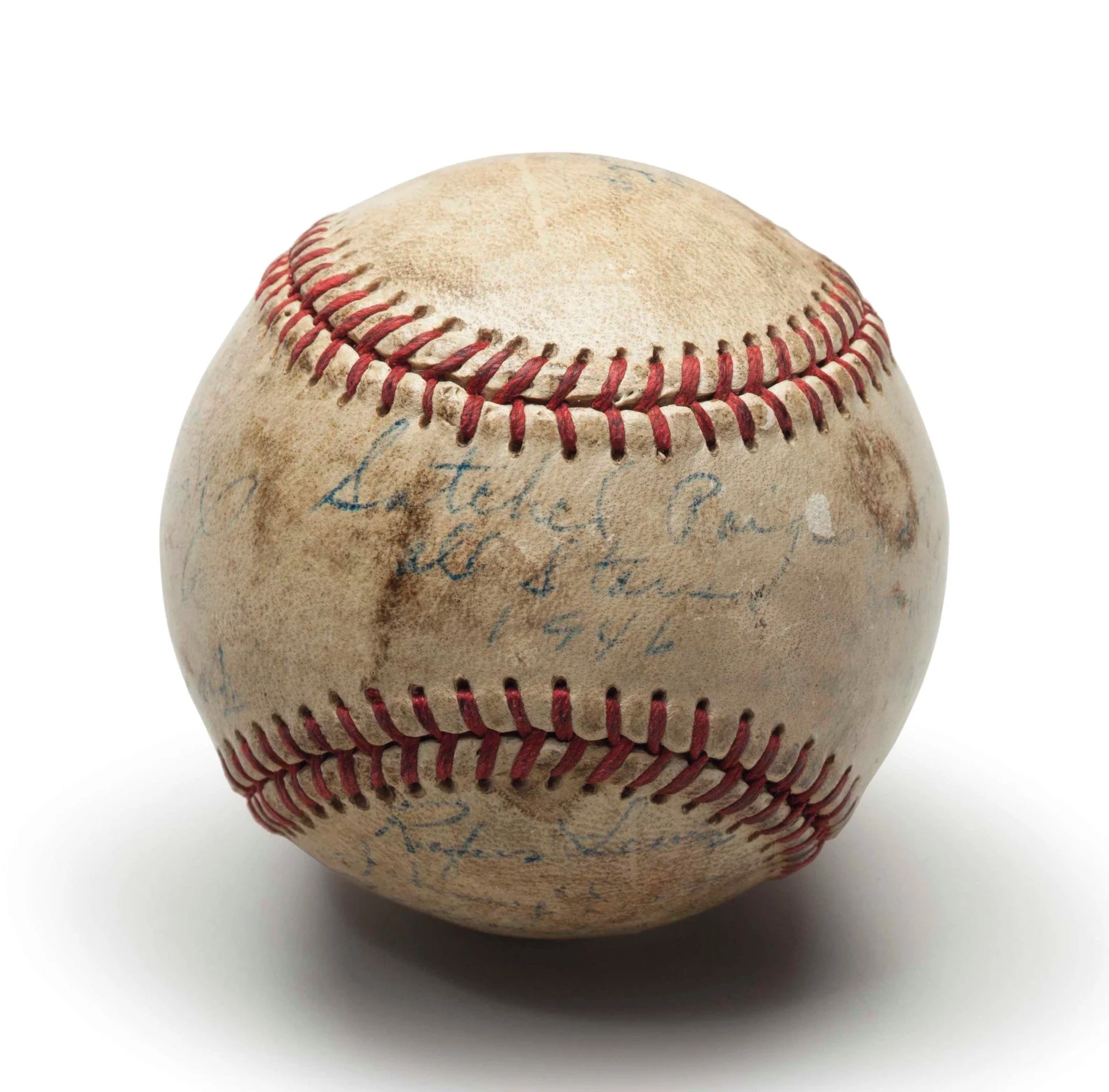
You’re So Close
Once you’ve become a SABR member, you are fully qualified to join the Biography Project.
Some of the writers are seasoned pros, like Mark, or like some of the other guests we’ve had on My Baseball History over the years.
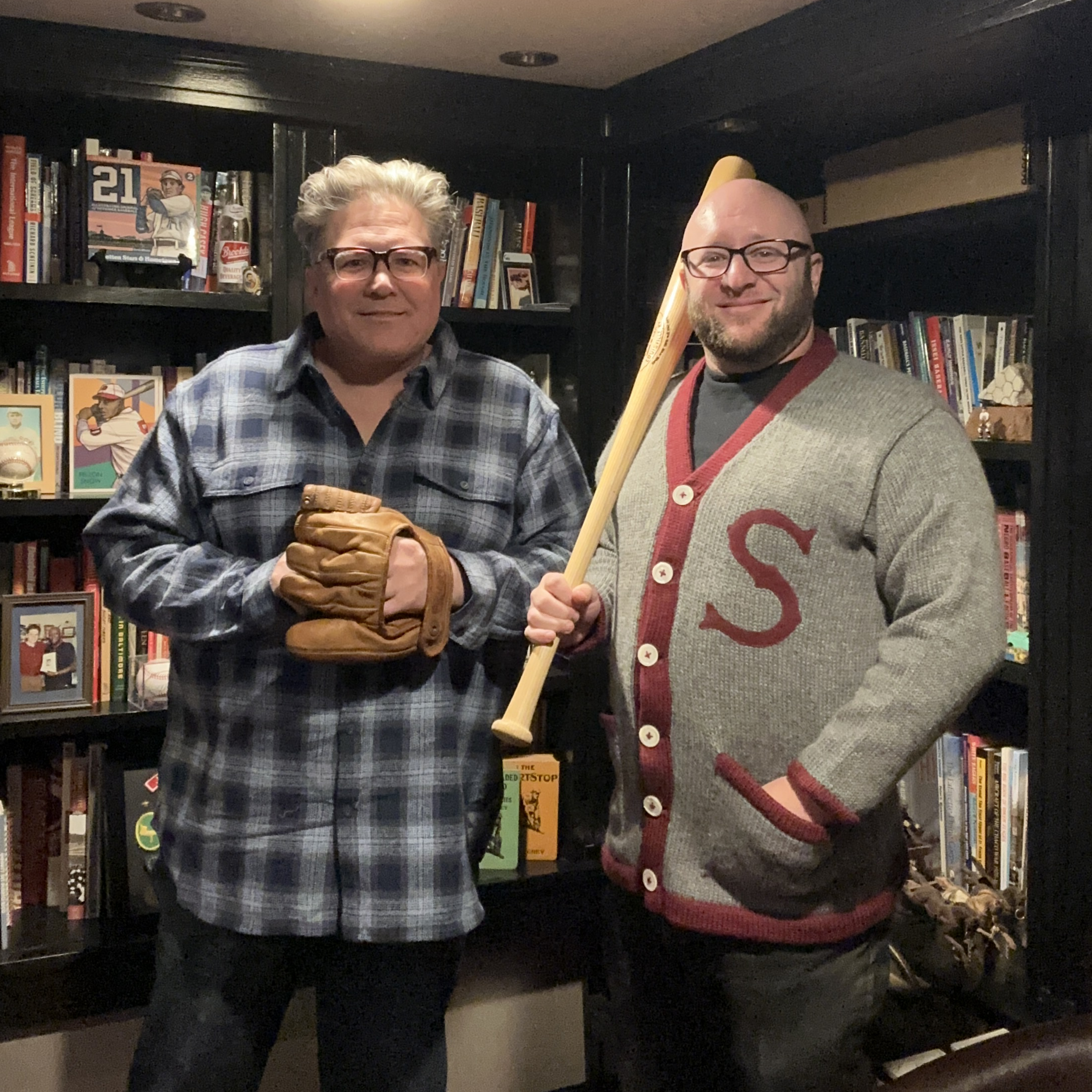
Gary Cieradkowski
Gary Cieradkowski, who was our guest for Episode 4 of Season 5, wrote the SABR Biography of elusive Baltimore Elite Giants pitcher Tom Glover.
Listen to Gary’s episode HERE
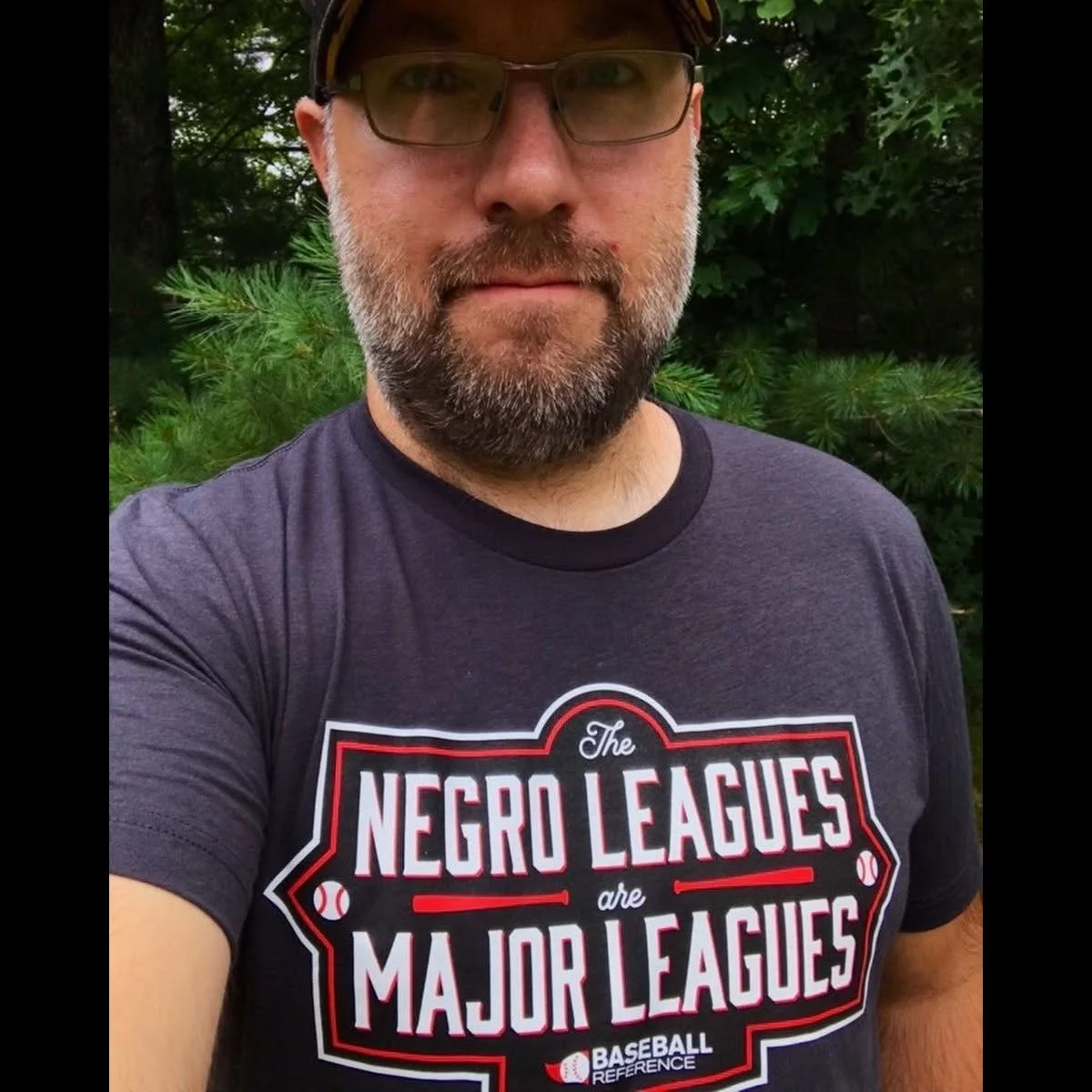
Adam Darowski
Adam Darowski, who was our guest for Episode 6 of Season 5, has written 5 biographies, most notably those of Dobie Moore and Heavy Johnson.
CLICK HERE to see Adam’s SABR Author Profile and check out all of the SABR-related work he has done.
Listen to Adam’s episode HERE
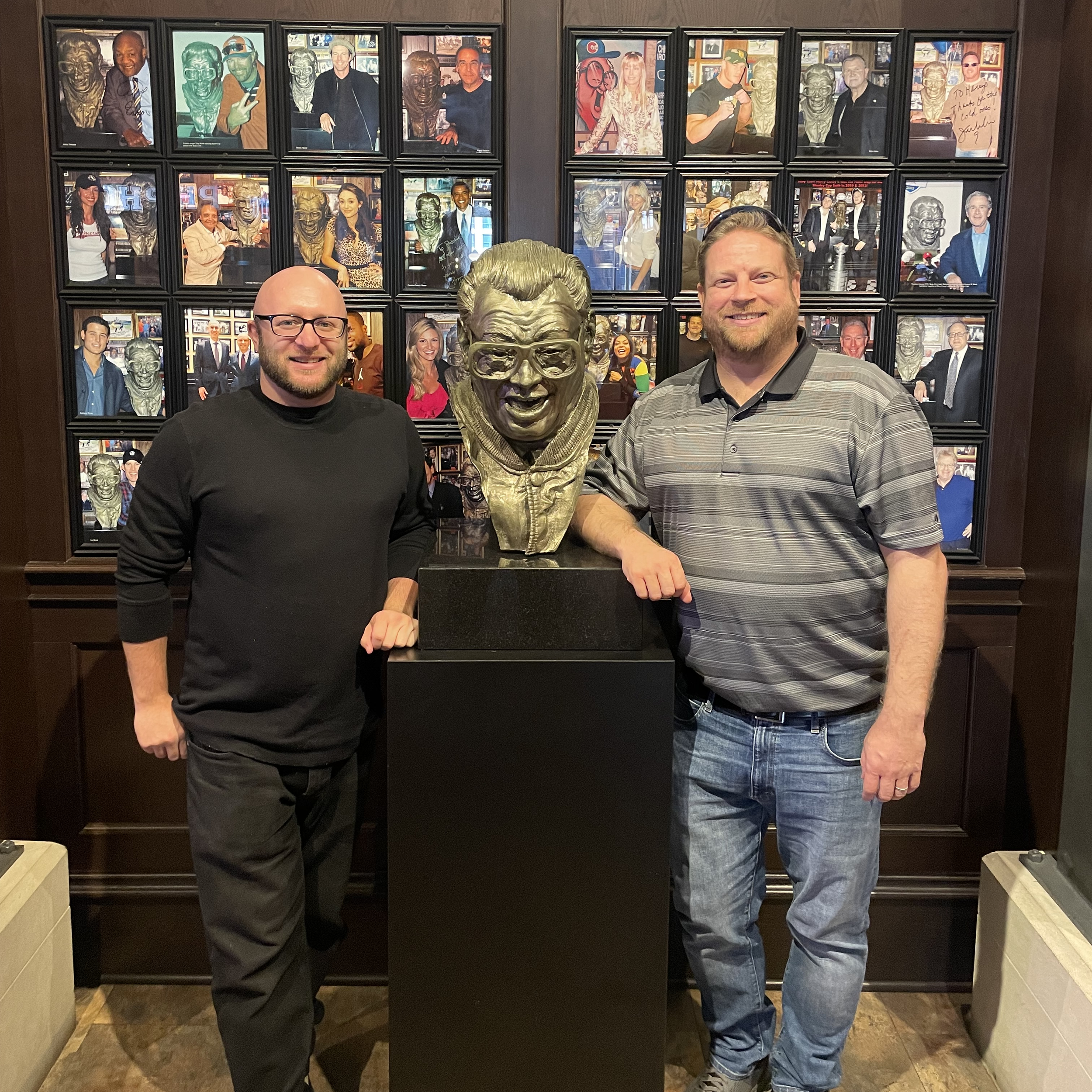
Jacob Pomrenke
Jacob Pomrenke, who was our guest for Episode 1 of Season 3, has written more than 10 biographies, including those of Andruw Jones, Chipper Jones, and some figures related to the Black Sox Scandal, like Sox starting pitcher Claude “Lefty” Williams and utility infielder Fred McMullin.
CLICK HERE to see Jacob’s SABR Author Profile and check out all of the SABR-related work he has done.
Listen to Jacob’s episode HERE
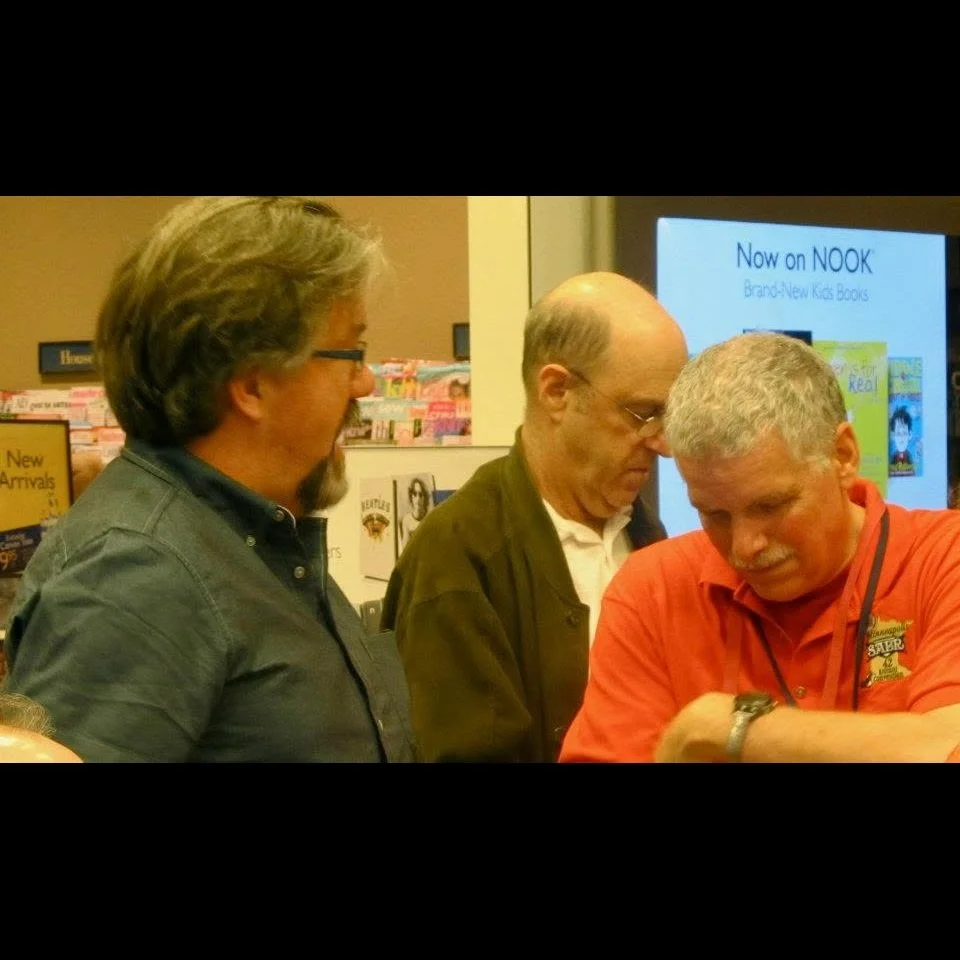
Stew Thornley
Stew Thornley, who was our guest for Episode 9 of Season 3, has written more than 25 biographies, including those of Greg Maddux, Jack Morris, Kirby Puckett, Toni Stone, and Roberto Clemente.
CLICK HERE to see Stew’s SABR Author Profile and check out all of the SABR-related work he has done.
Listen to Stew’s episode HERE
Don’t Be Intimidated
But don’t let the seasoned veteran writers intimidate you. Many Bio Project writers are first-timers.
And you know who else was once a first-timer?
Every single person I just listed off, before they got started.
The Bio Project team can work with you to help you turn your research into a worthy biography. Most authors enjoy the process and come back to write another one.
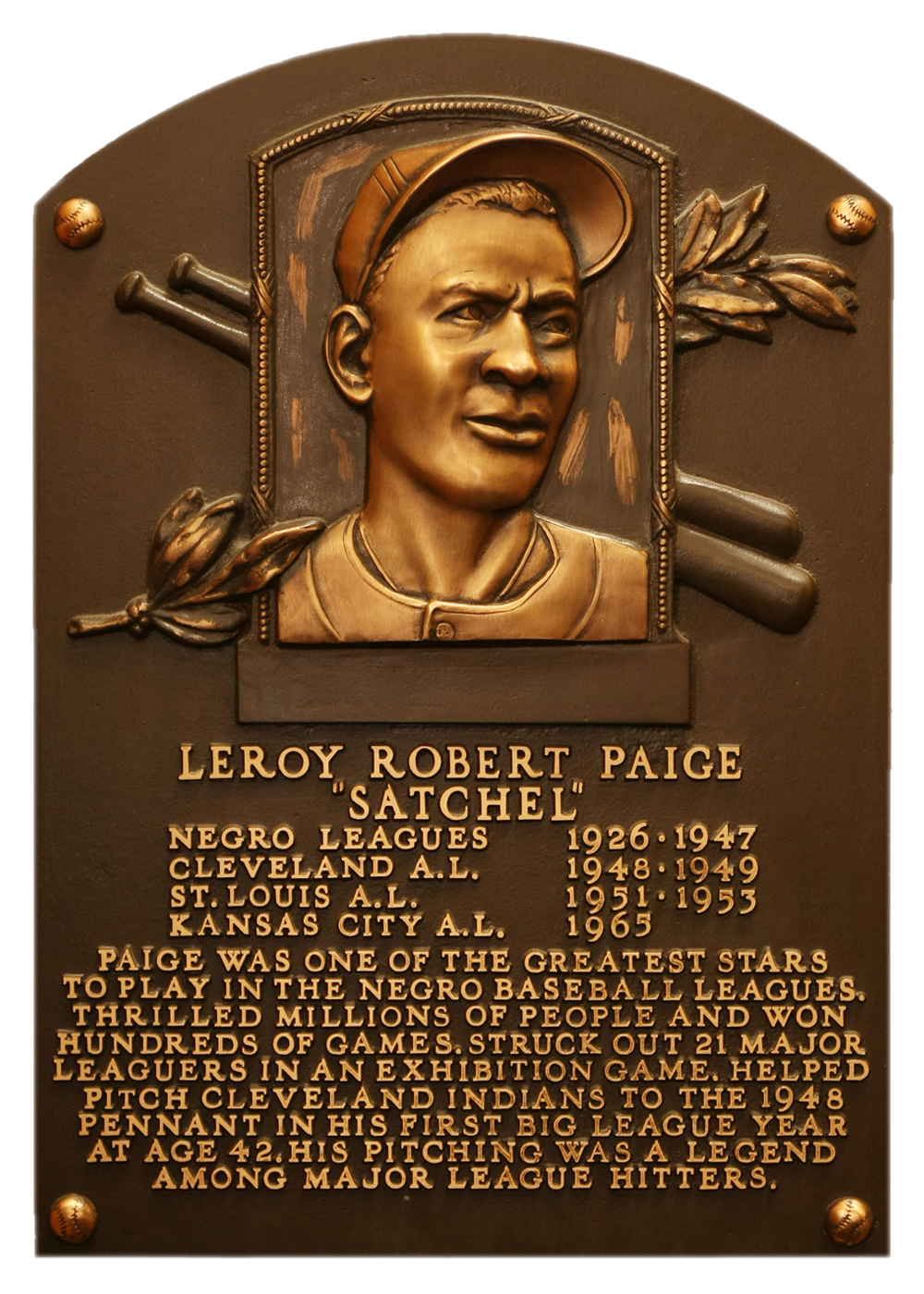
Word Counts
Biographies should be at least 1,500 words in length, but exceptions can be made for very obscure subjects. There is no hard cap, but any bio beyond 4,000 words should be pre-approved by the project leaders.
The biography should cover the person from birth to death (or, if they’re still alive, to the present day). Although their baseball career would usually be the focus, their career should not be the entire story.
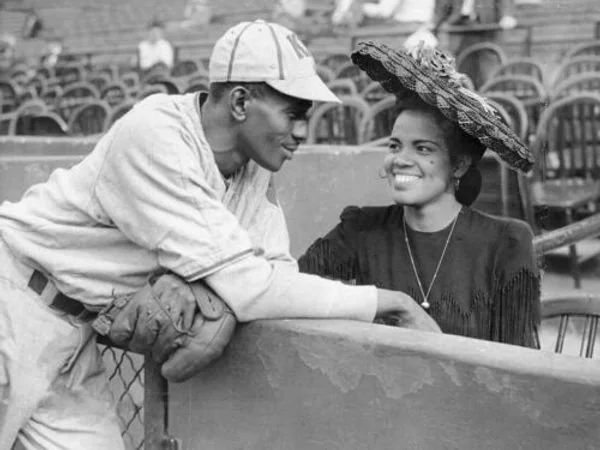
What To Cover
Information about their parentage, childhood, siblings, schooling, marriages, children, off-field hobbies or jobs, post-career life, and death should be covered, if possible. Their minor league years should be well-told. As much as possible, you want to try to make the reader know your subject as a person, not just as a ball player.
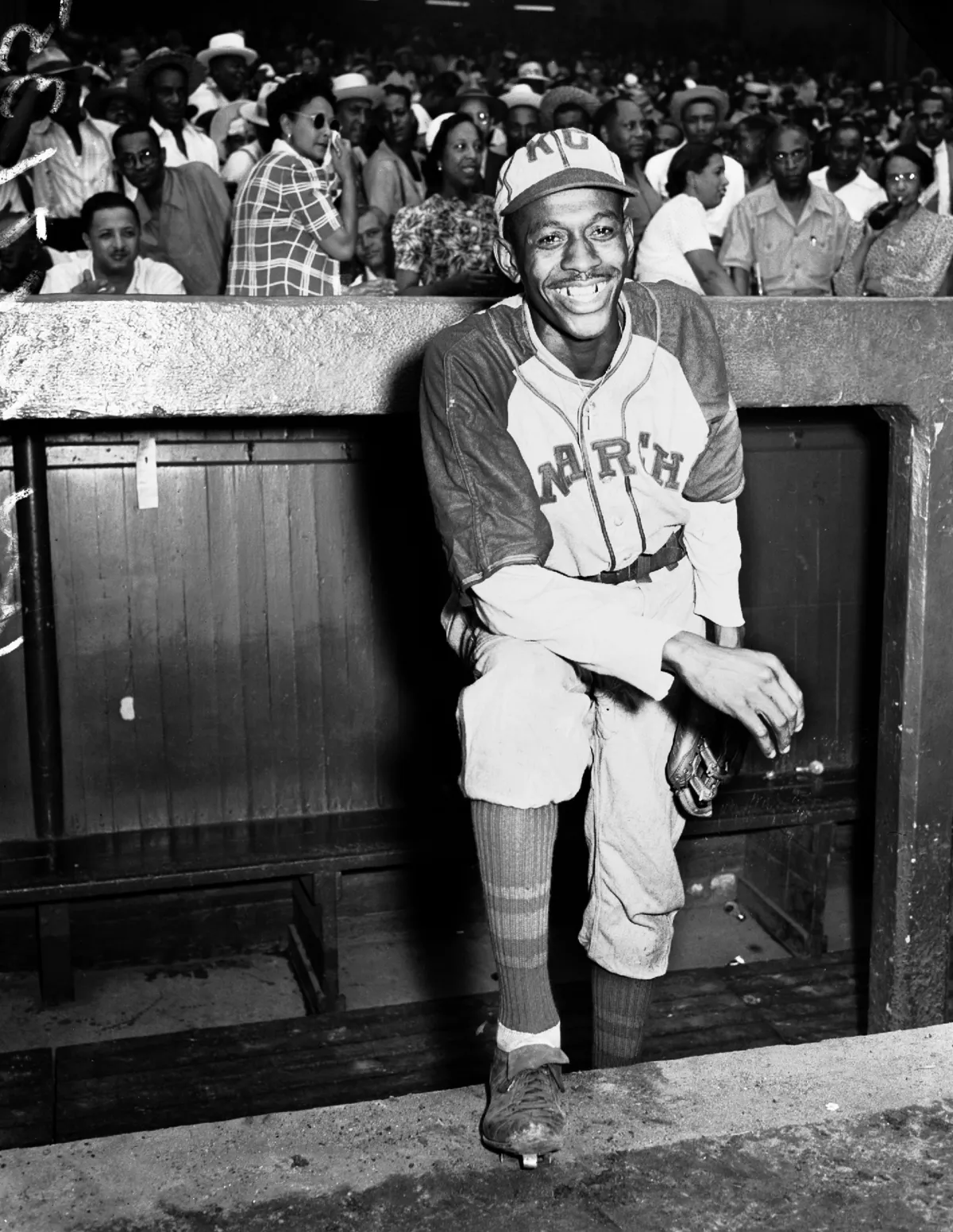
Want To Feel As Accomlished As Satchel?
Bio Project co-chairs Rory Costello and Gregory Wolf will find somebody to vet the bio to make sure that all of SABR’s basic requirements for biographies are covered; that it is properly sourced and formatted, including endnotes; and that the writing is of sufficient quality.
But again, let me reiterate that as important as it is to find writers for the outstanding subjects, it is equally as important to find people who can vet and/or edit pieces at a high rate.
If you feel like you might be up to either of those tasks, send an e-mail to BioProject@SABR.org to get started.
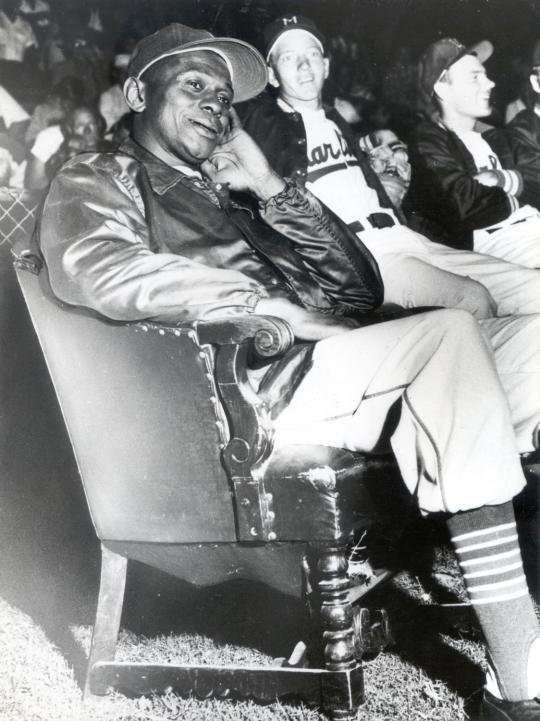
And Who Knows?
Maybe in a year or two, I’ll be interviewing YOU on the show.
Until Next Time…
I’m Dan Wallach, and this is My Baseball History.