
0506 - Adam Darowski
Adam Darowski is the Executive Director of Design at Sports Reference, and a Negro Leagues and Latin American baseball historian, focused on the intersection of statistical analysis and historical preservation. During our conversation, he referenced a handful of things and people upon which you may want to do more research. Consider this page to be your “liner notes” for the episode so you can follow along.

Adam Darowski and me after recording our interview in Somerset, Massachusetts.

Adam Darowski
Adam Darowski is a designer and developer with over 25 years of experience with tech companies of all types — from tiny startups to billion dollar unicorns.
Adam joined Sports Reference in late 2020 on a full-time basis after a long stint as a design consultant where he worked on their responsive site redesign and their Stathead launch.

Sports Reference
The Sports Reference sites first launched with Baseball-Reference.com in April of 2000 by Sean Forman, Pro-Football-Reference.com in December of 2000 by Doug Drinen, and Basketball-Reference.com in April of 2004 by Justin Kubatko.

Sean Forman
Sean Forman formed Sports Reference, Inc. in October of 2004, and in December of 2007 the three groups joined forces with Jay Virshbo to create Sports Reference LLC, which is based in Pennsylvania. Sports Reference has steadily grown over the years, and currently has 42 full-time employees.




Follow College Basketball Reference Online



Follow Immaculate Grid Online
Other Sports: Men’s Basketball / Women’s Basketball / Football / Hockey


Society for American Baseball Research
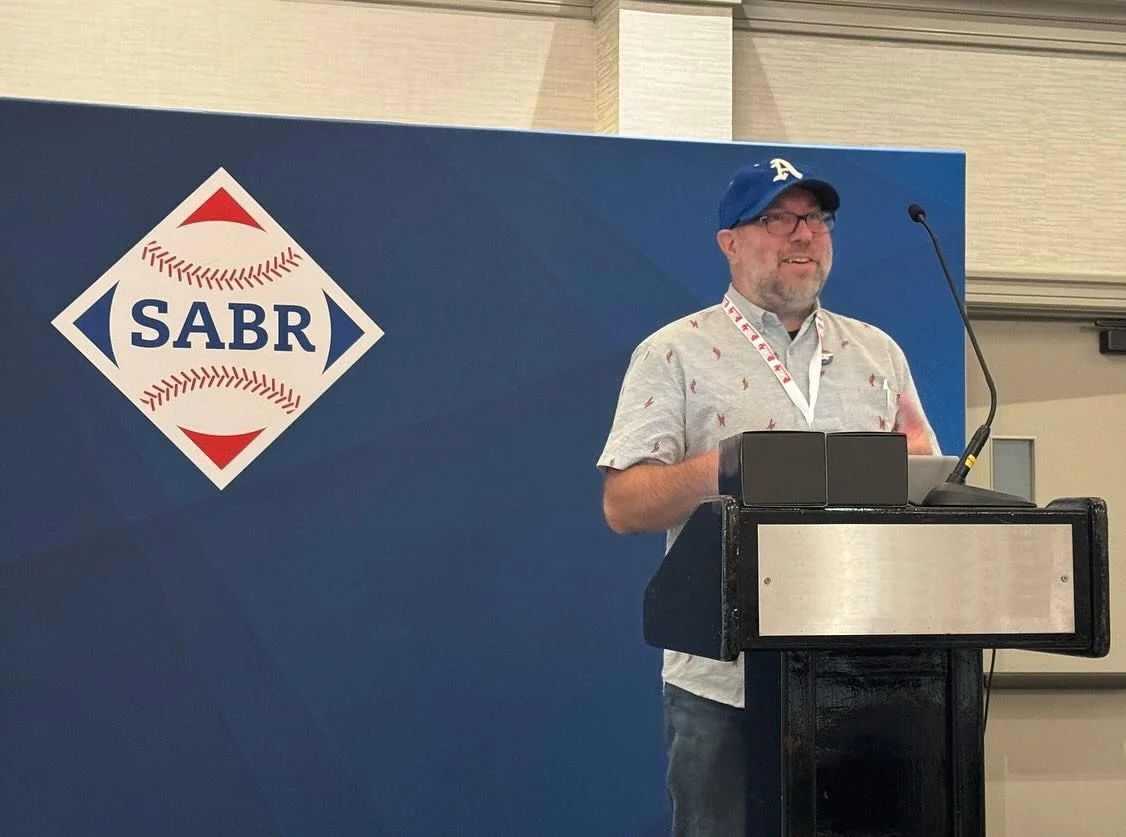
Adam has been a member of the Society for American Baseball Research since 2013, and has presented multiple times at the annual SABR convention.

Hall of Stats
Adam is a historian focused on the Negro Leagues and Latin American baseball. His work, both personally and professionally, focuses on the intersection of statistical analysis and historical preservation.
He enjoys building genuinely loveable and aggressively functional products that support those goals, like in 2012, when he launched the Hall of Stats, an alternate Hall of Fame populated by a mathematical formula, with the help of his friends Jeffrey Chupp and Michael Berkowitz.

Outsider Baseball All-Stars
Or his Outsider Baseball All-Stars research, for which Adam has also created a dedicated website.
Visit the website HERE.
The Perfect Person
Adam has spent years researching Black and Latin players, and has unparalleled access to the databases which document all of their statistics.
He is the perfect person to have the discussion we’re about to have about the integration of the Negro Leagues statistics into the official MLB record books.
A Long Time Coming
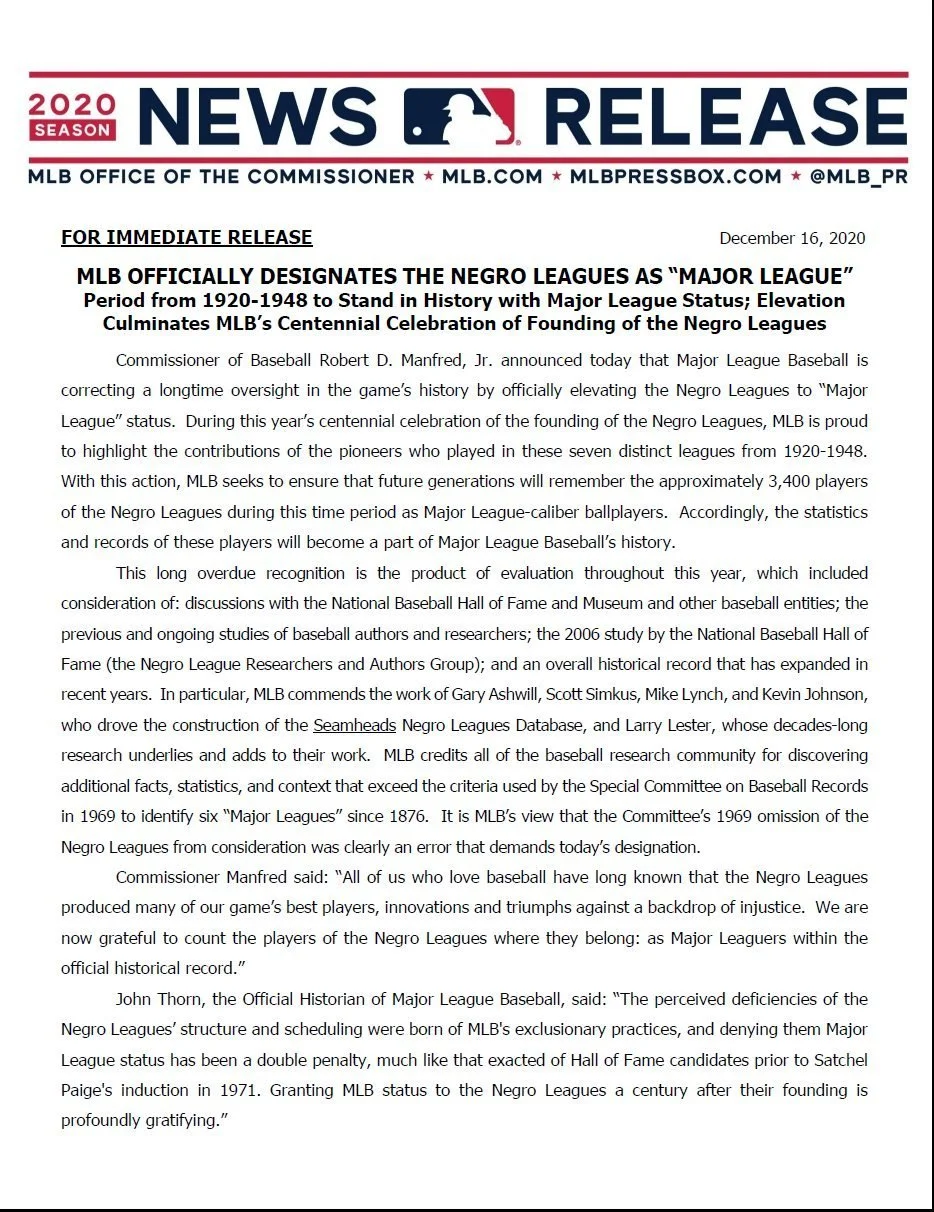
On December 16, 2020, Commissioner Rob Manfred announced that Major League Baseball would be “correcting a longtime oversight in the game’s history by officially elevating* the Negro Leagues to “Major League” status.”
Read the full press release HERE.
*“Elevating” is a word chosen by Major League Baseball, and is one which many Negro Leagues historians, researchers, and advocates have taken umbrage with. The usage of the word “elevate” implies that the Negro Leagues were somehow beneath the Major Leagues.
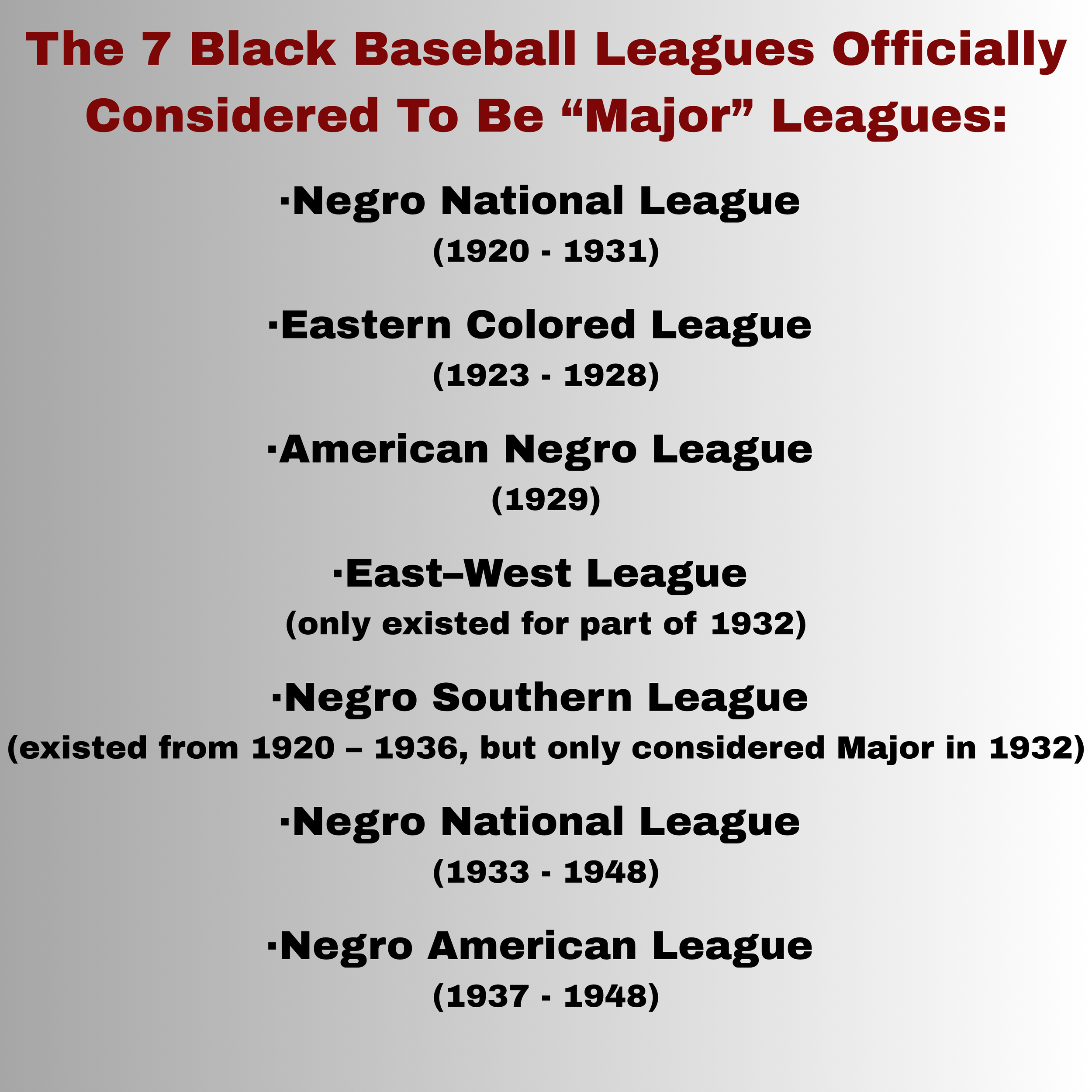
7 Distinct Leagues
More from MLB’s official press release:
“During this year’s centennial celebration of the founding of the Negro Leagues, Major League Baseball is proud to highlight the contributions of the pioneers who played in these seven distinct leagues from 1920 through 1948.
With this action, Major League Baseball seeks to ensure that future generations will remember the approximately 3,400 players of the Negro Leagues during this time period as Major League-caliber ballplayers. Accordingly, the statistics and records of these players will become a part of Major League Baseball’s history.”

Elias Sports Bureau
“Major League Baseball and the Elias Sports Bureau have begun a review process to determine the full scope of this designation’s ramifications on statistics and records. MLB and Elias will work with historians and other experts in the field to evaluate the relevant issues and reach conclusions upon the completion of that process.
“John Labombarda, Head of the Editorial Department at the Elias Sports Bureau, the Official Statistician of Major League Baseball, said: “The Elias Sports Bureau supports Major League Baseball in its conferral of Major League status on the Negro Leagues. We look forward to working with John Thorn and the people who worked on the research and construction of the Seamheads Negro Leagues Database.”

John Thorn
“John Thorn, the Official Historian of Major League Baseball, said:
“The perceived deficiencies of the Negro Leagues’ structure and scheduling were born of MLB's exclusionary practices, and denying them Major League status has been a double penalty, much like that exacted of Hall of Fame candidates prior to Satchel Paige's induction in 1971.
Granting Major League Baseball status to the Negro Leagues a century after their founding is profoundly gratifying.”
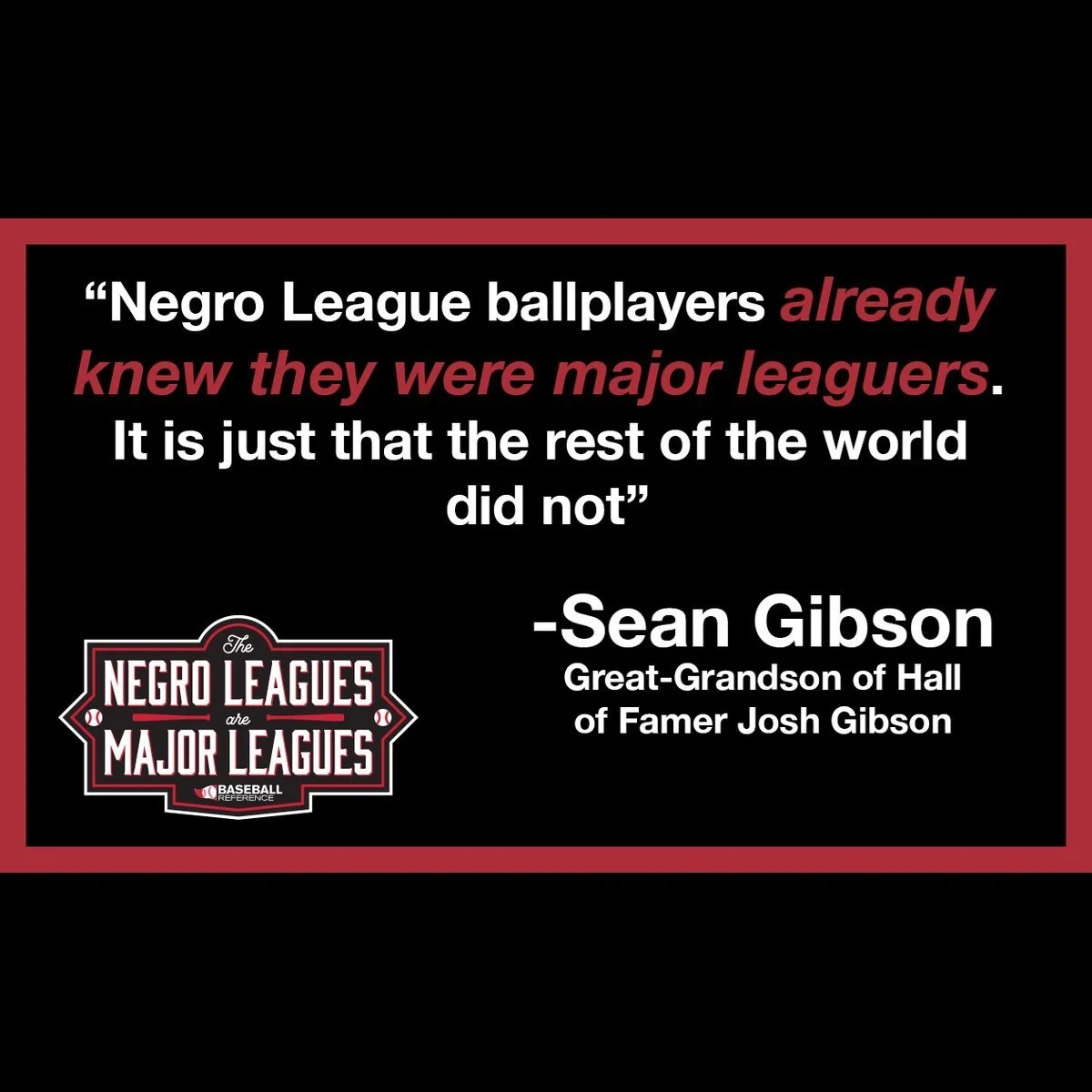
The Negro Leagues Are Major Leagues
On June 15, 2021, Baseball Referenced made the following announcement:
“We have dramatically expanded our coverage of the Negro Leagues and historical Black major league players. Major Negro Leagues (from 1920-1948) are now listed with the National League and American League as major leagues.
We are not bestowing a new status on these players or their accomplishments. The Negro Leagues have always been major leagues. We are changing our site's presentation to properly recognize this fact.”
Which Games Are Included?
“Although our work is heavily stats driven, we recognize that the history and the legend and lore of many of these players exist beyond the numbers. The Negro Leagues data is not complete. While the quality of play in the Negro Leagues was on a major league level, the wages, travel, playing conditions, press coverage, and record-keeping were more varied, primarily due to systemic racism.
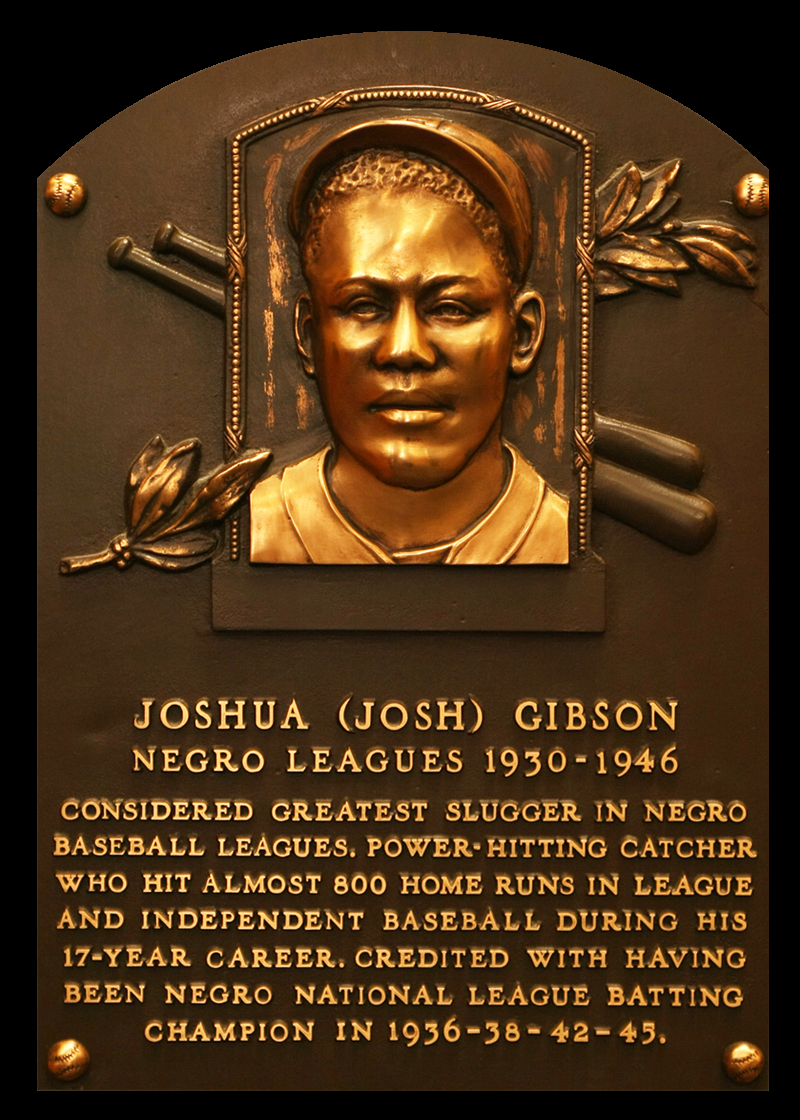
“Additionally, Negro League teams played a shorter regular season schedule, but with an extensive amount of exhibitions and barnstorming games that made for seasons that often approached 200 or more games in total. These contests were not part of their league schedule and are therefore not included in this database. This is why Josh Gibson's Hall of Fame plaque says that he hit "almost 800 home runs" while our data shows 166.”

1920 Through 1948
“It's also important to remember that the history of Black Baseball does not start in 1920 or end in 1948, and even from 1920 through 1948 our presentation is incomplete. There were hundreds of teams and thousands of players that make up a more complete and richer history of Black Baseball than we are able to present here, and from 1920 through 1948 there were many star players and teams that found it more feasible to play only a barnstorming schedule (not just in the United States, but also the Caribbean, Mexico, and Venezuela) rather than participate in leagues.”
Sol White’s Hall of Fame Biography
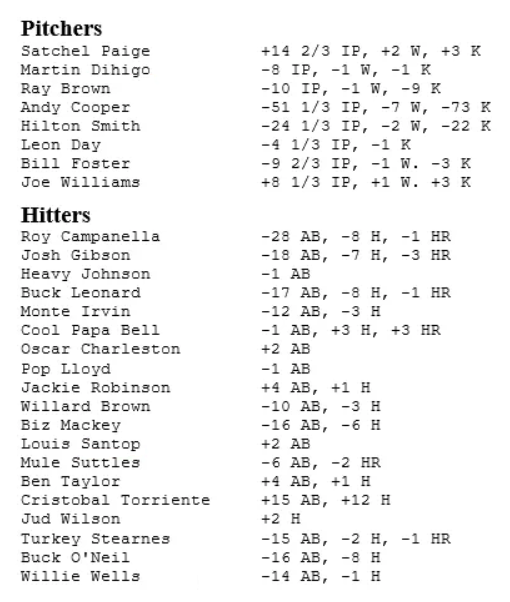
Scouring The Records
As John Thorn recently wrote:
“In the years since Major League Baseball made their announcement, researchers have continued to scour the records for statistics that would reflect those Negro League seasons from 1920 through 1948. Periodically, Major League Baseball releases those findings into its dataset.”
As a matter of fact, the most recent update just took place on December 2, 2025.
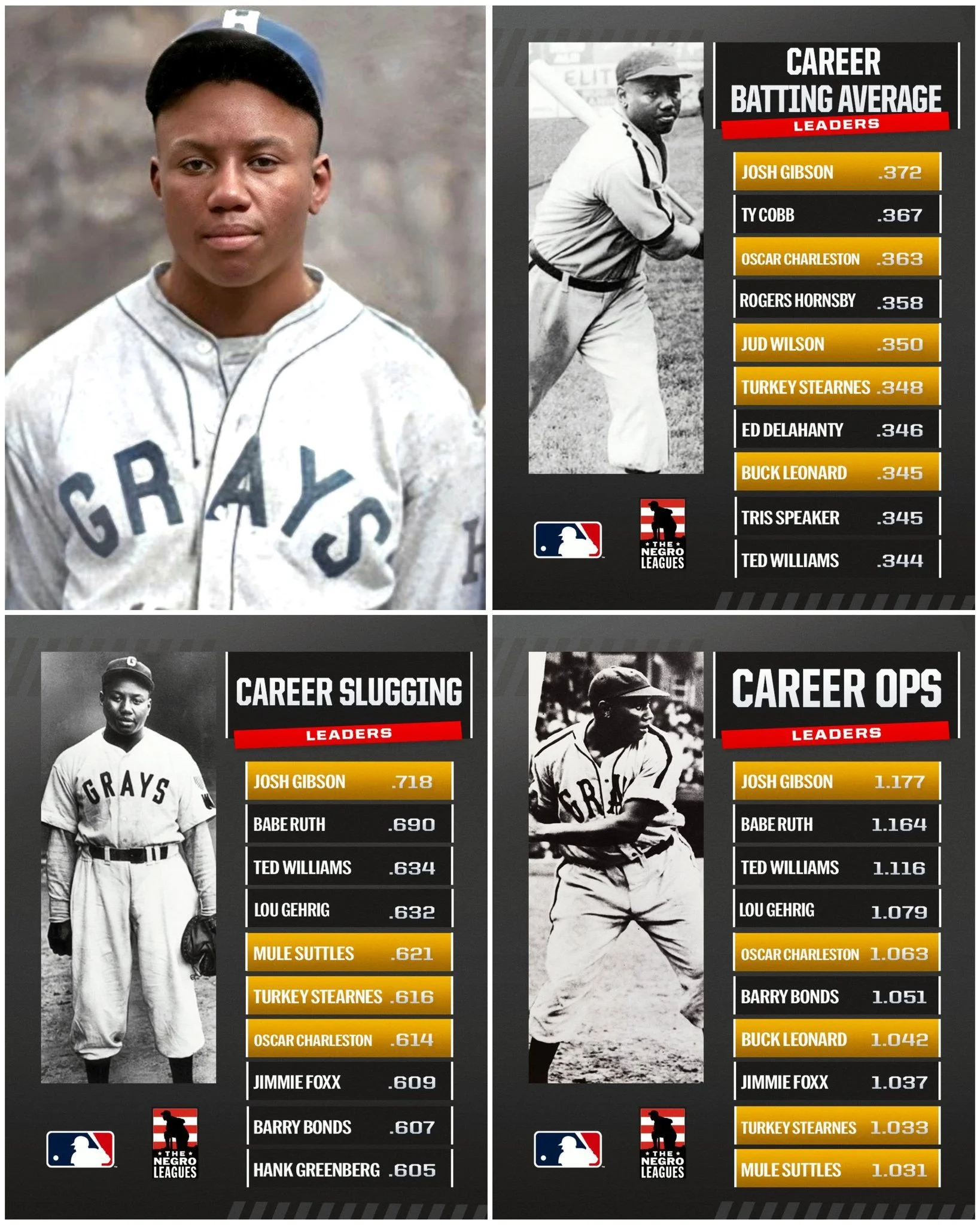
Process, Not Product
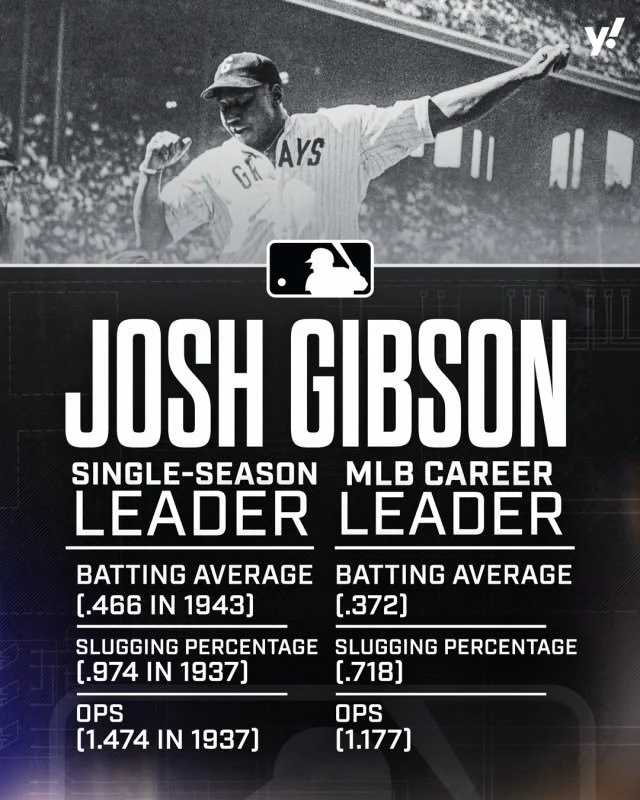
“Negro Leagues data — like all of MLB’s records — reflect process, not eternally settled product. Does Ty Cobb have 4,191 hits or 4,189? Is his lifetime batting average .366 or .367? As with Josh Gibson, there is room for both argument and understanding.
“At this moment*, Gibson’s all-time slugging percentage drops by one point to .717, but he remains tops all-time. Like Cobb, he was undeniably greater than one thousandth of a decimal point.”
*These graphics were posted by the official social media accounts of Major League Baseball when the record books were initially officially integrated. As you can see, Josh Gibson is credited here with having a .718 career slugging percentage, but with this most recent update by MLB, his official record (at least, for now) drops to .717.
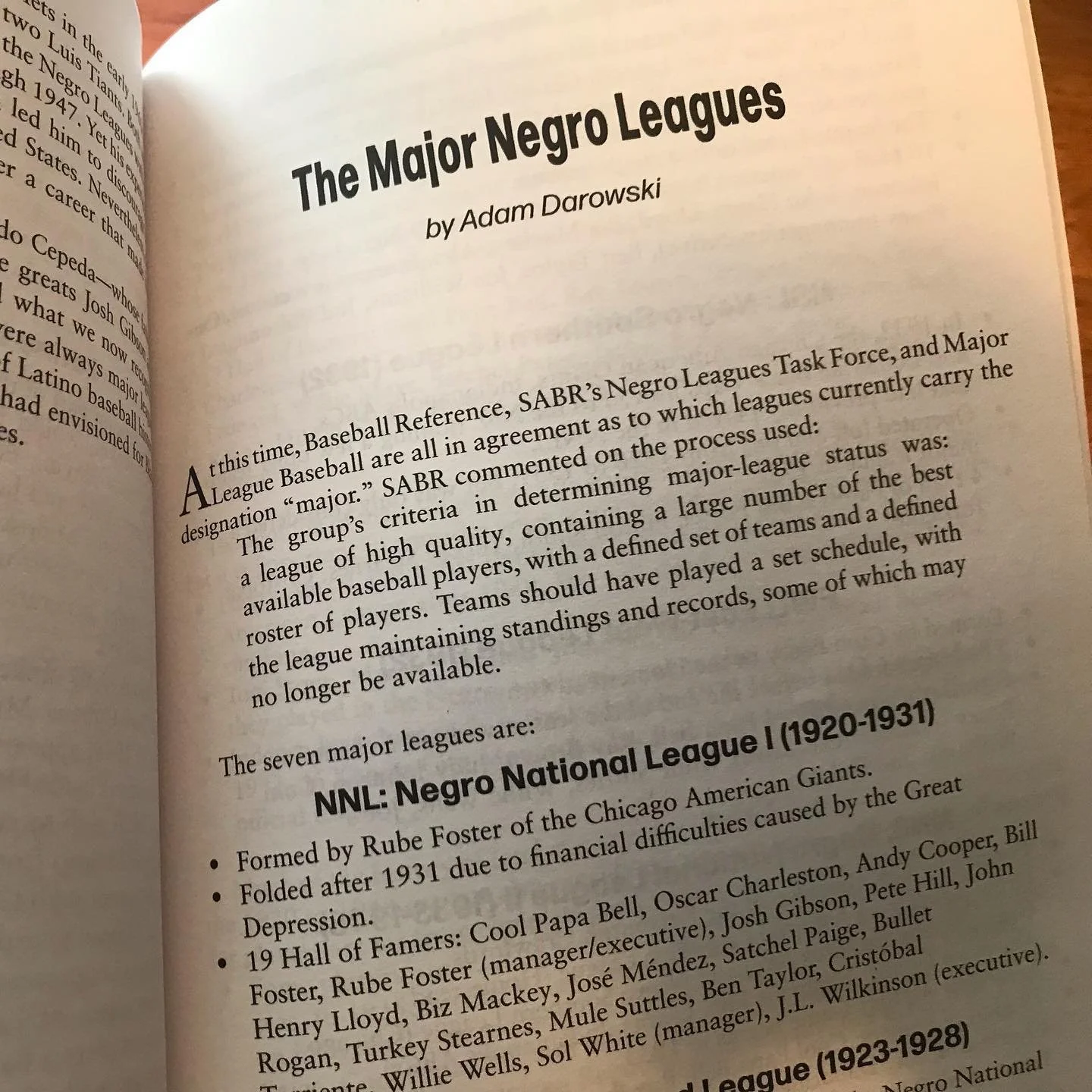
Uniquely Qualified
Adam Darowski’s own research has helped him understand the real-life and historical implications of the integration of the Major League record books, and his personal experience interviewing other researchers, historians, authors, and experts about this very subject makes him uniquely qualified to relay those implications to us.
This topic can be extremely messy, and often times there may not be one true answer or a single correct way to do or interpret something.

Dougie
If you hear a dog in the background during the interview, that’s just Dougie, who was gracious enough to allow me to invade his space for a couple hours so Adam and I could sit down and have this talk.
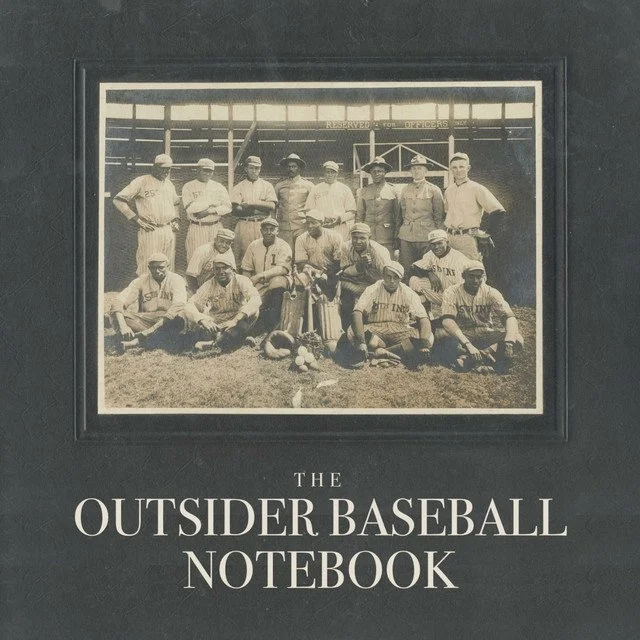
The Outsider Baseball Notebook
By the end of this episode, if you’re still craving more stories from Adam about great players and interesting baseball characters you may have never heard of before, I highly recommend checking out HIS amazing podcasts, too.
The Outsider Baseball Notebook chronicles Adam’s journey learning about the Negro Leagues and pre-segregation baseball outside of the Negro Leagues.
Building The Ballot
Adam’s other podcast, Building The Ballot, takes a deep dive into the candidates for the Baseball Hall of Fame’s Era Committees.
While the elections those episodes were preparing for have come and gone, the discussions about the players, managers, executives, umpires, pioneers, and contributors are evergreen, so they’re just as informative and relevant today as they were when they were recorded, and I promise, they’re well worth your time.
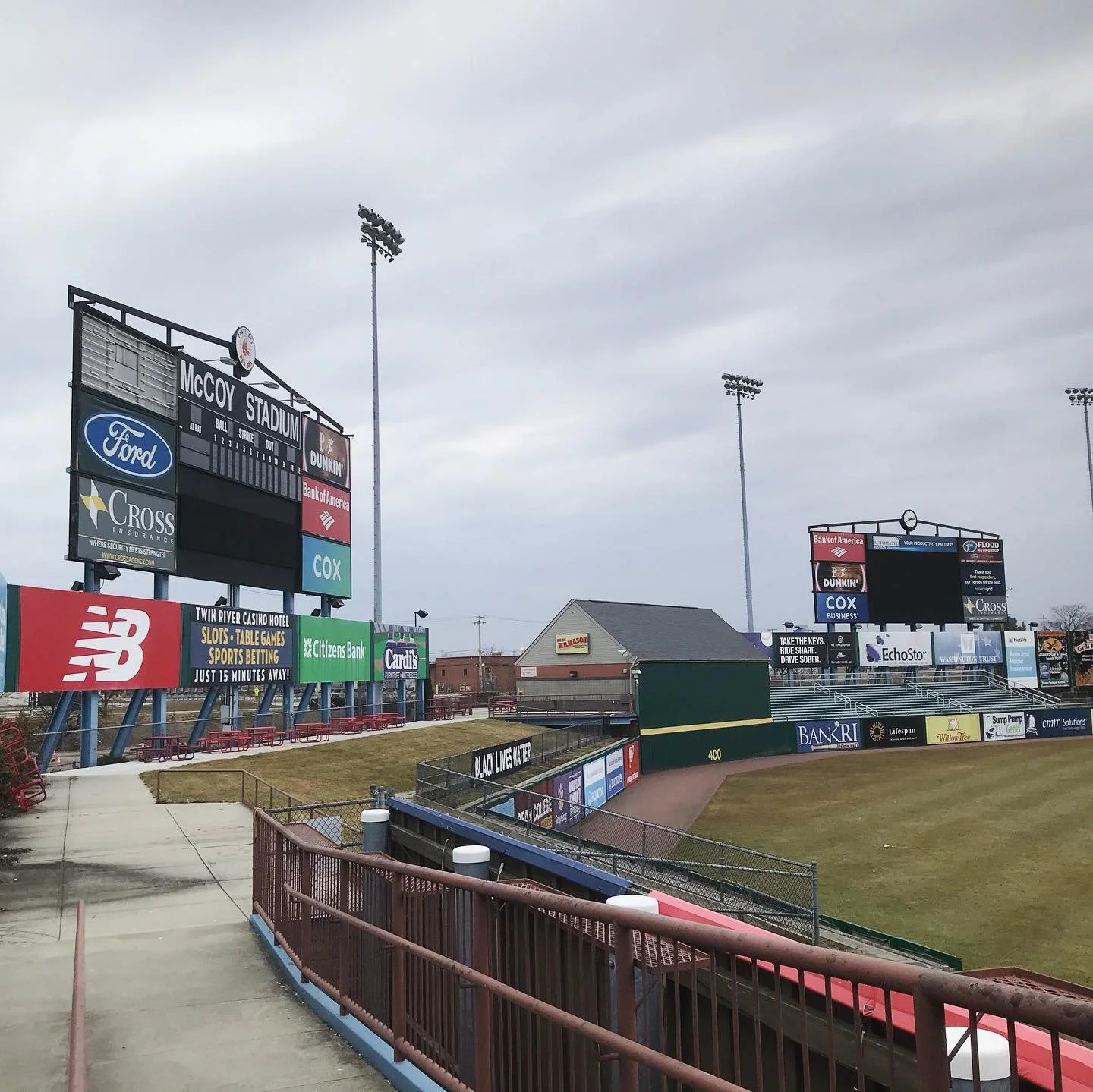
McCoy Stadium
McCoy Stadium was a baseball stadium in Pawtucket, Rhode Island. From 1970 through 2020, it served as home field of the Pawtucket Red Sox (PawSox), a Minor League affiliate of the Boston Red Sox.
Completed in 1942, the stadium first hosted an affiliated minor league team in 1946, the Pawtucket Slaters, a Boston Braves farm team.
Demolition of the stadium began on March 24, 2025, and was "all but completed on May 27."

A panoramic shot of McCoy Stadium, taken by Adam Darowski.

The Fishing Trick
As you can see here, it wasn’t always super easy to reach the players on the field while Adam was in the stands at McCoy Stadium, so he and his friends devised a method of “fishing” for autographs by using a Coke bottle and lowering it to the player below them.
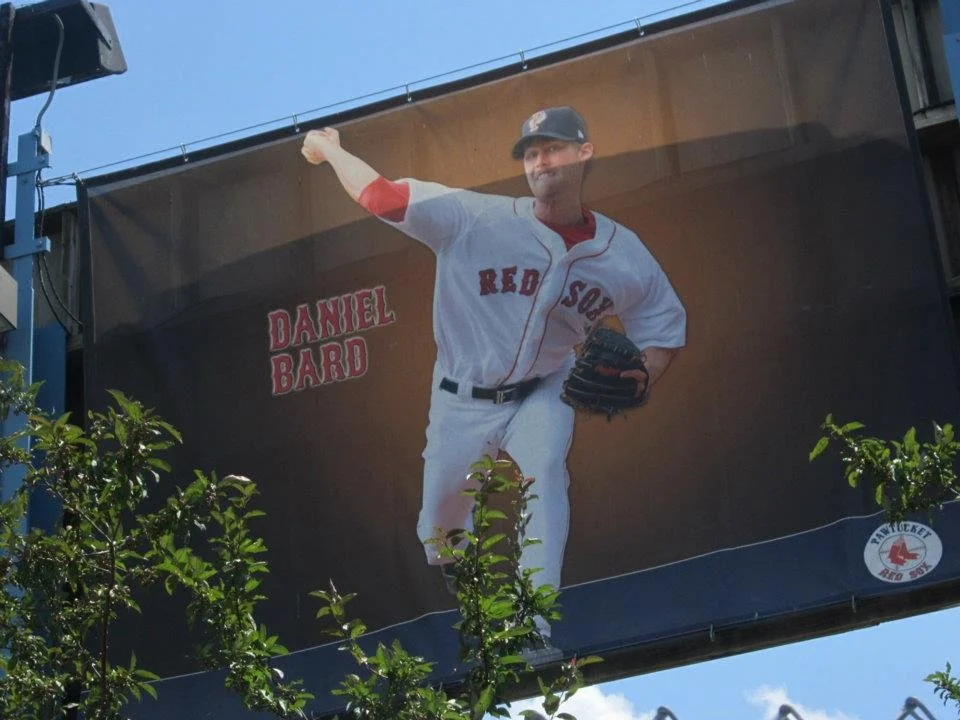
Murals and Banners
On August 17, 2018, the PawSox announced that they would relocate to a new stadium in Worcester in April of 2021. With McCoy Stadium no longer needed by the Red Sox, they began selling off many of the items inside in preparation of demolition.
Adam was considering buying one of these huge banners of a former player, like Marty Barrett, before he saw what the auction prices were getting up to.

1987 Topps
The 1987 Topps baseball card set consisted of 792 cards, with subsets including Record Breakers (1-7), Turn Back the Clock (311-315), and All-Stars (595-616).
The set also includes manager cards with a team checklist featured on the card backs. The key rookie cards for the set include #634 Rafael Palmiero and #648 Barry Larkin.
From July 1986 to June 1987, Topps nearly doubled its sports card sales from $30.2 million to $59.2 million. Over the next 12 months, the same figure nearly doubled again, jumping to $120 million.
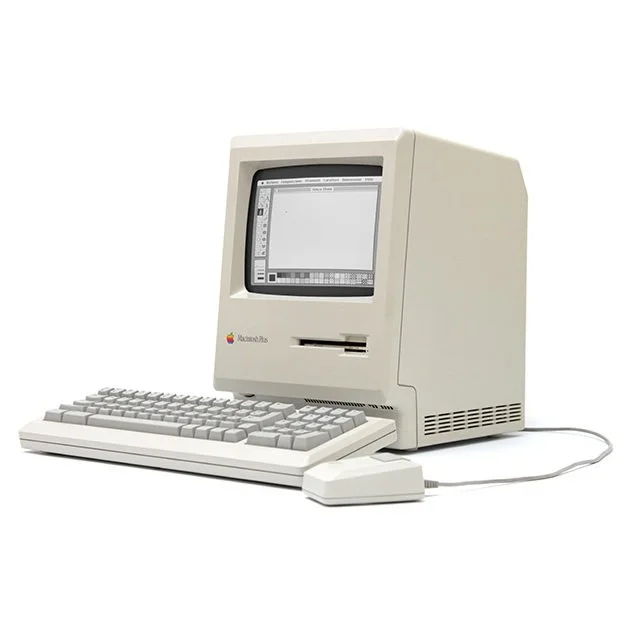
The Family Computer
Adam’s dad bought the family an Apple computer. Introduced in January 1986, two years after the original Macintosh, the Mac Plus shipped with 1 MB of RAM, a new double-sided 800 KB floppy drive, and a built-in SCSI port (the first Mac so equipped).

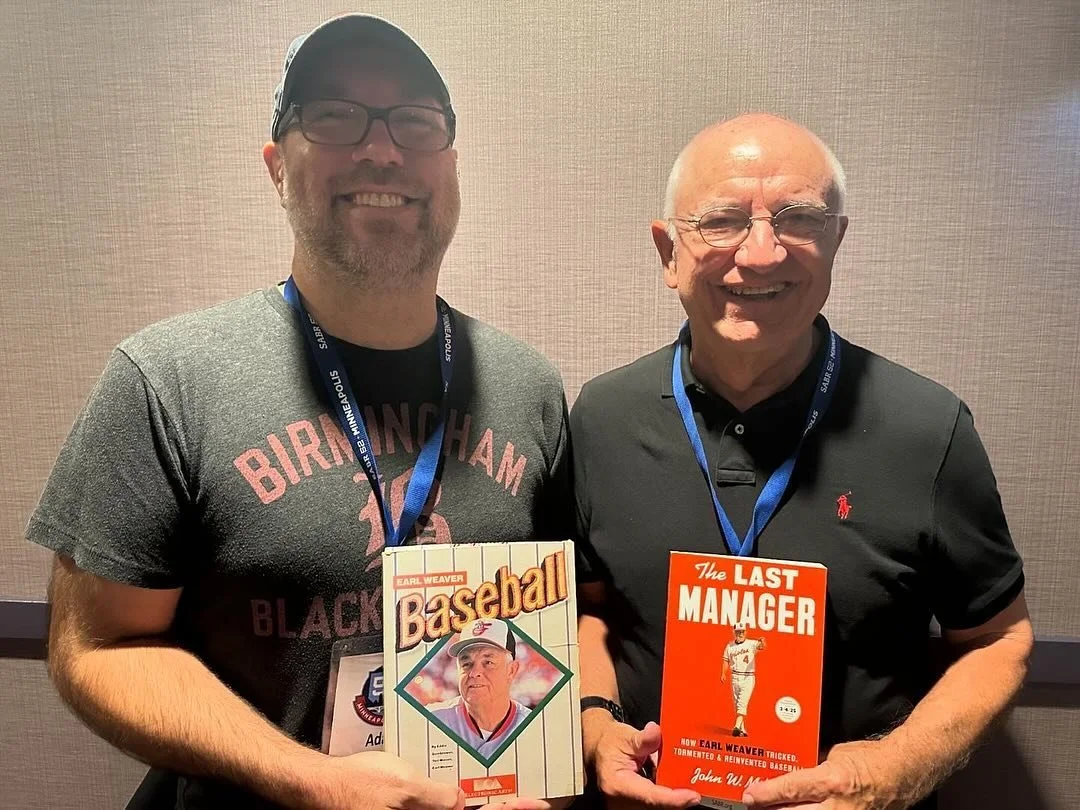
Earl Weaver Baseball
Though Adam’s dad was not a sports fan, one day he brought home Earl Weaver Baseball, a computer game designed by Don Daglow and Eddie Dombrower and published in 1987 by Electronic Arts.
It changed Adam’s life.
The artificial intelligence for the computer manager was provided by Baseball Hall of Fame member Earl Weaver, then manager of the Baltimore Orioles, based on a lengthy series of interviews.
EWB was a major hit, and along with John Madden Football helped pave the way for the EA Sports brand, which launched in 1992.
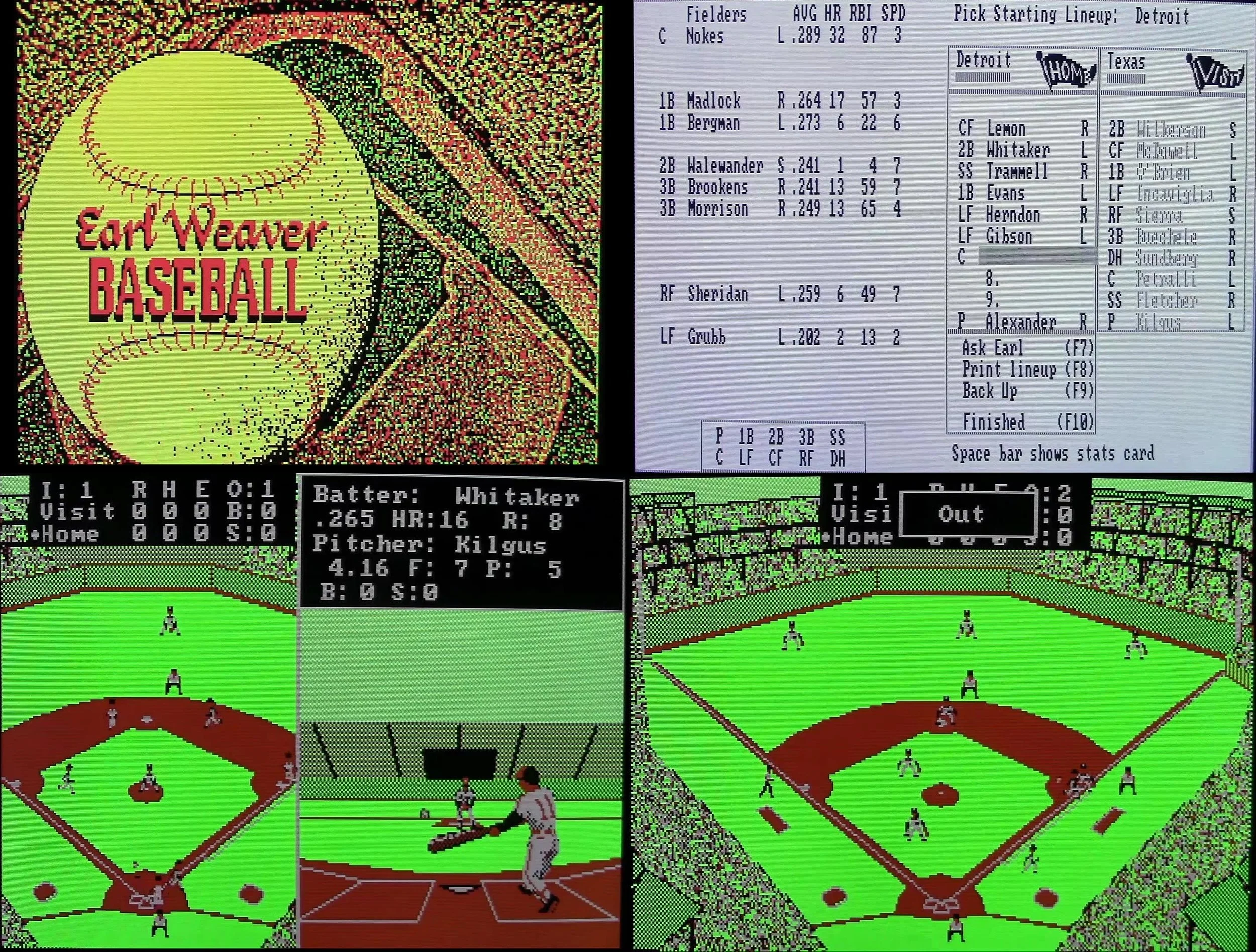
A Simulator
Earl Weaver Baseball was the first commercial computer sports game to allow players to simulate an entire season without showing each game play-by-play on the screen.
For the first time, different stadiums were shown graphically on the screen, with gameplay adjusted for their actual dimensions.
Defunct or demolished stadiums were included, such as the Polo Grounds, Griffith Stadium, Ebbets Field, and Sportsman's Park.
Don Daglow
Don Daglow is credited with many innovations in early video games, including the first baseball game (Baseball, 1971), one of the first role-playing games (Dungeon, 1975), the first RTS or sim game (Utopia, 1981), and the first graphical MMORPG (Neverwinter Nights, 1991).
Many individual elements of the language of video game design are also credited to Daglow, such as the use of a circle beneath a player to indicate the possession of the ball in sports games, first used in Tony La Russa's Ultimate Baseball (1991).
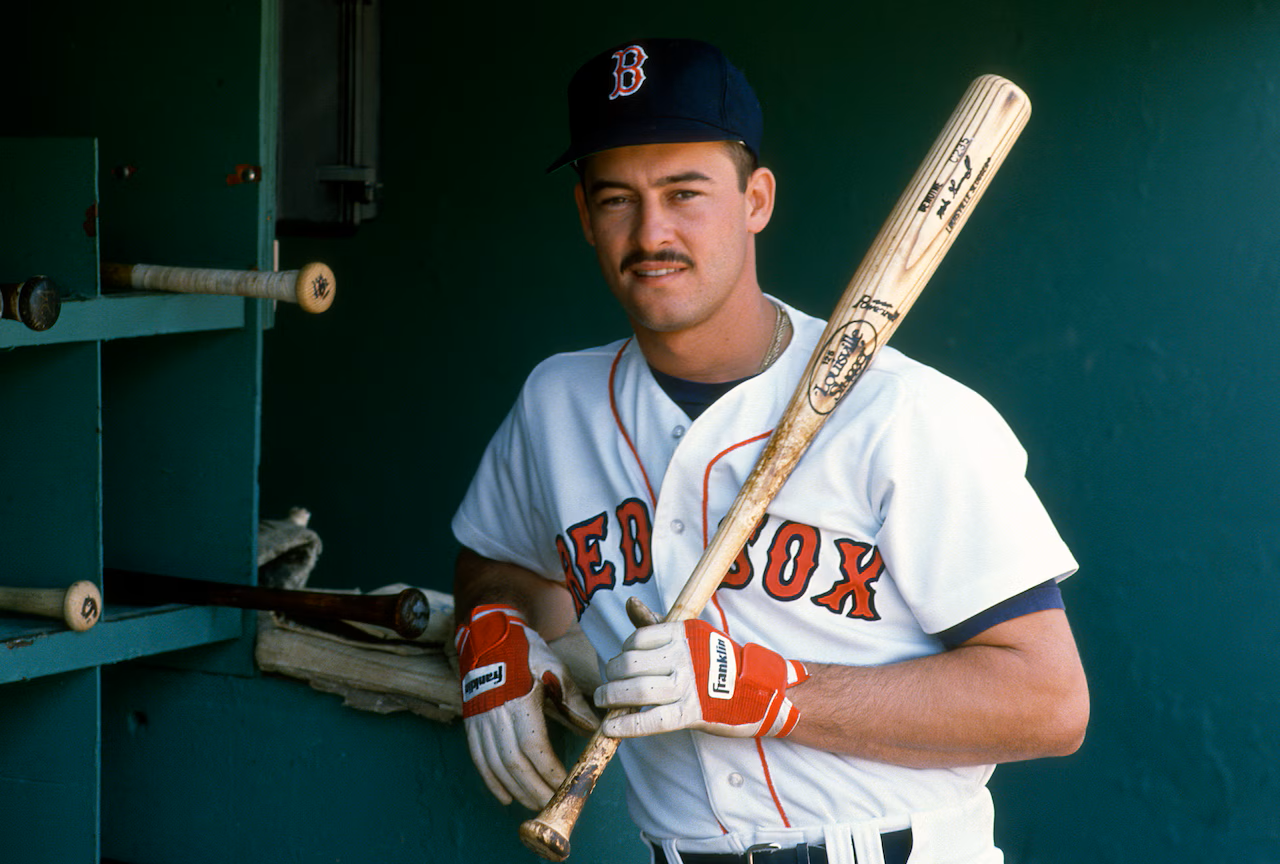
Mike Greenwell
Mike “the Gator” Greenwell played his entire MLB career with the Boston Red Sox (1985–1996). He played seven games for the Hanshin Tigers in Japan (1997), before retiring.
He was fourth in Rookie of the Year voting in 1987, and finished as the runner-up for the AL MVP Award in 1988 to José Canseco. Adam and I recorded our conversation on October 11, 2025, two days after Greenwell passed.
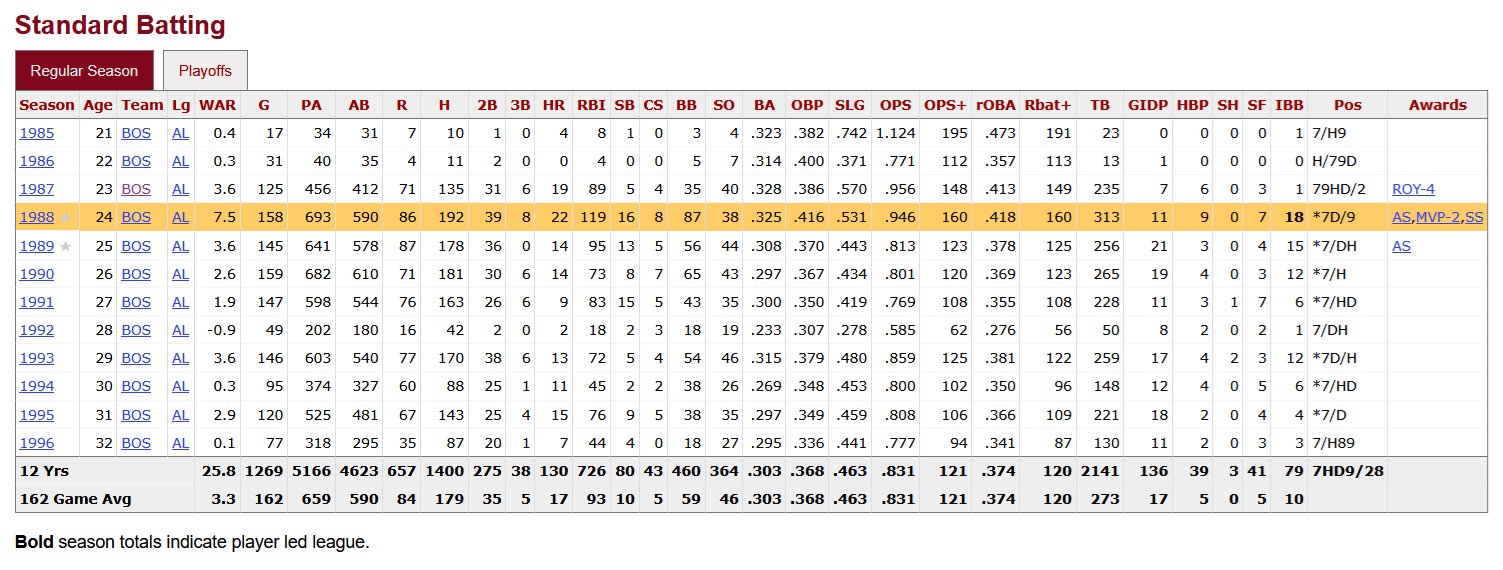
Mike Greenwell’s career statistics, courtesy of Baseball-Reference.com, with his incredible 1988 season highlighted.
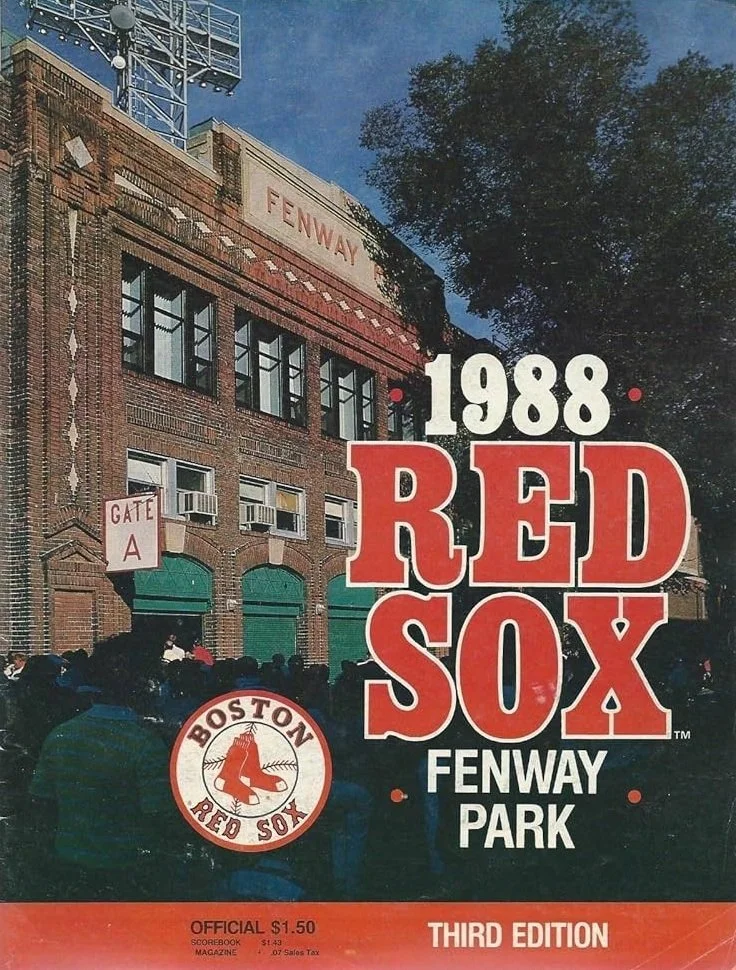
1988 Red Sox
The 1988 Boston Red Sox went 89-73, finishing 1st in the American League East. They lost in the ALCS to the Oakland A’s, who then lost in the World Series to the Los Angeles Dodgers.
Adam still remembers the great players on that year’s team:
Ellis Burks’ Baseball Reference
Dwight Evans’ Baseball Reference
Wade Boggs’ Baseball Reference
2004 Red Sox
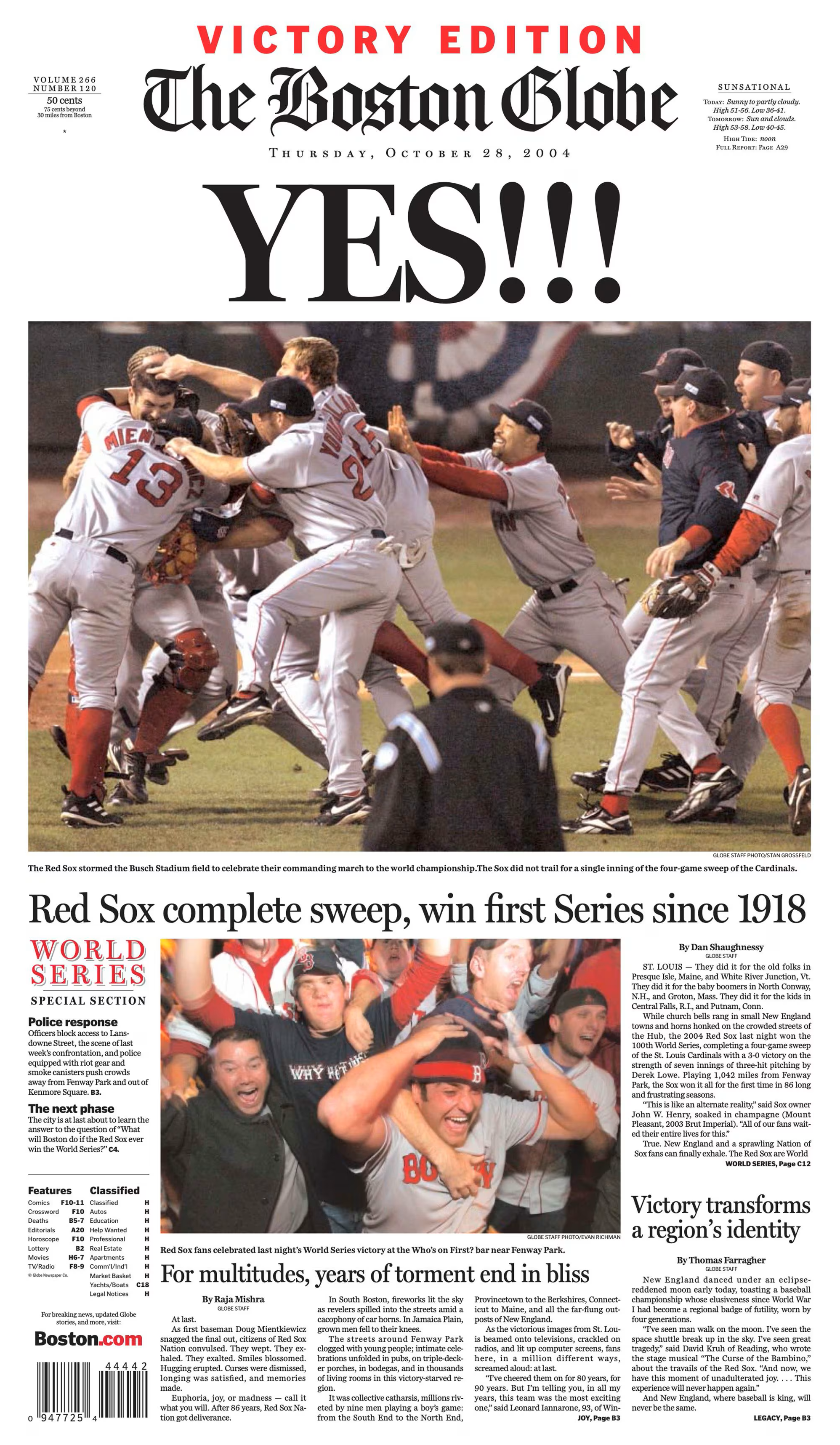
The 2004 Boston Red Sox will always hold a special place in Adam’s heart, as well.
Managed by Terry Francona, the team finished with a 98–64 record, three games behind the New York Yankees in the AL East. The Red Sox qualified for the postseason as the AL wild card, swept the Anaheim Angels in the ALDS, and faced the Yankees in the ALCS for the second straight year.
After losing the first three games and trailing in the ninth inning of the fourth game, the Red Sox became the first team in major league history to come back from a 3–0 postseason deficit, defeating the Yankees in seven games.
The Red Sox then swept the St. Louis Cardinals in the World Series, capturing their first championship since 1918, and breaking “The Curse of the Bambino.”
Being A White Sox Fan
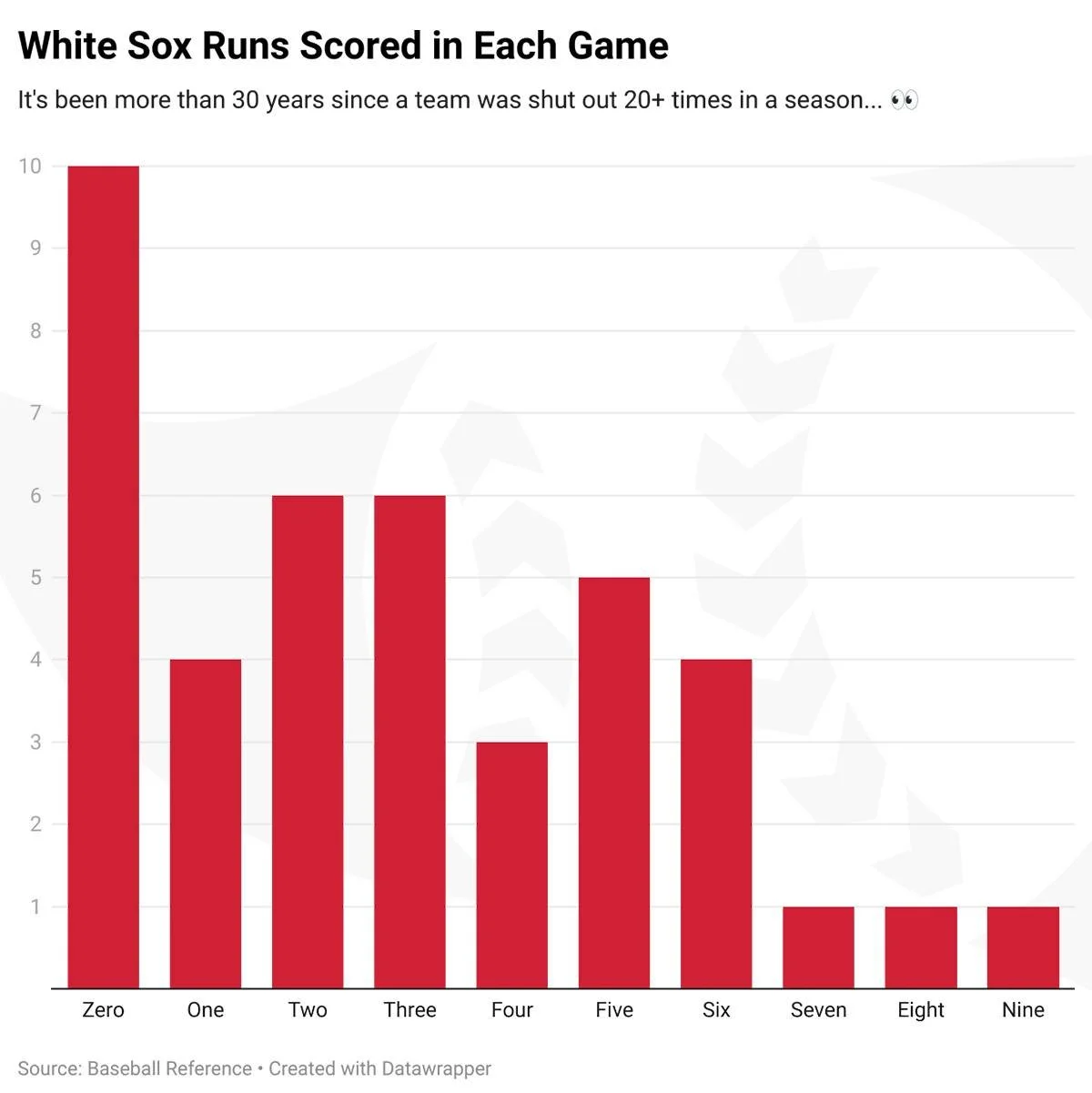
It’s been … difficult lately. Through the first 41 games of their 2024 season, the White Sox were shut out 10 times. There were 10 teams in 2023 who were shut out fewer than 10 times over the full season.
Even if the White Sox win another World Series before I die, I don’t think I would get the same amount of joy from that to overcome the amount of despair they have caused me, which sometimes makes me wonder why I continue to be a fan of theirs. If them achieving the ultimate goal wouldn’t even really make me happy, then what’s the point?
Top Prospects
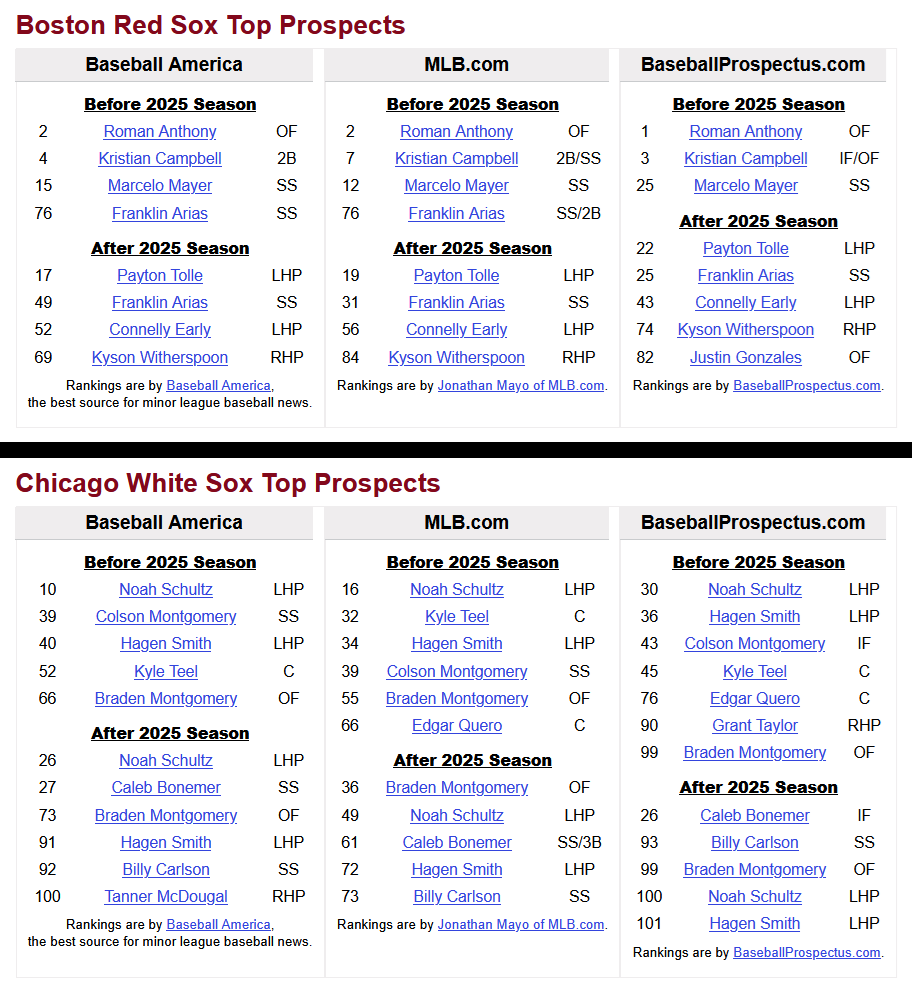
Adam is in the same boat as I am, where neither of us are nearly as big of fans of the modern game or the current teams as we used to be.
Each of us have skewed more toward diving into the history of the game, as opposed to keeping up with the top prospects in the Red Sox system or the White Sox system.
Users Come First
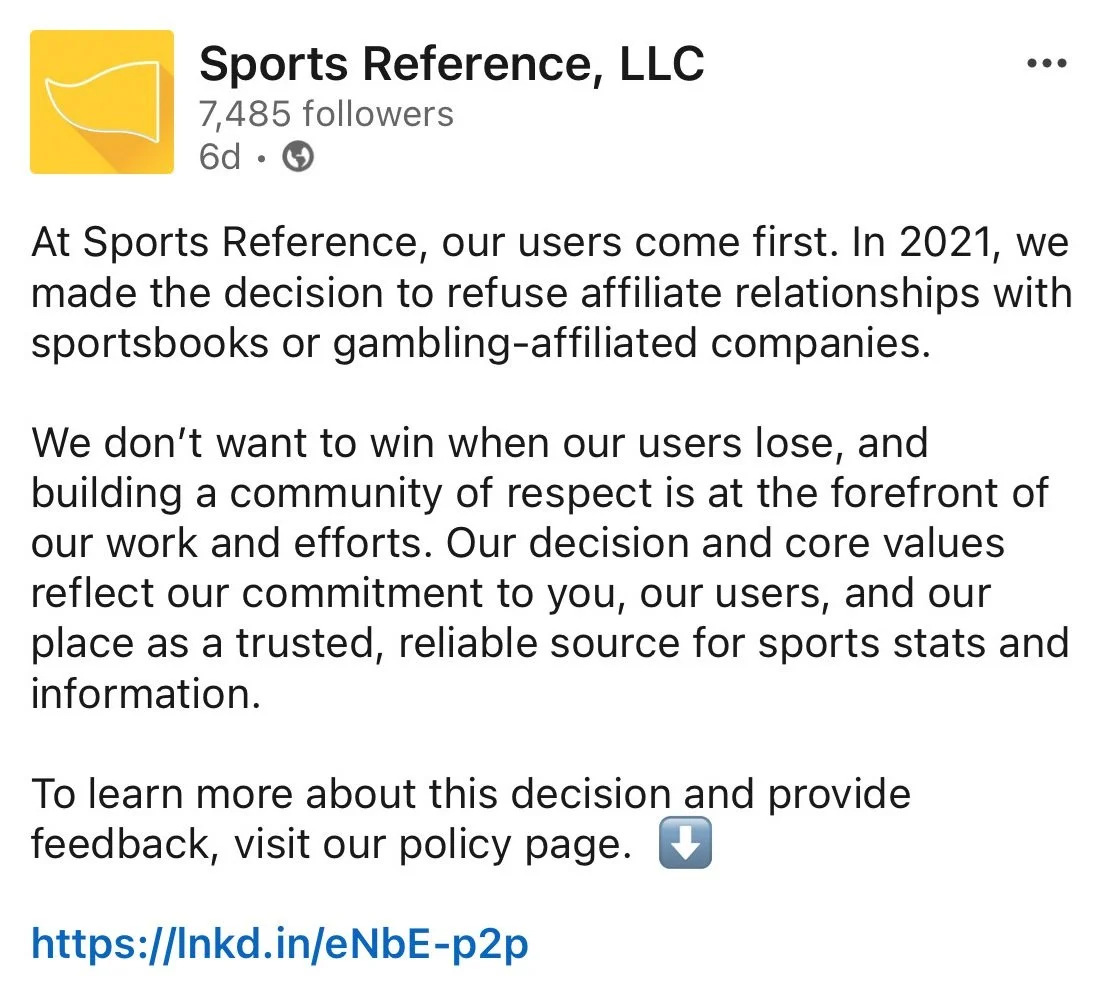
Whether it’s conducting interviews with users to see how the site can improve, or refusing affiliate relationships with sportsbooks or gambling-affiliated companies, Sports Reference genuinely seems to put their users first.
The values listed on their site state:
“We strive to work with respect, reliability with oomph, and craftsmanship, and also to promote the democratization of sports data.”
Different Spaces For Different Types Of Users
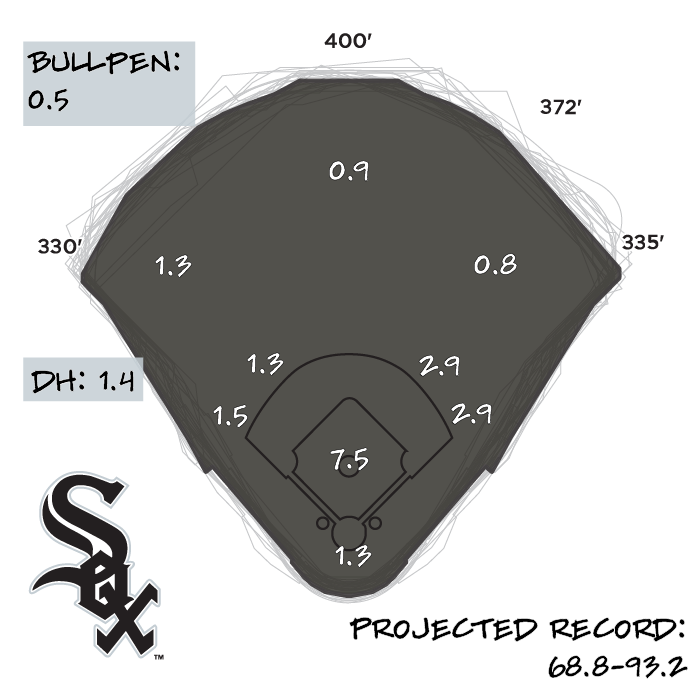
While I may personally prefer using Baseball-Reference.com when doing my own historical statistical research, Adam is still grateful that spaces still exist for other baseball sites. You may want to also check out:
Baseball Prospectus (where this image came from)

Stathead
The 2024 White Sox had a losing streak of 21 games, the second longest losing streak in AL/NL history.
Using the Streak Finder tool in Stathead Baseball, you can find how many other teams have had a streak of 20+ losses.
Sign up to become a paying user HERE.
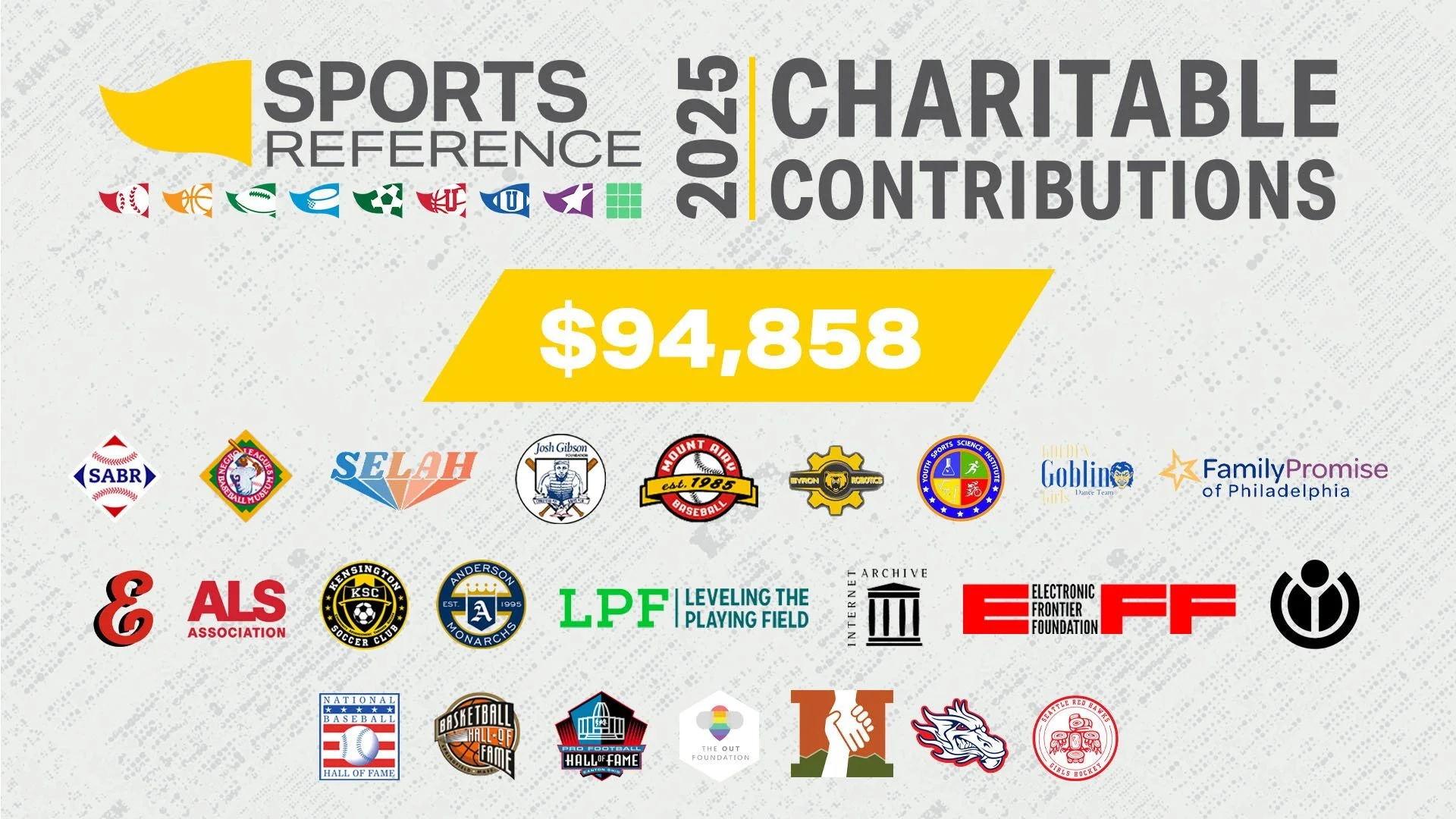
Why become a paying user when you can access so much information across the Sports Reference universe for free? Because, on top of gaining access to more tools and finders which will enhance your experience, you are also directly helping to contribute to other amazing organizations which fit the mission of SR.

Immaculate Grid
Brian Minter is the creator of Immaculate Grid, which Sports Reference announced the acquisition of right around the SABR convention in 2023.
Page Views
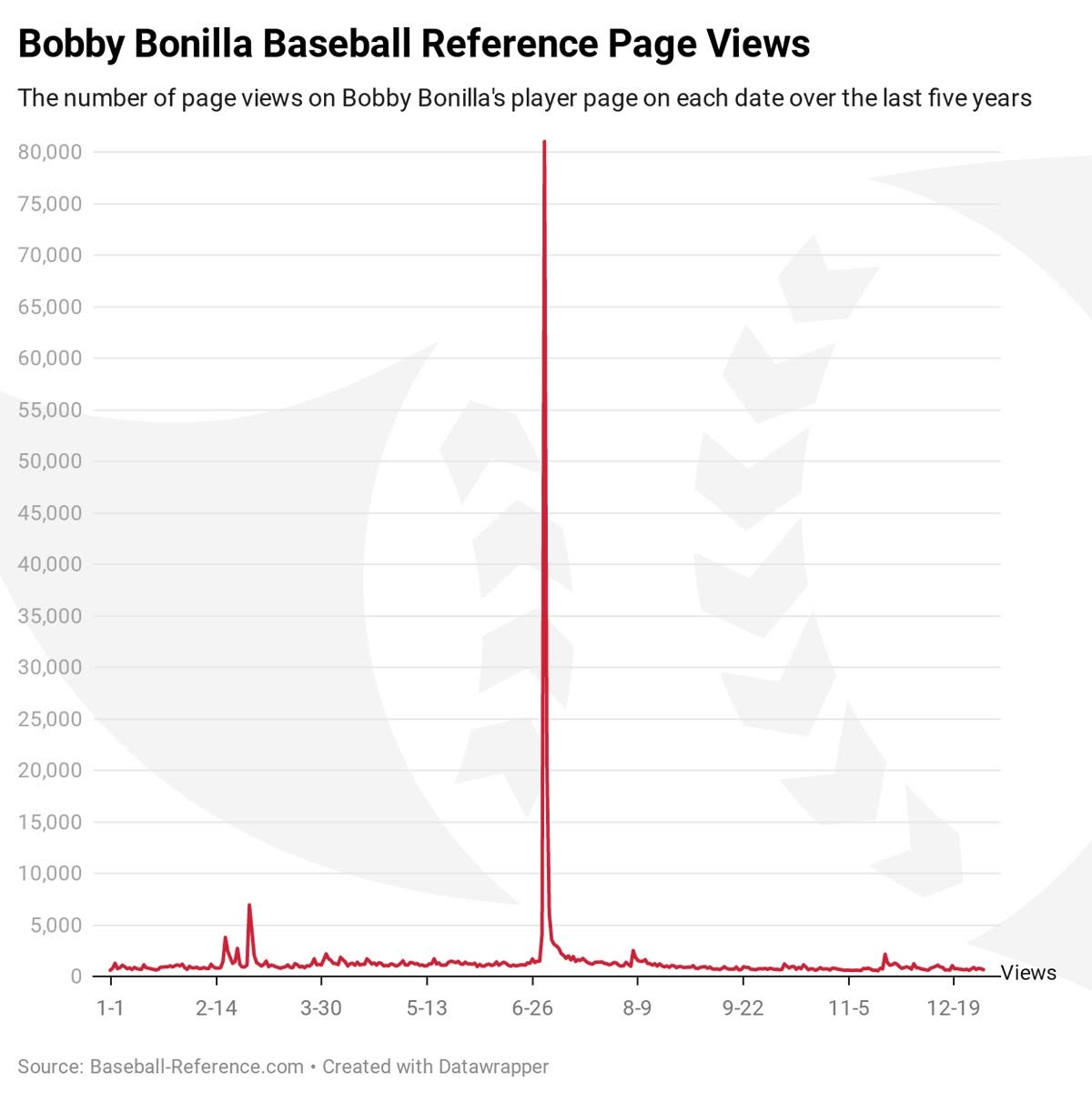
When Adam and the Sports Reference team noticed the page views going crazy on certain parts of Baseball-Reference.com, they realized there might be something to this Immaculate Grid thing.
People were noticing the number of impressions Immaculate Grid was getting on social media, too.
It’s fun to see how Sports Reference tracks page views for other things, too.

Baseball Reference’s First Immaculate Grid
Baseball Reference posted their first grid on July 11, 2023 (seen here). It just so happened to be the 100th Immaculate Grid to have been posted, which worked out quite nicely.
You can go back and play any of the previous grids in the archive, dating all the way back to Grid #1, which was posted by Brian Minter on April 4, 2023.
The reception after Baseball Reference took over the game was, well, immaculate.

Play them all: Baseball · Football · Men’s Basketball · Women’s Basketball · Hockey · Soccer

Hand Crafted
Although they have the technology to automate the creation of the daily grids, Adam still prefers to make them each by hand, purposely selecting the categories for each column and row with purpose and intent.

Immaculate Grid #916
This was the grid Adam describes which he published on Saturday, October 4, 2025.
Play Grid #916 for yourself HERE.

100 RBIs + Yankees
You could choose to put Babe Ruth in this square, knowing that he absolutely had at least one season with 100+ RBI while playing for the Yankees, but Adam feels that one of the things which makes Immaculate Grid such a great game to play is that squares like this present an opportunity for the user to express themselves and flex their knowledge.
Instead of using Babe Ruth, you could use someone more obscure to modern fans, like Wally Pipp, Charlie Keller, or Ben Chapman.
To see the list of the Top 50 single-season RBI totals achieved by a Yankees player, click HERE.
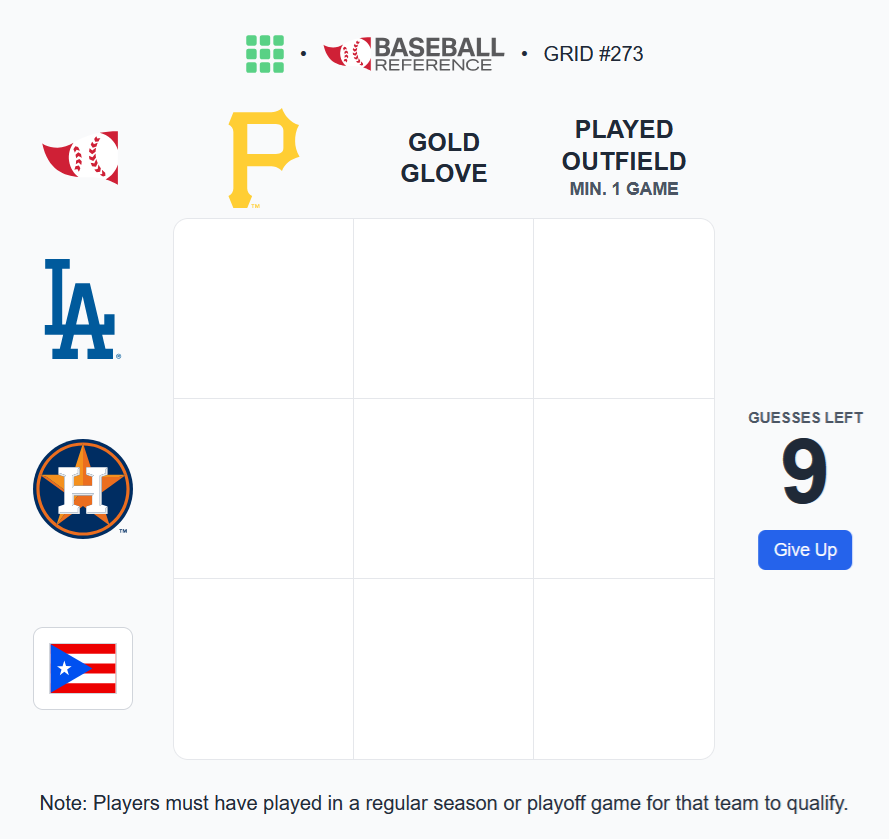
Immaculate Grid #273
This was the grid Adam describes which he published on Sunday, December 31, 2023.
As if the categories weren’t big enough hints, December 31 is the anniversary of Roberto Clemente’s tragic death, which happened on that day in 1972.
Play Grid #273 for yourself HERE.
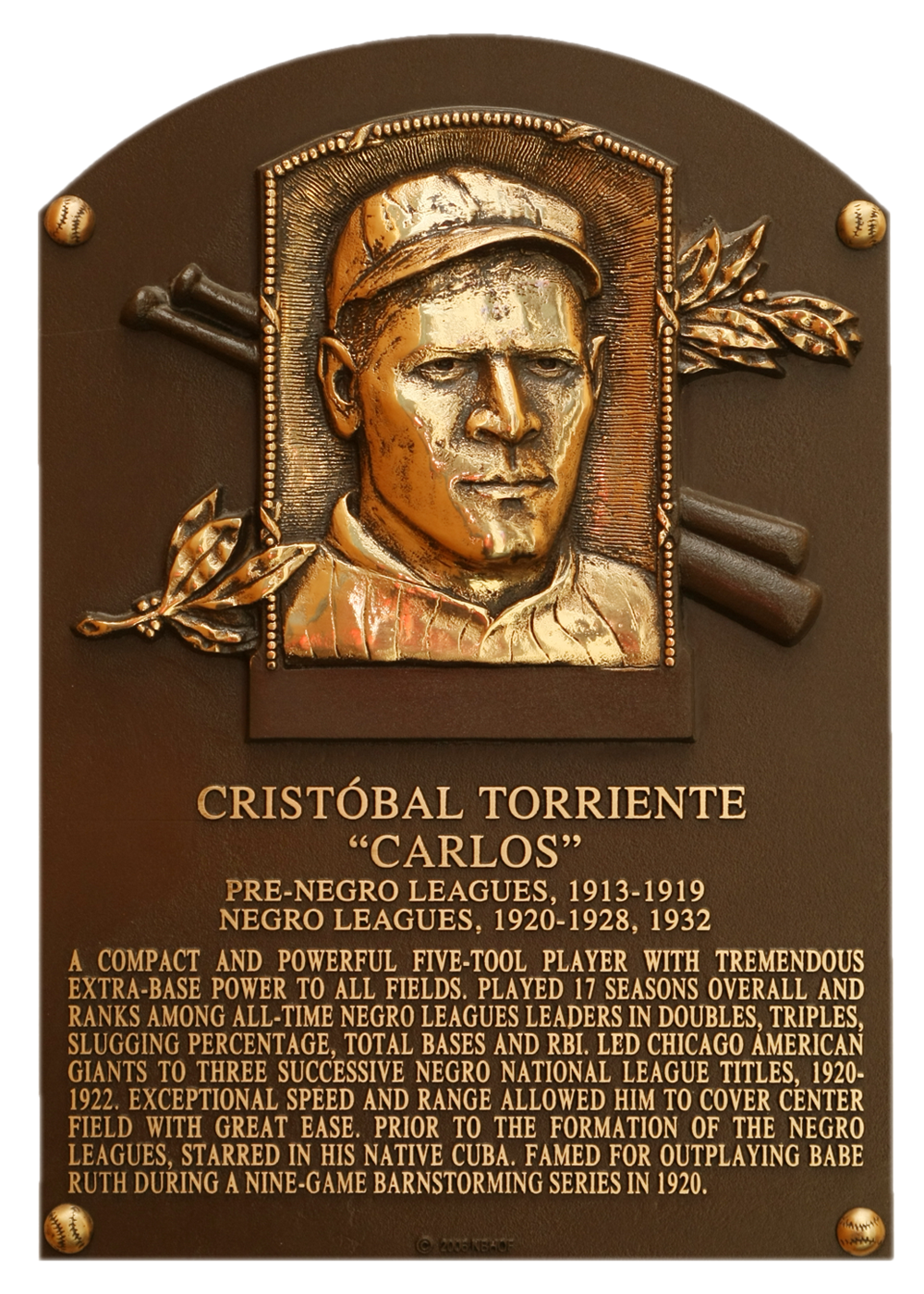
Cristóbal Torriente
Cristóbal Torriente was born in Cienfuegos, Cuba, on November 16, 1893. He came stateside in 1913 to play for the Cuban Stars, played several seasons in the 1910s for J.L. Wilkinson’s “All-Nations” team, and won the Negro National League batting title in 1920 when he hit .411 for the Chicago American Giants.
In 1920, the New York Giants, whose roster temporarily included Babe Ruth, visited Torriente’s native Cuba for a nine-game series vs. Almendares – Torriente’s team. Torriente outhit and out-homered Ruth in the series, which Almendares won.
Like many players, Torriente had a parallel career in the Cuban Winter league. In 13 seasons in his homeland, he hit better than .300 11 times and won two batting titles. His teams won six Cuban championships in those 13 seasons.
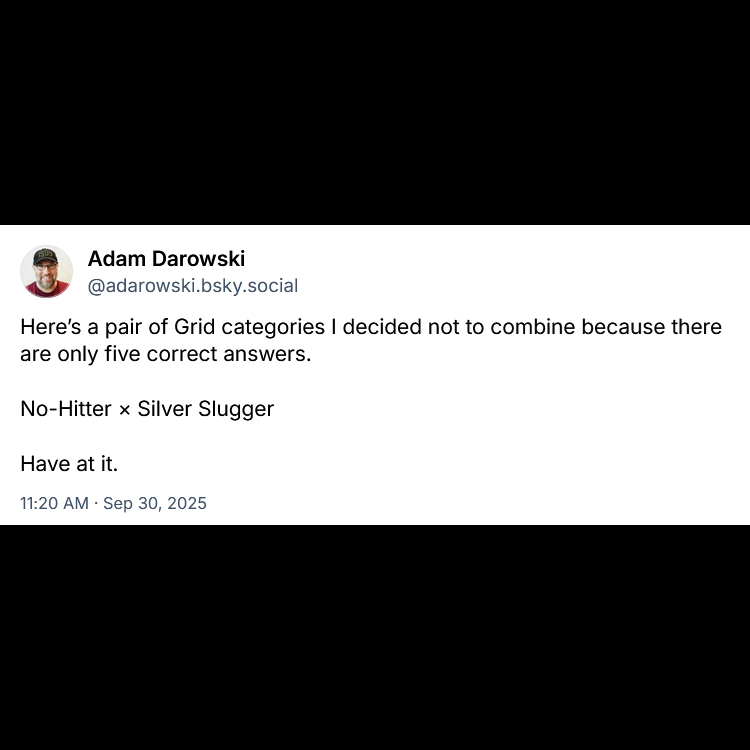
Too Hard For A Grid
Adam sometimes posts pairings like this on social media for his followers, because including them in an official grid would be too hard.
Can you guess the four other players to have done this besides Bob Forsch?
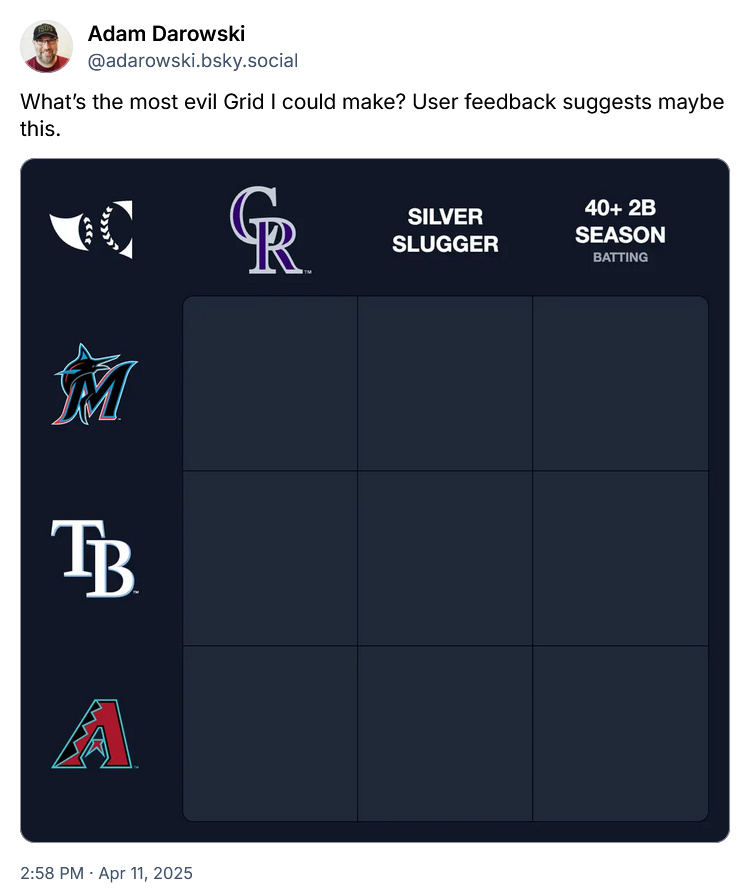
Immaculately Evil
How about an entire grid of awfulness?
Adam posted this cursed matrix on April 11, 2025.
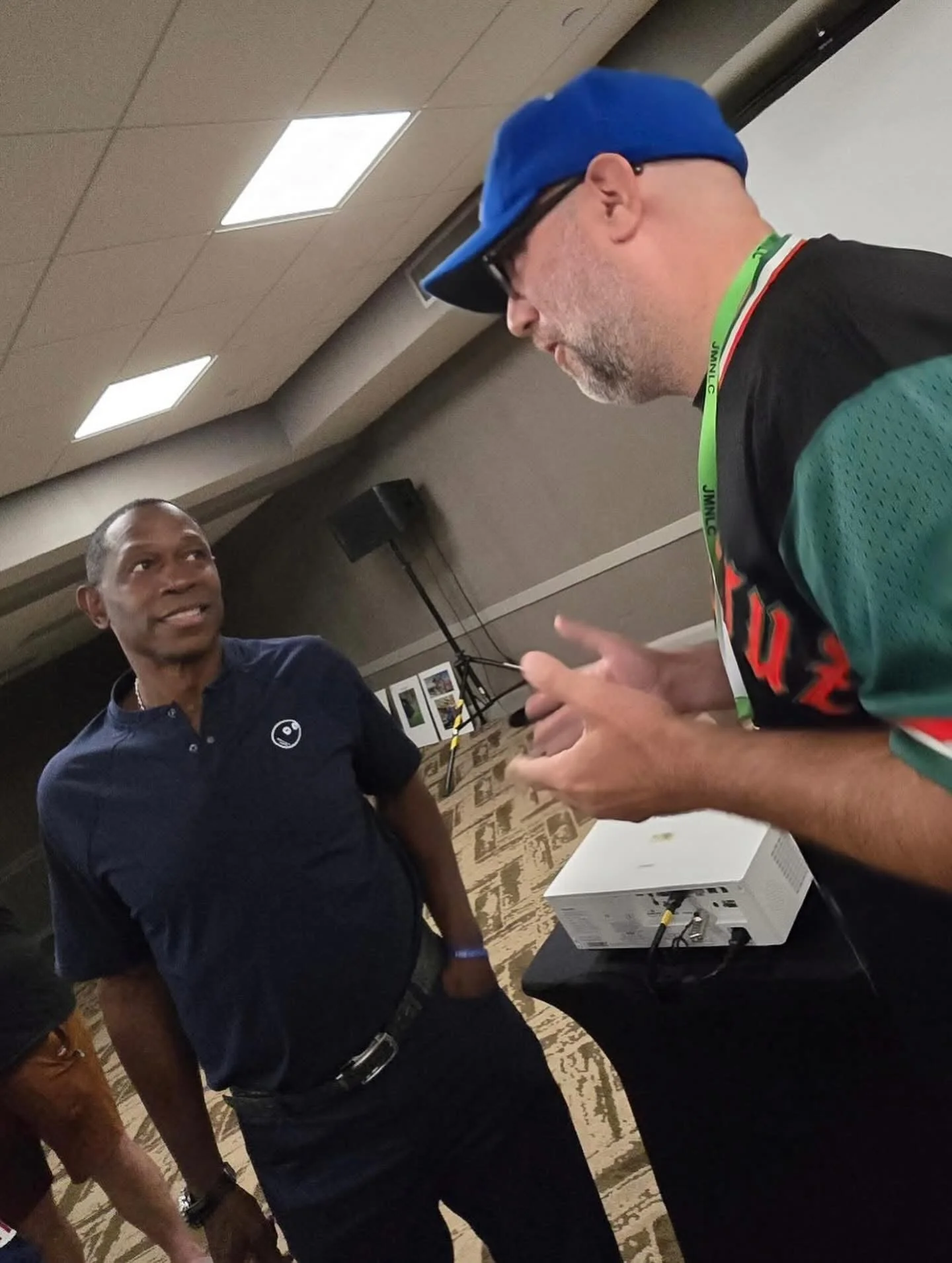
Kenny Lofton
Adam went up to Immaculate Grid legend Kenny Lofton at the Jerry Malloy Negro Leagues Conference because Adam wanted to tell Kenny that he’s one of the people who works on the game.
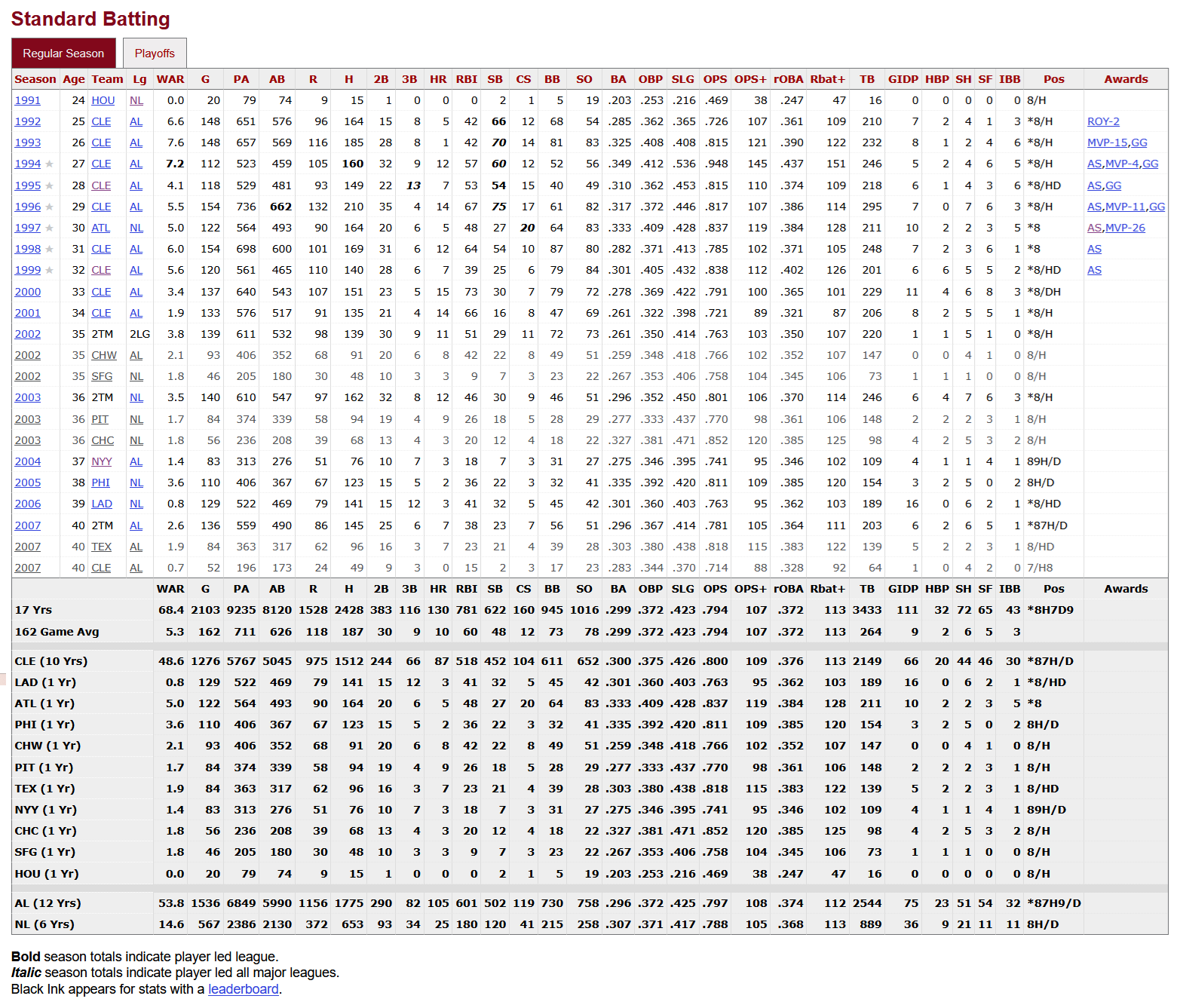
Looking at Kenny Lofton’s Baseball Reference page, can you tell why he’s an Immaculate Grid legend?
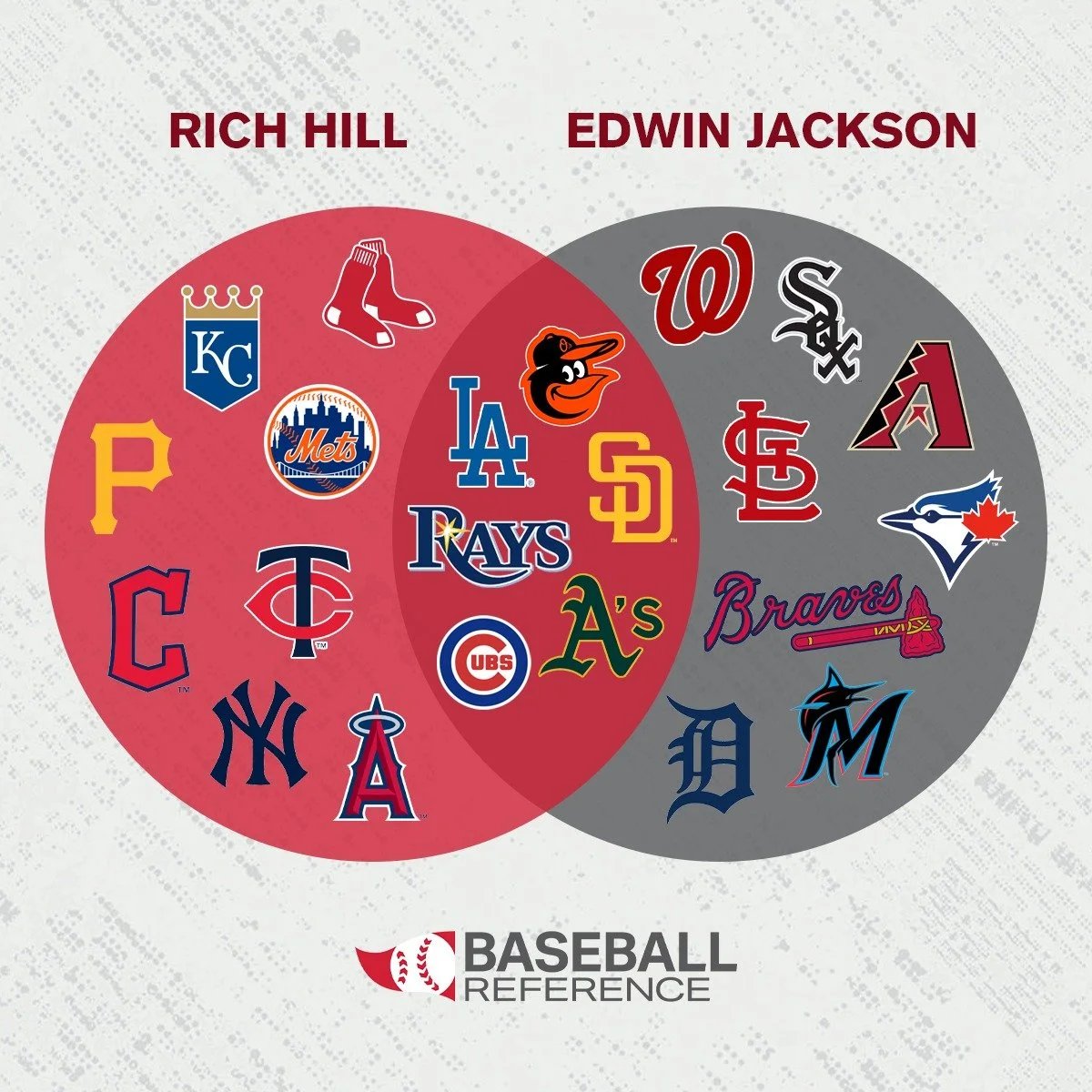
Immaculate Grid Legends
Octavio Dotel’s Baseball Reference - 13 teams
Rich Hill’s Baseball Reference - 14 teams
Edwin Jackson’s Baseball Reference - 14 teams
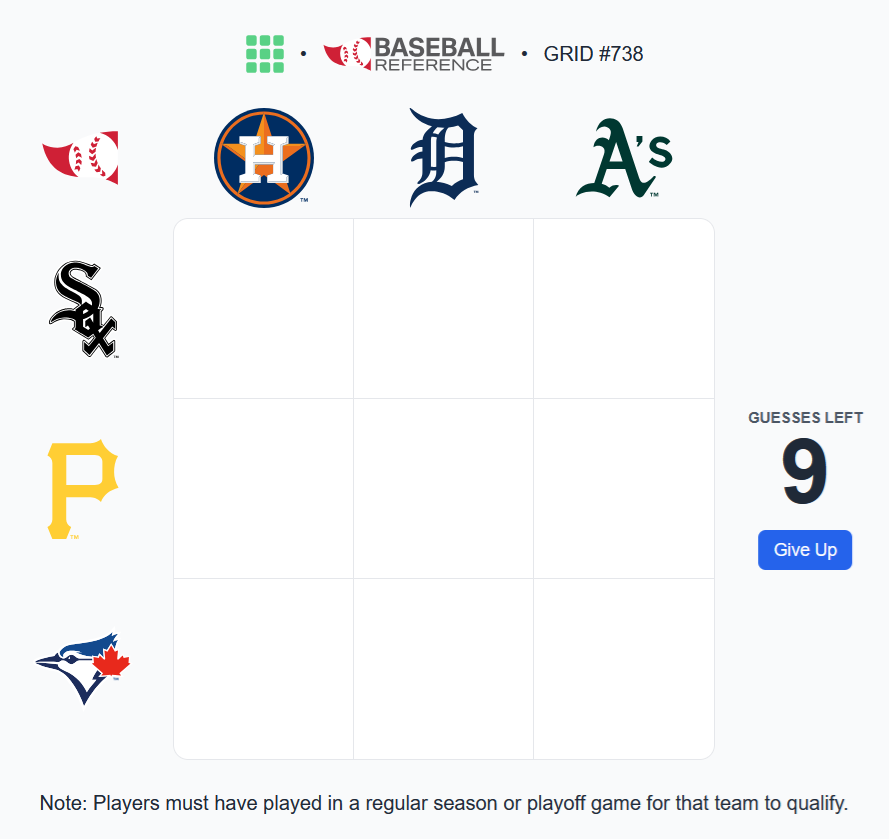
Immaculate Grid #738
This was the grid Adam describes which he published on Wednesday, April 9, 2025, the day after Octavio Dotel passed away.
The six teams featured in this grid are the teams for which Dotel played the most career games.
Play Grid #738 for yourself HERE.

Stathead’s Versus Finder
Kenny Lofton often utilizes Stathead’s Versus Finder to enhance his ability to talk smack to other retired ballplayers, like Dave Stewart, when they golf together.
Kenny was thrilled to show Adam all of the purple links on his phone, proving that he uses it frequently.

In case you were wondering, Dave Stewart had the advantage over Kenny Lofton when they matched up head-to-head.

What Is The Best Statistic?
There are a few different statistics which aim to show a player's overall greatness:
Wins Above Average (WAA) - combines all aspects of a player’s game — hitting, pitching, base running, fielding, positional value, and more — and estimates how many more wins that player was worth than an average player.
Wins Above Replacement (WAR) - takes that a step further and estimates how many more wins the player is worth than a replacement player.
WAR per 162 is how many Wins Above Replacement a player would be worth over the course of a 162-game season.

The Hall Of Stats
One of Adam’s early projects was the Hall of Stats, which was an alternate Hall of Fame which was populated by a formula he created called Hall Rating.
That technique established what a Hall of Fame might look like if the road to induction was based solely on statistical merit rather than intangibles and narratives.

While the Hall of Stats site is no longer up and running, Adam’s research made quite an impression on the baseball world.
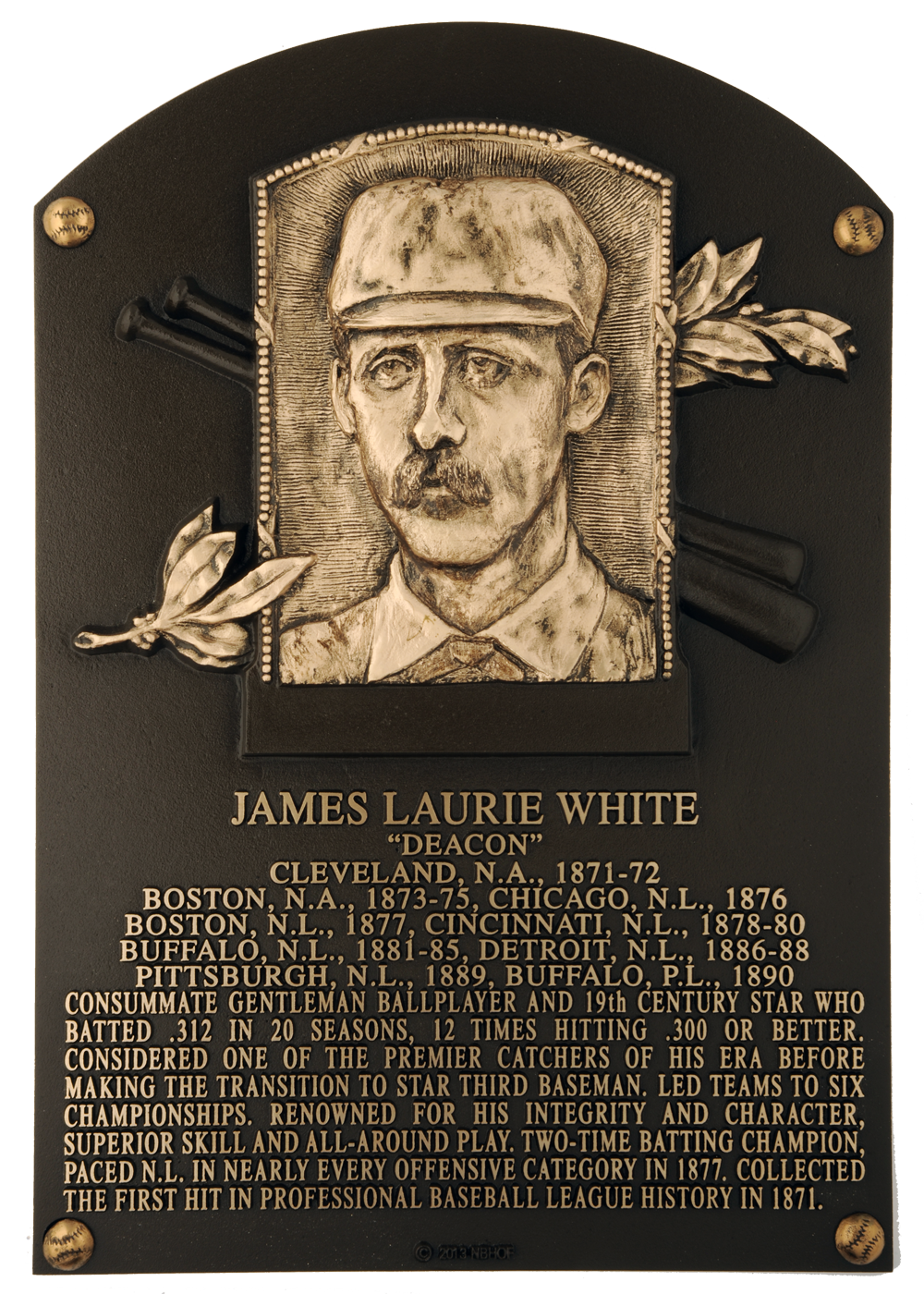
Deacon White
In an era when catchers did not use any equipment and were positioned much farther back from the pitcher than in modern baseball, just catching the ball was considered an advantage. Deacon White could not only catch, he could throw runners out.
On May 4, 1871, while playing for the Cleveland Forest Citys, White recorded the first hit in the history of the National Association, recognized as the first major league. He led the NA with 77 RBI in 1873 while playing for the Boston Red Stockings, then paced the league with a .367 batting average during its final season of 1875.
When the National League was born in 1876, White joined the Chicago White Stockings, and was the first NL RBI champ, driving in 60 runs. The next season back in Boston, White led the NL in hits (103), triples (11), RBI (49), batting average (.387) and OPS (.950).
It was through the help of Adam Darowski’s research that Deacon White was inducted into the Hall of Fame as a part of the Class of 2013.
Other Players Adam Recognized as HOF-worthy
Scott Rolen - Hall of Fame Class of 2023
Scott Rolen’s Baseball Reference
Alan Trammell - Hall of Fame Class of 2018
Alan Trammell’s Baseball Reference
Larry Walker - Hall of Fame Class of 2020
Larry Walker’s Baseball Reference
Carlos Beltrán - Hall of Fame Class of 2026
Carlos Beltrán’s Baseball Reference
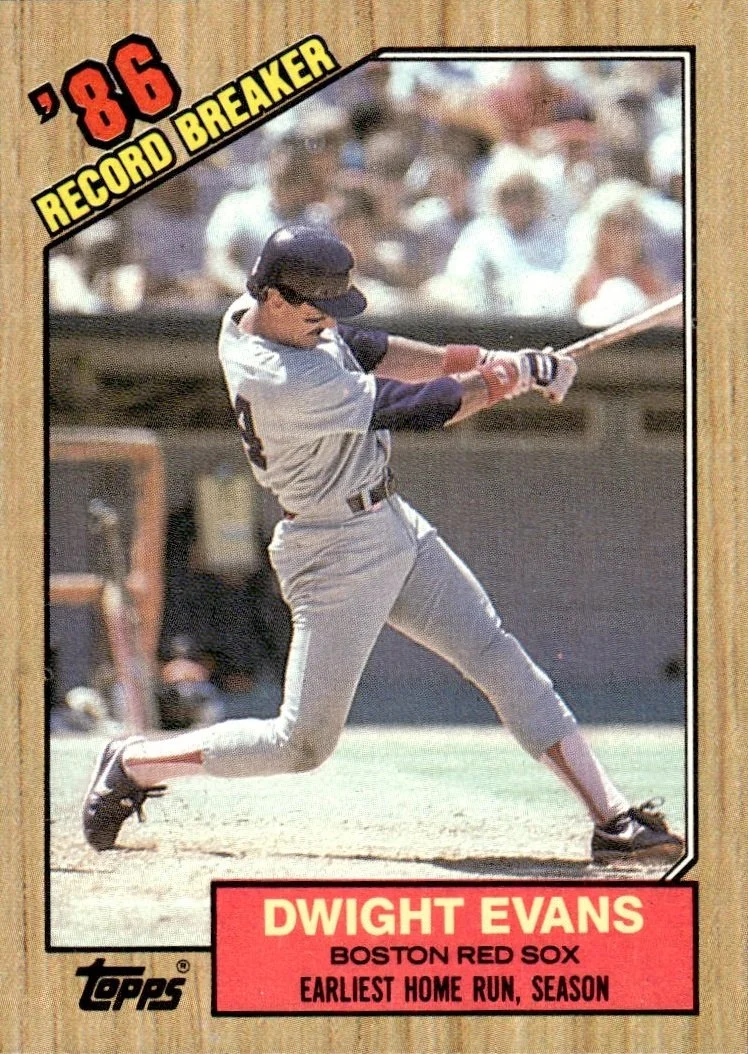
Dwight Evans - not yet inducted into the HOF
Dwight Evans’ Baseball Reference
As of 2026, the 2013 Hall of Fame ballot had 13 eventual Hall of Famers on it, with plenty more potential HOFers still on it — especially if the voters relax their stance on the Steroids Era.
Pitcher Wins
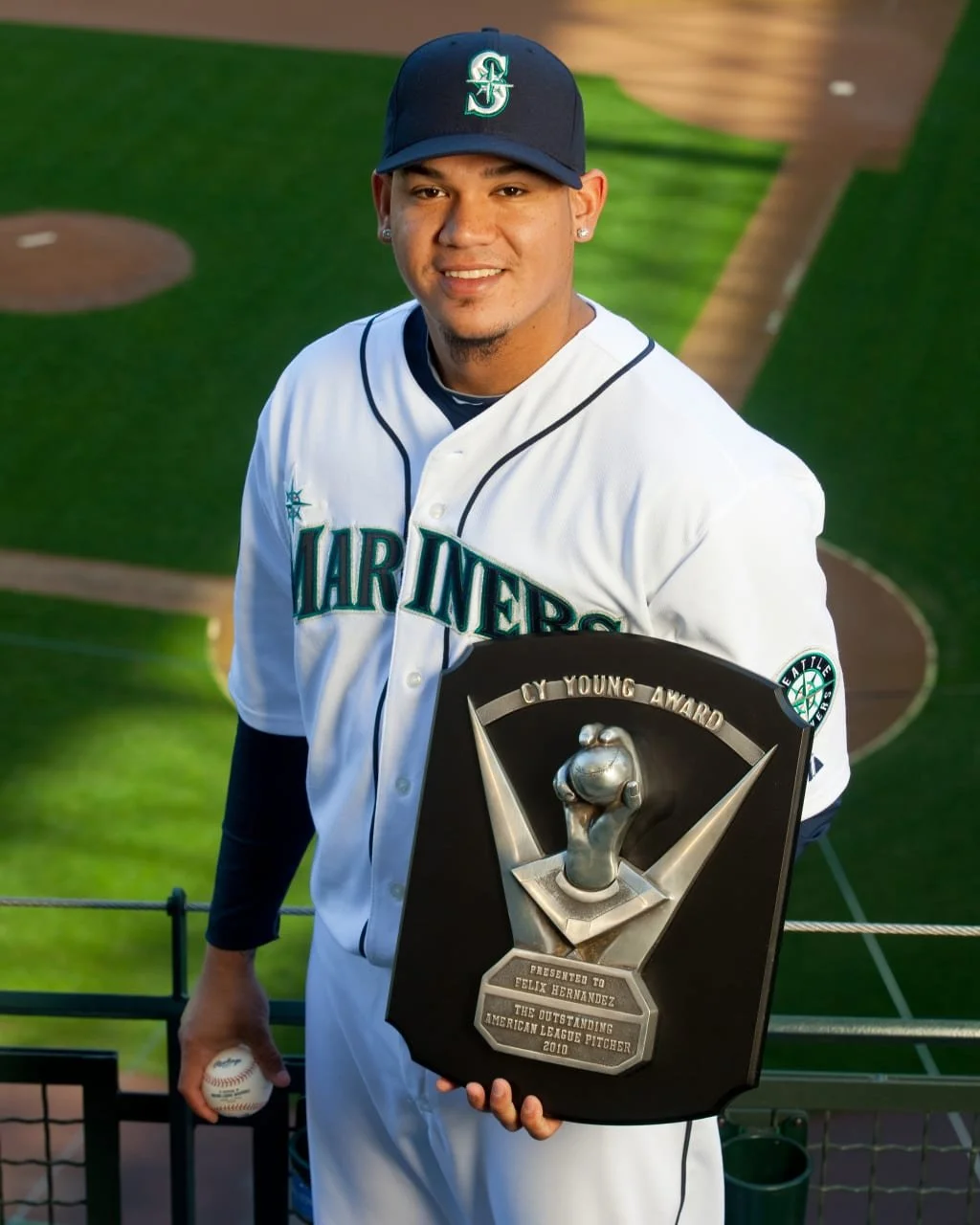
Baseball fans and writers used to place a premium on Wins for a pitcher. Modern researchers and statisticians understand that, with the way the game is played today, Wins are probably not the best way to measure a pitcher’s value.
Félix Hernández won the 2010 American League Cy Young Award with a record of 13-12.
Félix Hernández’s Baseball Reference
Jacob deGrom went 10-9 when he won the NL Cy Young Award in 2018, and then repeated as the NL’s Cy Young Award winner in 2019 with a record of 11-8.
Jacob deGrom’s Baseball Reference
Paul Skenes went 10-10 when he won the 2025 NL Cy Young Award.

Three True Outcomes
Adam loves Hits, even though he thinks they may be the Wins of a position player. The game is just so much less focused on Hits because the Three True Outcomes (Walks, Strikeouts, and Home Runs) are so prevalent now, and Hits are just harder to come by.
There have been 541 individual seasons in Major League history during which a player has recorded 200 or more hits.
There have been 86 200+ hit seasons since 2000, with Ichiro accounting for 10 of them.
Bobby Witt, Jr. (211) and Luis Arráez (200) each accomplished the feat in 2024.

Scoreboards at many MLB ballparks (like Progressive Field in Cleveland) have stopped showing batting average as the main statistic in the batting lineup graphic, instead choosing to show OPS. Whether OPS is a more meaningful statistic or not in terms of capturing a player’s true offensive value… which number looks better at a glance: .170 or .615?
Components of WAR
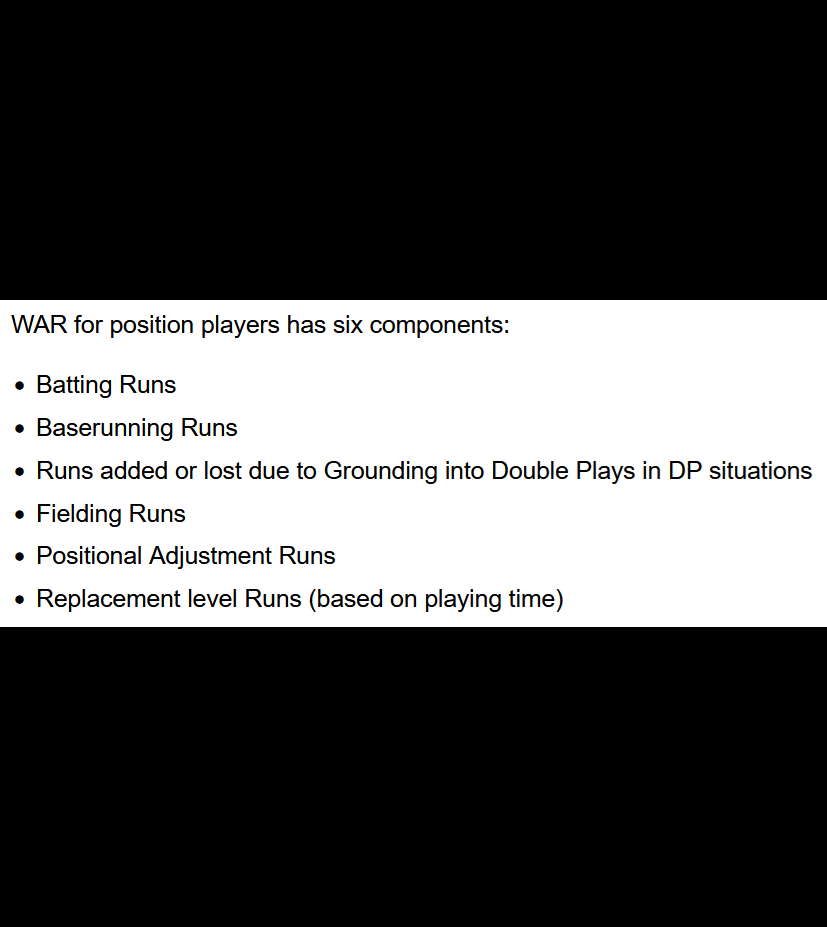
There is no one way to determine WAR. There are hundreds of steps to make this calculation, and dozens of places where reasonable people can disagree on the best way to implement a particular part of the framework.
WAR is really just an idea of how to value players. Once you have the idea in place, there are dozens of implementation details that have multiple reasonable approaches to take.
Additionally, the way specific people and places calculate WAR has changed over the years.

How To Calculate WAR
Baseball Reference explains what WAR is, and how it is calculated HERE.
Sean Forman says that WAR is essentially GDP for baseball.
A Messaging Problem?
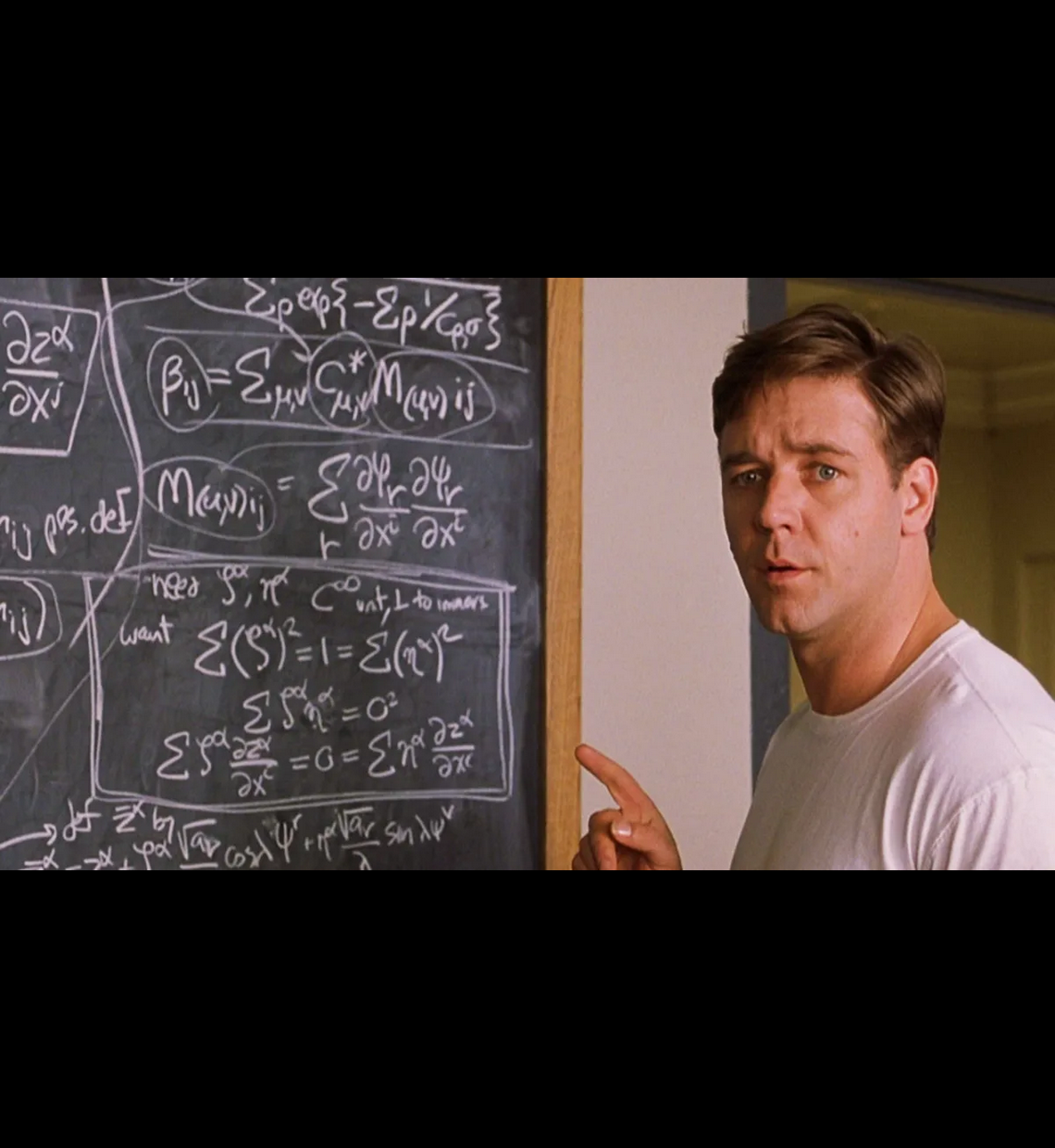
Advanced Statistics can be incredibly useful, if you take the time to understand them. But many people feel overwhelmed by the concept, because the names of the statistics, themselves, are often confusing and seemingly nonsensical. Maybe it reminds them of high school algebra or calculus when, all of a sudden, there were letters in math.
BABIP - Batting Average on Balls In Play
wRC - Weighted Runs Created
wRAA - Weighted Runs Above Average
xFIP - Expected Fielding Independent Pitching
RE24 - Run Expectancy Based on the 24 Base-Out States

Player Odometer
@StizzyTalksSports on TikTok recently posted discussing a similar concept to my idea, but “All Bases” doesn’t quite take it as far as I am hoping.
I want to include how many total bases a player travels during an inning. If he gets a double, sure, that’s two total bases, but that’s really the end of it. However, if a player hits a single and then goes first-to-third on a ball hit by the player following him in the batting order, he has now traveled three bases in the inning. If he scores on a sacrifice fly by the next batter, he traveled four bases. “All Bases” would have only given him one for his single.
It’s very possible we just don’t have enough game data to actually be able to accurately calculate the Player Odometer for every player throughout Major League history, but it would be interesting to see.

“Total Average”
Total Average is a statistic devised by sportswriter Thomas Boswell and introduced in 1978. It was also described in his 1982 article "Welcome to the world of Total Average where a walk is as good as a hit."
It is designed to measure a hitter's overall offensive contributions, on the basis that "all bases are created equal." The definition of the statistic is simple. A player gets a credit for every base accumulated and a penalty for every out made.
So a player gets one credit for a single, walk, stolen base, or a HBP; two for a double; three for a triple; and four for a home run. A player's Total Average is calculated by summing the accumulated bases and dividing by the number of outs the player makes.

A Commitment To Historical Accuracy
While some websites and television broadcasts only use current team names and logos (even if the franchise no longer uses either) when referring to historical events, Baseball Reference makes it a point to not only use the historically accurate team name for a given event, but to use era-appropriate logos, as well. It’s something I love about them.
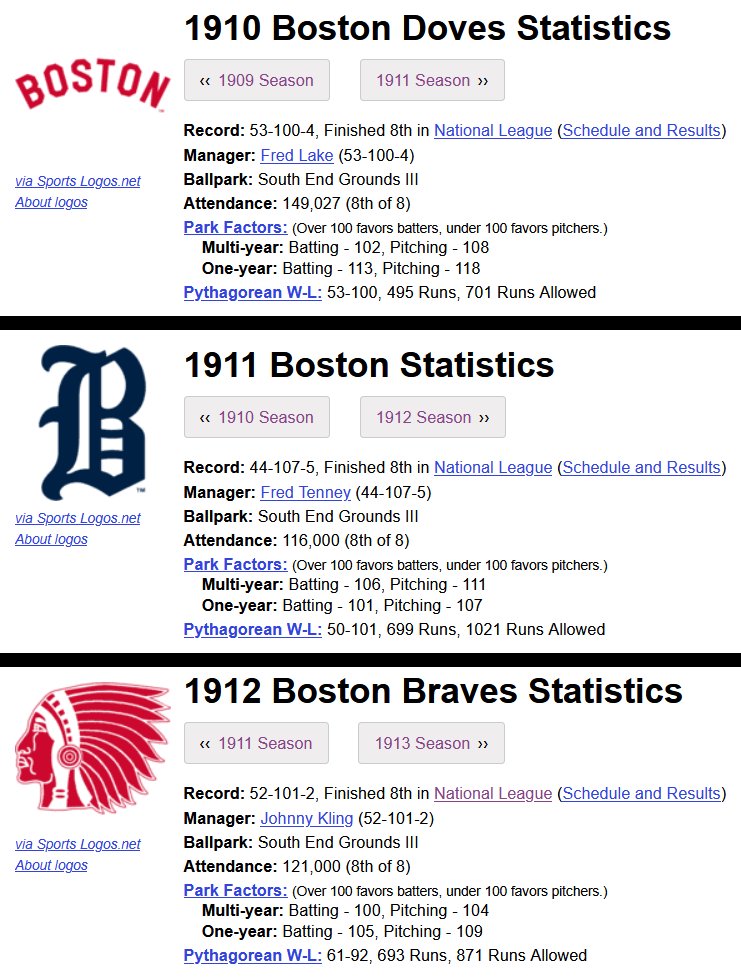
Boston Statistics
Without realizing the formatting these team profiles adhere to, some users mistook the lack of a team nickname on the 1911 Boston National League team’s Baseball Reference page as them actually being called the “Boston Statistics.”
Also, I realize this franchise used three different logos, had two (or three?) different team nicknames, and three managers in this three year stretch, but I promise you, it is all the same franchise.
1910 Boston Doves Baseball Reference
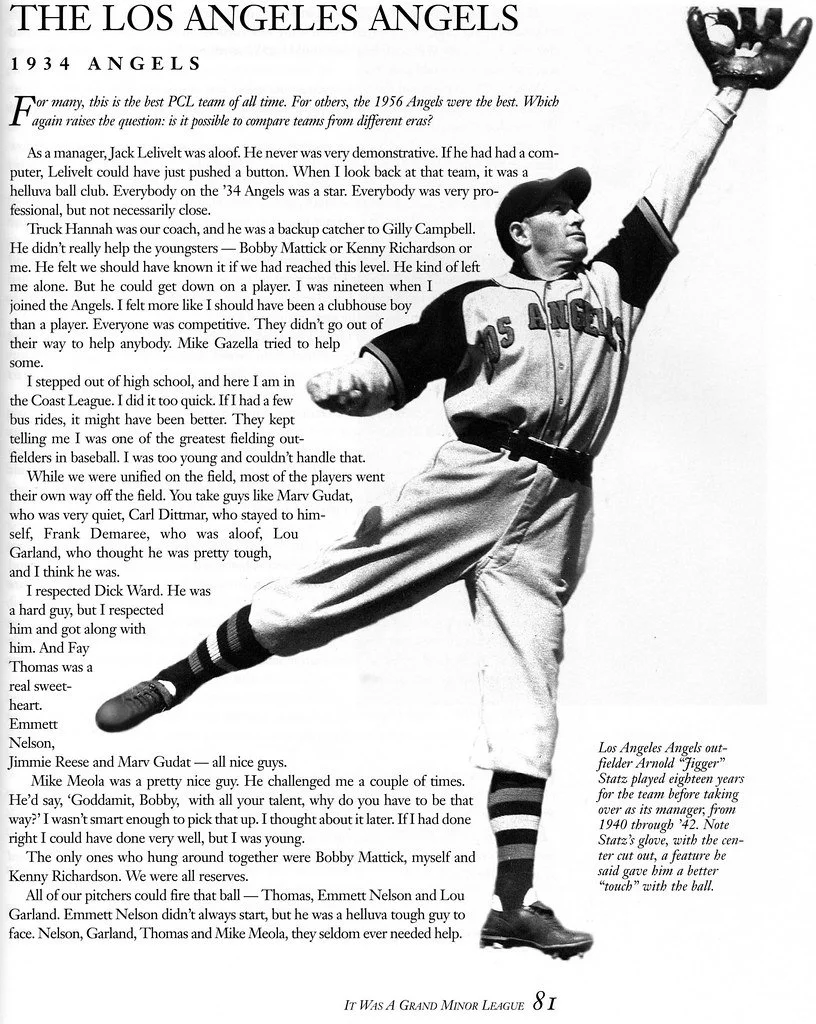
Arnold Statz
One of a very few ballplayers to ever collect more than 4,000 hits in Organized Baseball, Arnold “Jigger” Statz collected 737 of those hits in his eight seasons in the major leagues and another 3,356 in his 18 seasons in the minors. His career saw him in the majors before he played minor-league ball.
Only Pete Rose played more games professionally. Statz still holds three records as a professional ballplayer: most runs scored, most outfield putouts, and most seasons played with one minor-league club.
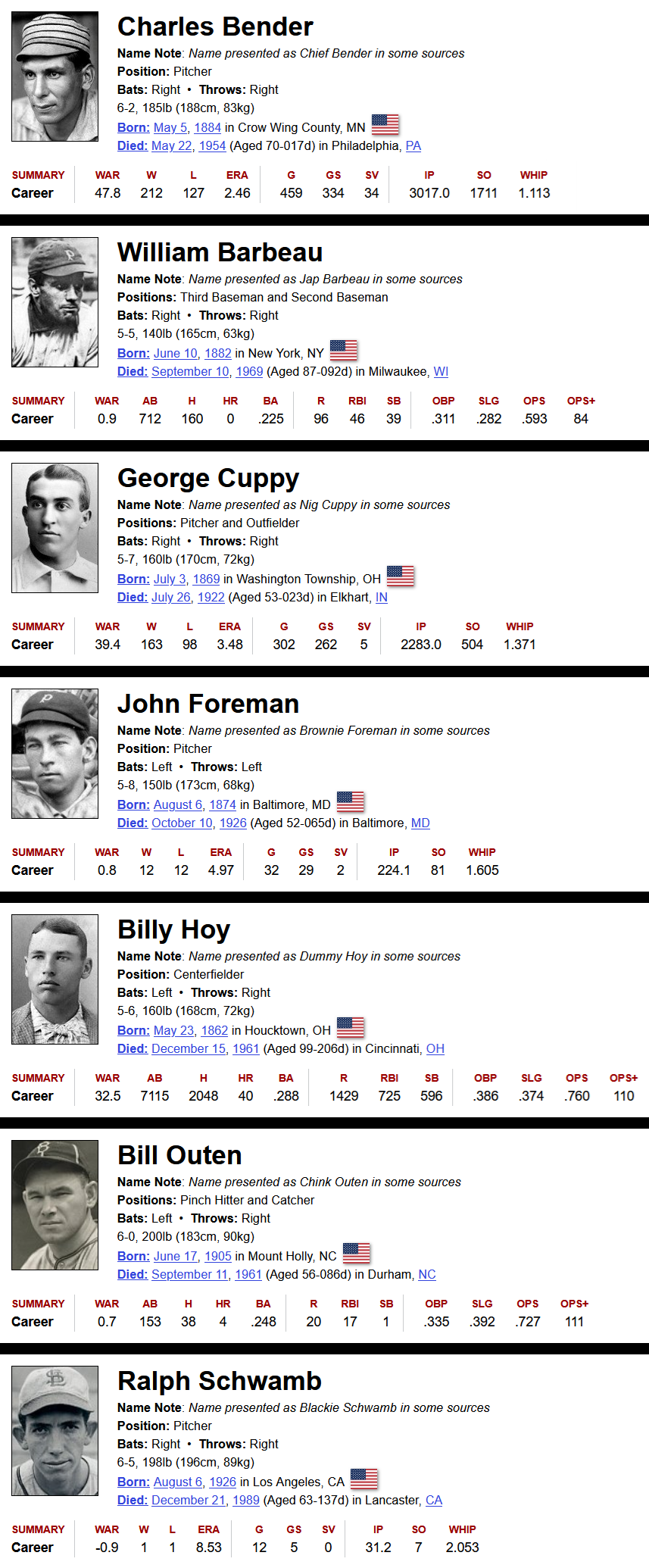
Insensitive Nicknames
Sports Reference has made the decision to refer to players by their given names, even if they were more well-known and/or commonly referred to as a nickname during their life and playing career, if that nickname is today seen as problematic.
Typing the nickname into the search bar will still take you to their player page, where there is a line near the top of their profile which says “Name Note: Name presented as __________ in some sources” but the large font name at the head of the page is their socially appropriate, given name.
William Barbeau’s Baseball Reference
Charles Bender’s Baseball Reference
George Cuppy’s Baseball Reference
John Foreman’s Baseball Reference
Billy Hoy’s Baseball Reference
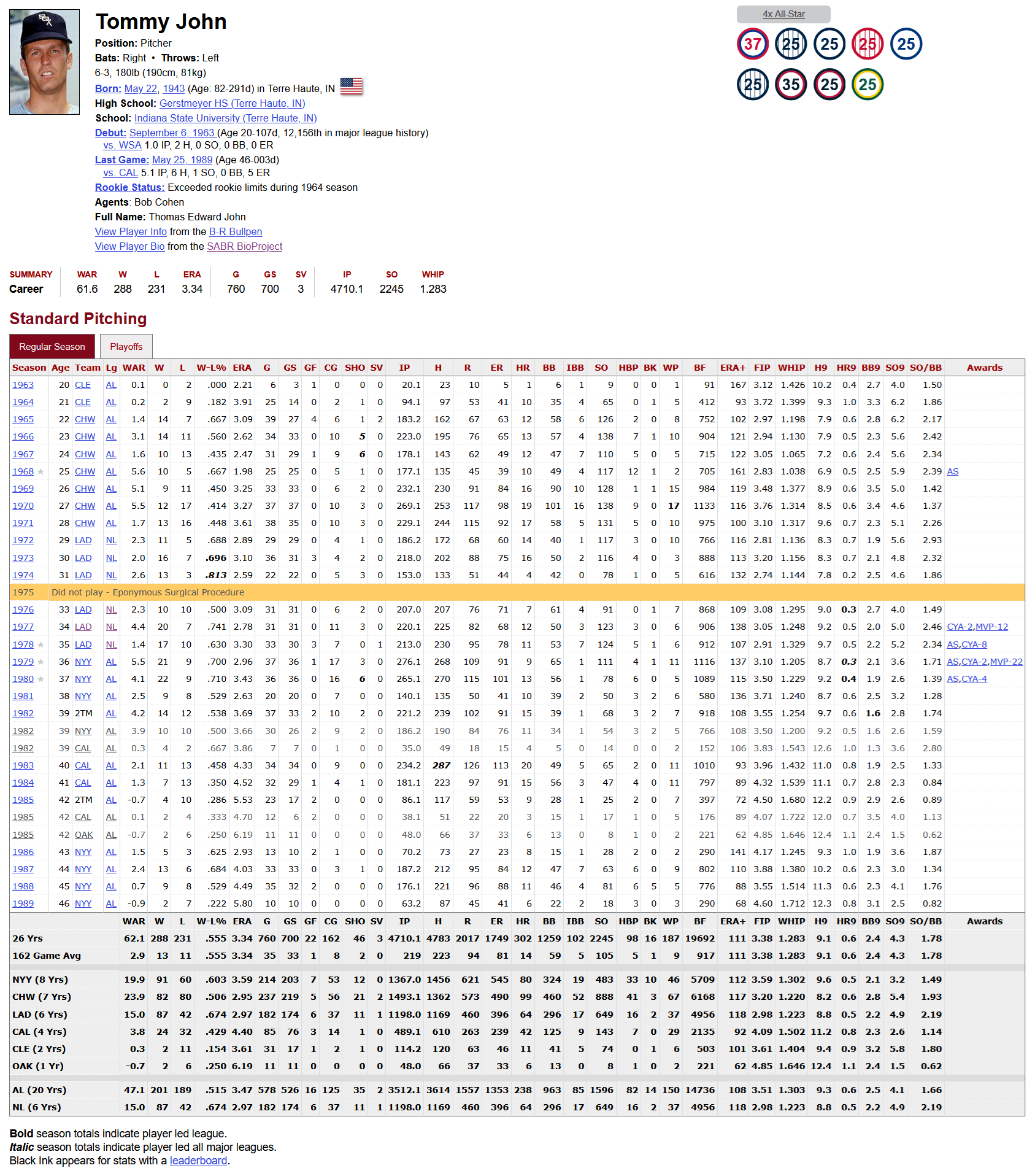
In addition to having one of the longest careers in AL/NL history, Tommy John also has one of the coolest Easter Eggs on his Baseball Reference page.
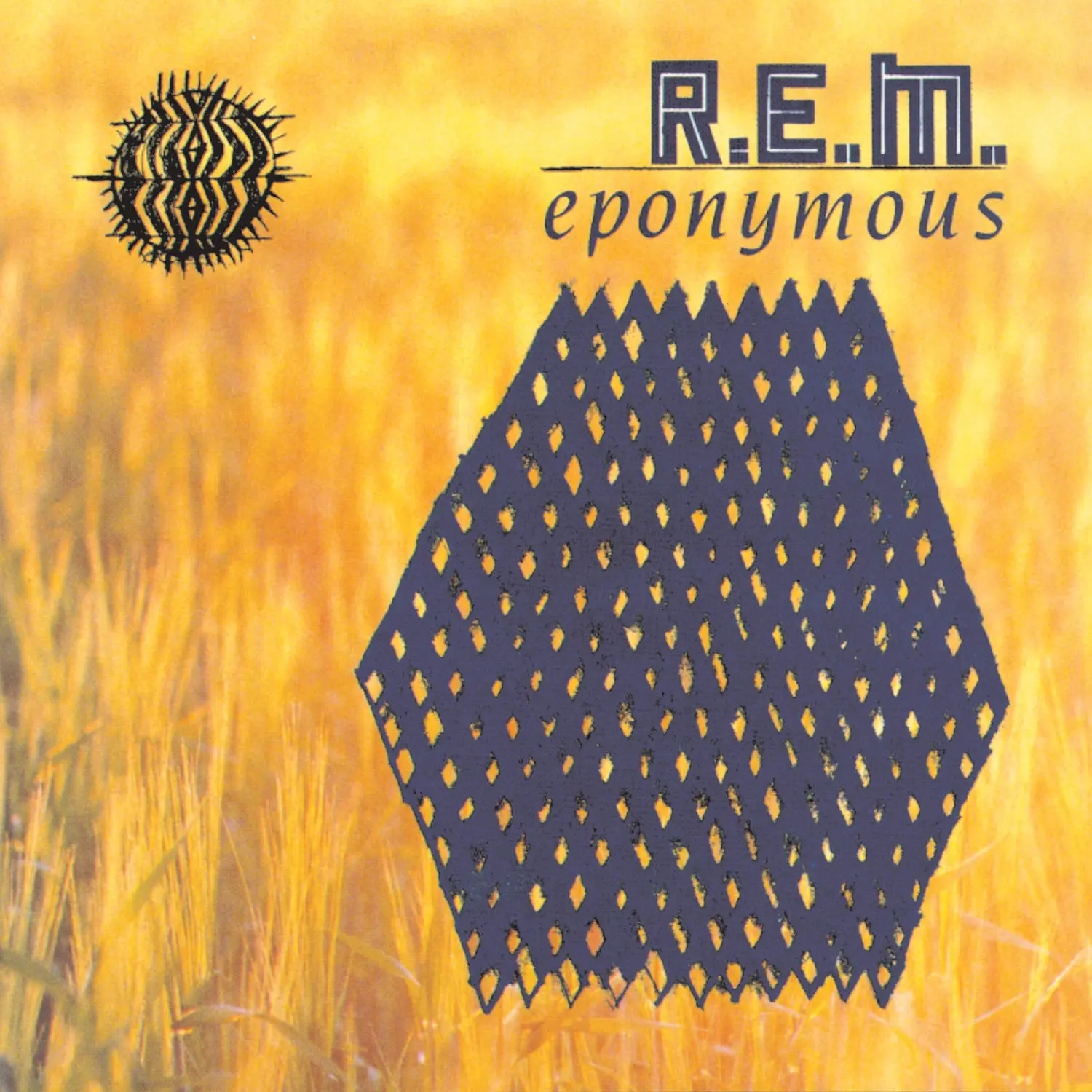
Eponymous
Eponymous is the first greatest hits album by R.E.M., released in October of 1988, just a month before their Warner Bros. Records debut Green appeared.
Eponymous was R.E.M.’s last authorized release on I.R.S. Records, to whom they had been contracted since 1982. The album reached #44 in the US and #69 in the UK.
Spanning from the initial single release of "Radio Free Europe" to the previous year's breakthrough hit album Document, Eponymous provides a fair overview of R.E.M.'s early work.
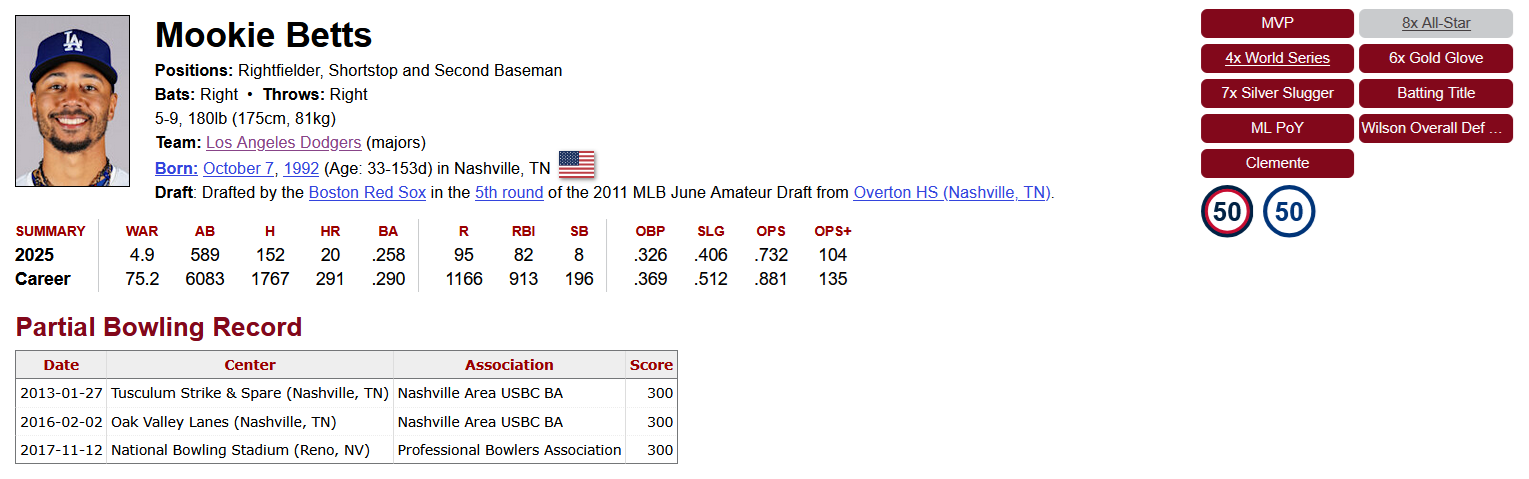
Mookie Betts’ Baseball Reference page includes a a partial bowling record which shows three 300 games he has rolled.

Madison Bumgarner, one of the most famous pitchers in baseball, had been competing in team-roping rodeo events under the alias Mason Saunders for years during his career. His Baseball Reference page includes some of his winnings.
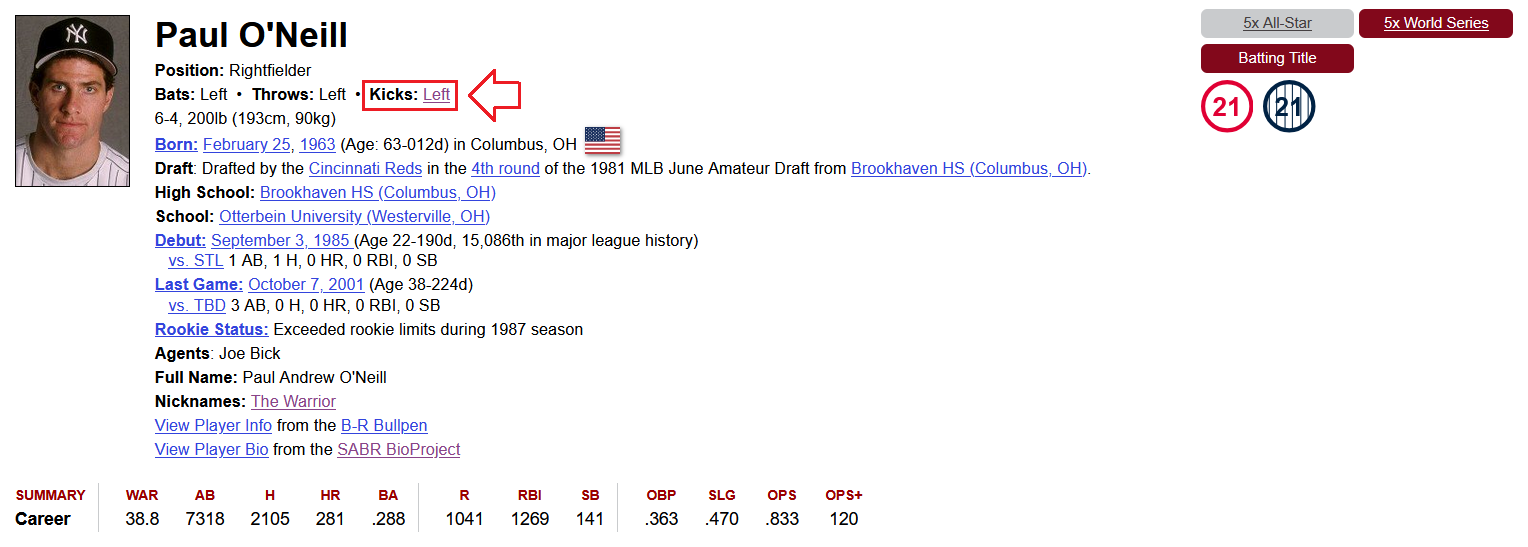
Because of the above video, Paul O’Neill’s Baseball Reference page notes that, in addition to Batting Left and Throwing Left, he also Kicks Left.

Despite the fact that there was no war going on at the time, Oscar “Heavy” Johnson was, indeed, in the military in 1921, causing him to miss the season. This anomaly is reflected on his Baseball Reference page.
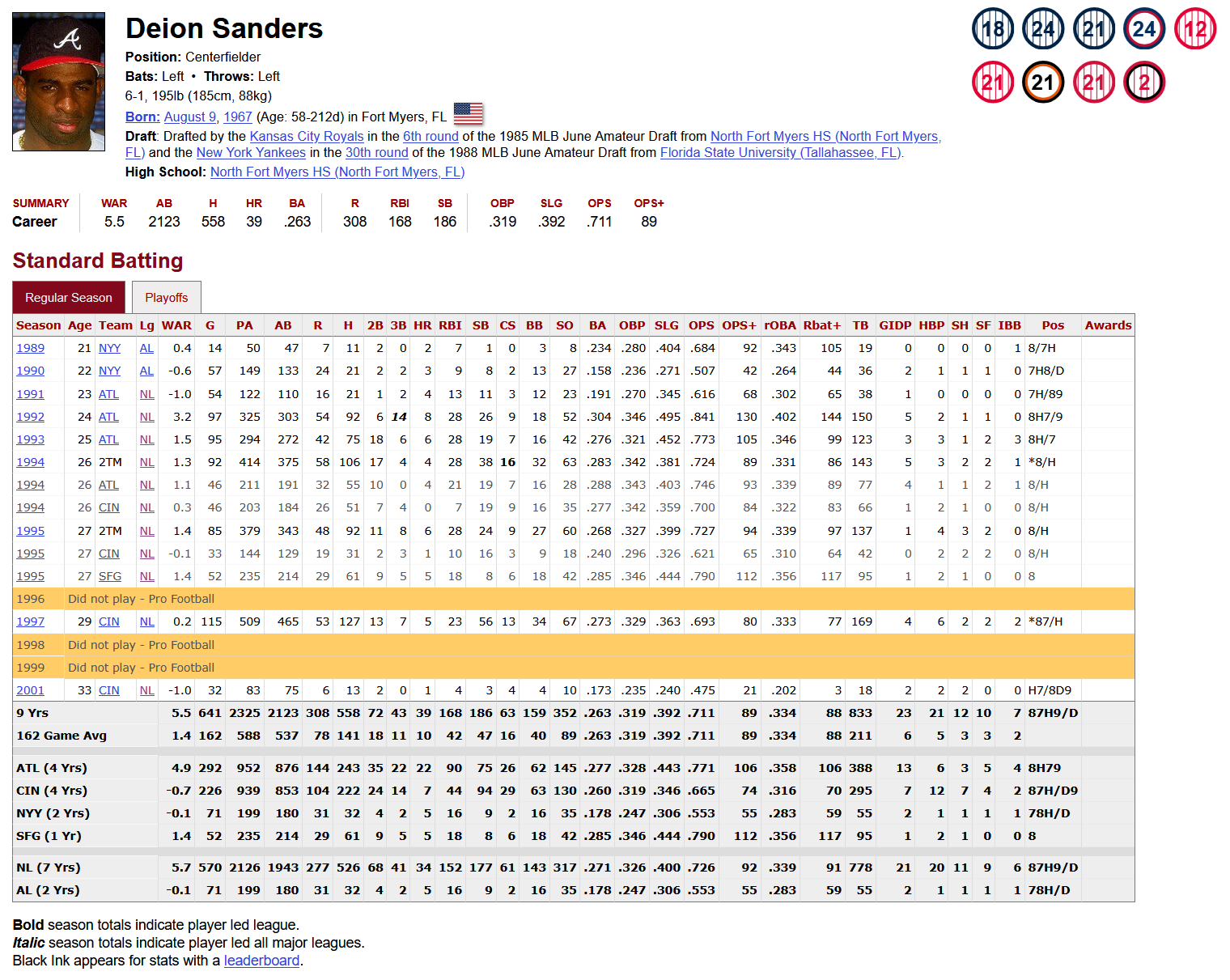
Deion Sanders’ Baseball Reference has a line most other pages do not have on the site: “Did not play - Pro Football”
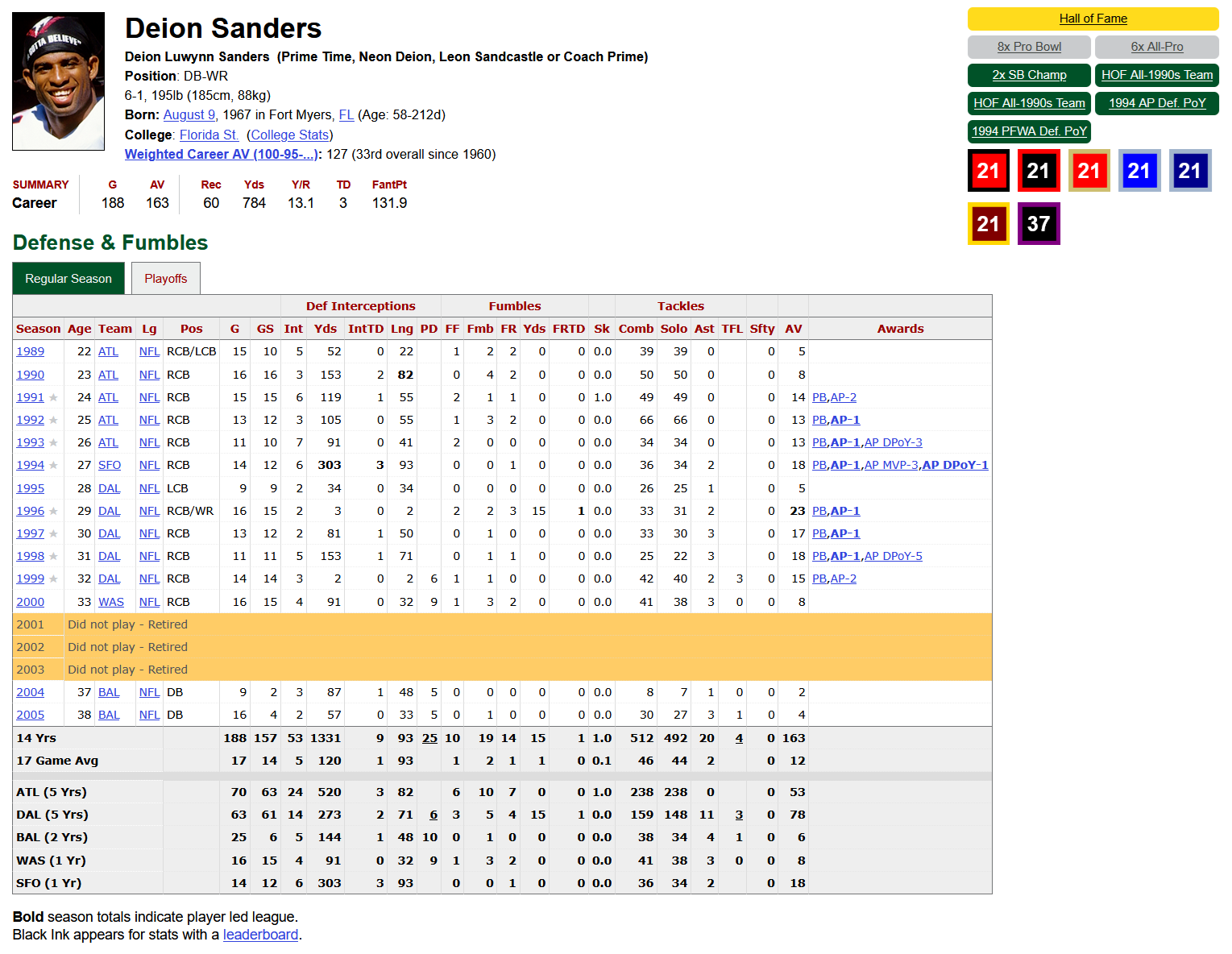
Interestingly enough, Deion Sanders’ Pro Football Reference page has an anomaly as well: “Did not play - Retired” for three consecutive seasons.

Fields: Left As Well
Since Jim Abbott and Pete Gray were each missing either all or some of their right arms, it is no surprise that they threw with their left arms. However, generally, when a player throws with one arm, he fields with the other. Since that was not an option for either of these players, Baseball Reference displays that, in addition to Batting Left and Throwing Left, each player Fields Left as well.

Roy Hobbs
If you type “Roy Hobbs” into the search bar at the top of Baseball-Reference.com, the page that loads is the IMDB page for Robert Redford’s character in the movie The Natural.
“Eddie Waitkus and The Natural: What is Assumption? What is Fact?” - SABR article by Rob Edelman

Women’s Pro Baseball League
If the Women’s Pro Baseball League has a data provider which can supply Baseball Reference with statistics for the games and players, we may very well see the WPBL statistics on Baseball-Reference.com later this year.
If that happens, the WPBL would be the first professional women’s baseball league to be featured on Baseball Reference.
There have been four previous professional women’s baseball leagues in America, and a number of professional women’s leagues, internationally, as well.
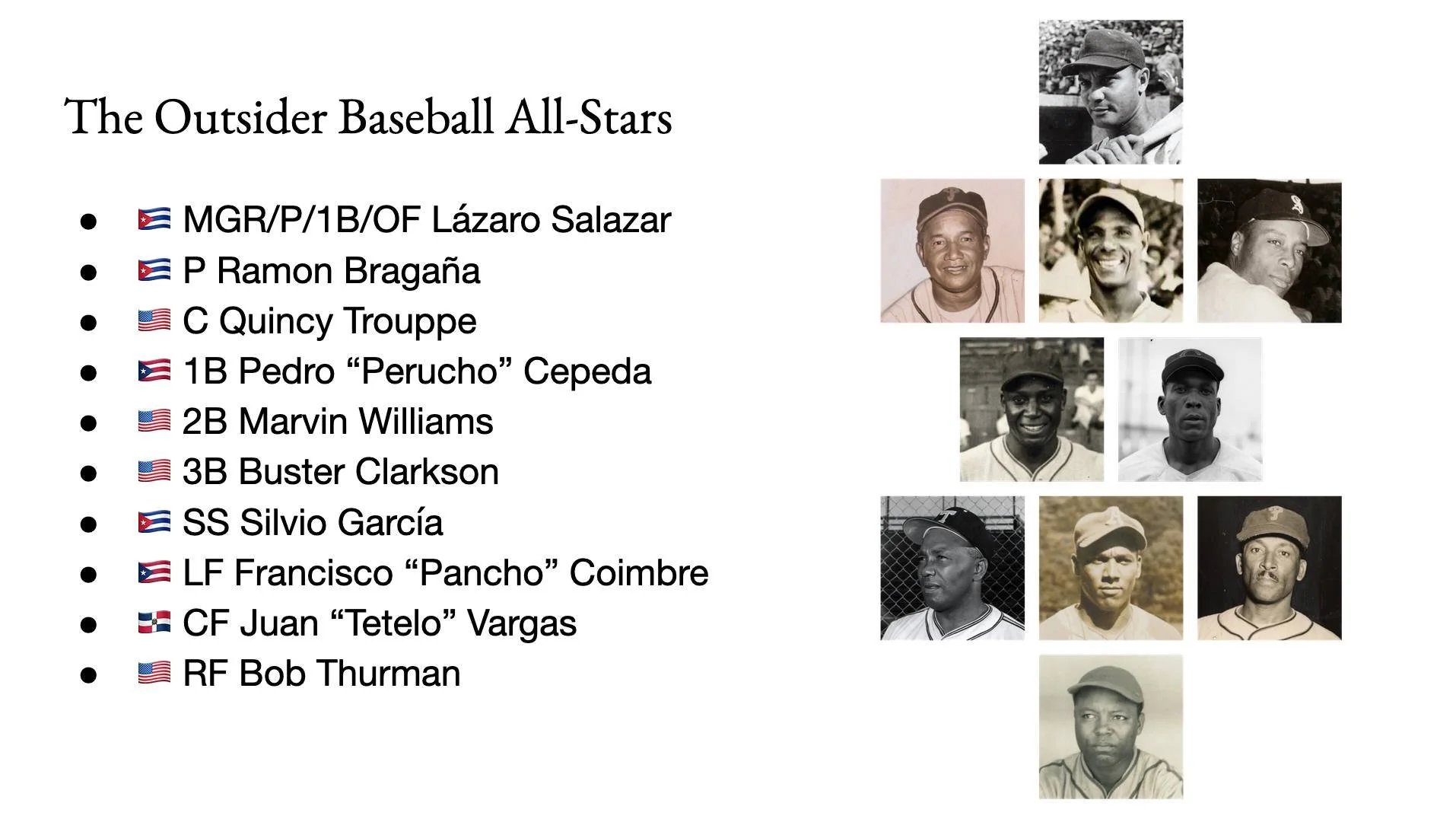
Visit the website Adam created to supplement his Outsider Baseball All-Stars research HERE.
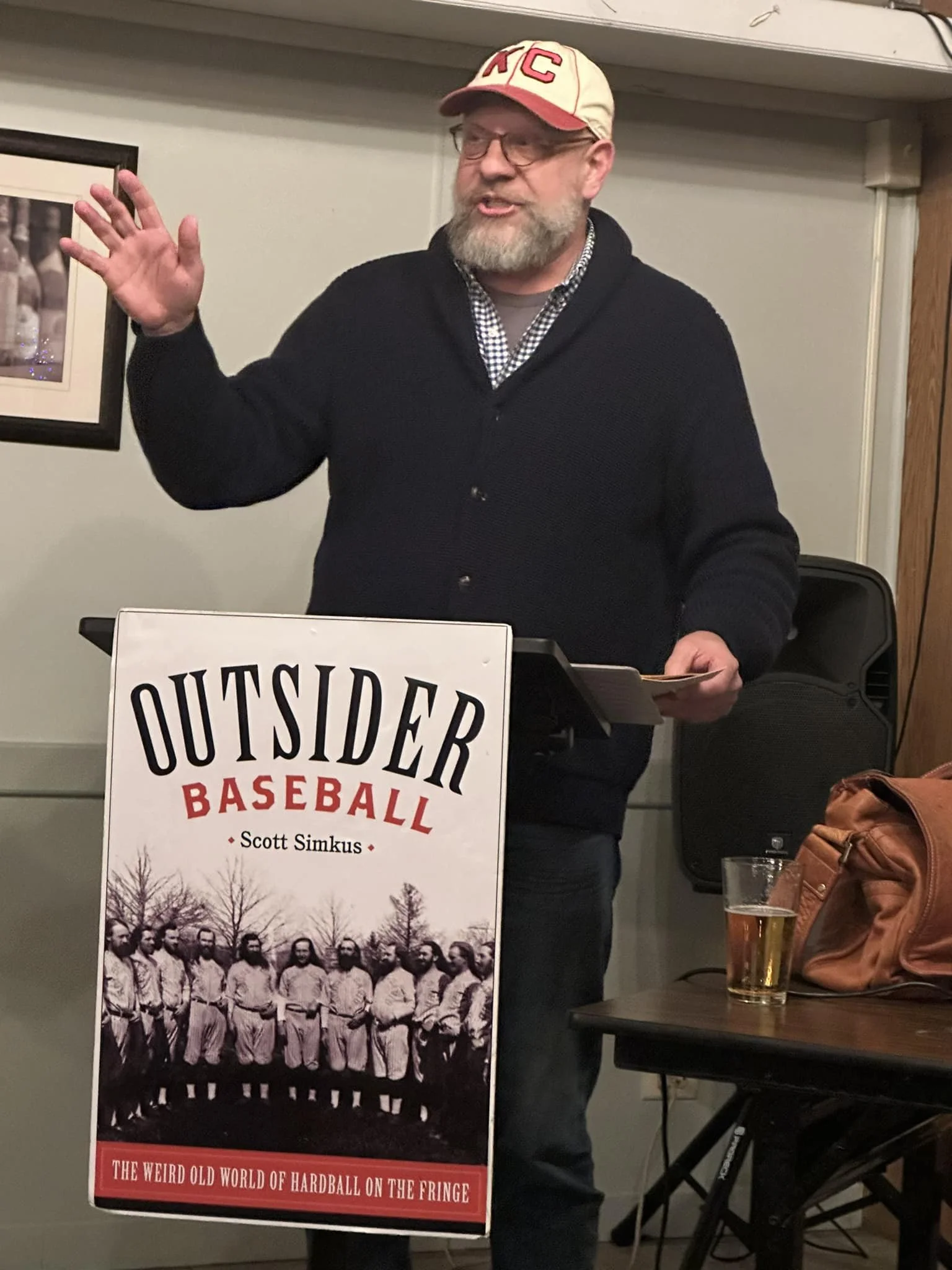
Scott Simkus
Scott Simkus created a Negro League card set for the Strat-O-Matic Game Company in 2009. His first book, Outsider Baseball: The Weird World of Hardball on the Fringe, was published in 2014. A member of the award-winning Seamheads Negro Leagues Database team, Simkus’s statistical research is now part of the official Major League record.
Check out a fun, old interview with him HERE.
Buy his book Outsider Baseball: The Weird World of Hardball on the Fringe, 1876–1950 HERE.

4,000 Career Hits
Scott Simkus published an article via SABR on August 22, 2013 titled “Ichiro Suzuki, Minnie Miñoso and 4,000 career ‘professional’ hits” in which he found nine players who had accumulated 4,000 hits as a professional baseball player.
The previous night, Ichiro had collected what was touted at the time as his 4,000th career hit.
The nine players Scott found at the time, while nothing that the list “may not be comprehensive”:
Pete Rose, 4,769
Ty Cobb, 4,379
Hank Aaron, 4,245
Jigger Statz, 4,093
Julio Franco, 4,074
Minnie Miñoso, 4,073
Derek Jeter, 4,059
Ichiro Suzuki, 4,027
Stan Musial, 4,023

Julio Franco
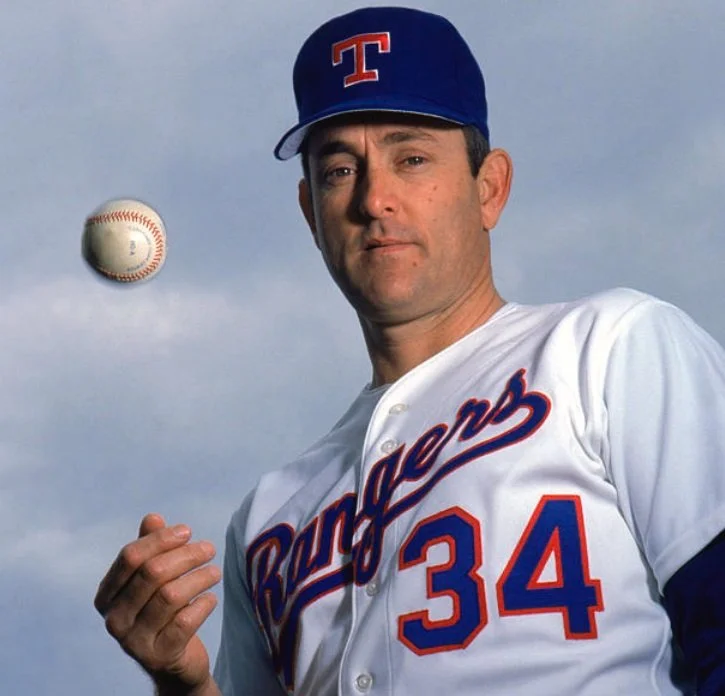
Nolan Ryan
When Nolan Ryan went to Texas and became a pitcher for the Rangers, Adam’s attention followed, and he became a Rangers fan.
It was then, after seeing Julio Franco’s batting stance, swing, and - as the kids say - aura, that Adam became a fan of Julio’s, as well.
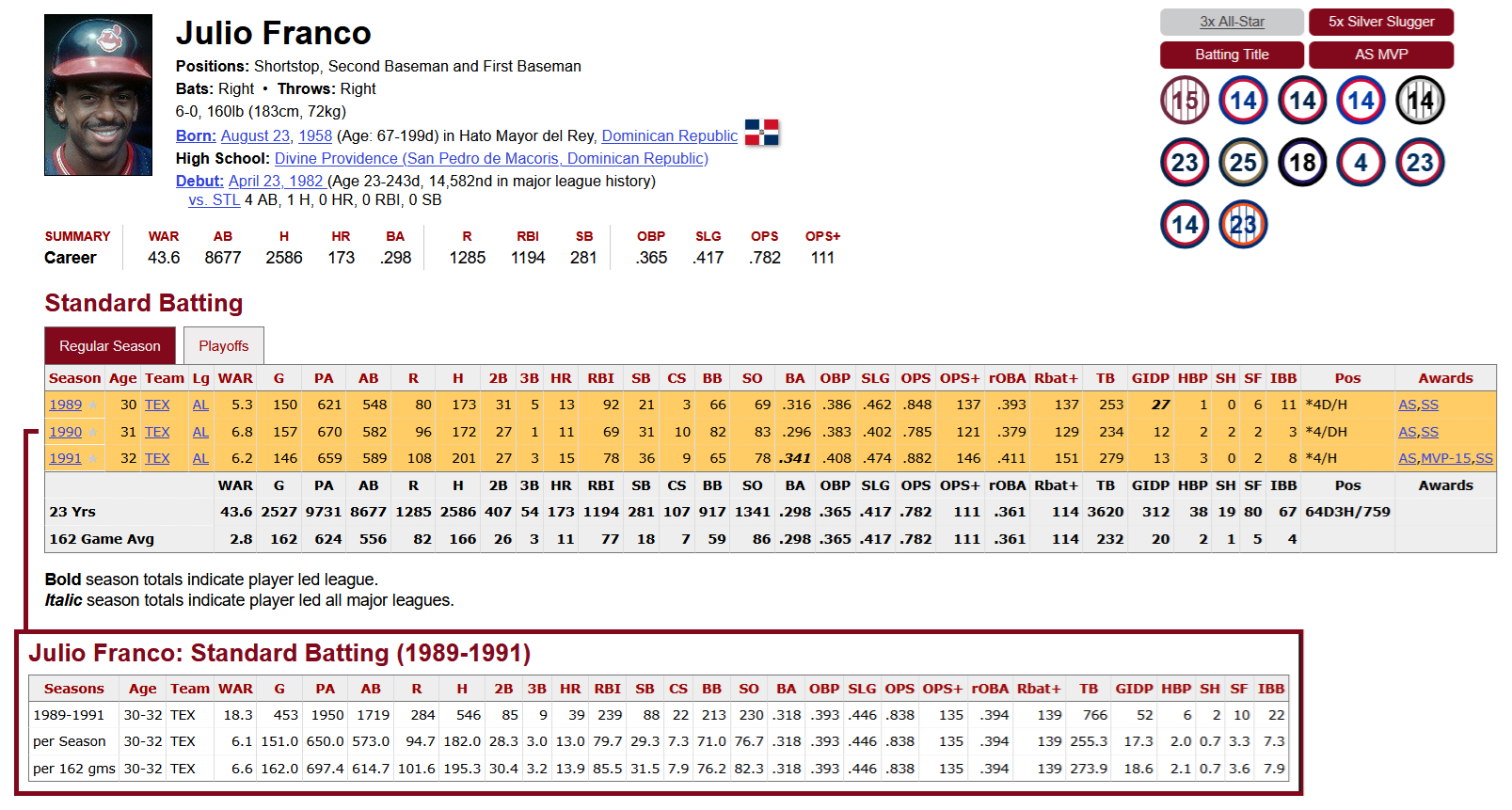
Adam said, “People forget how good Julio Franco was from 1989 to 1991.” Not people who read the liner notes, Adam. THOSE people will know exactly how good Julio Franco was from 1989 to 1991.
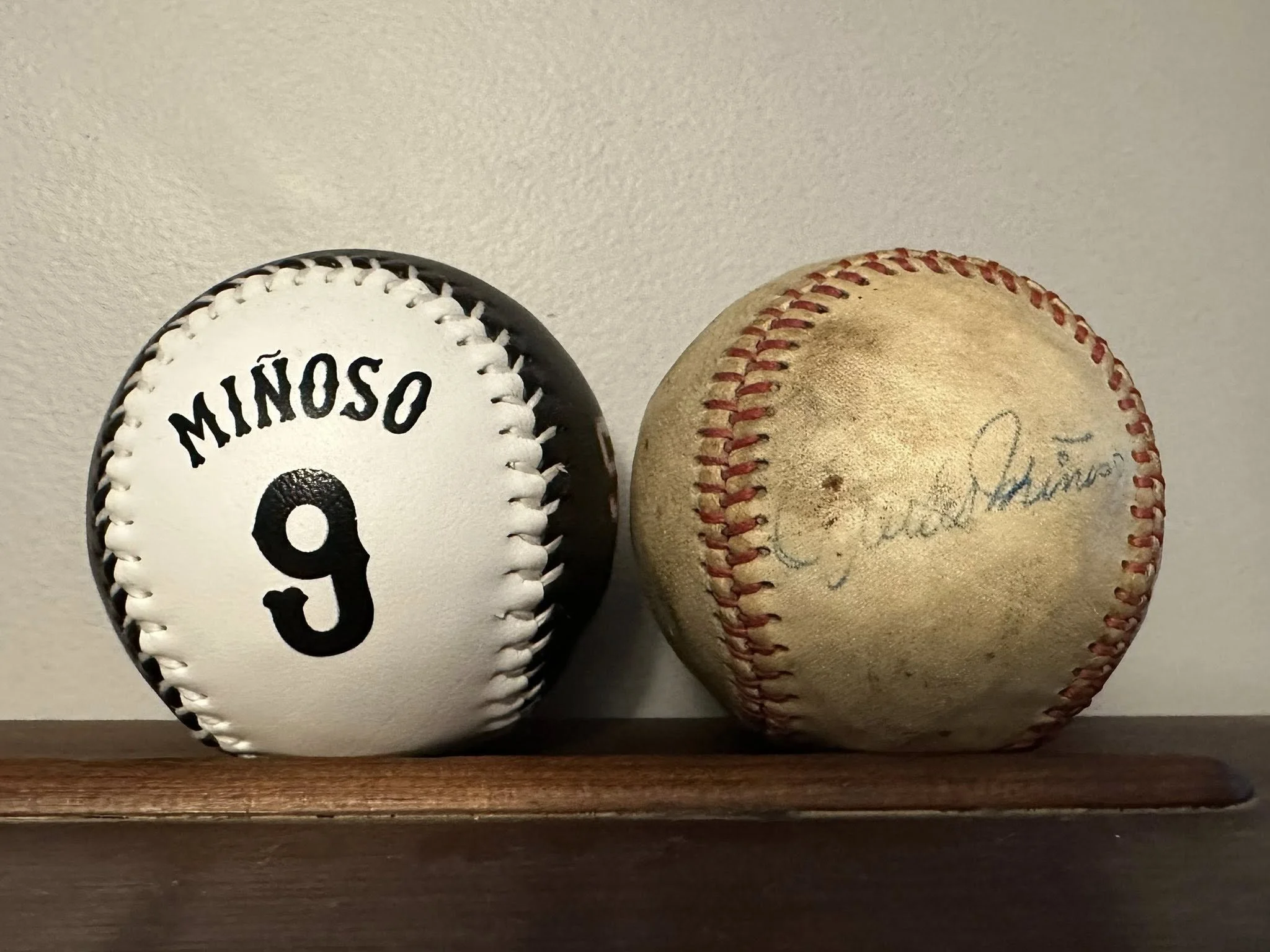
Minnie Miñoso
Adam’s research into Julio Franco and the 4,000 hit club led him to discover the greatness of Minnie Miñoso, who has quickly become one of Adam’s all-time favorite players, too.
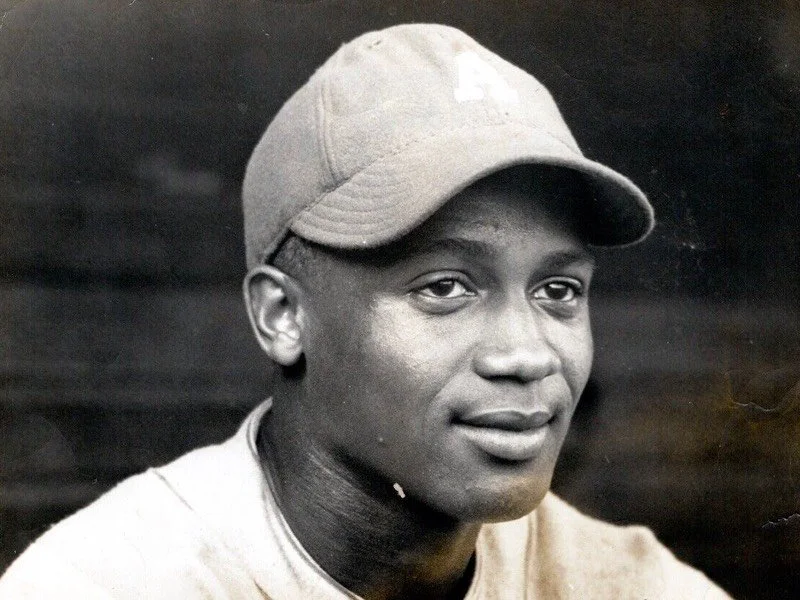
Héctor Rodríguez
Héctor Rodríguez is a player from Cuba who Adam helped get over the 4,000 professional hit threshold.
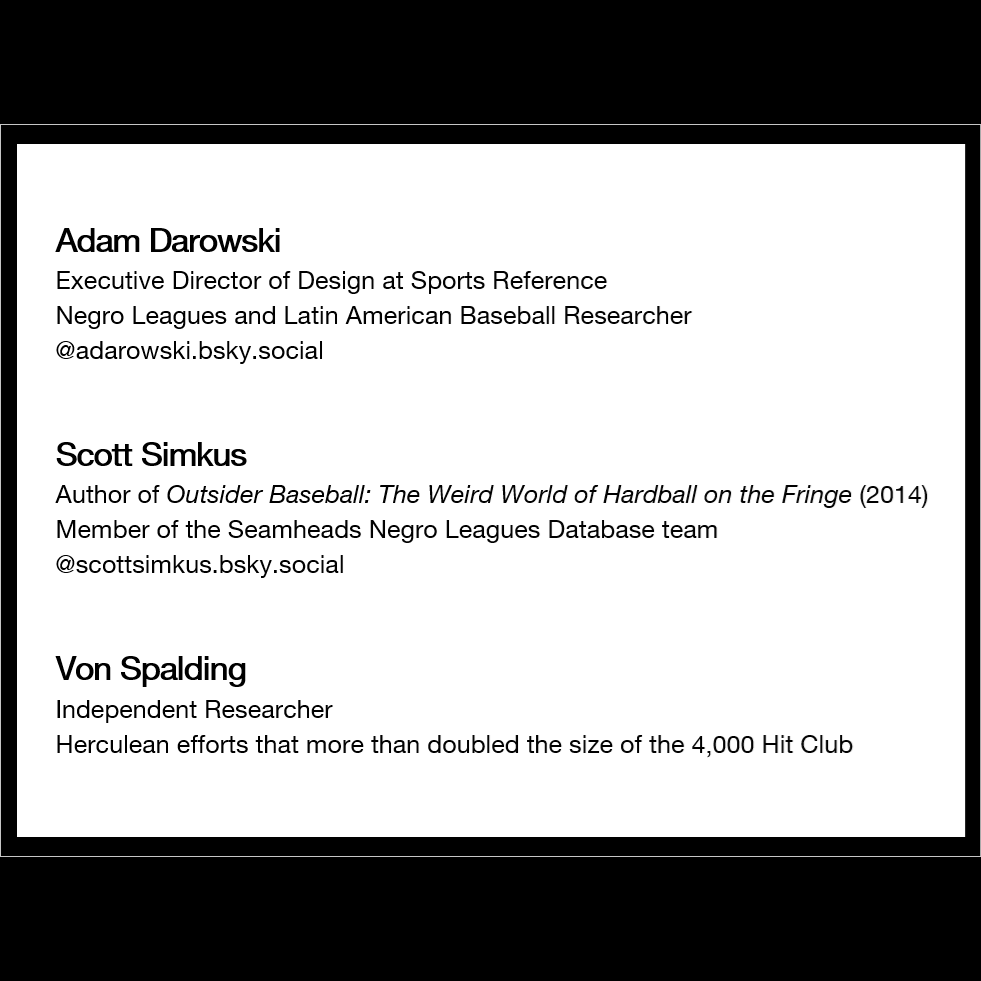
The Team
With these three researchers working together, they were able to more than double the amount of players on Scott Simkus’ original list of 4,000 professional hit club members.
Von Spalding’s efforts, especially when it came to Latin ballplayers, was instrumental. Von was Adam’s guest on Episode 5 of Adam’s podcast, The Outsider Baseball Notebook.
Listen to that episode on Apple Podcasts HERE.
Listen to that episode on Spotify HERE.
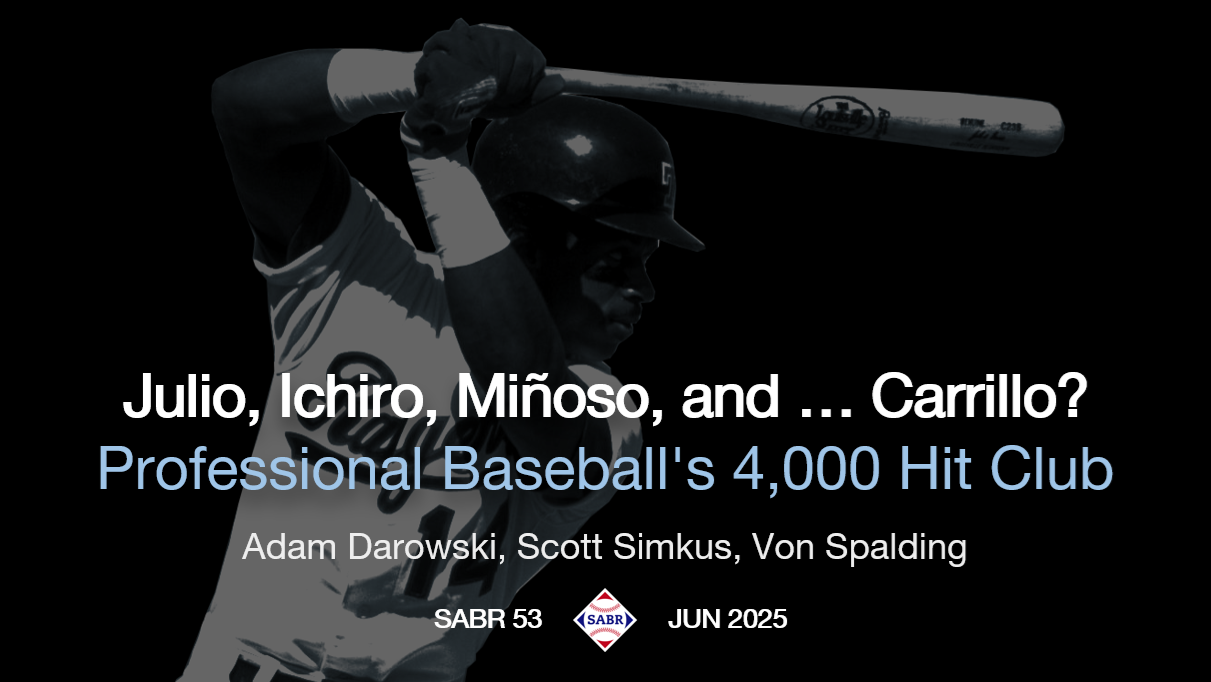
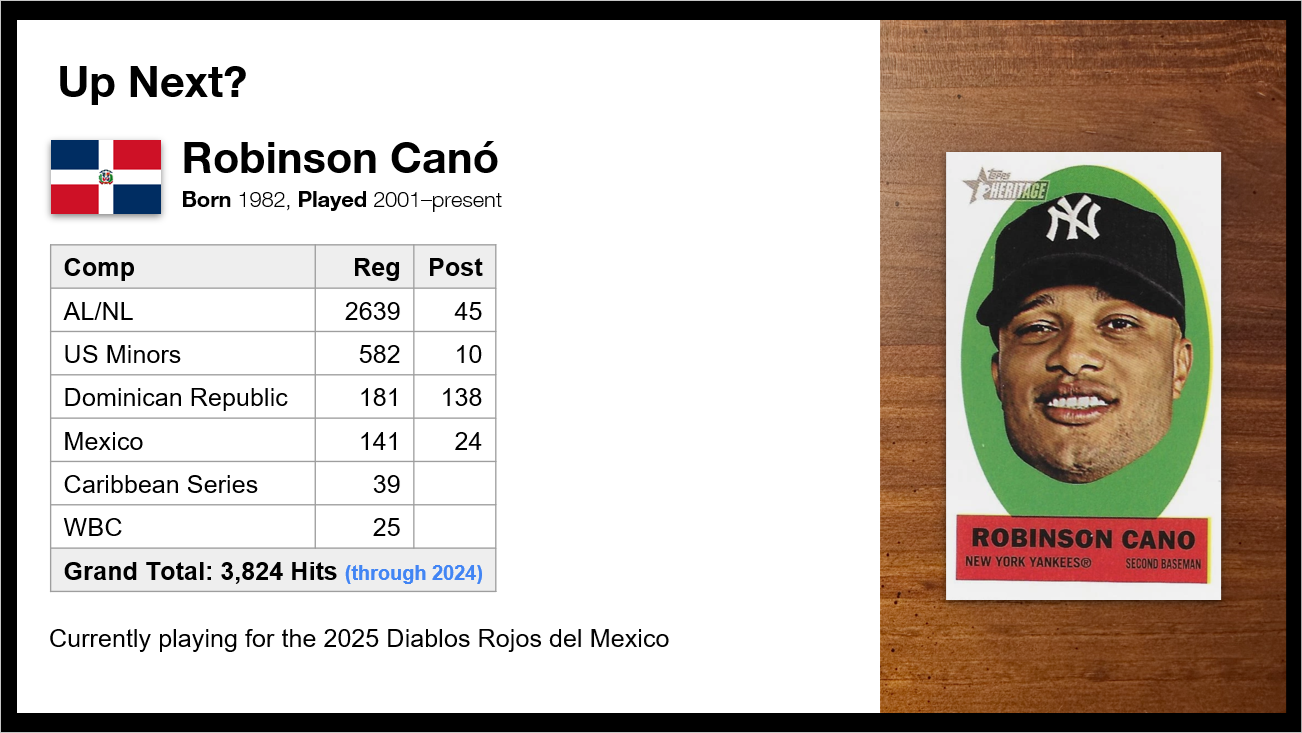
During their presentation, Adam announced that Robinson Canó was approaching the 4,000 career hit milestone, as well.
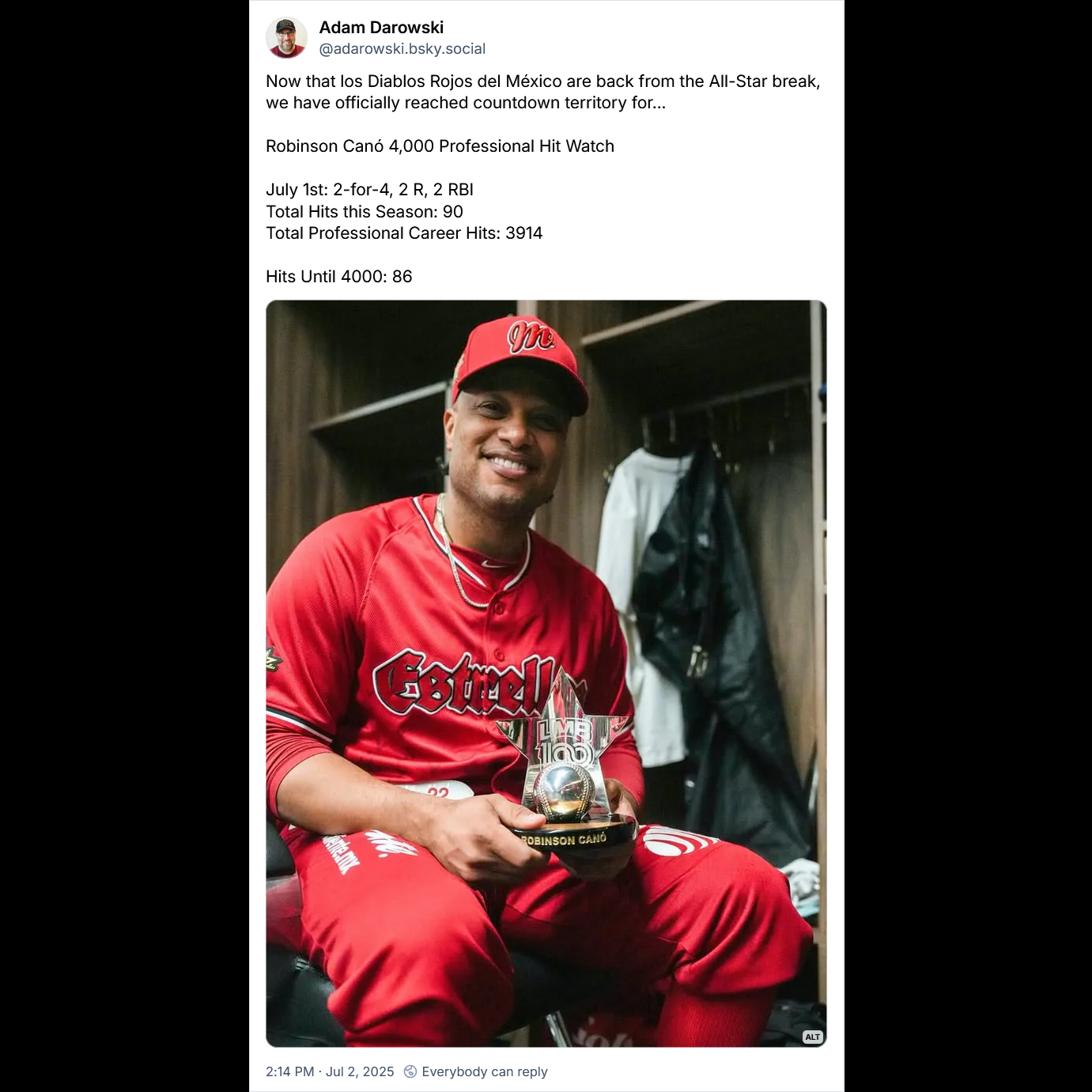
Daily Updates
Adam started giving updates after nearly every game Robinson Canó played as he approached the 4,000 career hit milestone.
This one, from July 2, 2025, was the one where things started to feel pretty real.
Diablos Rojos del México
Adam started working with Diablos Rojos del México, the team with which Robinson Canó was playing, so they could plan how they intended to celebrate if/when Canó reached the milestone with them.
Adam made sure all of his numbers were 100% accurate, because the last thing he wanted to do was have a team and player celebrate a milestone, only for them to find out later that the counts were off.
One source which helped Adam with Canó’s Dominican stats was WinterBallData.com.
Follow Diablos Rojos del México online HERE.
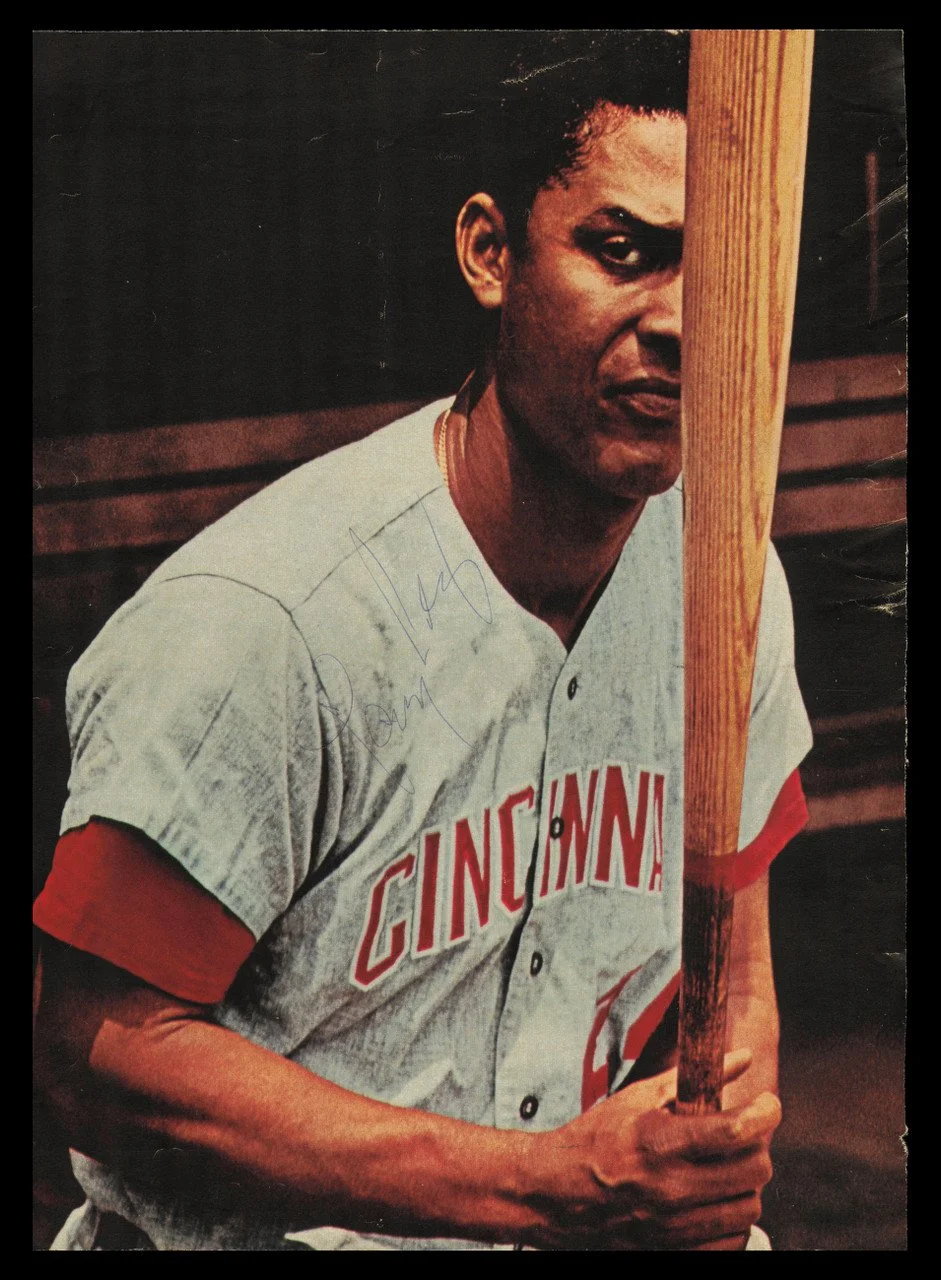
Tony Pérez
Tony Pérez is one of the members of the 4,000 professional hit club.
His son, Eduardo, had more than 400 Major League hits, as well.
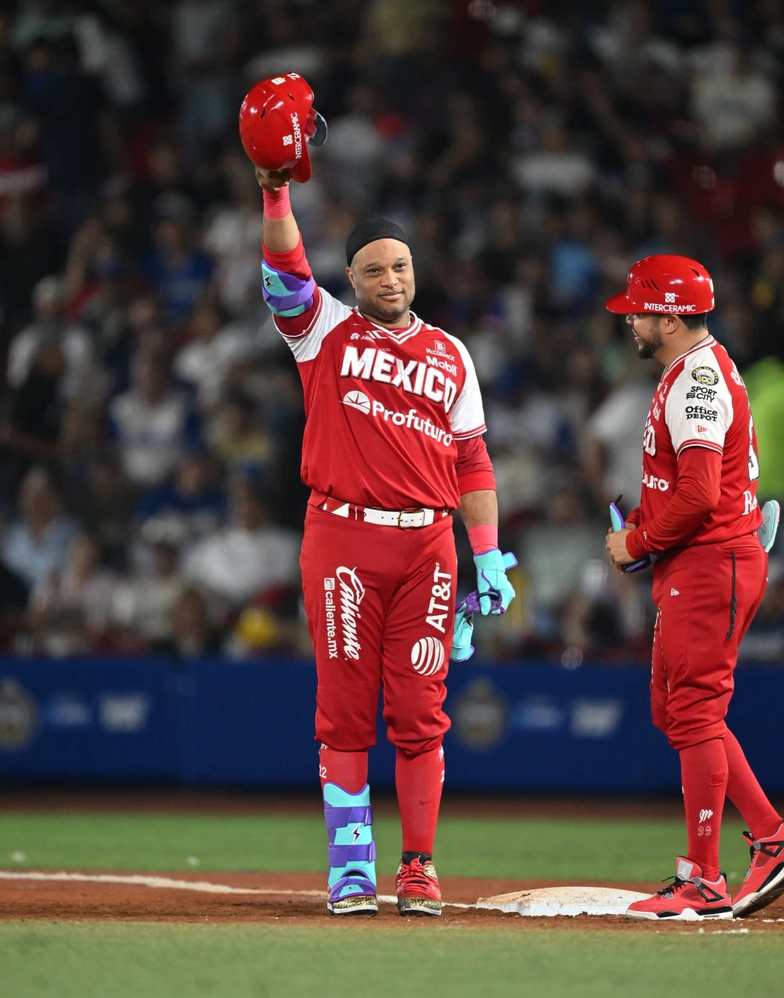
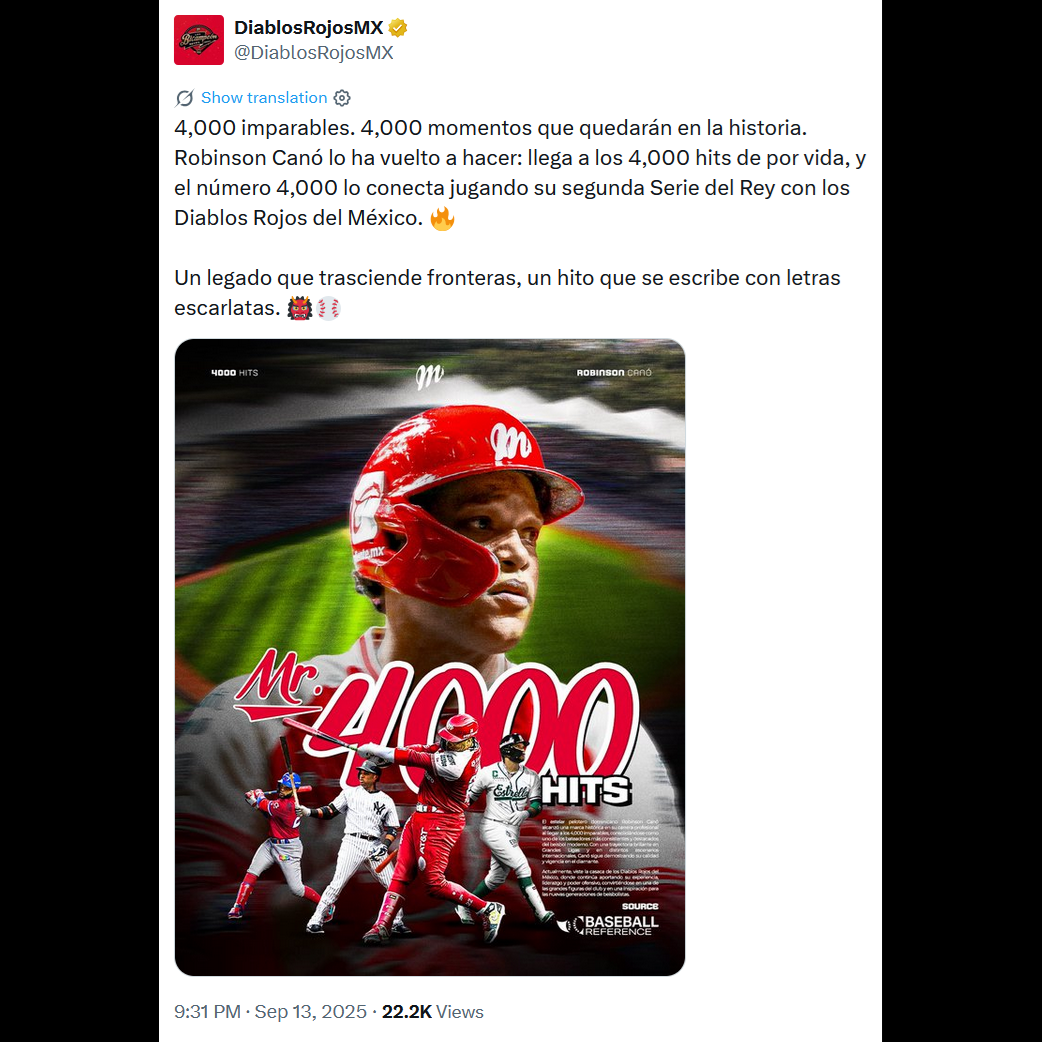
Mr. 4,000
Robinson Canó’s single in the Mexican League playoffs on September 13, 2025 gave him 4,000 career hits across all professional levels.
Canó became the 22nd confirmed member of the 4,000 Professional Hit Club. The Diablos Rojos celebrated the milestone on the field, collecting the ball while Canó saluted the crowd. He became the first player to celebrate the milestone in real time.
Photo courtesy of Prensa Diablos / Enrique Gutiérrez
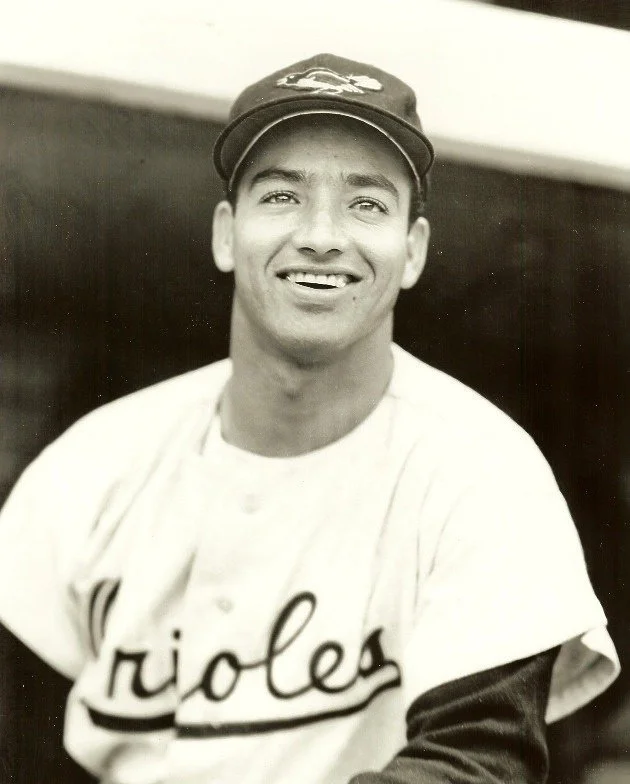
Vinicio “Chico” García
Just days after Robinson Canó reached his milestone surrounded by applause and admiration, Vinicio “Chico” García surpassed 4,000 professional hits quietly in a spreadsheet — 55 years after his final game.
Adam wrote about Canó and García joining the 4,000 Professional Hit Club HERE.
Marc Normandin of Baseball Prospectus wrote about Adam’s research on the 4,000 Professional Hit Club HERE.
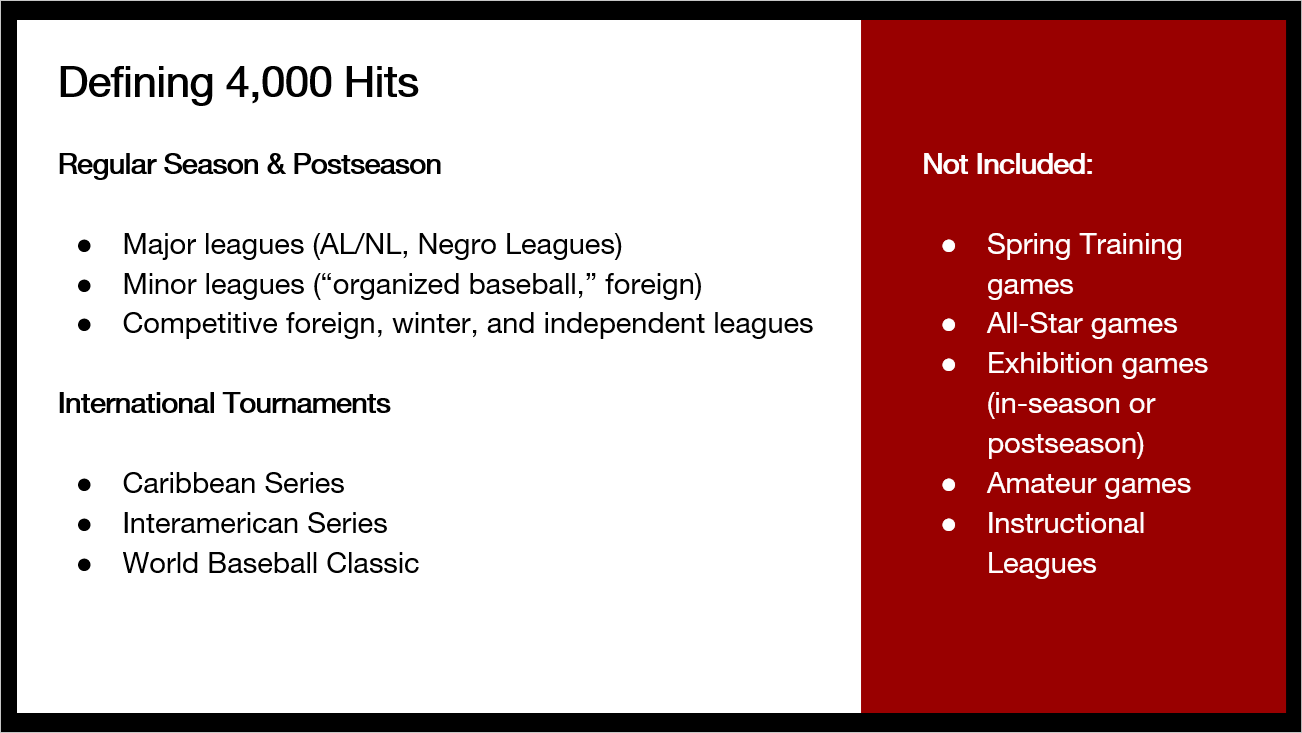
What counts as a hit in Adam’s research, and what doesn’t?
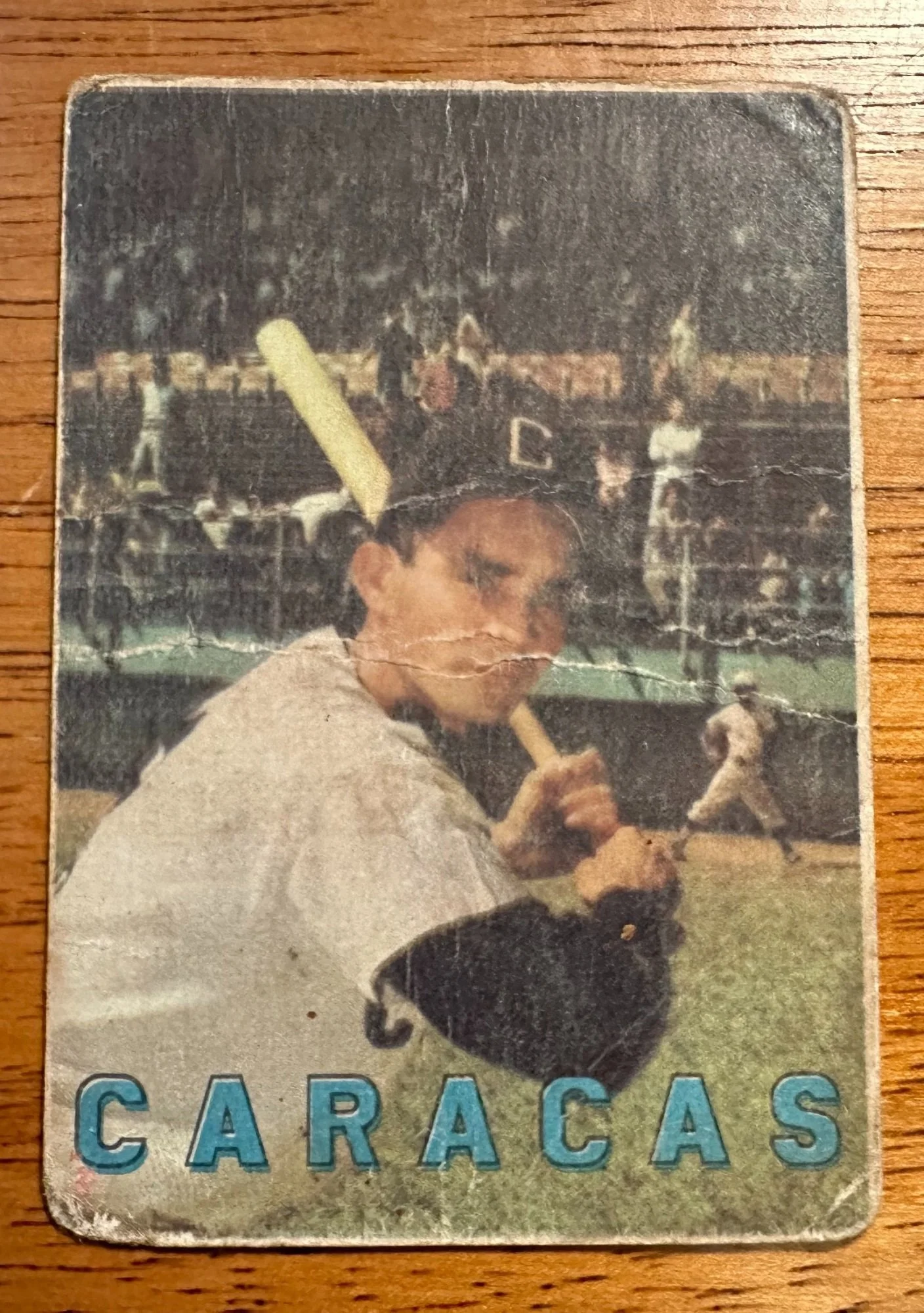
Vic Davalillo
Vic Davalillo played in Major League Baseball for the Cleveland Indians (1963-68), California Angels (1968-69), St. Louis Cardinals (1969-70), Pittsburgh Pirates (1971-73), Oakland Athletics (1973-74), and Los Angeles Dodgers (1977-80).
Davalillo, who batted and threw left-handed, was a leadoff hitter known for his speedy base running, capable defense, and superb pinch hitting abilities. He was a fan favorite during his years with the Indians, and became a valuable utility player later in his career.
Davalillo also had an exceptional career in the Venezuelan Winter League, where he is the all-time leader in total base hits and career batting average. He played for 30 years in the U.S., Mexico, and his homeland, compiling more than 4,100 total base hits.

World Baseball Classic
Adam and I recorded our interview October 11, 2025.
On February 27, 2026, Baseball Reference made this announcement, stating that all WBC statistics and records for the entire history of the competition, dating back to 2006, could now be found on their website.
Check them out HERE.
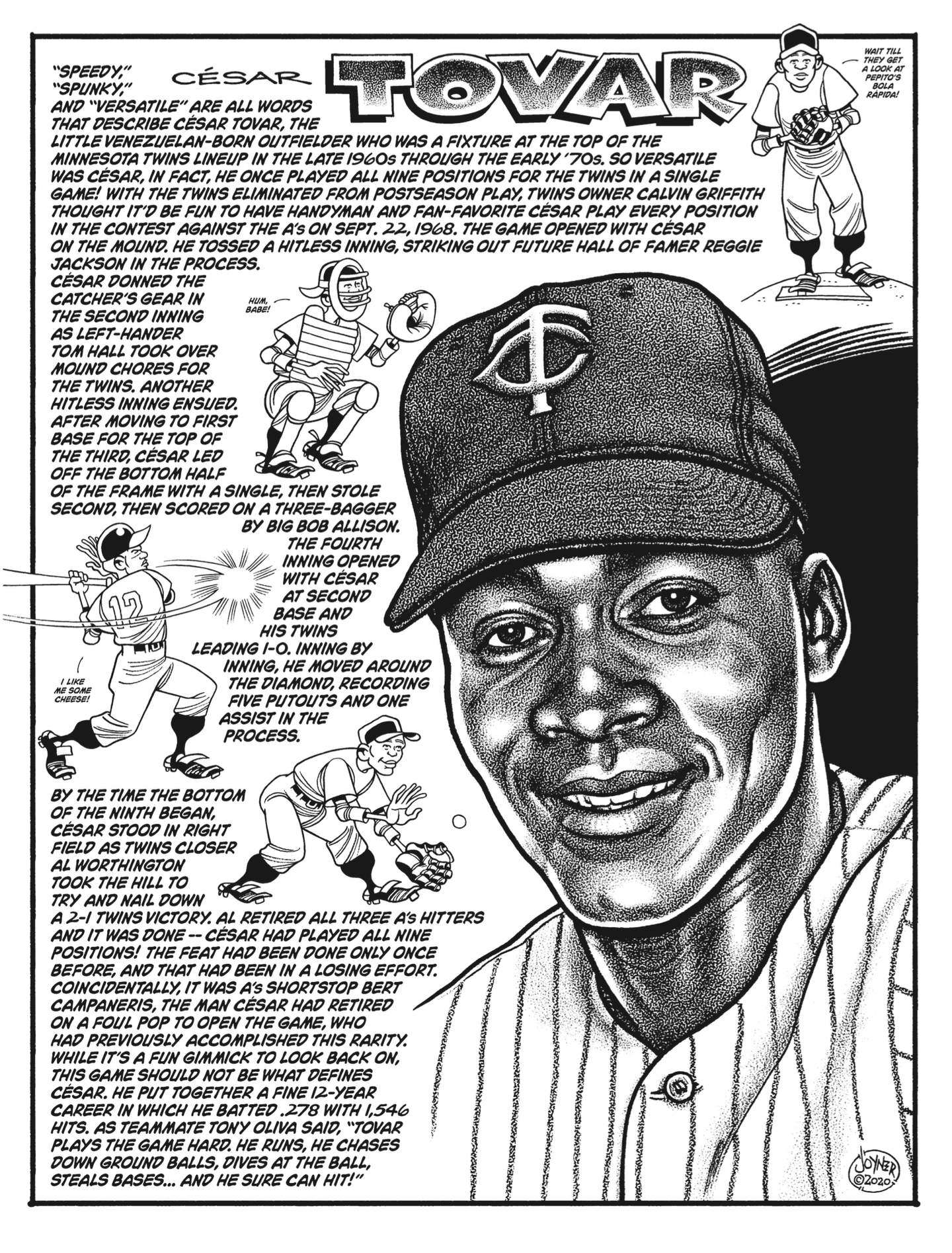
César Tovar
César Tovar played in Major League Baseball from 1965 to 1976, most notably as the leadoff hitter for the Twins teams that won two consecutive AL West titles in 1969 and 1970. He later played for the Phillies, Rangers, Athletics, and Yankees.
On September 22, 1968, he became only the second player in MLB history to play all nine positions during a single game, a feat first accomplished by Bert Campaneris, in 1965. He led the AL in doubles (36) and in triples (13) in 1970, and in hits (204) in 1971.
Tovar also had a prolific career in the Venezuelan Professional Baseball League, where he played 26 seasons – second only to the 30 seasons played by Vic Davalillo.
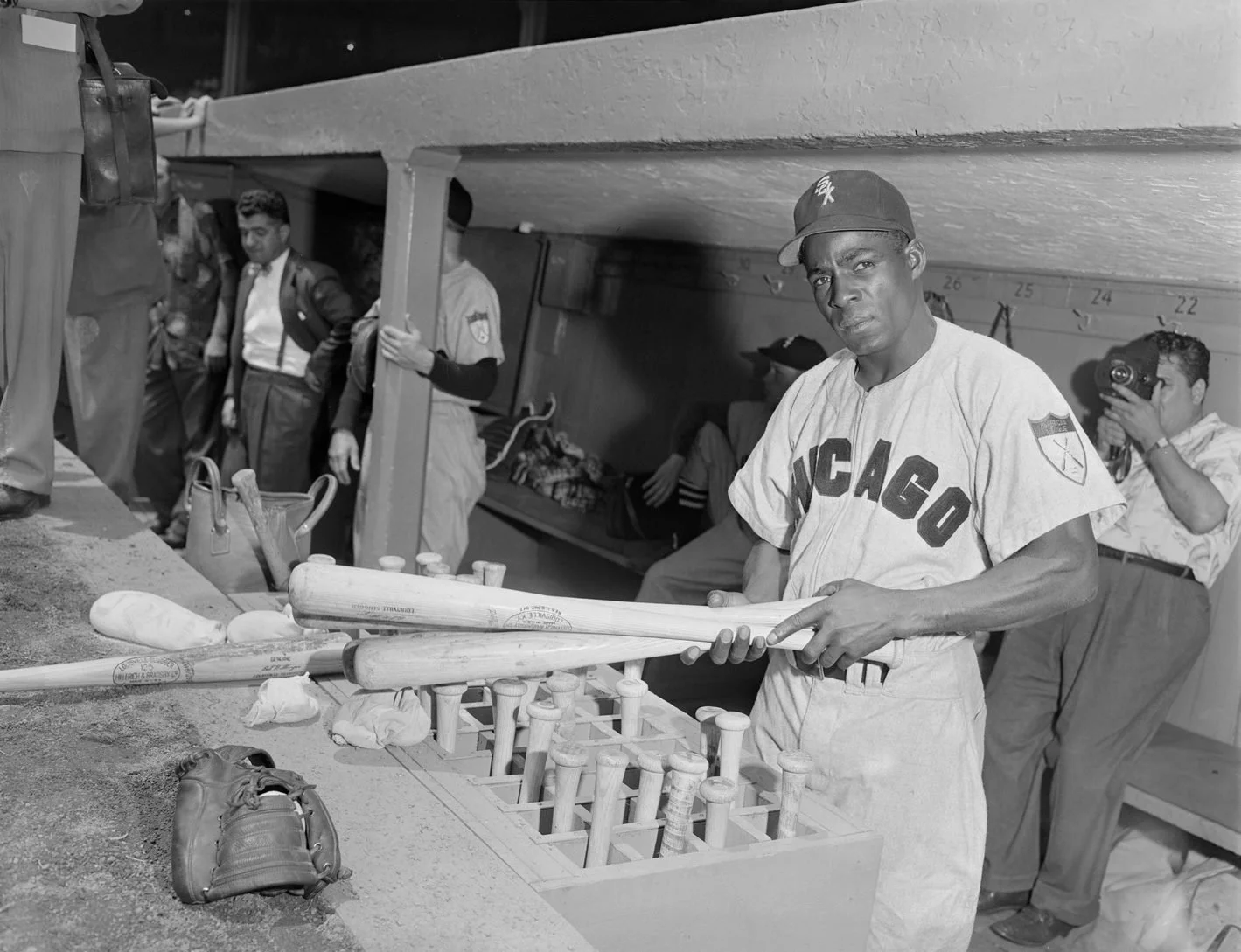
Minnie Miñoso
Aside from two publicity stunt stints while he was in his 50s, Minnie Miñoso was done playing in Major League Baseball by the time he was 40 years old.
However, he played continuously for the next decade in the Dominican Republic, in Mexico, and even the Pacific Coast League, accumulating more than 1,180 of his 4,563 professional hits.
See all of his career hits HERE.
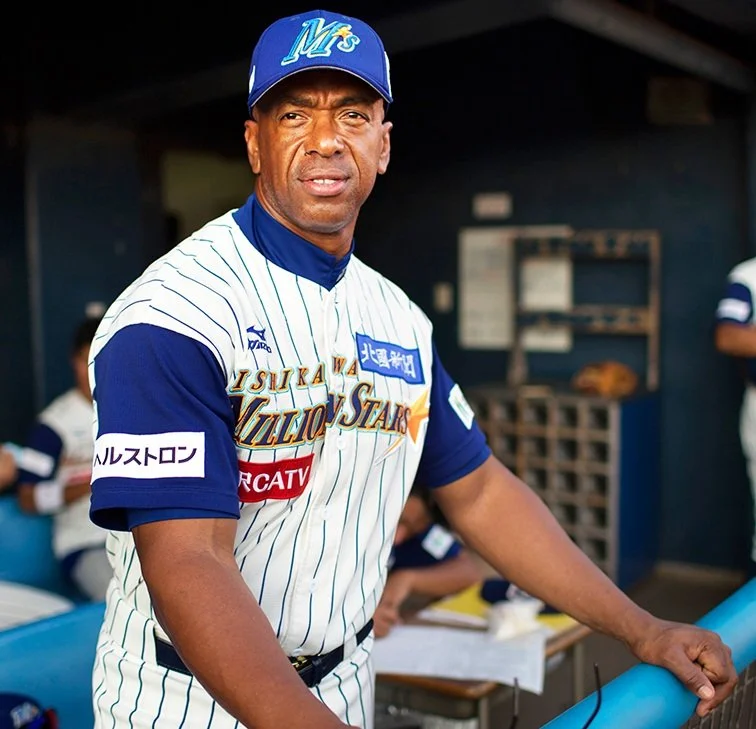
Julio Franco
Julio Franco, on the other hand, added fewer than 70 non-MLB hits to his professional total after he played his final game in Major League Baseball, ending his career with 4,463.
See all of his career hits HERE.

Silvio García
Silvio García was a sensational two-way player who spent time playing in eight countries, as far as Adam can tell. García played in the US, in Canada, in Cuba, in the Dominican Republic, in Mexico, in Venezuela, in Puerto Rico, and in Nicaragua.
Although Adam doesn’t have García over the 4,000 hit threshold, there is still a lot of data missing which might get his current total of 2,646 a lot closer.
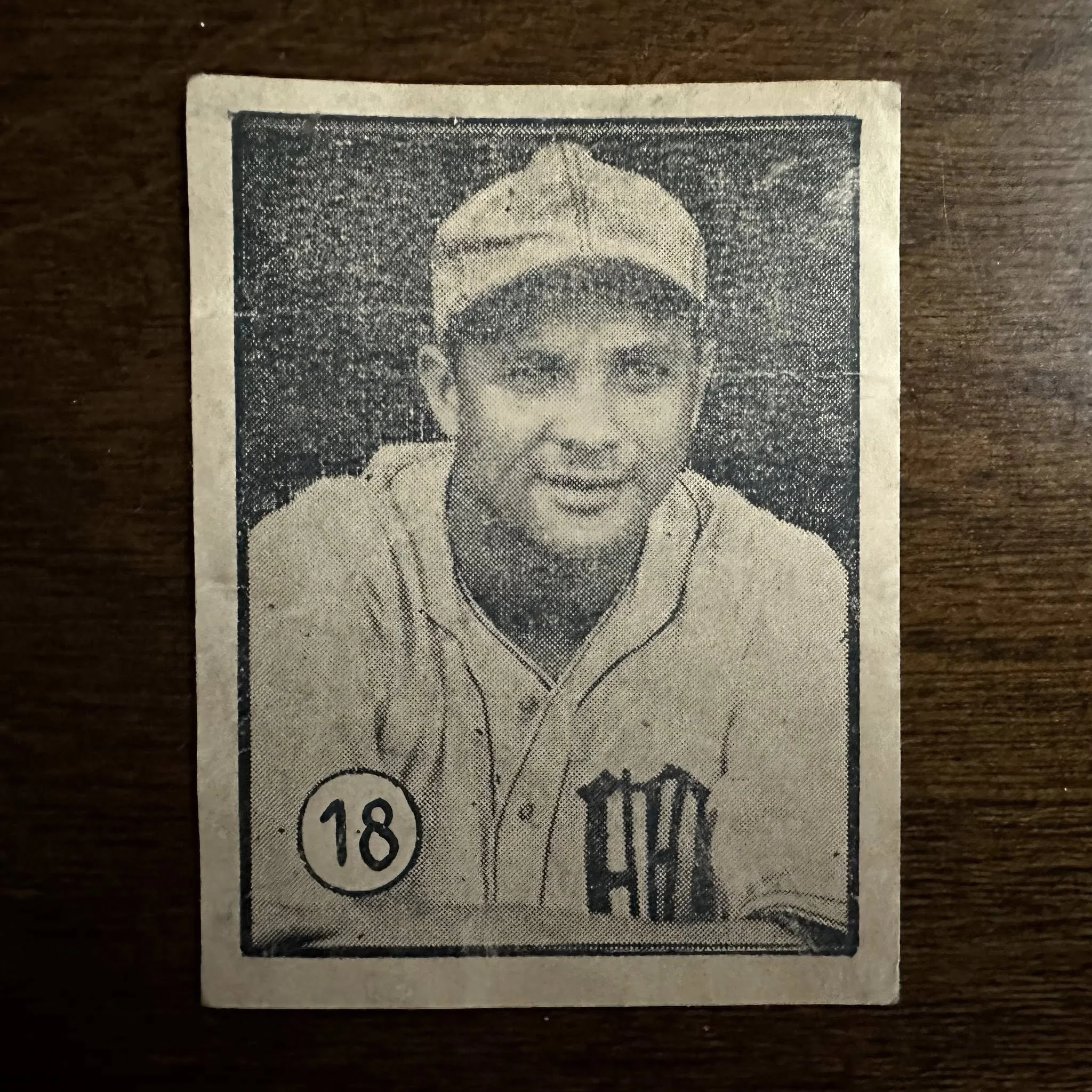
Lázaro Salazar
Lázaro Salazar won 14 titles as a manager in Latin America, despite dying tragically at age 44 in Mexico.
At age 24, Salazar was alreadybtasked with managing an All-Star cast of talent for dictator Rafael Trujillo in the Dominican Republic, including Satchel Paige, Josh Gibson, and Cool Papa Bell.
Lázaro Salazar’s Baseball Reference

Pedro “Perucho” Cepeda
Pedro “Perucho” Cepeda was the father of Hall of Famer Orlando Cepeda. It is said that he was an even better ballplayer than his son.
Perucho Cepeda’s Baseball Reference
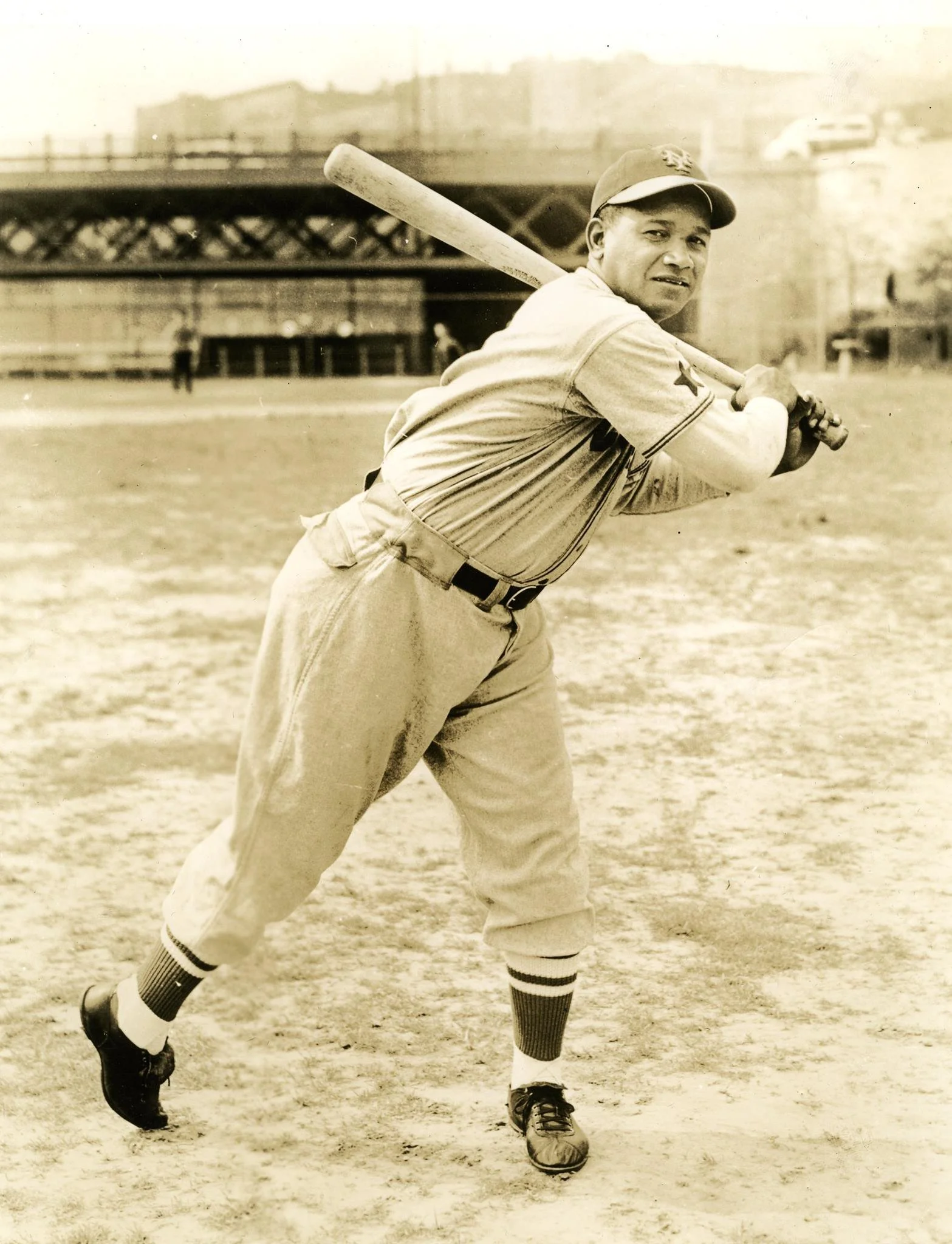
Pancho Coimbre
Pancho Coimbre played 13 seasons in the Puerto Rican Professional Baseball League, with the Leones de Ponce. During this period, the team won five league championships.
Coimbre finished his career with an average of .337, and had an average of just 2.2 strikeouts per season, including four consecutive seasons from 1939 to 1942 without any strikeouts. Coimbre also won two LBPPR batting titles, and the league's Most Valuable Player Award in 1943.
Pancho Coimbre’s Baseball Reference

Vidal Lopéz
Vidal Lopéz played in the professional leagues of Cuba, Mexico and Puerto Rico, overcoming color line prejudice throughout a career that lasted 21 years.
He was well known for his solid batting, his long home runs, and his dominant pitching. His popular nickname, El Muchachote de Barlovento (The Big Boy of Barlovento), was a testimony to his naive face and burly frame.
López is still considered one of the most versatile Venezuelan ballplayers ever produced.

Tetelo Vargas
Tetelo Vargas was nicknamed "El Gamo Dominicano" ("the Dominican Deer"). He gained recognition around the Caribbean and in New York City by establishing a Negro league record when he hit home runs in seven consecutive at bats.
Vargas hit .472 while playing for the New York Cubans in the Negro National League in 1943. While Baseball Reference recognizes this (listed as .4711) as the highest single-season batting average in MLB history, MLB.com instead recognizes Josh Gibson's .466 average, hit during the same season.
Tetelo Vargas’ Baseball Reference
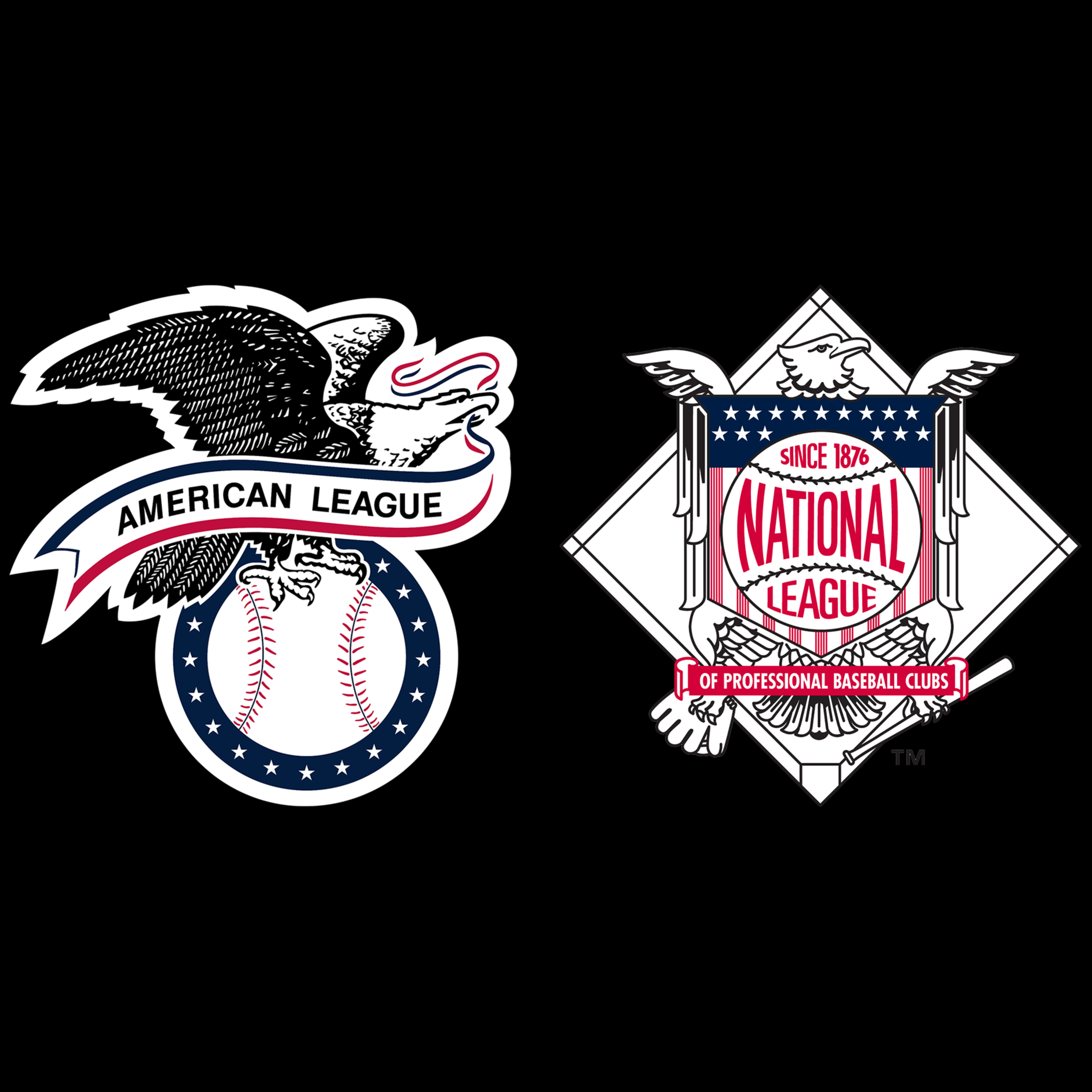
What Is A Major League?
A lot of people mistakenly assume that the major leagues are only the American League and the National League, which is what we know today as "Major League Baseball". But there is a difference between what we call the major leagues today and a baseball league which is considered “major.”
Logos courtesy of SportsLogos.net

Minor Leagues
Most people know that there is a distinction between Major leagues and Minor leagues, but they might not necessarily understand that there are many different “minor” leagues under the umbrella of that categorization, and that there have been many throughout time. The major leagues are very similar in that sense.
Logos courtesy of SportsLogos.net
What Other Leagues Were Already Considered “Major”?
From the Union Association and the American Association, to the Players League and the Federal league, and of course the American League and National League, which remain Major leagues today, there have been many different “Major” leagues over the years. All of those leagues which are considered “Major” have their statistics included in the Major Leagues record books.
Logo courtesy of SportsLogos.net
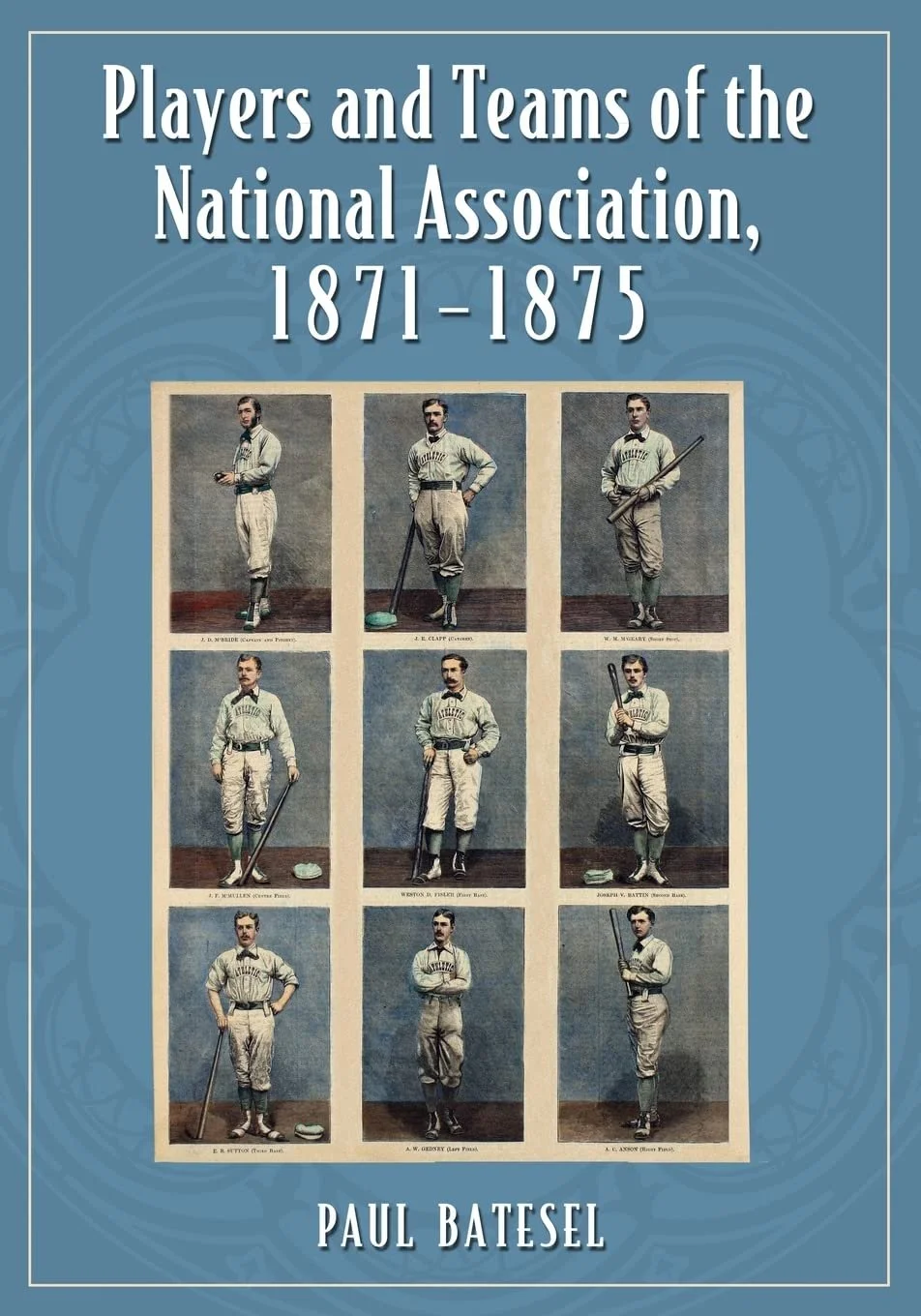
The National Association
The National Association was the first fully-professional baseball league. Founded in 1871 and continuing through the 1875 season, it incorporated several professional clubs from the National Association of Base Ball Players of 1857–1870, sometimes called "the amateur Association".
In turn, several NA clubs created the succeeding National League of Professional Baseball Clubs (the National League, founded 1876), which joined with the American League of Professional Baseball Clubs (the American League, founded 1901) in the National Agreement of 1903, a "peace pact" that recognized each other as legitimate "major leagues".
Baseball Reference includes the National Association as a Major league, even though Major League Baseball doesn't technically consider that league to be Major.
Buy Players and Teams of the National Association, 1871-1875 by Paul Batesel HERE.
Why Weren’t The Negro Leagues Considered Major?
In August of 2020, Ben Lindbergh wrote a piece at The Ringer basically asking "why are the Negro Leagues not considered Major leagues at this point?"
You can (and should) read Ben’s piece HERE.
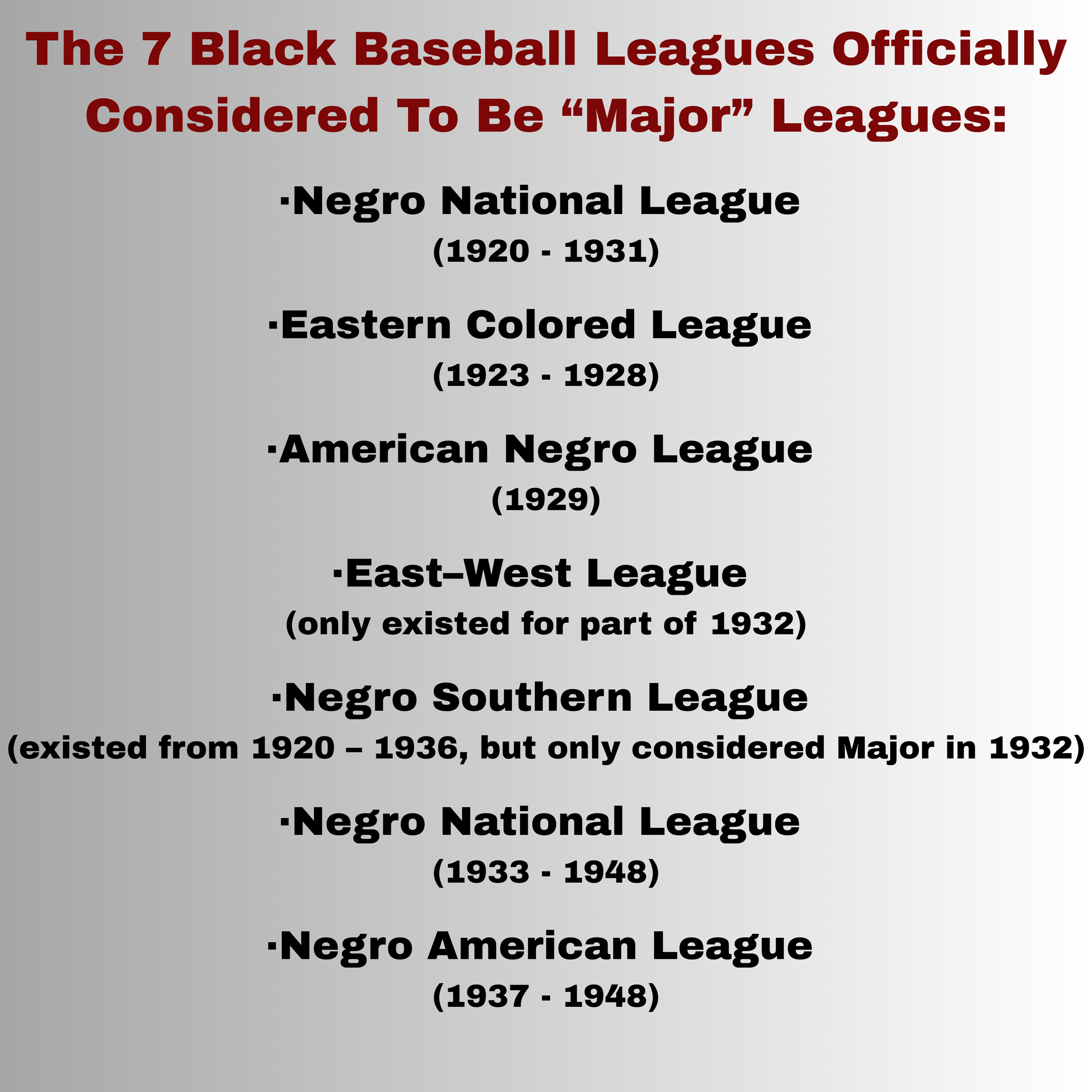
Which Negro Leagues Are Now Accepted As “Major”?
In December of 2020, the comprehensive compilation of Negro League records from 1920 through 1948 was officially recognized by Major League Baseball, rewriting the historical record books to include Black players, Black teams, and their statistics.
But only for certain years, and sometimes only certain games from those “accepted” years, and only if those leagues met certain criteria...
The Major Negro Leagues by Adam Darowski
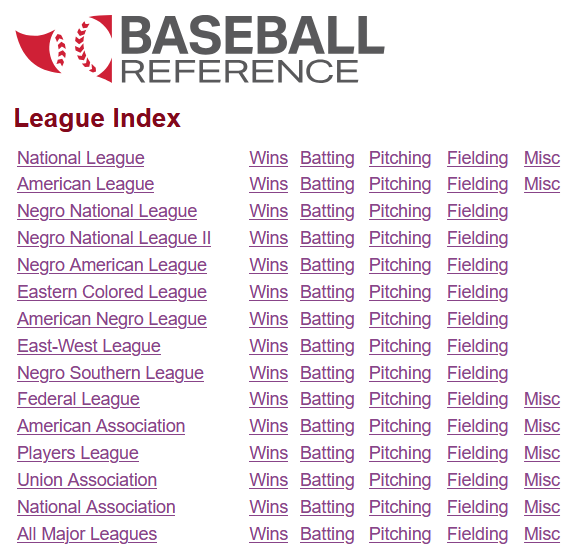
Baseball Reference’s Addition Of The Stats
By June of 2021, Baseball Reference already had the stats from these leagues up and running.
The Negro Leagues Are Major Leagues
In addition to putting the statistics up on the site, Baseball Reference also commissioned a series of articles to help give context to why this all was happening, what it meant, and how fans and researchers could interpret these “new” statistics.
You can read these articles HERE.
Buy the book which contains the articles HERE.

A Resource For Educators
Baseball Reference created this resource for educators to share the incredible story of the Negro Leagues — from the pioneers of Black Baseball in the late 19th century through the formation of the Negro Major Leagues and into the impact of integration on the American and National Leagues.
Today, the widespread release of meticulously collected Negro League statistics has led to a Golden Age of Negro League research that culminated with the first Hall of Fame selections from the Negro Leagues in fifteen years — Minnie Miñoso, Buck O’Neil, and Bud Fowler.
Some Essays
Welcome to the Negro Leagues Are Major Leagues by Sean Forman, President of Sports Reference, LLC
Negro Leagues By The Numbers by Bob Kendrick, President of the Negro Leagues Baseball Museum, with Joe Posnanski
The Black Boys of Summer: A statistical observation by Larry Lester
Historiography of Black Baseball & Negro Baseball Leagues by Gary Gillette
Bob Kendrick was our guest for Episode 5 of Season 5. You can listen to that episode HERE.

More Essays
A Love Story by Adam Jones, 14-year MLB veteran
Turkey Stearnes and the Inclusive Grand Slam by Vanessa Ivy Rose, granddaughter of Turkey Stearnes
Gibson Family Reflections on the Publication of Baseball Reference’s Negro Leagues Statistics by Sean Gibson, great-grandson of Josh Gibson
Building the Seamheads Negro Leagues Database by Gary Ashwill
Which Stats Can Be Used?
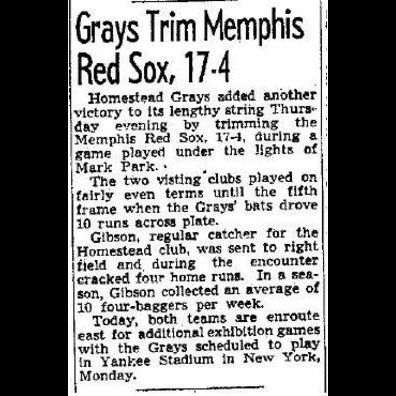
Major League Baseball can only offer data for games in which box scores exist, so as to preserve its unique double accounting of offense and defense.
So for the moment Willie Mays’ home run in a game with the Birmingham Black Barons on August 11, 1948 — attested to in game accounts but as yet not in a box score — will go unaccounted.
Likewise for Josh Gibson’s four home-run game on July 28, 1938, in a game between his Homestead Grays and the Memphis Red Sox.

Seamheads
The Seamheads database (with the exception of the Mexican League statistics) is built from the game level up, using box scores, newspaper articles, and scoresheets. As of December of 2020, Seamheads did not make use of published year-end statistics or standings — everything is verified from contemporary accounts of individual games.
Another core principle of the database is that both sides of every game are represented. Consequently, many white major and minor leaguers are present in the database, so it’s possible to see how Babe Ruth or Christy Mathewson fared against Black or Cuban competition.
The Seamheads Negro Leagues Database: A Brief Introduction by Gary Ashwill
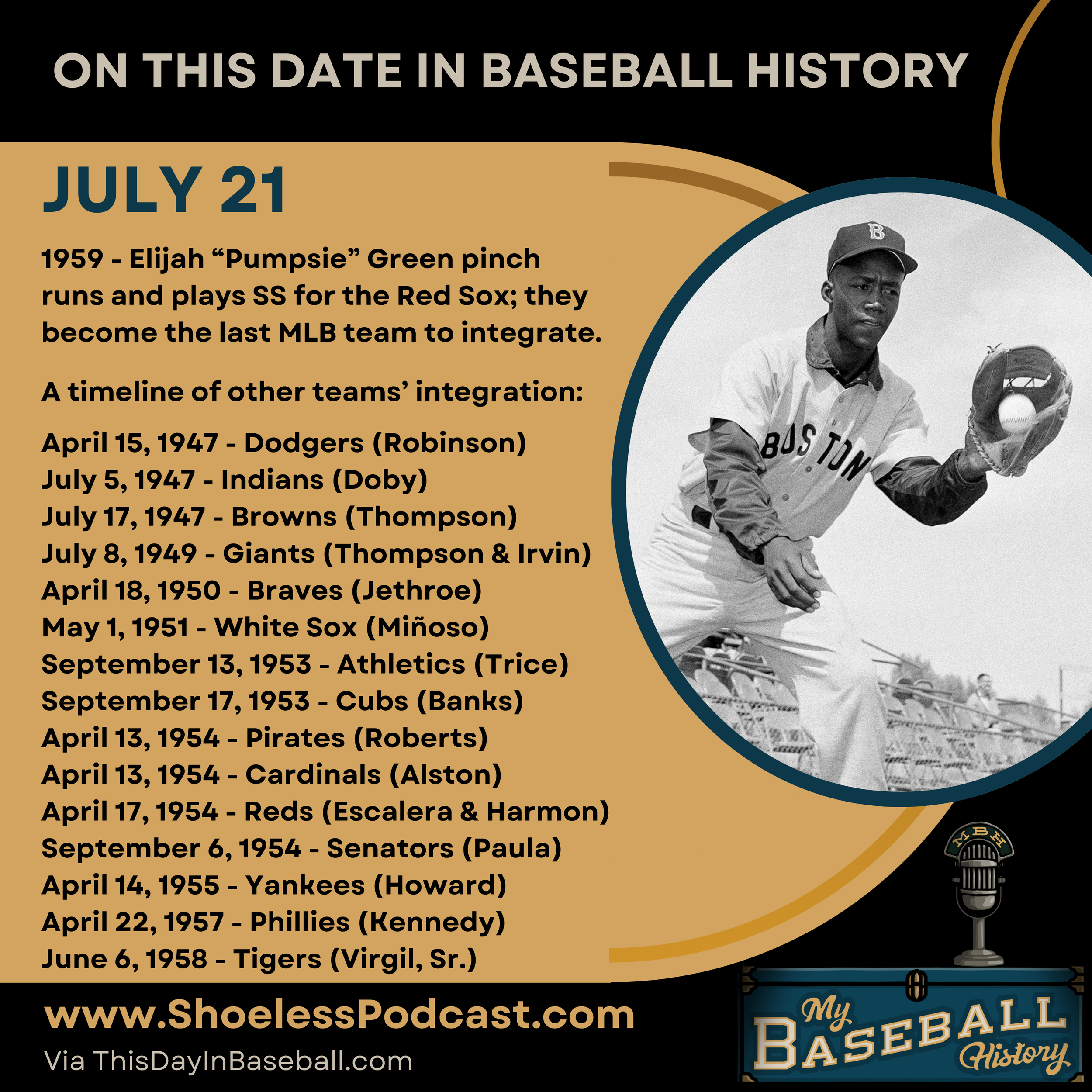
How Quickly Did MLB Integration Happen?
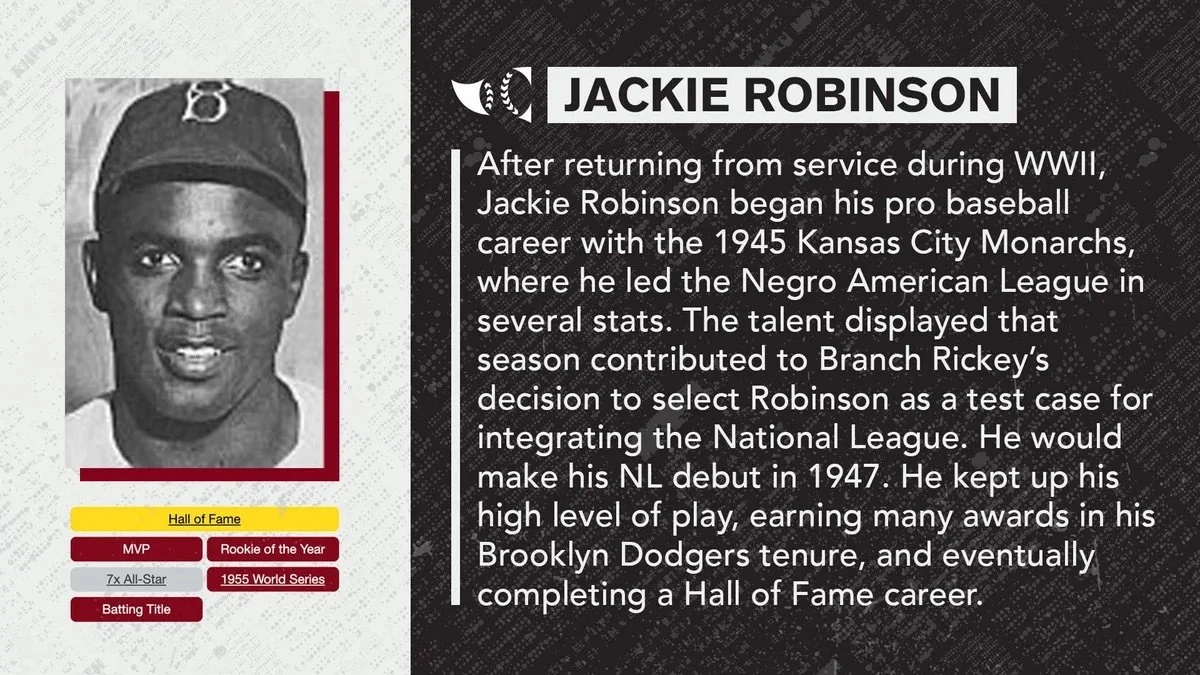
The argument is that after Jackie Robinson broke the color barrier in 1947, all of the best Black players were going to the now-integrated major leagues, so the level of play in the Negro Leagues wasn’t high enough to be considered a “major” league.
But when you look at the actual numbers, in 1947, 0.9% of Major Leaguers were African American. The following year, 1948, that percentage dropped to just 0.7%. 1953 was the first year African Americans made up more than 3% of Major Leaguers.
In a league with 16 teams, and 25 players per team, 3% of Major Leaguers means TWLEVE players. Not even one Black playe per team, on average.
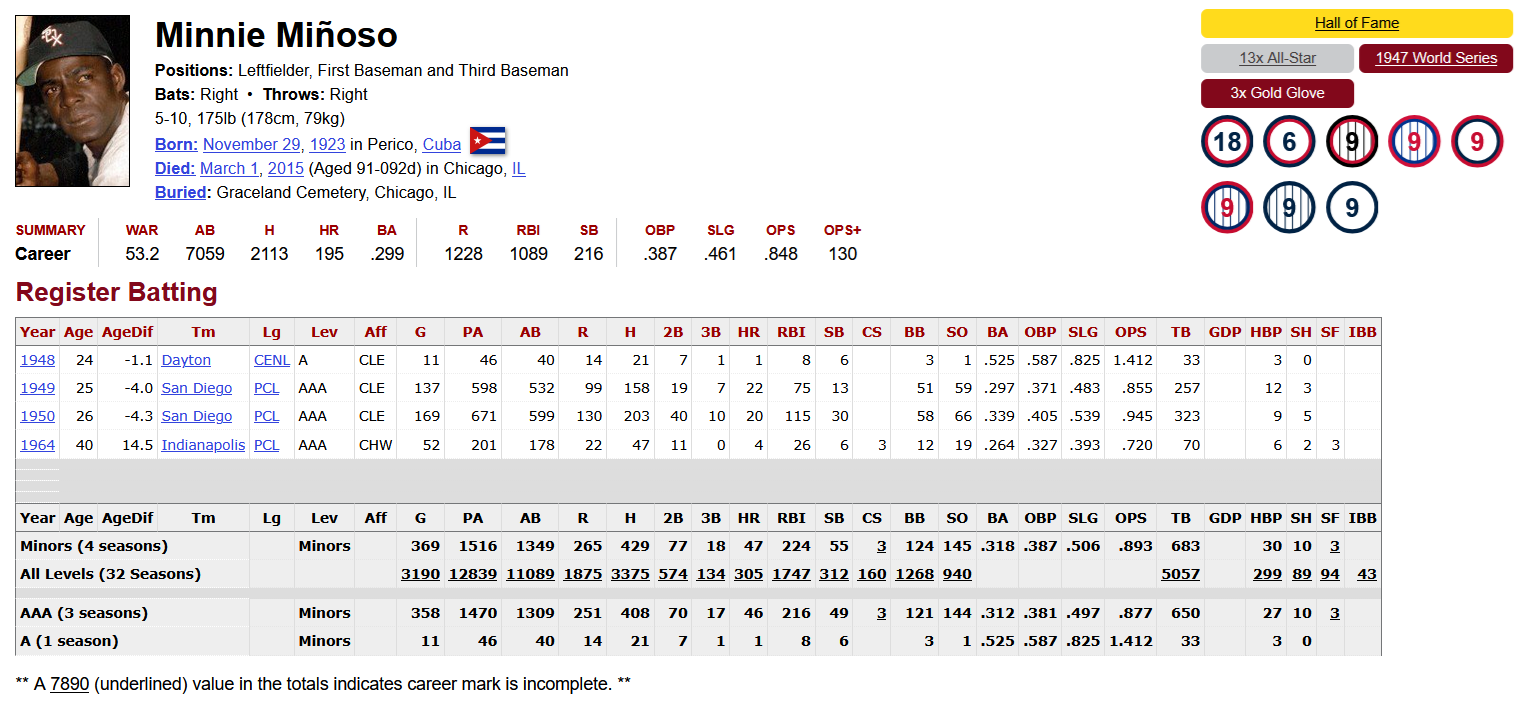
Minnie Miñoso’s minor league stats

The 1969 Decision
In 1969, the Special Baseball Records Committee of Major League Baseball officially recognized six major leagues: the National League, the American League, the American Association, the Union Association of 1884, the Players' League of 1890, and the Federal League of 1914–1915.
As Ben Lindbergh wrote in his August, 2020 piece:
“MLB’s Special Baseball Records Committee, which was convened by commissioner William Eckert in 1968 as part of an arrangement with publisher Macmillan to produce The Baseball Encyclopedia. The “Big Mac,” as it eventually came to be called, was to be the official, definitive statistical compendium of the major leagues.
“Which meant that someone had to answer a pesky question: Which were the major leagues?
“That was the task of the SBRC, an all-white, five-man body that consisted of officials from the American and National Leagues, the commissioner’s office, the Baseball Hall of Fame, and the Baseball Writers’ Association of America, all of whom are now deceased.
“The National Association, which preceded the National League, was recognized as the first professional league but not considered a major league “due to its erratic schedule and procedures.” The ruling said nothing about the Negro Leagues. Which was, in a sense, unsurprising, because the committee itself had said nothing about the Negro Leagues when it met.”
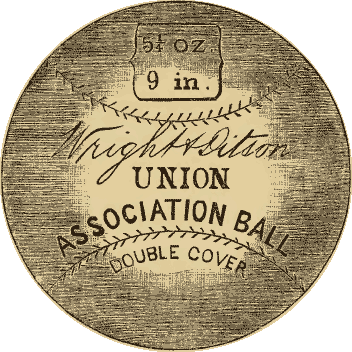
The Union Association
The Union Association competed with Major League Baseball, lasting for just the 1884 season. St. Louis won the pennant, then joined the National League the following season.
Seven of the 12 teams who were in the Union Association at some point during the 1884 season did not play a full schedule: four teams folded during the season and were replaced, while Chicago moved to Pittsburgh in late August.
Justin McKinney has done a lot of research on the Union Association. Adam is unsure if it should be considered a major league, though Baseball Reference does count it as one, along with MLB.

The Players' League
The Players' National League of Professional Base Ball Clubs, popularly known as the Players' League (PL), was a short-lived but star-studded professional league of the 19th century.
The NL had implemented a reserve clause in 1879, which limited the ability of players to negotiate across teams for their salaries, and both the AA and NL had passed a salary cap of $2,000 per player in 1885.
John Montgomery Ward left the NL after failing to change its lopsided player–management relationship, and formed the Brotherhood of Professional Base Ball Players in November 1889.
Though the PL lasted just the one season of 1890, the Brotherhood included most of the best players of the National League. Because of this, MLB considers the PL a "major" league for official statistical purposes. The Boston franchise won the league’s only championship.

Oscar “Heavy” Johnson
In 1923, Oscar “Heavy” Johnson won the Triple Crown, leading the league with 20 home runs, 120 RBI, and a .406 batting average. While those numbers are incredible, there are less than 100 games that season which have been accounted for.
Heavy Johnson’s Baseball Reference
Heavy Johnson’s SABR Biography, written by Adam Darowski
Forgotten Heroes: Oscar “Heavy” Johnson by Dr. Layton Revel and Luis Munoz
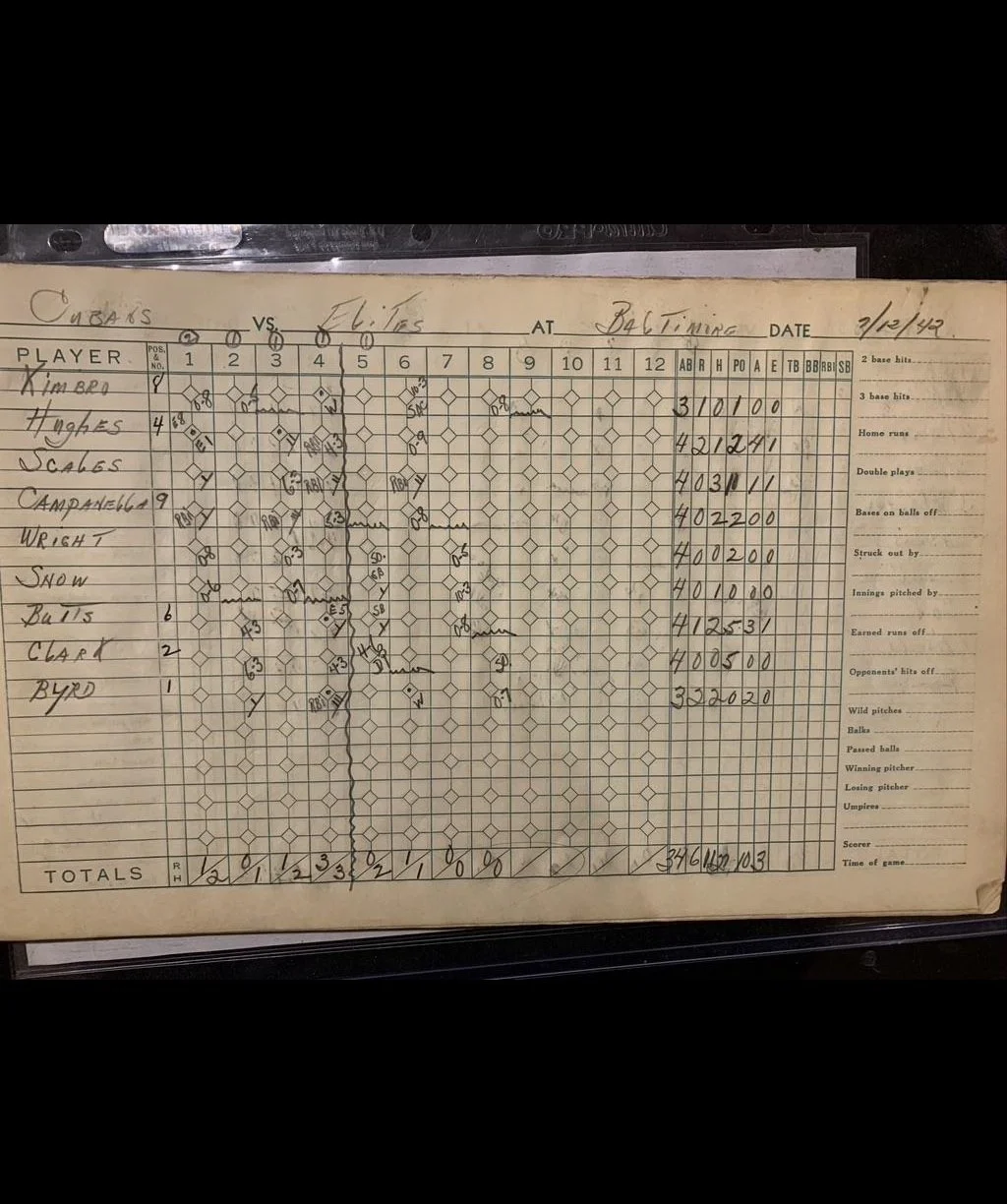
Less Data As We Go Along?
There is almost 100% box score coverage from Negro League games played in the 1920s.
As we get into the Great Depression and into the 1930s, fewer games are getting reported on the box score level, dropping down to roughly 75% coverage.
In the 1940s, the interest turns to integration and Major League Baseball, so Negro League teams are just not being reported as much in the Black press because they only have so many reporters to send to games, and if they’re going to the MLB games, there’s no one there to cover Negro League games. Add in the lack of resources and funding during WWII, and it’s a recipe for a dip down to roughly 50% coverage during the 1940s.
Neil Robinson
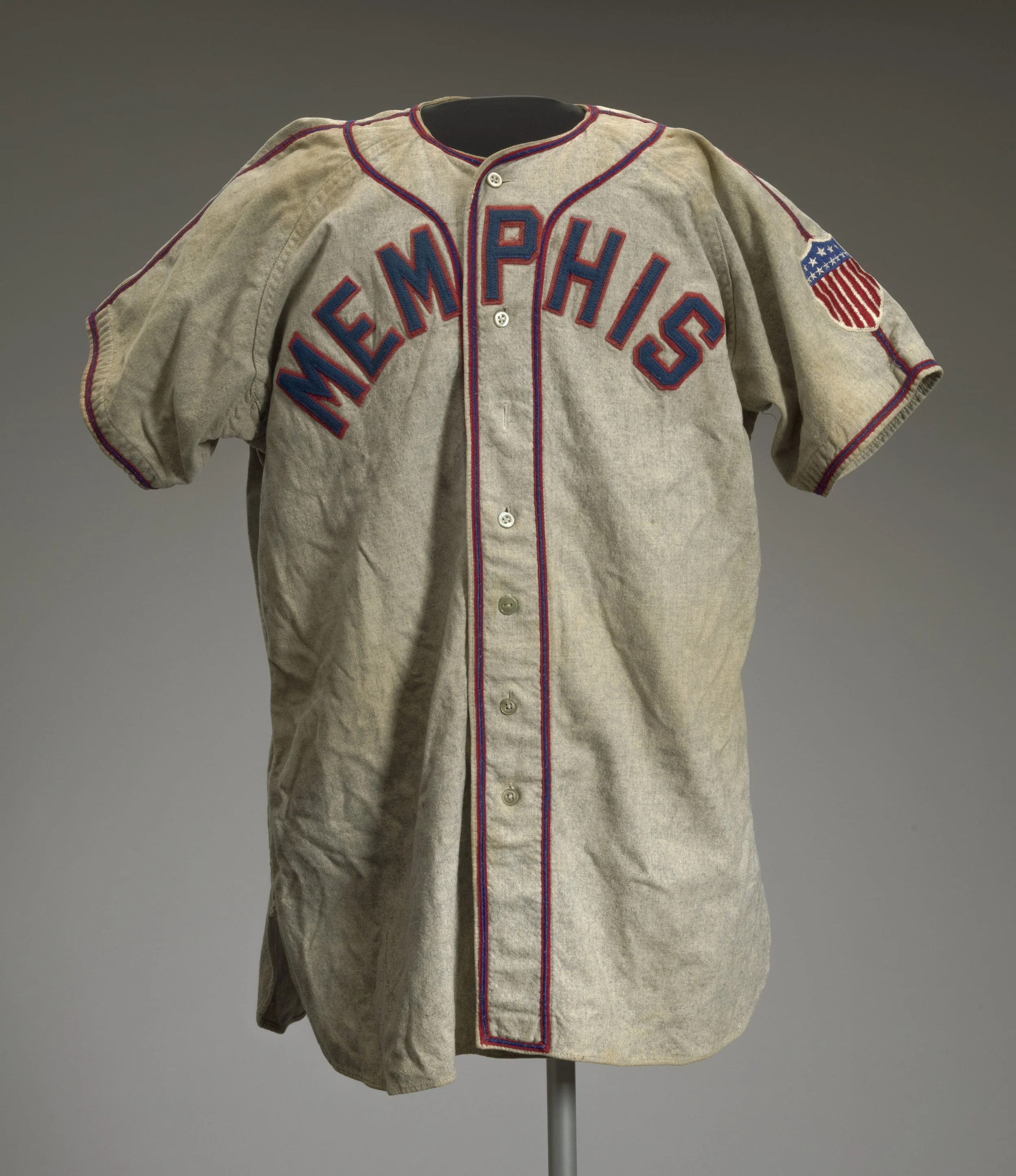
Primarily a center fielder, Neil Robinson spent the majority of his 23 year career with the Memphis Red Sox. His uniform is pictured here, but Memphis was notorious for missing box scores, meaning we are unsure of his true statistics as a player.
Prior to being acquired by Memphis, he played one season for the Homestead Grays and three seasons with the Cincinnati Tigers.
Robinson ranks as the greatest hitter in the history of the Memphis Red Sox franchise, and appeared in nine Negro League East-West All Star Games. He won back-to-back Negro American League home run titles in 1939 and 1940, rivaling Mule Suttles, Josh Gibson, and Ted Strong.
Some Stats Are Just… Wrong
As recently as 1985 when Pete Rose was chasing Ty Cobb's all time hits record, we found out that all along, Ty Cobb's hit total was wrong because one game in 1910 was mistakenly counted twice.
So instead of Cobb having 4,191 total hits, his career total is actually 4,189. The official MLB record book still credits Cobb with having 4,191 hits, even though they know that’s wrong!
And those are the numbers of one of the greatest players to ever live, which gave him one of the most cherished records in baseball history, so you can only imagine the number of researchers who have poured over those specific numbers over the years, and they still got it wrong.
A Difference In Narrative
MLB’s focus since the integration of the Negro Leagues statistics into the official record books has seemed to be “look at all these new records!” while they have left a lot to be desired in terms of explaining these new numbers, and explaining that they are all works in progress.

Games Minimums
Baseball Reference currently lists the single-season record holder for lowest ERA as Robert Keyes, who had a 0.643 ERA for the 1944 Memphis Red Sox.
Robert Keyes threw 3 complete games and would only give up 2 earned runs all season, yet still wound up with a 1-2 record. The thing is, he is credited with pitching just 28 innings all season, because those are the only three games we have box scores from where he pitched.
Because the Memphis Red Sox have so many missing box scores, Keyes pitched 28 innings out of just 27 team games with proven box scores, meaning, by MLB’s standards, he is the record holder.

Tim Keefe
Prior to the Negro Leagues statistics being included in the Major League Baseball record books, the single season ERA record holder was Tim Keefe, who had a 0.857 ERA in 1880. However, Keefe only pitched in 12 games that season, and only threw 105 innings, so was it fair to have called that the record, either?
Keefe was inducted into the National Baseball Hall of Fame as a part of the Class of 1964. He is now credited with winning 342 games, but he only pitched in 14 seasons. He had six straight seasons with 32 or more wins, including two seasons with 41 or more, so clearly it was a very different game back then.

Single-Season ERA Leaders
While there may be a handful of names ahead of his on the list, many fans consider Bob Gibson’s 1968 season to be the true pace-setter for ERA. That’s not to say they are correct, it just goes to show that these discussions are already complicated enough.
Home Run King
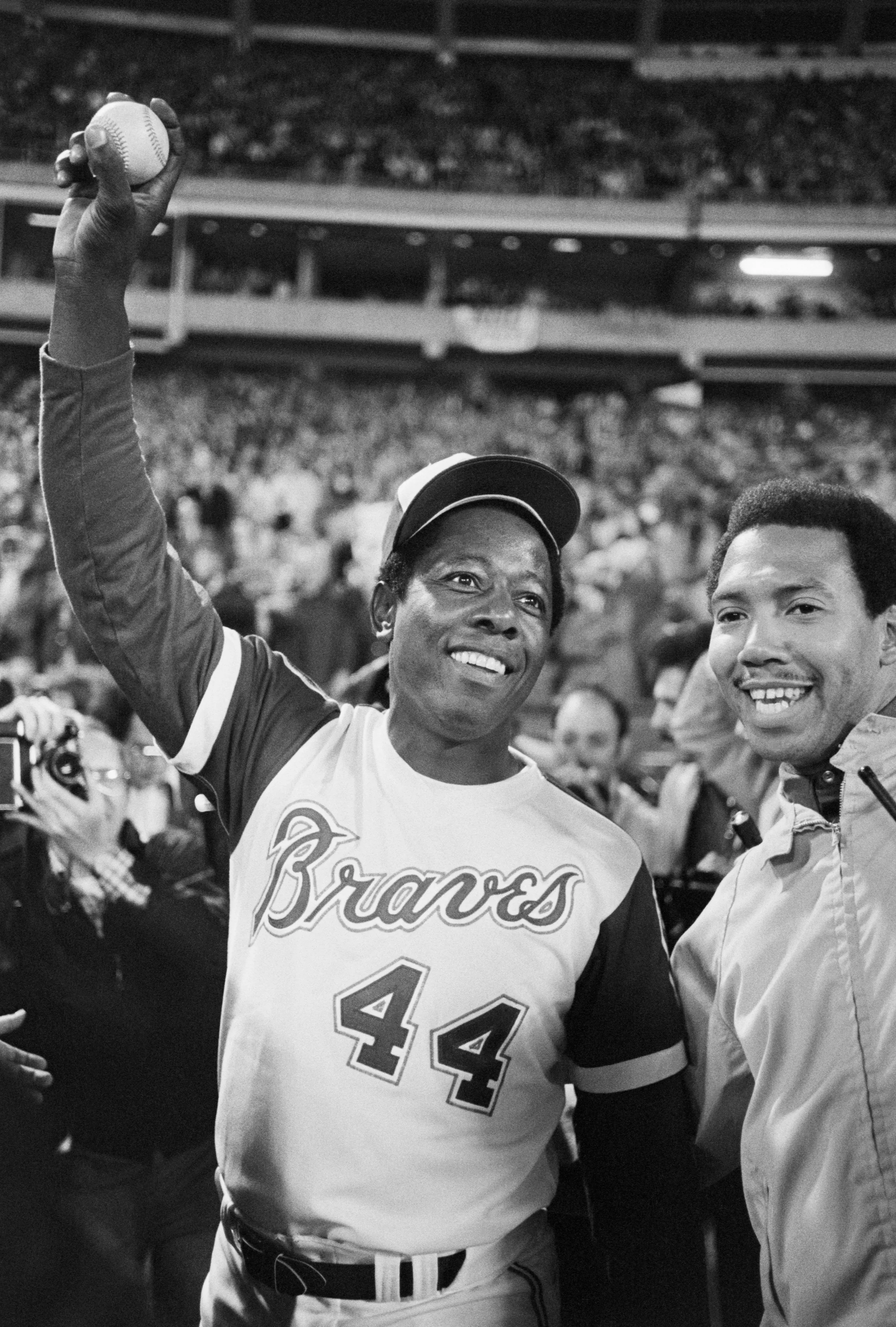
This is a similar conversation we have heard for more than two decades now about “the real” Home Run King, when it comes to which record we accept as meaningful, regardless of what the record books show us.
There are thousands, maybe millions of fans across the country who still consider Henry Aaron the all-time home run champ, despite having been passed, numerically, by Barry Bonds.
Henry Aaron’s Baseball Reference
Henry Aaron’s SABR Biography
Eugene Bremer
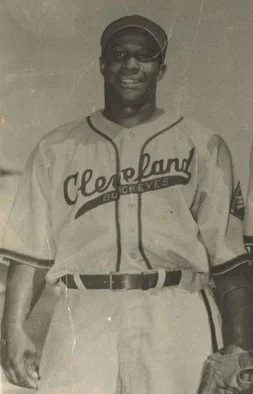
In 1942, Eugene Bremer joined former Cincinnati Tigers teammates Bill Jefferson, Sonny Harris, and Ray Robinson on the expansion Cincinnati Buckeyes of the Negro American League. Posting a 5-1 record with a 2.73 ERA in league play, Bremer made the West All-Star team for the second time in his career. Two All-Star games were played in 1942, with Bremer earning the starting nod in the second game, hosted on August 18 in Cleveland.
On September 1, 1942, the Chicago Tribune reported that Bremer and teammate Sam Jethroe were to receive tryouts from the Cleveland Indians prior to the 1943 season. Indians president Alva Bradley quickly reneged on his promise, stating to the Cleveland Call and Post that his scouts had seen Bremer, Jethroe, and a third Buckeye, Parnell Woods play in that second East-West Game, and - based upon that one viewing - had decided that the three "did not stack up as material for the Indians."
Larry Lester & Stephanie Liscio
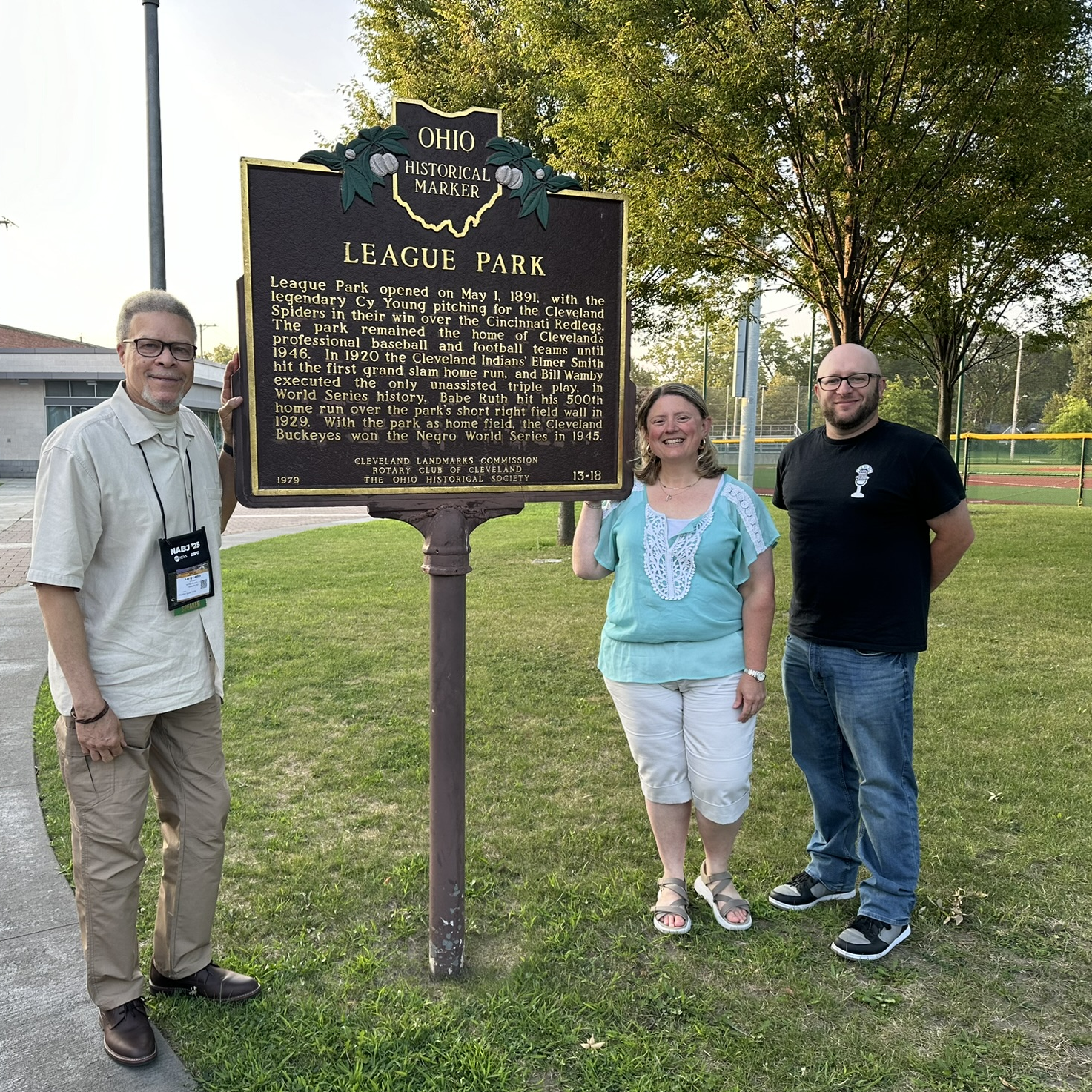
Larry Lester is one of the world’s leading authorities on the Negro Leagues, and is one of the five original founders of the NLBM. He is a published author, public speaker, researcher, and historian.
He was our guest, along with fellow Negro Leagues researcher Stephanie Liscio, for Episode 1 of Season 5. You can listen to that episode HERE.
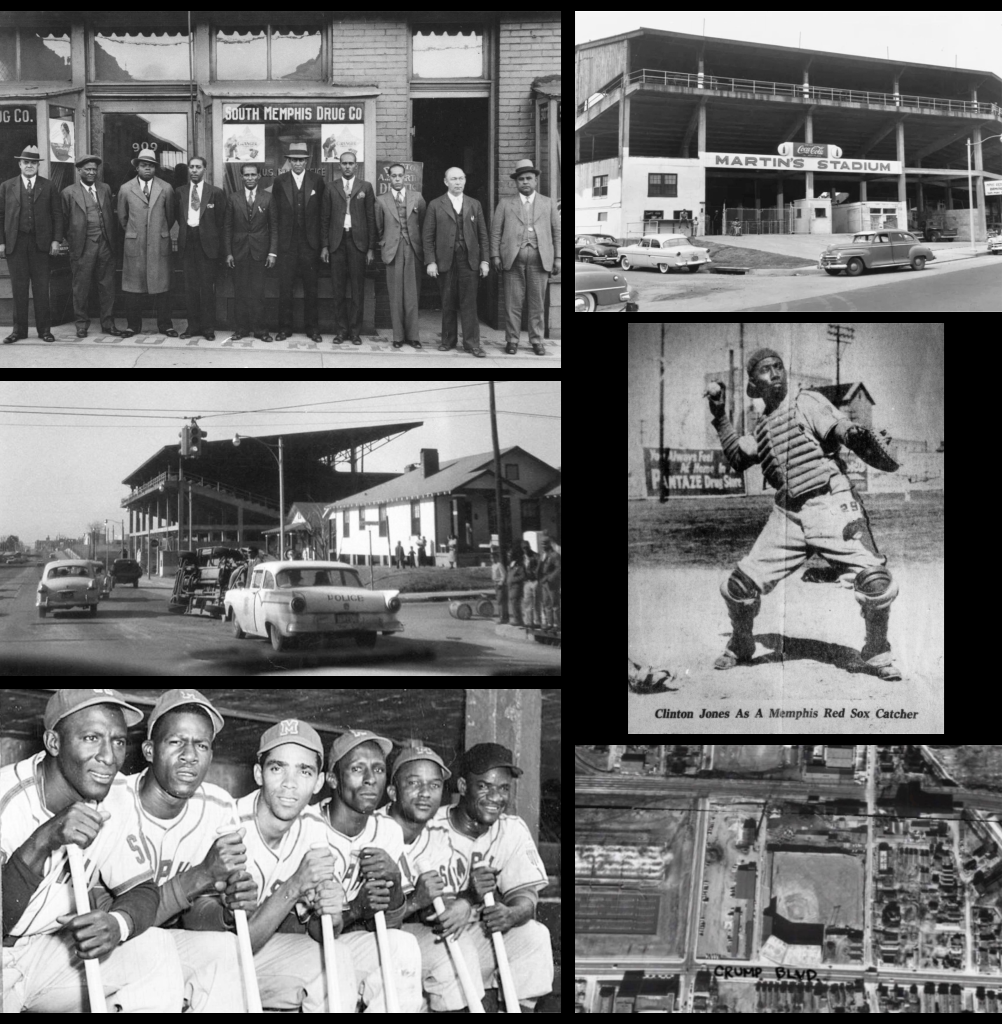
Memphis Red Sox
White teams usually had their own stadiums, and often owned their own stadiums. But that wasn't a very common thing for Negro League teams.
Martin Stadium, formerly known as Lewis Park, was home of the Memphis Red Sox. During its era, the stadium was one of the few African-American-owned and operated ball parks in the country.
A stadium owned by Black people, which hosted and promoted Black athletics, was a unique cultural fixture in any American city - much less a major city in the segregated south. Unfortunately, that doesn’t help us today when it comes to tracking down box scores from their games.

Sam Allen
Sam Allen is a former Negro League player who spent time as a member of the Kansas City Monarchs, the Raleigh Tigers, and the Memphis Red Sox. He led the Negro American League in runs scored in 1957, helping the Monarchs win the championship.
Sam was our guest for Episode 2 of Season 3. You can listen to that episode HERE.

Cool Papa Bell
Cool Papa Bell is considered the fastest man to ever play baseball. He was once timed circling the bases in 12 seconds flat.
Bell stole 175 bases in a single season, (granted, they played 185-190 games, but still). He once said, “I remember one time I got five hits and stole five bases, but none of it was written down because they forgot to bring the scorebook to the game that day.”
Cool Papa Bell was a great bunter, himself, but he also scored from first base on another player’s bunt TWO TIMES in his career.
On another occasion, he went from first to third so fast that the other team protested the game since they figured he had to have been cheating.

Kevin Johnson
Kevin Johnson of Seamheads also notes that stolen bases for some players may have been undercounted, particularly in the Negro American League, which didn't get as much coverage as the Negro National League on the east coast.
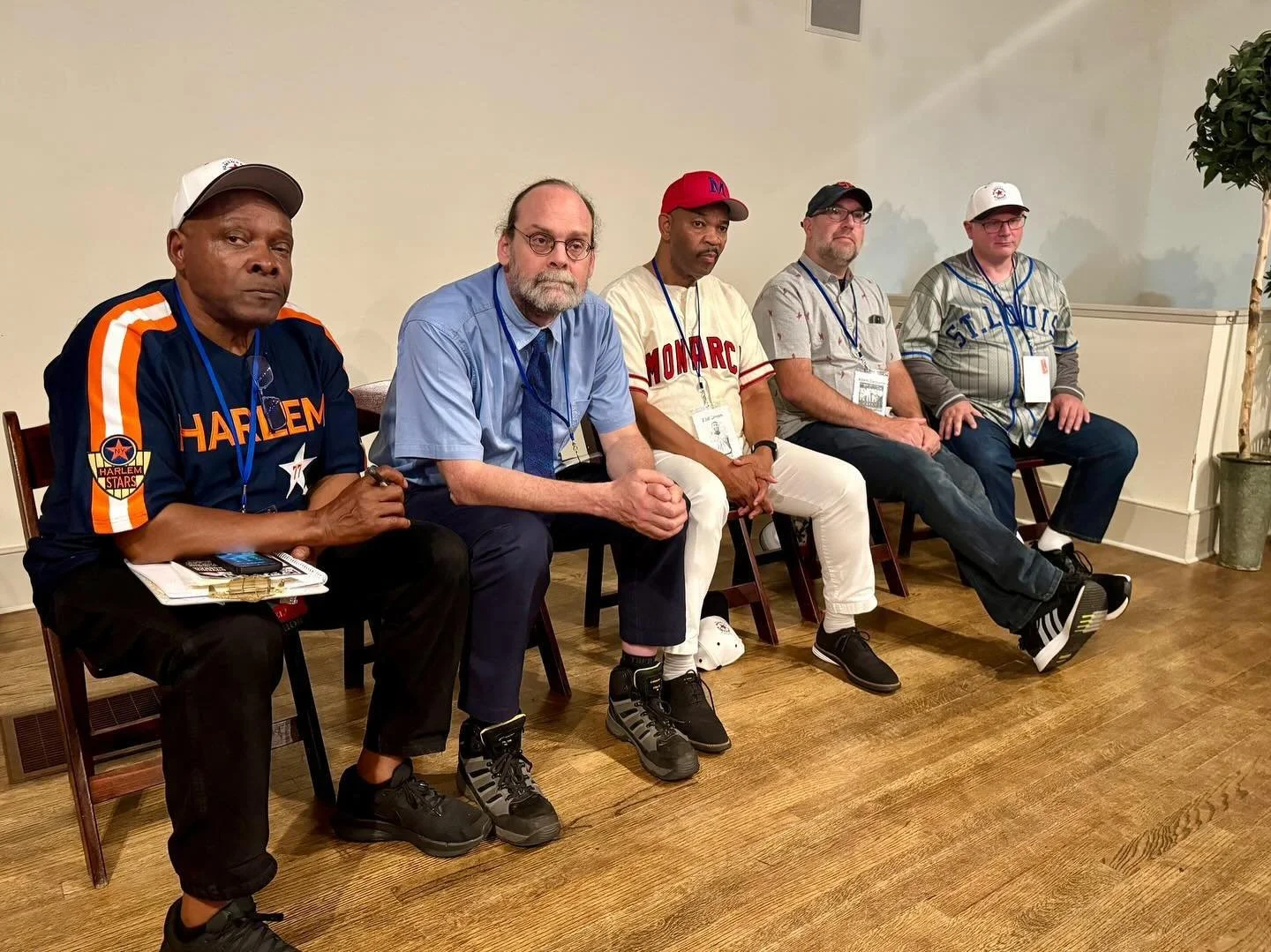
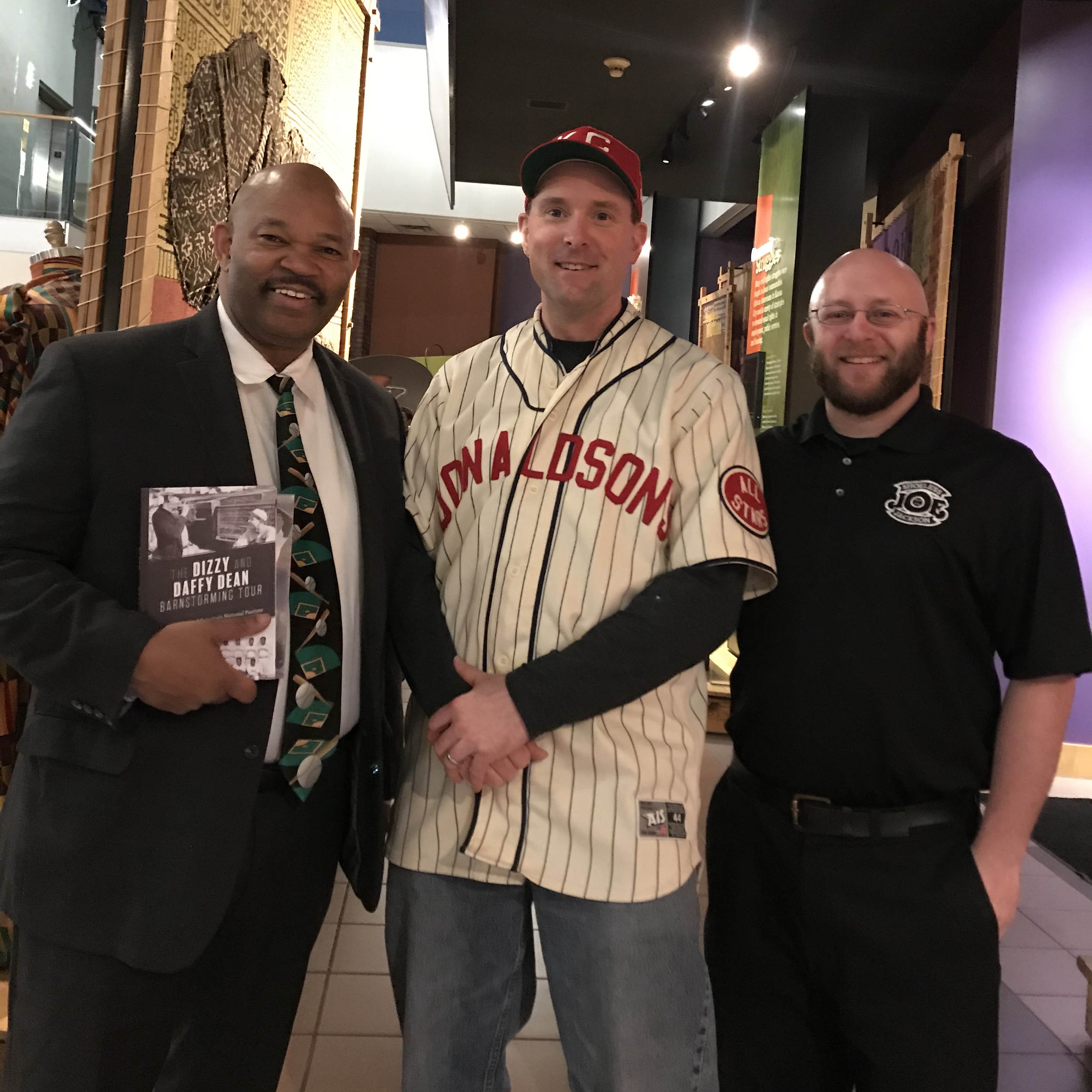
Left to right: Kevin Johnson, Doron 'Duke' Goldman, Adam Darowski, and Joe Williams at the Jerry Malloy Negro League Conference.
Phil S. Dixon
Renowned Negro Leagues author historian and researcher Phil S Dixon has hypothesized that one of the reasons why Negro League teams didn't compile season statistics, despite the fact that they were, indeed, keeping box scores for every game, was because if players couldn’t quantify how good they were compared to one another, it would be harder for them to ask for more money because you couldn't ever really prove how much better you were than the other players.
Phil was our guest for Episode 4 of Season 1. You can listen to that episode HERE.
SABR Task Force
SABR’s Negro Leagues Task Force made a series of recommendations in February of 2021 on which Black leagues from baseball’s segregated era should be recognized as major leagues, and to advise how SABR should change its internal workings to reflect this determination.
The task force, chaired by former SABR Board President Mark Armour, will continue studying other teams and leagues from baseball’s segregated era, including from before 1920 and after 1948, along with other top-level independent Black teams of the 1930s, which frequently played against White major-league players and teams. Some Black baseball teams were forced to operate independently in order to survive, as the color barrier enacted by White officials both necessitated the Negro Leagues’ existence and later led to their demise.
In addition to Armour, the SABR task force includes Gary Ashwill, Cliff Blau, Scott Bush, Bill Carle, Sean Forman, Gary Gillette, Leslie Heaphy, Ted Knorr, Sean Lahman, Larry Lester, Trent McCotter, Todd Peterson, Jacob Pomrenke, Anthony Salazar, Cecilia Tan, and Tom Thress.
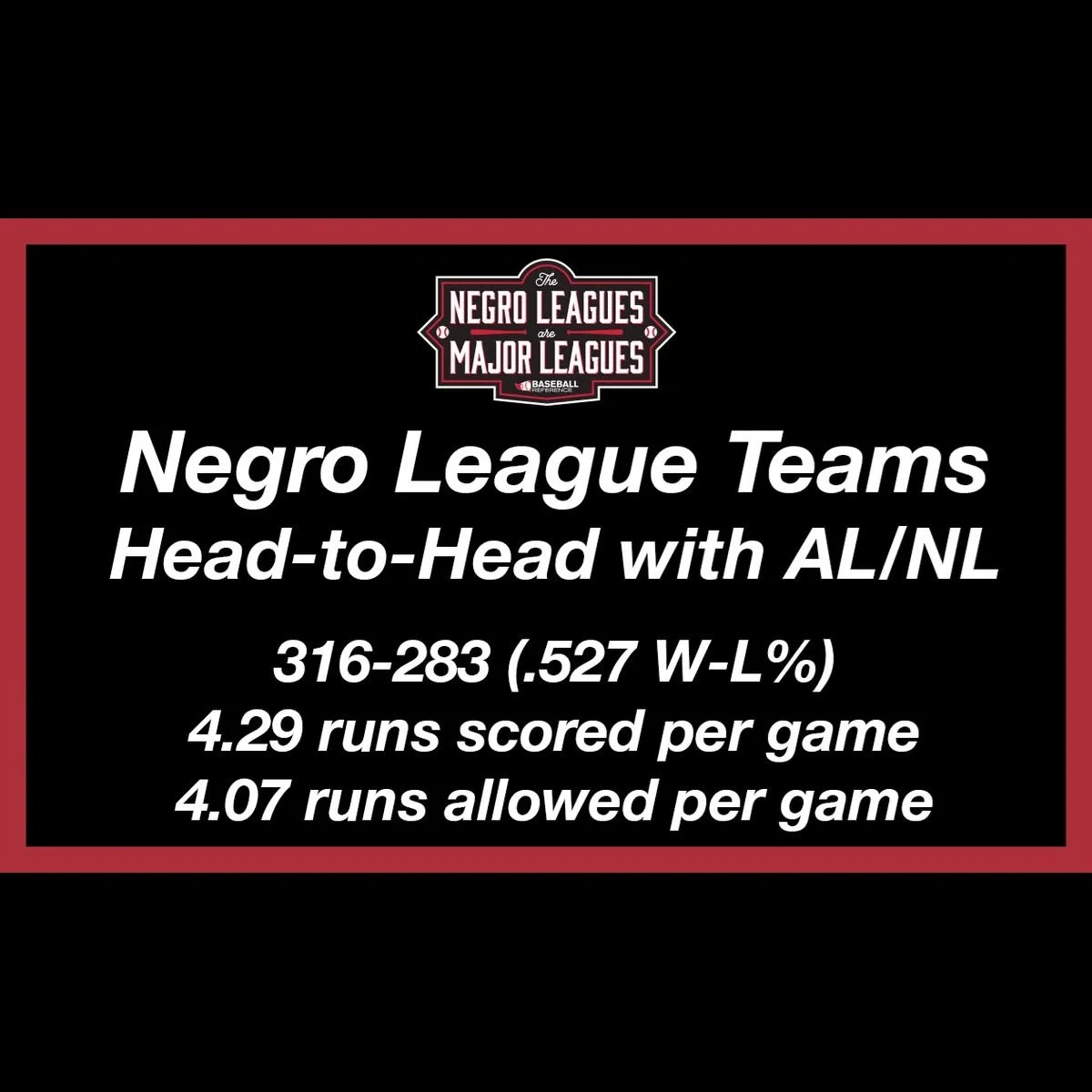
Negro League Teams vs. AL/NL Teams
Between 1866 and 1948, top-flight African American clubs played over 7,000 games with White semi-pro, college, minor league, and major league teams and beat them nearly 65 percent of the time.
While Negro League teams more than held their own while playing major league squads, they absolutely dominated bush leaguers. From the turn of the twentieth century through 1948, Blackball clubs played well over 1,400 games with minor league teams and All-Star outfits, beating them nearly 60 percent of the time.
Negro Leagues = Major Leagues by Todd Peterson: An analysis of the quality of play of the Negro Leagues and the White major leagues.
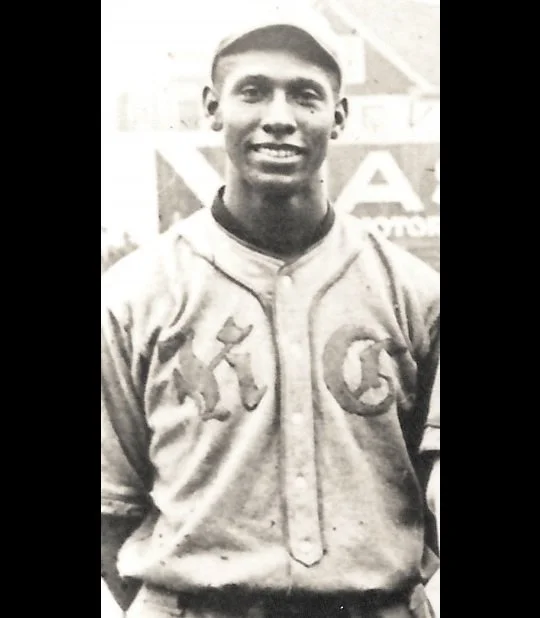
John Donaldson
John Donaldson was a pitcher in Pre-Negro league and Negro league baseball. In a career that spanned over 30 years, he played for many different Negro league and semi-professional teams, including the All Nations team and the Kansas City Monarchs.
So far, researchers have discovered 718 games in which Donaldson is known to have pitched. Out of those games, Donaldson had over 420 wins and 5,221 strikeouts. According to some sources, he was the greatest pitcher of his era.

Numbers Used To Mean Something
One of the things that has always made baseball so great is the reverence for the numbers. Not just among baseball fans, but culturally. The number 60 meant something, and then the number 61 did.
Single Season Home Run Leaders
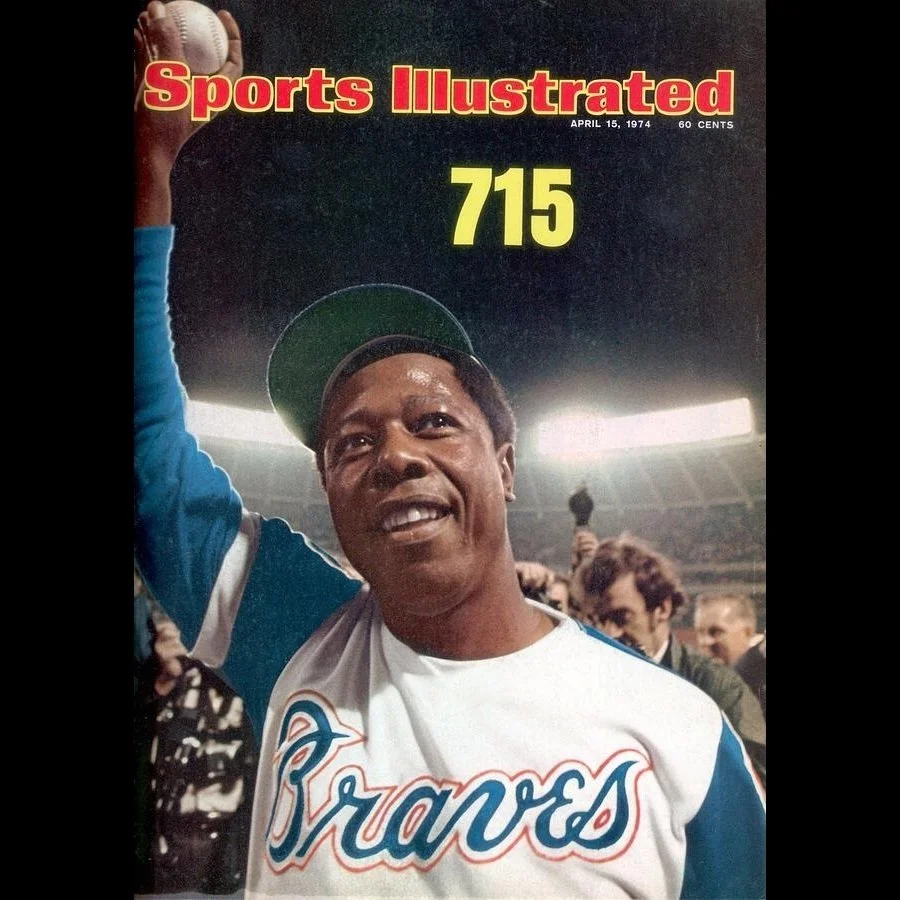
Culturally Significant
714 meant something, and when Henry Aaron hit 715, it was a culturally significant moment.
Henry Aaron’s Baseball Reference
Henry Aaron’s SABR Biography

The 500 Home Run Club
When I was a kid, I could tell you every member of the 500 home run club, with their career total, in order.
500 used to be a golden ticket to the Hall of Fame, and while the steroids era cheapened the significance of that once-magical number, I think you would be hard-pressed today to find even a pretty serious baseball fan who could tell you the current Top-10 list of career home run leaders, let alone what their career total is.
For a sport where the numbers have always mattered so much, those days seem to be behind us.

MLB’s Top 10
The Top 10 career batting averages, according to Major League Baseball.
MLB’s threshold is 5,000 career at bats in the American League and National League
– OR –
5,000 career at-bats (or 2,000 career IP) the AL/NL PLUS Negro Leagues combined
– OR –
1,800 career at-bats (or 600 career IP) in the Negro Leagues
MLB’s claim is that those values are intended to equate to roughly ten (10) “qualified” seasons over a player’s career.
Shoeless Joe Jackson misses out by 19 at bats, because he had 4,981 at bats in his career.

Baseball Reference’s Top 10
The Top 10 career batting averages, according to Baseball Reference.
Baseball Reference uses a minimum of 3,000 career plate appearances as its threshold, not 5,000 career at bats. That’s one difference from MLB.com.
But Baseball Reference going to 4 decimal places instead of 3 like MLB.com does means that your lists are different in the actual numbers in some cases, too, not just in the players who qualify.
Ty Cobb is .367 on MLB.com, he’s .3662 on Baseball Reference.
Jud Wilson is .351 on MLB.com, he’s .3504 on Baseball Reference.

A look at how the career batting average records changed, according to Major League Baseball, with the inclusion of Negro League statistics into the official MLB record books.

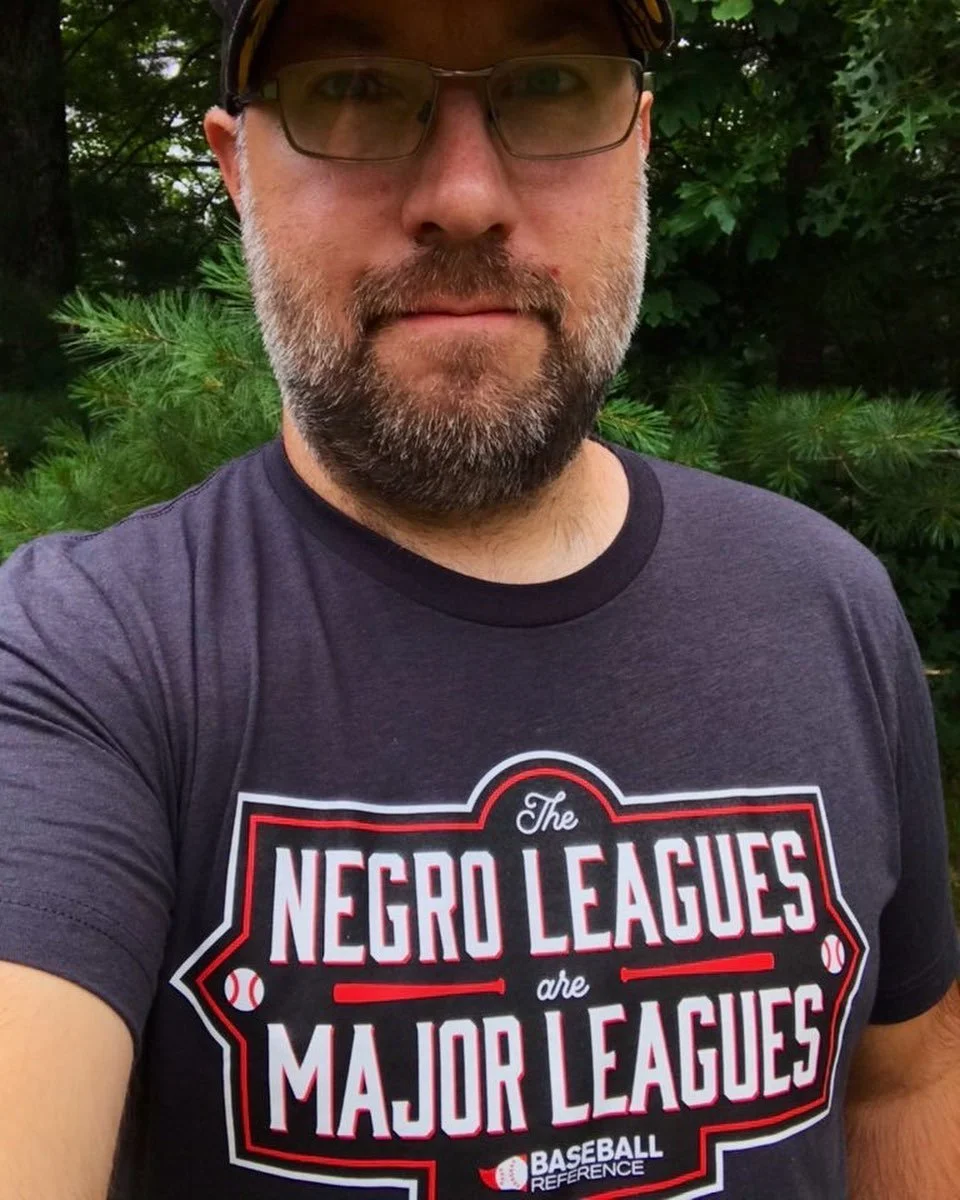
Adam’s Got The Shirt On
And you could, too, if you want.
If you’re interested in purchasing any Sports Reference apparel, click HERE.
All proceeds are donated, so you’re not only buying a cool shirt, you’re also helping.
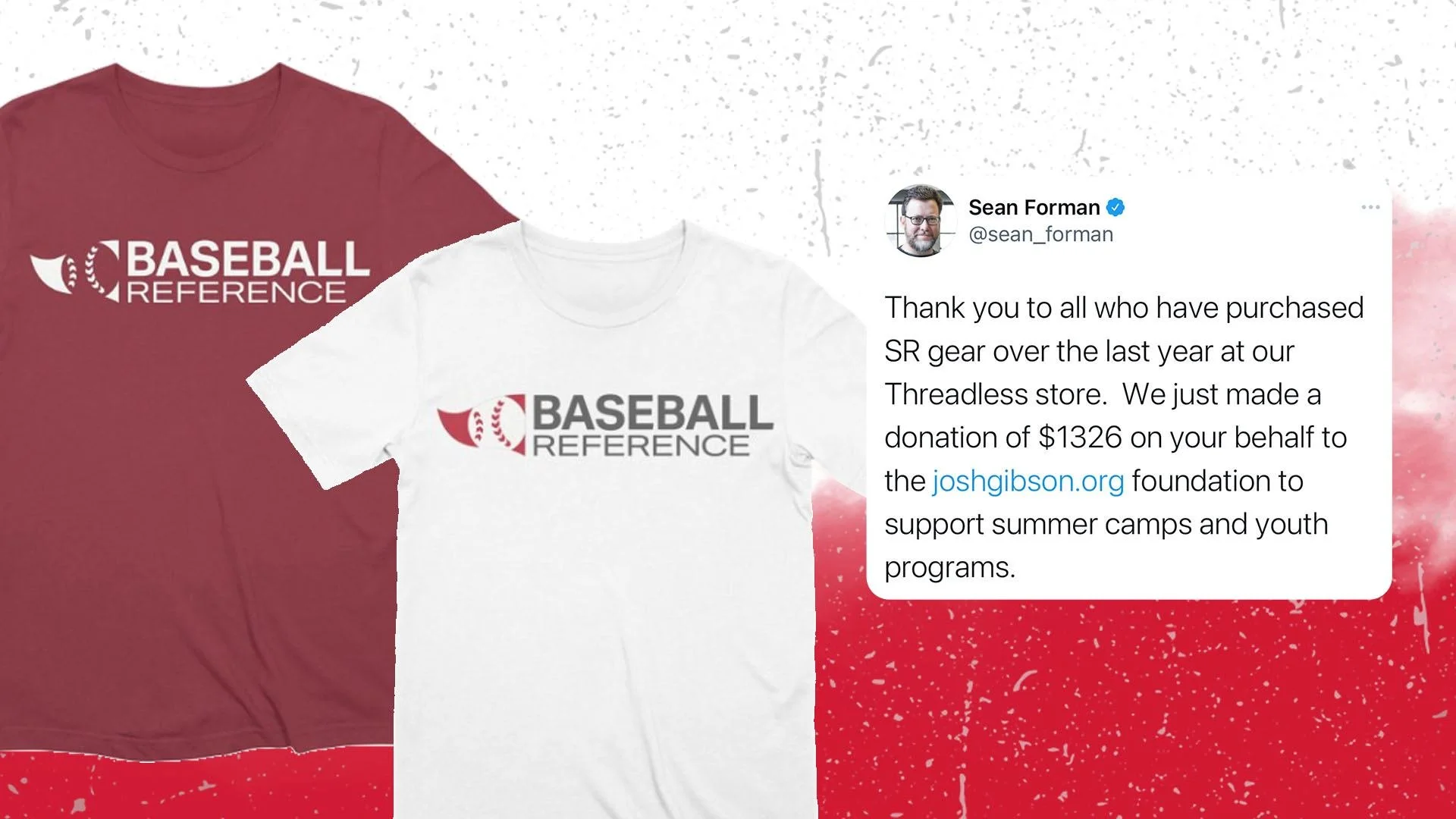
The Josh Gibson Foundation is one of the many great organizations Sports Reference works with and supports.
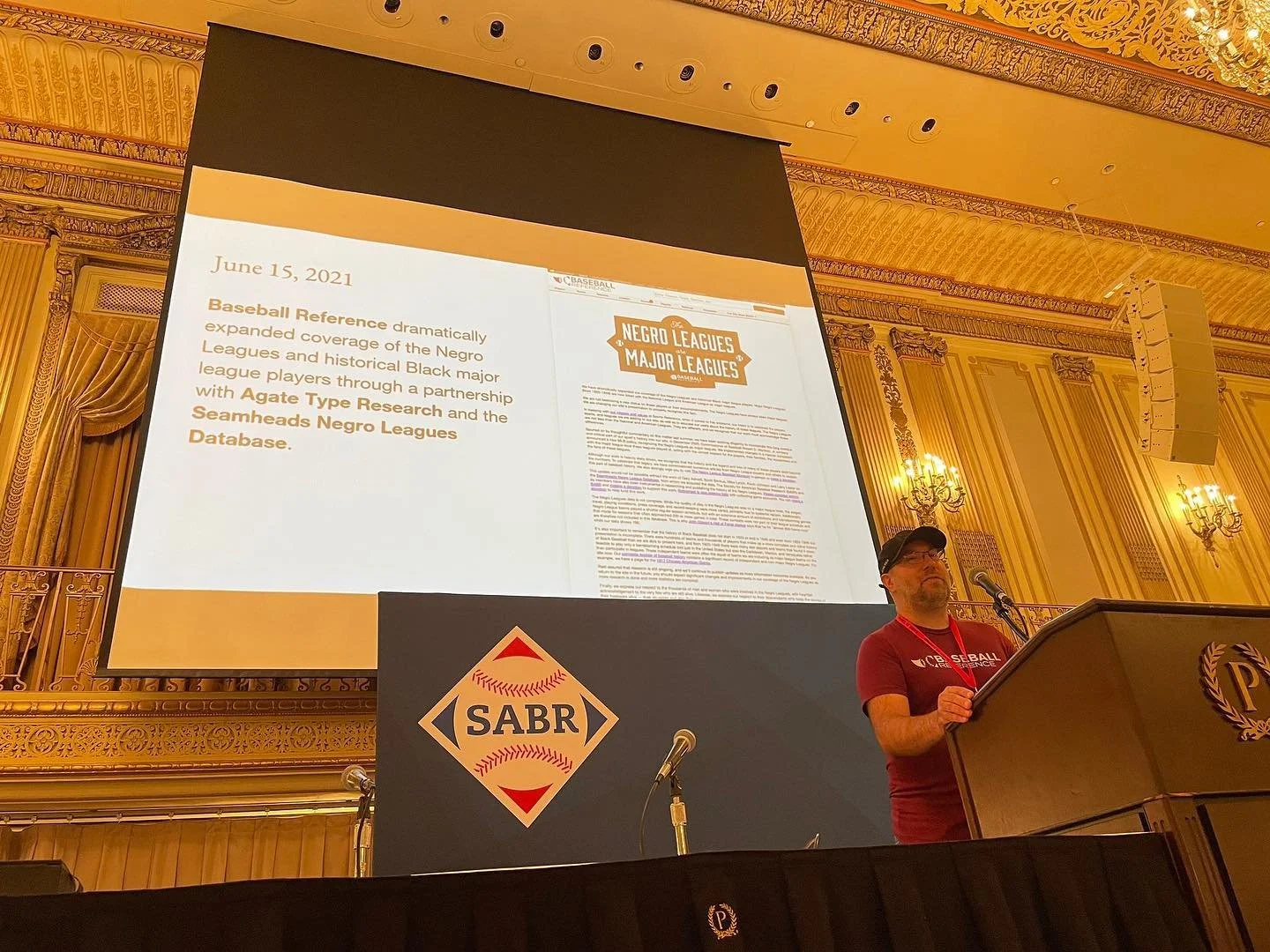
Relationship With SABR
Baseball Reference likes to work with the research community, and cherishes its relationship with the Society for American Baseball Research.
There are cases, from Ty Cobb’s career hits, to “What should be a major Negro League team?”, where the research community can differ in opinion from the official record book.
Photo by Cecilia Tan

George Mikan
The National Basketball League (NBL) was one of the oldest professional basketball leagues created in the United States. Originally established as the Midwest Basketball Conference in 1935 during what was considered to be the height of the Great Depression, the league changed its name to the NBL on October 6, 1937, weeks before it was set to begin what was to have been its third season of play under that name, effectively becoming a proper professional league in the process.
Adam is working on a project that is going to end with the NBL being considered a major professional basketball league, along with the NBA and the BAA.
George Mikan played the 1946-47, and 1947-48 seasons in the NBL. He then played the 1948-49 season in the Basketball Association of America (BAA) before playing the final six seasons of his Hall of Fame career in the National Basketball Association (NBA).

Justin Verlander passed Walter Johnson for number 9 on MLB’s all-time strikeouts leader board on August 26, 2025, if you believe the statistics (you shouldn’t).
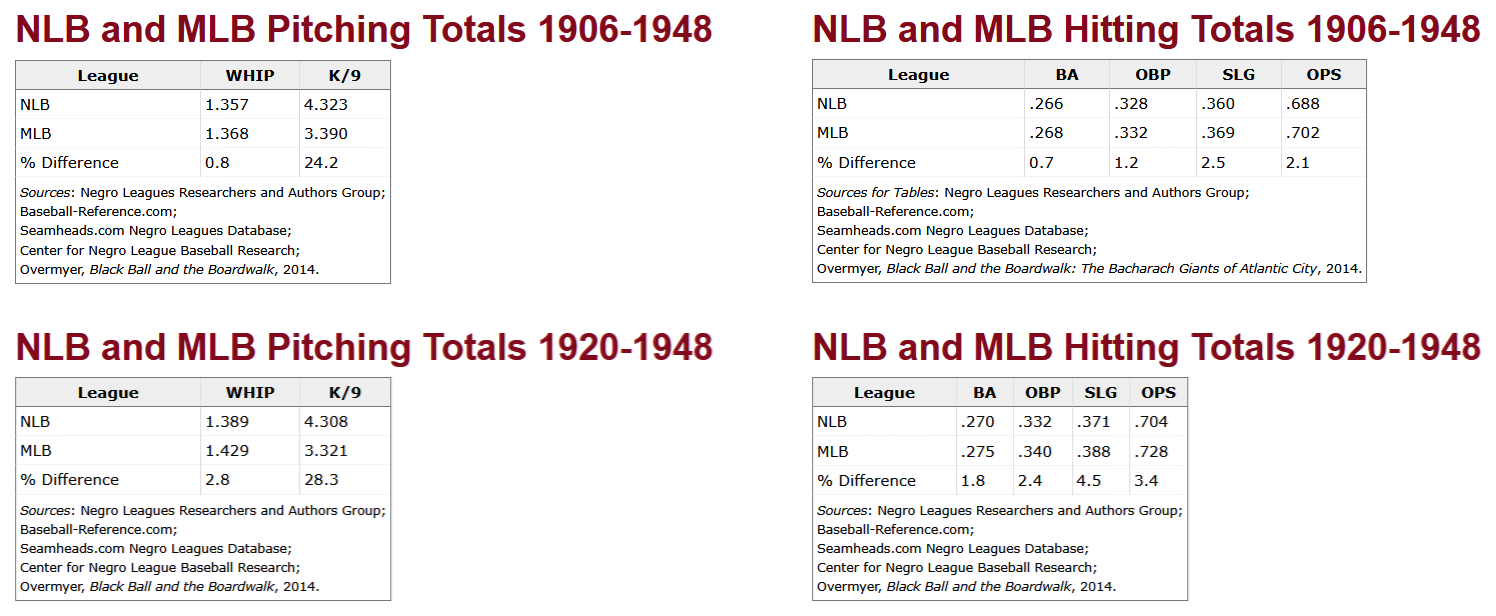
From “Negro Leagues = Major Leagues” by Todd Peterson
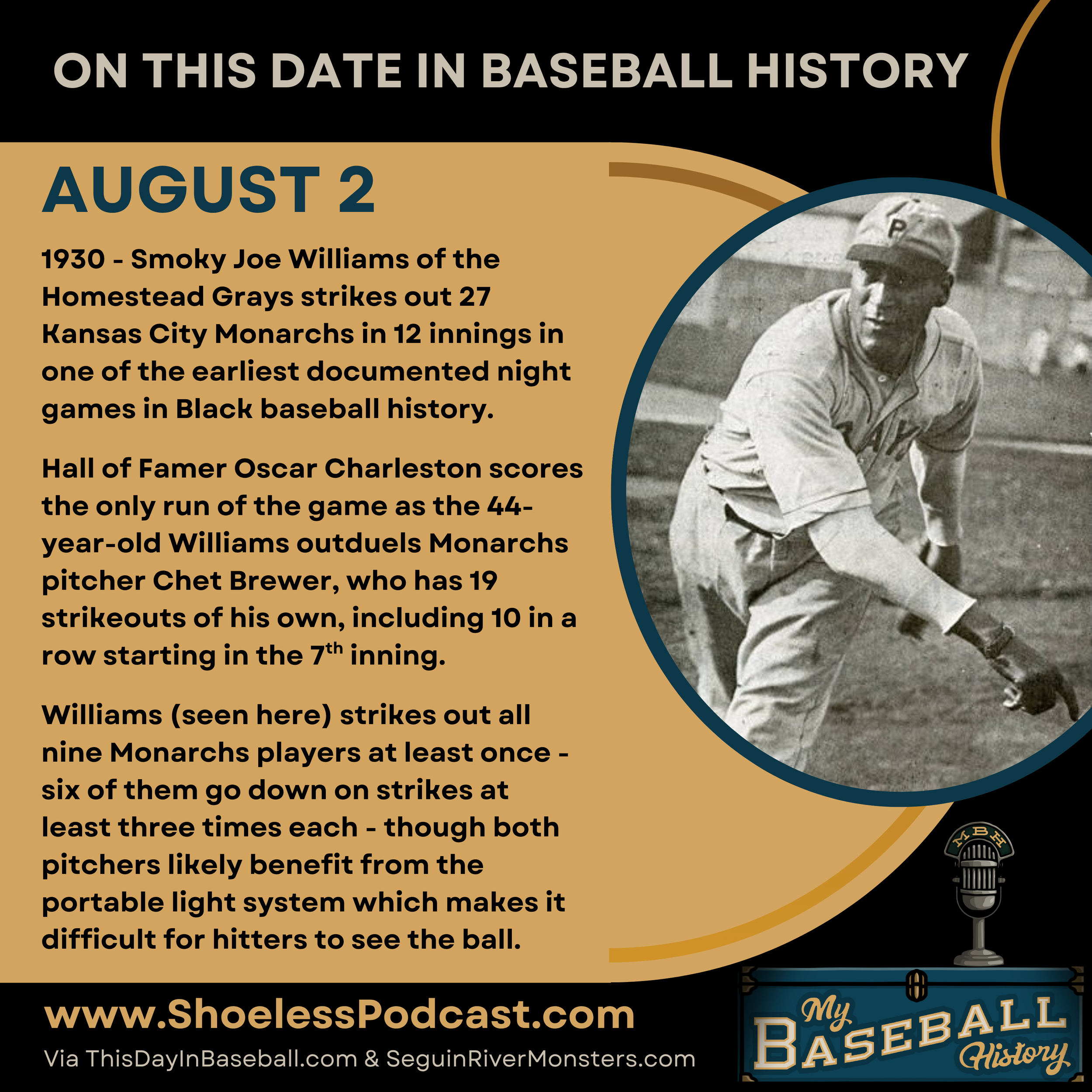
Smokey Joe Williams
Smokey Joe Williams spent his entire 27-year career (1905–1932) pitching in the Negro leagues, Mexico, and the Caribbean. Even still, Williams pitched many games against major league stars in postseason barnstorming exhibitions.
He proved to be as tough against them as he was against the Negro leaguers, posting a 20-7 record in these games. Among his victims were Hall of Famers Grover Cleveland Alexander, Walter Johnson, Charles Bender, Rube Marquard, and Waite Hoyt.
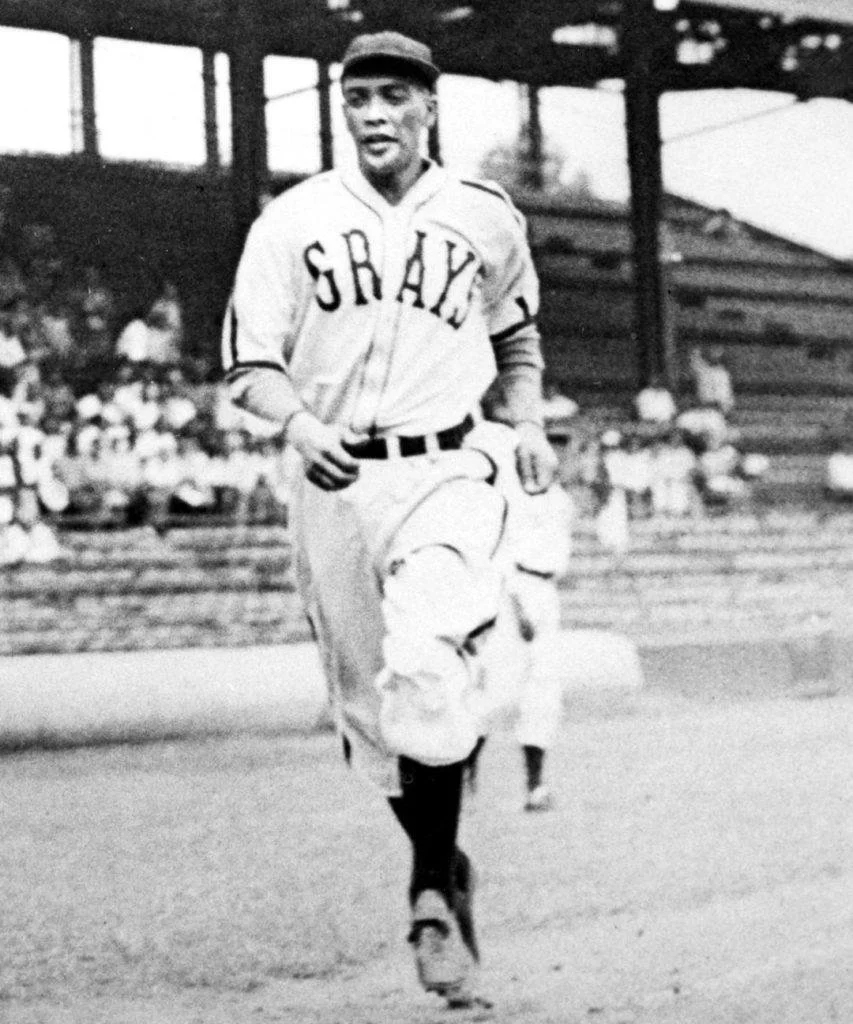
Raymond Brown
In 14 seasons with the Homestead Grays, Raymond Brown became one of the great stars of African-American baseball, leading the team to eight pennants in one nine-year span. His vast repertoire of pitches included sinkers, sliders and even knuckleballs, but his curve was his go-to offering.
In 1938, the Pittsburgh Courier newspaper listed Brown as one of five Negro Leagues stars who would be certain major leaguers if allowed to play. The others: Cool Papa Bell, Josh Gibson, Buck Leonard and Satchel Paige. All have been enshrined in the Hall of Fame.

José Méndez
Cubans with darker skin were not allowed to play in the white major leagues, so many of them called the Negro Leagues home. Like José Méndez, who was a bona fide star in Cuba, and came over to become player/manager for the Kansas City Monarchs.
Méndez was one of the players inducted into the Hall of Fame’s Class of 2006, while Buck was left on the outside, looking in.
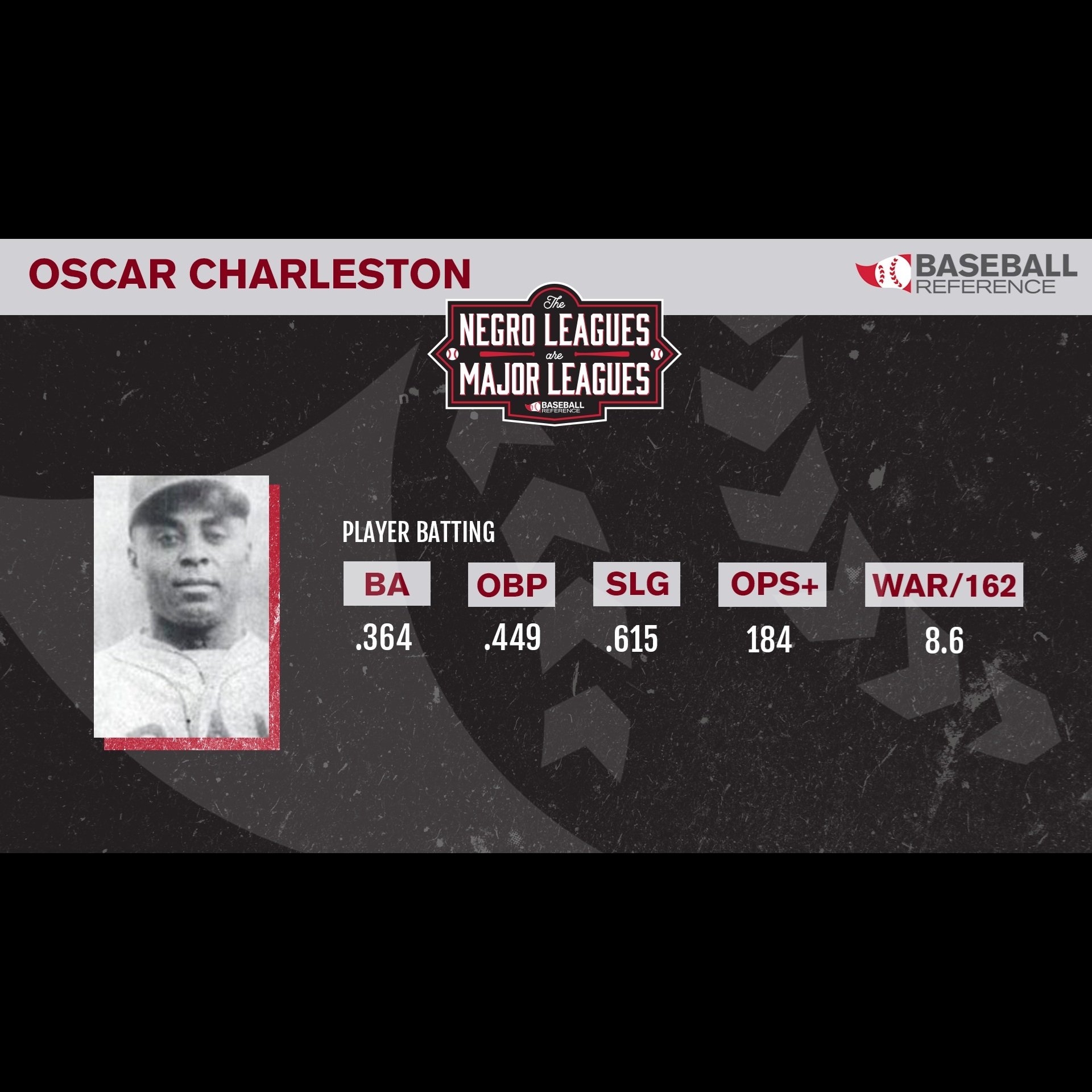
Right Before Our Eyes
It's great for us as researchers and fans right now that the record books are being integrated right before our eyes because we're learning all these names of guys who have been added to the All-Time lists… guys like Buck Leonard and Oscar Charleston and Jud Wilson and Turkey Stearnes.
But in 50 years, those are just going to be names on a list in a book, the same way guys like Tris Speaker or Napoleon Lajoie or Sam Crawford are today.
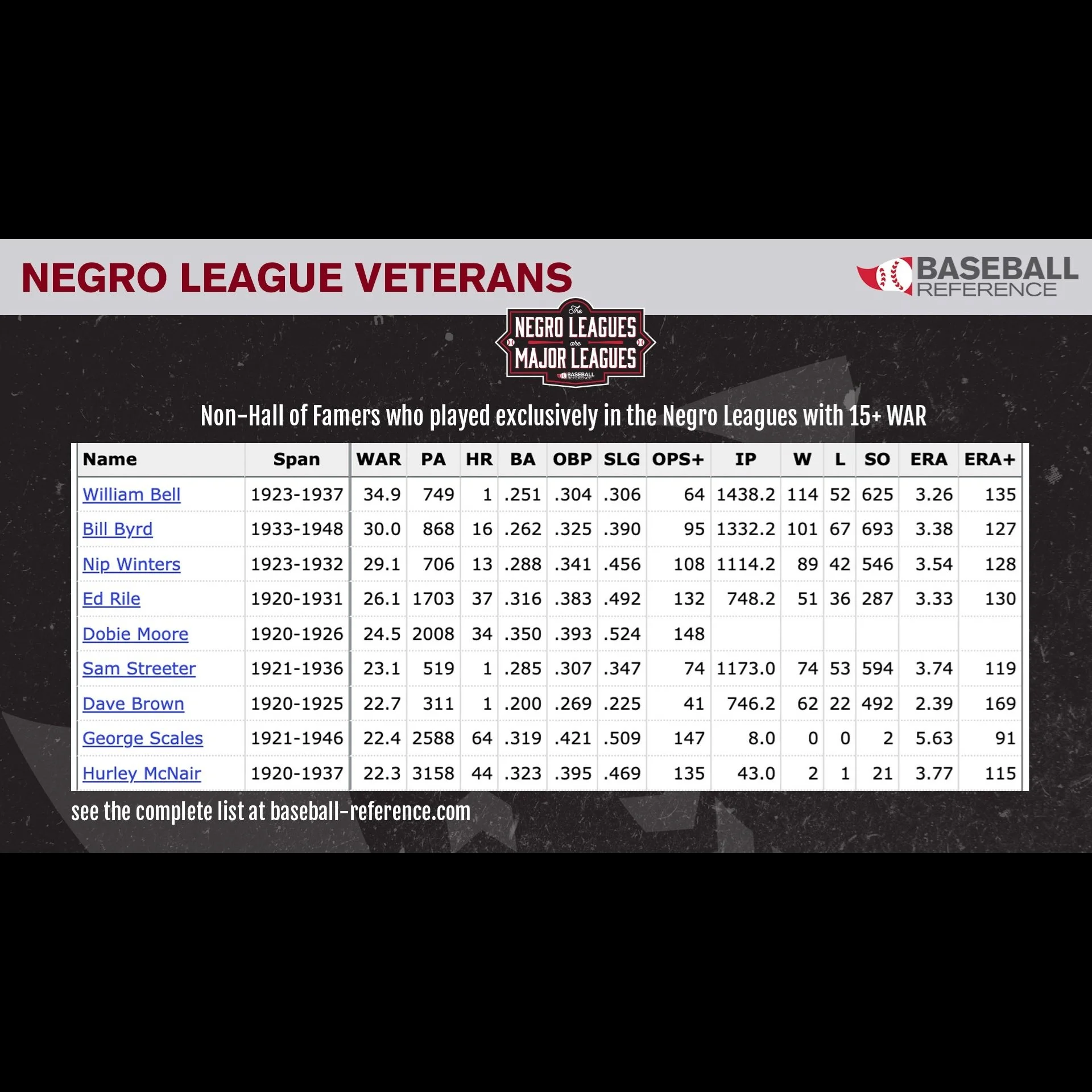
Will These Guys Really Be Remembered?
Now that the record books are integrated, the reason why those records needed to be separated in the first place is eventually going to be forgotten.
Maybe Satchel Paige and Josh Gibson's names will be remembered because they’ve crossed over into a higher level of public consciousness and have been legends even to white America for over 50 years now, but everyone who hasn’t had that same level of fame almost has no chance to be remembered.
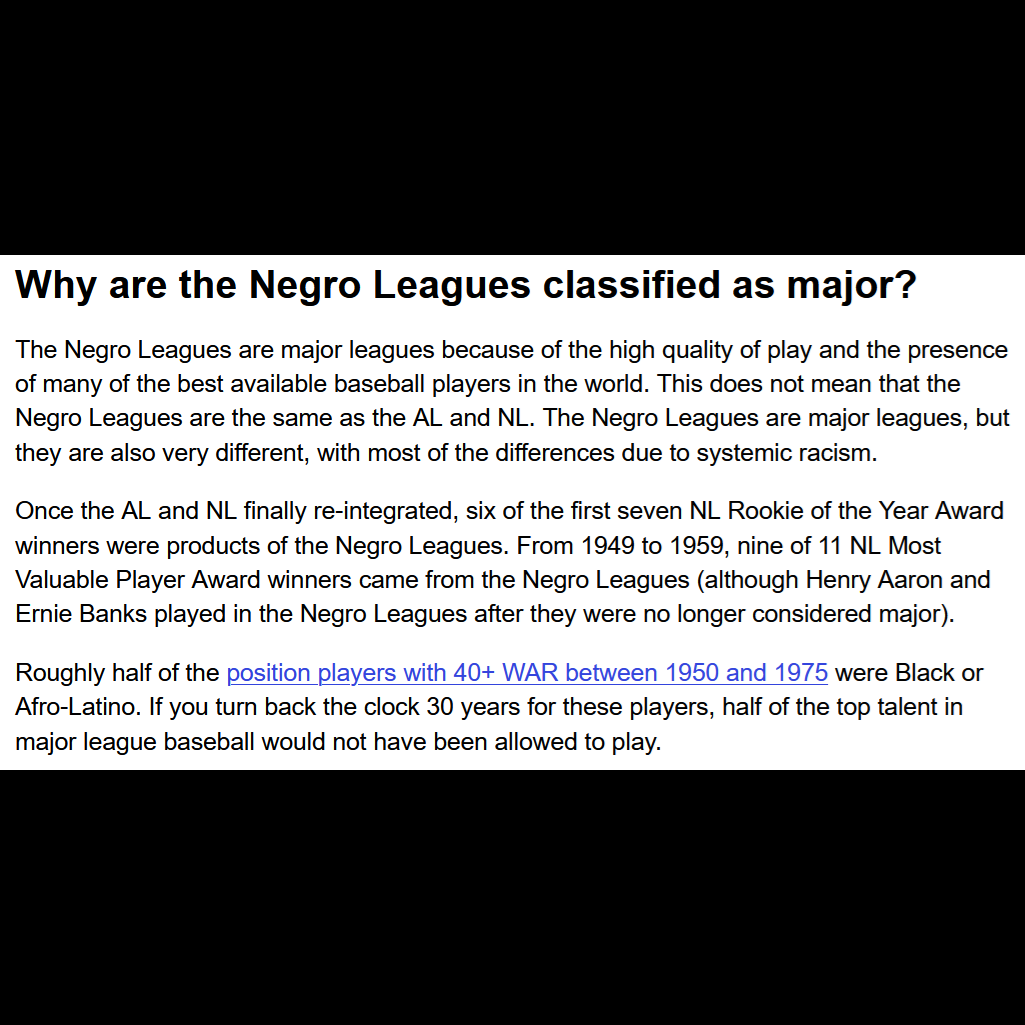
Frequently Asked Questions
Adam created a very informative Frequently Asked Questions page, and you should absolutely visit it. On top of teaching you something, it will make him feel better. Win/win.

Sports Reference has a really great social media presence. If you’re not already following them on your favorite platform, find them!
Reading Is FUNdamental!
But it seems like nobody wants to do it, even if it’s going to help them.
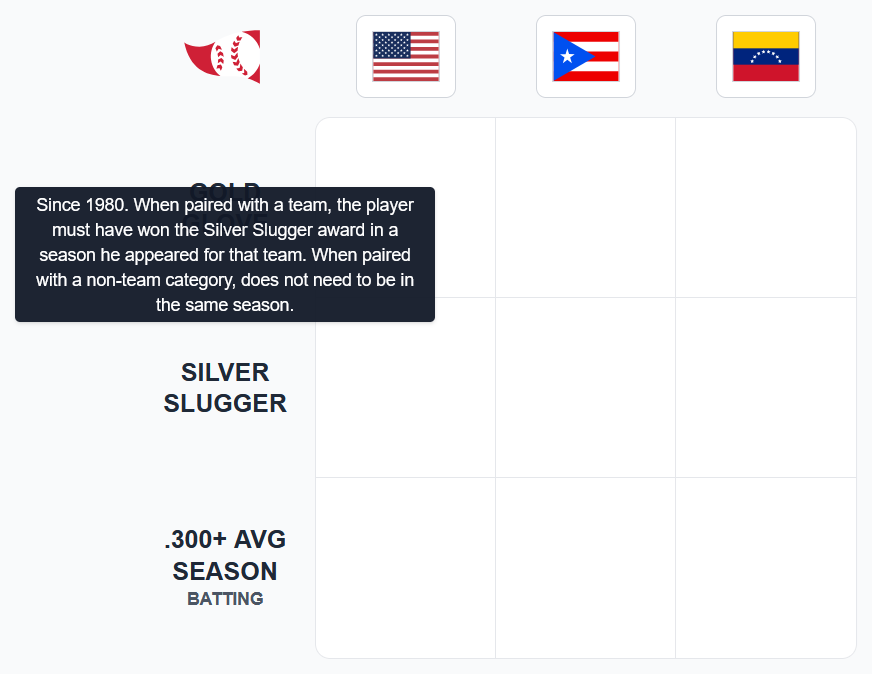
If you want to try to fill out this grid, it’s Immaculate Grid #1069, and you can play it HERE.
Do These Players Need To Be Legitimized?
I am absolutely thrilled with the fact that these statistics are being uncovered and that databases like yours are being filled out so we can get a better, more complete picture of who these players were. But, I’m torn, frankly, on how to feel about the integration of the record books. I think that’s clear.
In some ways, seeing the names of these players in print next to the historically-recognized all-time greats legitimizes them to the casual fan. But that’s a tacit admission that these players needed to be legitimized, and who am I to say “oh NOW I can believe that you were good at baseball”?
Women In The Negro Leagues
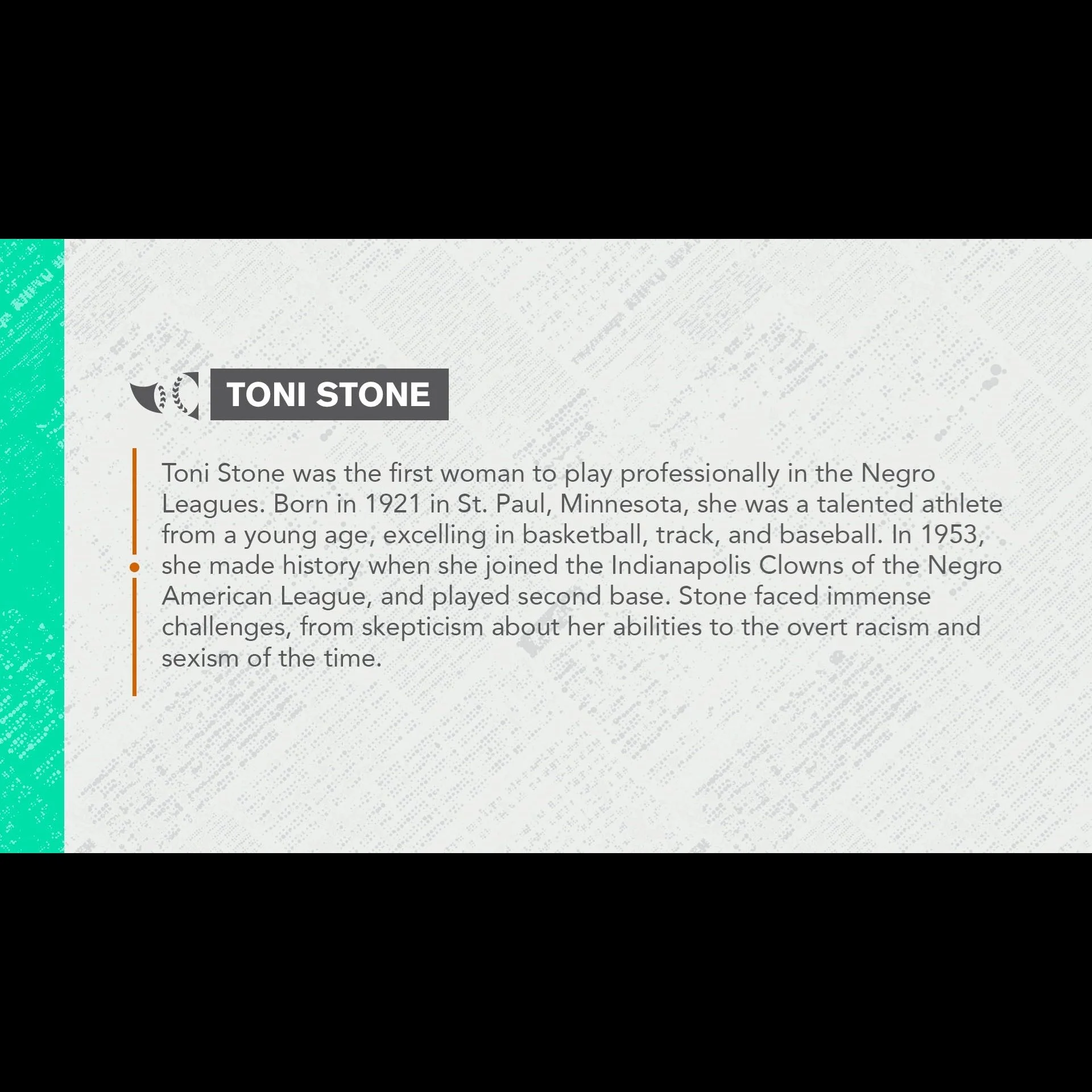
Toni Stone, Mamie “Peanut” Johnson, and Connie Morgan were the first women to play in the Negro Leagues. Stone didn’t sign with the Indianapolis Clowns until 1953, which means that MLB does not have to recognize these women as Major League Baseball players, because the Negro Leagues were no longer considered “major” in 1953.
Toni Stone’s Baseball Reference Bio
Mamie “Peanut” Johnson’s Baseball Reference Bio
Connie Morgan’s Baseball Reference Bio
Women in the Negro Leagues by Leslie Heaphy

Oscar “Heavy” Johnson
Check out Oscar “Heavy” Johnson’s stats on Adam’s site HERE.
In addition to writing the SABR Biography for Heavy Johnson, Adam has also written the SABR Biographies for Walter “Dobie” Moore, Jesse “Hoss” Walker, and Hurley McNair.

The 25th Infantry Wreckers were an all-Black Army baseball team that rose to prominence in the years surrounding World War I due to a dominant roster that included Hall of Famer Wilber “Bullet” Rogan, Negro League stars Oscar “Heavy” Johnson and Walter “Dobie” Moore, and several other players who would have careers in the Negro Leagues. Click the photo to be taken to Adam’s website to learn more about this incredible team.

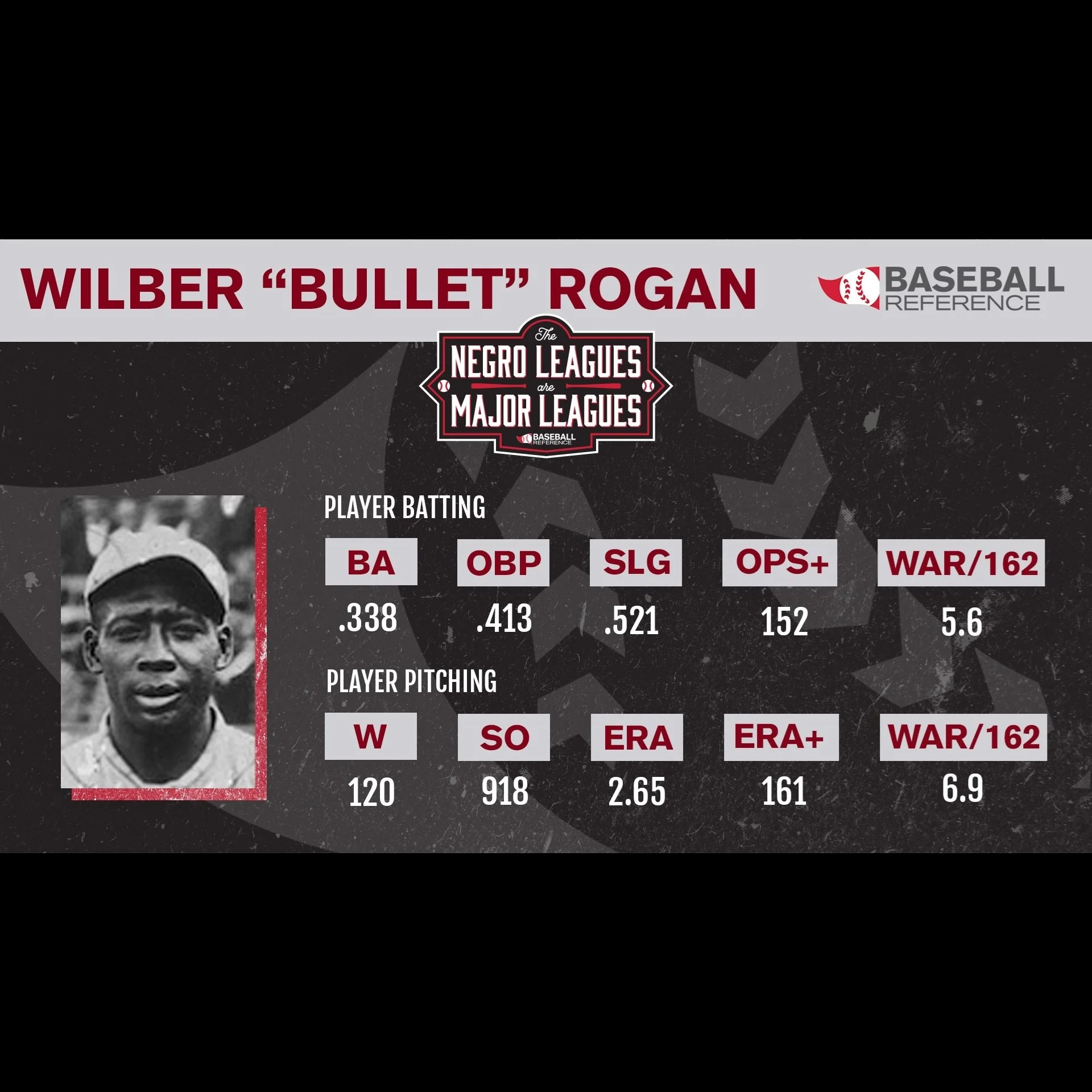
Wilber “Bullet” Rogan
Renowned as a two-way player who could both hit and pitch successfully, one statistical compilation shows Wilber “Bullet” Rogan winning more games than any other pitcher in Negro leagues history and ranking fourth highest in career batting average.
Rogan's early baseball career took place in the U.S. Army, where he played for the all-Black 25th Infantry Wreckers.
After joining the Kansas City Monarchs, Rogan was the top pitcher and one of the best hitters on a team that won three pennants from 1923 to 1925, and the 1924 Colored World Series.
In addition to pitching and hitting, Rogan started managing in 1926 and led his team to another league title in 1929.
Bullet Rogan’s Baseball Reference

The 25th Infantry Wreckers got extensive coverage from multiple newspapers in Hawaii.

While in Hawaii, the 25th Infantry Wreckers played other Army teams - some of which could be very good - as well as a lot of local teams on the island. Those teams were interesting because they were set up ethnically. There was the All-Portuguese team, the All-Hawaiian team, and the All-Chinese team (seen here), who was probably the best team the Wreckers faced.

How Can You Help?
If you have any questions regarding Negro Leagues statistical or biographical data, or if you want to find out how you can help attempt to fill some gaps in the statistical coverage in the Seamheads database, please contact gary@seamheads.com.

Make it stand out
Scott Simkus is a researcher who has inspired and encouraged Adam to do the work he’s been doing.
Scott’s book, Outsider Baseball, is the story of a forgotten world, where independent professional ball clubs zig-zagged across America, plying their trade in big cities and small villages alike.
Included among the former and future major leaguers were mercenaries, scalawags, and outcasts. This is where Babe Ruth, Rube Waddell, and John McGraw crossed bats with the Cuban Stars, Tokyo Giants, Brooklyn Bushwicks, dozens of famous Negro league teams, and novelty acts such as the House of David and Bloomer Girls.
Buy his book Outsider Baseball: The Weird World of Hardball on the Fringe, 1876–1950 HERE.
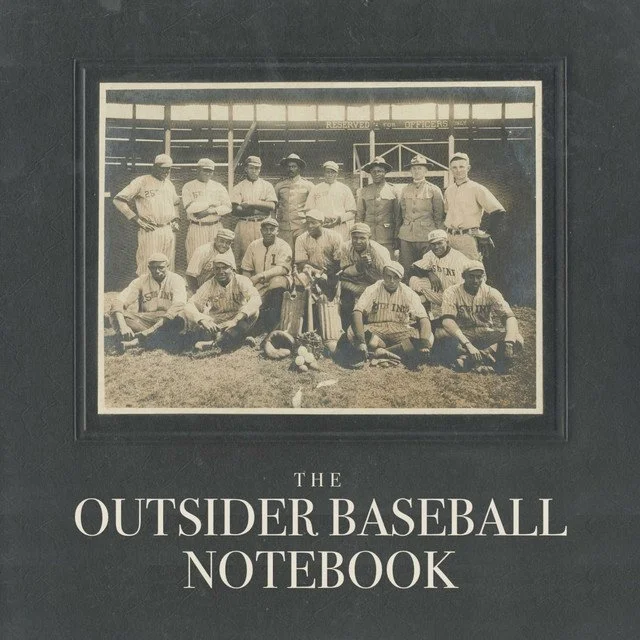
The Outsider Baseball Notebook
The Outsider Baseball Notebook chronicles Adam’s journey learning about the Negro Leagues and pre-segregation baseball outside of the Negro Leagues.
Building The Ballot
Adam’s other podcast, Building The Ballot, takes a deep dive into the candidates for the Baseball Hall of Fame’s Era Committees.
Listen to Episode 13: The Next Tier of Negro League Candidates with Kevin Johnson of Seamheads
Listen to Episode 17: The Best Players You’ve Never Heard Of — Cuban Baseball with Gary Ashwill of Seamheads
Black Baseball’s National Showcase
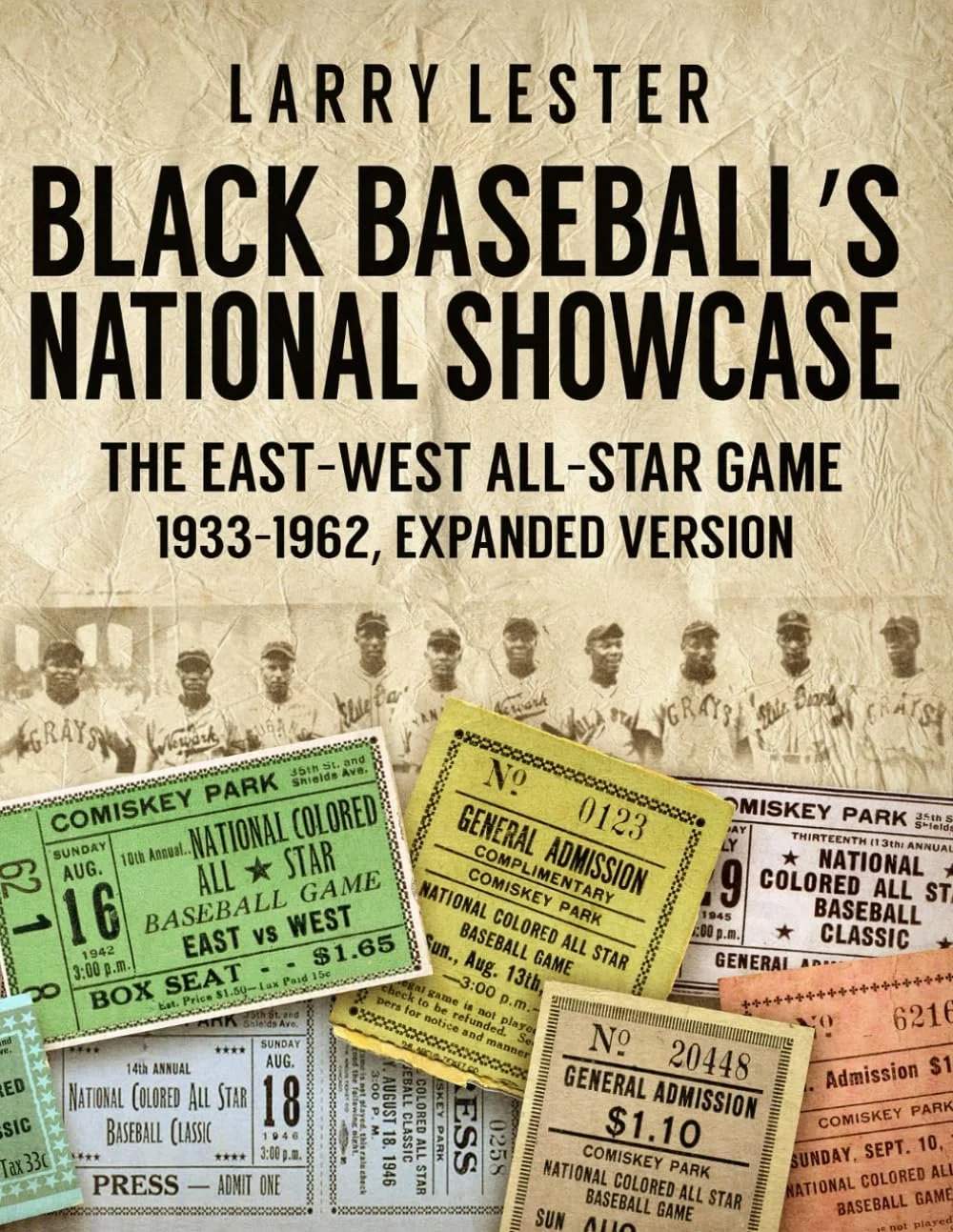
When the best Black baseball players assembled for the annual East-West All-Star games, which for a generation paralleled the white All-Star games, the concentration of talent on the field was second to none. This scholarly work brings together the painstakingly assembled history of those games, reconstructed play-by-plays, and accurate statistical records.
Larry Lester recaptures the vigor of the Black communities' united attention to the event, describes the players whose talents brought them to this pinnacle of achievement, and discusses the less salubrious but still important stratagem of promoters, gamblers, and petty tyrants who cast an occasional shadow on the sunlit fields of Chicago's Comiskey Park.
Buy a copy of this amazing book HERE.
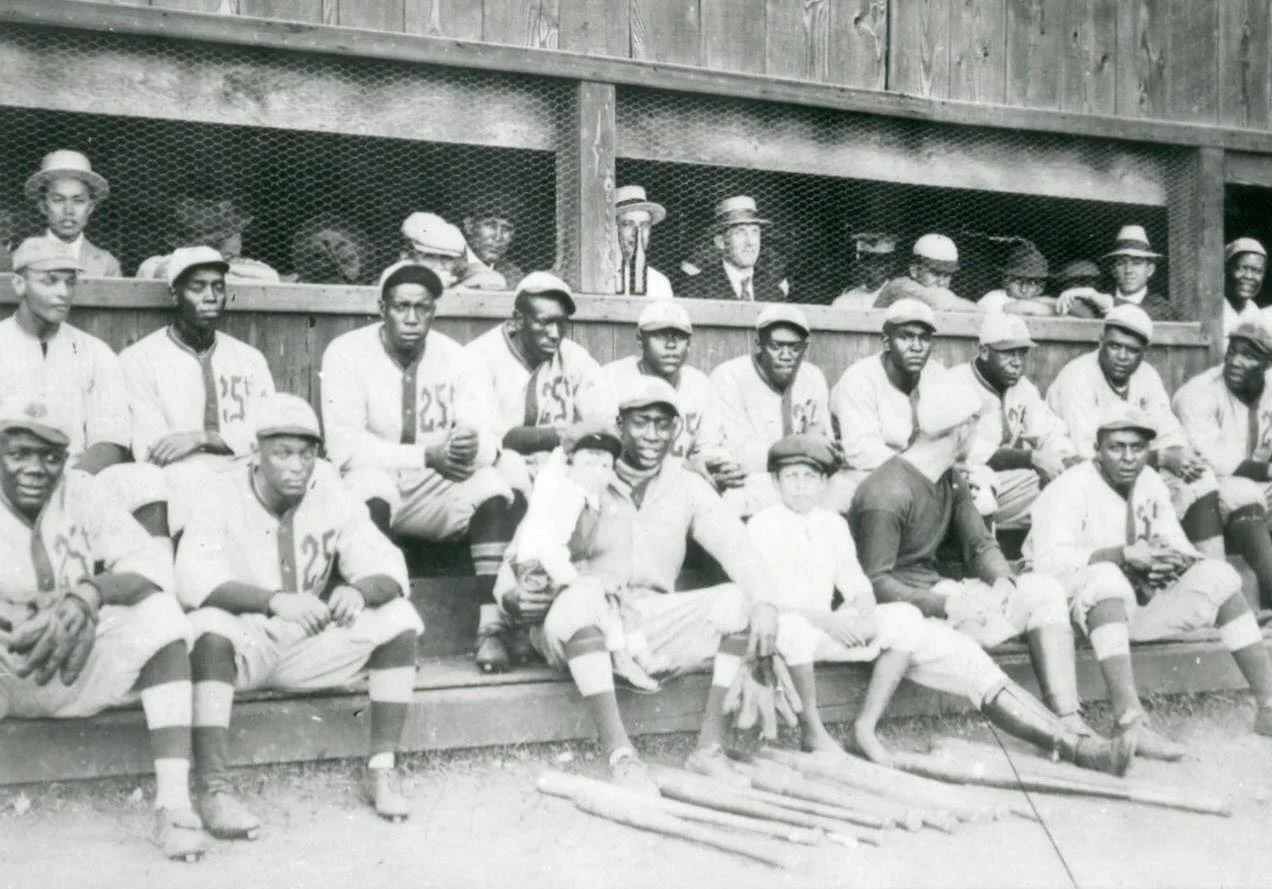
If Adam had a time machine, he would love to use it to see the 25th Infantry Wreckers play a game in Hawaii.


SABR 54
Join me in Cleveland, Ohio, this summer for SABR’s 54th annual convention from July 29 through August 2, 2026, at the Hilton Downtown Cleveland hotel! Conference and hotel registration for SABR 54 is now available below. Click here for complete details on SABR 54 Early-Bird Registration and optional sessions.
The annual SABR convention is open to all baseball fans and includes top featured speakers from around the baseball world — front office executives, players, managers, scouts, journalists, historians, and analysts — innovative panel discussions, ground-breaking research presentations, ballgames, the SABR Trivia Contest, and most of all, the opportunity to make and renew baseball friendships over the course of this exciting and memorable event.
Register now by clicking HERE!

Updating The Statistics
At first, when the MLB record books were updated to include Negro League statistics, Oscar Charleston overtook Shoeless Joe Jackson for third place on the career batting average list, dropping Joe to fourth.
I made sure all of the docents (including my mom) at the Shoeless Joe Jackson Museum understood that getting things right during tours was of the utmost importance.

Hall Of Fame
One of my favorite things is when I go to a museum - baseball or otherwise - and I already know a little bit about the topic being discussed or displayed inside. It allows you to connect with the people, the artifacts, and the exhibits you see on a deeper level.
That’s how my mom and I felt when we saw Oscar Charleston’s plaque in the Hall of Fame when we went to Cooperstown.
Josh Rawitch is the President of the National Baseball Hall of Fame and Museum. He was our guest for Episode 9 of Season 4. You can listen to that episode HERE.
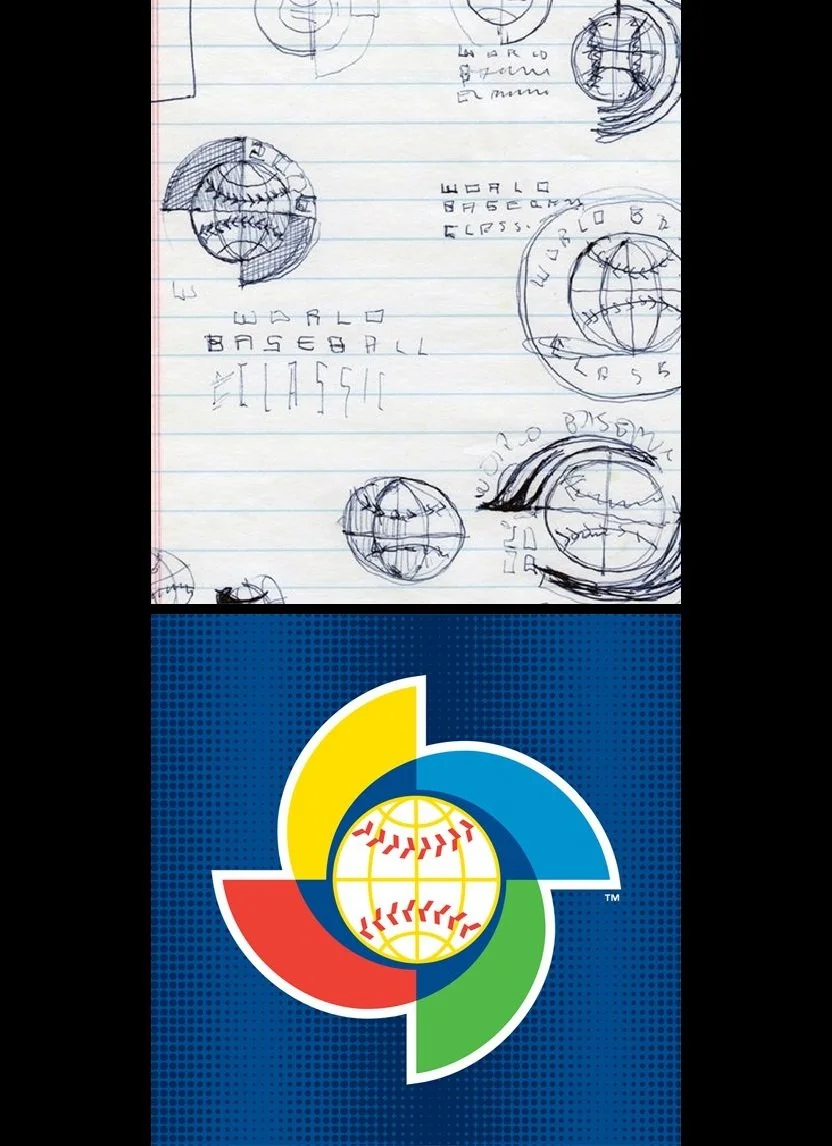
World Baseball Classic
On February 27, 2026, Baseball Reference made this announcement, stating that all World Baseball Classic statistics and records for the entire history of the competition, dating back to 2006, could now be found on their website.
Check them out HERE.
Todd Radom is a legendary graphic designer, sports branding expert, and writer who is responsible for the visual identities of multiple MLB teams, All-Star Game logos, and the official logo of the World Baseball Classic. These are his original sketches from 2005, as well as the eventual finished product of the logo.
Todd was our guest for Episode 2 of Season 4. You can listen to that episode HERE.

Carlos Beltrán
Carlos Beltrán has been inducted into the Hall of Fame since Adam and I recorded this interview, adding yet another player Adam spotlighted on his Hall of Stats website as statistically worthy, who would later go on to be enshrined.
Carlos Beltrán is one of only five players in AL/NL history to record 400+ home runs, and 300+ stolen bases in a career.
Carlos Beltrán’s Baseball Reference
Carlos Beltrán’s SABR Biography
Carlos Beltrán’s Involvement in the 2017 Houston Astros Cheating Scandal
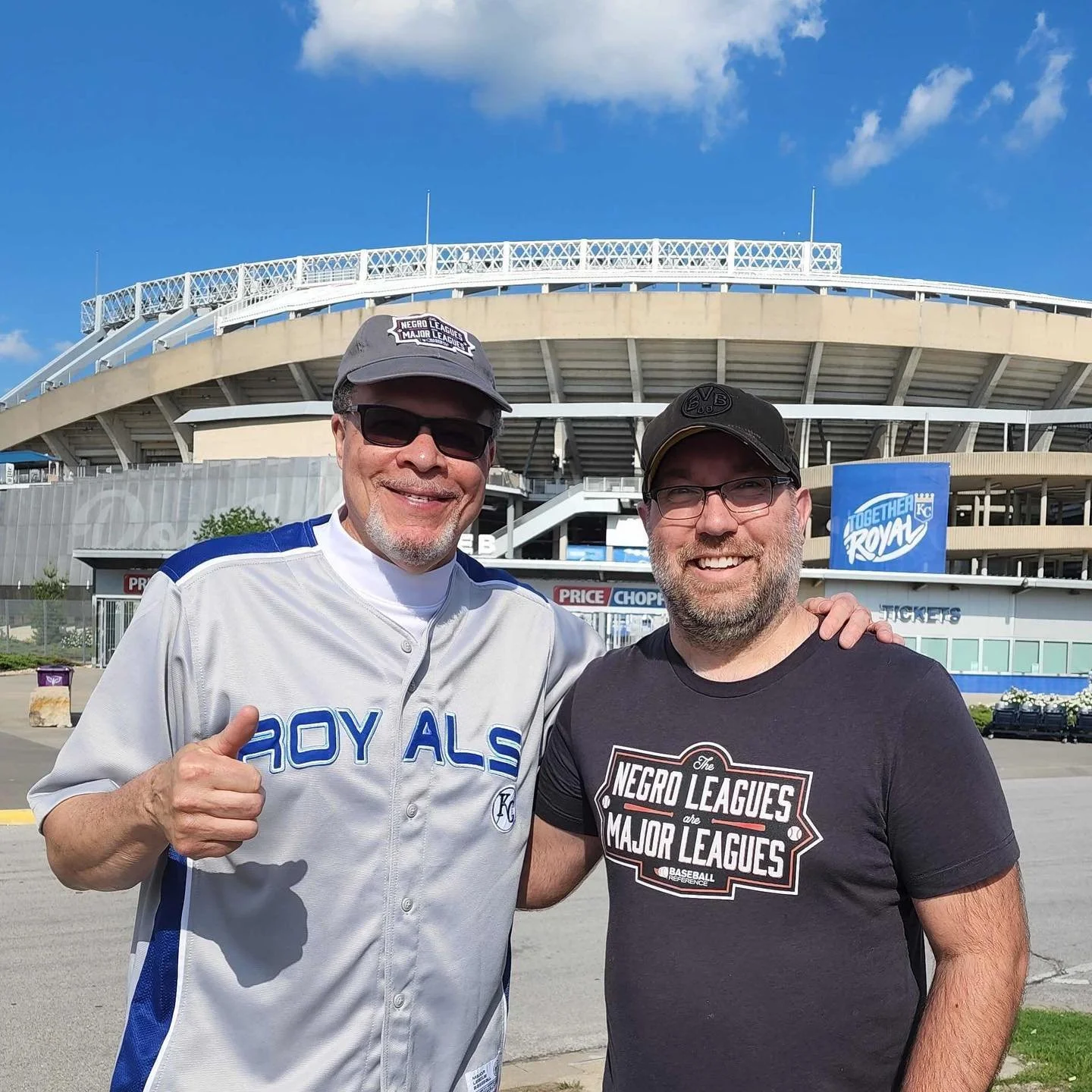
A True Researcher
It was important to me to have the conversation Adam and I had today, with someone who is actually a researcher. There is more nuance to this discussion than “this is what the numbers say.” I wanted to talk with someone who could look at those statistics, and tell us “this is what those numbers mean.” Adam was the perfect person for that job.
Here he is with another incredible researcher: Larry Lester. Without Larry’s tireless dedication to Negro Leagues research and documentation, the conversation Adam and I had today would not have been possible.
Larry was our guest, along with fellow Negro Leagues researcher Stephanie Liscio, for Episode 1 of Season 5. You can listen to that episode HERE.

These Numbers Are Fluid
It may be difficult or frustrating for the average fan to understand that the statistics of someone who played 100 years ago are still most likely going to be changing.
When you look at a statistical category like WAR, whether any new box scores are found or not, a player’s career total can change if the formula which determines said statistic changes - which has happened with WAR!
Position Player WAR Calculations and Details
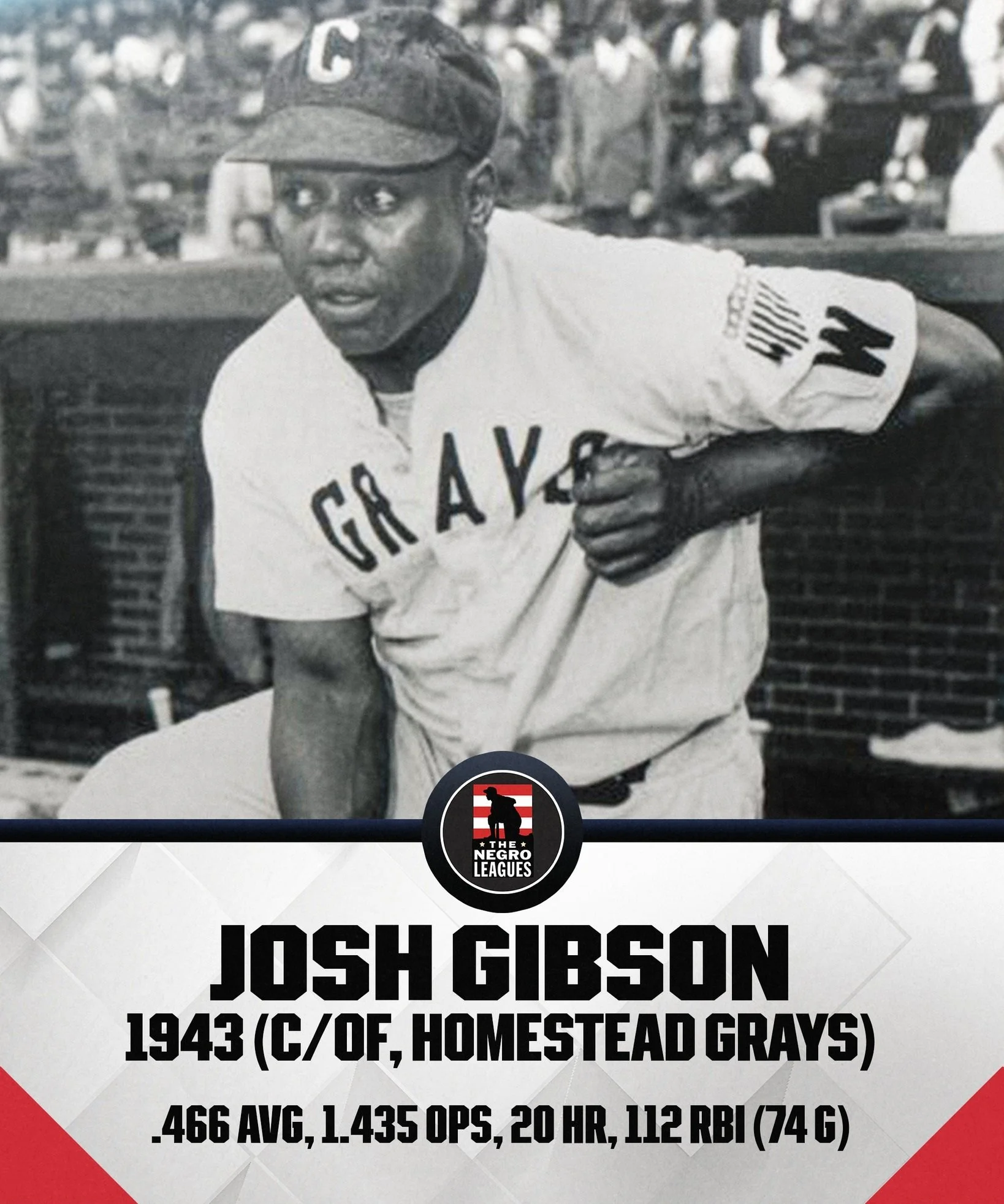
Messaging Problem
Without an explicit explanation from Major League Baseball that the “new records” being introduced can still potentially change as more box scores are discovered, many fans were left confused by the update.
After seeing many long-standing records fall to players with better averages but over a much shorter season, many fans wrote the entire endeavor off.
It seemed to be a blanket roll out presented as “these are the new records!” with the implication that, if these new records were overtaking stats which had been atop the record books for decades, these new records are surely going to be unchanged for decades, too. Clearly, that just isn’t the case.
Had the process been properly explained, or had these quirks been better addressed and communicated, many issues the average fan has had in adopting these numbers as “legitimate” could have been avoided.
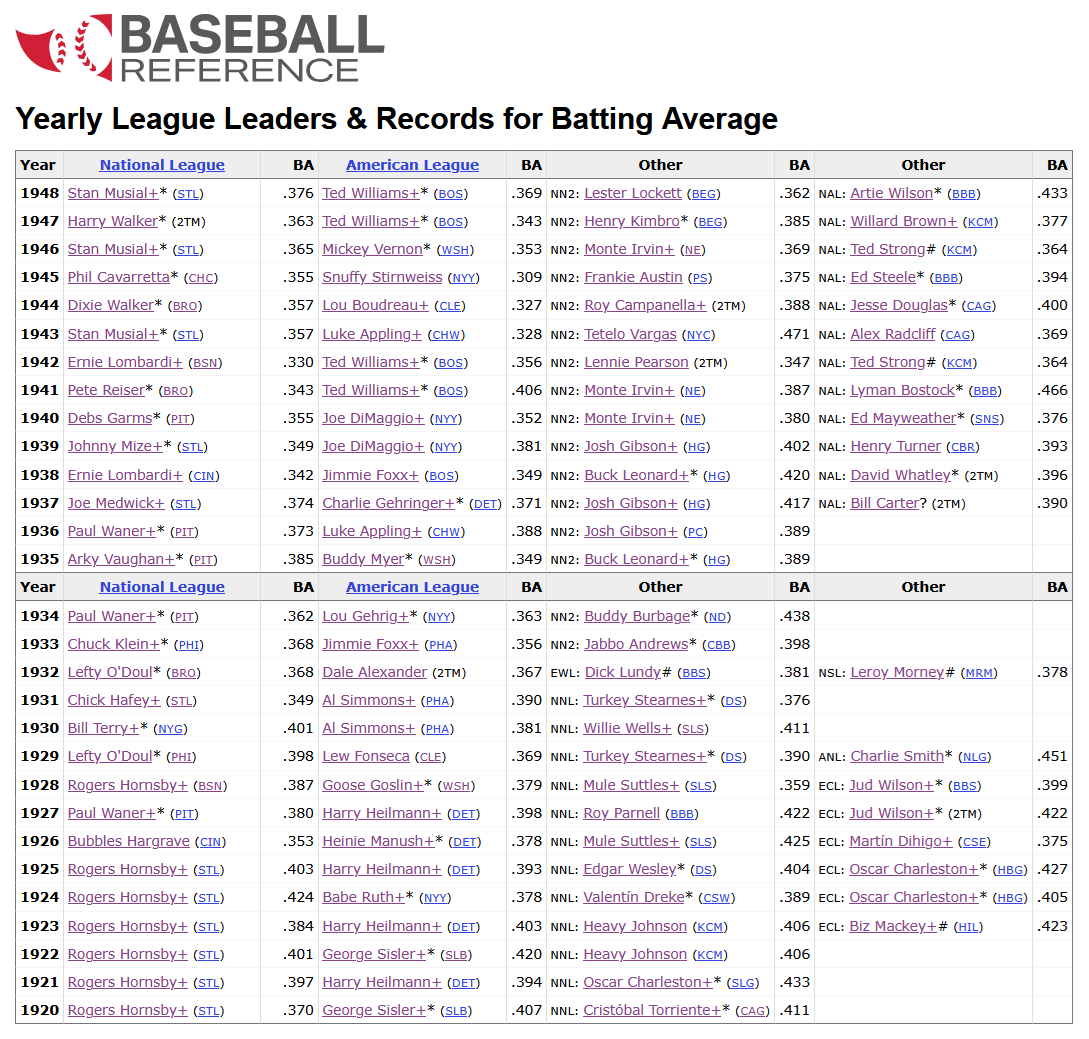
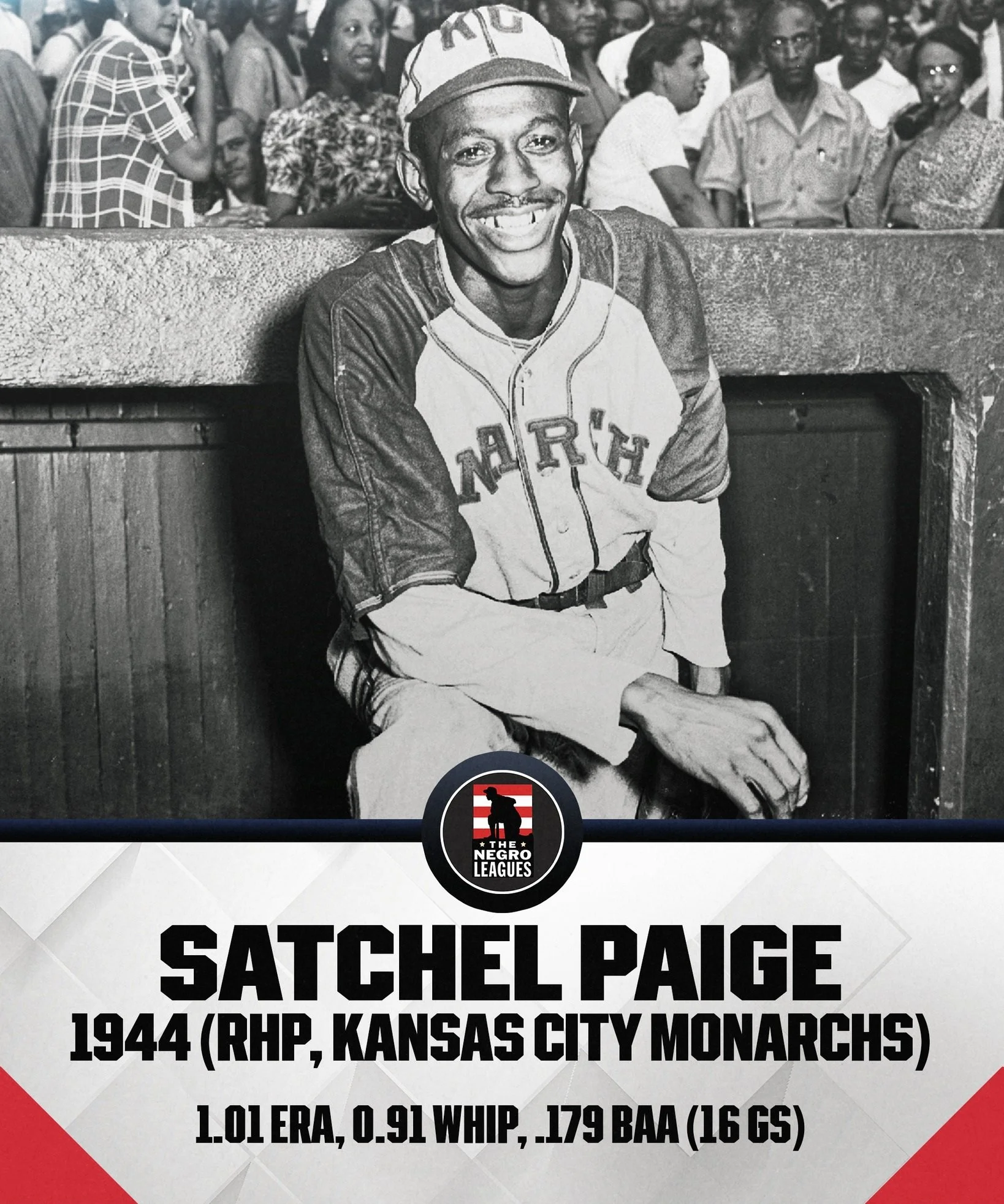
Subject To Change
These numbers are incredible, no doubt. But, like Adam said in the interview, the statistical coverage for Negro League games in the 1940s was significantly worse than it was in the 1920s, when almost every game is accounted for with a corresponding box score.
It is very possible that a new box score is found for the 1944 Kansas City Monarchs which shows a game where Satchel Paige pitched.
If that box score happens to be for a game during which Satchel gave up 8 runs in 2 innings, the stat line on this official MLB graphic will look wildly different.
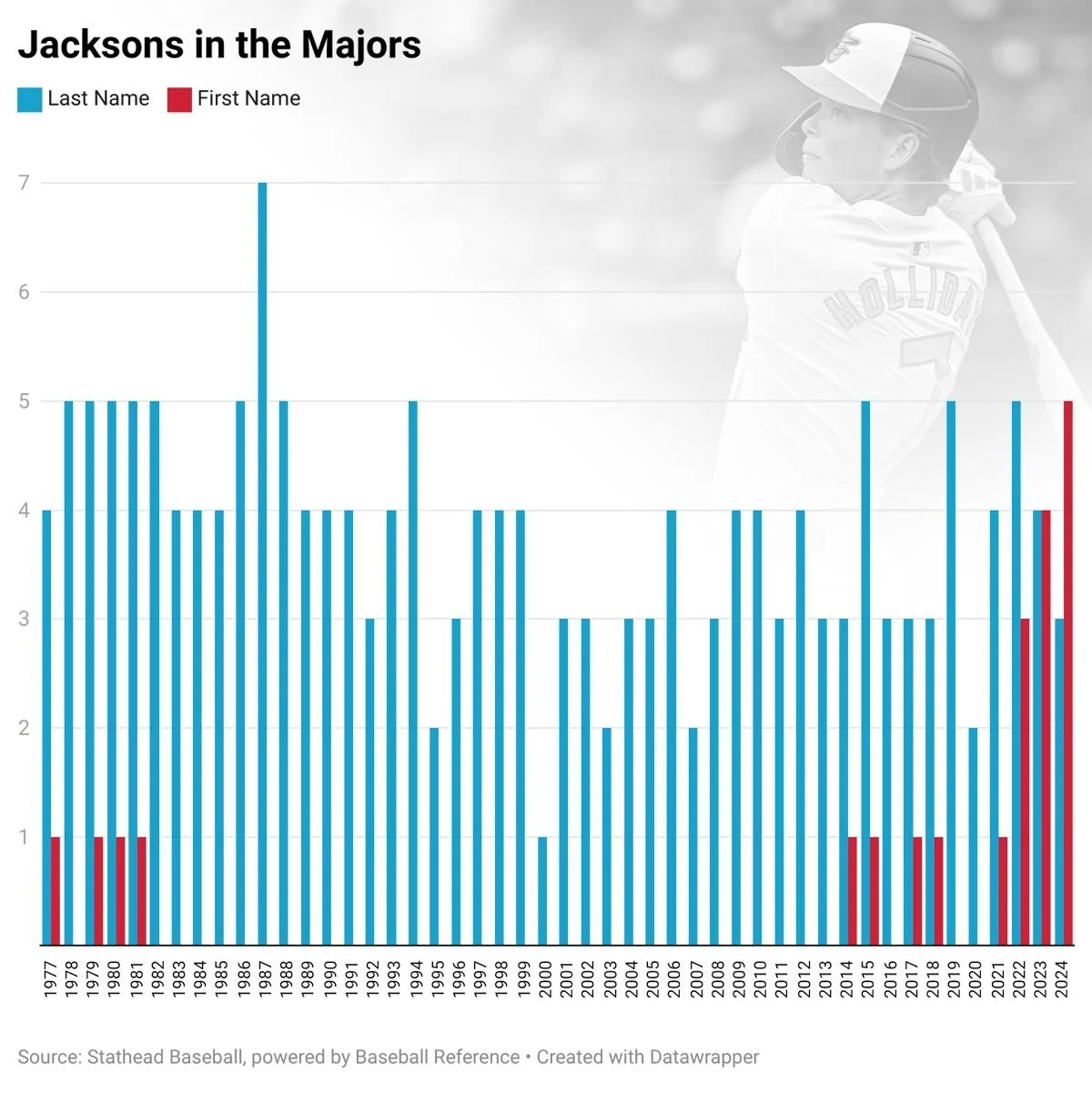
Something to consider…
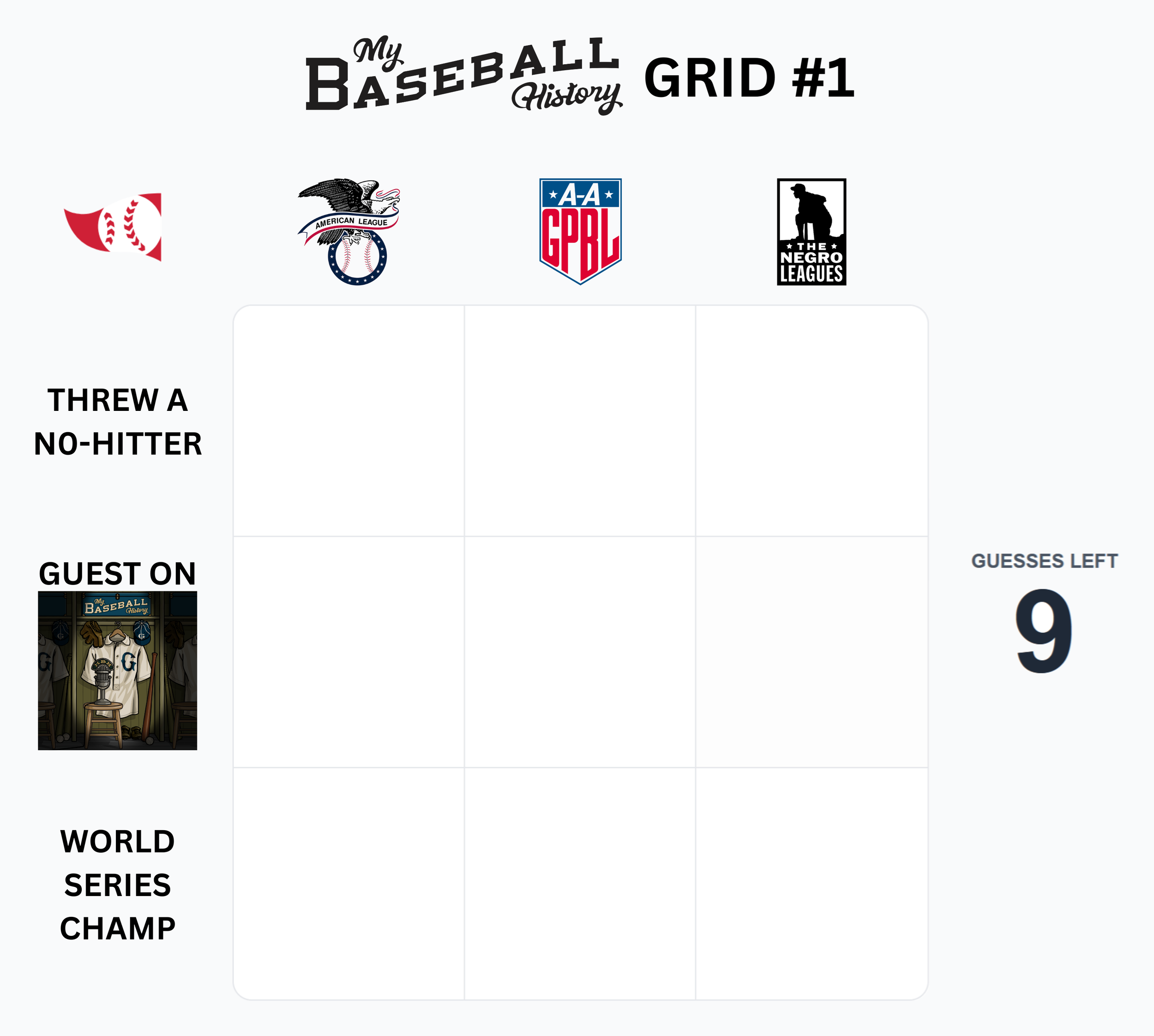
The Crossover Episode You Never Knew You Needed

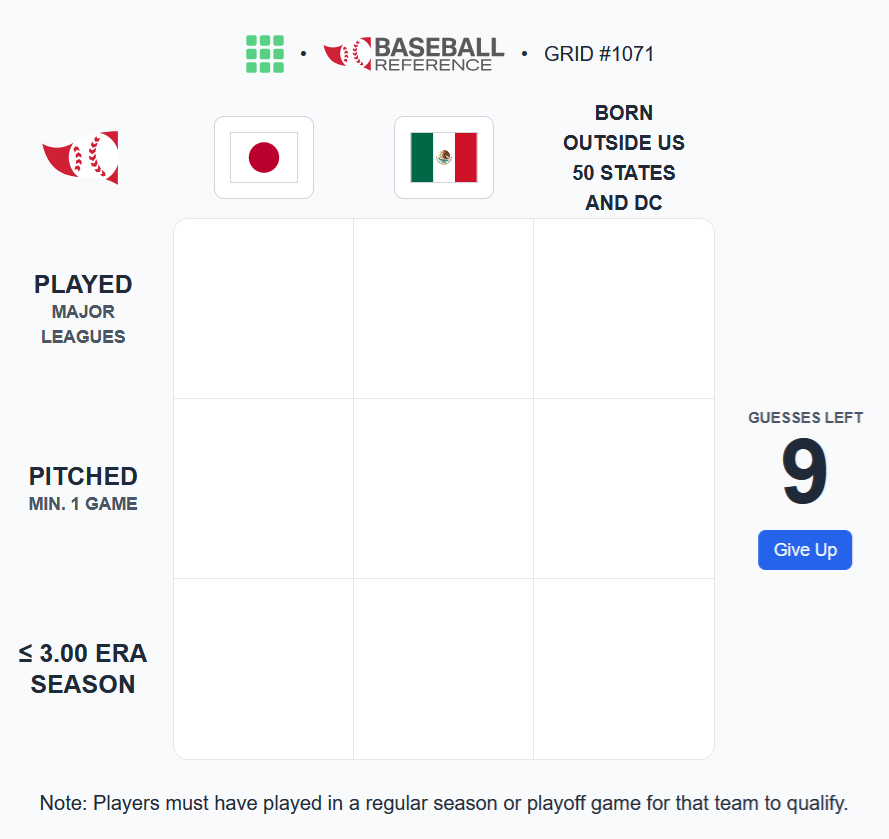
Immaculate Grid #1071
This was the grid Adam published on Sunday, March 8, 2026.
Maybe it’s because this was posted during the 2026 World Baseball Classic, so Adam figured more people will have foreign-born players on their minds, but it is interesting to note how much more frequently “Born In ____” has become a category on the grids compared to when Baseball Reference first took over the game.
Play Grid #1071 for yourself HERE.
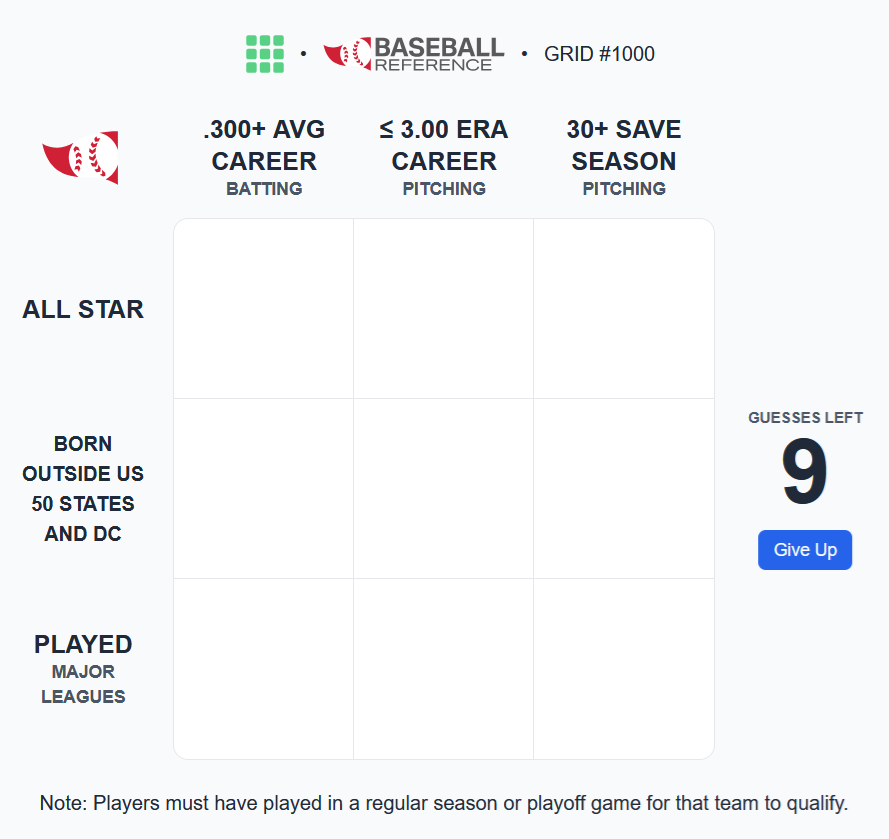
Immaculate Grid #1000
This was the grid Adam published on Saturday, December 27, 2025.
Play Grid #1000 for yourself HERE.
All The Important Information
Not only does Baseball Reference immediately tell you a player’s height, weight, and handedness, it also tells you their birthday, the day they passed away if they are no longer alive, and where they are buried, if that information is known.
Pair that with the Graves Map from the SABR Landmarks Committee, and you’ve got all the fixin’s for a real weird road trip (trust me - I have been on several of them).
SABR Biographies
While there have been more than 6,800 biographies written for the SABR Baseball Biography Project at this point, not every player has one.
However, if a player (or manager, or executive) does have one written about them, you can access it directly by clicking the “View Player Bio” link on Baseball Reference.

It’s Not What You Know…
… it’s who you know.
And I know Adam Darowski.
Check out Sports Reference’s YouTube channel for more videos of Baseball Reference Tips & Tricks HERE.
A selection of some videos I think you might enjoy:
Step-By-Step Guide To Comparing Players On Stathead Baseball
Episode 1 of For Your Reference, A Sports Podcast: 25th Infantry Wreckers featuring Adam Darowski
Use the Daily Event Finder Tool to see MLB statistics ⚾ | Stathead Baseball Tutorial
Season & Career Player Batting Finder Tool | Step-By-Step Guide on Stathead Baseball

It’s Not Just Me, Apparently!
This is a screenshot of a DM that Rafał Gikiewicz, goalkeeper for FC Augsburg, sent to Adam, asking Adam to walk him through a couple of the statistics he saw on FBref.
And, if you’re wondering, no, Adam doesn’t speak Polish, either.
The Lincoln Legal Papers
The staff of the Lincoln Legal Papers project has spent the better part of twelve years collecting nearly 90,000 documents associated with the legal practice of Abraham Lincoln.
The importance of archival collections for our project is evident in the following numbers. Of the 88,462 documents the project has accessioned into its collection, we found 36,259 in county court houses across the state; 28,342 at Illinois Regional Archives Depositories (IRAD); 4,366 among the holdings of the National Archives and Records Administration (NARA); and 3,915 at the Illinois State Archives.
Of course, the Library of Congress and the National Archives have a bunch of great stuff, too.
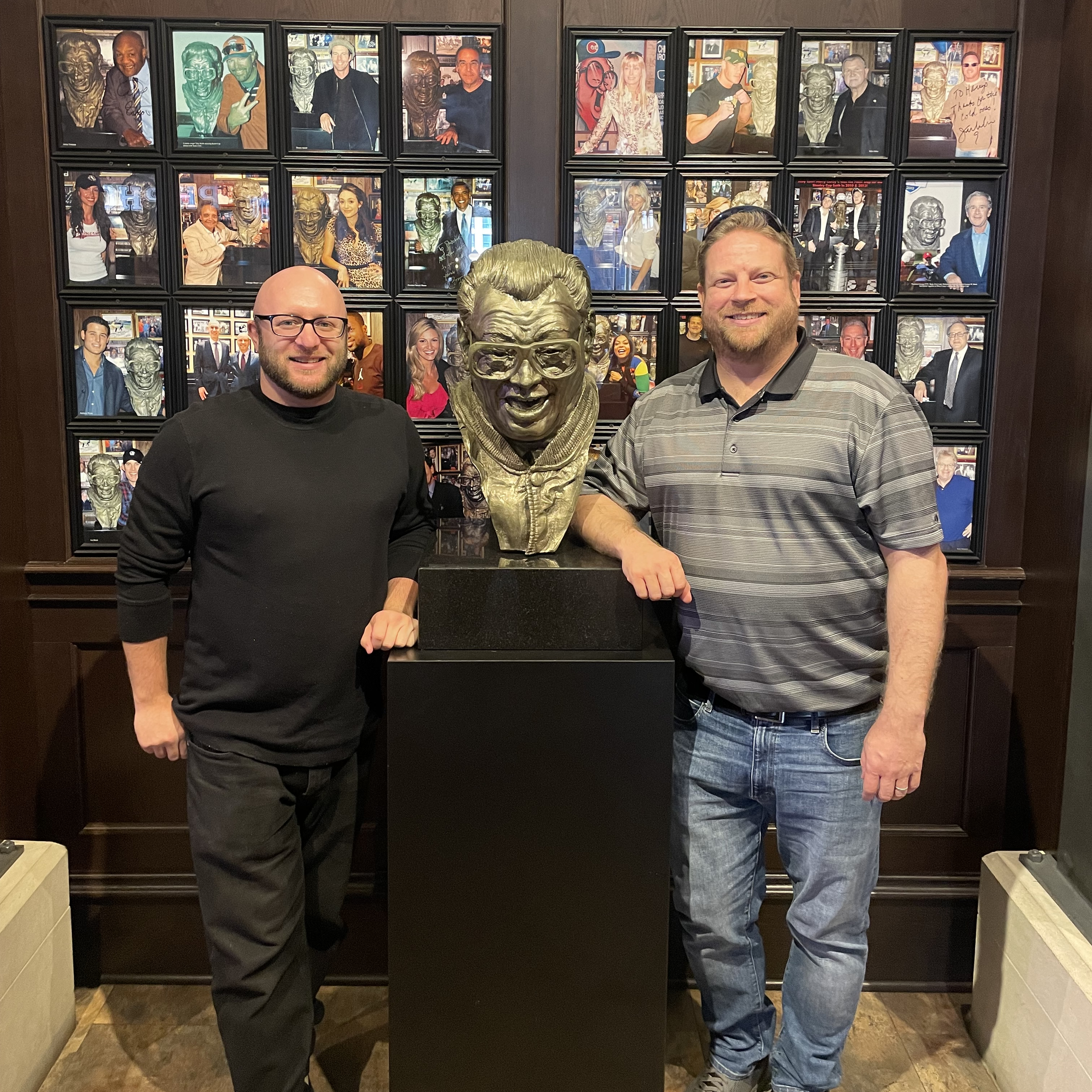
Jacob Pomrenke
Jacob Pomrenke is the Director of Editorial Content at the Society For American Baseball Research, and the chairman of the Black Sox Scandal Research Committee.
He was our guest for Episode 1 of Season 3. You can listen to that episode HERE.

Dirt Trips
For well over a decade now, I have been actively traveling the country trying to visit the locations of important sites in the life and carer of Shoeless Joe Jackson. When possible, I like to have a brick from the location. Often times, that is not possible, so I settle for a jar of dirt. Hence why I call these “dirt trips” - a term you’ve heard before on this show.
In this photo, I am standing in what I believe is the site of a former field which is the most likely location for Joe to have learned how to play baseball, and very possibly the first place he ever threw or hit a ball.

Census Records
Jacob Pomrenke’s research - specifically when it comes to the utilization of census records - was a huge help for some of my early road trips. He had addresses of each of the players involved in the Black Sox Scandal, from former homes, to places of business.
My mom has also been a huge help when it comes to doing that type of research for and with me over the years. There have been times in the past when I’ve been driving 8-10 hours a day to get someplace on a tight schedule, and she’ll be on the phone with me, looking stuff up online since I’m driving.

League Park
When Joe played for Cleveland, he lived on the 7200 block of Lexington Avenue, which was just two blocks away from his team’s home stadium, on the very same street.
He would walk to and from the game every day. His wife, Katie, would sit in the same seat so Joe would know where to look in the stands if he wanted to find her. No matter what the score was, Katie would leave the game during the 7th inning stretch to walk back to their house so Joe would have a hot meal ready and waiting for him to come home to when the game ended.
This image shows League Park on a 1913 Sanborn Fire Insurance Map from Ohio’s Cuyahoga County.

On This Date Posts
You’ve seen a handful of them throughout these liner notes, so you have an idea of the type of content you can expect every day if you aren’t already following My Baseball History on social media.
If you’d like to follow the show on your favorite platform, click one of the following links and it will take you right to our profile.
Join Our Email Newsletter
It’s free, and it’ll give you some bonus content throughout the month that you won’t get from the podcast episodes or by following any of our other social media platforms.
We put out new issues on the second Friday and the fourth Friday of every month. No more, no less.
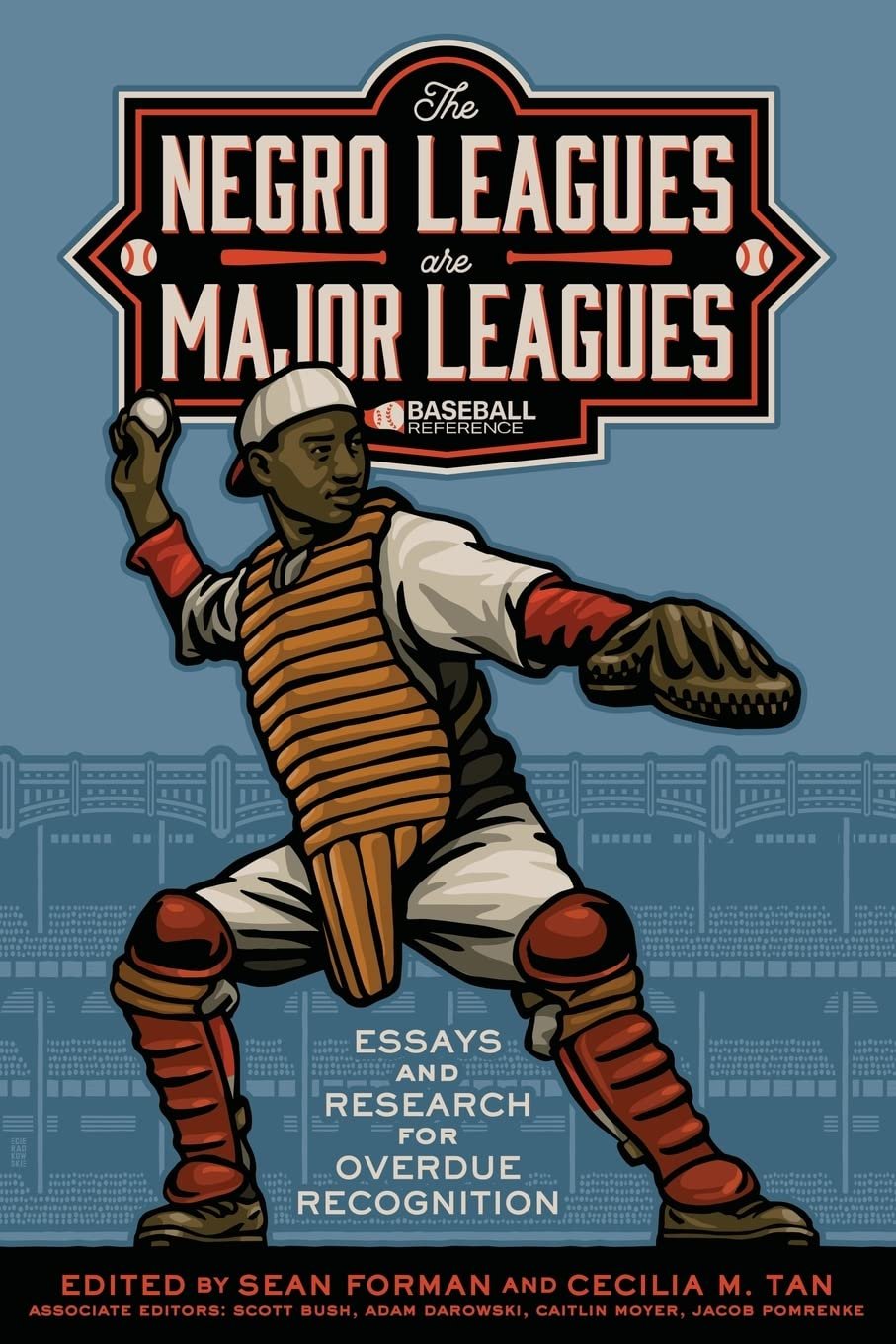
Giveaway Contest Prize
The 4,000 Professional Hit Club Research Team
During our discussion today, Adam and I spoke about his research along with his friends Von Spalding and Scott Simkus to document every player in professional baseball history who has ever compiled 4,000 or more hits, no matter which league those hits may have been collected in.
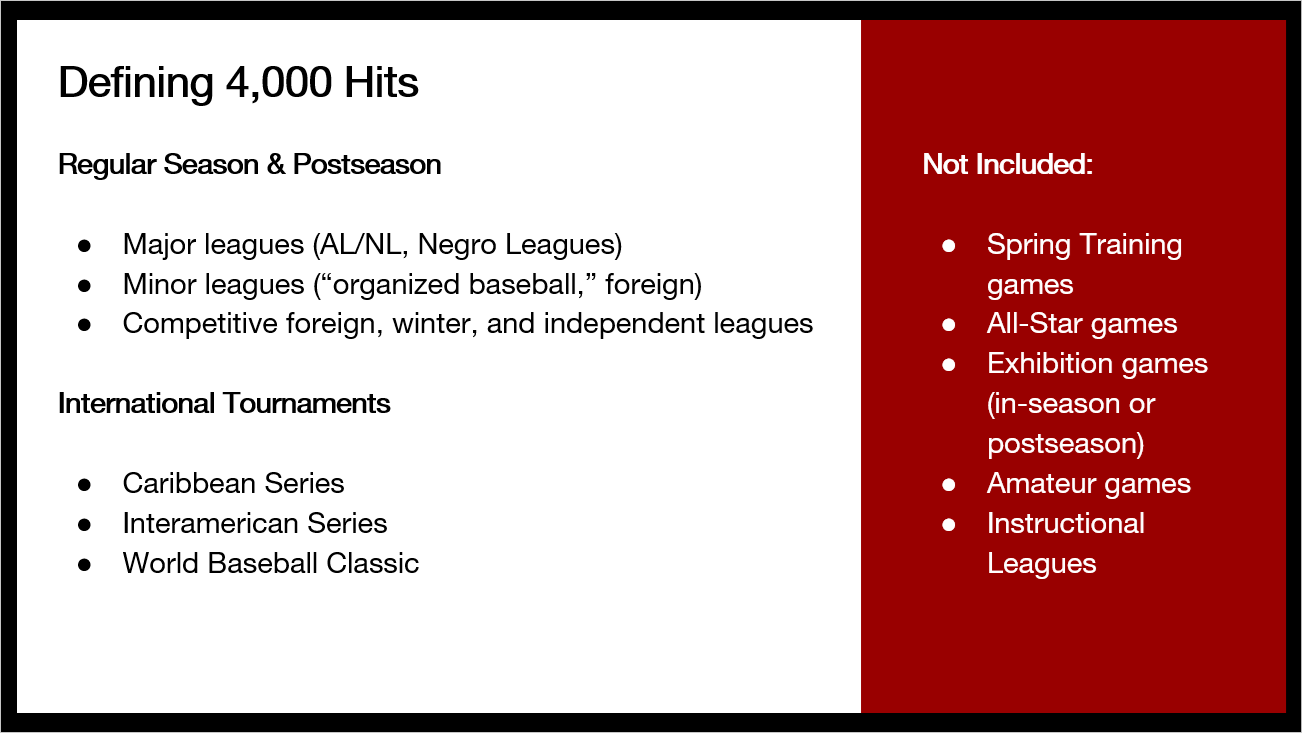
What Counts As A Hit?
Like he said during the interview, Adam and his friends counted hits collected in any competitive domestic leagues, playoffs, and international tournaments. They did not include hits compiled in an instructional or non-competitive setting (such as Spring training, or instructional leagues) or in exhibitions (like All-Star games or barnstorming games).
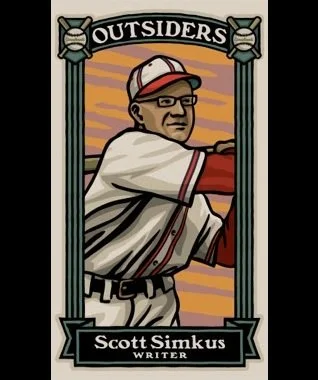
Scott Simkus
It all started when, in 2013, Scott Simkus published a SABR article announcing 9 members of the 4,000 career hit club. In February of 2025, after the Negro Leagues statistics had been incorporated thanks to the Seamheads data, and with Adam and Von adding their research, too, Scott published an update to his original SABR article which suddenly included 18 members of the 4,000 hit club, twice as many as he had found back in 2013.
In March of 2025, they found another one. In April, another. And in May, they found one more. Meaning they were up to 21 total members at the time of Adam’s presentation at the 53rd annual SABR convention in Texas.
Artwork courtesy of 2026 Jefferson Burdick Award winner Gary Cieradkowski, who was our guest for Episode 4 of Season 5. You can listen to that episode HERE.
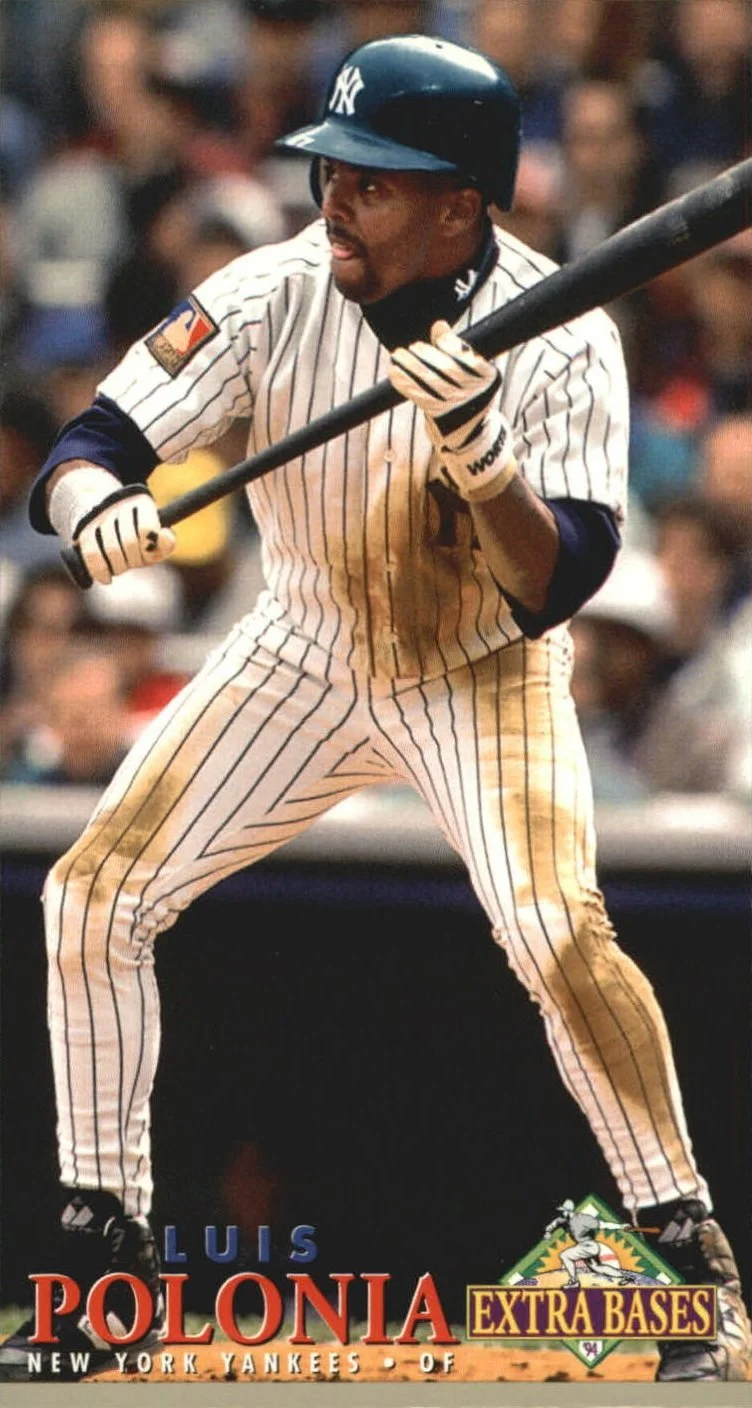
Constantly Updating
Although Adam gave his presentation about the 4,000 Professional Hit Club in June of 2025, that list and those numbers are already out of date, which is a perfect example of how all baseball research, especially statistical research which relies on evidence found in box scores which are constantly being discovered, is always growing, changing, and evolving.
Now, just 9 months after his presentation declaring 21 members in the 4,000 Professional Hit Club, there are currently 23 members, with Luis Polonia sitting on 3,999 career hits attributed to his name so far. But that’s as of the airing of this episode, on March 11, 2026. So, depending on when you’re listening to this, even THAT might be outdated.
Thankfully, Adam was gracious enough to share the link to his constantly-updated spreadsheet with us, and that’s in the liner notes, so no matter when you’re listening to this, you can always go straight to the source linked on our website, and see what the current totals are.
Check out the current list of 4,000 Professional Hit Club members HERE.
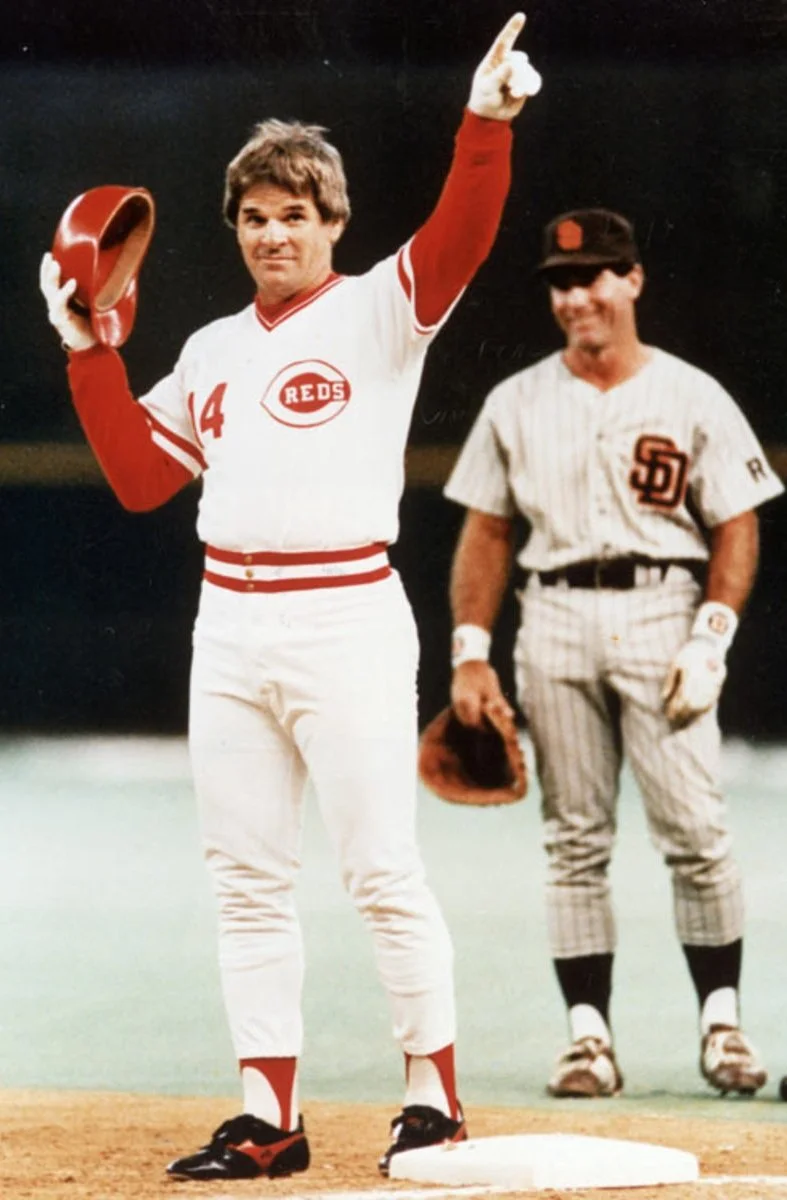
Pete Rose
For the purposes of the rest of this episode, I’m going with the numbers Adam has as of March of 2026. As it stands right now, 7 of the top 10 players are guys you probably know pretty well.
Pete Rose is number one, with 4,856 professional hits. Interestingly, his .30496 batting average in 15,923 career at bats puts him exactly in the middle of the pack of the 23 players with 4,000 or more hits, with 11 players better than his, and 11 players worse.
Many people mistakenly believe Pete Rose was a hitter with a great average, sometimes even thinking he’s got one of the best batting averages of all time. That’s actually a fairly common misconception I have found that many people have about him, especially in all my years speaking and interacting with baseball fans in a Joe Jackson-related capacity. But that’s just not the case.
Pete Rose’s Major League batting average of .30285 is very good, sure. But it leaves him tied for 179th all-time. It’s worse than the career batting averages of Magglio Ordóñez, both Moisés and Matty Alou, and of Rusty Greer.
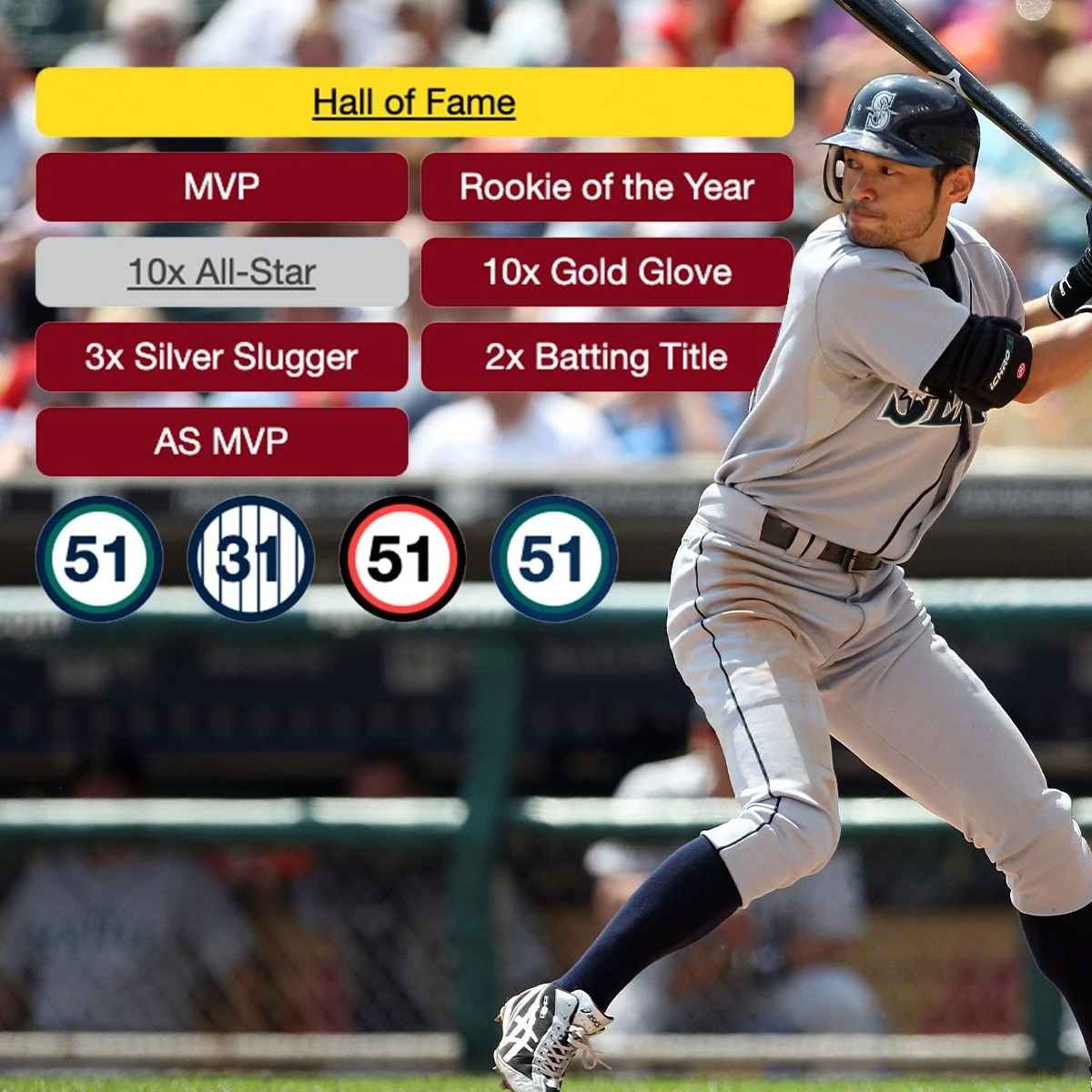
Ichiro
Anyway, back to the 4,000 Professional hit list… Ichiro is 3rd all-time with 4,635, Minnie Miñoso is 5th with 4,563, and Ty Cobb is 7th with 4,409, which includes what we believe to be his true, accurate Major League total of 4,189 hits, not the inflated 4,191 which is in many historical record books.
The discrepancy can be traced back to the 1910 season when Cobb had two hits in a game, but somehow score sheets were entered twice, on September 24 and again on September 25.
That’s one of the mistakes in the white record books which Adam and I referred to during our interview.
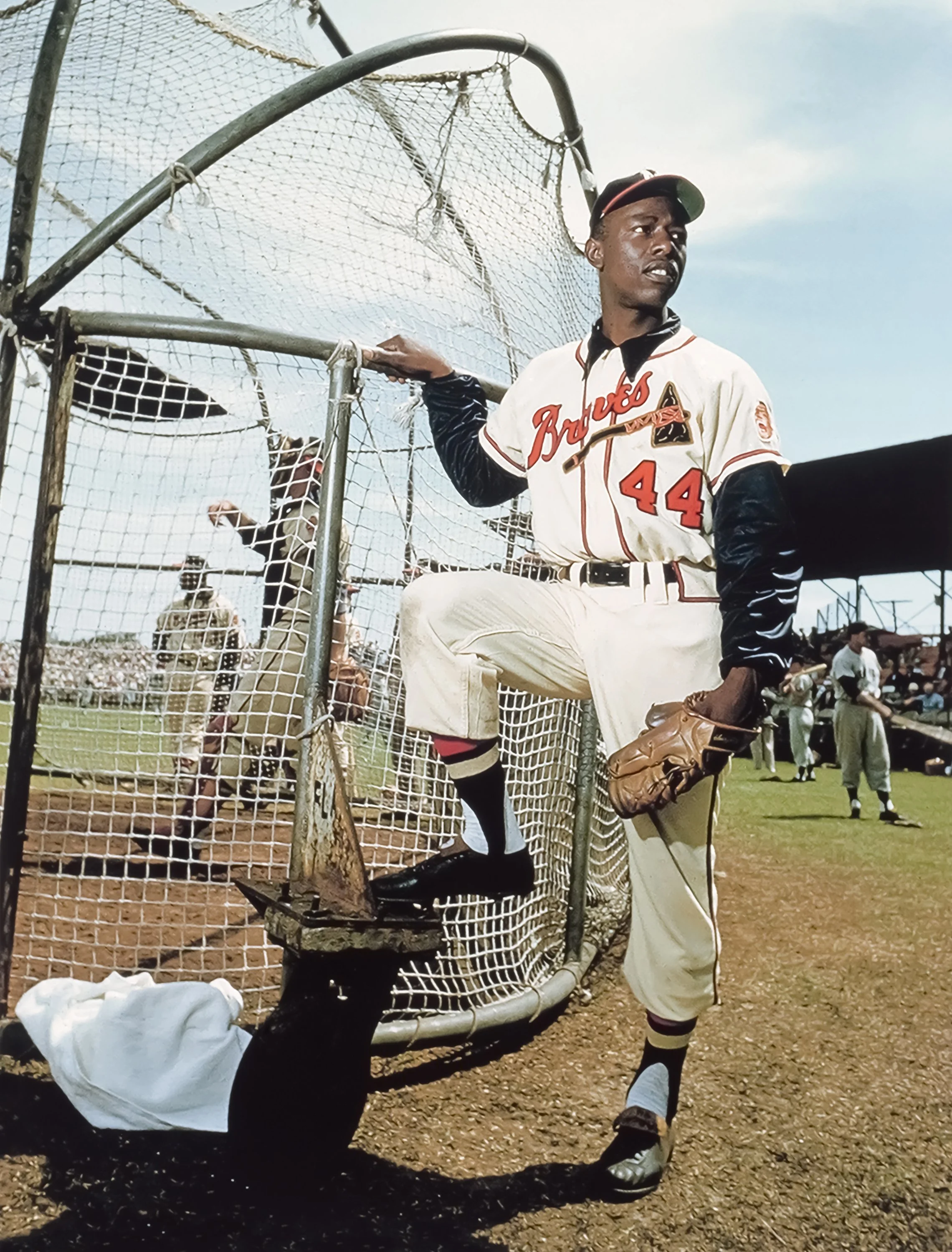
Henry Aaron
But back to the 4,000 Hit list. Henry Aaron is 9th with 4,284, and Derek Jeter is 10th with 4,243.
One of my favorite anecdotes about Henry Aaron, and maybe one you’ve heard before, is that if you took away every home run he hit in his Major League career, all 755 of them, he would still have 3,000 hits as a big leaguer.
And, not surprisingly, he has the most home runs of anyone who has 4,000 career hits, with a total of 814 when you add in the other professional leagues he played in.
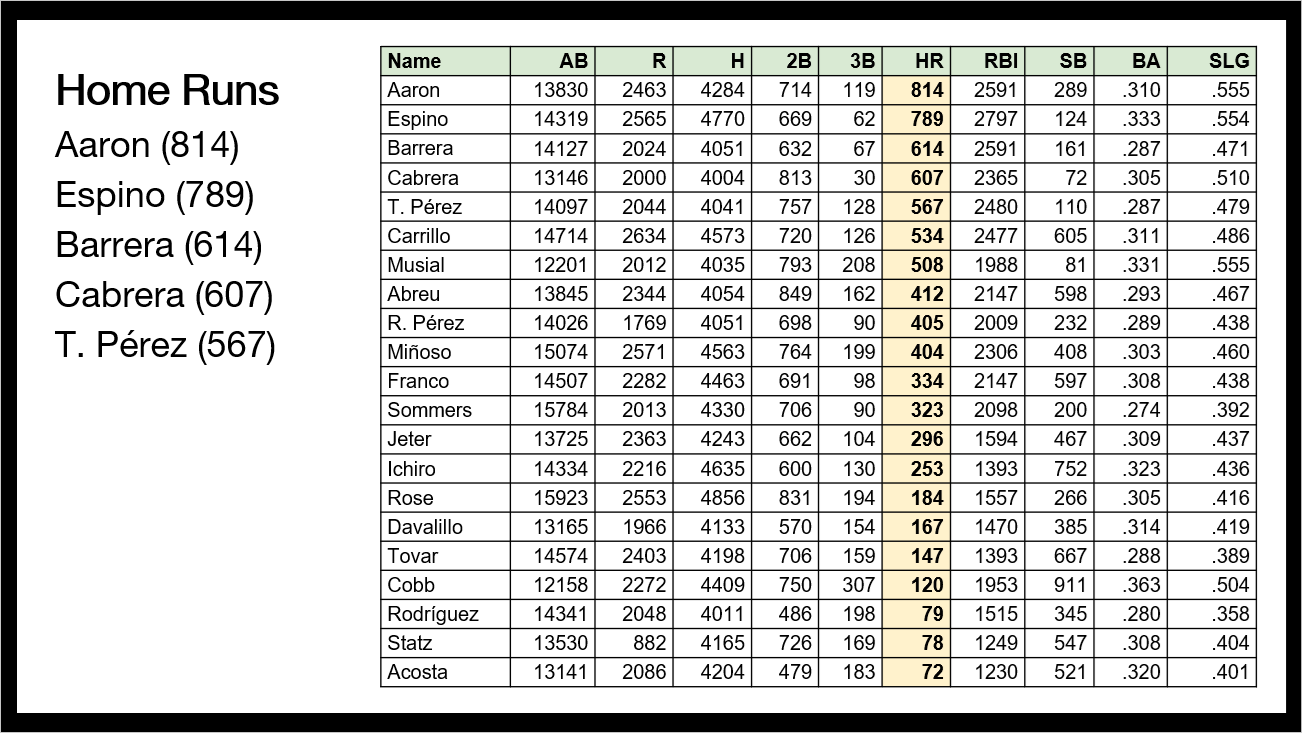
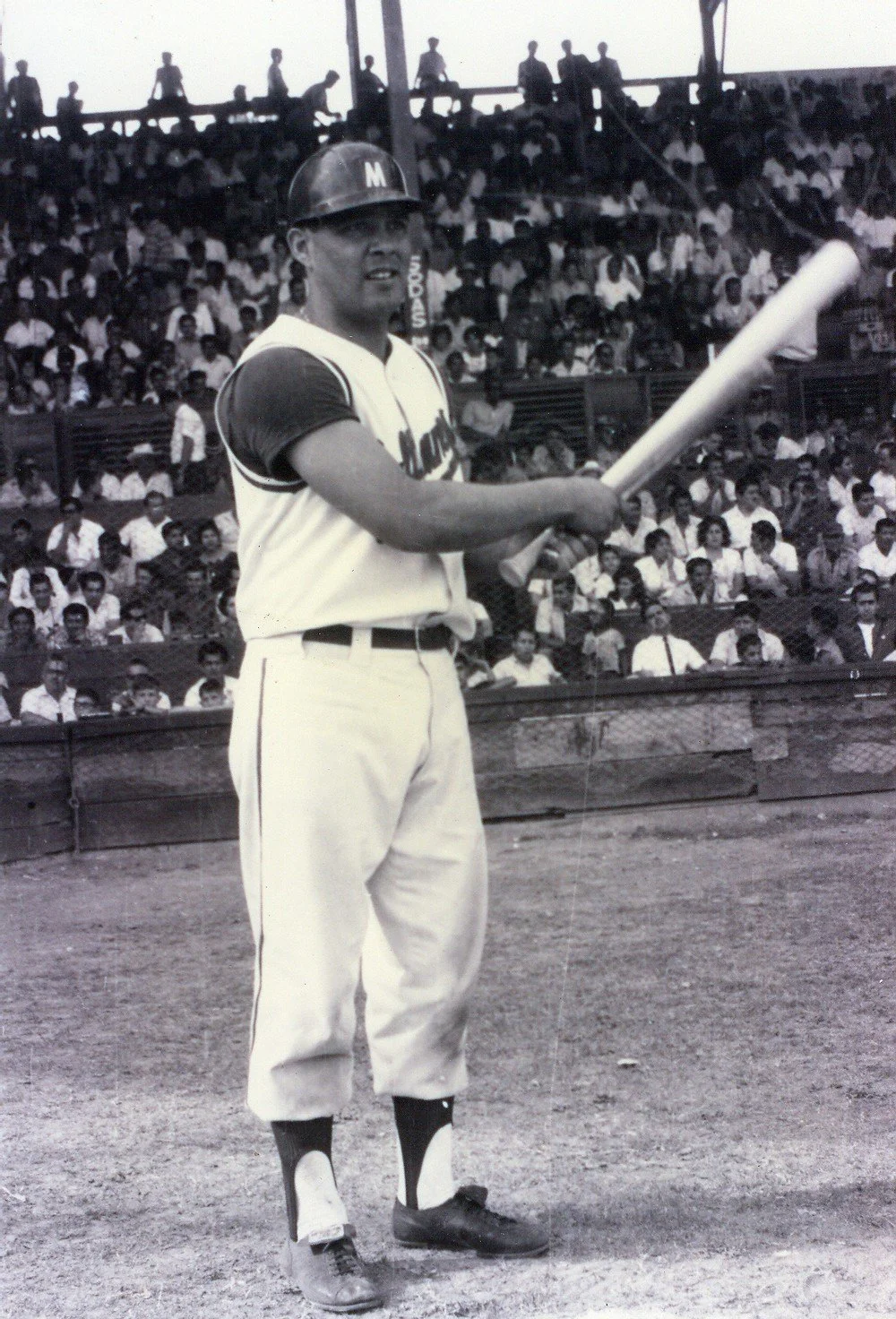
Héctor Espino
But just behind Henry Aaron in terms of home runs is the man who has the second most professional hits, all time. Héctor Espino had 4,794 hits in his career, with 792 of them being home runs.
So, take that Henry Aaron anecdote and kick it up a notch. If you removed every home run Héctor Espino hit in his professional career, he would still have FOUR THOUSAND hits. 4,002, to be exact.
Not only does he have the second most home runs of anyone with 4,000 professional hits, but he has the most RBI, with 2,807, more than 200 ahead of second place.
He also has the second best batting average, with a .333 career mark, second only to Ty Cobb. He must have been a truly special hitter.

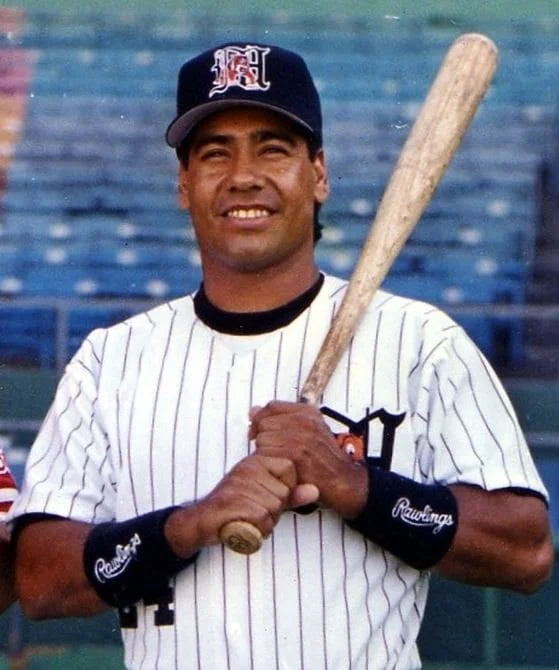
Matías Carrillo
Fourth on the all-time professional hit list is Matías Carrillo, who had 4,575 in his career.
534 of them were home runs, and he also had 605 stolen bases, which makes him the only player in professional baseball history to reach 500+ home runs, 4,000+ hits, and even 500 stolen bases, let alone the 605 steals he actually had.
There are two other players who have 400 home runs, 4,000 hits, and 400 stolen bases all time, and those are Minnie Miñoso, and Bobby Abreu.


Jesús Sommers
Eighth on the all-time Professional hit list is Jesús Sommers, who had 4,330 in his career.
His .274 career batting average is the lowest of anyone on the list, but his 15,784 career at bats are second only to Pete Rose, with only Minnie Minoso also reaching 15,000 among players on this list.
For comparison’s sake, Ty Cobb needed only 12,158 at bats to accumulate his 4,409 hits. If Ty had stuck around for the same amount of at bats that Sommers had, and performed at the same .363 batting average he had throughout his career at the time of his retirement, Cobb would have ended his career with 5,723 hits.
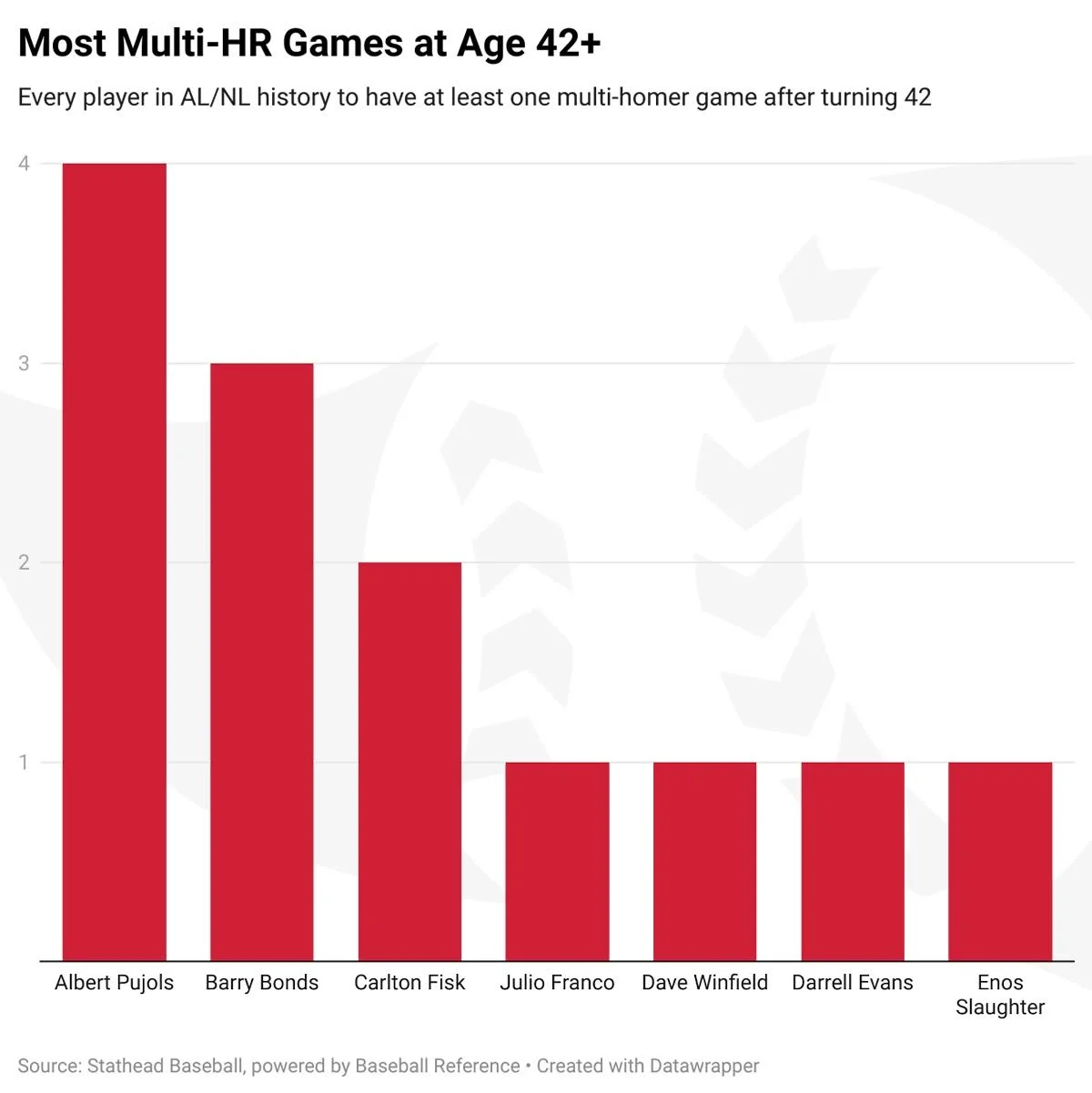
Julio Franco
For those of you keeping score at home, we’ve now talked about every player in the Top 10 list, except for one. The player with the 6th most hits in Professional Baseball history, is Adam Darowski’s favorite…
Julio Franco was born August 23, 1958. He played his last Major League game on September 17, 2007… when he was 49 years and 25 days old.
In 2006, he became the oldest player in AL or NL history to hit a home run. He extended that record when he hit one the following season, on May 4, 2007.

The Ageless Wonder
After re-joining the Braves during the 2001 season, Julio played 95 games or more every year from 2002 through 2006, so this wasn’t like many other old-age players from years past who had actually been retired for 3 or more years and came back for one last game in their mid- to late-40s or even their 50s.
As it stands, only 12 players have ever appeared in a Major League game at an age more advanced than Julio’s during his final career game. Of those 12, only six were position players, and none of those six had actually played continuously before their final game. To say that Julio’s career is unique would not be inaccurate, but it would absolutely be insufficient.
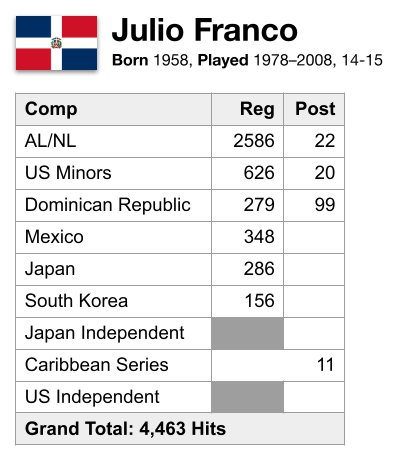
Add ‘Em Up!
Including postseason play, Julio Franco recorded 2,608 hits in the American League and National League, 646 hits in the US minor leagues, 378 hits in the Dominican Republic, 348 hits in Mexico, 286 hits in Japan, 156 hits in South Korea, and he had 11 hits in the Caribbean Series.
But if you add all those up, that only gives him 4,433 hits, so where are those other hits to bring him to the total Adam has at 4,463?

Fort Worth Cats
Six of them came in 2014, when a 55-year old Julio Franco played for the Fort Worth Cats of the Independent United League.
In 7 games for Forth Worth, Julio had 6 hits, including one double, and two walks. He scored 4 runs and drove in another.
On May 24, 2014, the Fort Worth Cats tweeted:
“Julio Franco extended his hitting streak to five games going 2-for-5 on the night with two singles. He has at least a hit in every game.”
(And, yes, for the record, Julio Cesar Franco is FIFTY-FIVE YEARS OLD in this picture. In fact, he’s only about three months away from being 56!)
Japan
Franco played professional ball from 1978 to 2015, when he ended his career (at least, so far) with 24 hits in 25 games for the Ishikawa Million Stars of the Baseball Challenge League, a Japanese Independent League.
That’s right. Julio Franco batted .312 with a .432 On Base Percentage … while playing professional baseball … as a 56-year-old.
One Of A Kind
In 2020, a viral video made the rounds of a 61-year-old Franco taking swings in a batting cage wearing dress shoes and a scarf.
The beard was gray, but there was no mistaking that stance, or that swing.
The same swing that produced 4,463 professional hits, including 691 doubles, 98 triples, and 334 home runs at a .308 clip, while driving in 2,147 runs.
There’s a reason why only five players who have ever put on a baseball uniform have collected more hits as a professional than Julio.
And, thanks to Adam Darowski, not only do we know who each of those five players is, but we know exactly where each of their hits happened.

Support My Baseball History
If you don’t have PayPal and want to send a donation through Venmo, Zelle, Cash App, or any other platform, email me at shoelesspodcast@gmail.com and I’ll send you directions for whichever method you prefer.
We appreciate you being here.